
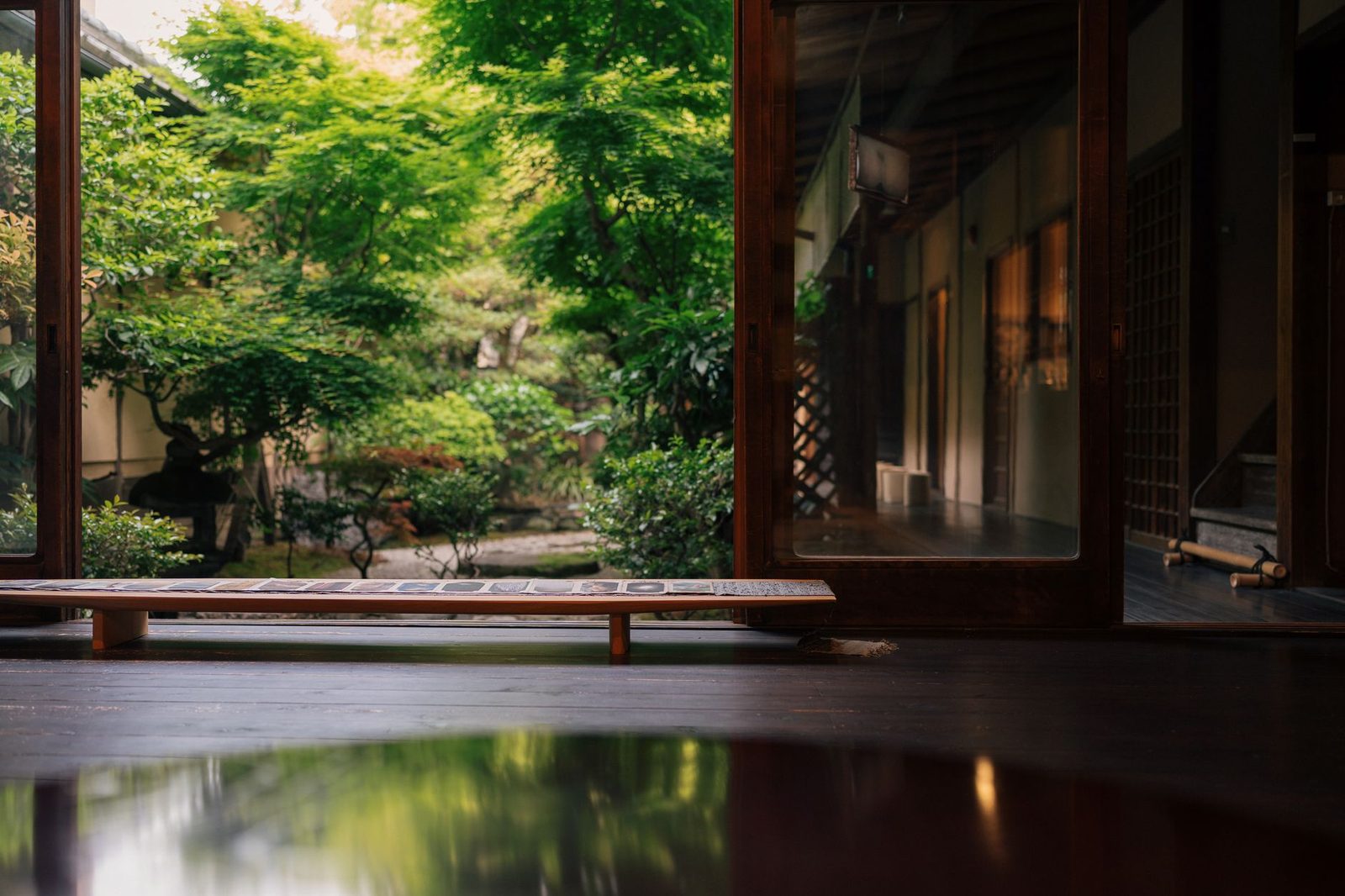
 Illustrative photo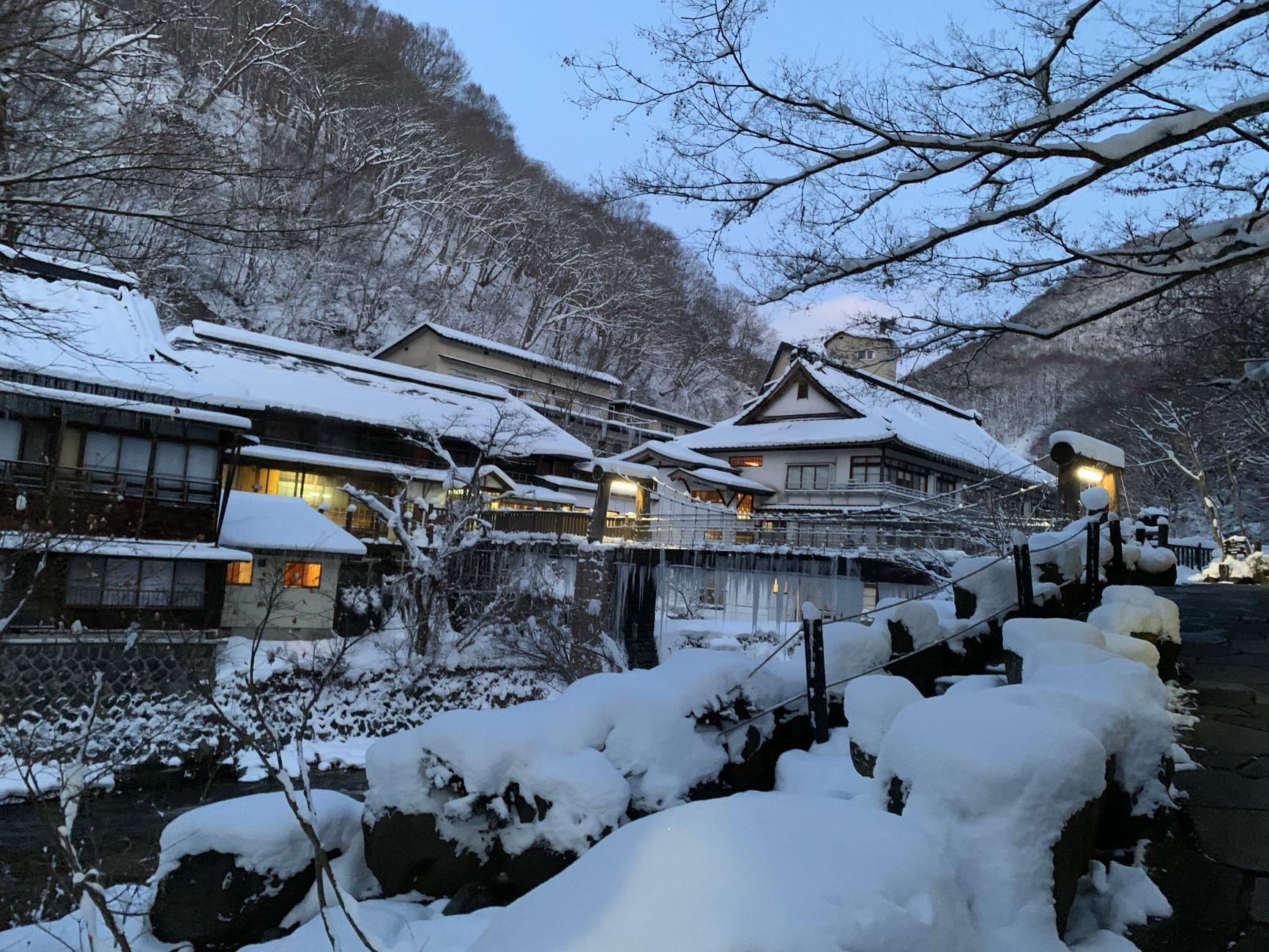
Ryokan · Japan's traditional inns
Ryokan in Japan with onsen: curated inns, booked on request
A night at a ryokan in Japan, arranged for you
Hot water under an open sky. Dinner in many small courses. A futon laid out while you ate. Tell us where and when; we ask the inns in Japanese and email you options with one total price. Nothing to pay until you say yes.
Nothing to pay until you approve an option
- Nothing to pay until you approve an option
- Ask in your language; we talk to the inn in Japanese
- Allergies and dietary needs passed on in Japanese
- Private car door to door, on request
Featured ryokan in Japan
An editorial selection across Japan's onsen regions, not a ranking.
- Illustrative photo
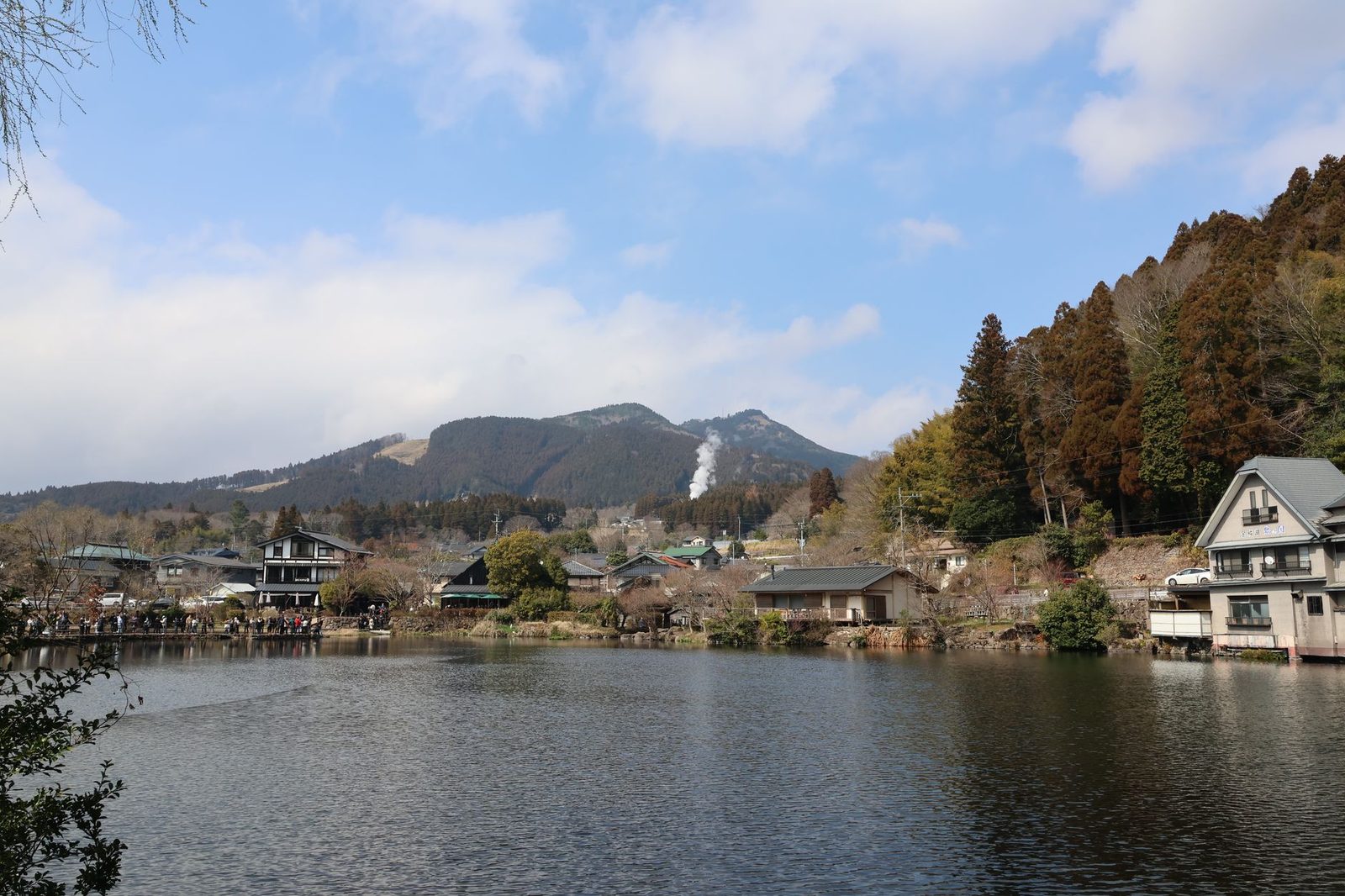 Illustrative photo
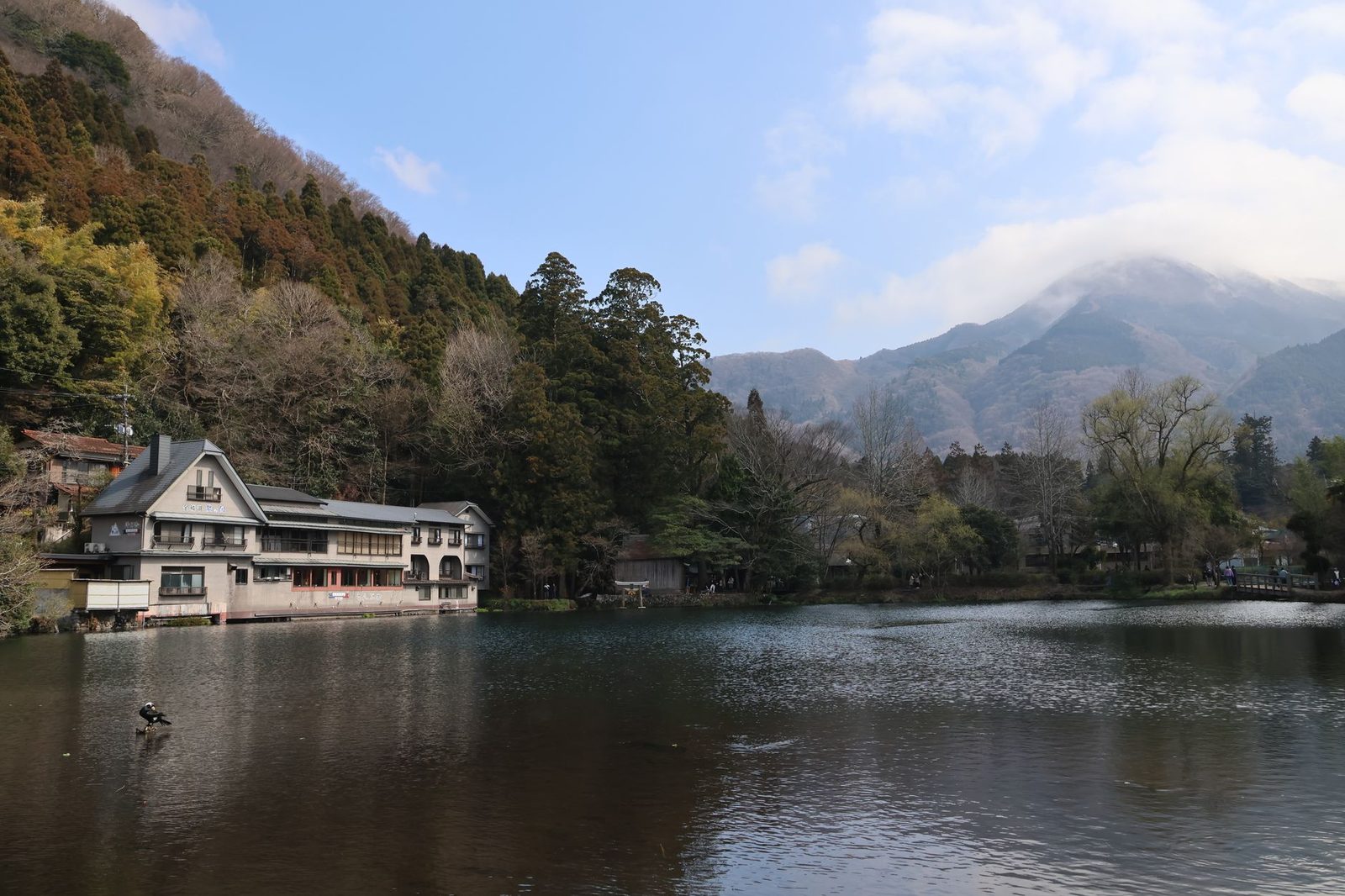 Illustrative photo
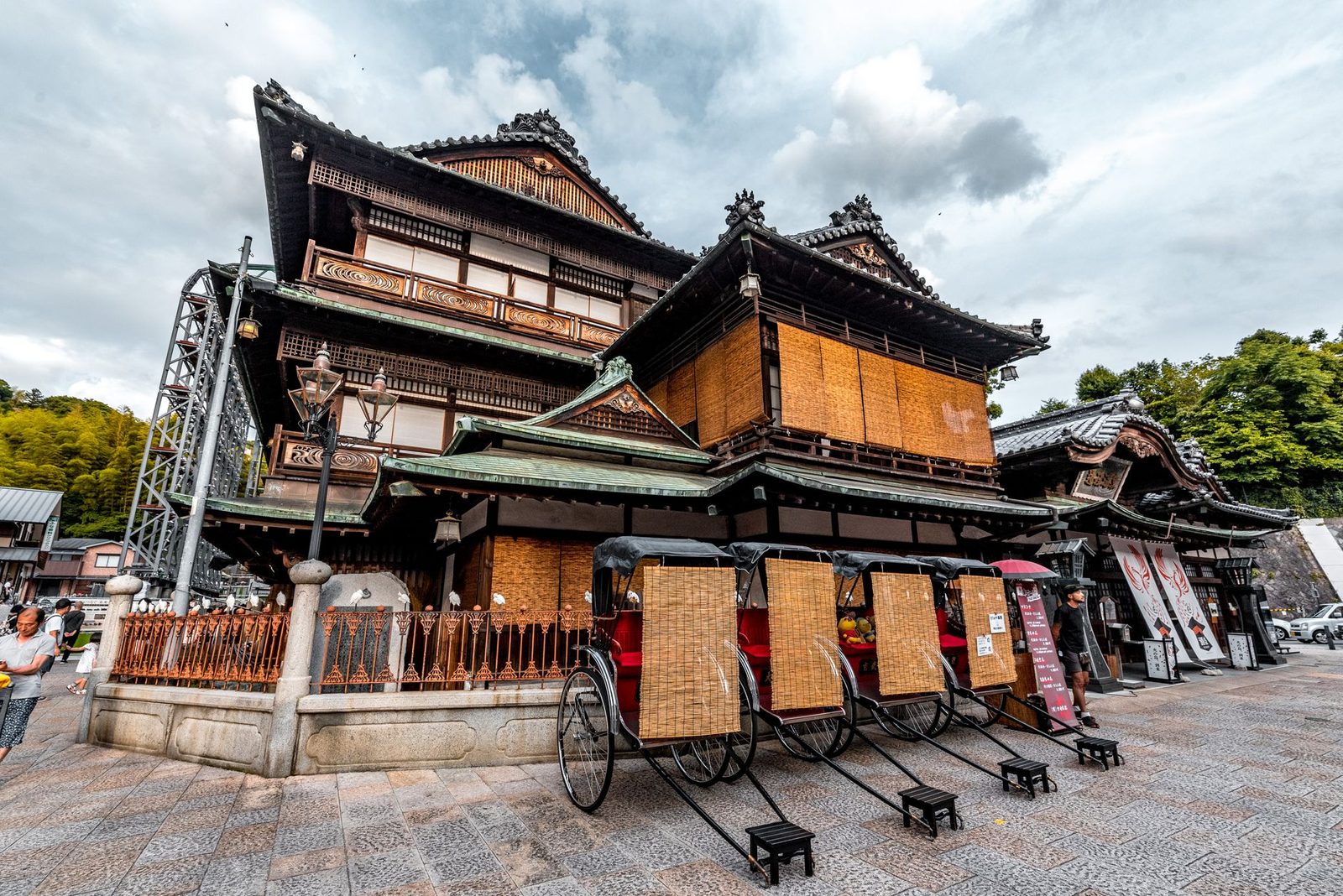 Illustrative photo
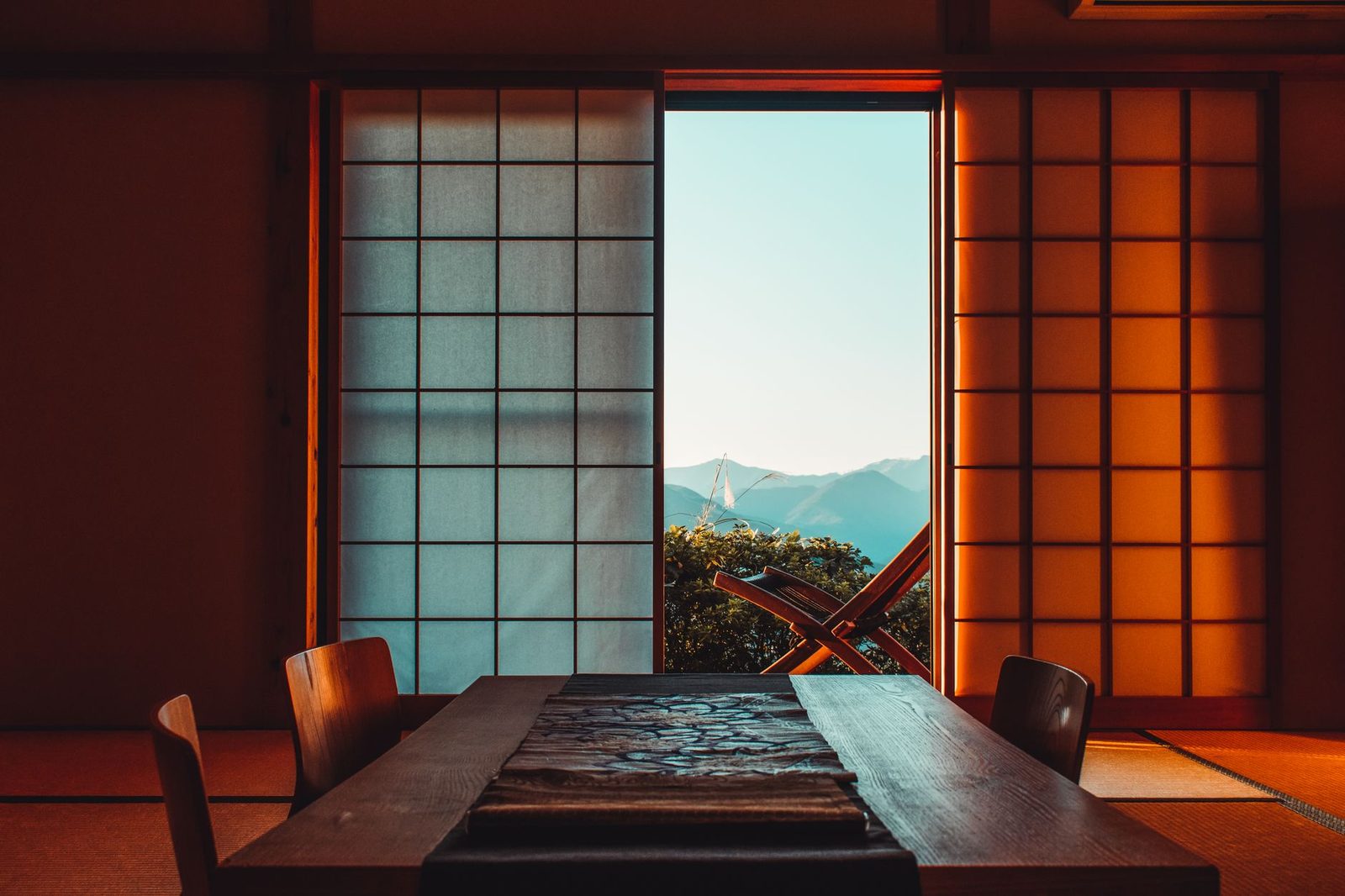 Illustrative photo
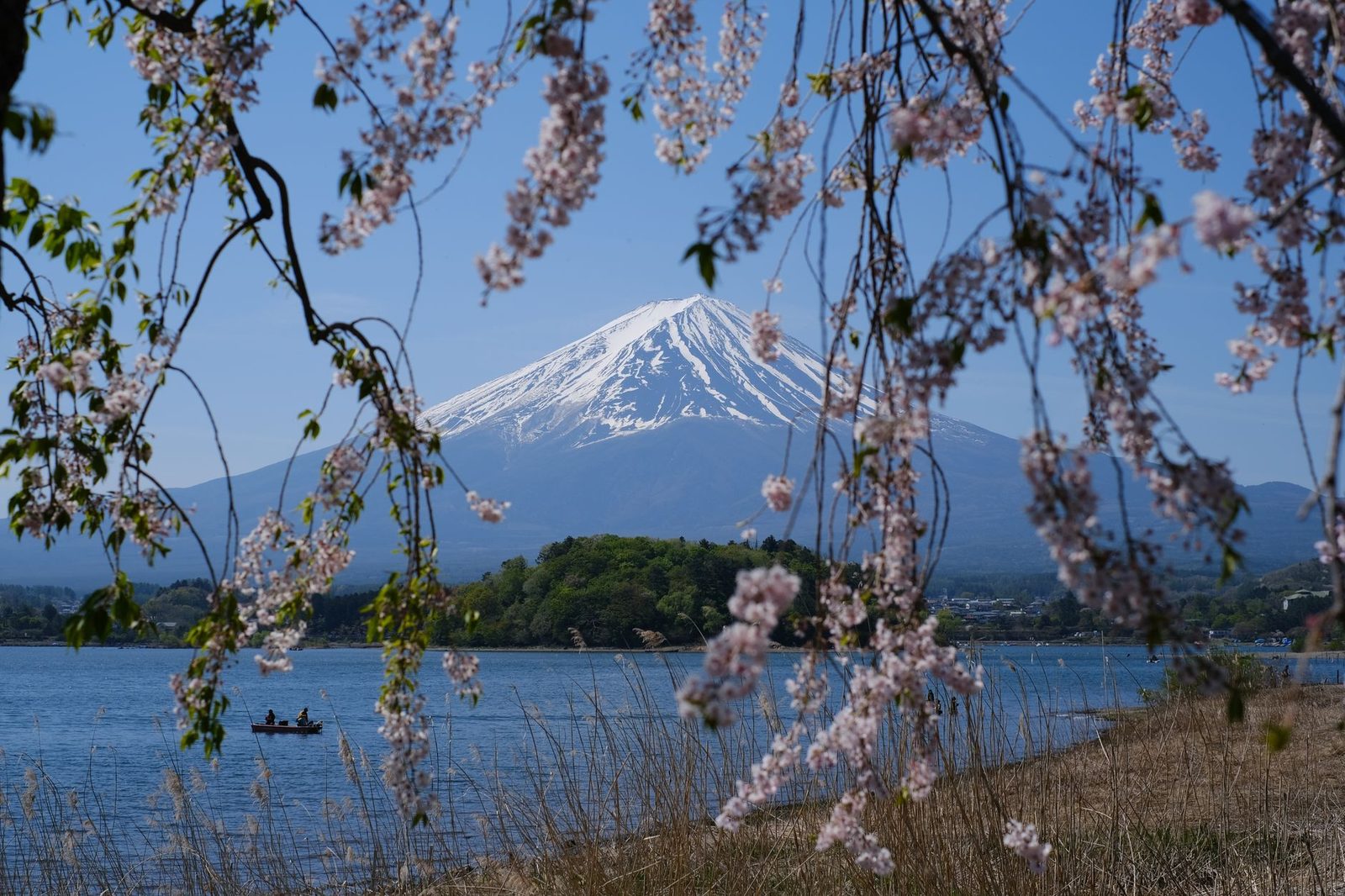 Illustrative photo
Mt Fuji & Kawaguchiko · Yamanashi
Konansou
Traditional ryokan
- Rooms with open-air bath
- Kaiseki dinner
- Mt Fuji view
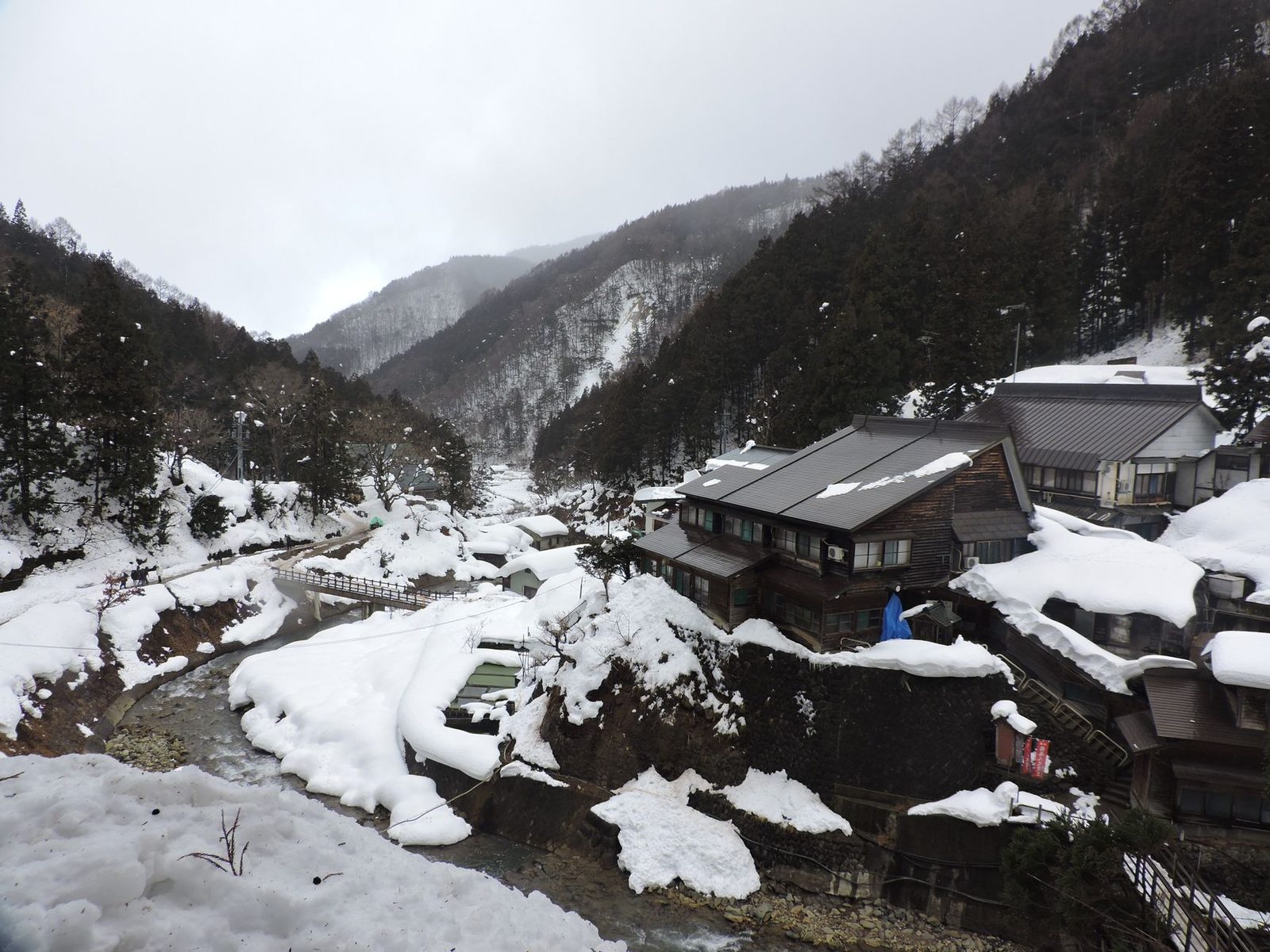 Illustrative photo
Ginzan & Yamagata · Yamagata
Ginzan Onsen Fujiya Inn
Upscale ryokan
- Reservable private bath
- Kaiseki dinner
- Riverside
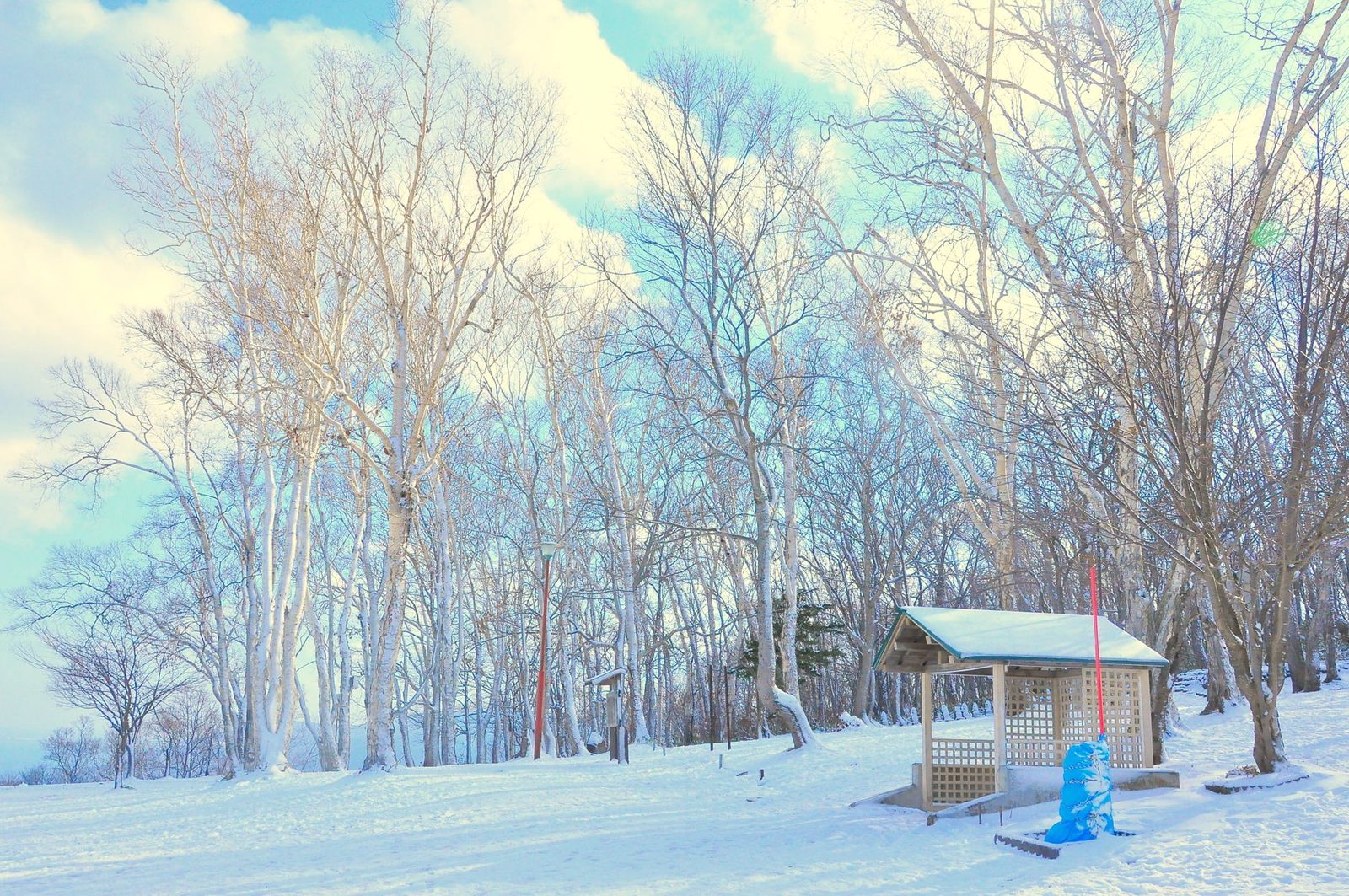 Illustrative photo
Hokkaido onsen · Hokkaido
Zaborin
Luxury ryokan
- Open-air bath in every room
- Kaiseki dinner
- Mountains
Price on request
Ryokan selected by OlaChill
Each inn below was checked against its official website. Prices are reference prices with the date we checked them; we confirm the current price and room before you decide.
80 ryokan
- Illustrative photo
- Illustrative photo
- Illustrative photo
- Illustrative photo
- Illustrative photo
- Illustrative photo
Mt Fuji & Kawaguchiko · Yamanashi
Konansou
Traditional ryokan
- Rooms with open-air bath
- Kaiseki dinner
- Mt Fuji view
- Illustrative photo
Ginzan & Yamagata · Yamagata
Ginzan Onsen Fujiya Inn
Upscale ryokan
- Reservable private bath
- Kaiseki dinner
- Riverside
- Illustrative photo
Hokkaido onsen · Hokkaido
Zaborin
Luxury ryokan
- Open-air bath in every room
- Kaiseki dinner
- Mountains
Price on request
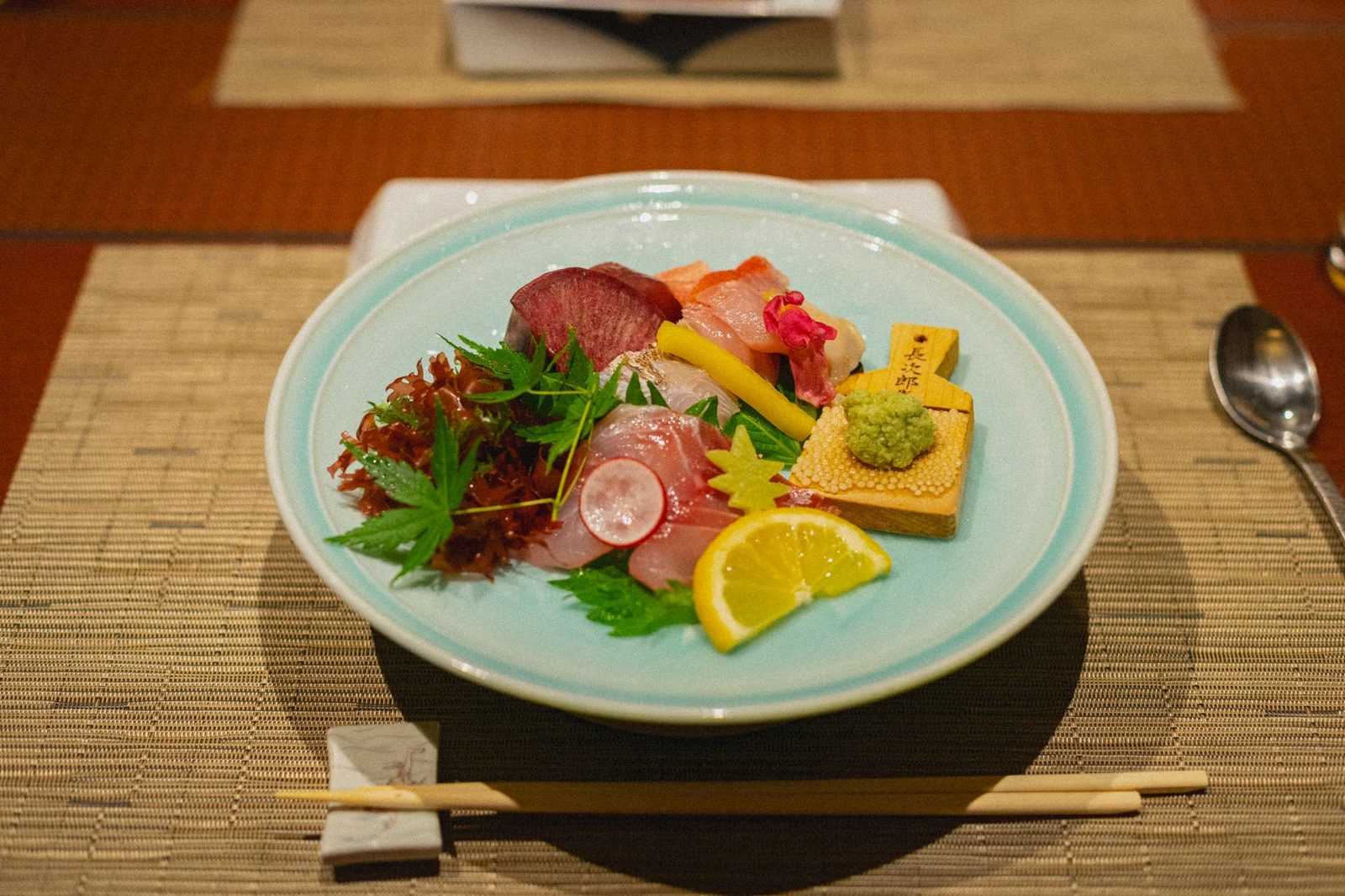 Illustrative photo
Arima Onsen (Kobe) · Hyogo
Arima Onsen Hyoe Koyokaku
Traditional ryokan
- Rooms with open-air bath
- Kaiseki dinner
- Mountains
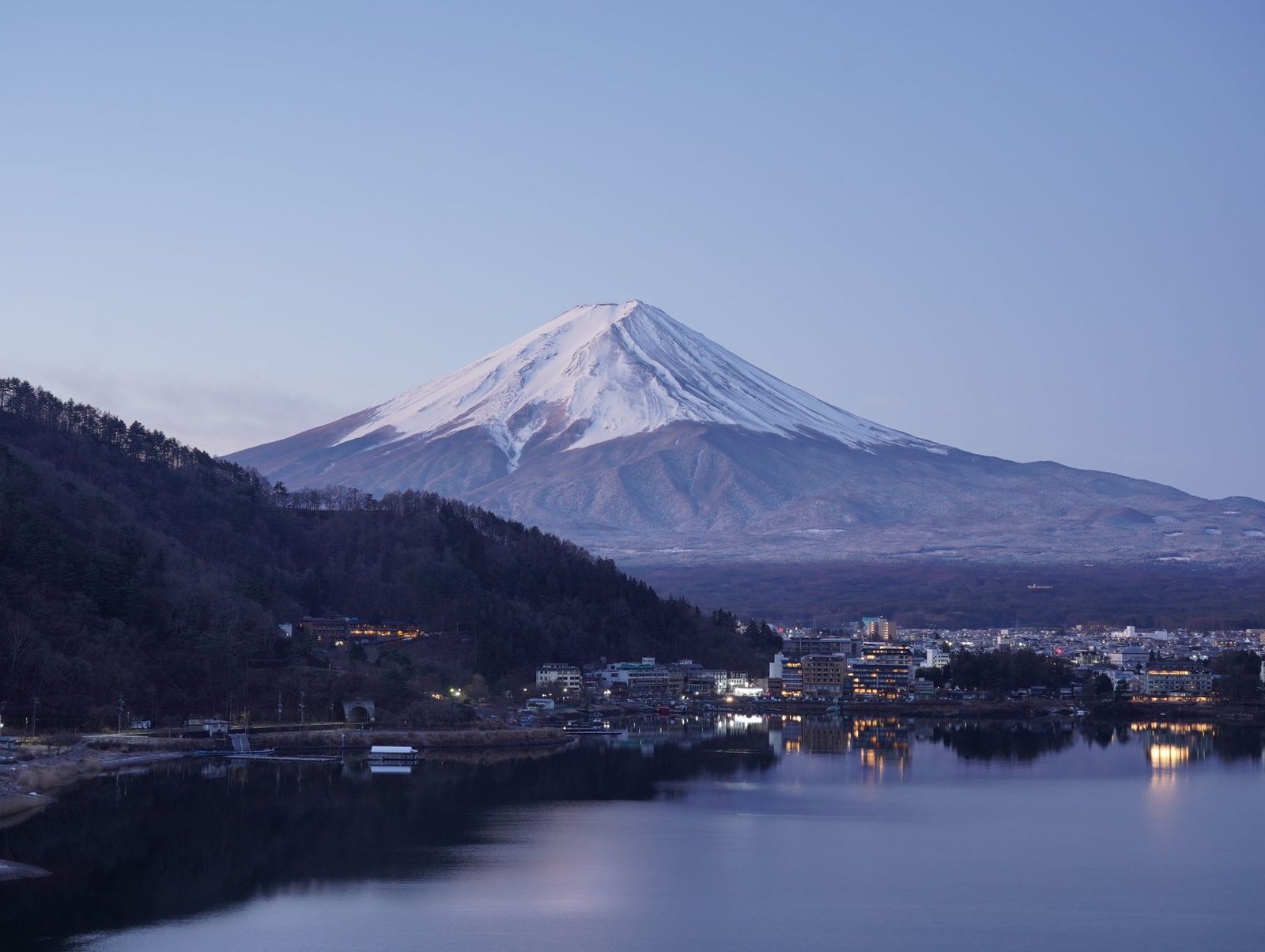 Illustrative photo
Mt Fuji & Kawaguchiko · Yamanashi
Kasuitei Ooya
Traditional ryokan
- Rooms with open-air bath
- Kaiseki dinner
- Lakeside
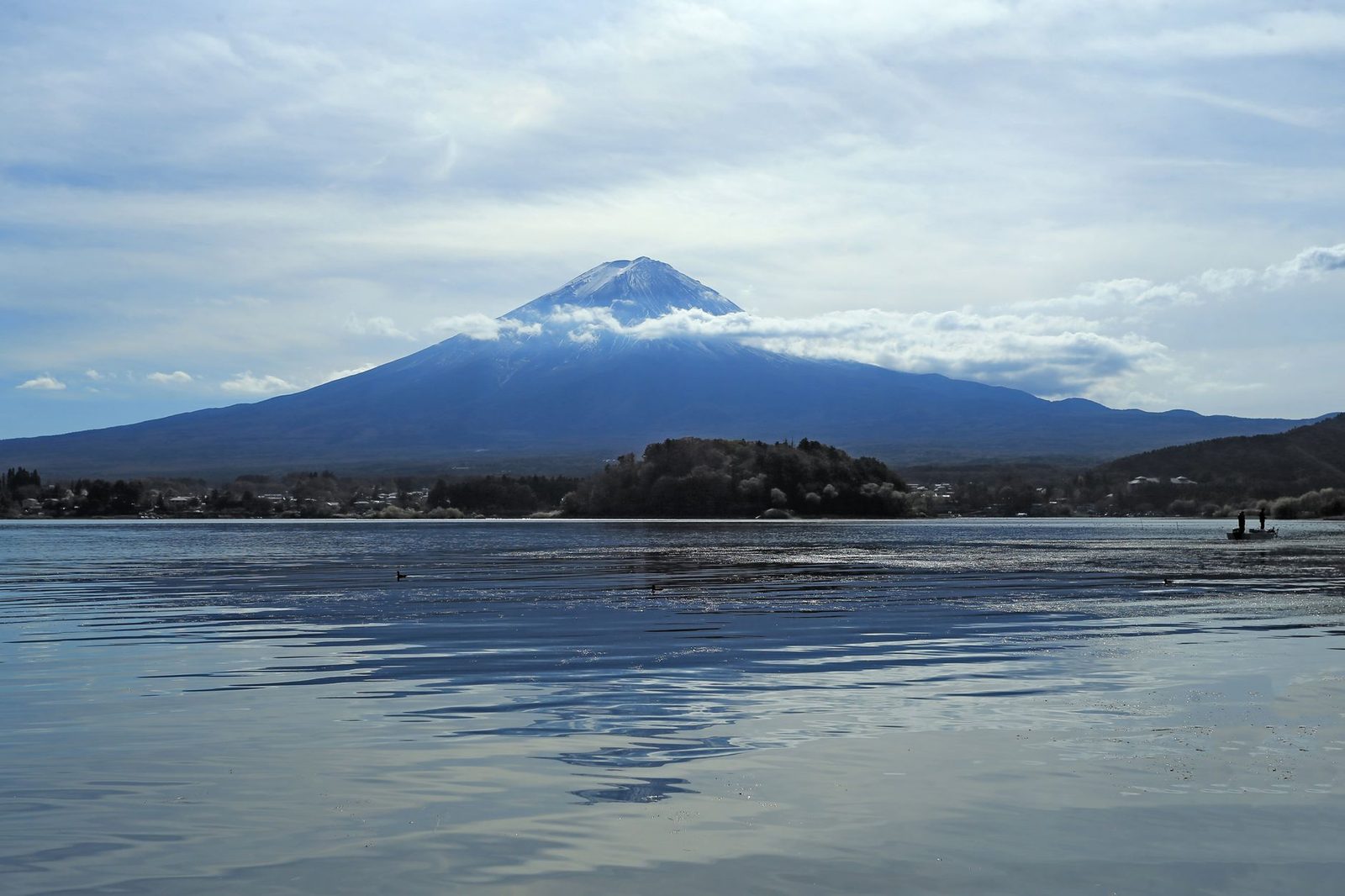 Illustrative photo
Mt Fuji & Kawaguchiko · Yamanashi
Shuhokaku Kogetsu
Traditional ryokan
- Rooms with open-air bath
- Kaiseki dinner
- Mt Fuji view
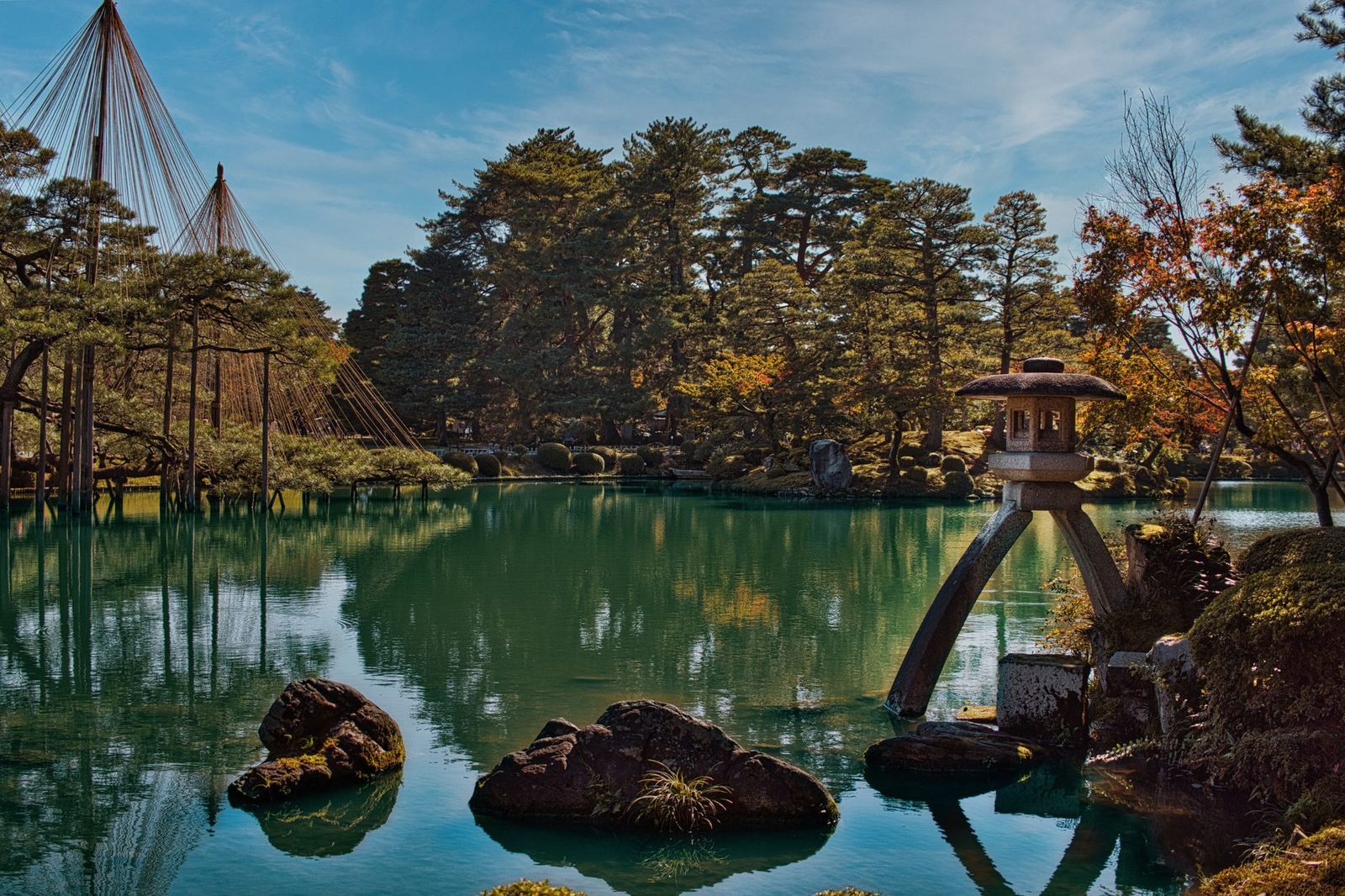 Illustrative photo
Kaga Onsen & Hokuriku · Ishikawa
Beniya Mukayu
Luxury ryokan
- Open-air bath in every room
- Kaiseki dinner
- Garden
Price on request
Not sure which ryokan to choose?
Tell us the area, dates, budget and what matters to you. We come back with three to five options that fit.
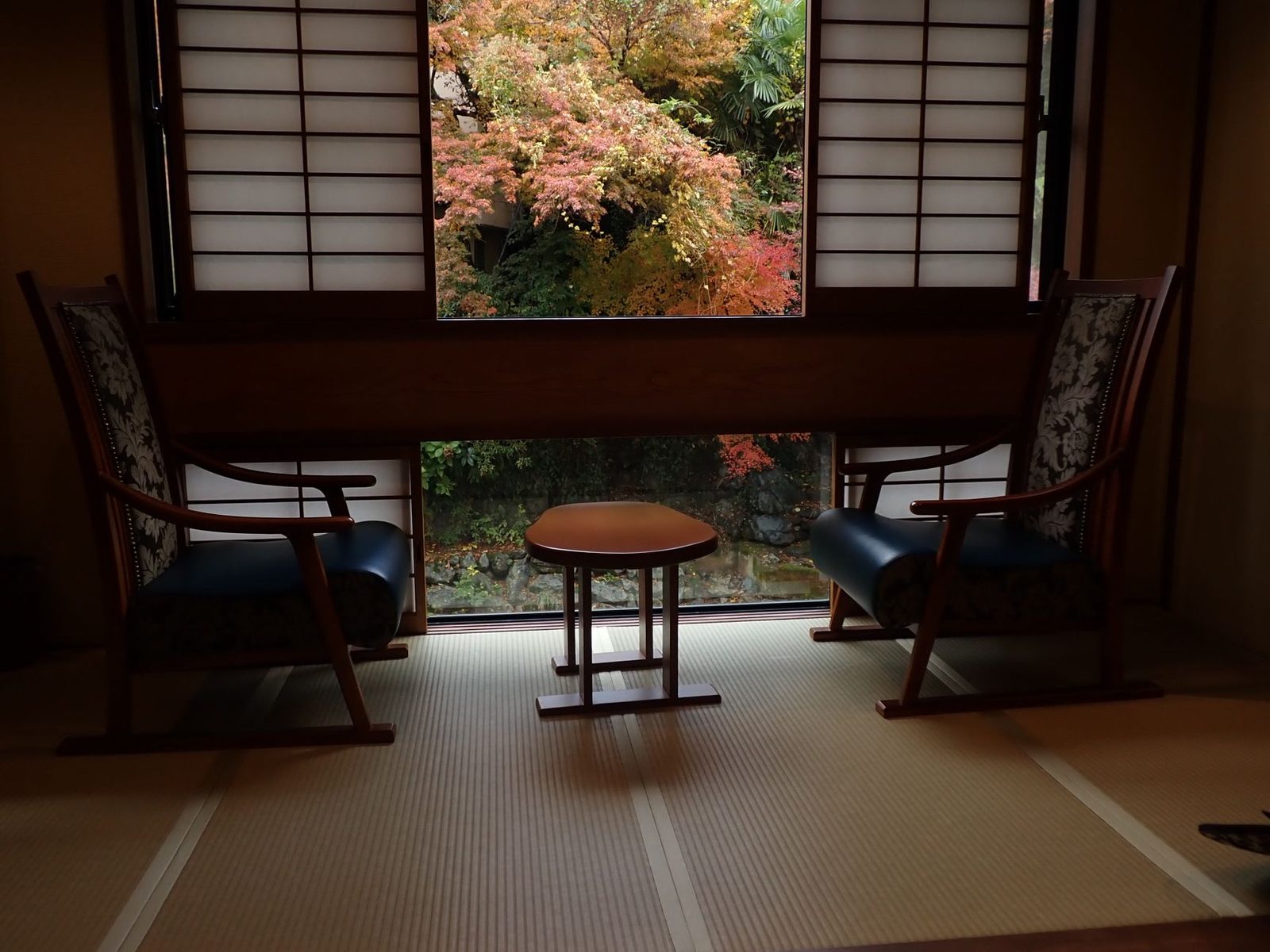
Not a hotel with a Japanese room
A ryokan sells an evening, not a bed. The room, the bath, the dinner and the morning are one thing, and the inn has been rehearsing it for a long time.
You arrive in the afternoon and change into a cotton yukata. You bathe before dinner, not after. Dinner comes to you, course by course, often to your own room or a private dining room. While you eat, someone turns the table room into a bedroom. In the morning there is a bath at first light and a breakfast of grilled fish, rice and miso soup. Most stays are one or two nights. That is enough to slow a whole trip down.
Six things that make a ryokan
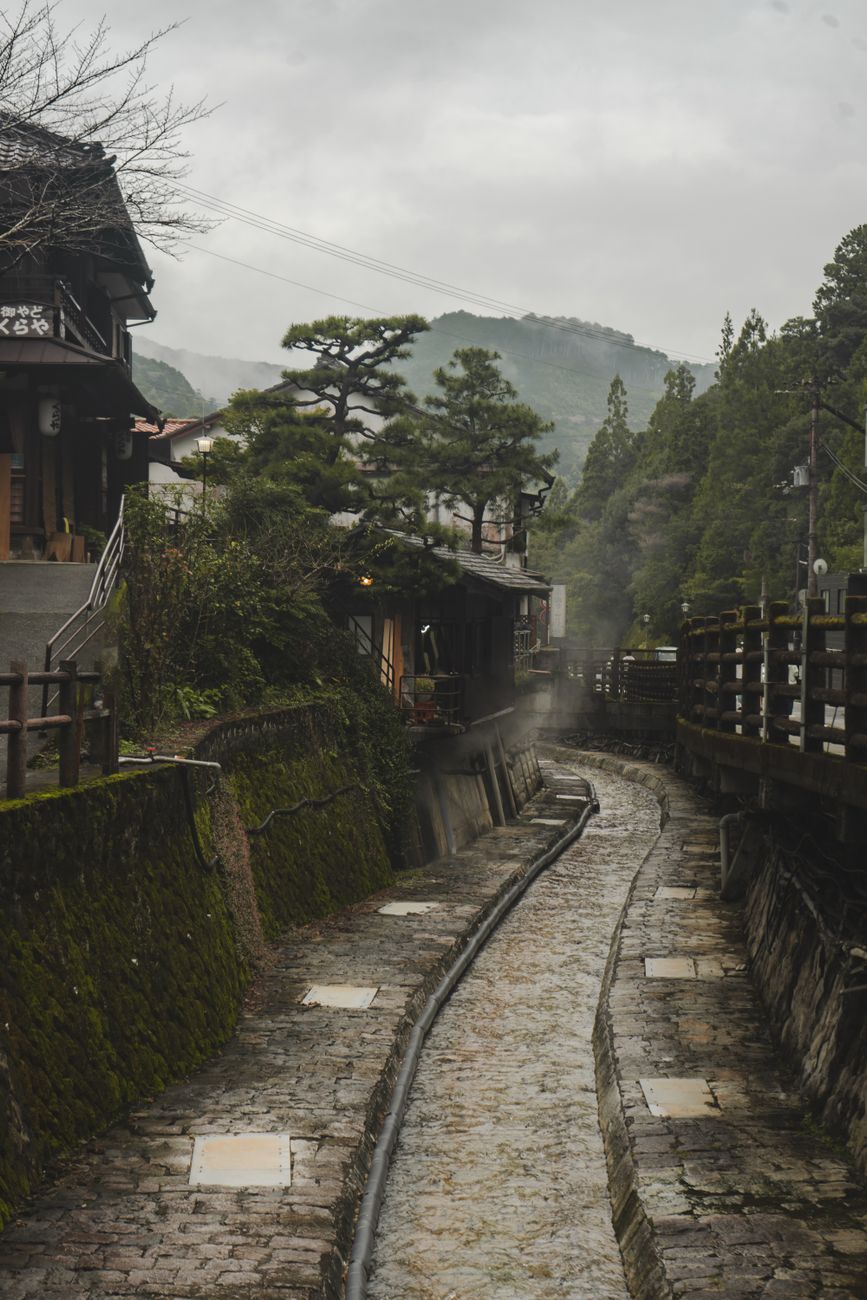
Onsen
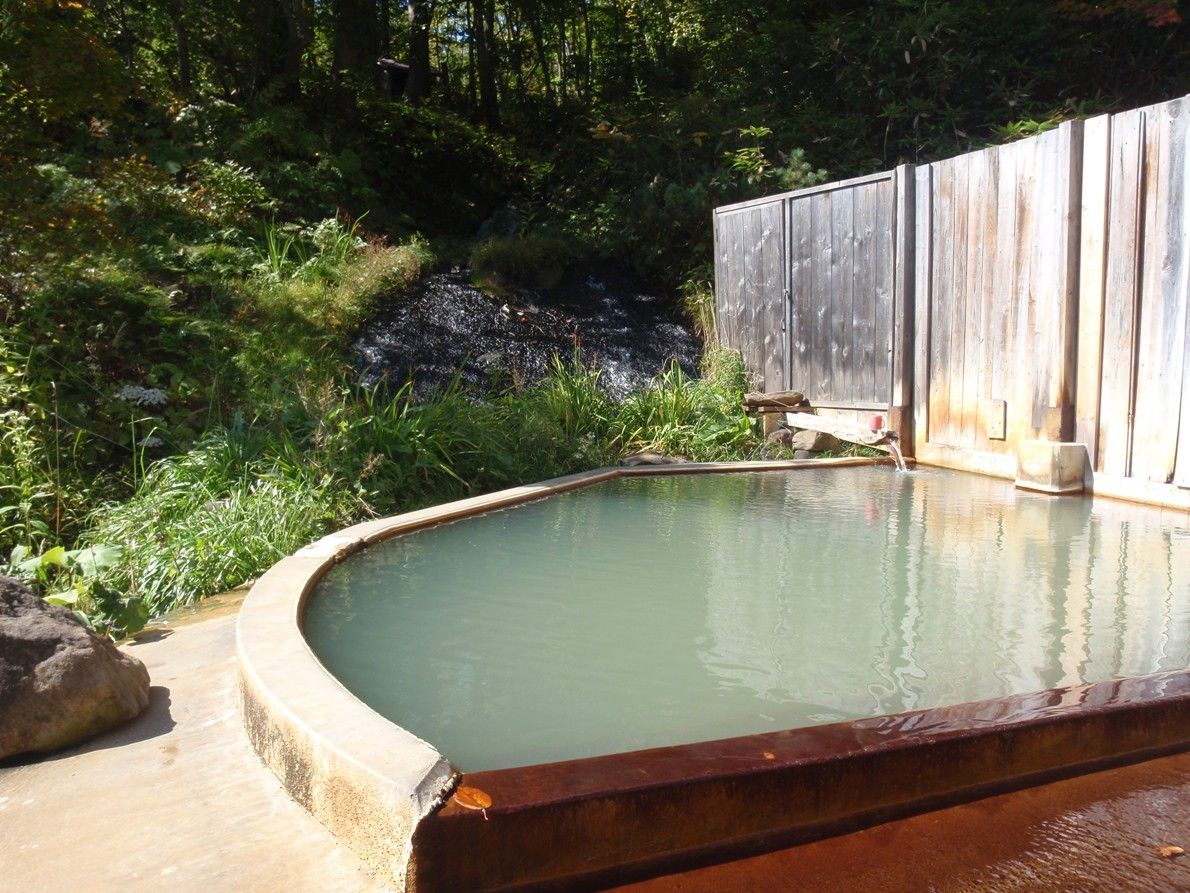
Natural hot spring water, piped from the ground rather than heated from the tap. Each source has its own feel: some soft and smooth, some sharp with sulfur, some rust-coloured from iron. Many inns have an indoor bath and an open-air one.
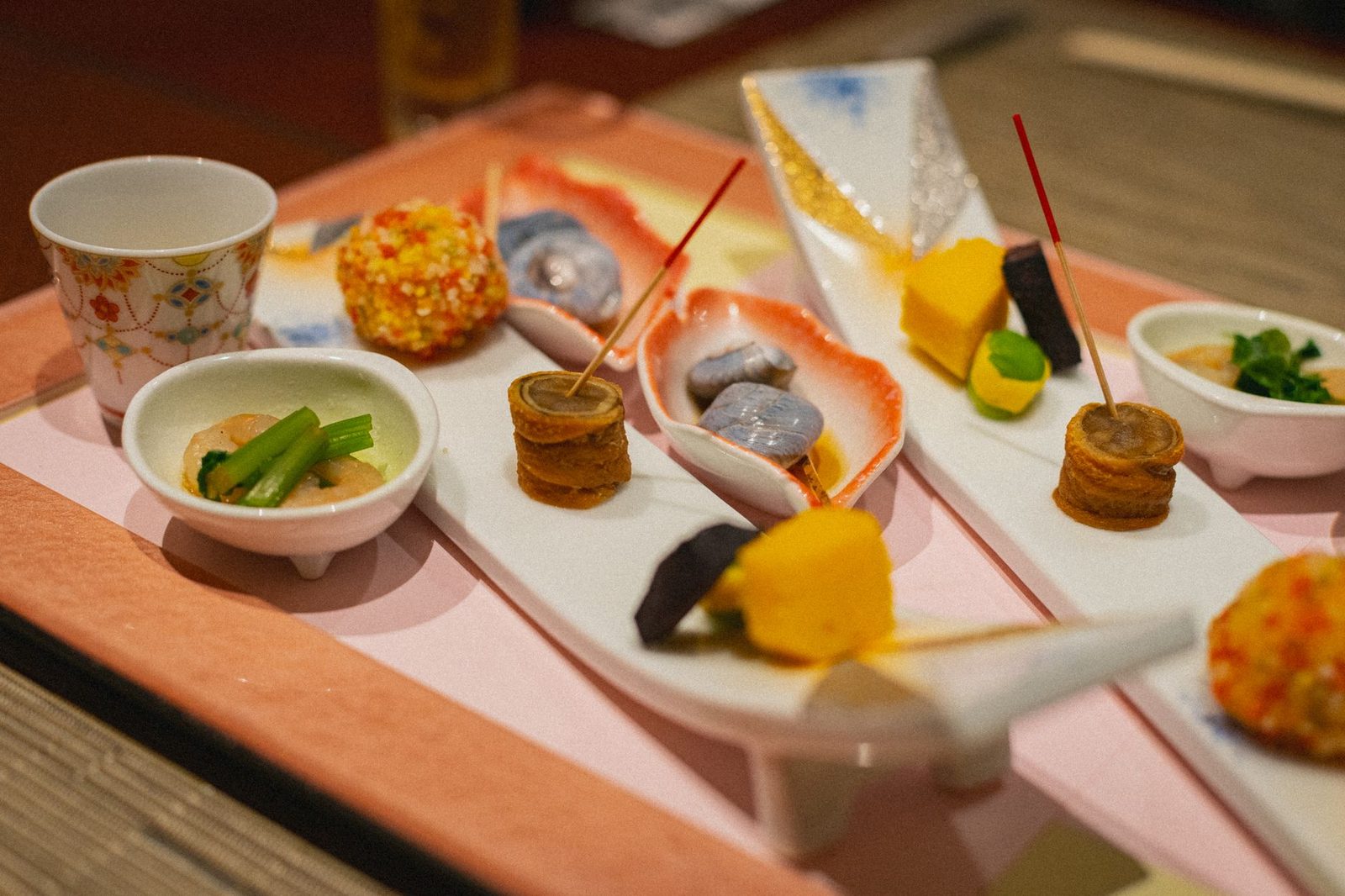
Kaiseki
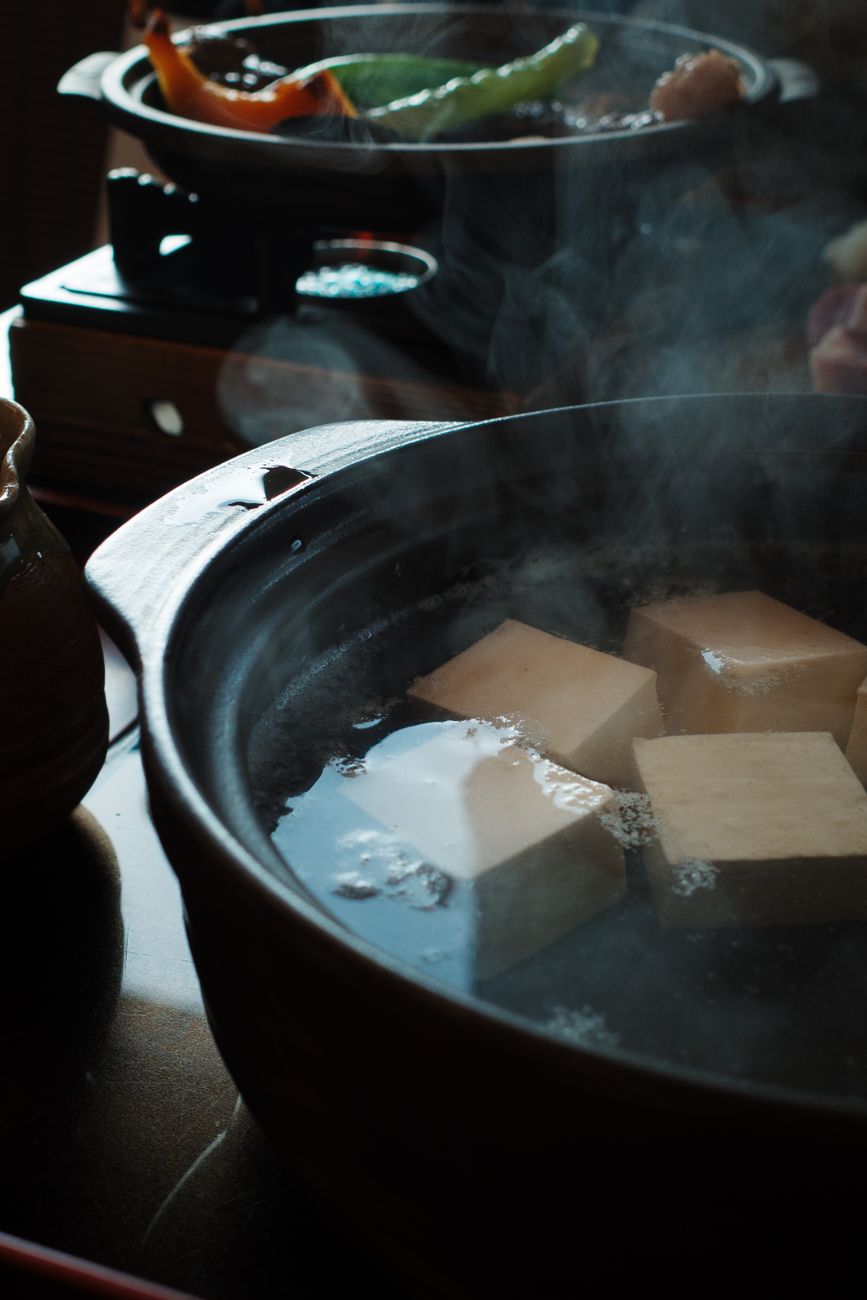
A dinner of many small courses, built around what is in season. Plates change with the month; so does the pottery. The kitchen decides the order, and you simply let it come.
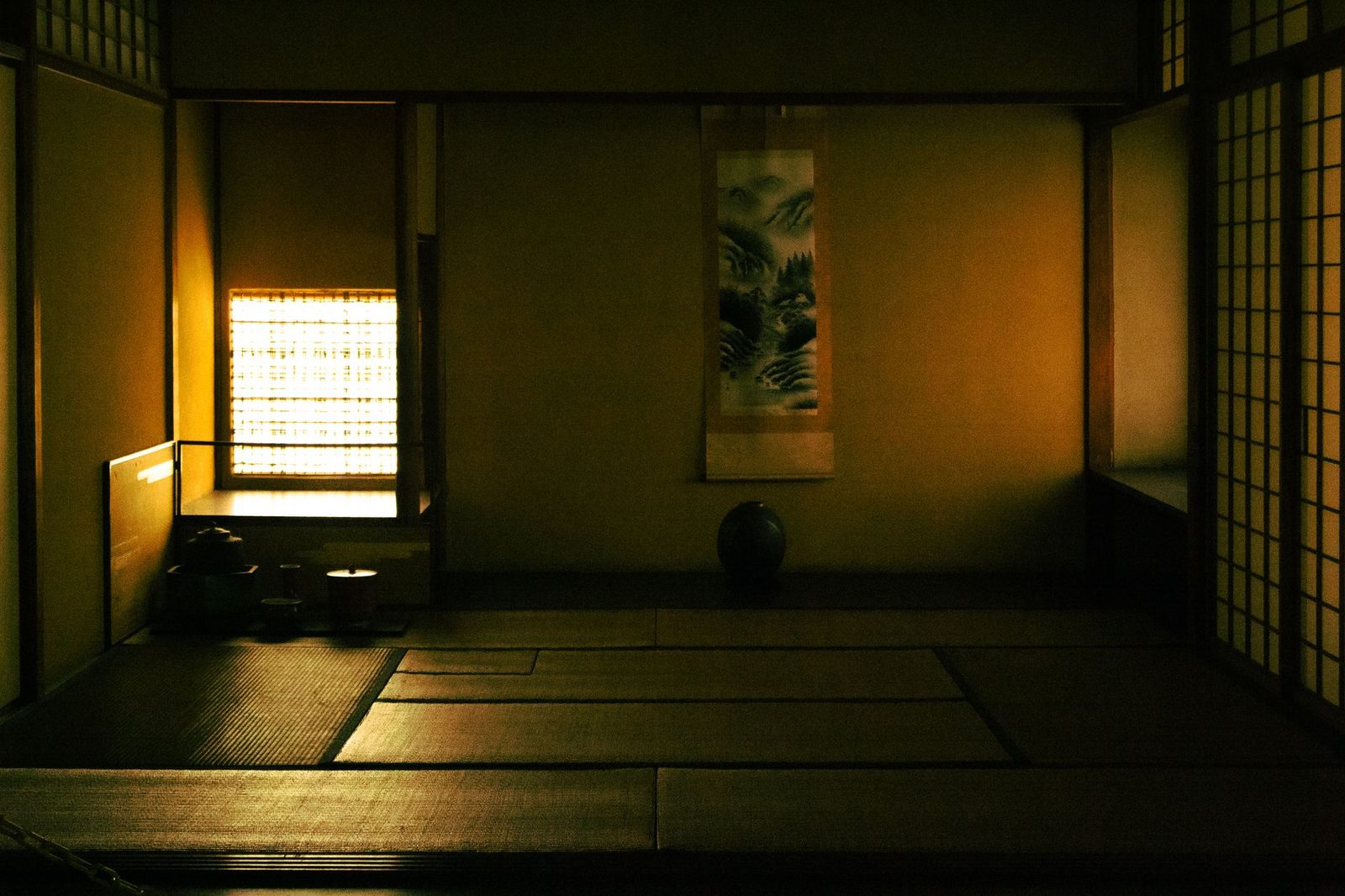
Tatami
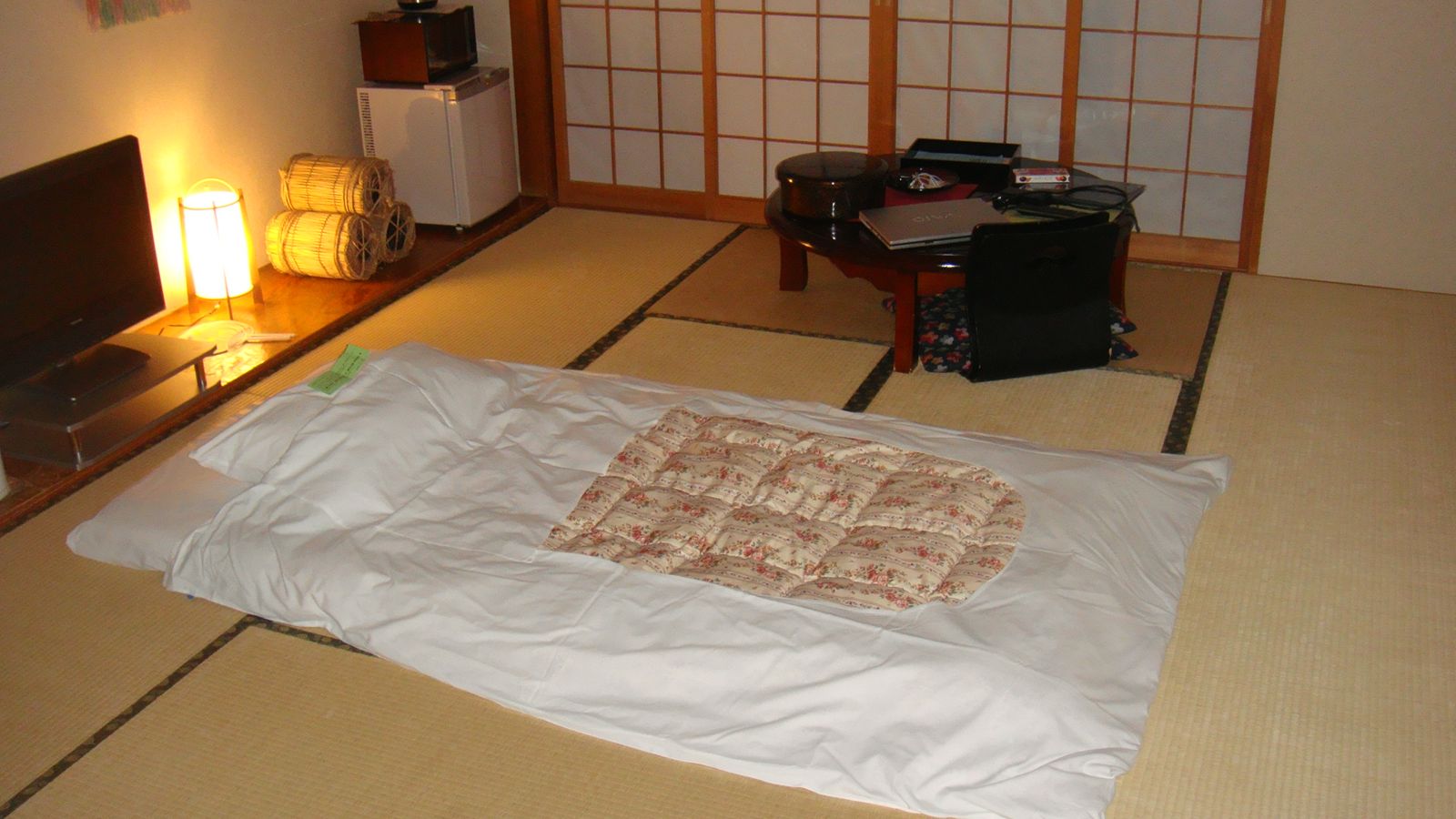
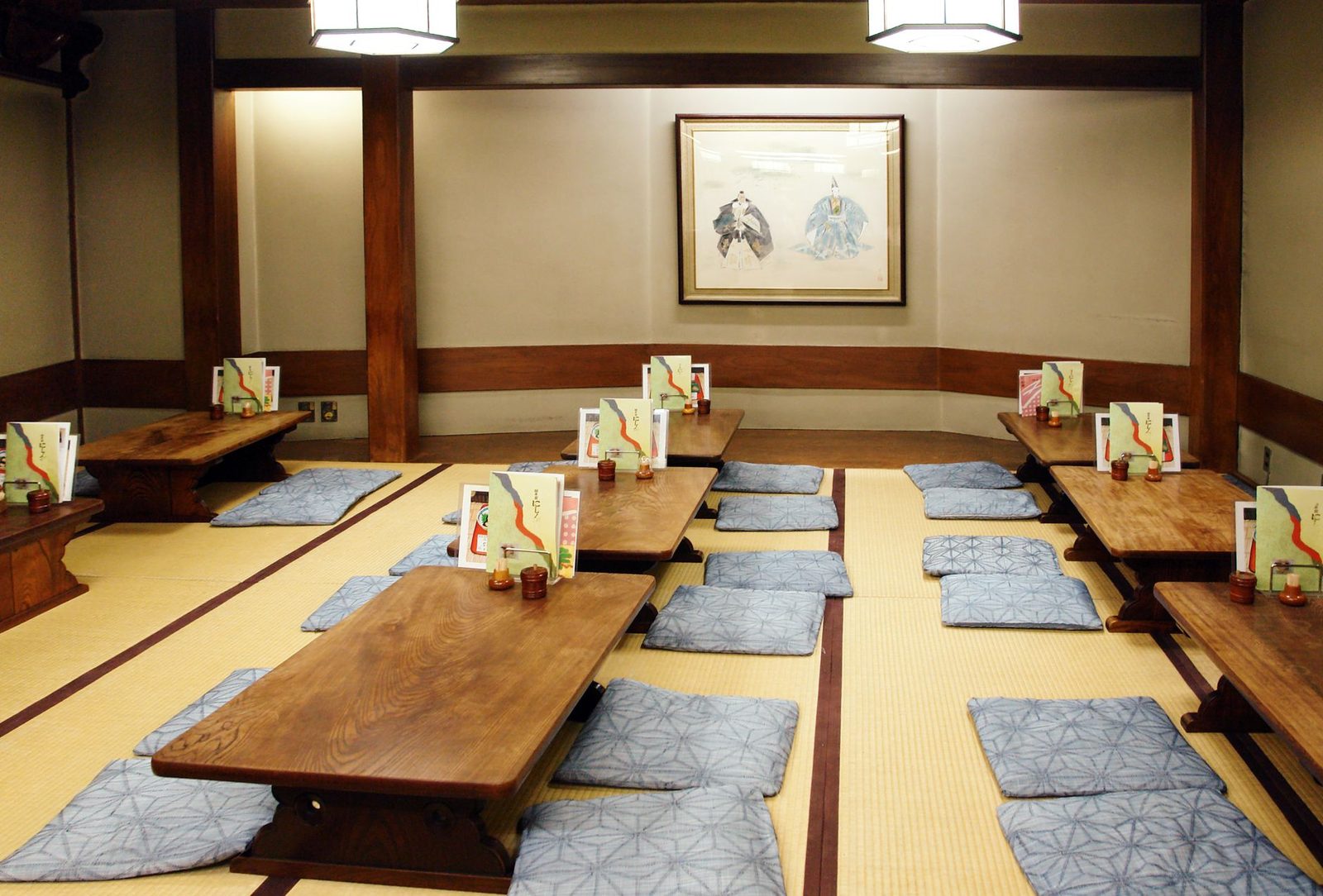
Floors of woven rush mats that smell faintly of cut grass. Shoes stay at the door. A low table by day, a futon by night, the same quiet room for both.
Yukata
A light cotton robe folded in your room, with a sash and often a short jacket for cooler months. Guests wear it to the bath, to dinner and, in some towns, down the street.
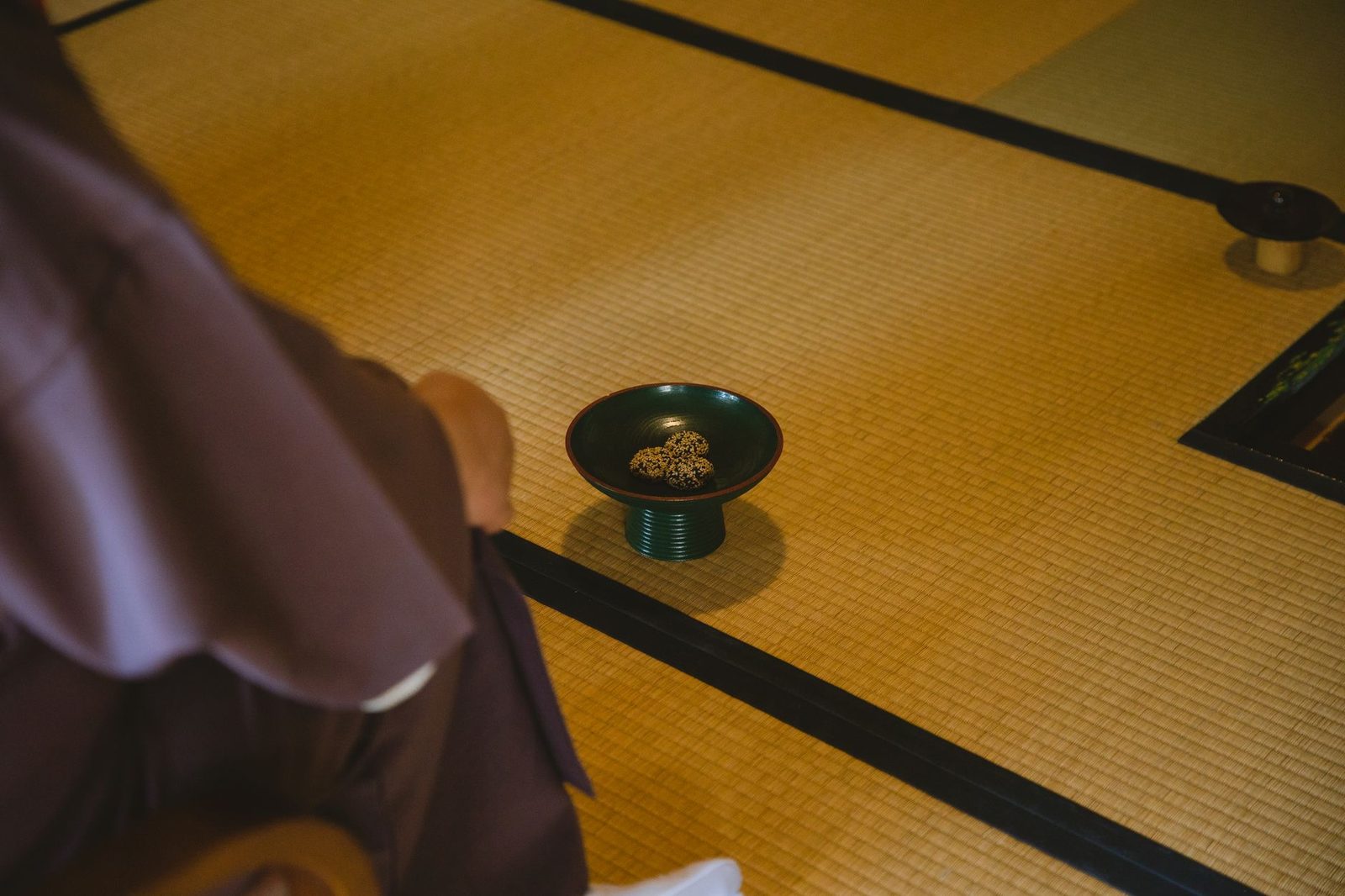
Omotenashi
Hospitality that tries to arrive before you ask. Your name and any allergies you shared are usually noted before you arrive. It should feel natural, never hovering.
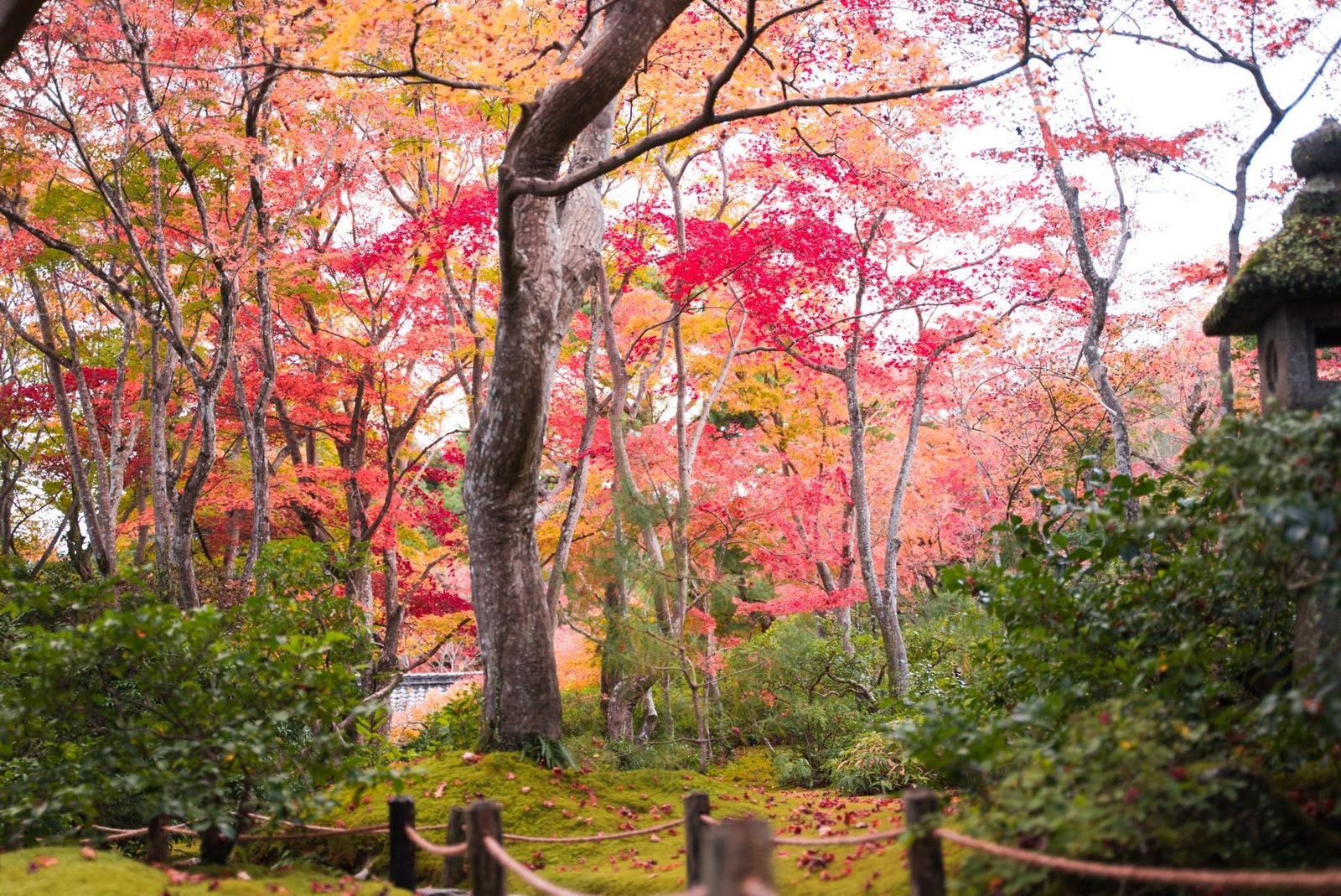
Garden
Moss, stone, a pine shaped over decades, a view framed by a sliding screen. Even inns without a garden borrow one: a river, a mountain, a line of snow on a roof.
One night, hour by hour
Times vary by inn. The rhythm rarely does.
15:00
Arrival and green tea
Shoes off at the entrance. You are shown to your room and served green tea with a small local sweet. Staff confirm your dinner time and ask about the baths.
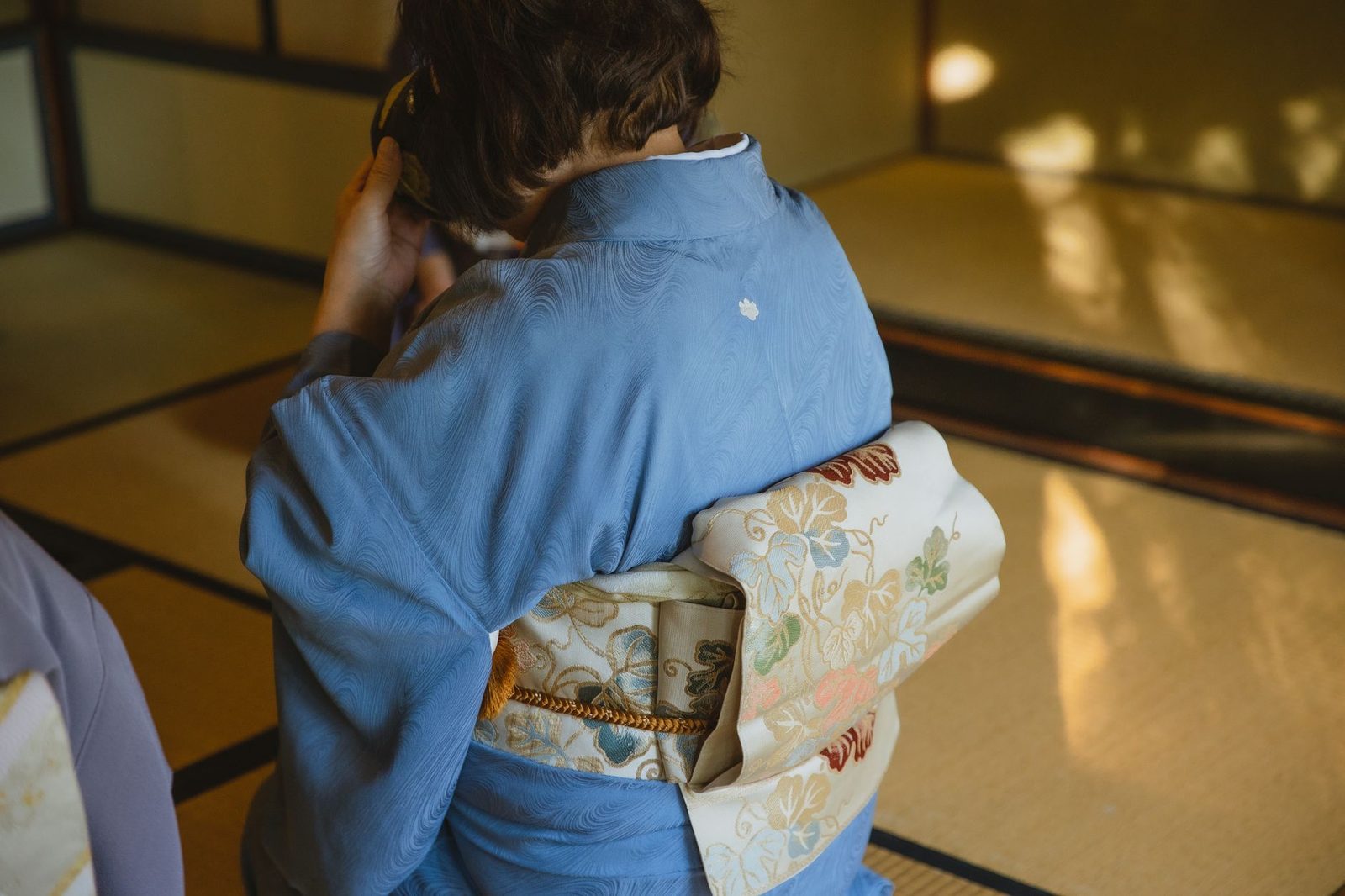
15:30
Into the yukata
Left side over right, always; right over left is for the dead. Tie the sash snugly around the waist. In cool months a padded jacket goes on top.
16:00
The first bath
Wash at the low stool first, then step in slowly. Late afternoon is often the quietest hour. Listen for water running over stone and the hollow knock of a wooden lid being lifted.
18:00
Kaiseki dinner
Roughly in this order: a small opening bite, a seasonal platter, a clear soup, sashimi, something grilled, something simmered. Rice, miso soup and pickles close the meal, then fruit or a sweet. Allow about two hours.
20:30
Night bath or a slow walk
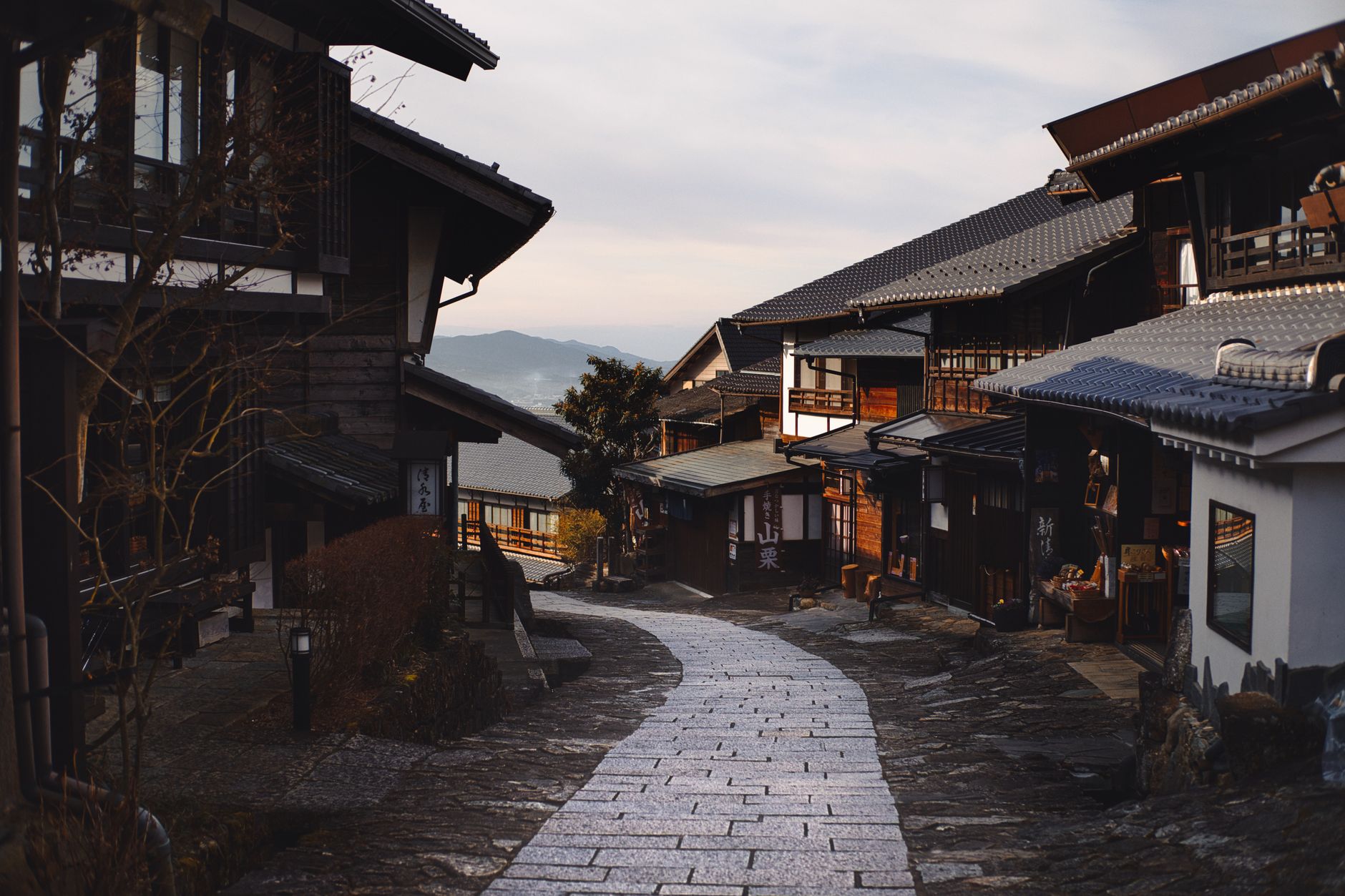
In some towns guests walk to public bathhouses in yukata and wooden sandals. Elsewhere, a second soak under the dark sky. Baths are usually lit until late.
22:00
Futon on tatami
Back in the room, the table has gone and the futon is made up. The mattress is firm, the quilt heavy and warm. Many inns do this for you during dinner.
06:00
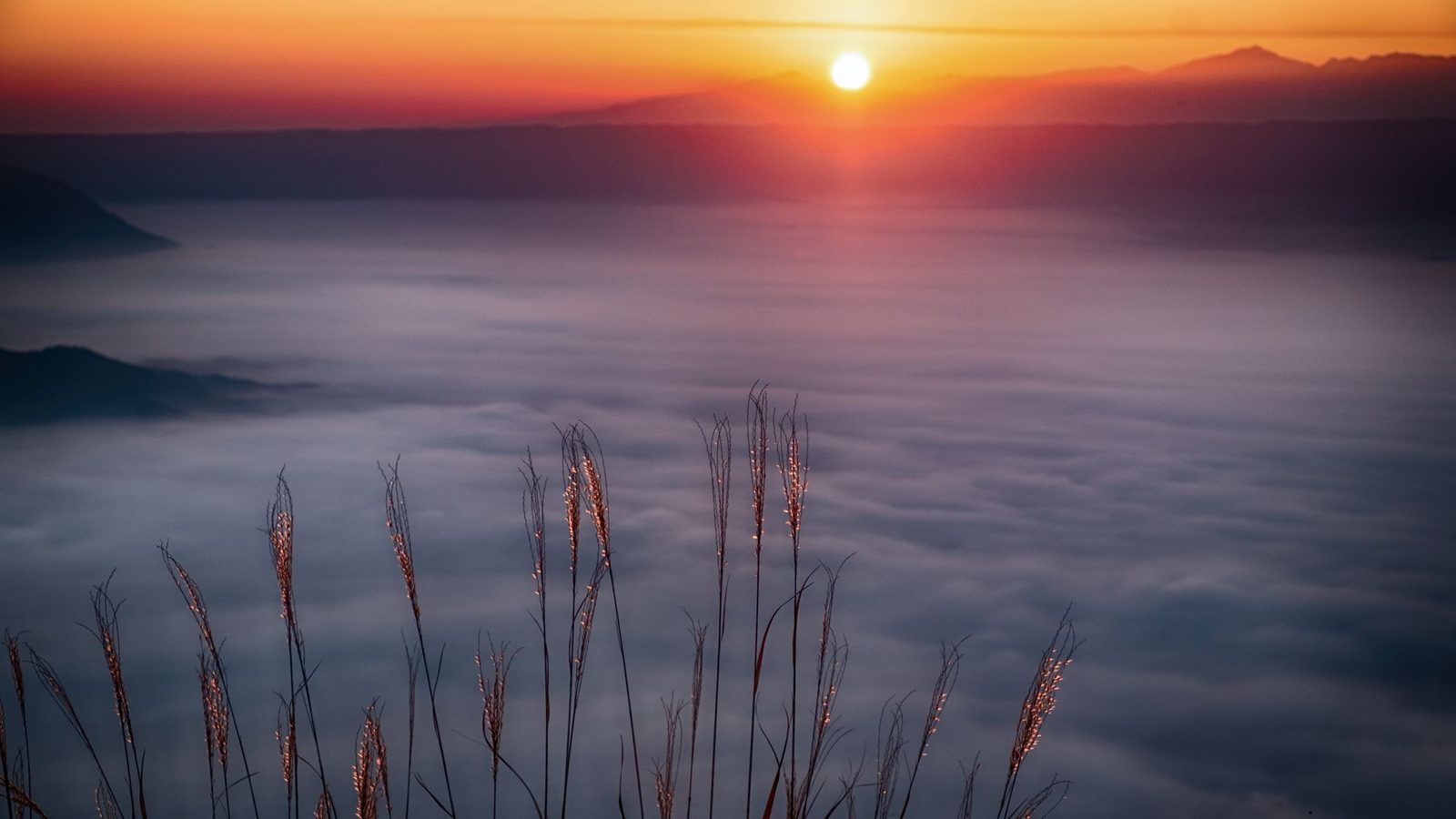
A bath at first light
Mist on the water, cold air on your face. At some inns the men's and women's baths swap overnight, so the morning bath may be one you have not seen.
08:00
Breakfast, then check-out
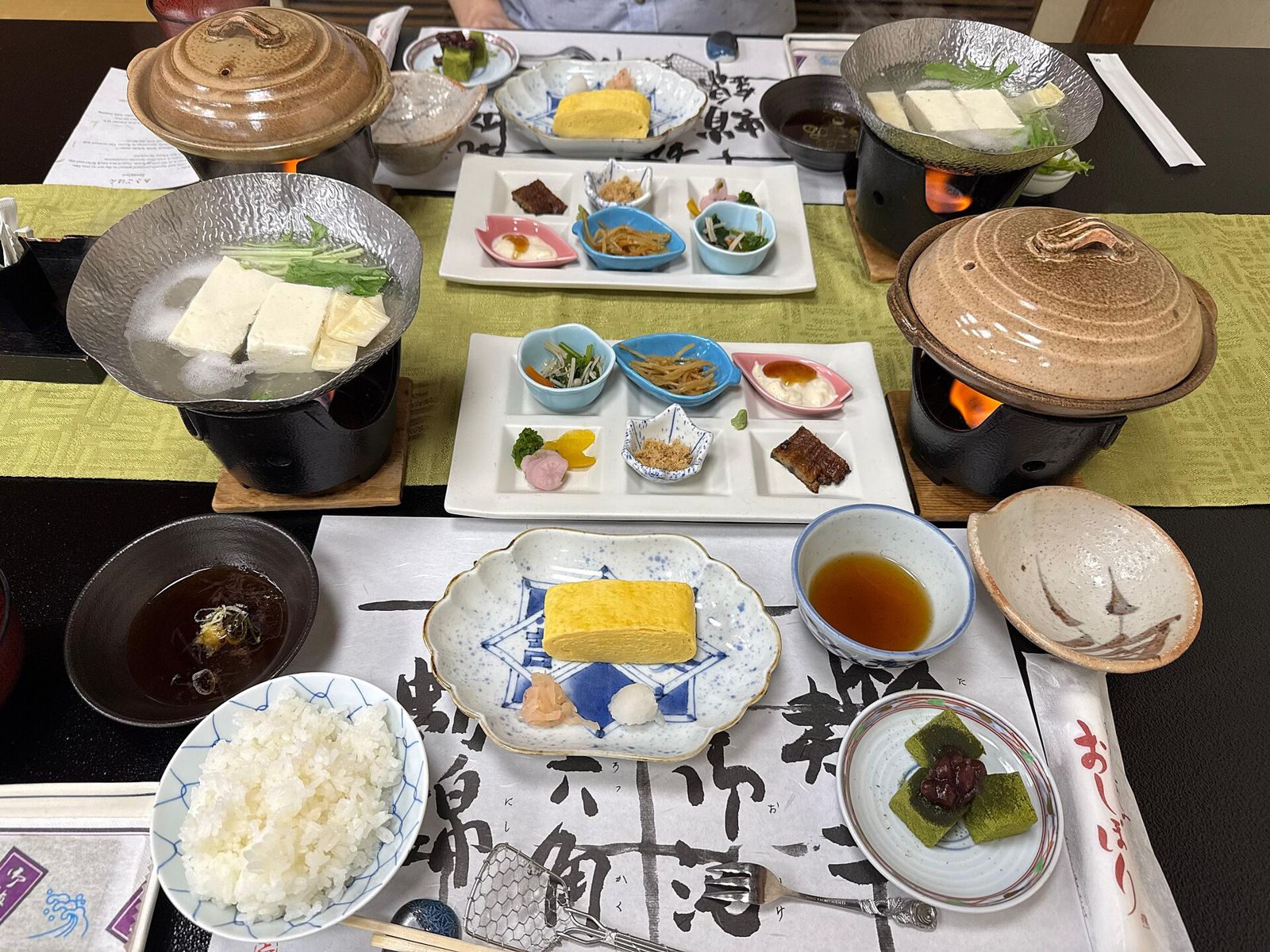
Grilled fish, rice, miso soup, rolled omelette, pickles, seaweed, perhaps an egg slow-cooked in hot spring water. Check-out is usually around 10:00 or 11:00.
Eight kinds of ryokan
Pick the one that sounds like your trip. We match the inn to it.
Room with its own onsen
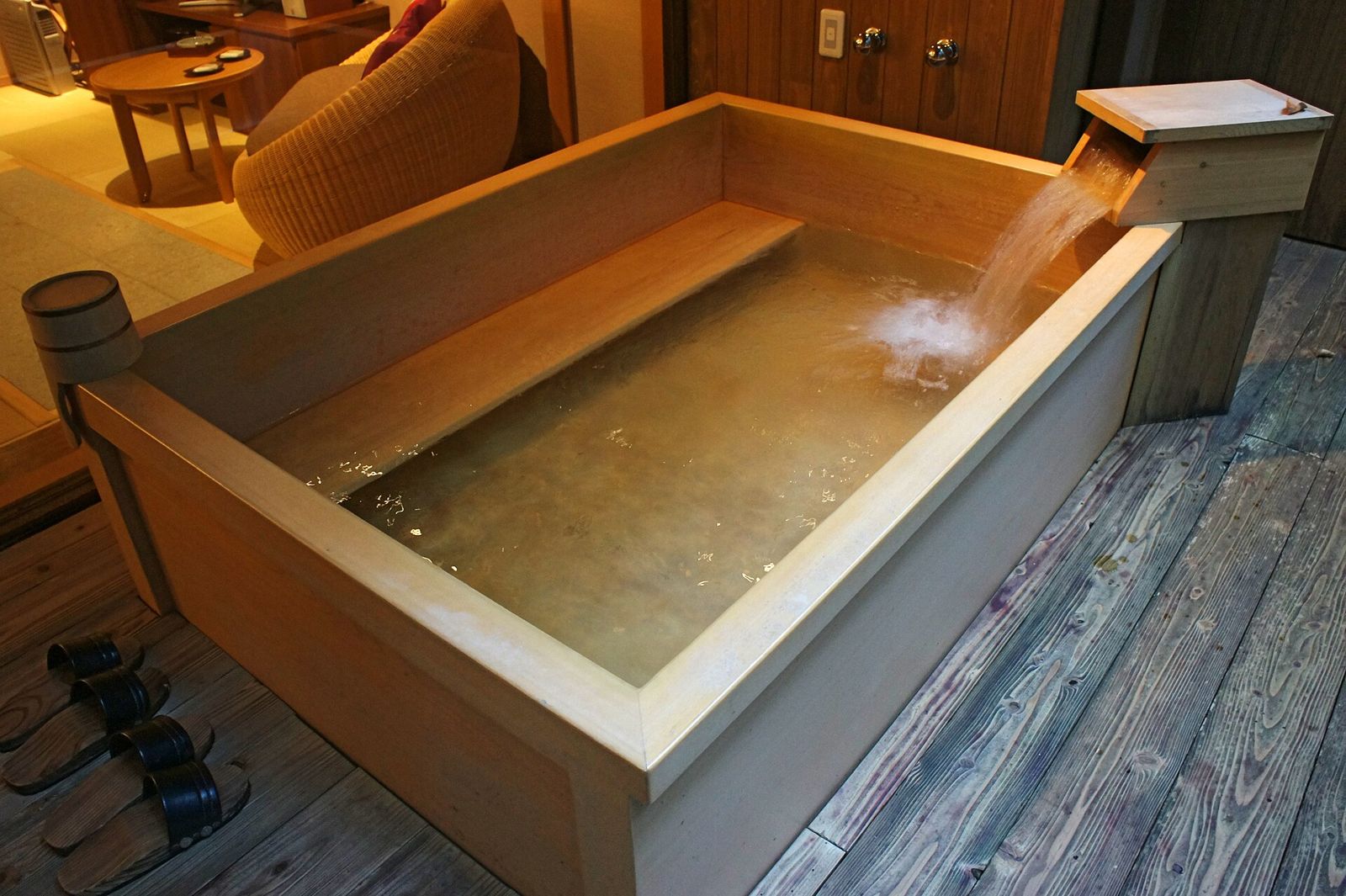
A hot spring bath on your balcony or terrace, filled for you alone, day and night. Other inns offer private baths you reserve by the hour instead.
Couples, guests with tattoos, anyone shy of shared baths
Request a ryokan →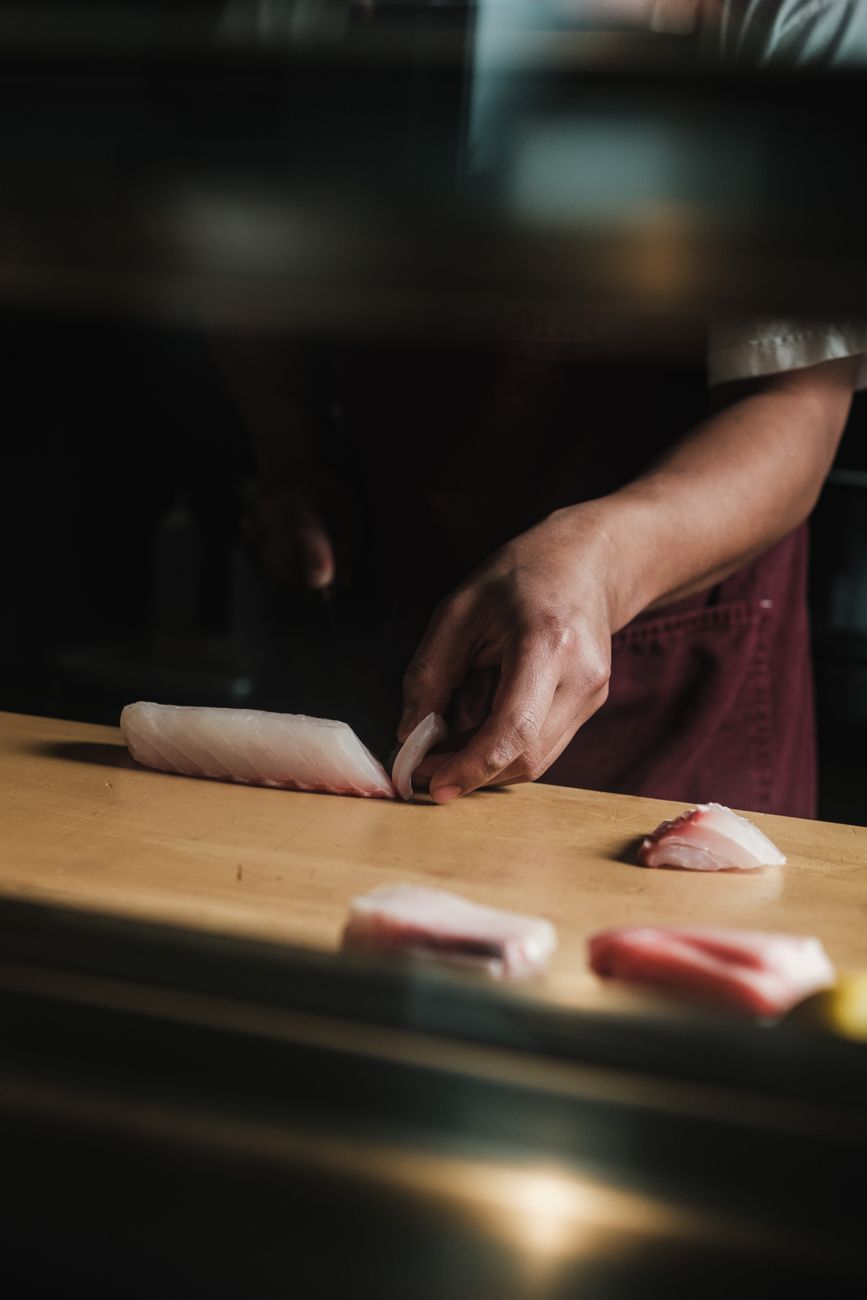
Inns known for the kitchen
Small inns where dinner is the main event: local fish, mountain vegetables, regional beef, rice from nearby fields. The menu often changes each month.
Food-led travellers, special occasions
Request a ryokan →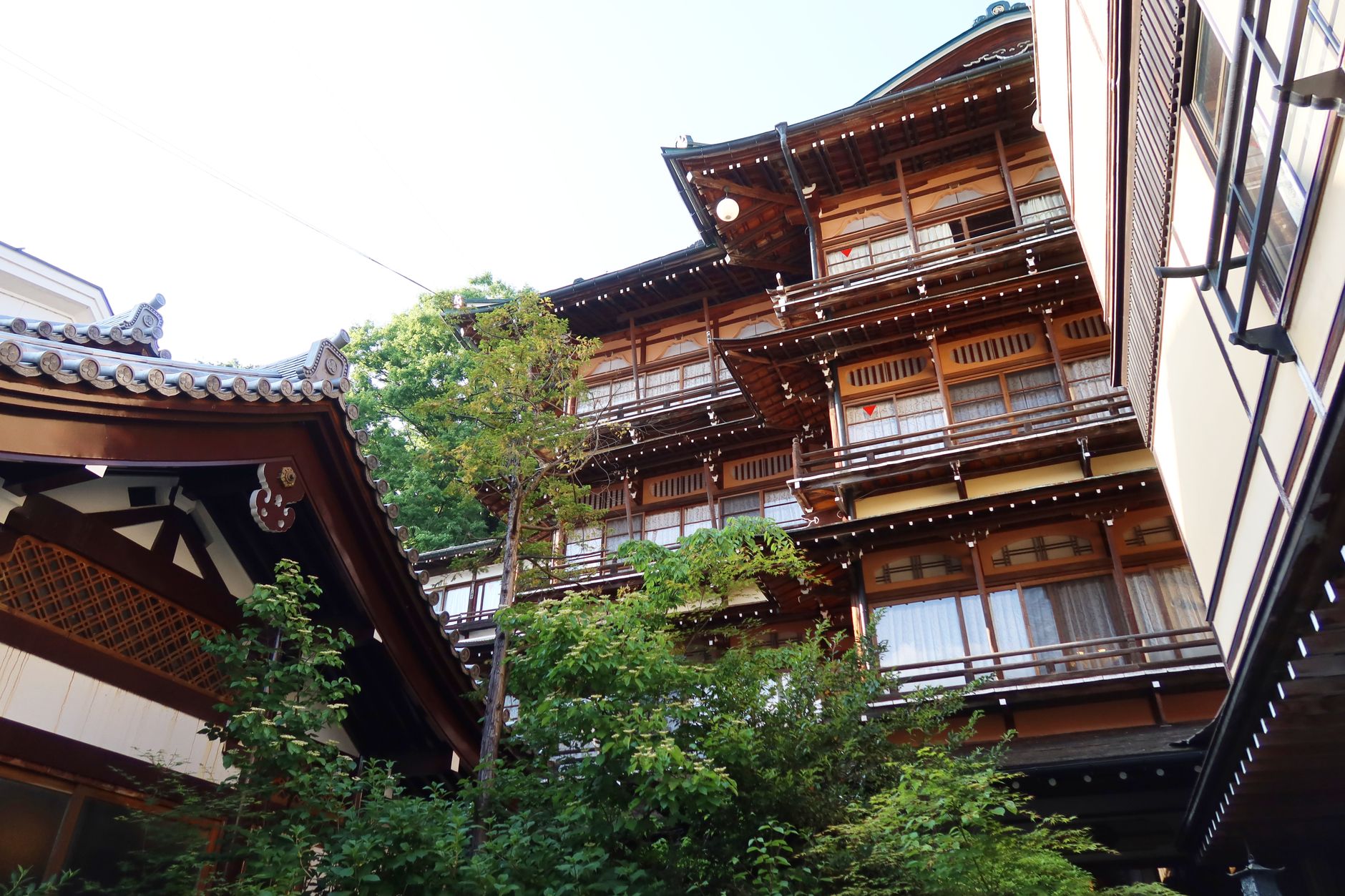
Historic wooden buildings
Timber corridors that creak, old glass in the windows, stairs worn smooth. Some buildings are registered as cultural properties. Rooms can be smaller and walls thinner; that is part of the deal.
Architecture lovers, photographers
Request a ryokan →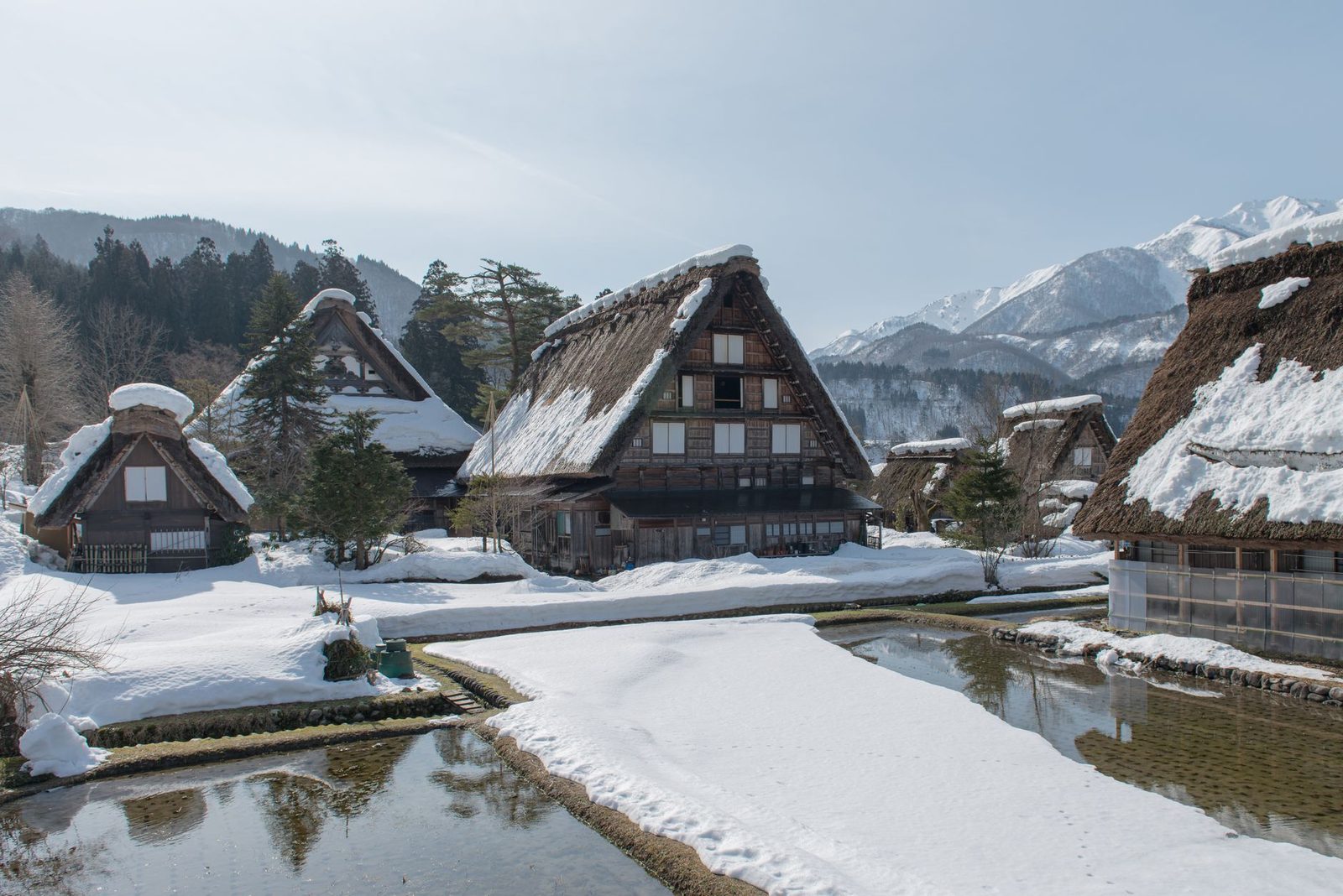
Snow country
Deep winter in the north and the mountains. Snow on the roofs, steam off an outdoor bath, hot pots at dinner. Trains and roads can slow down in heavy snow.
Winter trips, anyone who has never seen real snow
Request a ryokan →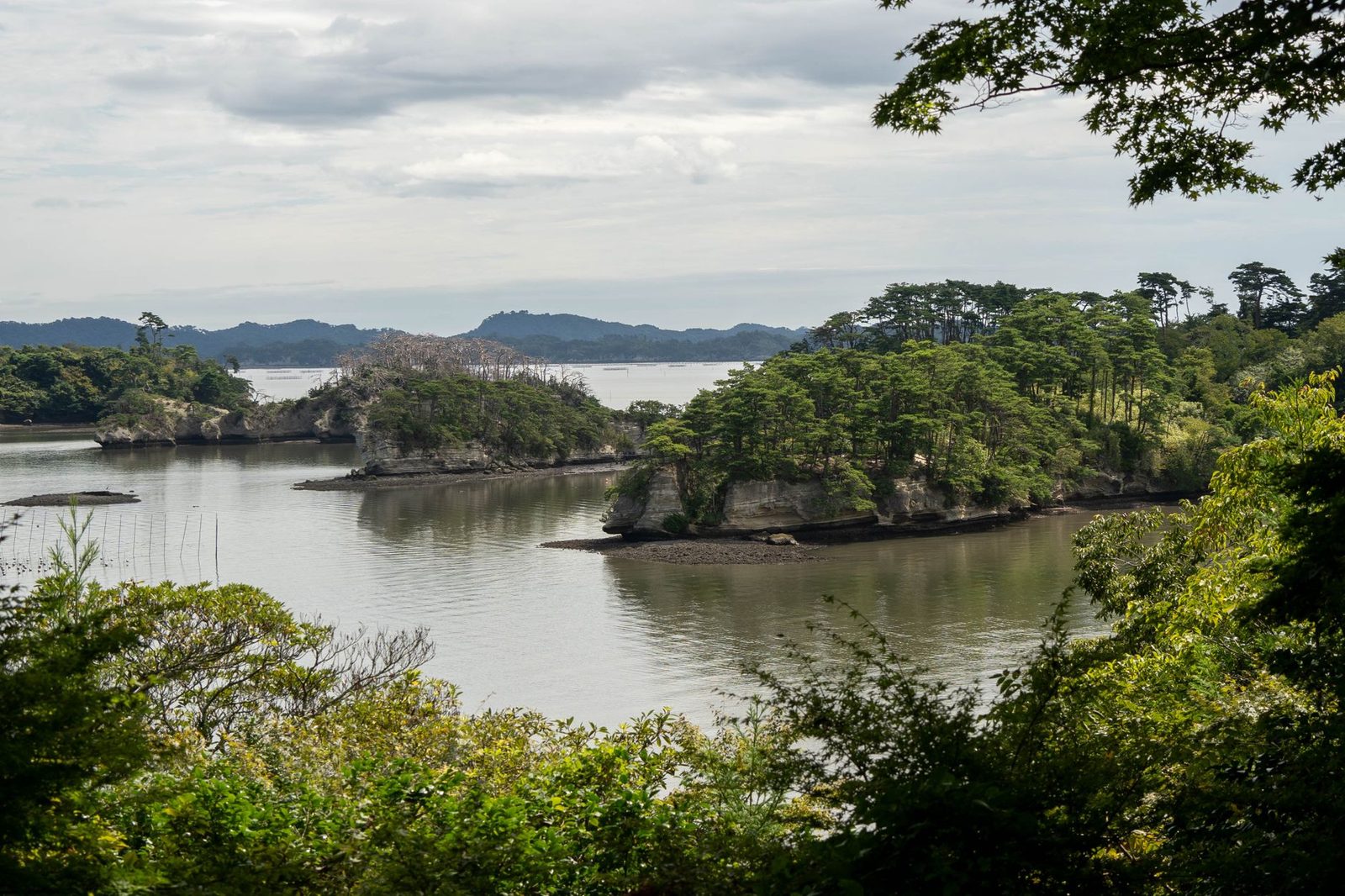
Sea view
Baths that face the water, rooms that wake with the sunrise over the coast, dinners of seafood from the local coast.
Slow weekends, seafood lovers
Request a ryokan →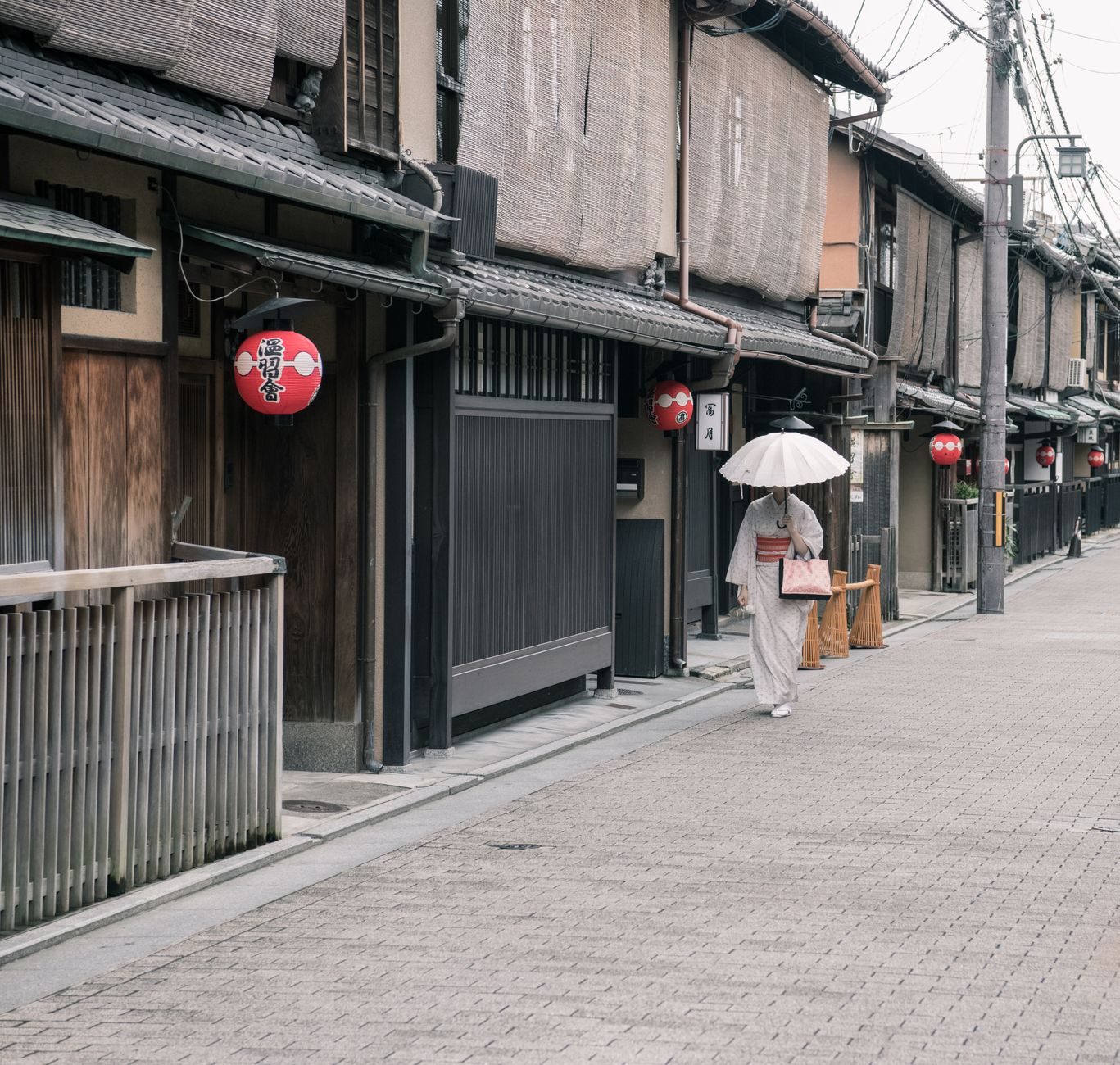
Kyoto townhouse
A narrow wooden townhouse with a small inner garden, sometimes rented as a whole house. Most have no hot spring and some serve no dinner; the city is your dining room.
Culture and sightseeing, families who want a whole house
Request a ryokan →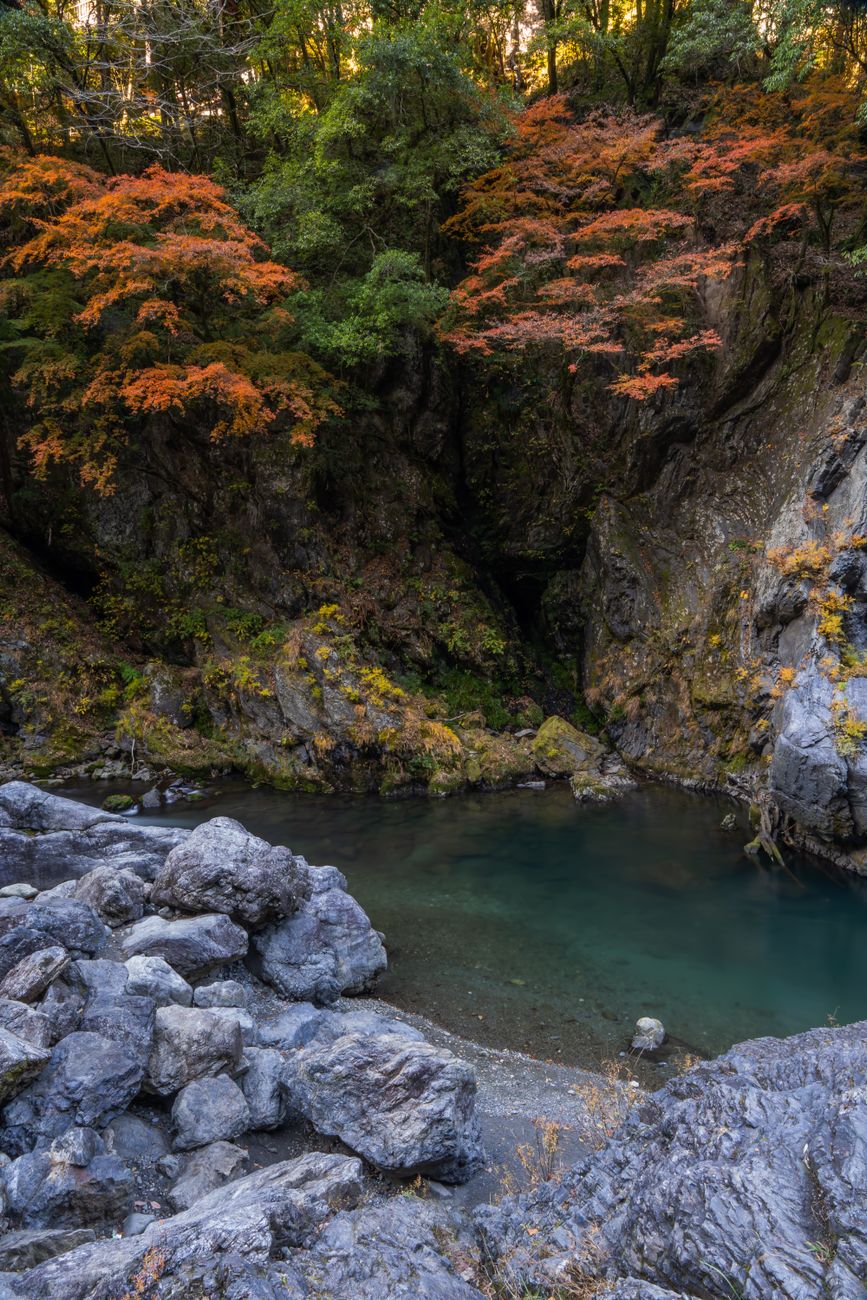
Mountain hideaway
A handful of rooms at the end of a valley road, with river sound instead of traffic. Getting there often means a last bus or a pickup from the station. A private car makes it simple.
Honeymoons, digital detox, repeat visitors
Request a ryokan →Family-friendly
Larger tatami rooms that sleep four or more on futons, children's yukata, a separate children's menu at many inns, and private baths so the family can soak together.
Parents with young children, multi-generation trips
Request a ryokan →
Ten ryokan areas worth the journey
Travel times are approximate from the nearest big city and change with the timetable.
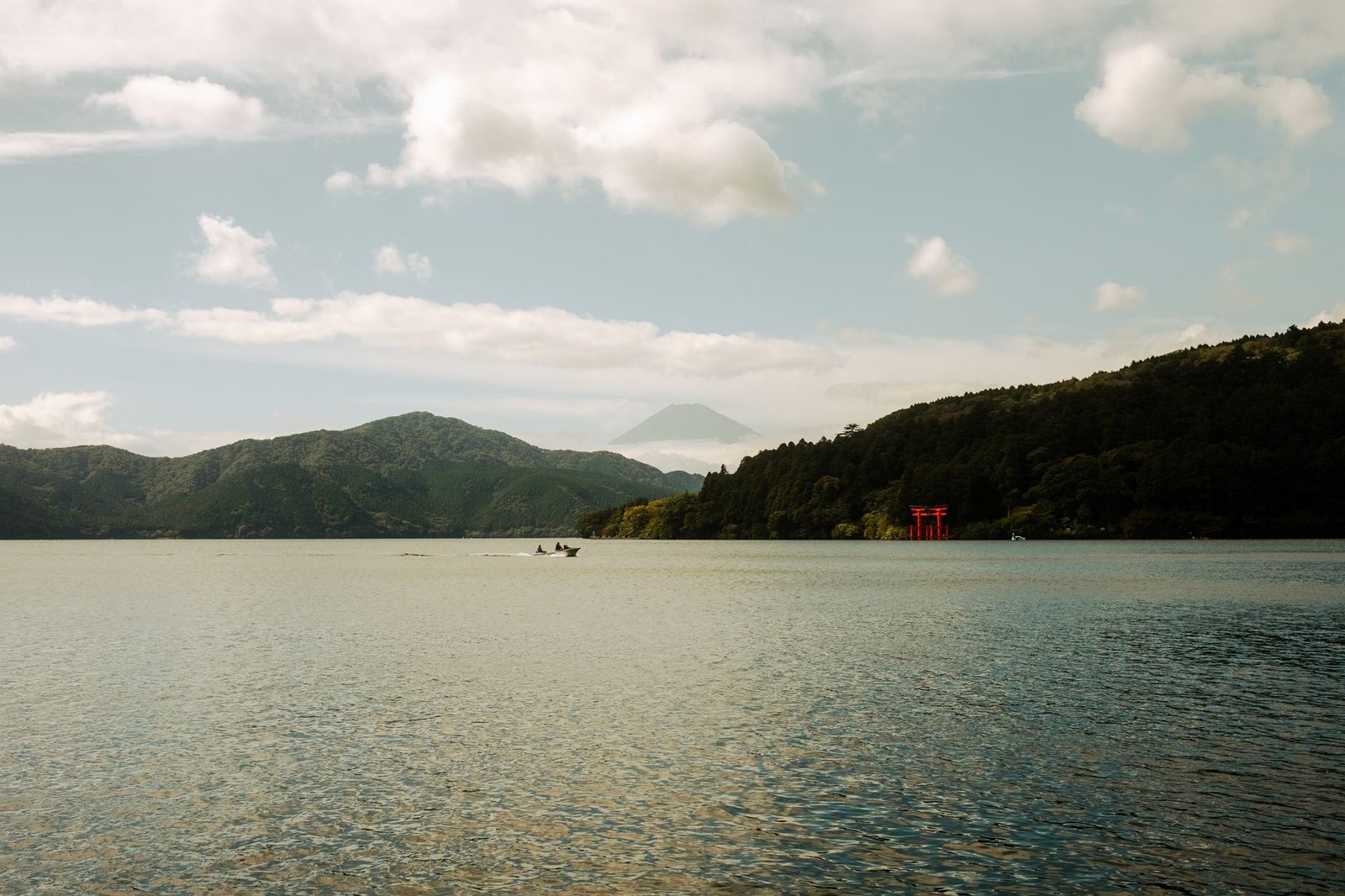
Kanagawa
Hakone
A chain of hot spring villages in the hills south-west of Tokyo, close enough for one night. On clear days some inns look straight at Mount Fuji.
- Getting there
- About 1.5 h from Shinjuku by limited express
- Best time
- Autumn leaves; clear winter mornings for Fuji
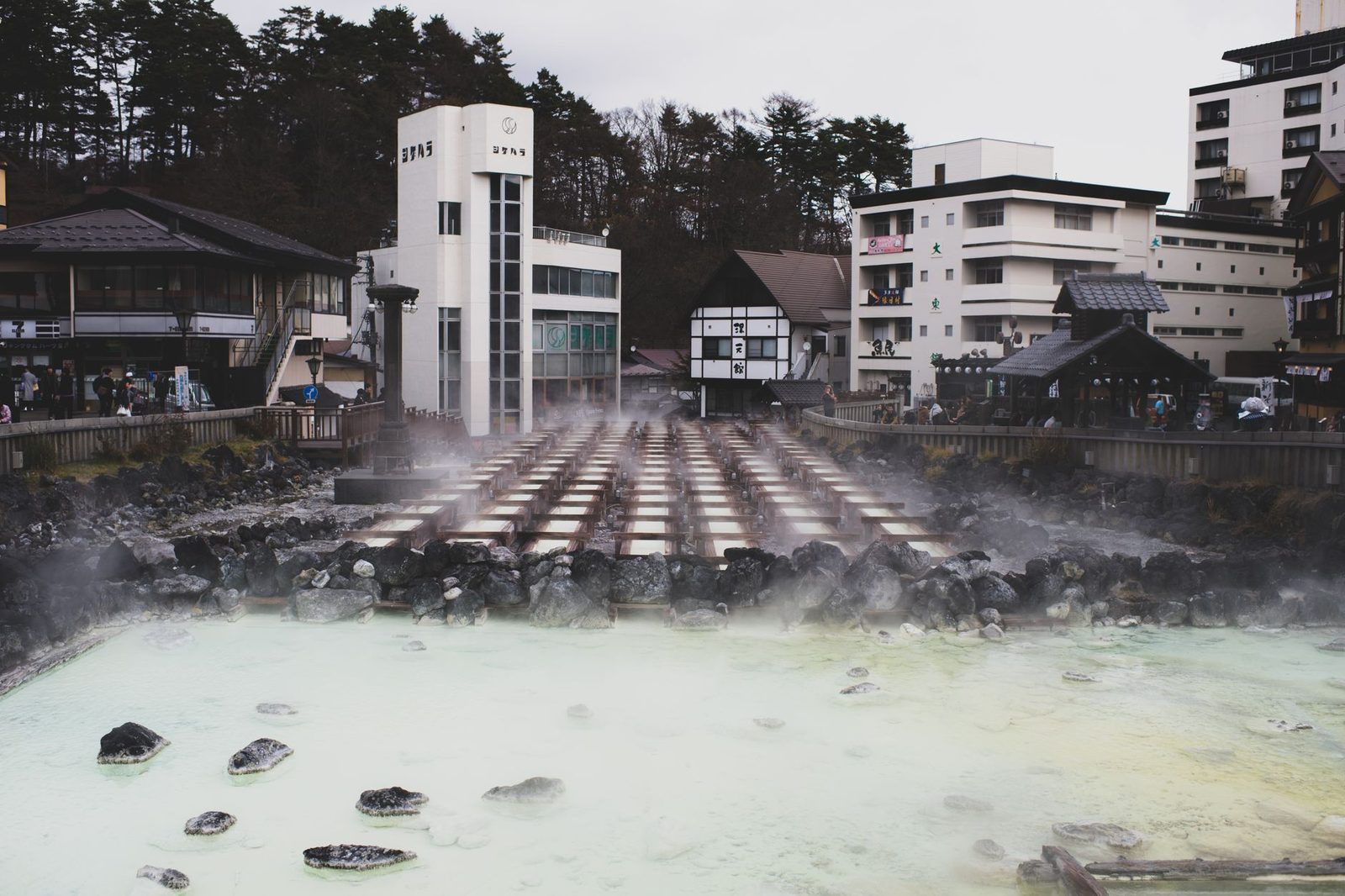
Gunma
Kusatsu Onsen
Strongly acidic, sulfur-scented water pours from the ground in huge volume and runs through wooden channels in the town square. Locals cool the hottest water by stirring it with long boards.
- Getting there
- About 3 to 3.5 h from Tokyo by limited express and local bus
- Best time
- Autumn colour and snowy winter
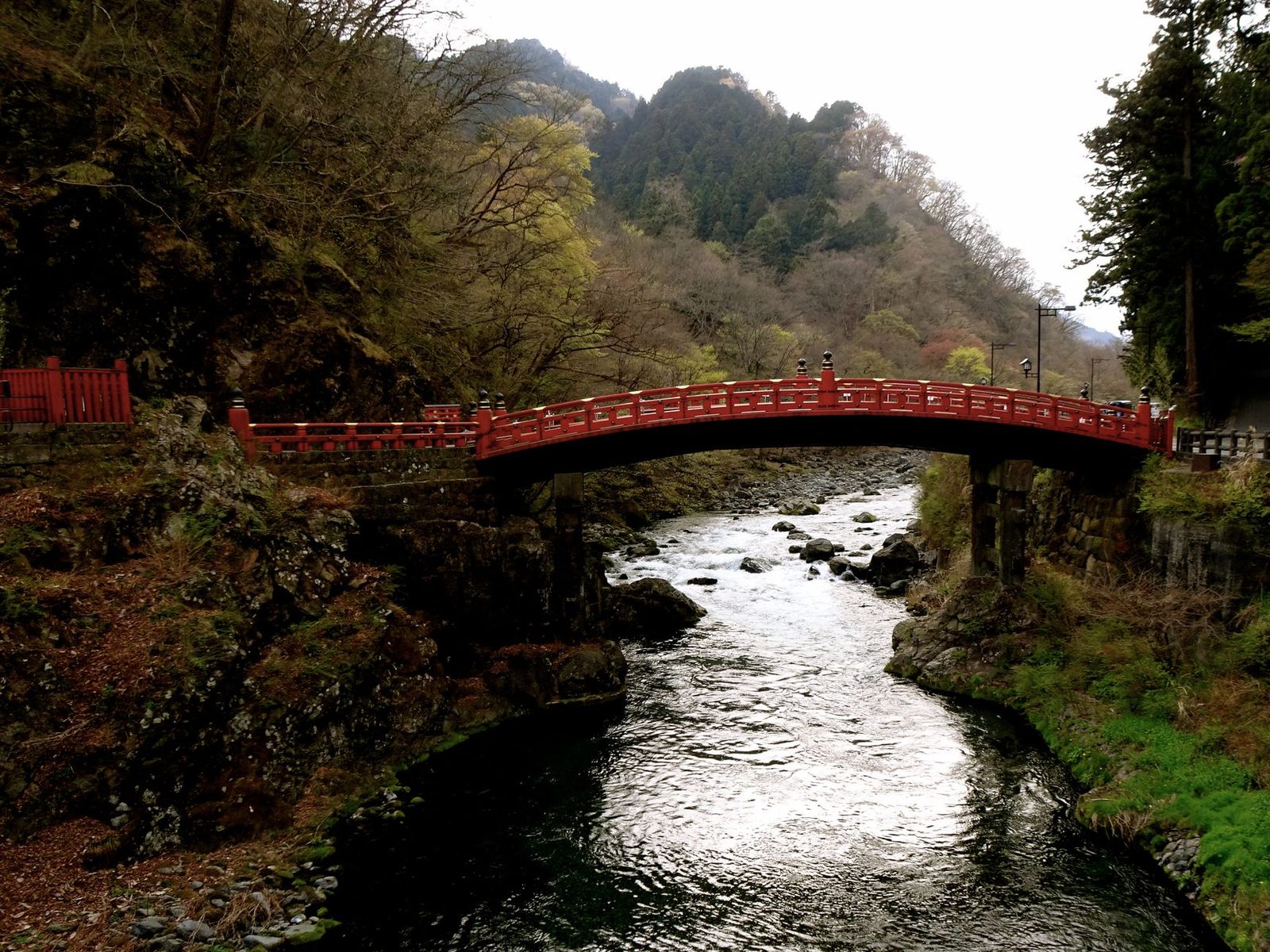
Tochigi
Nikko & Kinugawa
Large riverside inns along the Kinugawa gorge, a short ride from the ornate shrines and temples of Nikko.
- Getting there
- About 2 h from Asakusa by limited express
- Best time
- October and November for autumn colour
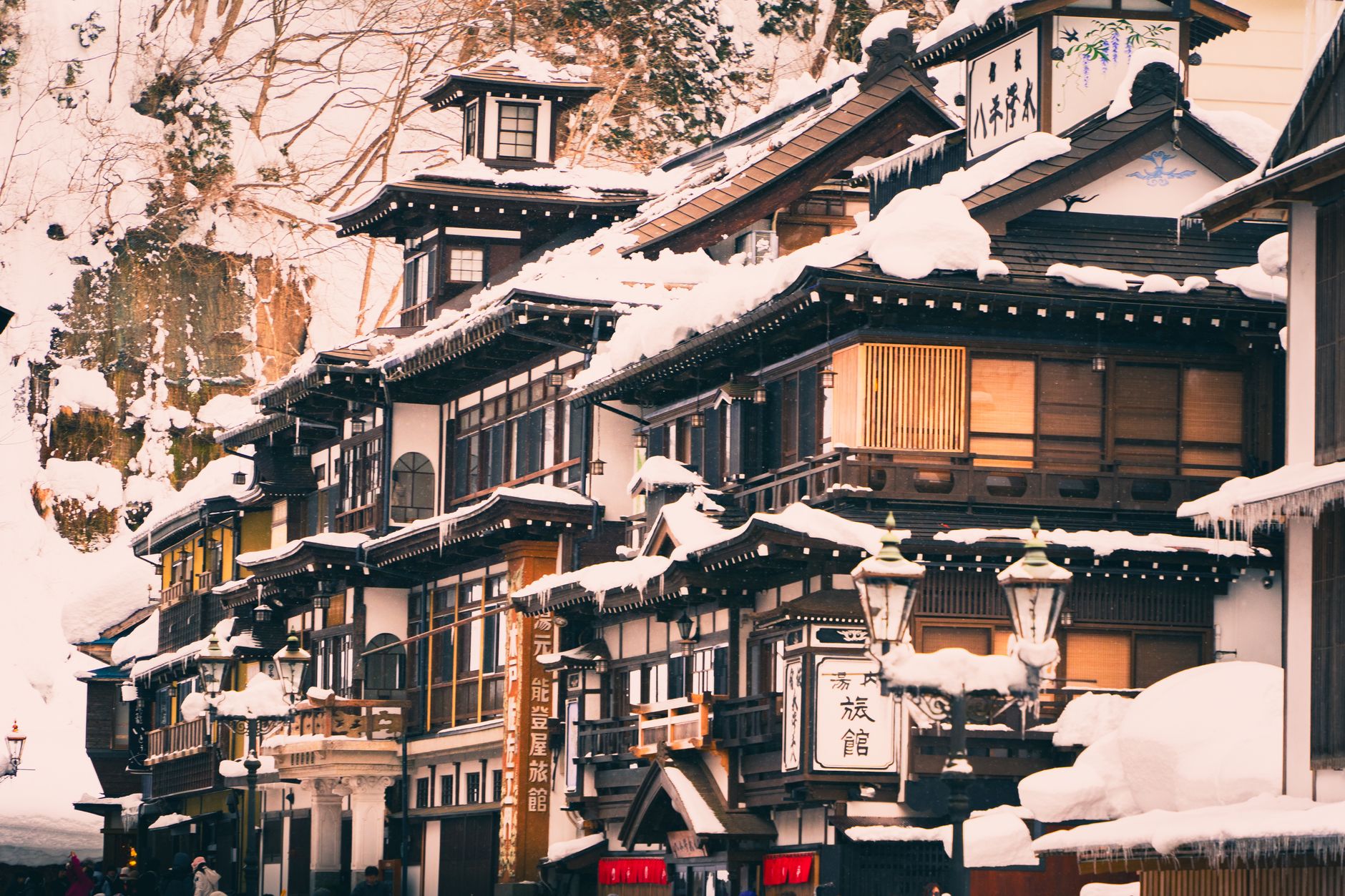
Yamagata
Ginzan Onsen
A former silver-mining village: multi-storey wooden inns face each other across a narrow river, lit by gas lamps at dusk.
- Getting there
- About 4 to 5 h from Tokyo by Yamagata Shinkansen and local bus
- Best time
- Midwinter, when snow covers every roof
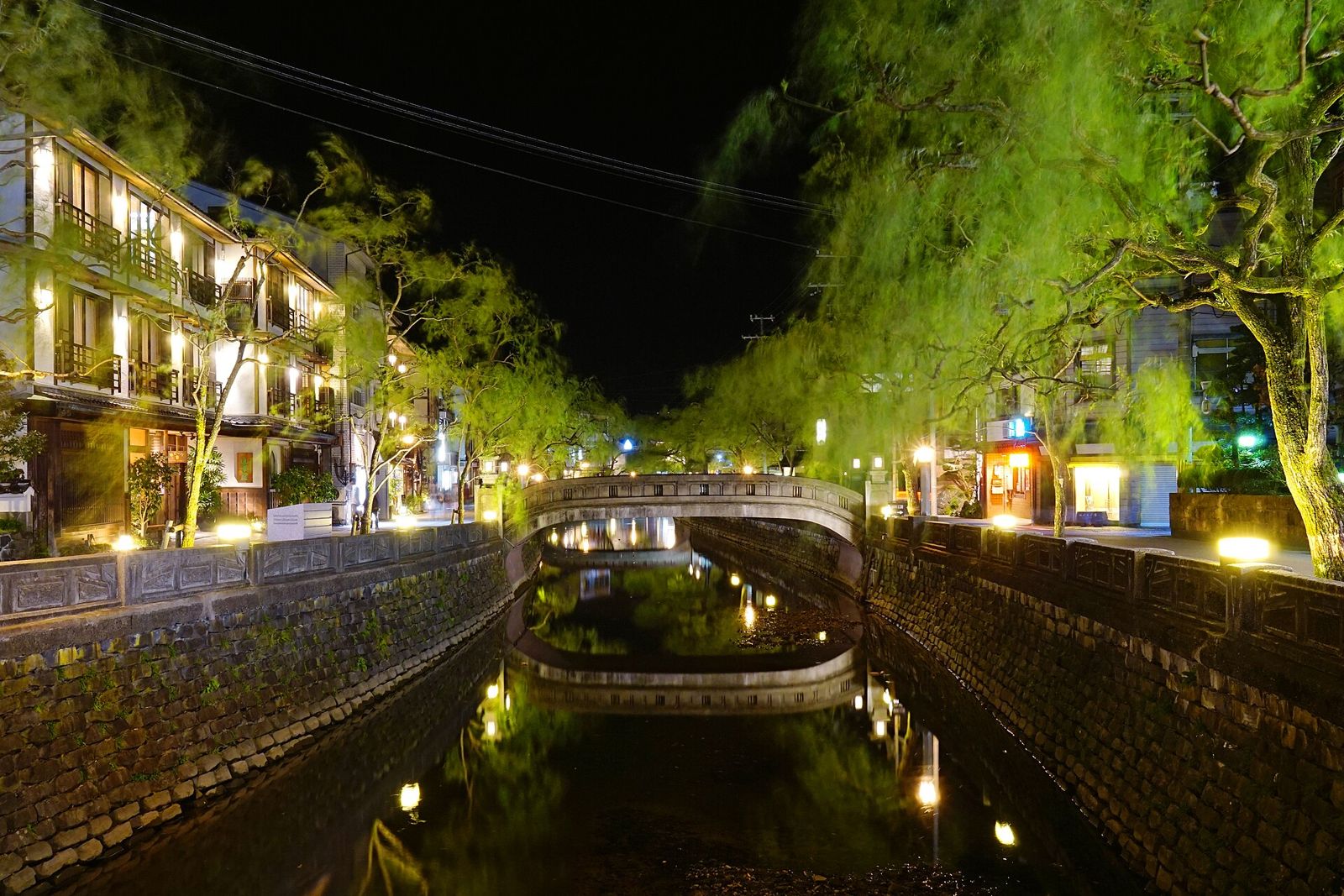
Hyogo
Kinosaki Onsen
A willow-lined canal and seven public bathhouses. Guests walk between them in yukata and wooden sandals; inns usually give a pass for free entry.
- Getting there
- About 2.5 to 3 h from Kyoto or Osaka by limited express
- Best time
- Winter, when snow crab is in season
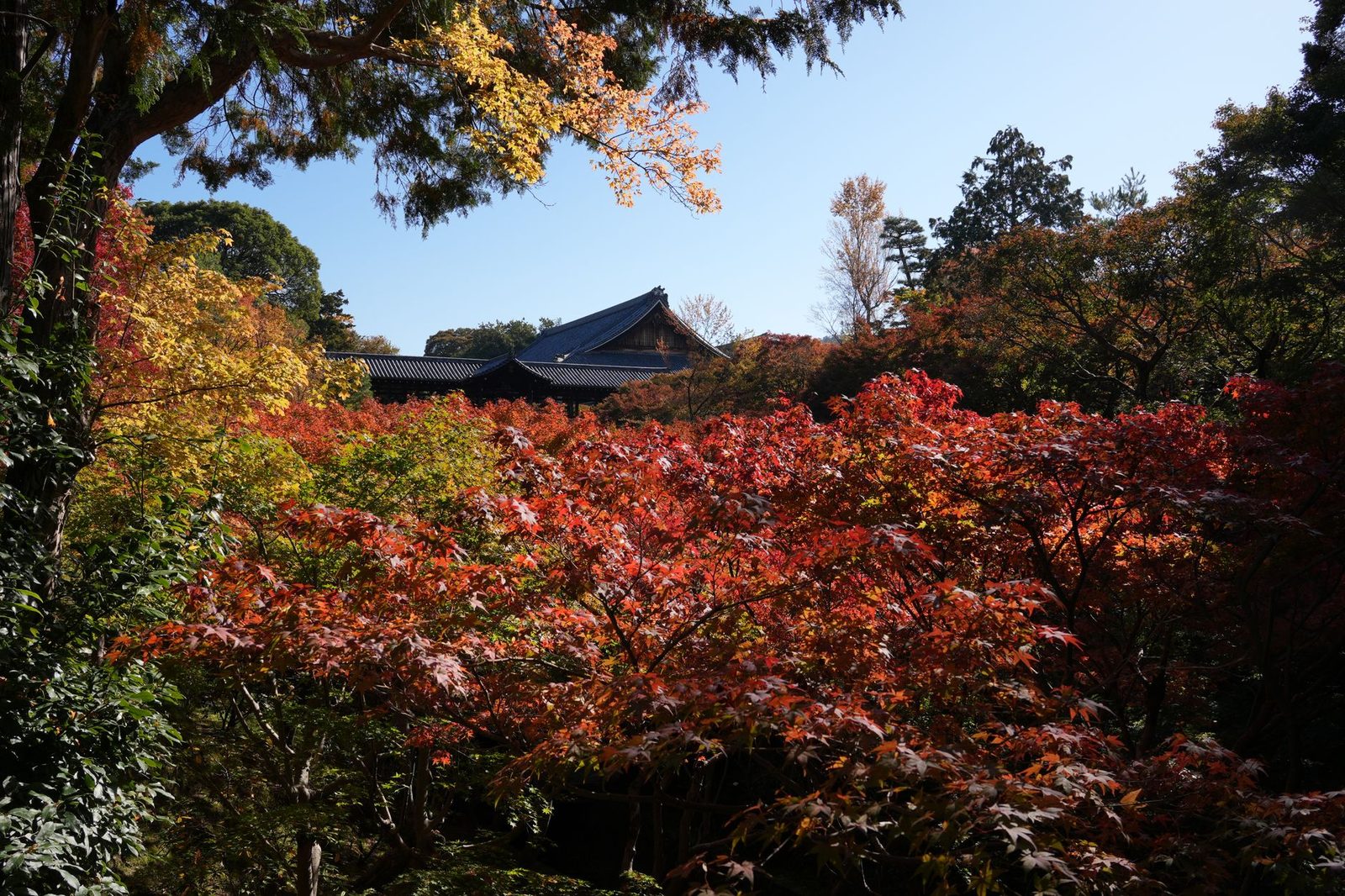
Kyoto
Kyoto
Long-established inns and restored wooden townhouses within walking distance of temples and old streets. Hot springs are rare in the centre; hospitality and food are the point.
- Getting there
- About 15 min from Shin-Osaka, about 2 h 15 min from Tokyo, by shinkansen
- Best time
- Cherry blossom and autumn leaves; book early for both
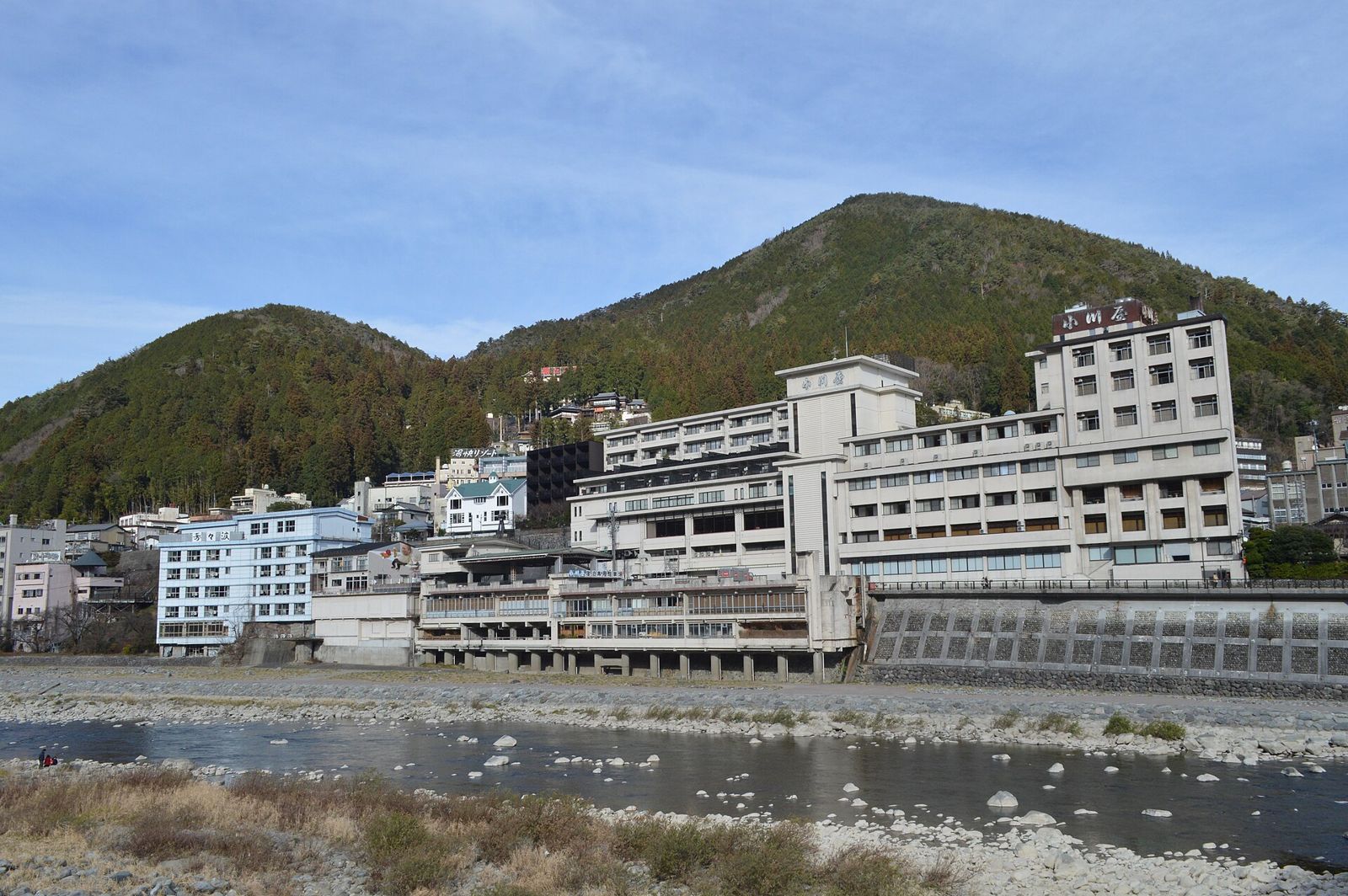
Gifu
Gero Onsen
One of Japan's three celebrated hot springs, known for smooth alkaline water said to leave skin feeling soft. Takayama is about 45 min further by limited express.
- Getting there
- About 1.5 to 2 h from Nagoya by limited express
- Best time
- All year; autumn in the Hida hills
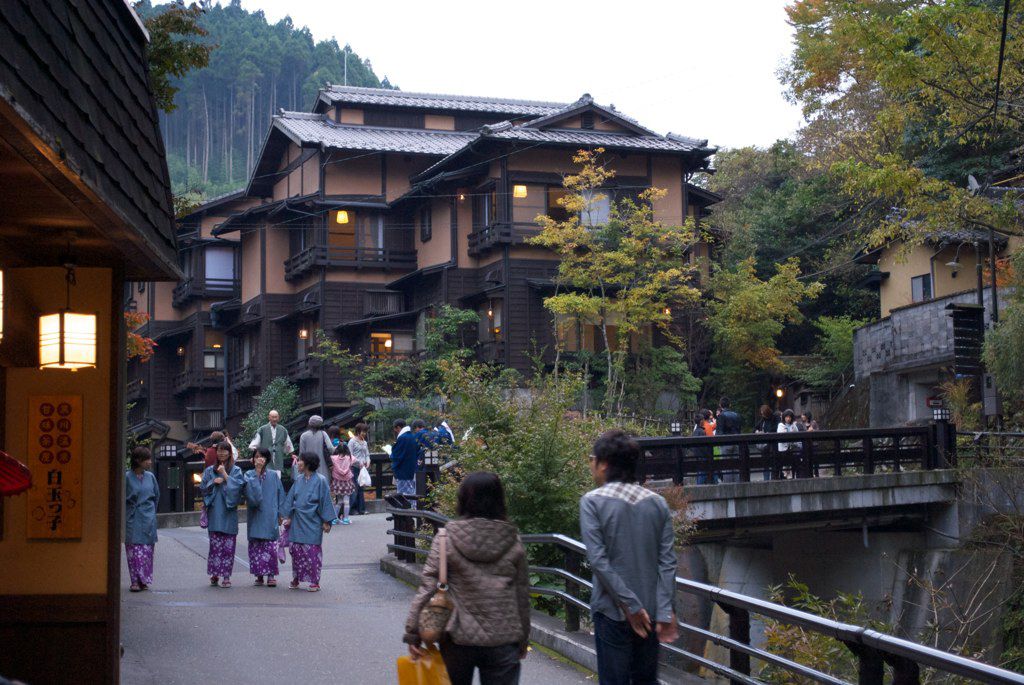
Kumamoto
Kurokawa Onsen
A small village in a wooded valley near Mount Aso, with no neon and no big signs. Buy a wooden pass and bathe in the open-air baths of other inns.
- Getting there
- About 2.5 to 3 h from Fukuoka or Kumamoto by highway bus
- Best time
- Autumn leaves and quiet winter
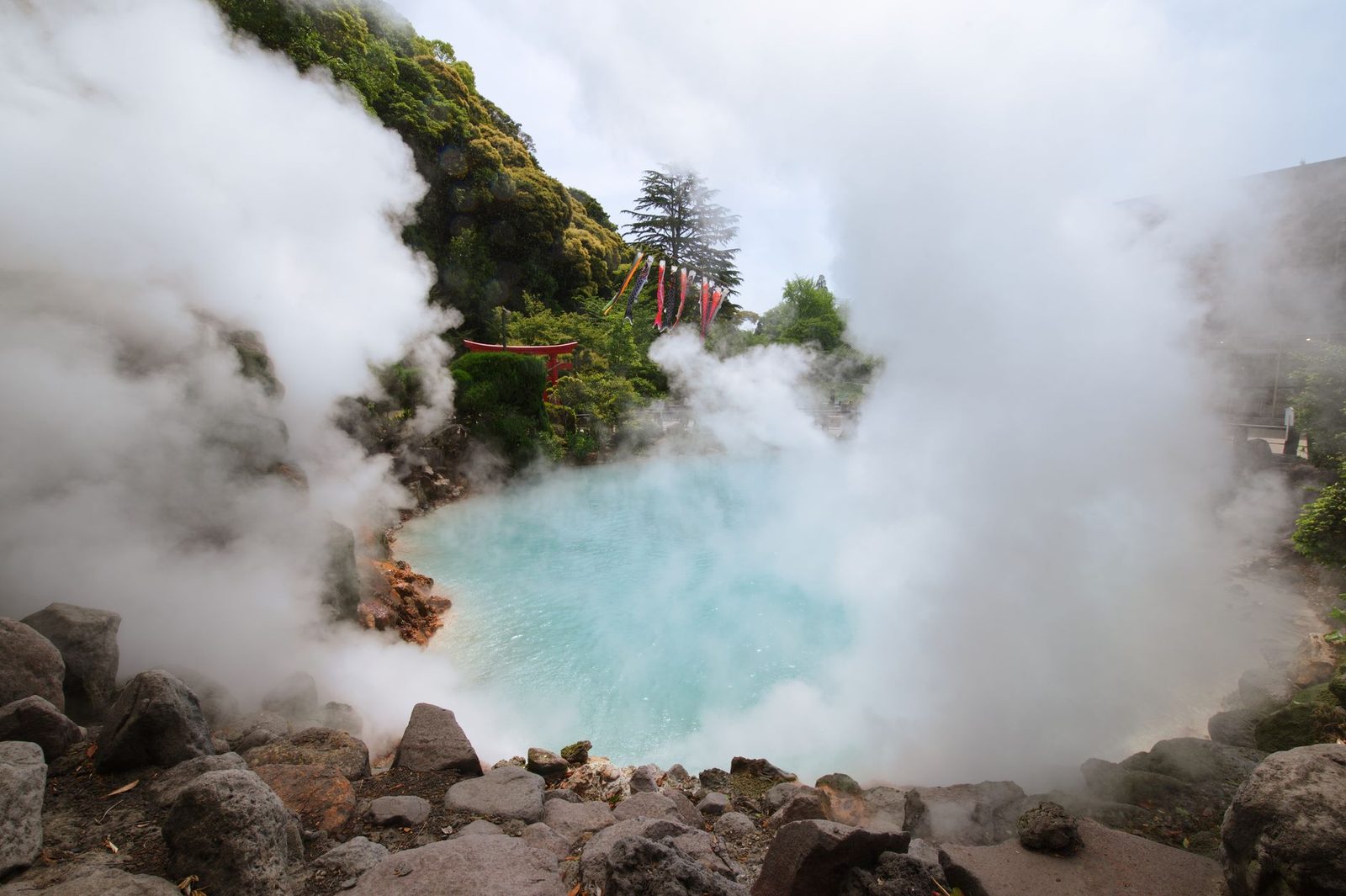
Oita
Yufuin & Beppu
Beppu has more hot spring sources than anywhere else in Japan, steaming from vents across the city. Yufuin, up in the hills inland, is quieter, beneath the twin peaks of Mount Yufu.
- Getting there
- About 2 to 2.5 h from Fukuoka (Hakata) by limited express
- Best time
- Autumn and winter mornings, when mist rises off Lake Kinrin
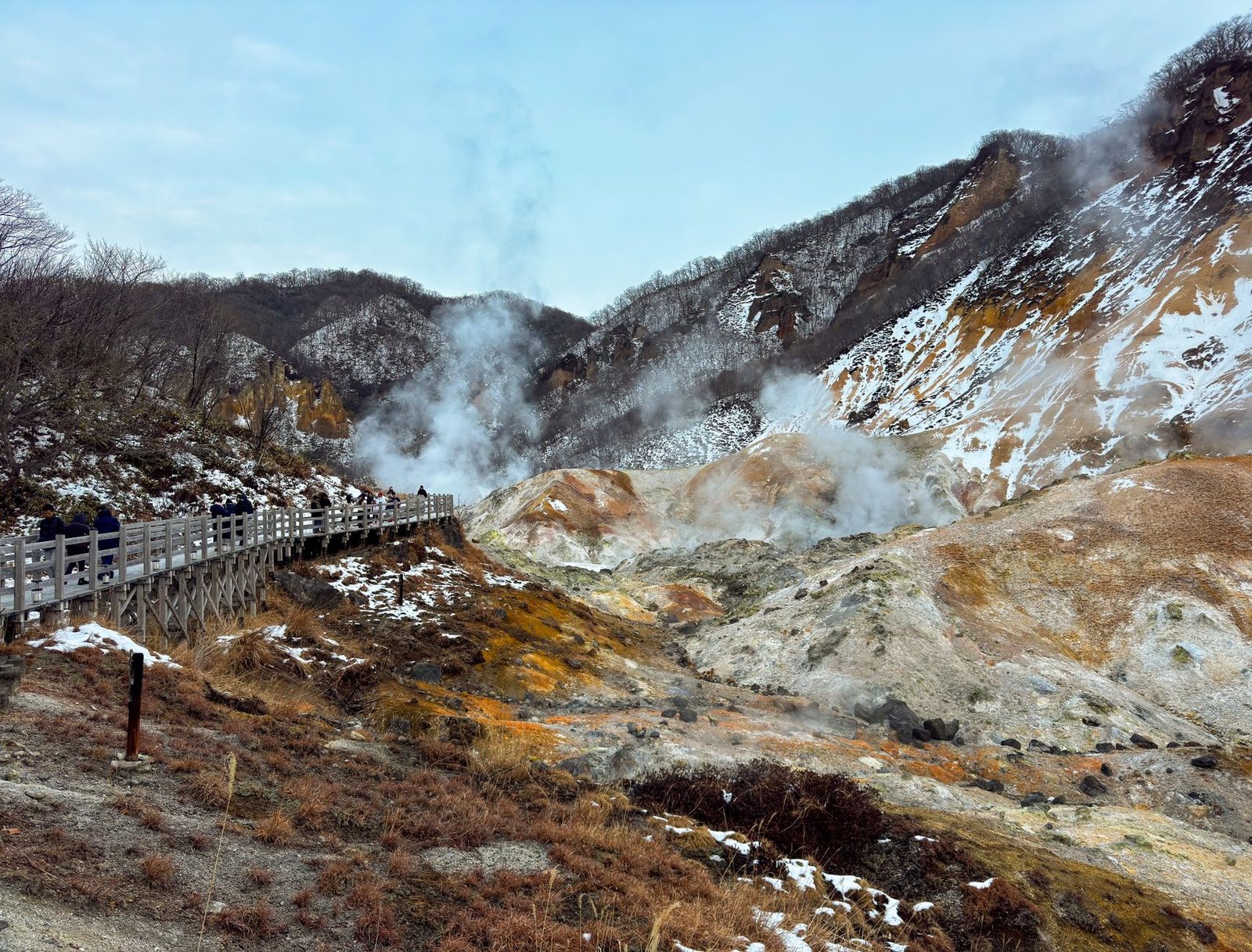
Hokkaido
Noboribetsu Onsen
Inns gathered below Hell Valley, a steaming volcanic crater. The area has several types of spring water, often counted as nine.
- Getting there
- About 1.5 h from Sapporo by limited express and local bus
- Best time
- October colour and deep snow in winter
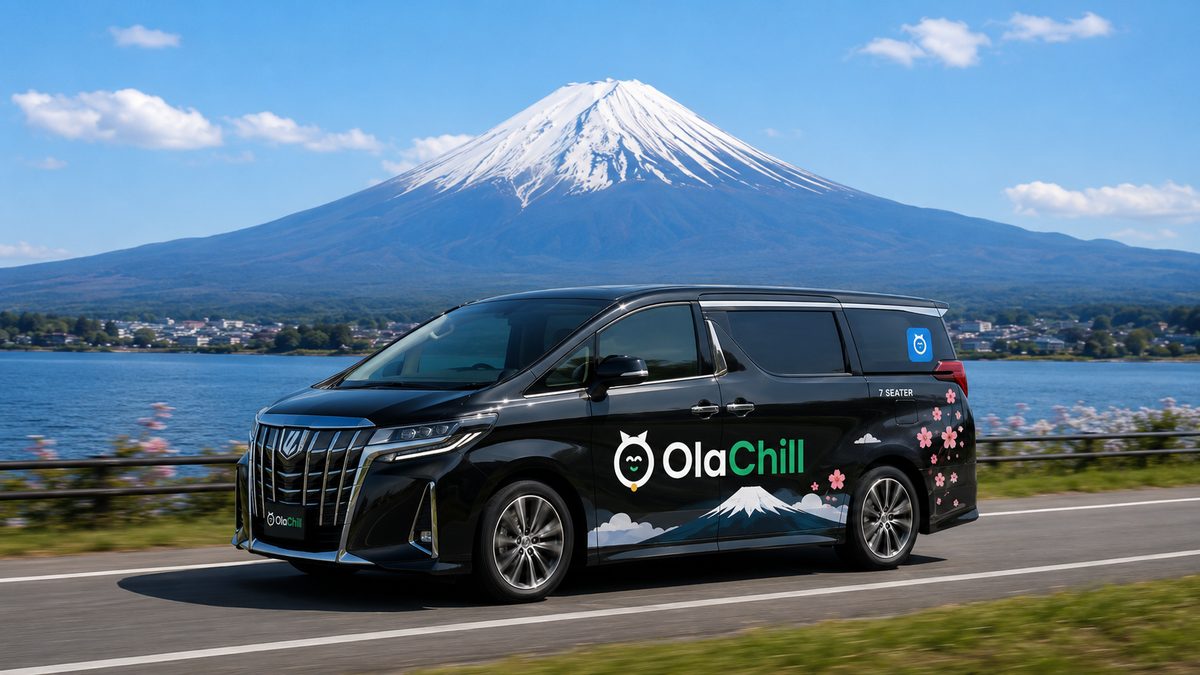
Private car door to door, on request
A private car is quoted together with the stay. The driver meets you at your hotel or in the arrivals hall. Snow on mountain roads can add time in winter.
Private car with driver, door to door →Eight quiet rules
No one expects you to be perfect. These cover almost everything.
Wash before you soak
Sit on the low stool, wash and rinse fully, then enter the bath. The bath is for soaking, not for washing.
The small towel stays out
Rest it folded on your head or on the edge. It never goes in the water.
No swimsuits
Shared baths are usually single-sex and bathers go without clothes. If that feels too much, ask for a private bath.
Tie up long hair
Keep hair out of the water. Some inns leave a hair tie with the room amenities.
Tattoos: ask first
Policies vary from inn to inn. Tell us when you request and we check. Private baths are usually the easy answer.
Slippers stop at the tatami
Leave them outside the room's matted floor. The toilet has its own pair; switch back when you leave.
Left over right
Fold the yukata so the left side sits on top. Wear it to dinner and around the inn; most inns treat it as proper dress there.
Keep time with the kitchen
Dinner is prepared for a set hour. If your train runs late, let the inn know. Tipping is not expected.
Every season, a different inn
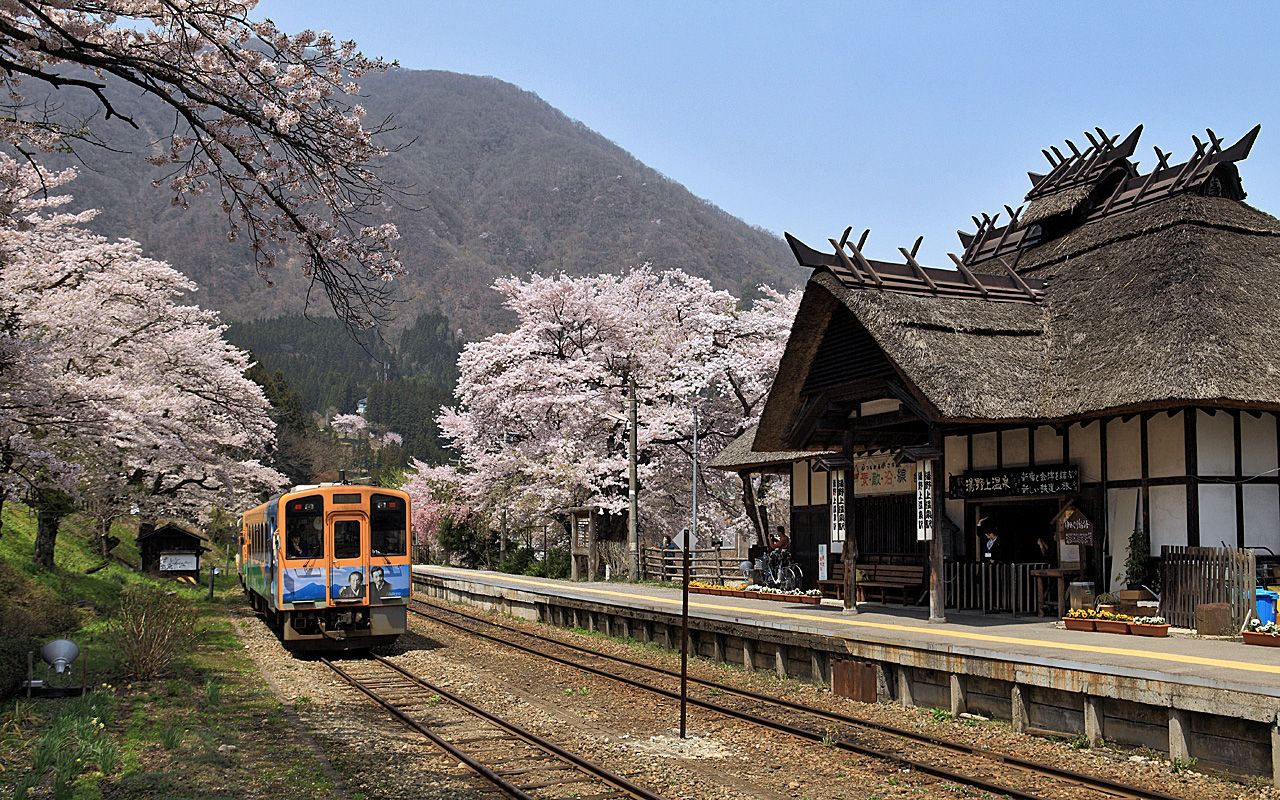
Spring
Cherry blossom moves north from late March into May. Bamboo shoots and wild mountain greens appear on the dinner table.
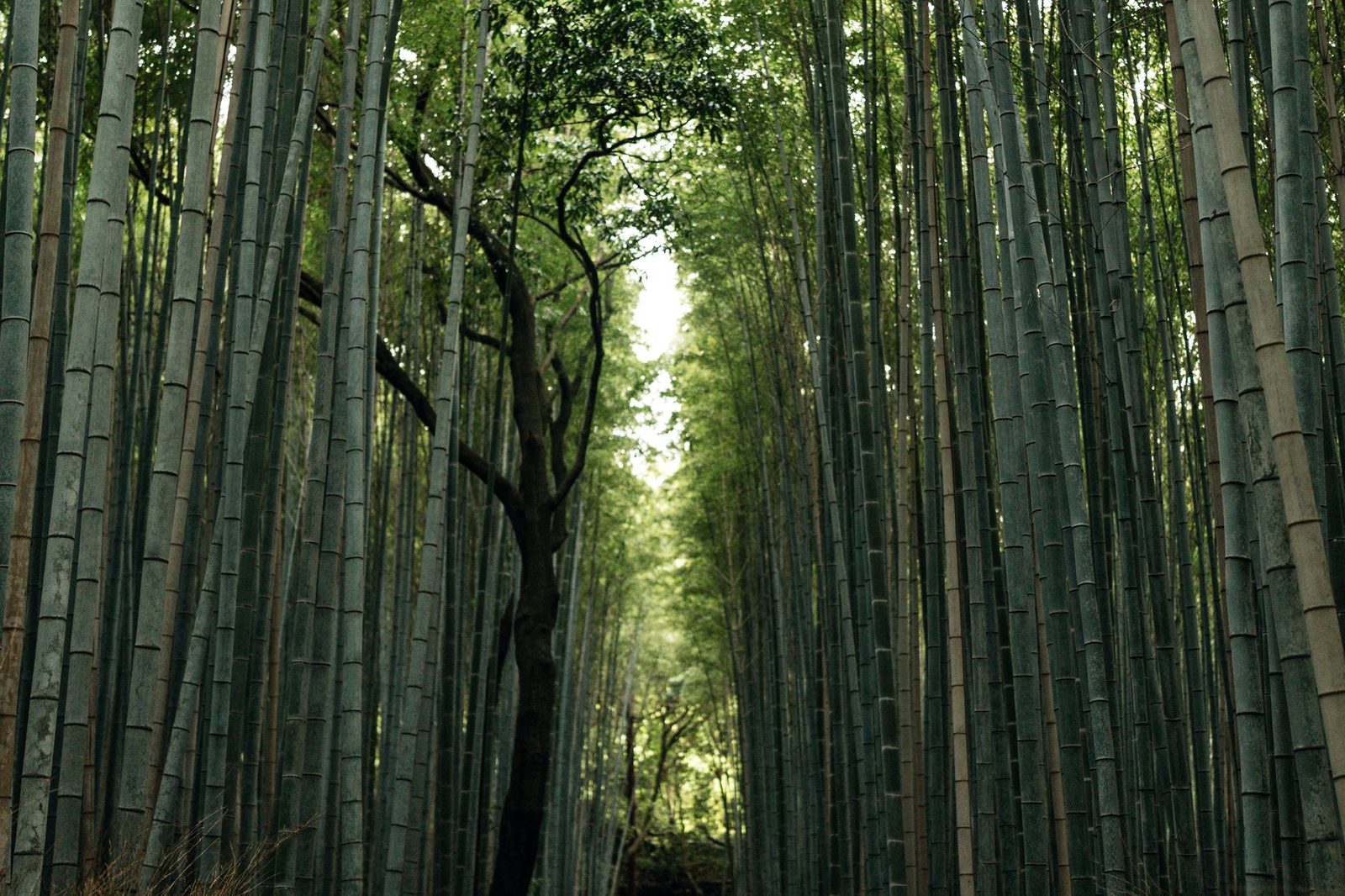
Summer
Highland inns stay cooler than the cities. River fish grilled on skewers, fireflies near some rivers in early summer, fireworks over some hot spring towns.
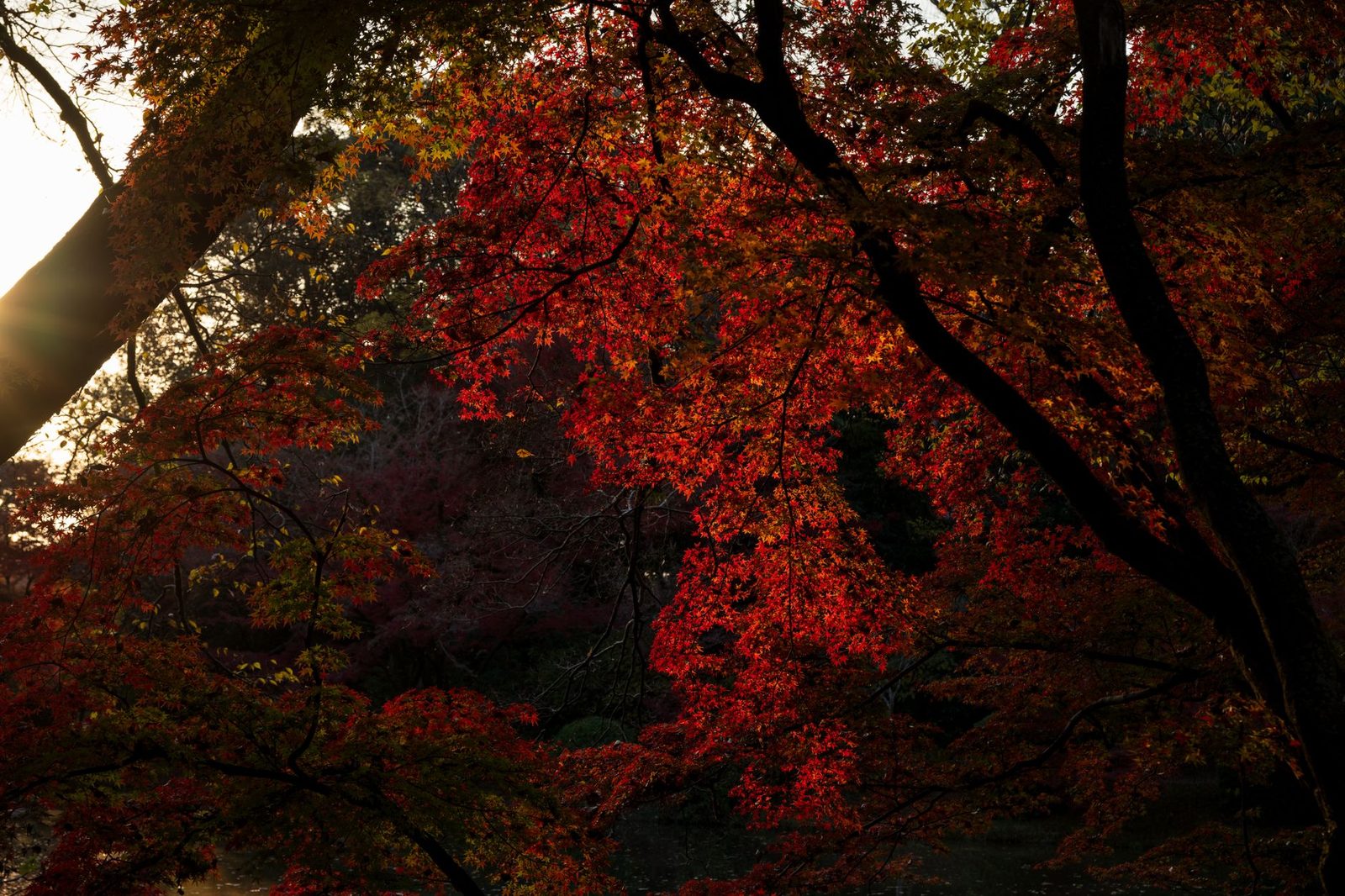
Autumn
Leaves turn from the north and the mountains down to the coast, from about October to early December. Matsutake, chestnuts and new-crop rice. Rooms go quickly; ask well ahead.
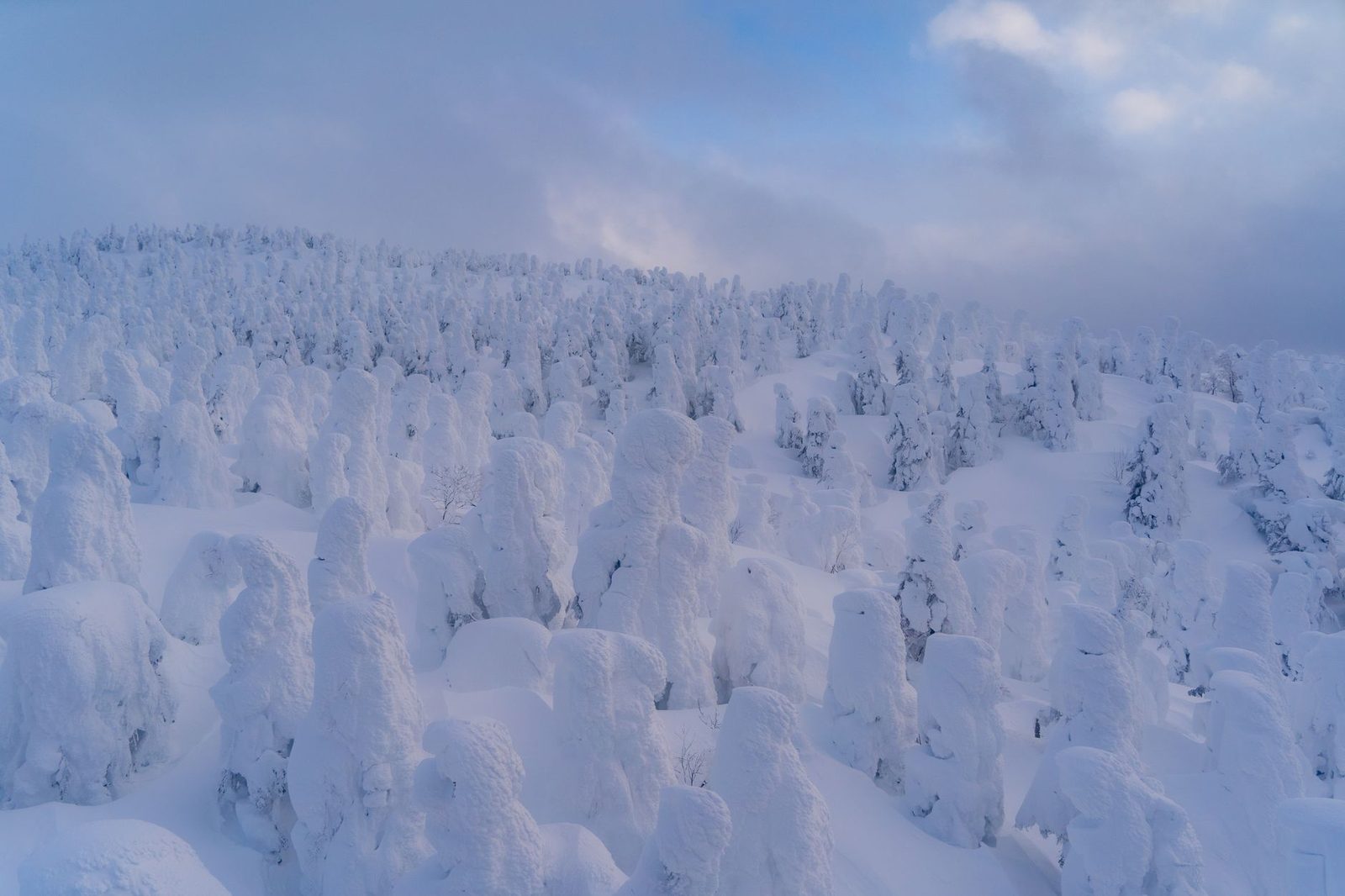
Winter
Snow on the open-air bath, hot pots at dinner, crab on the Sea of Japan coast. The contrast of hot water and cold air is at its sharpest.
How a request works
You tell us once. We do the calls in Japanese.
Send your request
Area, dates, guests, the style of stay and a budget per person. Anything else that matters: a birthday, an allergy, a need for beds.
We read it and ask if needed
If something is unclear, we write back with a question before we contact any inn.
We check with the inns
We ask about rooms, meal plans, bath rules and your dietary needs directly, in Japanese.
You receive options by email
Each option shows the inn, the room, what is included, the cancellation terms and one total price, with a private car if you asked for one.
You approve, then pay
Nothing is charged before you say yes. Once you approve and pay, we confirm the stay and send the details for arrival.
Request your ryokan
A few details are enough to start. We reply by email with options and a total price.
Private ryokan stays for groups
From 5 guests: families, friends and company trips. We ask inns about renting the whole house (kashikiri) or holding a block of rooms, with dinner, a banquet room and a coach if you need one. No payment at this step.
Ryokan with group facilities
From each inn's official website. Whole-inn buyout is confirmed inn by inn, never assumed.
- Hiiragiya
Kyoto · Kyoto · 23 rooms · Banquet room
- Dogo Onsen Funaya
Dogo Onsen & Shikoku · Ehime · 58 rooms · Banquet room
- Konansou
Mt Fuji & Kawaguchiko · Yamanashi · 50 rooms · Banquet room
- Arima Onsen Hyoe Koyokaku
Arima Onsen (Kobe) · Hyogo · Banquet room
- Kasuitei Ooya
Mt Fuji & Kawaguchiko · Yamanashi · 46 rooms · Banquet room
- Shuhokaku Kogetsu
Mt Fuji & Kawaguchiko · Yamanashi · Banquet room
- Gero Onsen Suimeikan
Gero, Takayama & Okuhida · Gifu · Banquet room
- Asaba
Izu & Atami · Shizuoka · Banquet room
- Gora Kadan
Hakone · Kanagawa · Banquet room
- Arima Onsen Gekkoen Yugetsusanso
Arima Onsen (Kobe) · Hyogo · 40 rooms · Banquet room
- Lake Shikotsu Tsuruga Resort Spa Mizu no Uta
Hokkaido onsen · Hokkaido · 49 rooms
- Nishimuraya Hotel Shogetsutei
Kinosaki Onsen · Hyogo · 98 rooms · Banquet room
- Senkyoro
Hakone · Kanagawa · Banquet room
- Yudanaka Onsen Yoroduya
Nagano onsen villages · Nagano · 28 rooms · Banquet room
- Arashiyama Onsen Hanaikada
Kyoto · Kyoto · 15 rooms · Banquet room
- Yunoshimakan
Gero, Takayama & Okuhida · Gifu · Banquet room
- Hakone Kowakien Mikawaya Ryokan
Hakone · Kanagawa · 25 rooms
- Inatori Ginsuiso
Izu & Atami · Shizuoka · Banquet room
- Kyoto Arashiyama Onsen Togetsutei
Kyoto · Kyoto · 21 rooms · Banquet room
- Ryokan Sanga
Kurokawa Onsen · Kumamoto · 16 rooms · Banquet room
- Dai-ichi Takimotokan
Noboribetsu · Hokkaido · Banquet room
- Fukuzumiro
Hakone · Kanagawa · 17 rooms · Banquet room
- Hida Takayama Onsen Hoshokaku
Gero, Takayama & Okuhida · Gifu · 53 rooms · Banquet room
- Kotohira Kadan
Dogo Onsen & Shikoku · Kagawa · Banquet room
- Rekishi no Yado Kanaguya
Nagano onsen villages · Nagano · 29 rooms · Banquet room
- Hotel Ichii
Kusatsu & Gunma onsen · Gunma · Banquet room
- Kusatsu Onsen Naraya
Kusatsu & Gunma onsen · Gunma · Banquet room
- Ginzanso
Ginzan & Yamagata · Yamagata · 39 rooms · Banquet room
- Syoenso Hozugawatei
Kyoto · Kyoto · Banquet room
- Zao Onsen Shinzanso Takamiya
Ginzan & Yamagata · Yamagata · 19 rooms · Banquet room
- Takaragawa Onsen Osenkaku
Kusatsu & Gunma onsen · Gunma · 43 rooms · Banquet room
- Tsutaya Ryokan / Seirantei
Kinosaki Onsen · Hyogo · 24 rooms · Banquet room
- Noboribetsu Sekisuitei
Noboribetsu · Hokkaido · Banquet room
Prices depend on the inn, the room, the date and the meal plan. The total in your options covers what it lists; drinks and extras ordered at the inn are paid there. If the town charges a bath tax, we tell you how it is paid.
We reply by email once we have heard back from the inns. Popular dates can take a little longer to confirm.
Questions about staying in a ryokan
What is a ryokan?
A traditional Japanese inn. Rooms usually have tatami floors and futon bedding, guests wear a yukata, and the stay normally includes dinner and breakfast. Many ryokan sit in hot spring towns and have their own onsen baths.
Do I need to speak Japanese?
No. Send your request in your language. We talk to the inn in Japanese, pass on your needs, and send you the options and arrival details in writing.
Are meals included?
The usual plan is one night with dinner and breakfast. Some inns also offer breakfast-only or room-only plans, which are common in cities. Each option we send says exactly which meals are included.
Can I stay if I have tattoos?
Often, yes. Rules for shared baths vary by inn. A room with its own bath, or a private bath you reserve, avoids the question. Mention tattoos in your request and we check before we send options.
Can the inn handle allergies, vegetarian or halal meals?
Many inns can adjust dinner if they know in advance. Kaiseki stock is often made with fish, so strict vegetarian, vegan or halal meals are not possible everywhere. Tell us the details and we ask each inn in Japanese before offering it.
How much does a ryokan cost?
It depends on the area, the inn, the room, the day of the week and the season; weekends, holidays and peak seasons usually cost more. Choose a budget per person per night in the form and we look within it. Your options show one total price.
When do I pay, and can I cancel?
You pay only after you approve an option. Cancellation terms depend on the inn and are shown with each option, so you see them before you approve.
Are children welcome?
At many inns, yes. Family rooms can sleep four or more on futons, and some inns offer children's meals and small yukata. A few adult-oriented inns do not take young children; we check for you.
Can you arrange a car to the ryokan?
Yes. A private car with driver can take you door to door from Tokyo, from Kyoto or Osaka, or from the airport. It is priced together with the stay, so you receive one total.
I need beds or step-free access. Is that possible?
Some inns have rooms with Western-style beds, and some have lifts and rooms close to the baths. Old wooden inns often have stairs and steps. Tell us what you need and we only offer inns that fit.
Plan the rest of the trip
Private car with driver, door to doorTours with a night at a ryokanKimono rental for a day in the old streetsOnsen rules every first-timer needs
📷 Pexels · fuJi waru · 雄一 田山 · Julias Torten und Törtchen · Gu Ko · Bruno Makori · Ryutaro Tsukata · Satoshi Hirayama · Leongsan Tung · Evgeny Tchebotarev · Pixabay · Airam Dato-on · Hiroko Nakagawa · Pitipat Usanakornkul · Mateusz Walendzik · KLT Dinusha · Reinaldo Simoes · Erhan Hunç Güler · 家豪 陳 · Dmitry Romanoff · Han Sen · Jatin Chadha · Faruk Tokluoğlu · Guohua Song
📷 Wikimedia Commons · Soica2001 (Public domain) · David McKelvey (CC BY 2.0) · Joli Rumi (CC BY-SA 4.0) · 663highland (CC BY 2.5) · 663highland (CC BY 2.5) · Asturio Cantabrio (CC BY-SA 4.0) · hiroooooki (CC BY 2.0) · Tennen-Gas (CC BY-SA 3.0)