Guided Tokyo tours — food, nights and hands-on experiences
46 small-group tours run by OlaChill: the dawn fish market, izakaya alleys, a sushi-making counter, the Mount Takao trail. English-speaking guides, book 24 hours ahead.

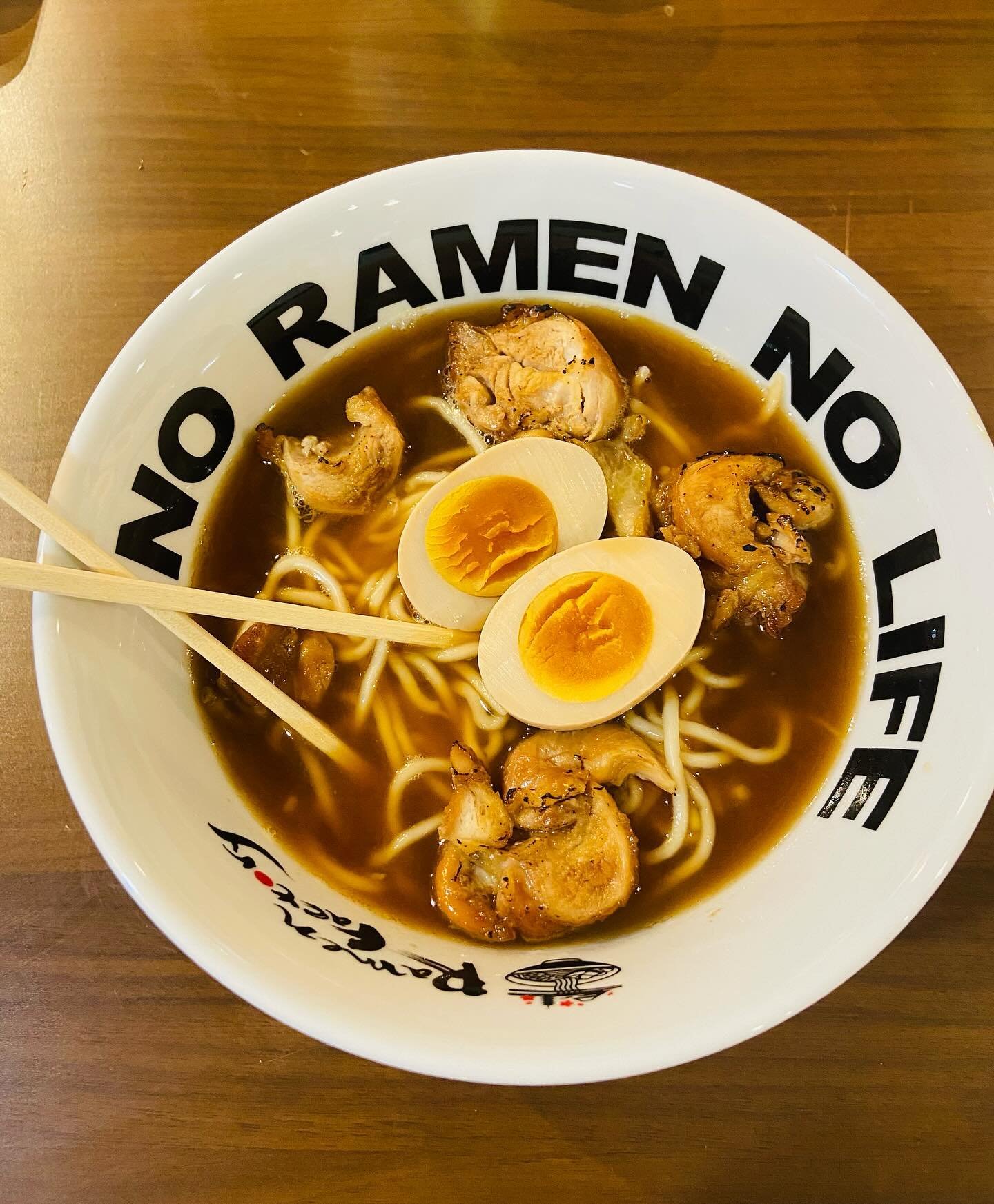
Ramen Masterclass: build your own broth, noodles and bowl
Three hours in a working kitchen with a ramen chef: simmer your own broth, pick your noodle firmness, roll your own chashu, then plate the bowl your way and eat it hot. You leave with the recipe.
⏱ 3 hours · Group 2–8

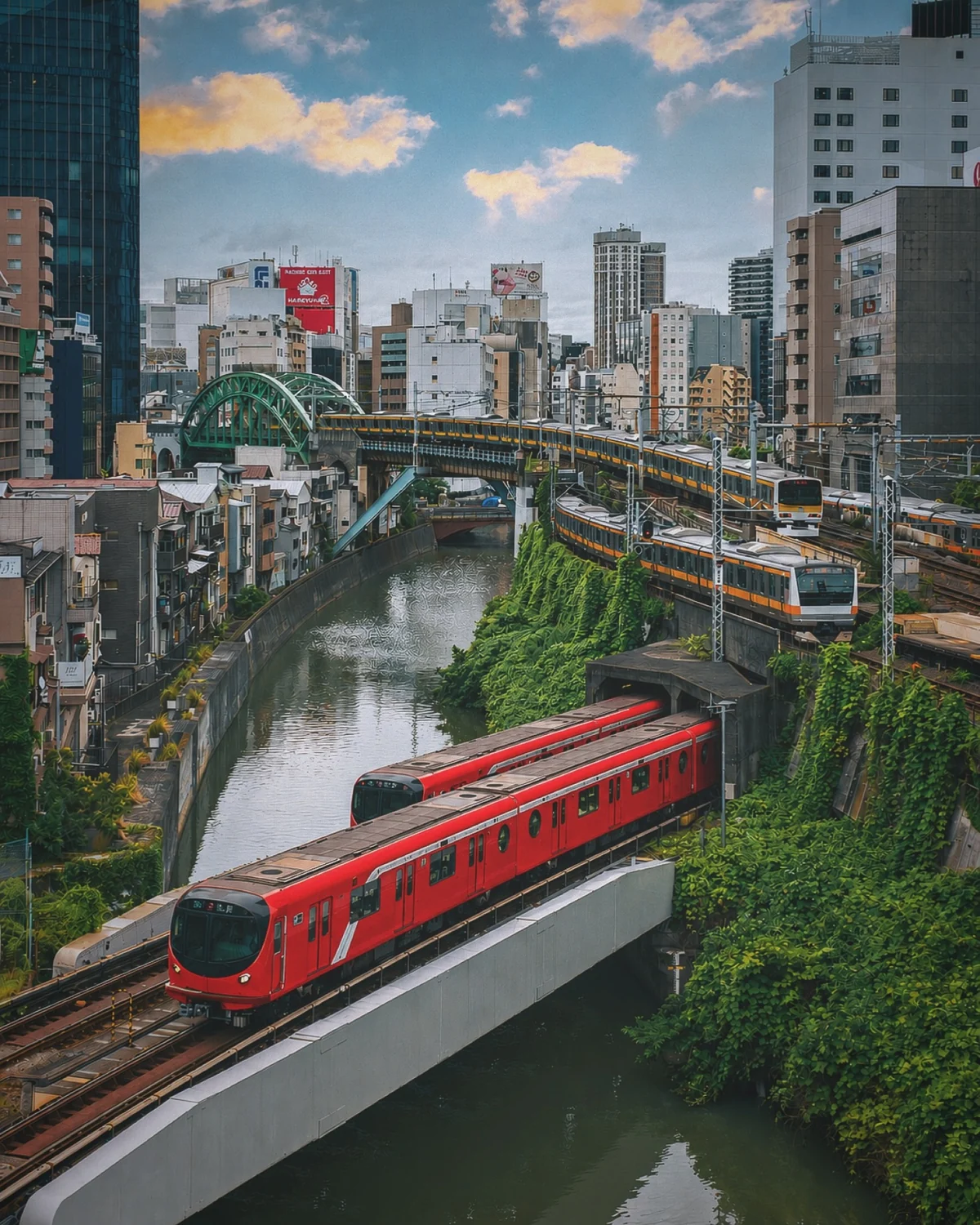
Tokyo Rail Challenge: deepest station, busiest line, driverless train
Tokyo runs the most complex rail network on earth, and most visitors only use it to get from A to B. Here the network IS the destination: descend the deepest subway station, ride the busiest line at rush hour, take the front seat of the driverless Yurikamome over the bay, and learn to buy tickets, top up a Suica and read transfer boards the way locals do.
⏱ 4 hours · Group 1–6

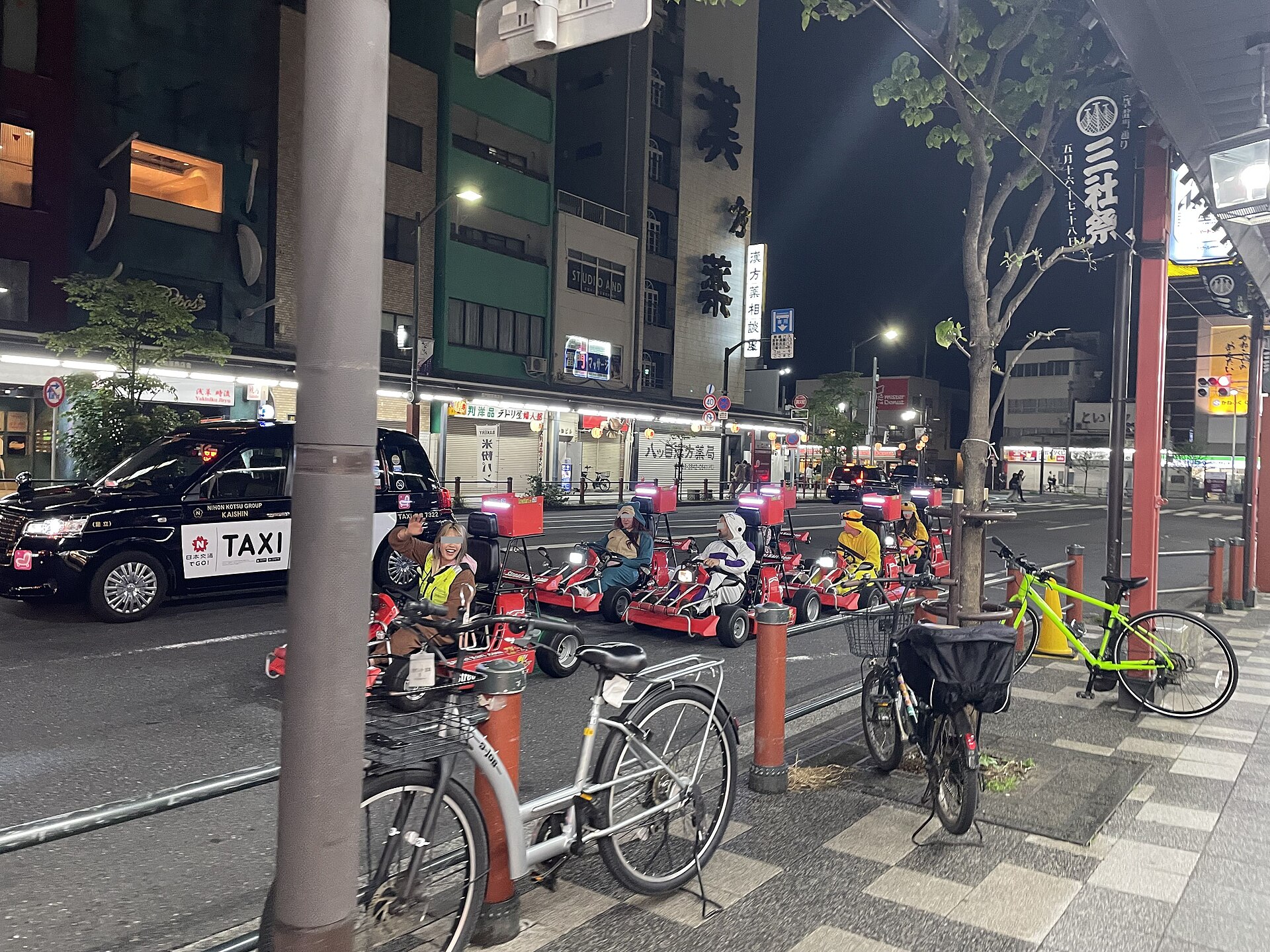
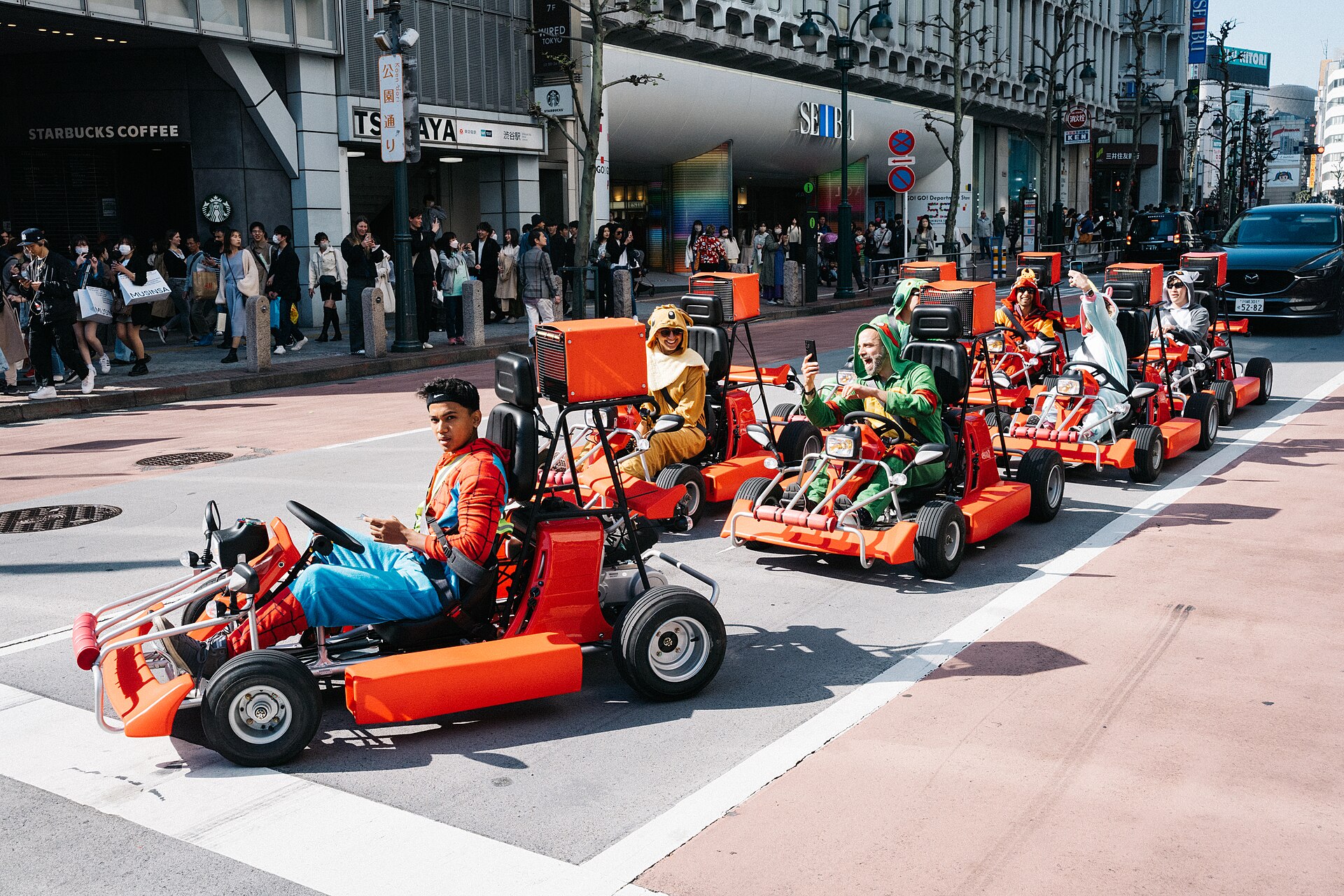
Ride the C1 Expressway by Night + Daikoku Car Meet (Yokohama)
A chauffeured run around Tokyo's C1 expressway loop after dark — the stretch that became an icon of racing films and games — then a stop at Daikoku Futo, the bridge-top parking area where Japan's car scene gathers at weekends. Your guide walks you through Japanese car culture, from tuned kei-cars to the GT-R.
⏱ 4 hours · Group 2–6

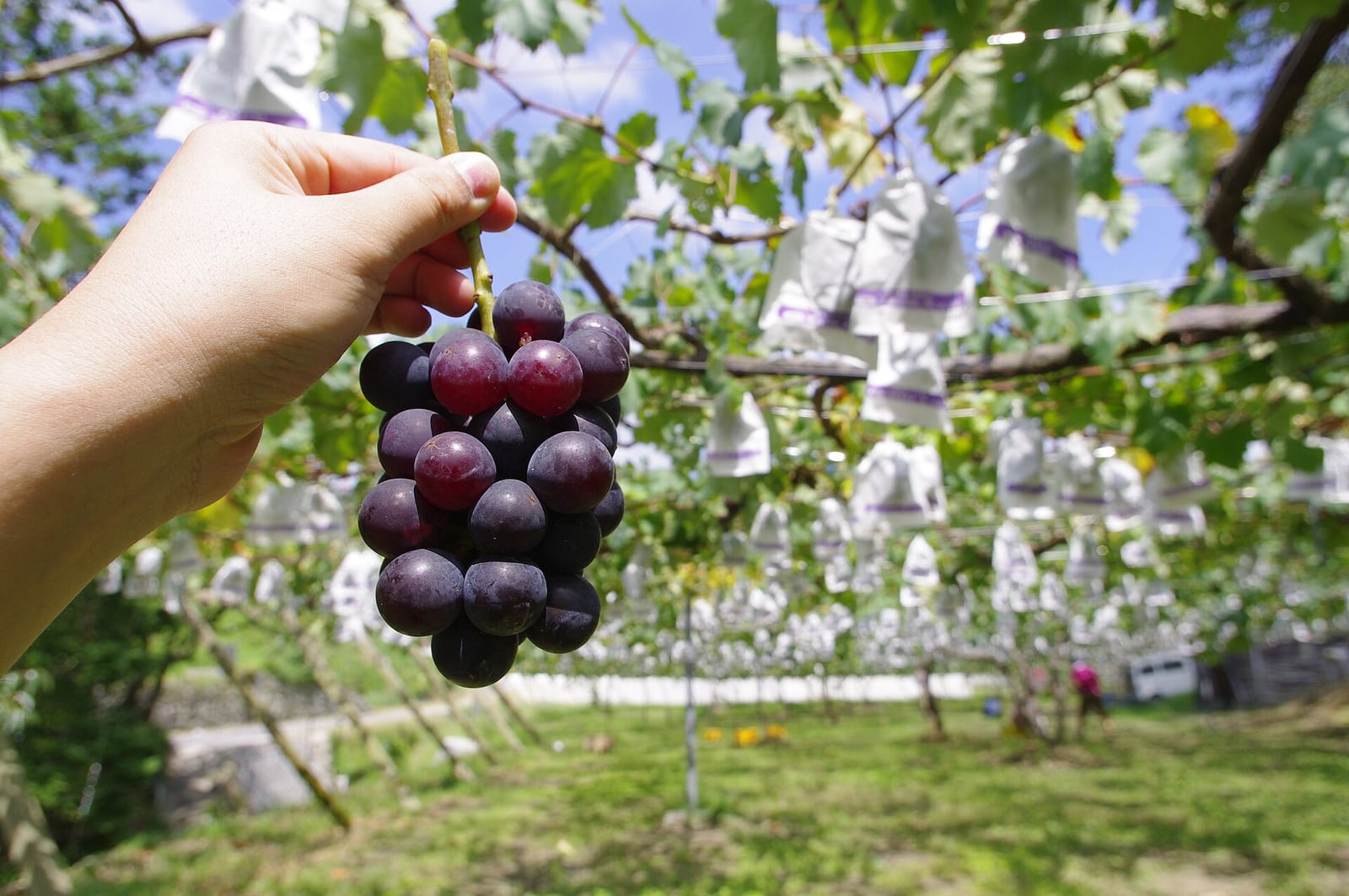
Yamanashi Day Trip: seasonal fruit picking, wine tasting, Mt. Fuji views
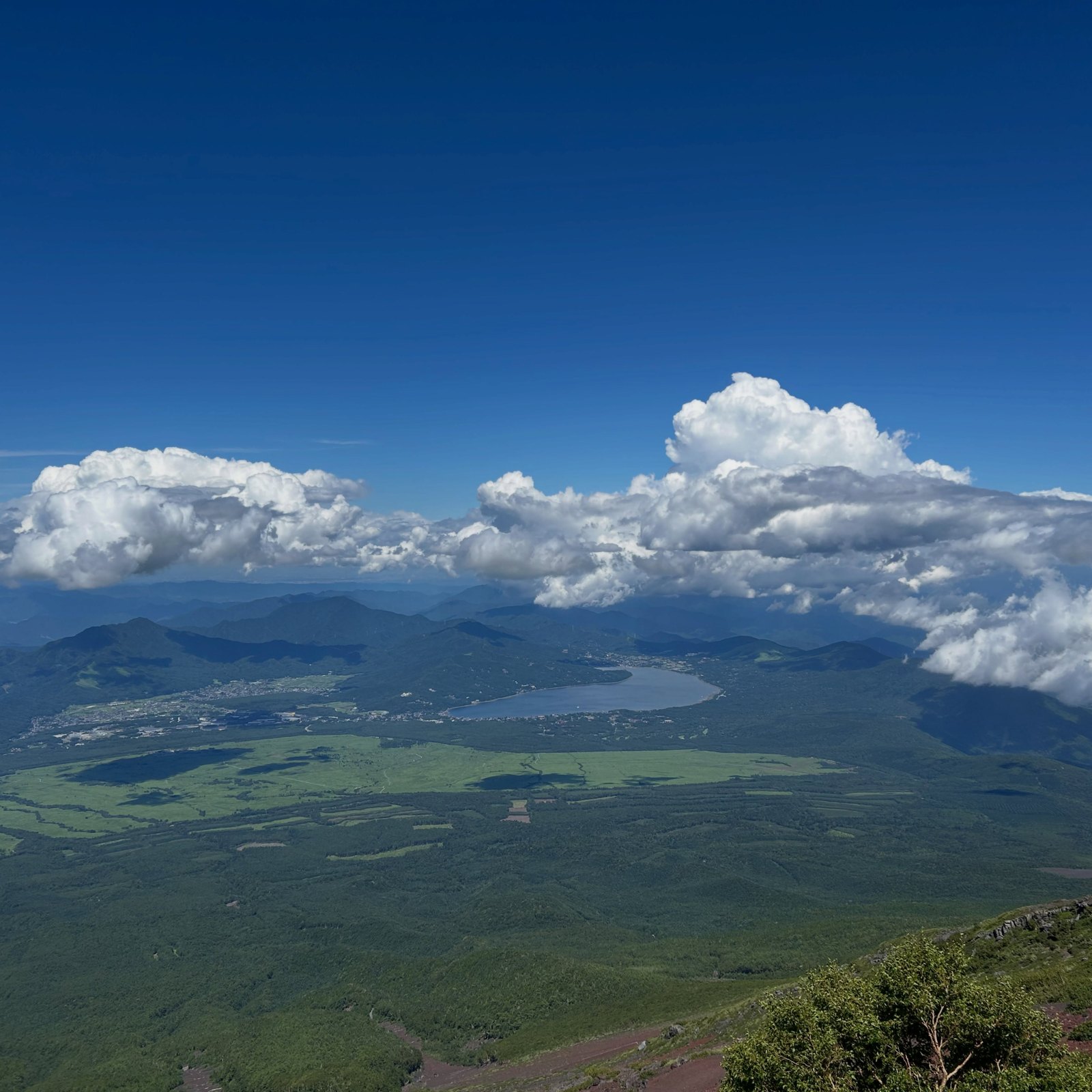
Leave Tokyo by private coach for Yamanashi — Japan's oldest grape and wine region, sitting at the foot of Mt. Fuji. Pick whatever is in season (strawberries, peaches, Shine Muscat grapes by month), eat it in the orchard, taste at a working winery, and stop at a Fuji viewpoint on the way back. All-inclusive: coach, guide, orchard, tasting and lunch. Out and back in one day, no hotel change.
⏱ 10 hours · Group 4–16

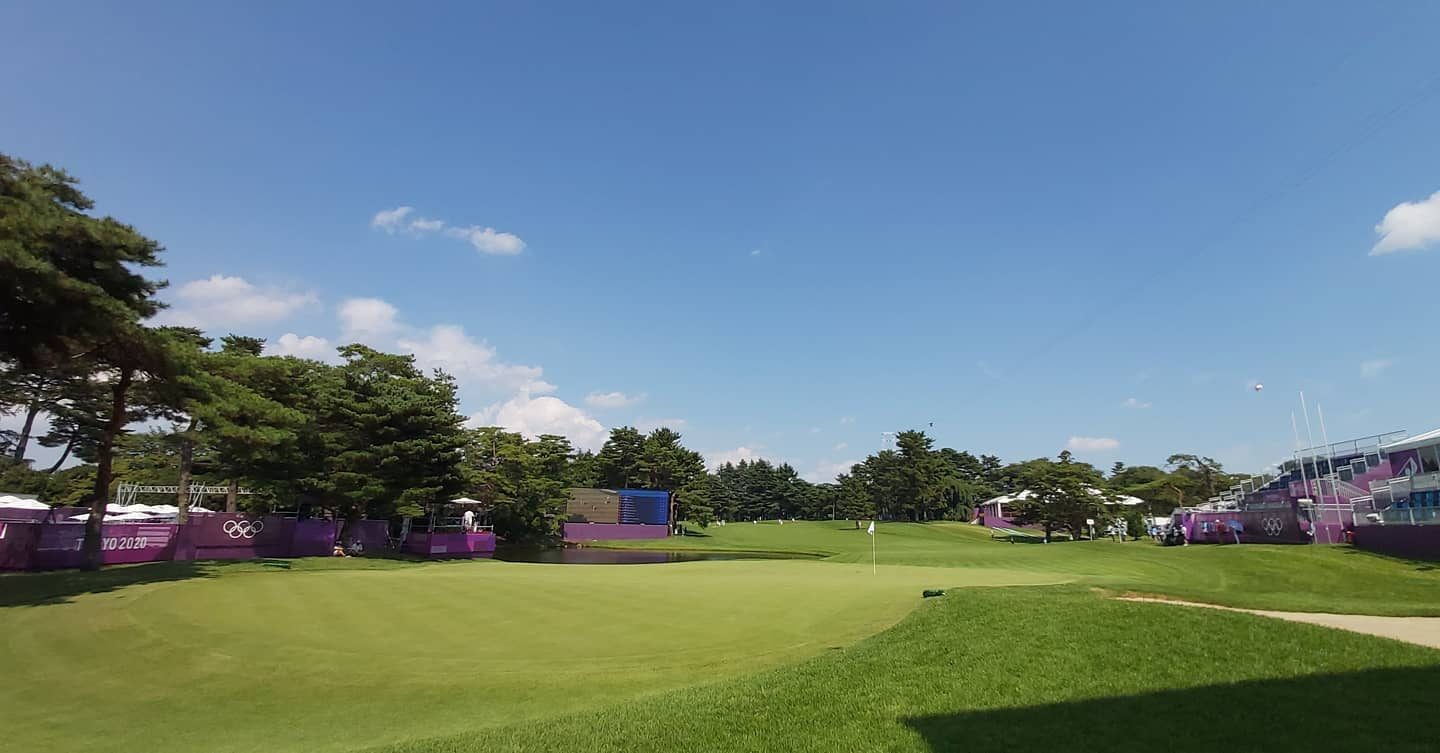
All-Inclusive Tokyo Golf Day: private luxury car, tee-time already held
Foreign golfers in Japan usually get stuck at four points: tee-times are booked in Japanese, many courses want a member's introduction, there's no car for the bags, and nowhere obvious to rent clubs. OlaChill already holds the tee time — you just get in the car. A private luxury car (Alphard or V-Class, room to spare for the bags) collects you from your hotel at dawn, clubs are matched to your height and handedness, and our own staff handles the whole check-in.
⏱ 9 hours · Group 2–4

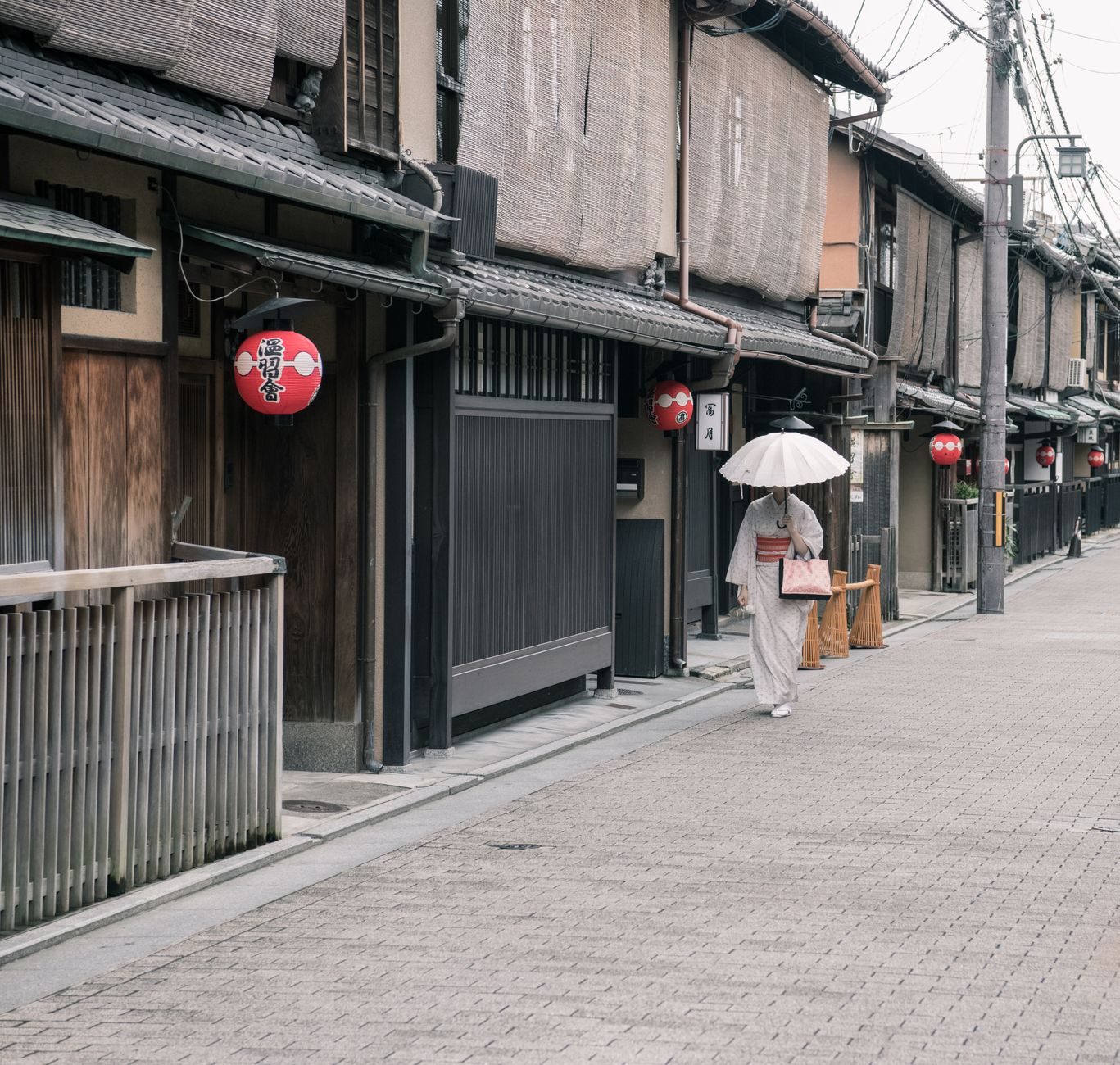
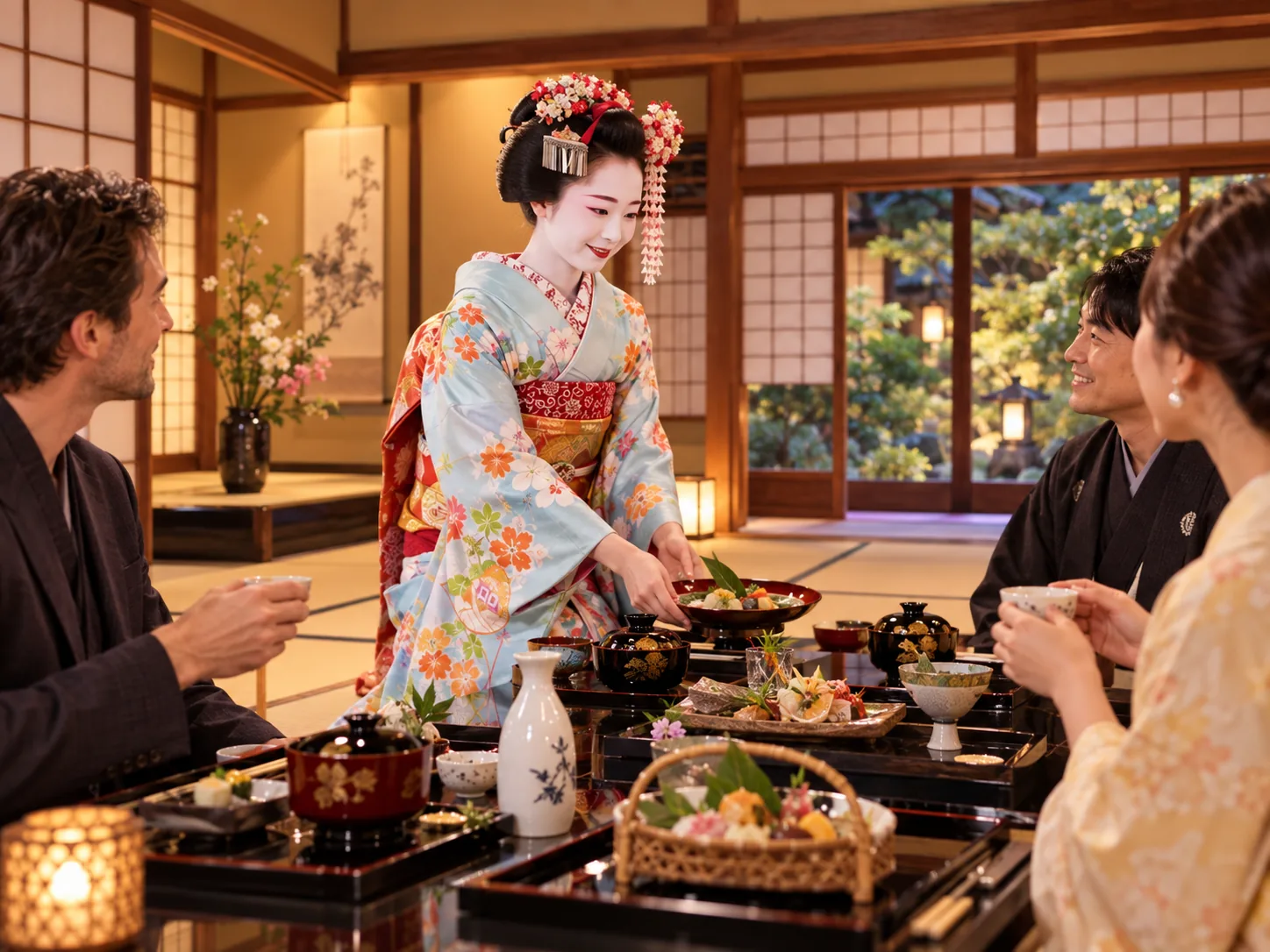
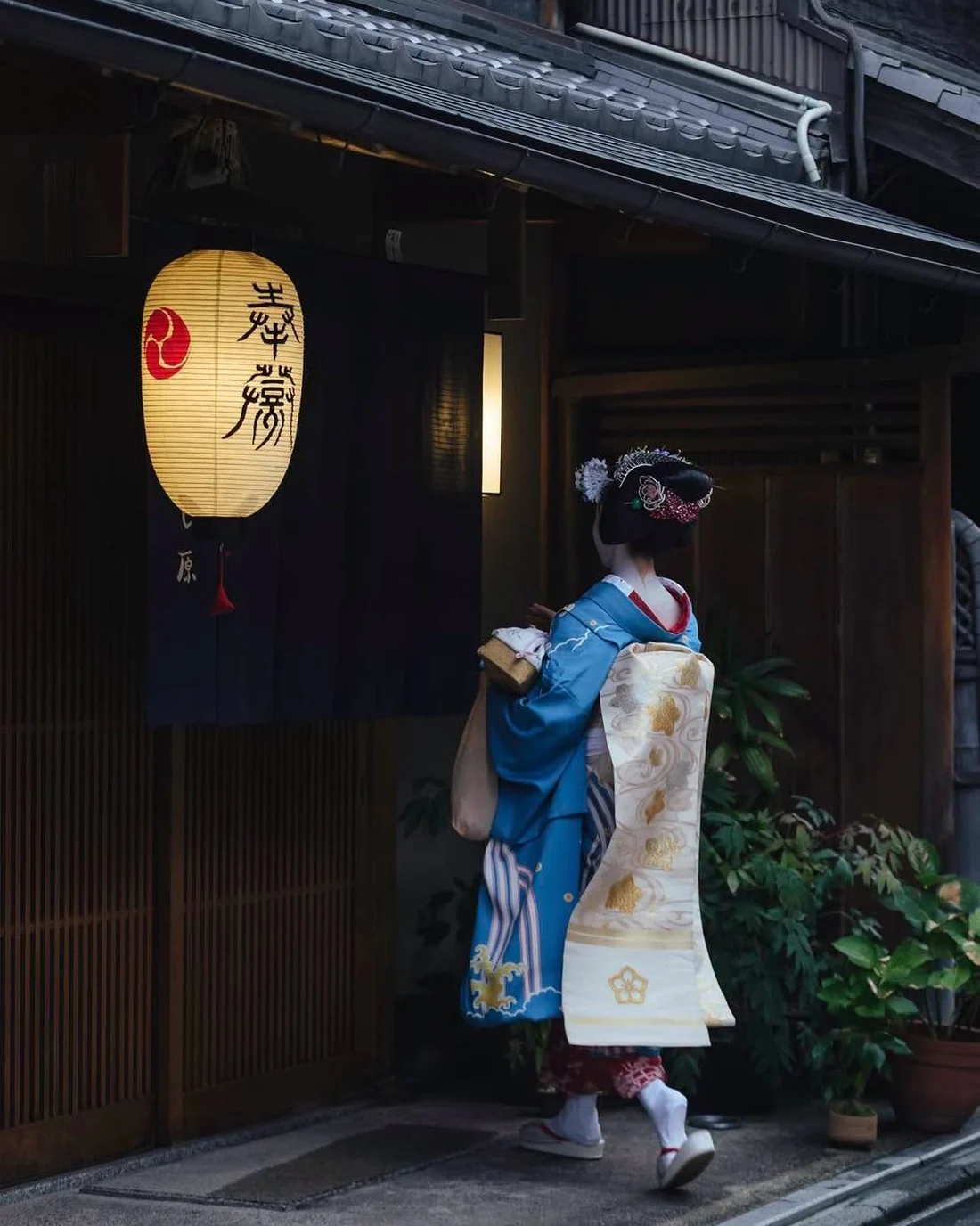
Private Kyoto Ozashiki: real geiko and maiko, closed room
A genuine ozashiki in a private room in Kyoto's hanamachi: real geiko and maiko pour, dance, play the parlour games and talk with you through an interpreter, over a multi-course kaiseki dinner. Kyoto's teahouses keep the introduction-only custom — OlaChill is inside that door through an existing relationship, which is why the booking platforms cannot sell this. These are working artists, not costumed performers.
⏱ 3 hours · Group 2–8

Tsukiji Morning Market: early sushi + 5 tastings
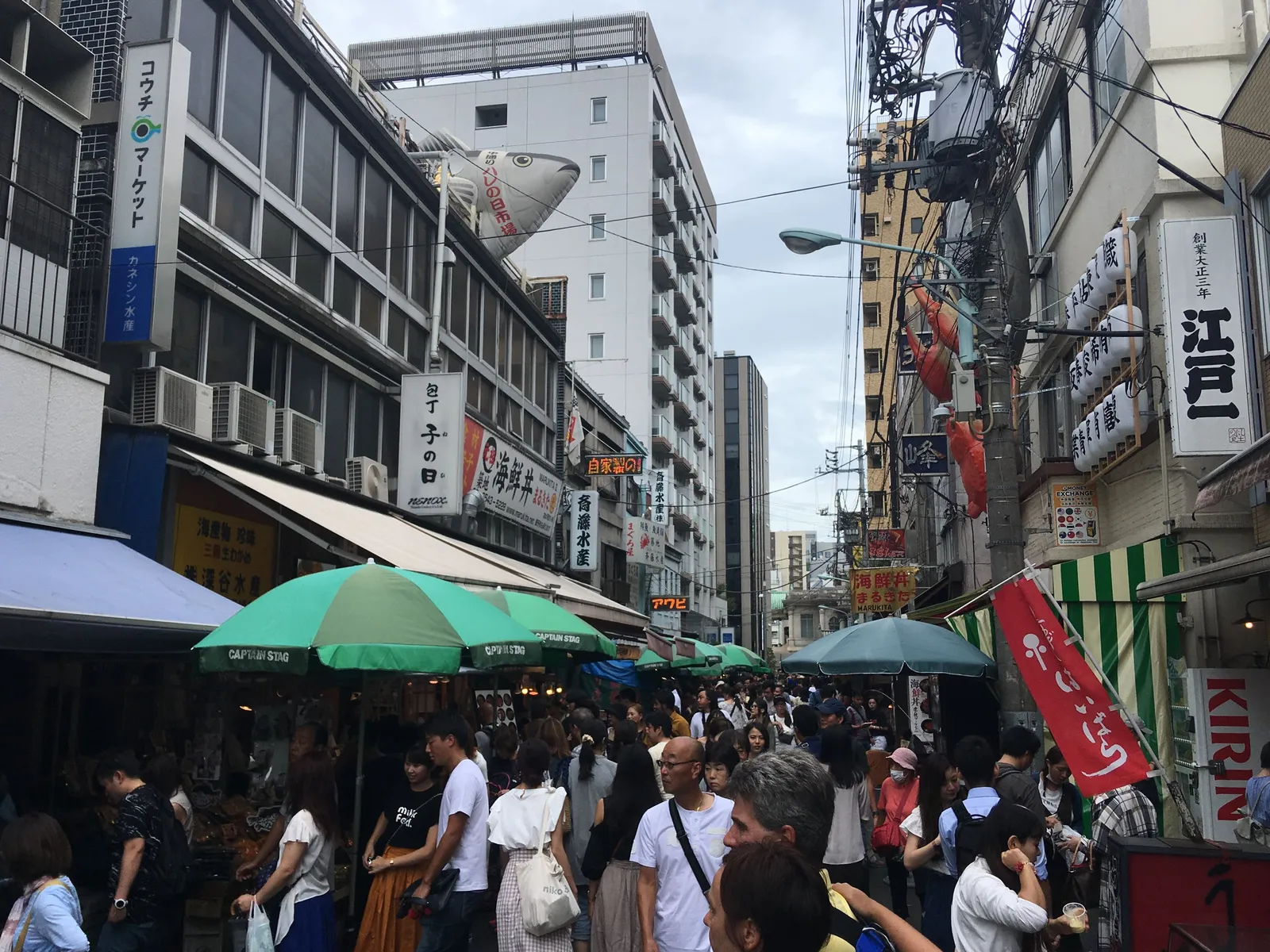
Rise early with a local guide through Tsukiji's outer-market lanes: warm tamagoyaki, grilled scallops, bluefin tuna, ending with a standing sushi breakfast the way market workers eat it.
⏱ 3 hours · Group 2–6

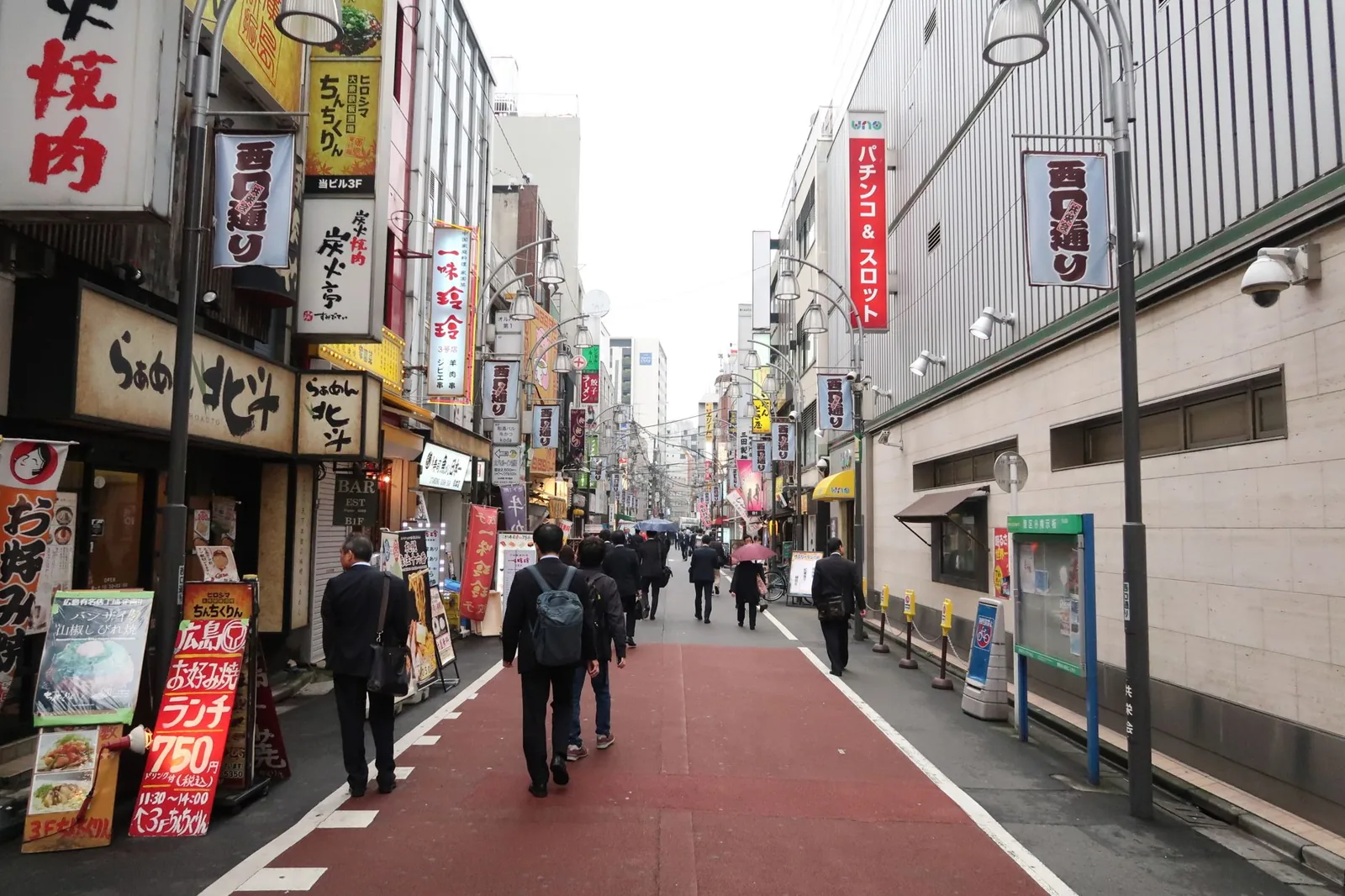
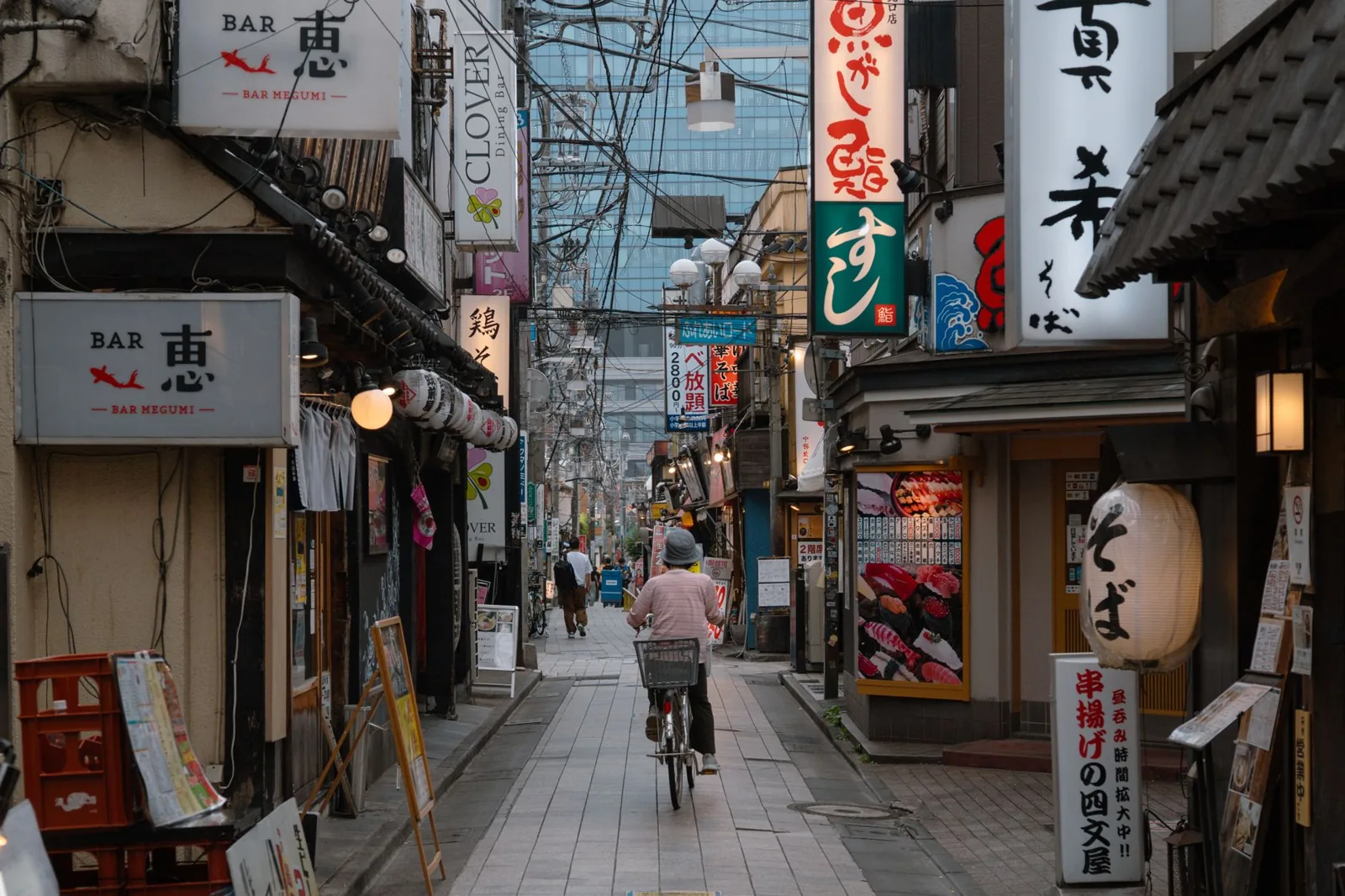
Shinjuku izakaya hopping: Omoide Yokocho & Golden Gai
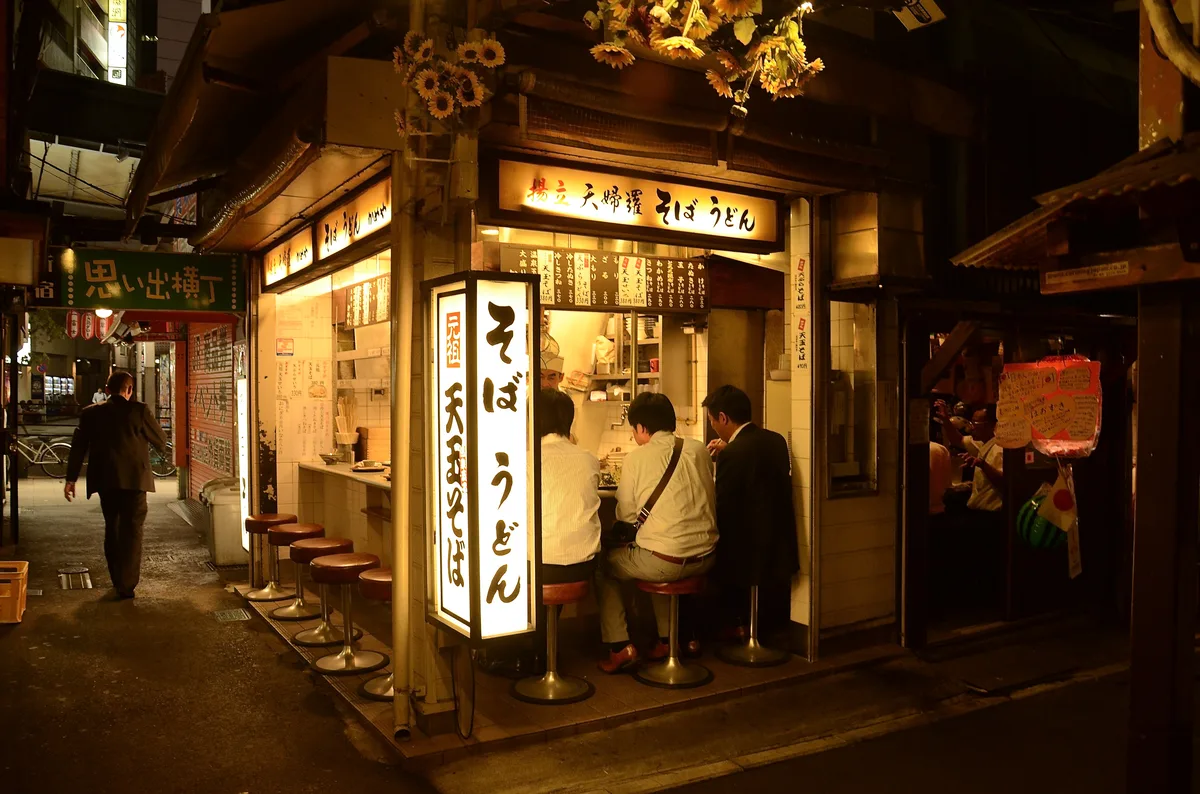
Three bars, three moods in Tokyo's most famous lantern alleys: smoky yakitori in Omoide Yokocho, a six-seat Golden Gai bar, ending at a locals' izakaya. One drink + one dish at each stop.
⏱ 3 hours · Group 2–6

Ramen crawl: 3 shops, 3 schools of broth
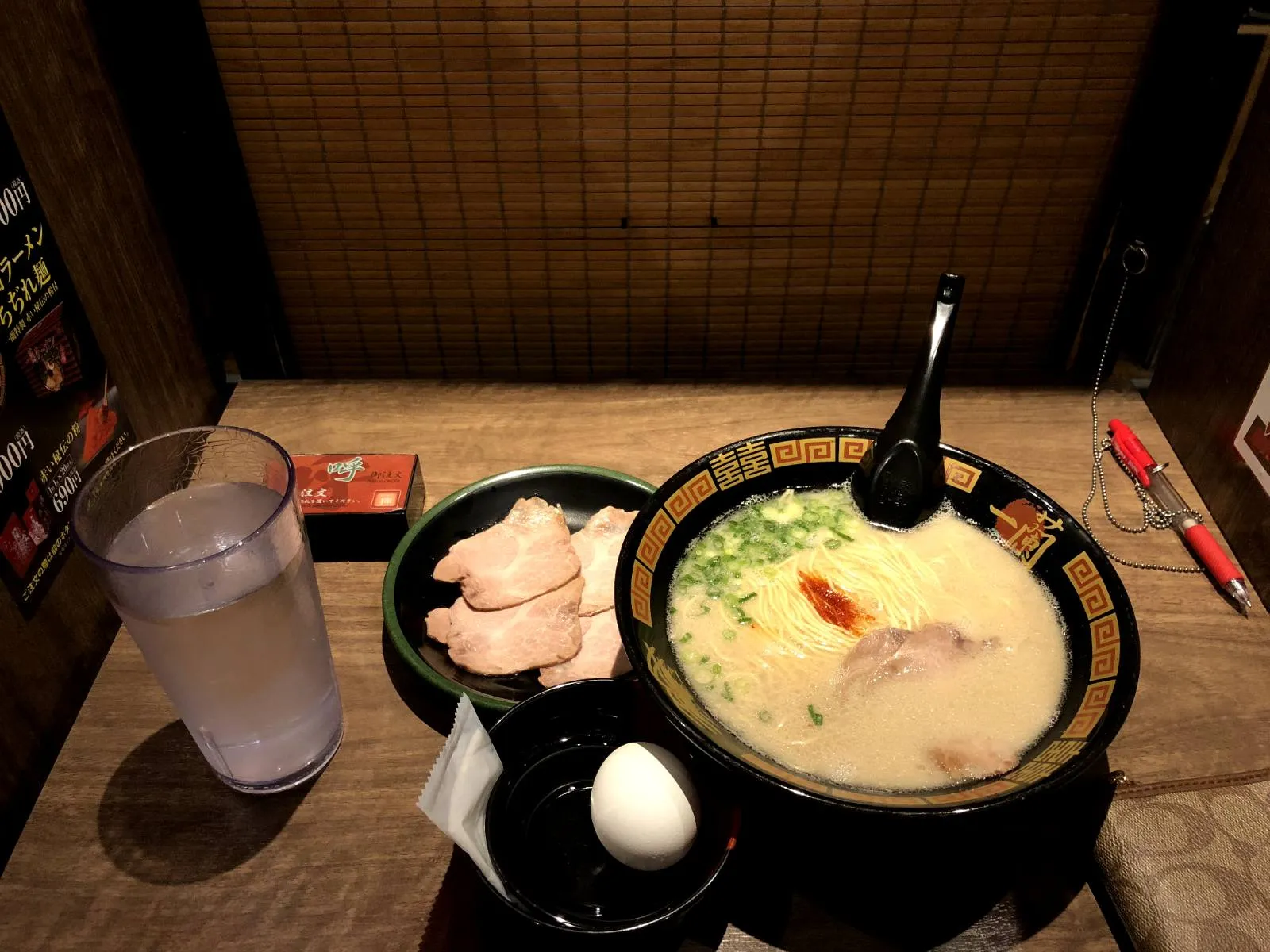
Clear shoyu, rich tonkotsu, deep miso — a tasting-size bowl at each shop covers three broth schools in one evening, with the stories behind Tokyo's 40-minute ramen queues.
⏱ 2.5 hours · Group 2–6

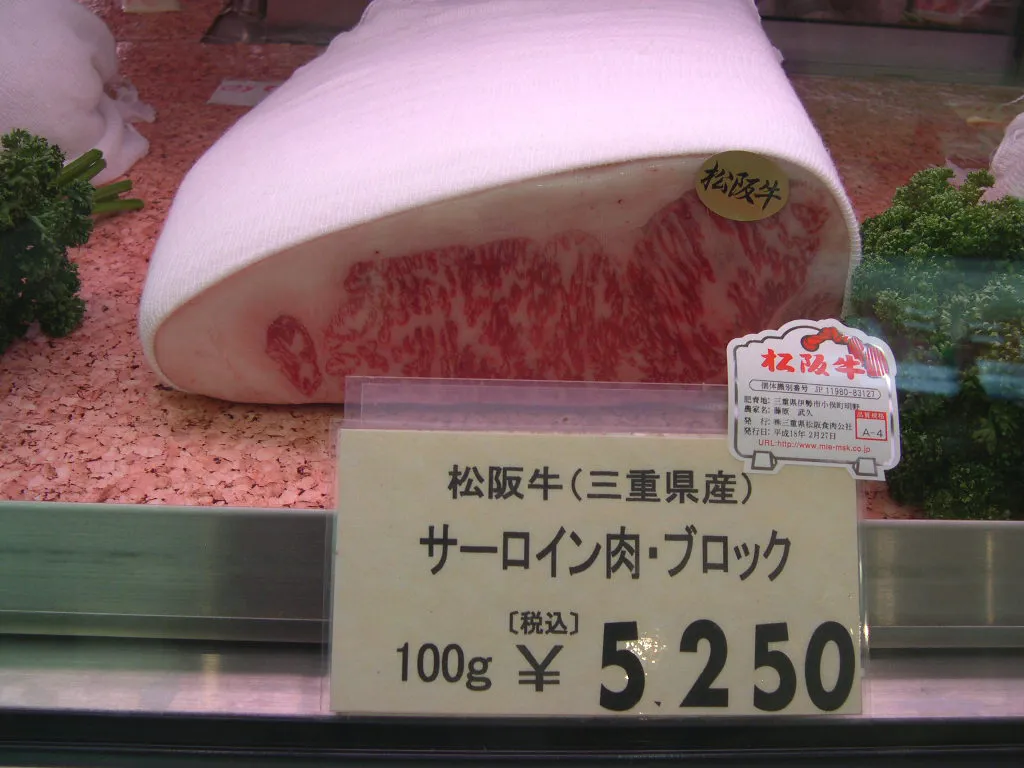
Shinjuku premium night: omakase sushi + A5 wagyu
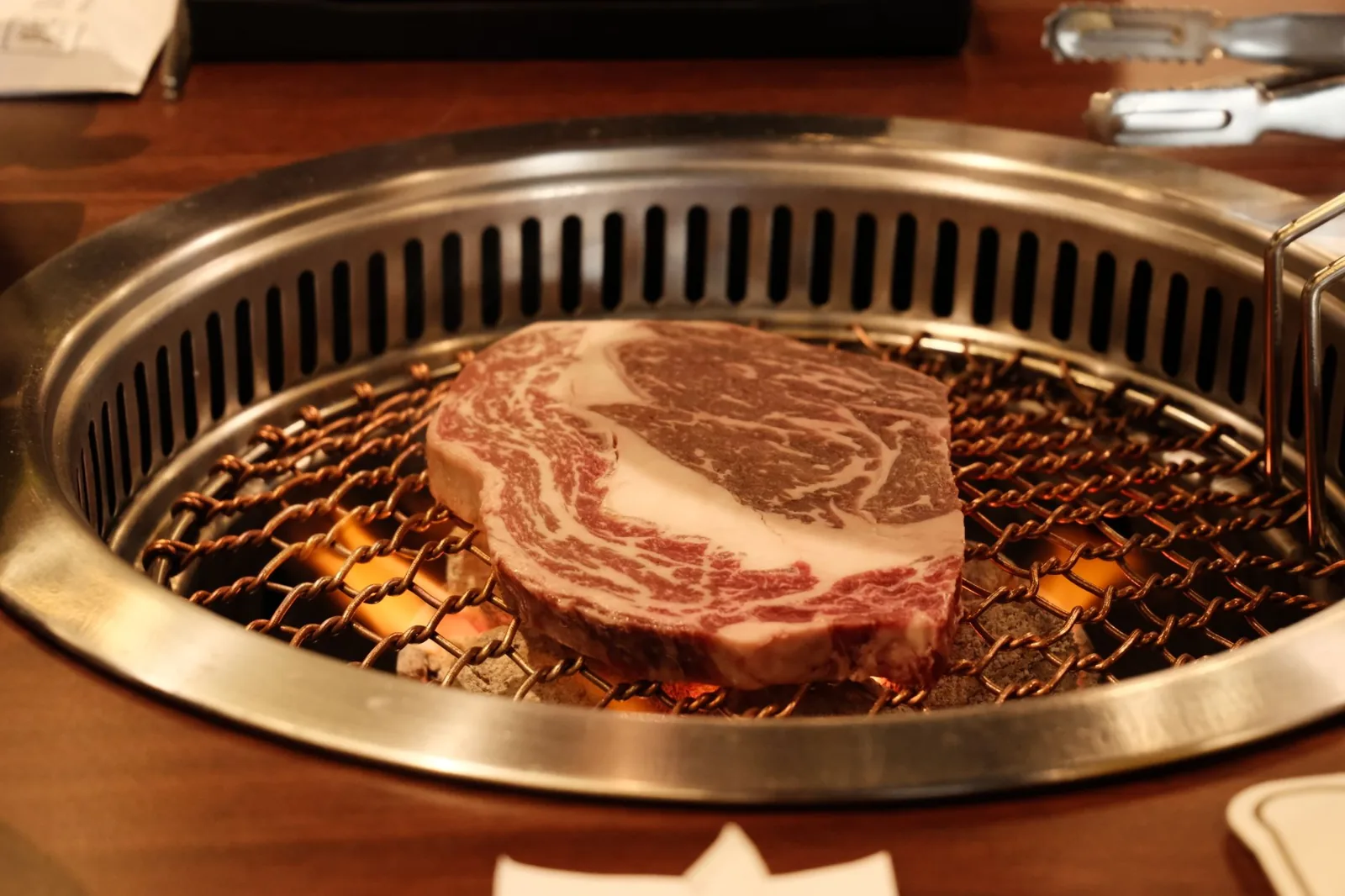
Two peaks of Japanese dining in one night: a counter omakase course, then A5 wagyu grilled to melt. Your guide handles seats, ordering and the story behind every piece.
⏱ 3 hours · Group 2–4

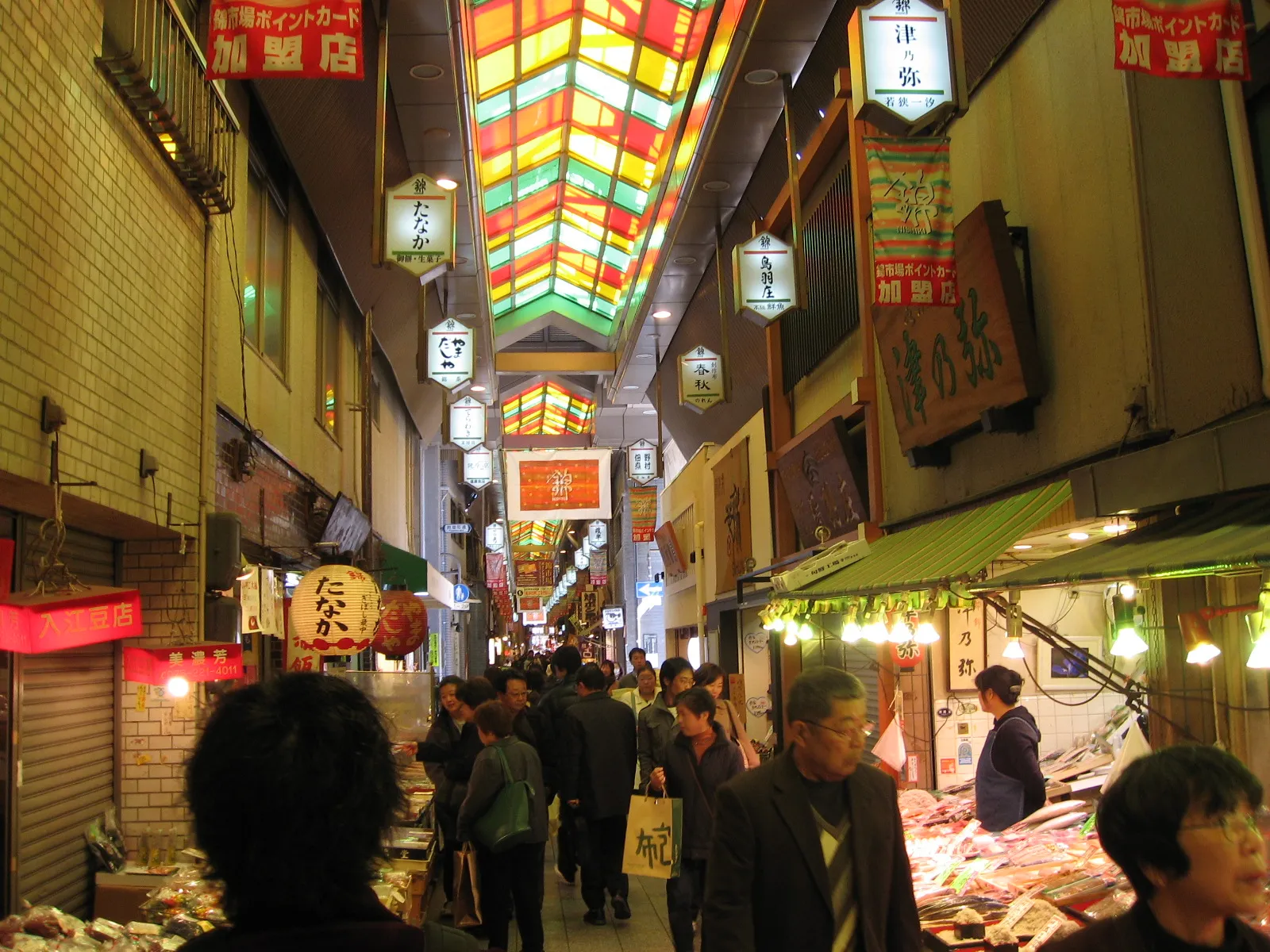
Kyoto's Nishiki Market: the old capital's kitchen
Along Kyoto's 400-year-old kitchen street: fresh tofu, house-pickled tsukemono, grilled fish cakes, counter-whisked matcha — and how Kyotoites eat by the season.
⏱ 3 hours · Group 2–6

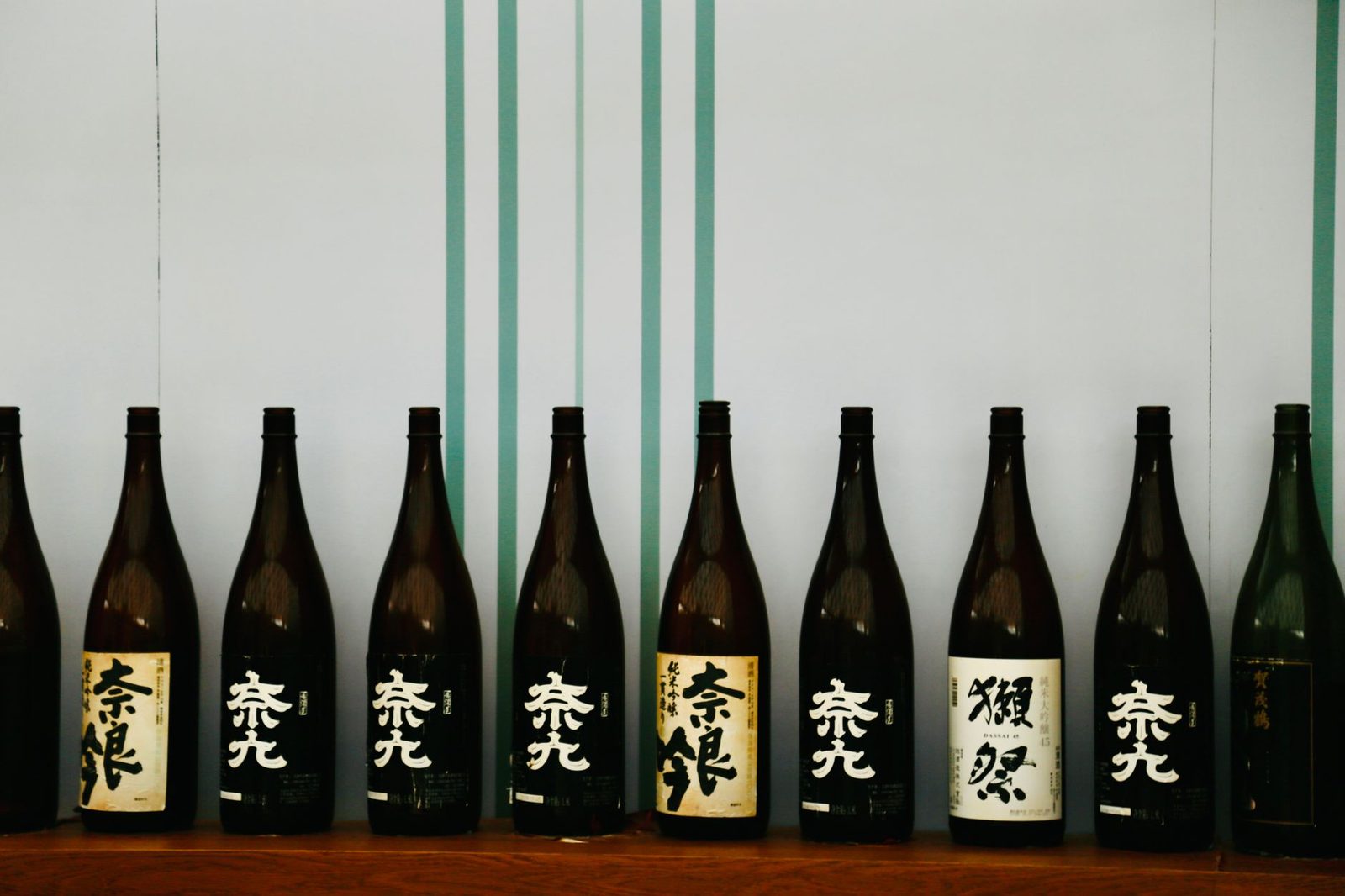
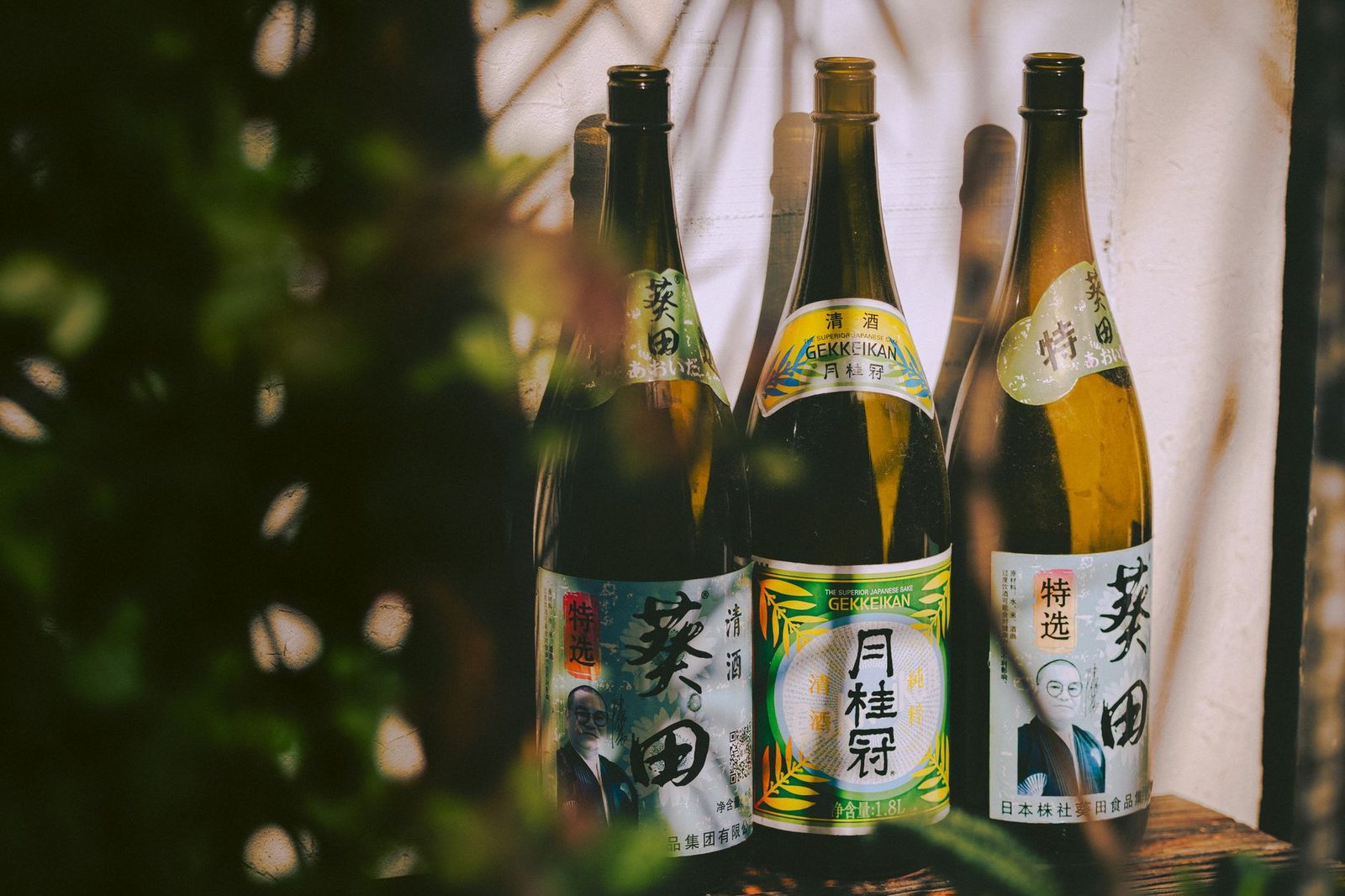
Sake tasting: 6 styles dry-to-sweet + pairing bites
From earthy junmai to floral daiginjo — six cups across Japan's sake map, with bites matched to each and label-reading tricks so you can shop on your own later.
⏱ 2 hours · Group 2–8

Sumo morning practice + wrestlers' chanko lunch
Sit quietly ringside at a real morning practice — no stage, no show — then share the chanko-nabe hotpot that builds rikishi. Your guide covers stable etiquette so you never miss a step.
⏱ 3 hours · Group 2–8

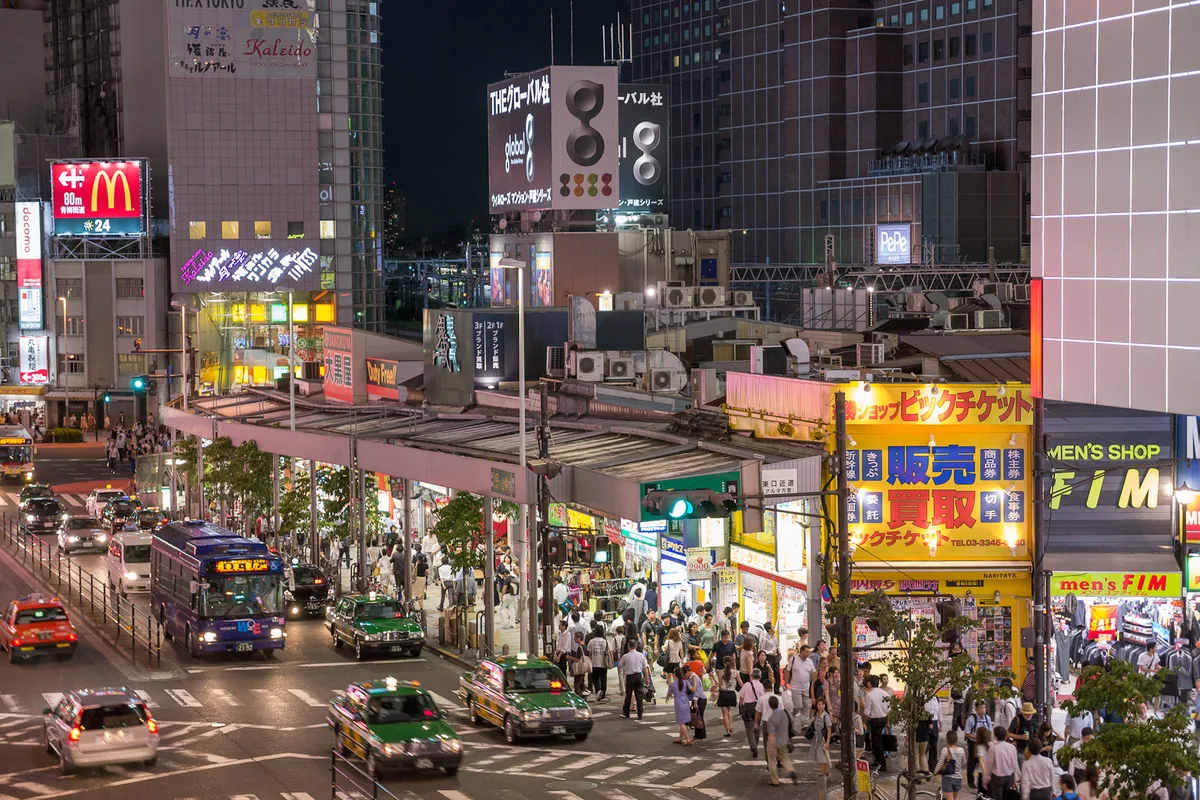
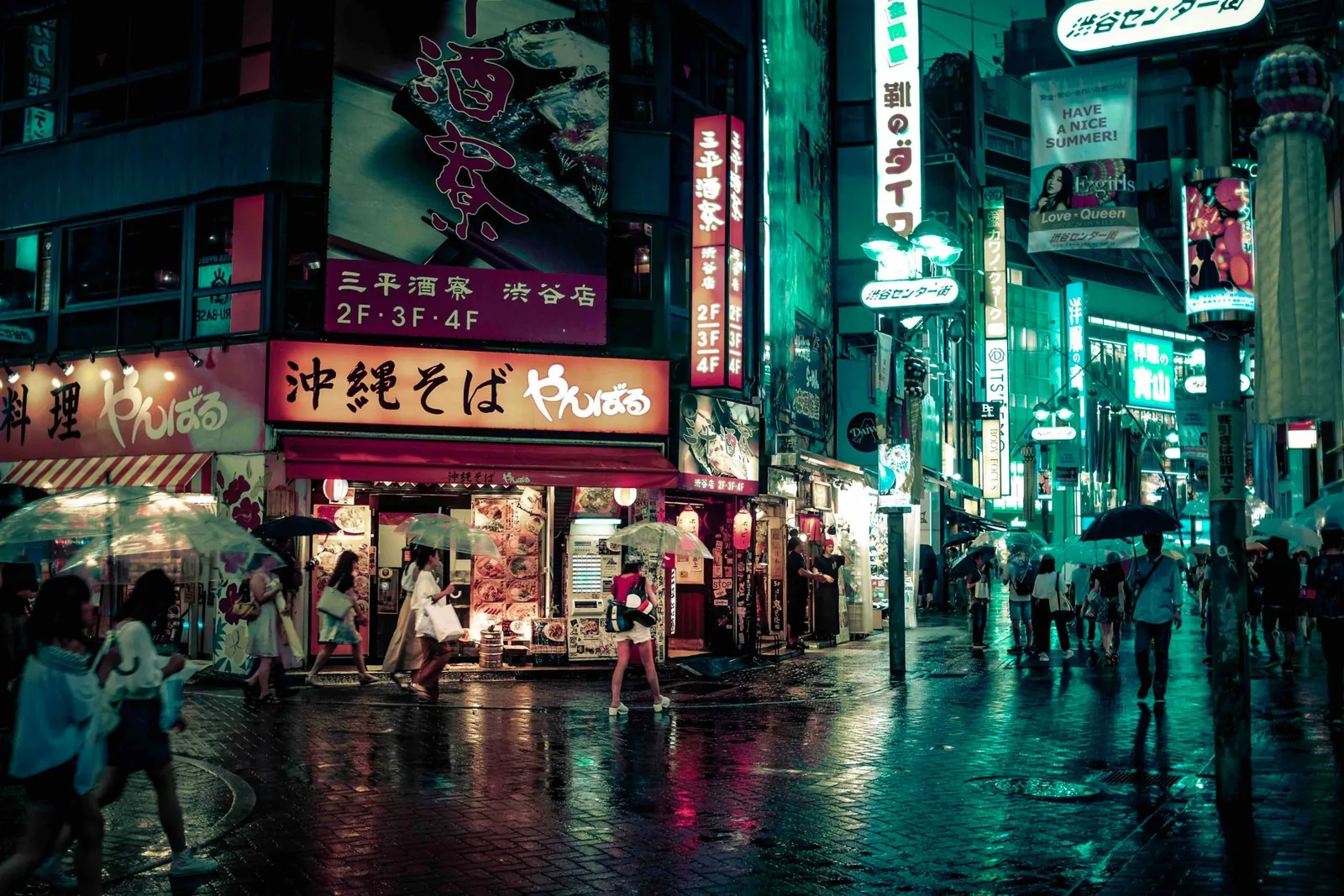
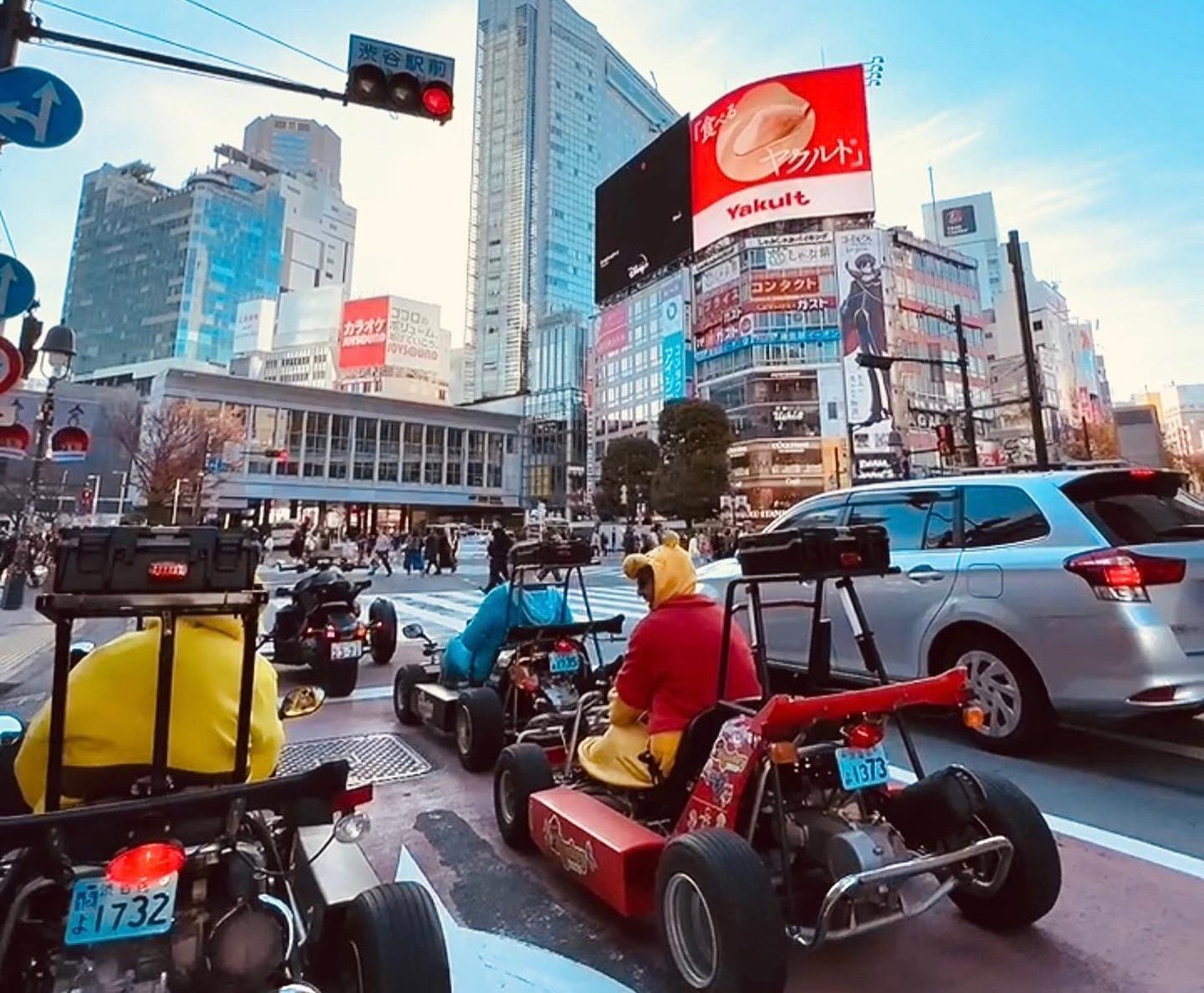
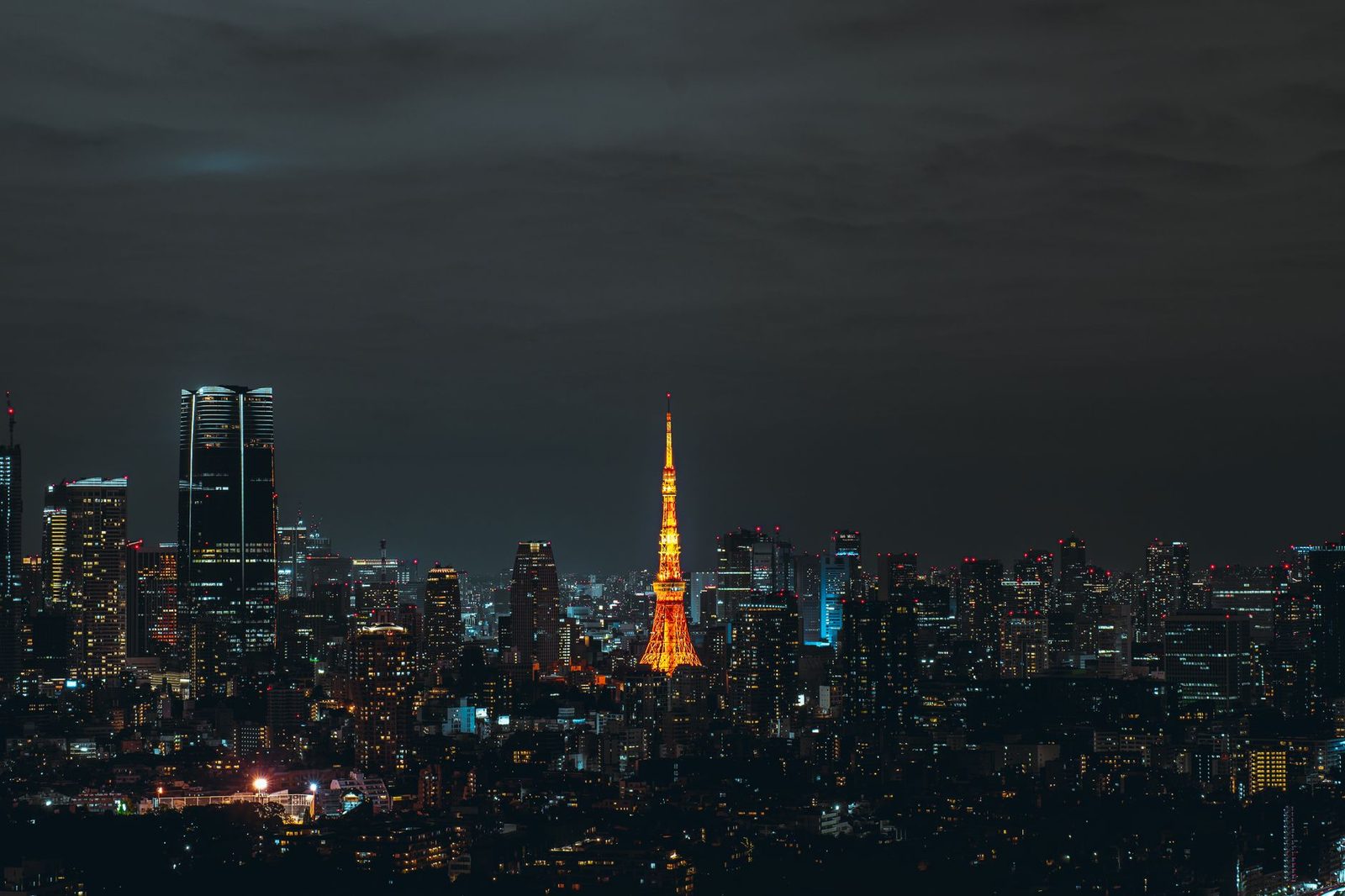
Tokyo by night: Shibuya–Shinjuku neon walk + photo spots
Cross Shibuya at rush hour, thread Kabukicho's neon lanes, end at a low-key lookout — your guide doubles as photographer, shooting your night set on your own phone.
⏱ 2.5 hours · Group 2–6

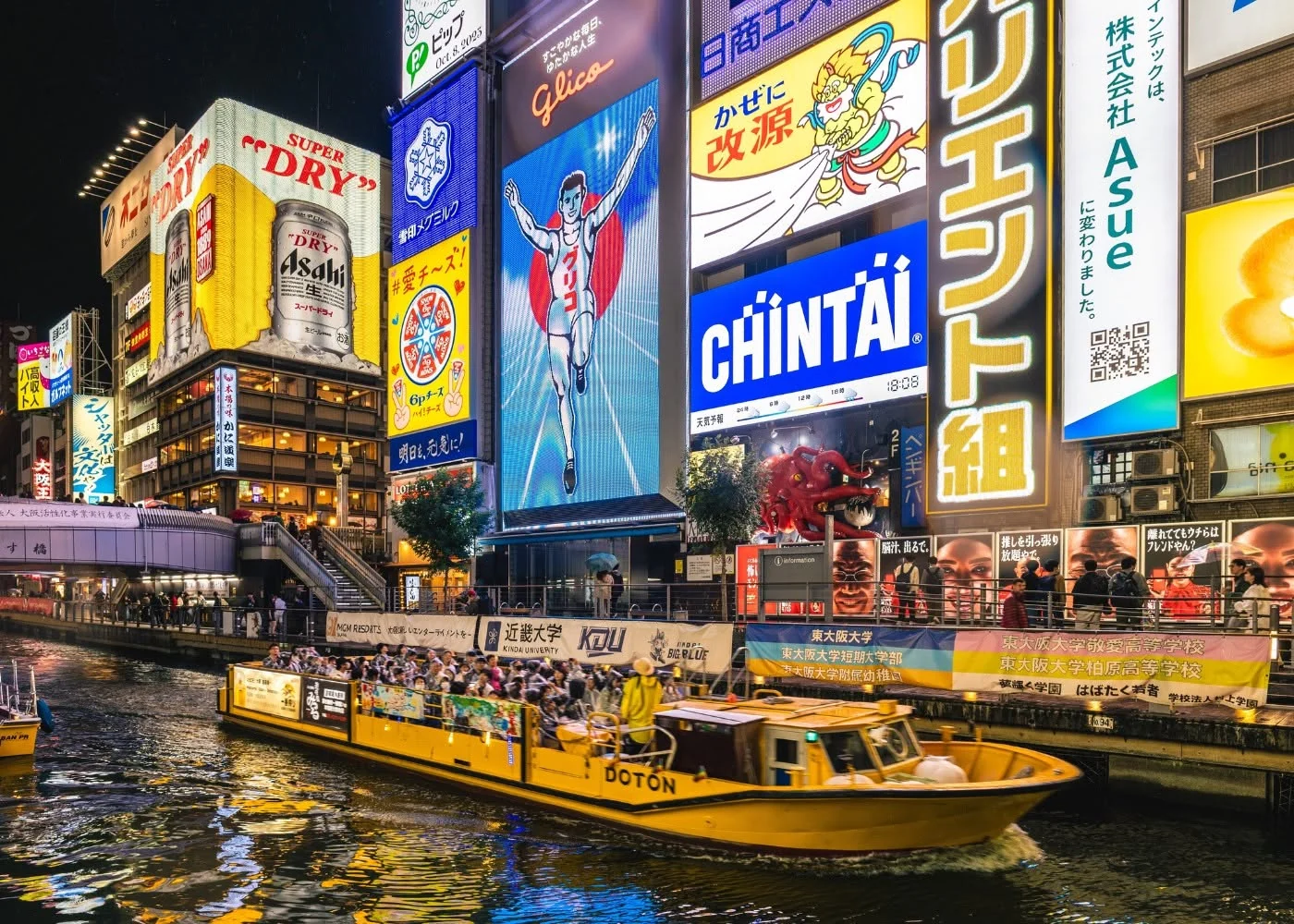
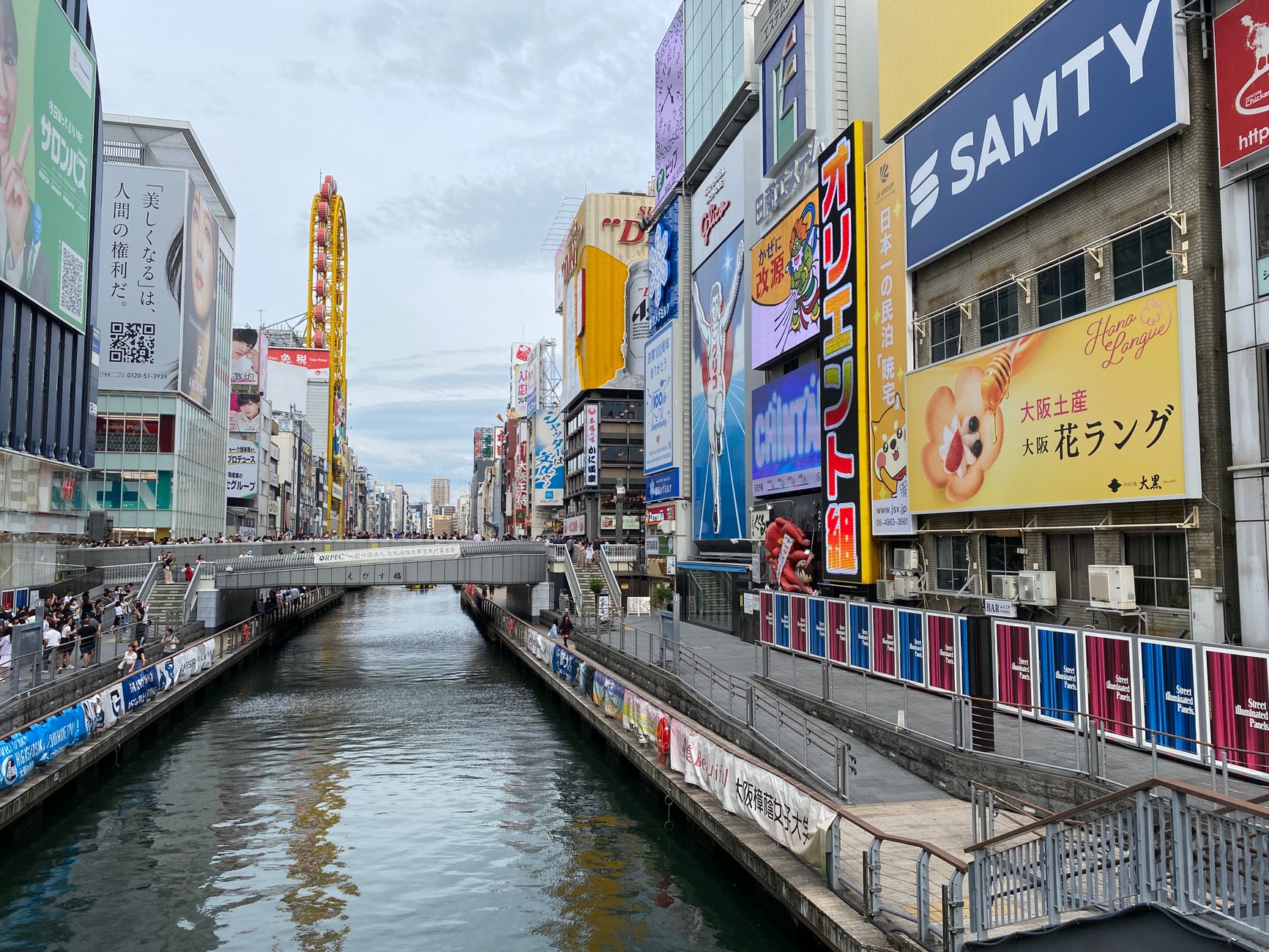
Osaka Dotonbori nights: takoyaki, kushikatsu & street kitchens
Japan's self-declared kitchen after dark: canal-side takoyaki, dip-once kushikatsu, and standing bars only locals know. Eat kuidaore-style — until you drop.
⏱ 3 hours · Group 2–6

Gion at dusk: old lanes, teahouses & geiko lore
Gion is best as the lanterns come on: a slow walk down Hanamikoji, true stories of the geiko-maiko world, Yasaka Shrine aglow — and how to admire the old streets respectfully.
⏱ 2.5 hours · Group 2–8

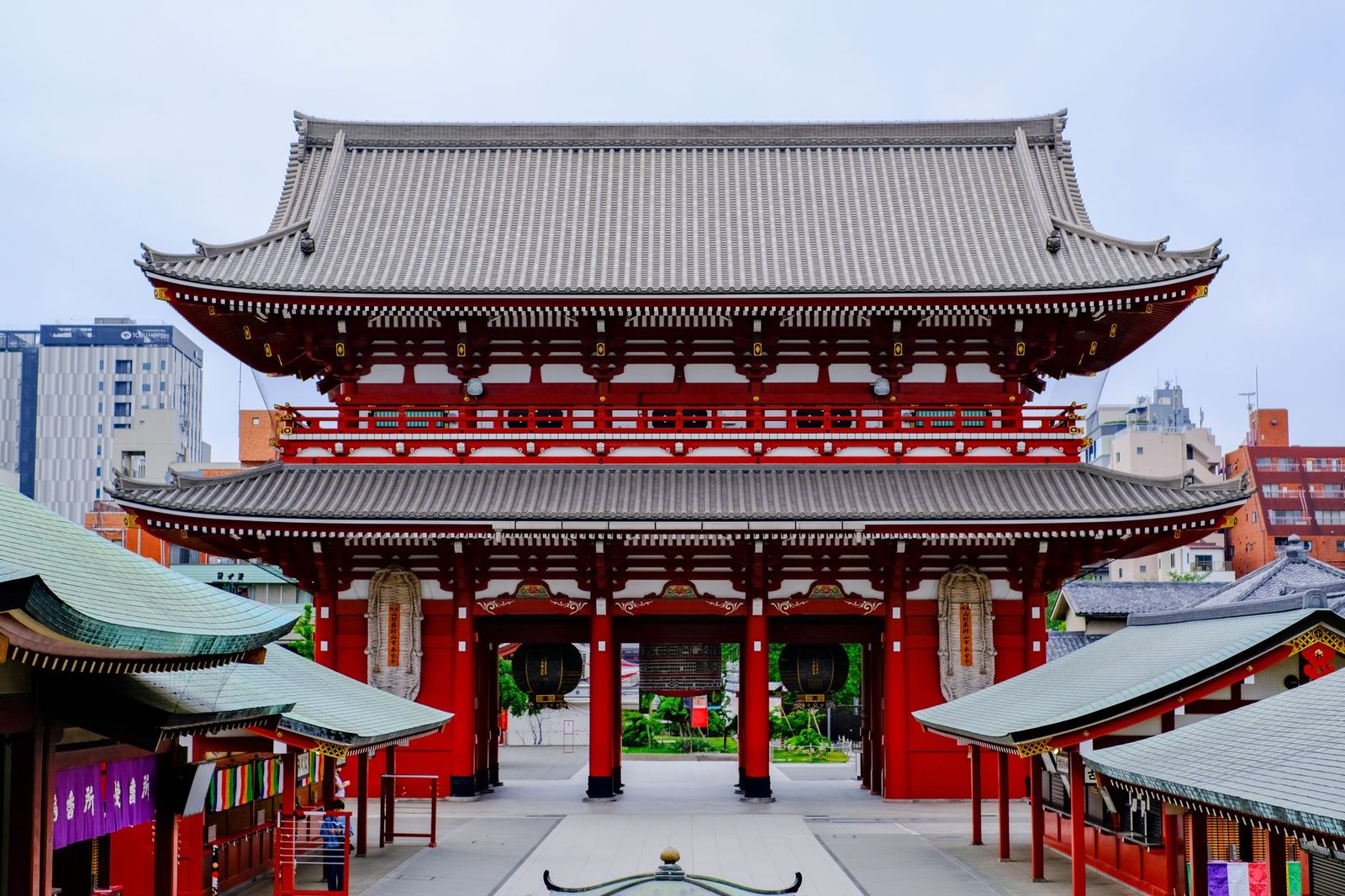
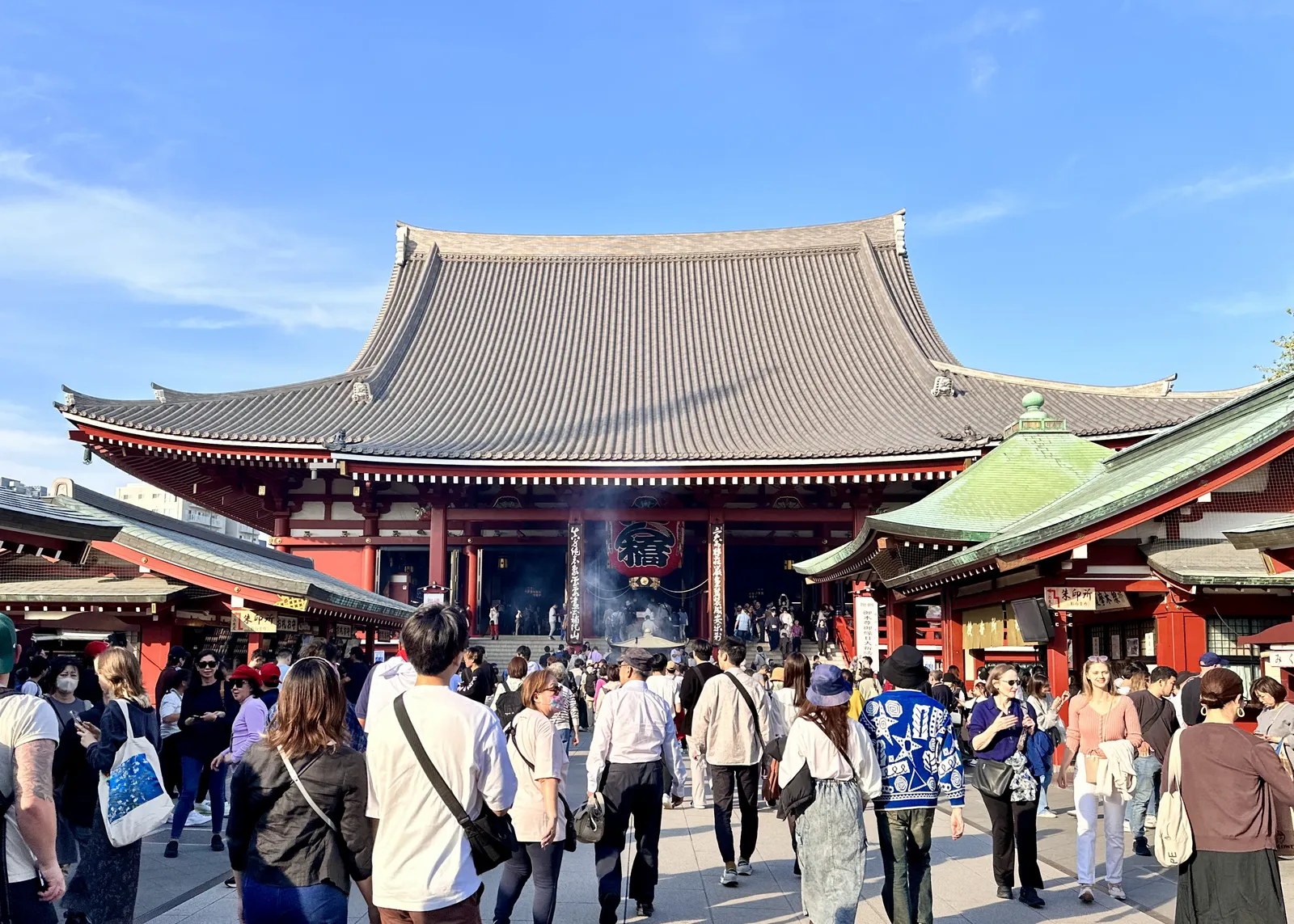
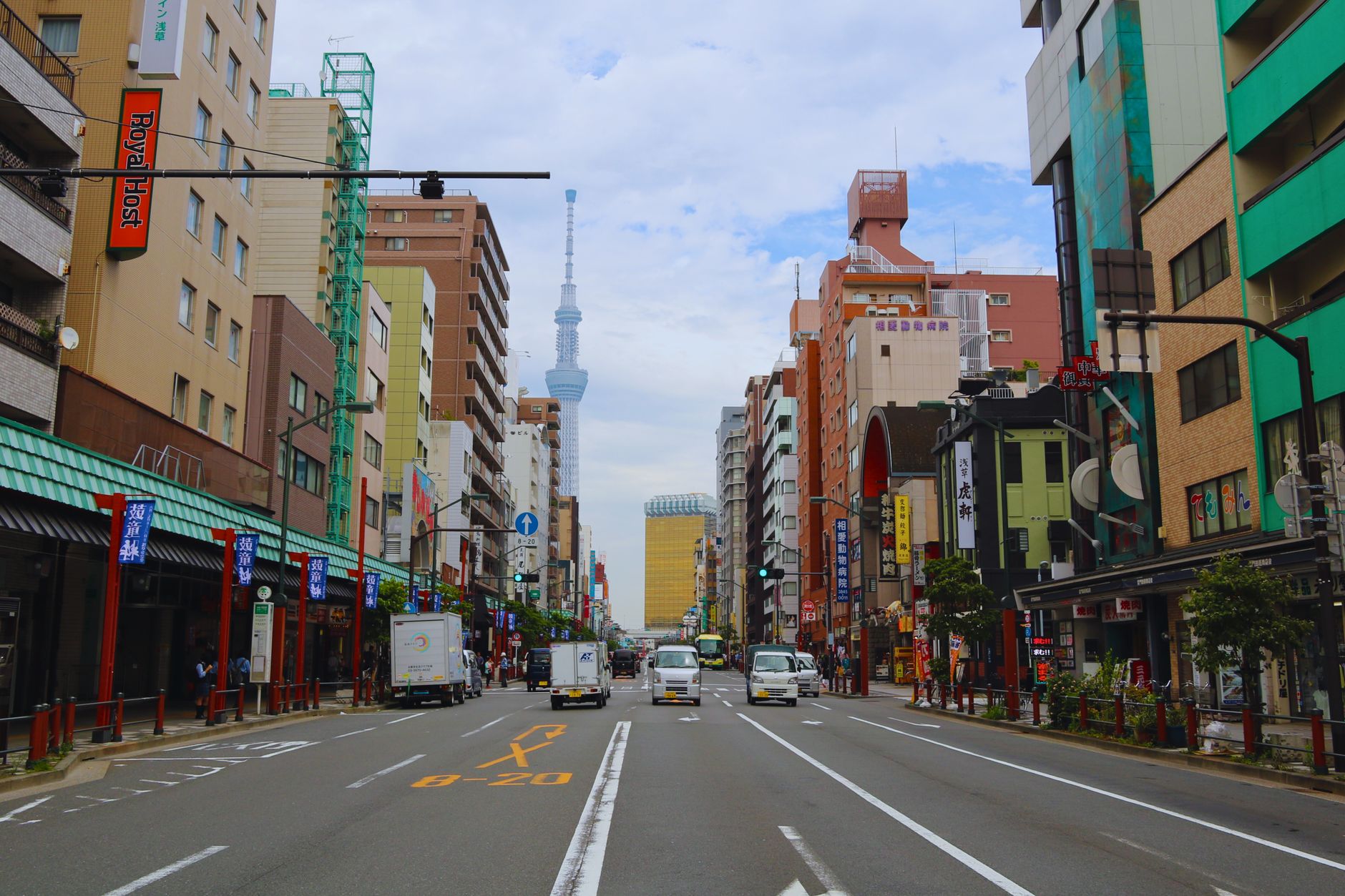
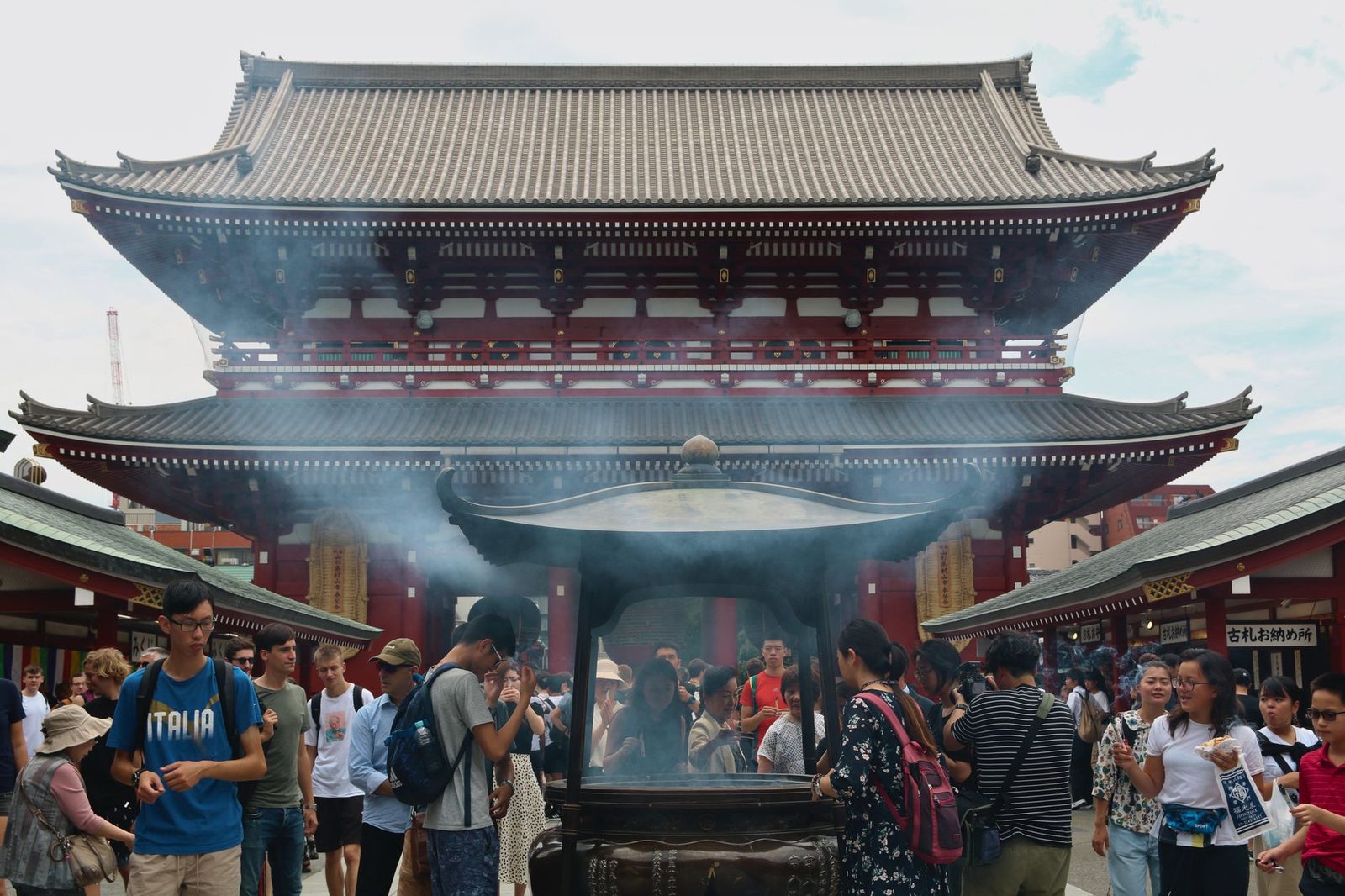
Asakusa street snacks: Nakamise & the quiet back lanes
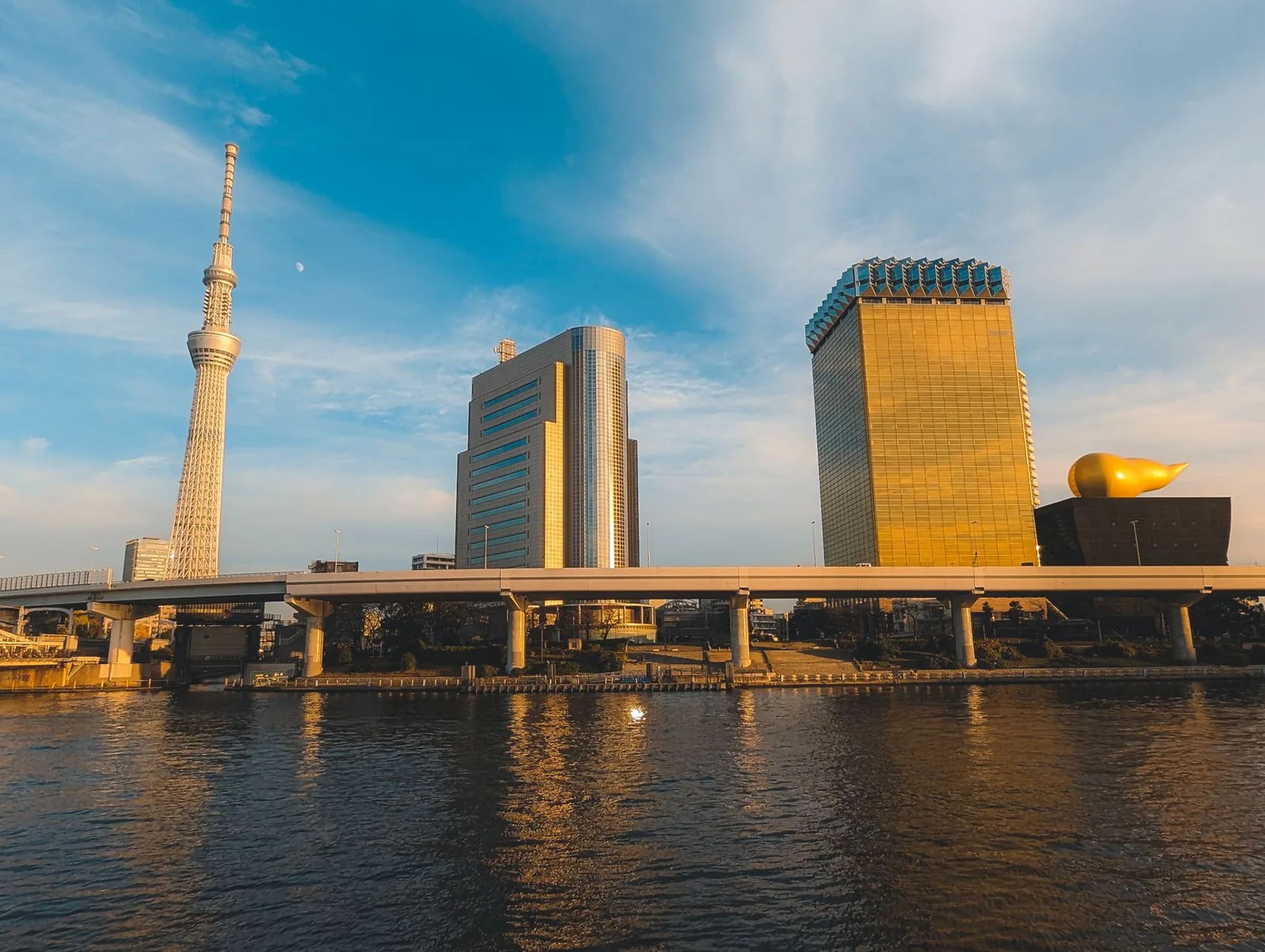
Ningyo-yaki baked in the mold, charcoal senbei, warm melonpan — then off the tourist stream into the back lanes where Asakusa locals actually eat. Finish riverside with Skytree views.
⏱ 2.5 hours · Group 2–6

Depachika: the food basement & the art of wagashi
Beneath Ginza's department stores lies a city of food: jewel-like wagashi, a thousand bento styles, thousand-yen strawberries. Learn Japan's gift-food culture, tasting as you go.
⏱ 2 hours · Group 2–6

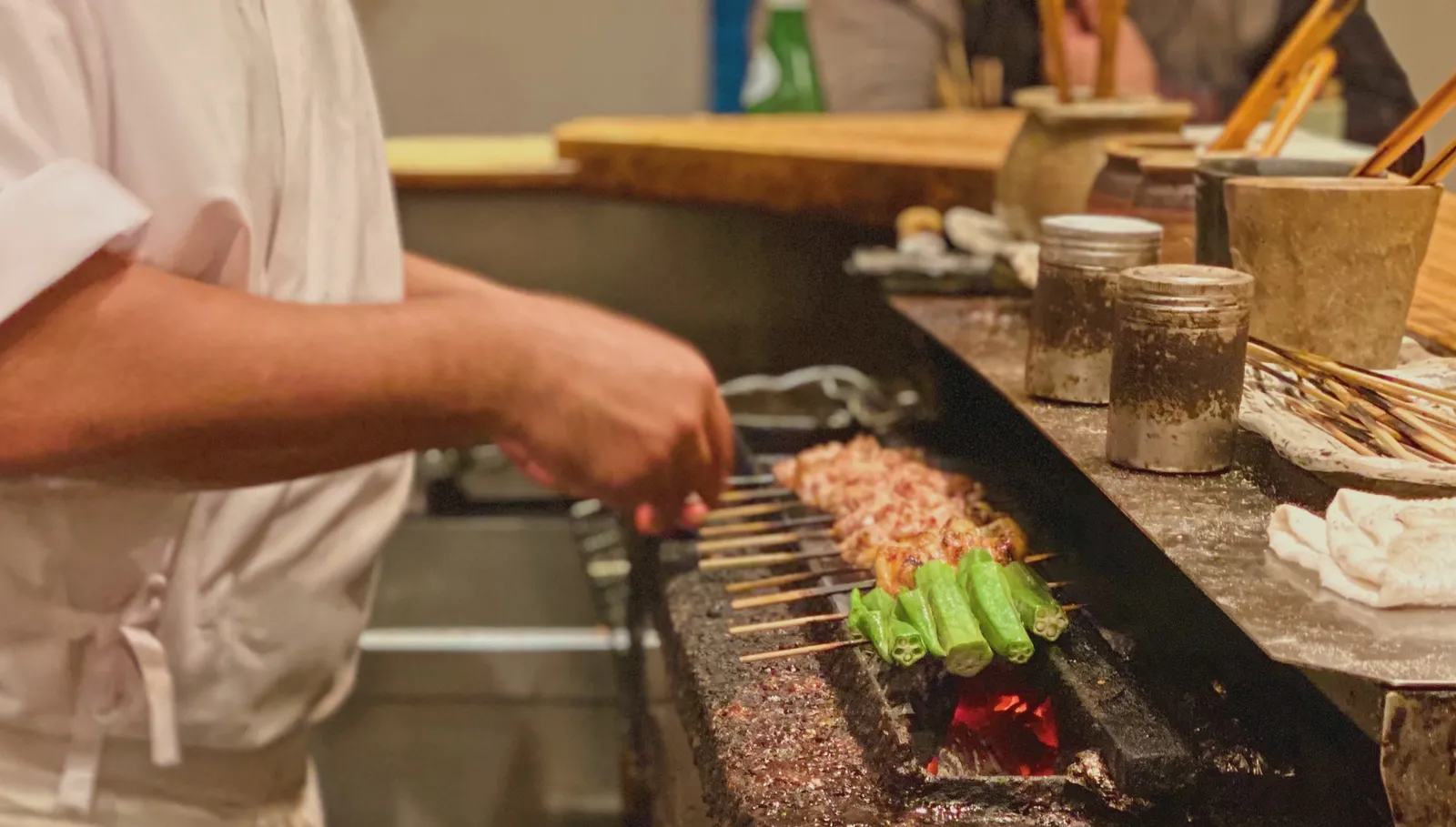
Ebisu yakitori night: charcoal skewers & standing bars
Few tourists find Ebisu, but Tokyo's office crowd loves it most: charcoal yakitori cuts you would never order alone, shoulder-to-shoulder standing bars, and a proper after-work highball.
⏱ 2.5 hours · Group 2–6

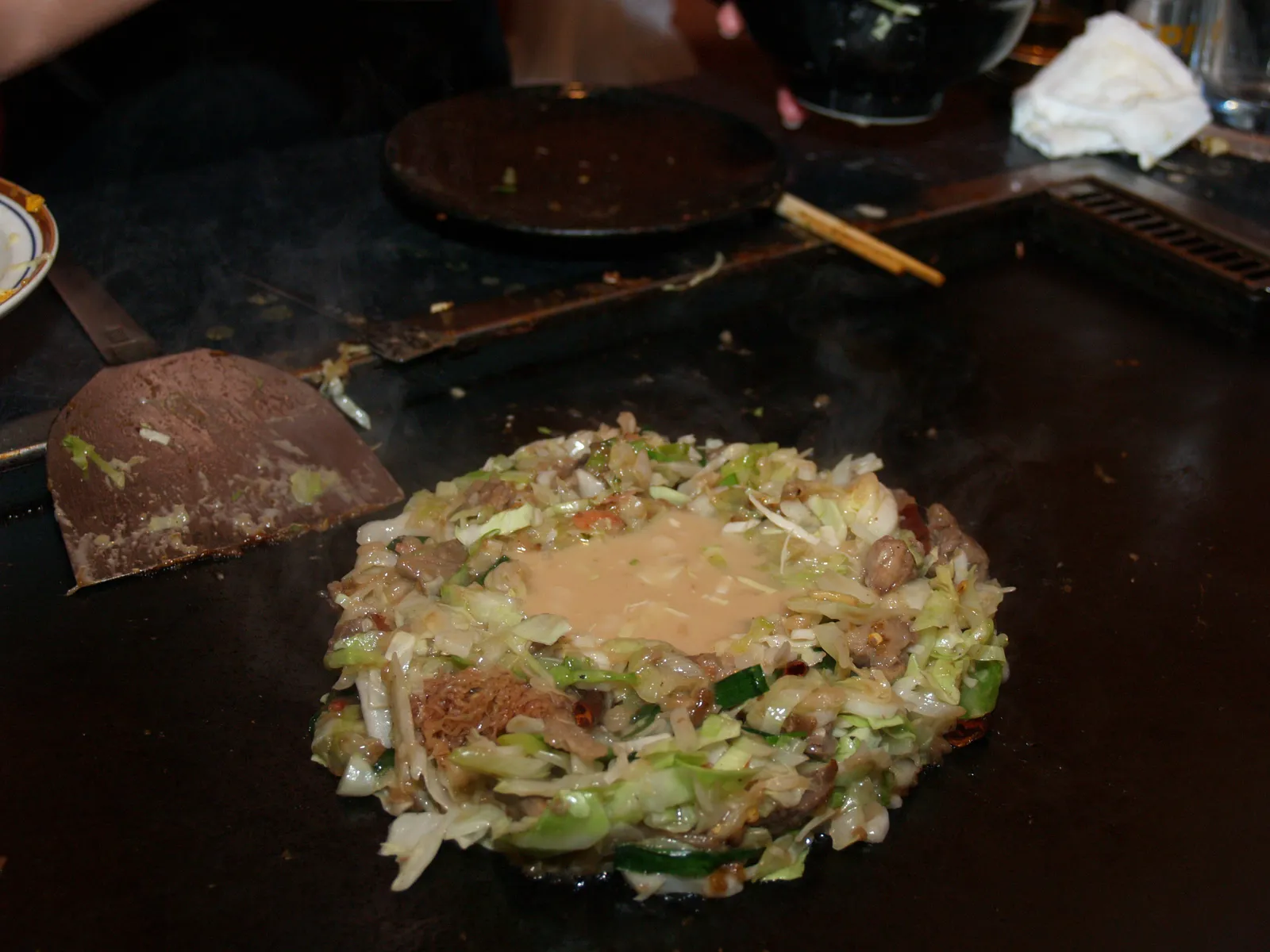
Tsukishima monjayaki: Tokyo's secret griddle dish
A whole street of 70 monjayaki shops — Tokyo's own griddle dish that even out-of-town Japanese get wrong. Cook it yourself under your guide's direction, with tales of old Tsukishima island.
⏱ 2.5 hours · Group 2–6

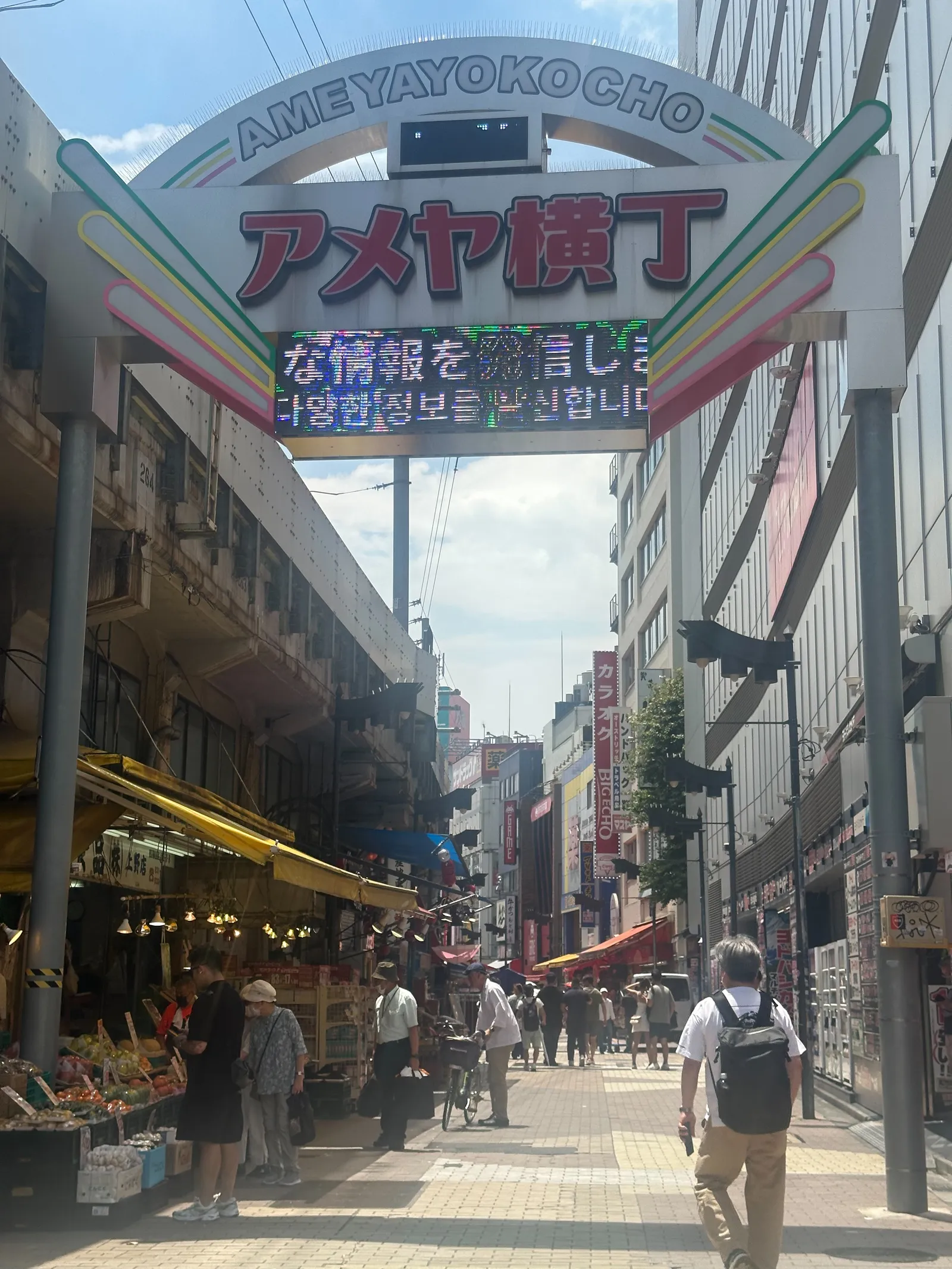
Ueno's Ameyoko: postwar black market turned snack heaven
Under the Ueno rail tracks runs Tokyo's loudest market: stall-grilled seafood, fruit skewers, candy by the gram — and the post-1945 black-market history each stall still carries.
⏱ 2.5 hours · Group 2–6

Kissaten crawl: Showa-era coffee & classic purin
Before specialty coffee, Tokyo had kissaten: velvet-seat Showa cafés, bubbling siphons, firm old-school purin. Two hand-picked shops + the story of Japan's last-century café culture.
⏱ 2 hours · Group 2–4

Shibuya bar hop: Nonbei Yokocho alleys to a rooftop finish
Start in Nonbei Yokocho — drunkard's alley, four-seat bars against the tracks — through a locals' standing bar, ending on a rooftop above the world's busiest crossing.
⏱ 3 hours · Group 2–6

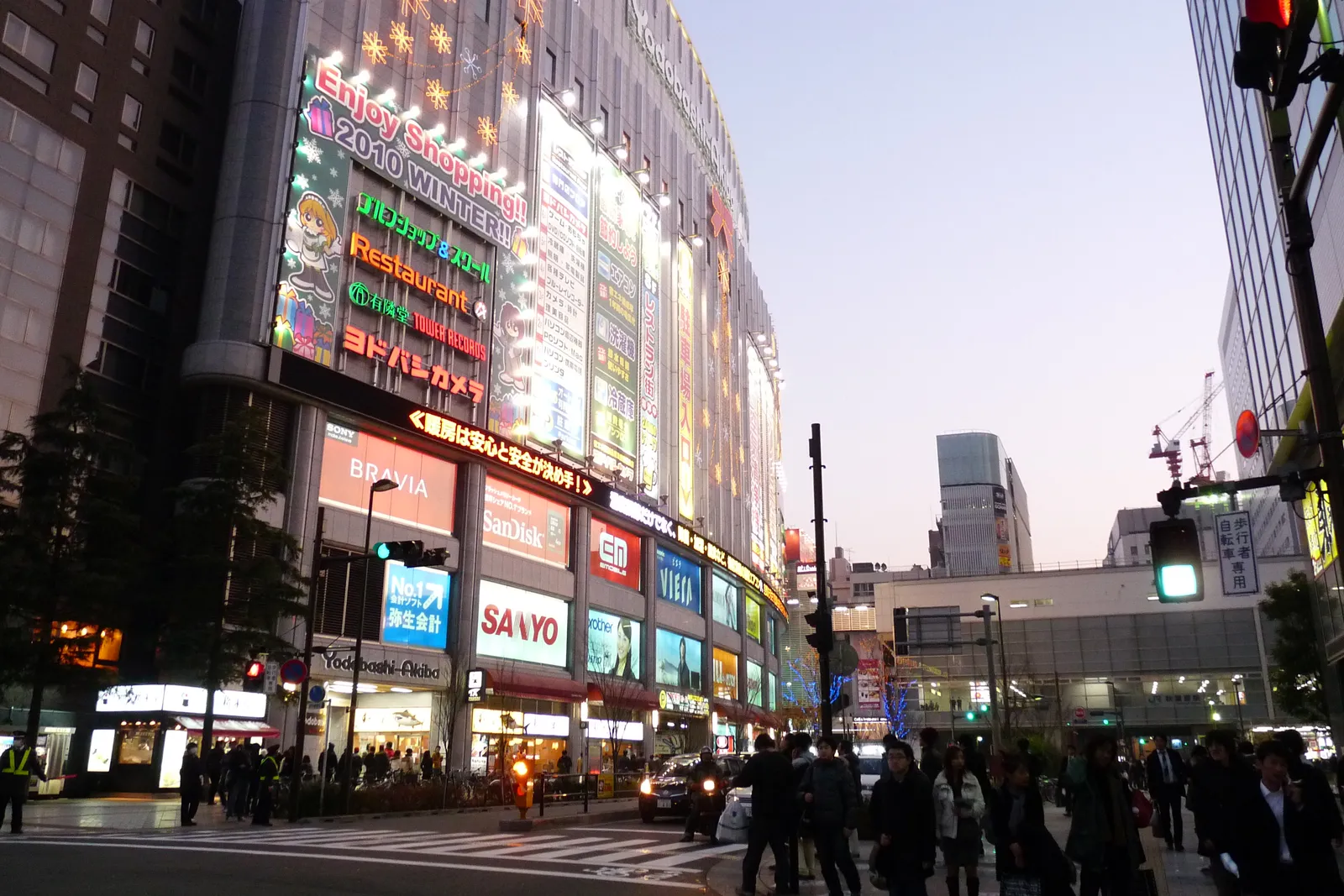
Akihabara after dark: arcades, gachapon & otaku culture
The electric town at night: a round in a multi-floor arcade, rare gachapon hunting, what maid cafés actually are (window view is fine), and how Akihabara became the otaku capital.
⏱ 2.5 hours · Group 2–6

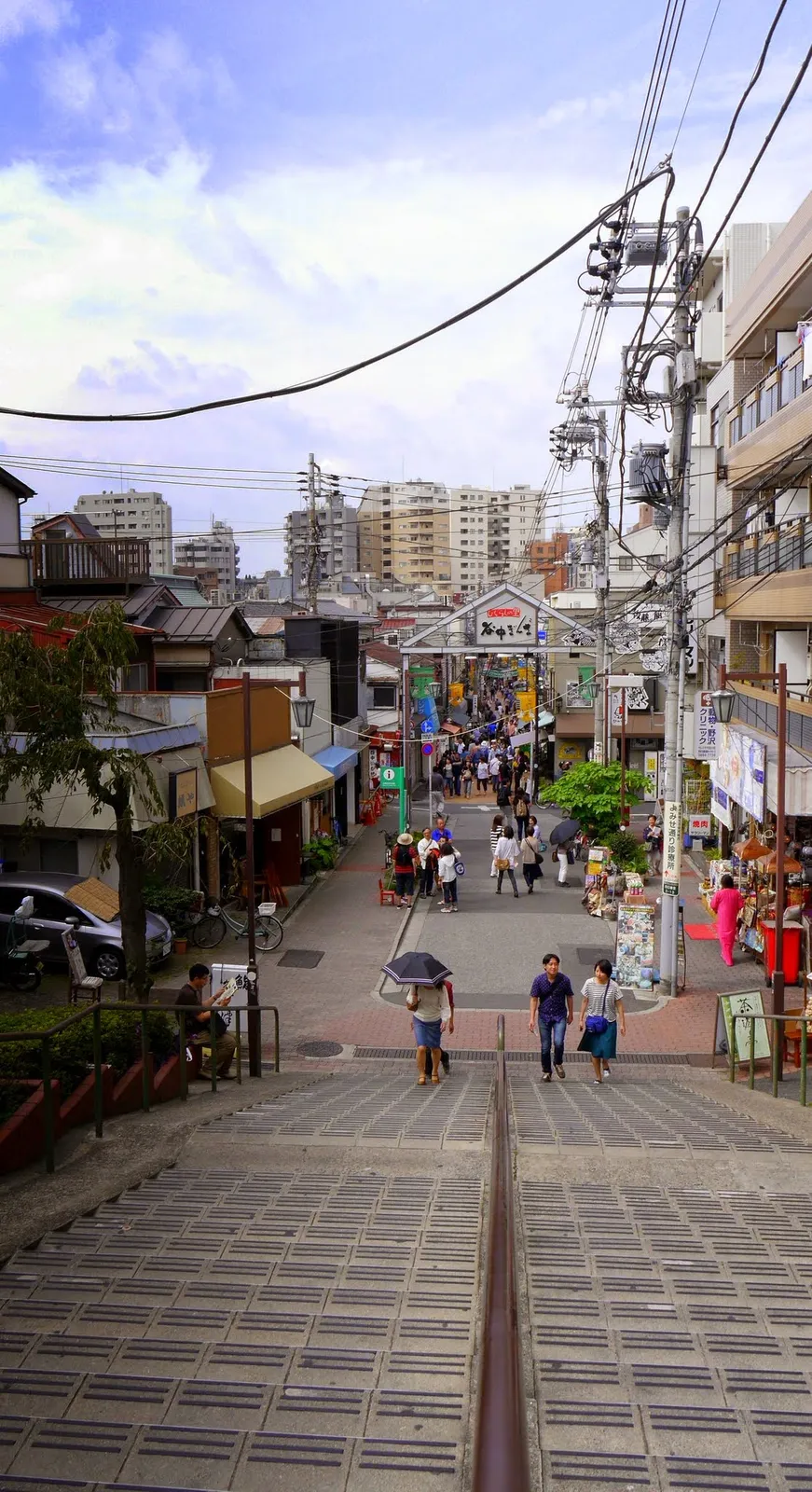
Yanaka at golden hour: the old Tokyo that survived
The district that survived both the 1923 quake and the 1945 raids: Yanaka Ginza at closing time, alley shrines, street cats, and sunset from the Yuyake Dandan steps. Tokyo at its slowest.
⏱ 2.5 hours · Group 2–8

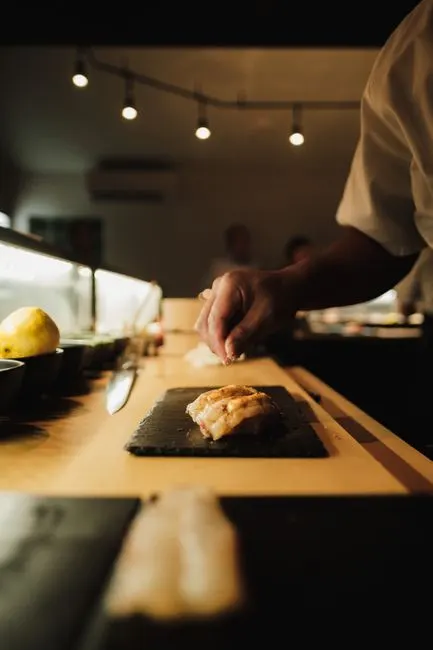
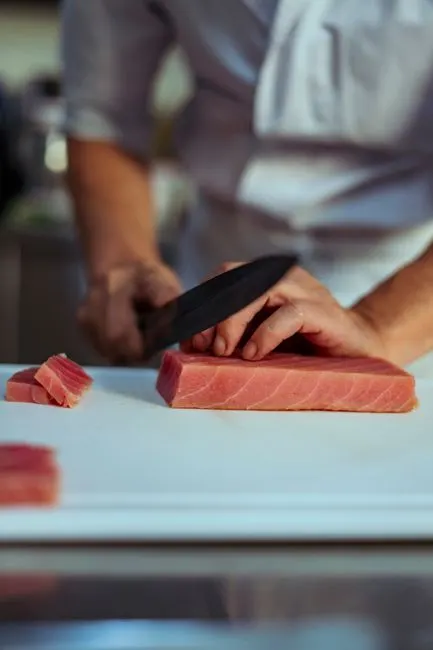
Sushi-making class at a working counter: shape eight pieces, then eat them
Stand behind a real sushi counter and learn the grip pressure, the angle of the knife, the right smear of wasabi. Shape eight pieces, then sit down and eat exactly those eight, with miso soup and tea.
⏱ 2 hours · Group 1–8

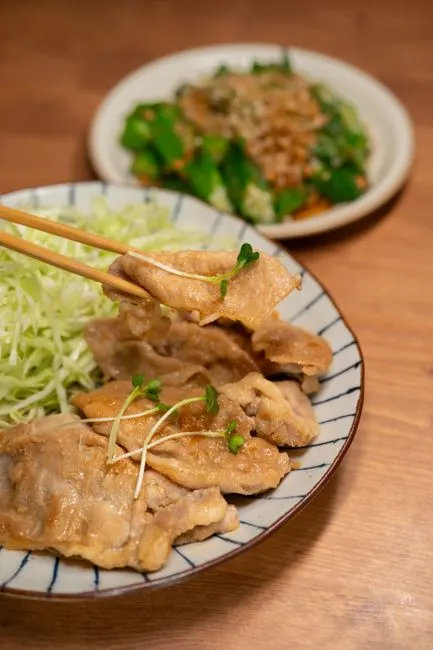
A Japanese home kitchen: cook five weeknight dishes in a real Asakusa flat
Not a gleaming demo kitchen — a real family kitchen, cramped and fully stocked. You cook five dishes Japanese people actually eat on a Tuesday: teriyaki chicken, rolled omelette, sesame-dressed greens, miso soup, rice from a cast-iron pot.
⏱ 3 hours · Group 1–6

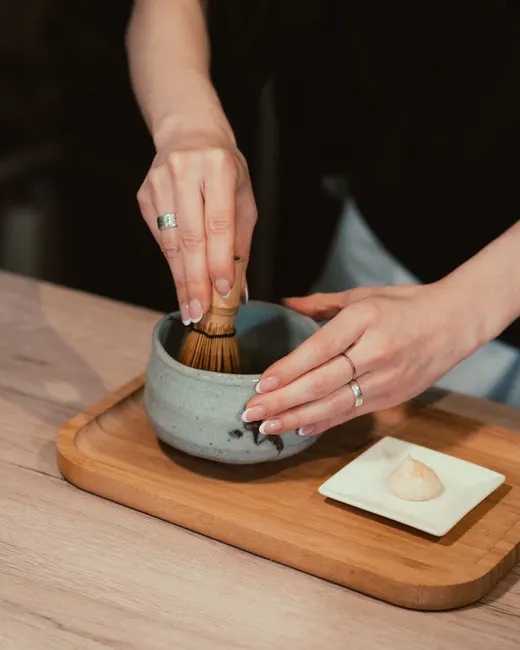
Asakusa tea ceremony: whisk your first bowl of matcha
Ninety minutes in a tatami room behind the Asakusa crowds. Watch a host prepare one bowl by the book, hear why each movement has its order, then take the whisk and make your own — the first is usually thin, the second already different.
⏱ 1.5 hours · Group 1–10

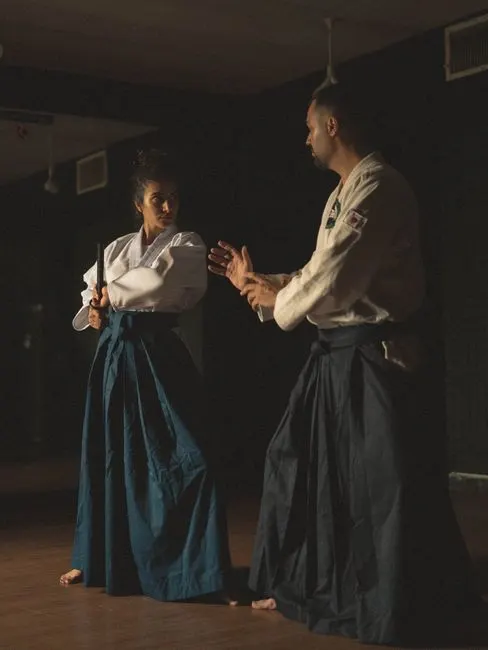
Samurai swordplay session: stance, breathing, and one real cut
It starts with how you stand, not with technique. The instructor teaches foot placement, breathing, and how to draw without dropping the scabbard — then comes your first cut into a rolled mat. Hakama provided, footage taken for you.
⏱ 2 hours · Group 1–8

Vegan Tokyo: six tastings with no fish dashi anywhere
Eating vegan in Japan is hard not for lack of vegetables but because bonito dashi hides in almost every broth. This route visits six places checked at the kitchen level: mushroom-broth ramen, tempura fried in a separate pot, fresh tofu, red-bean dessert.
⏱ 3 hours · Group 2–8

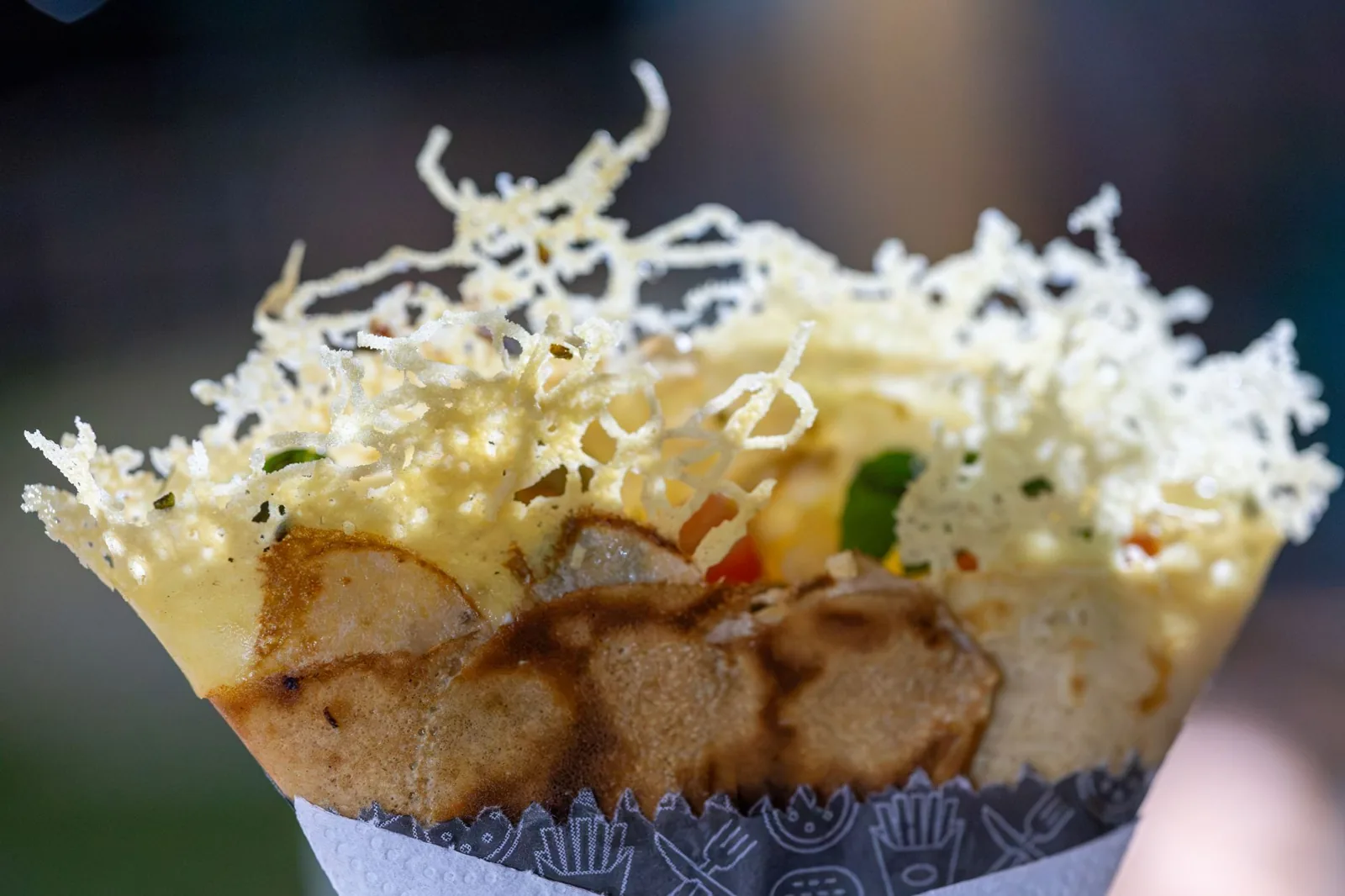
Sweet Harajuku: crêpes, cloud ice cream, and shops that live a few months
Takeshita is a street where a dessert shop opens, goes viral for three months, and closes. Your guide walks it weekly and knows which ones are still good and which are just a queue. Five tastings, ending at a parfait shop where you can actually sit down.
⏱ 2.5 hours · Group 2–8

Daytime Shibuya: eating in the lanes the crowd walks past
Everyone crosses the Shibuya scramble and keeps walking. This route turns into four lanes less than five minutes away: an office-worker lunch counter, a curry shop from the seventies, a sandwich stand, and a dessert place where the queue is all locals.
⏱ 3 hours · Group 2–8

Cracking the konbini: how to shop a Japanese convenience store
Japanese convenience stores sell a genuinely good meal, but the labels are all in Japanese so visitors end up with the dull stuff. Ninety minutes across the three big chains: reading date labels, finding the end-of-day markdowns, and ten things worth buying.
⏱ 1.5 hours · Group 1–10

Toyosu Market: the dawn tuna auction, then sushi inside the market
This is the inner market — where the fish is actually traded, a different world from Tsukiji's outer lanes. Watch the tuna auction from the glass gallery while it's still dark, follow the bell and the buyers' hand signals, then eat breakfast at a sushi counter inside the market itself.
⏱ 3.5 hours · Group 2–6

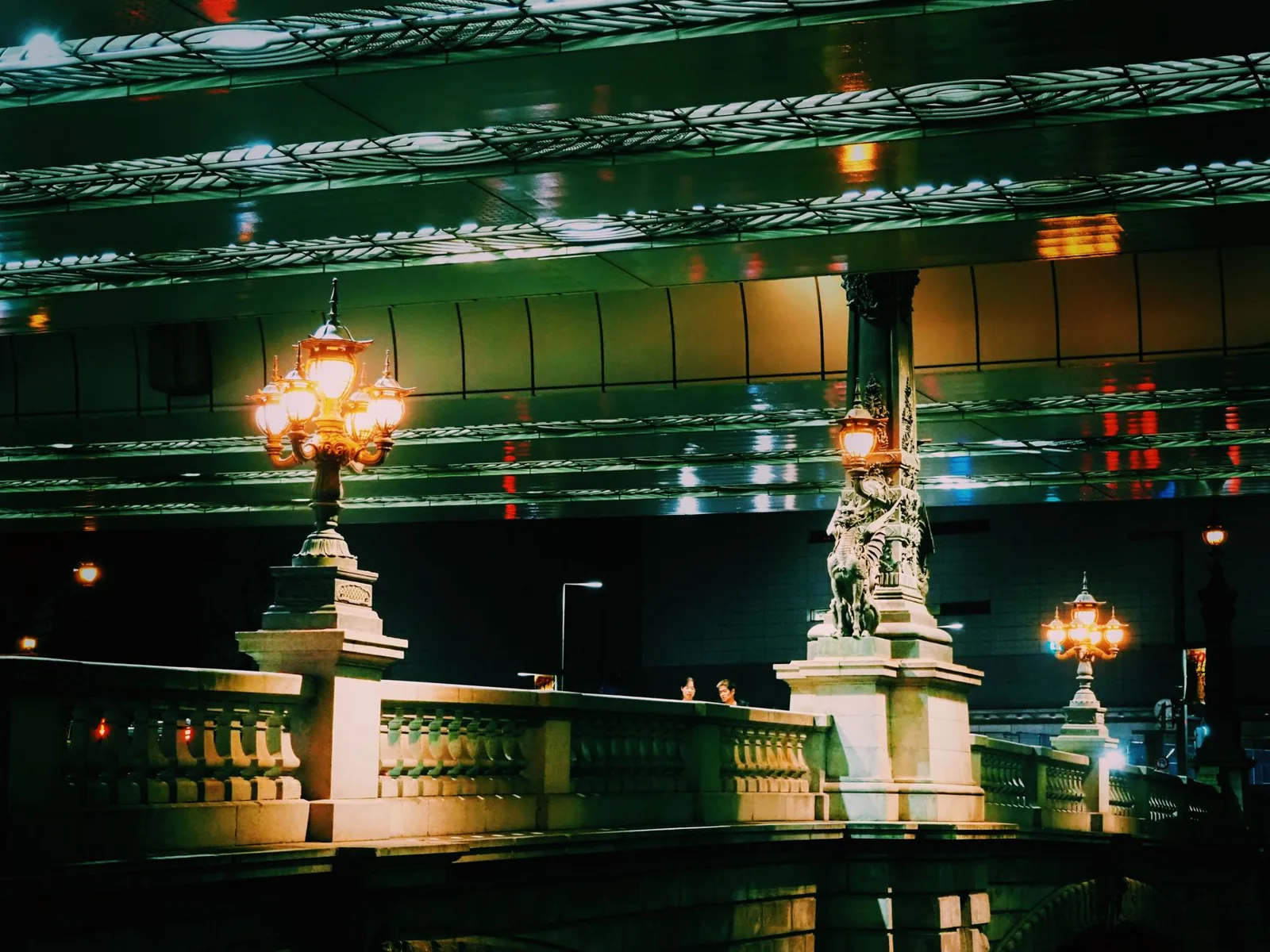
Nihonbashi after work: the old merchant quarter and its century-old shops
Nihonbashi is Japan's kilometre zero — every road distance in the country is measured from this bridge. The quarter around it was Edo's merchant district and is now towers interleaved with shops opened by someone's great-grandfather. Three venues, three drinks, three stories.
⏱ 2.5 hours · Group 2–8

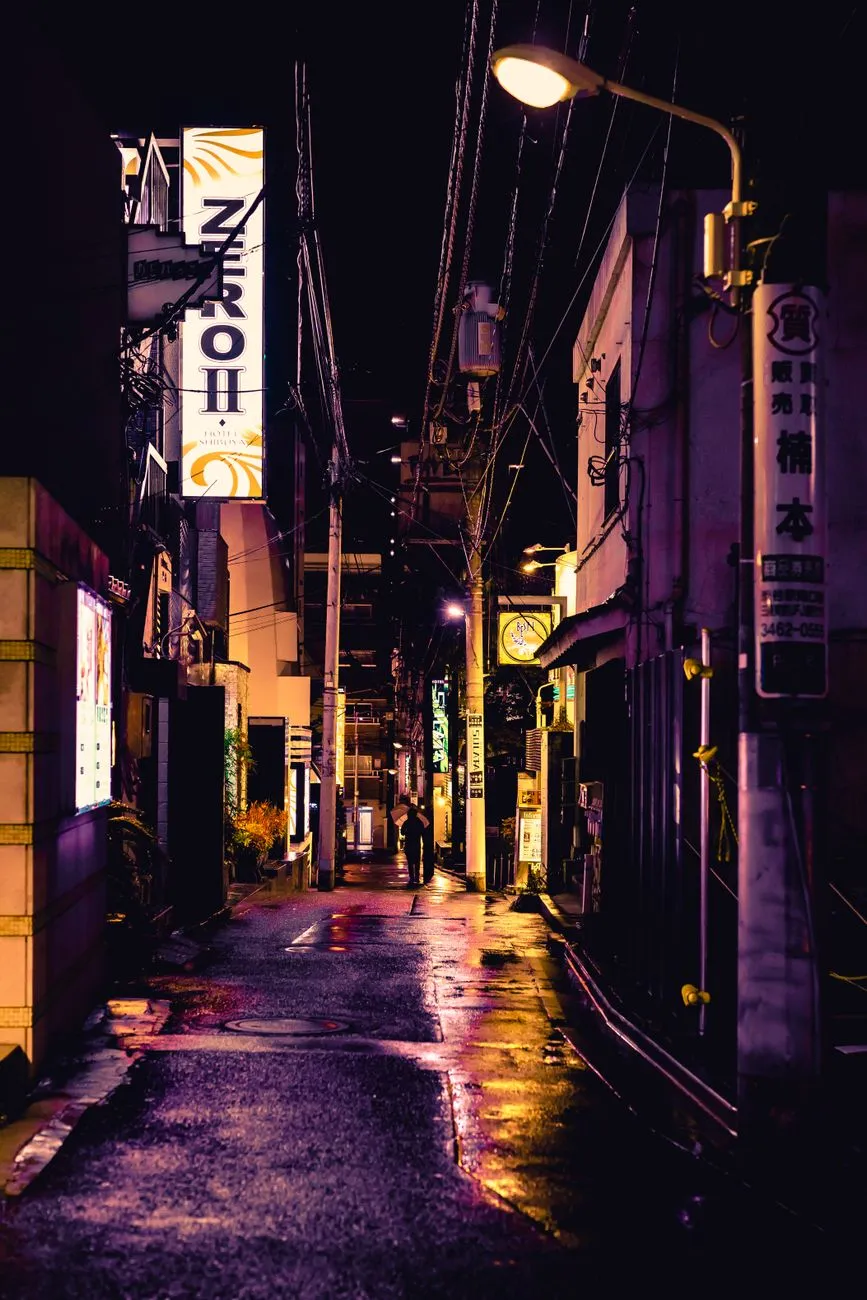
Shooting Tokyo at night: five spots and the settings for each
Not a walking tour that includes photos — a shoot with someone coaching. Five spots chosen for the direction of the light and the hour, and at each one your guide gives you the aperture, the shutter speed and where to plant the camera. Phone or camera, both work.
⏱ 2.5 hours · Group 1–6

Togoshi Ginza: Tokyo's longest shopping street, with no tourists on it
A 1.3-kilometre market street with over 400 shops, fifteen minutes by train from Shibuya, and virtually no foreign visitors on it. This is where Tokyo actually buys dinner: karaage sold by weight, grilled skewers, taiyaki, a standing soba counter.
⏱ 2.5 hours · Group 2–8

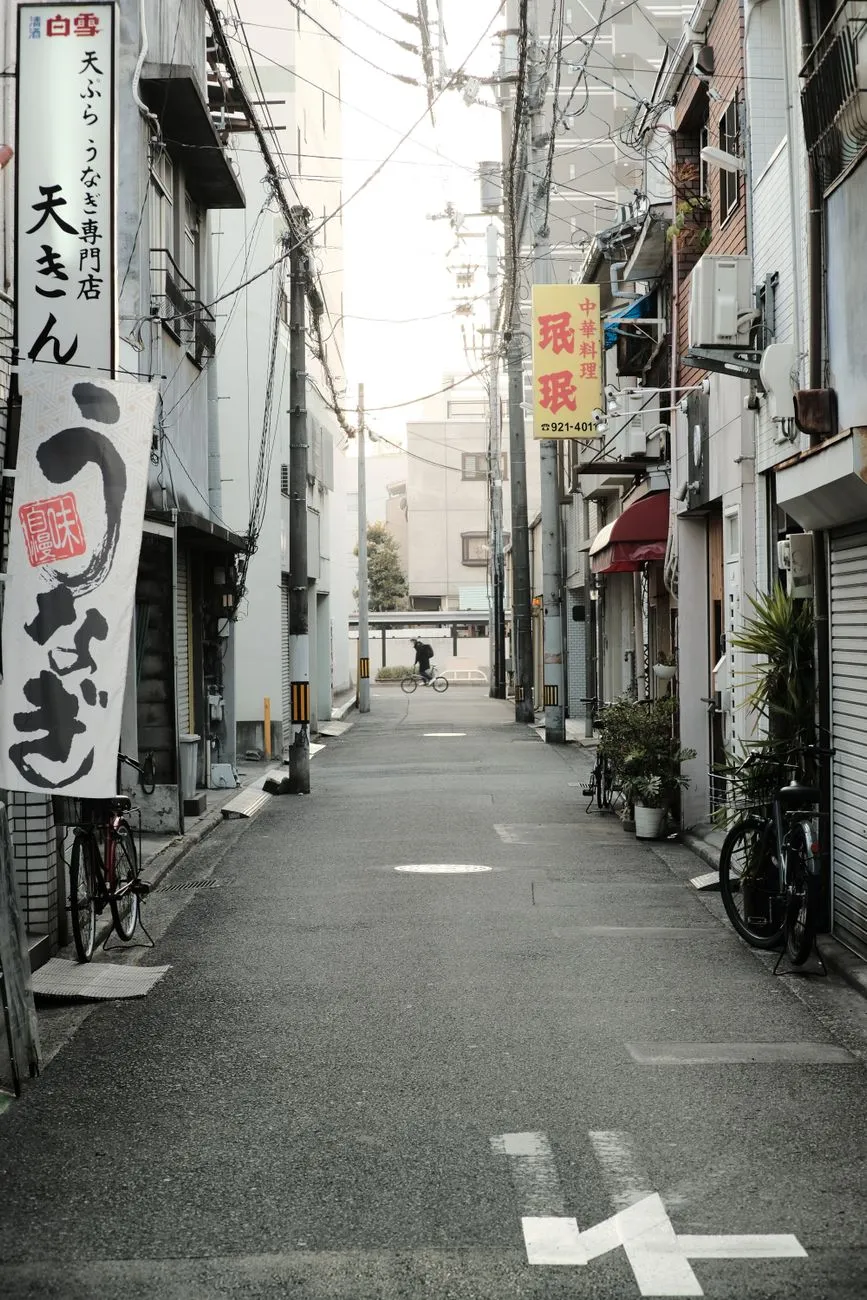
Tokyo backstreets by bike: Yanaka, Nezu and Sendagi in one morning
Tokyo on a bike is a different city: quiet lanes, short lights, and three times the ground you'd cover on foot. Four hours across three adjoining old neighbourhoods that no single train line connects — which is exactly why they survived.
⏱ 4 hours · Group 2–8

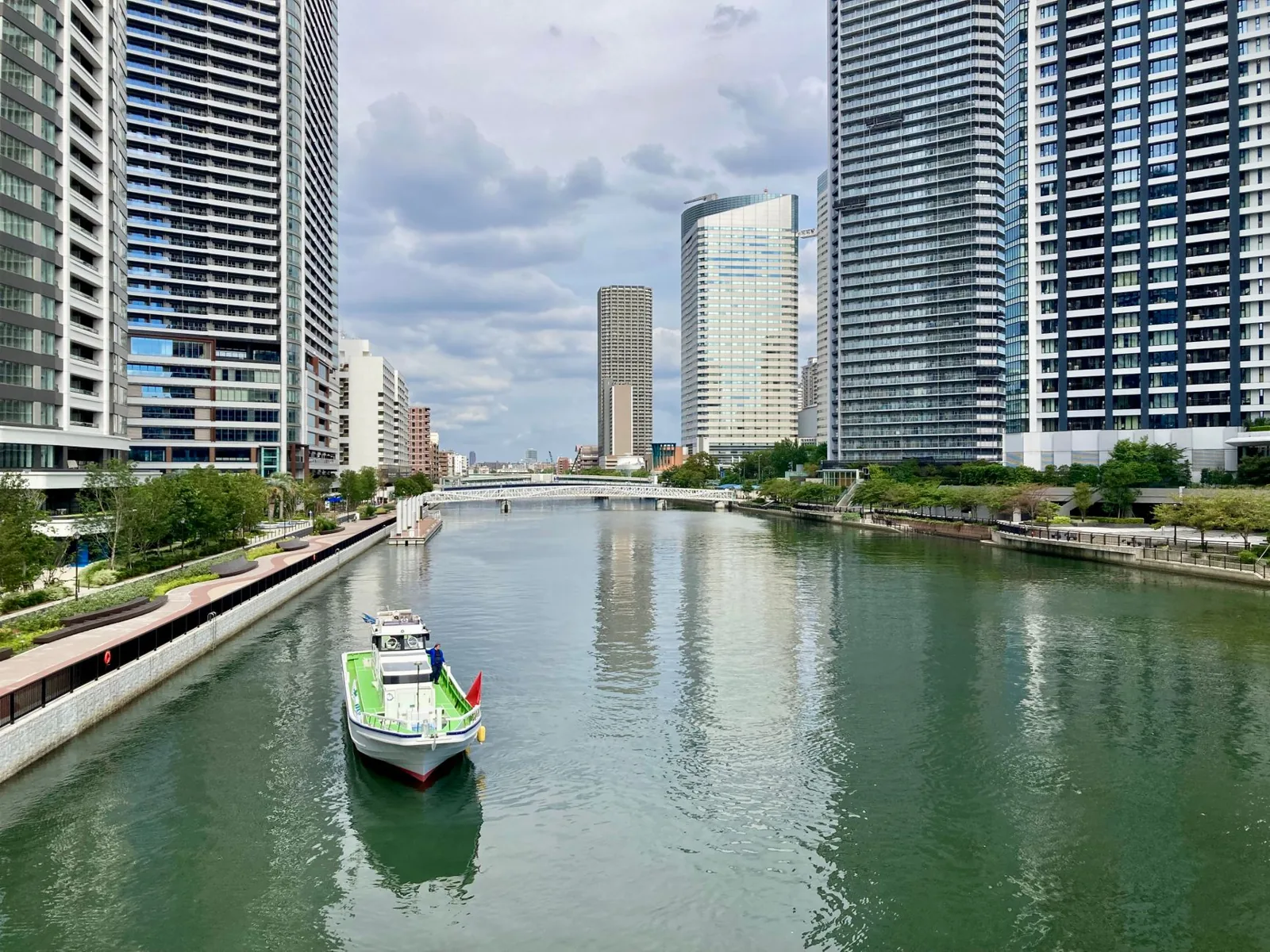
Along the Sumida: twelve bridges and an older Tokyo
The Sumida is Tokyo's older axis — before the trains, everything moved by boat on this river. Walk the bank past twelve bridges, each a different design from a different decade, with parks, small shrines and riverside tea stands in between.
⏱ 2.5 hours · Group 2–10

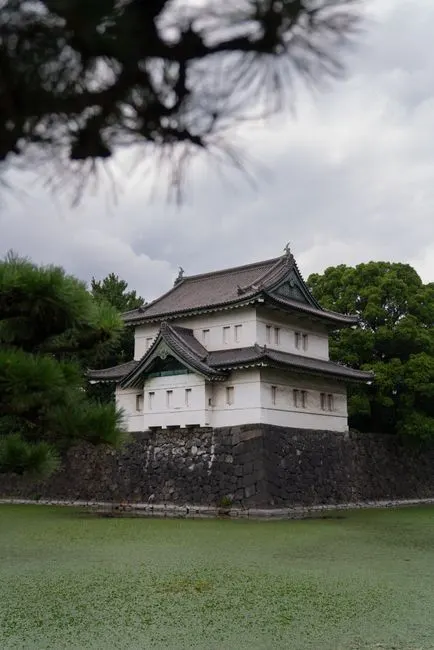
Imperial Palace East Gardens: the Edo castle foundations and a manju
What was once the largest castle in the world is now stone foundations and lawn — but stand on the keep base and you understand immediately why Tokyo grew here. Two hours in the gardens, finishing with manju and tea at the tea house inside.
⏱ 2 hours · Group 2–10

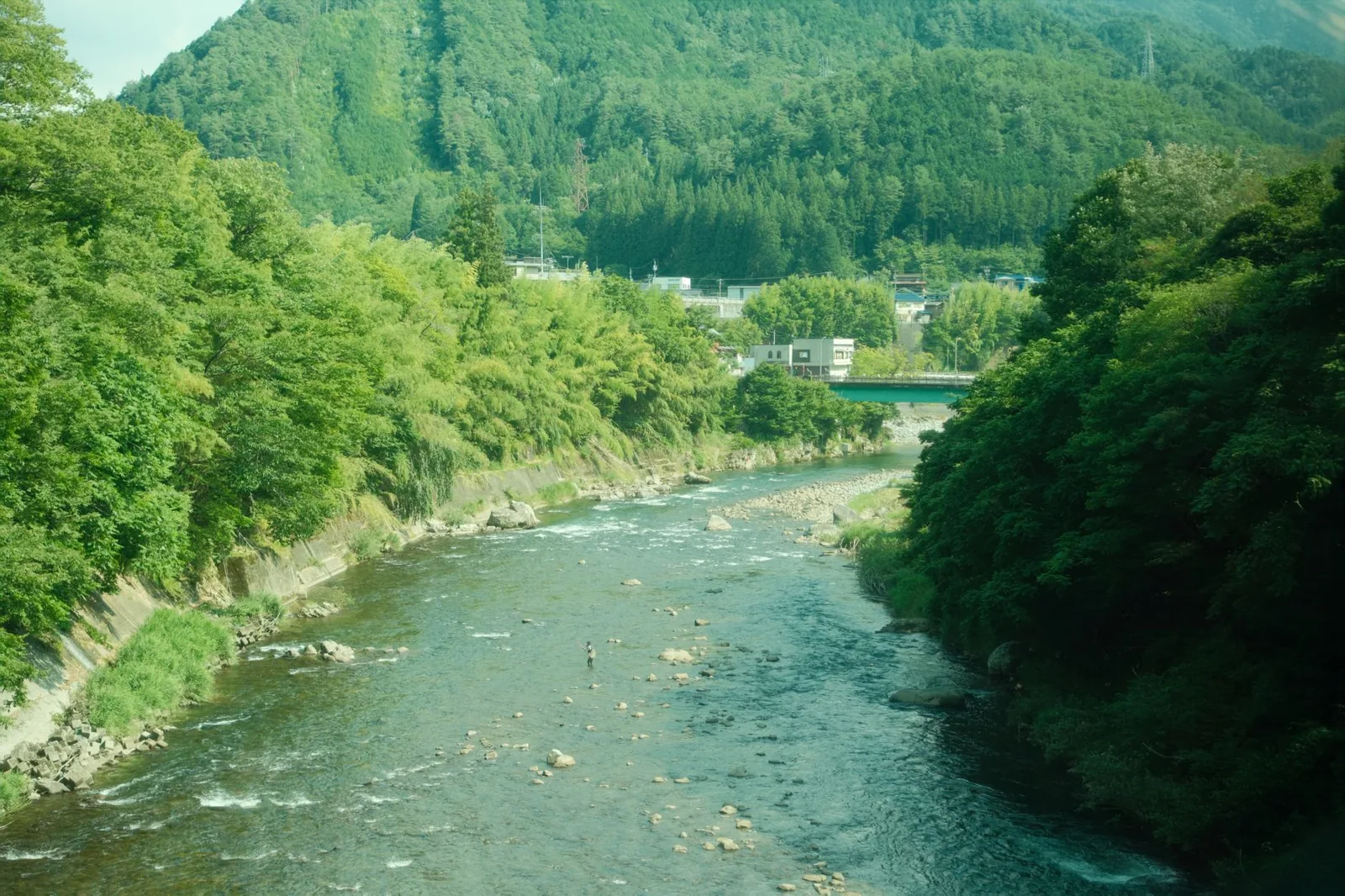
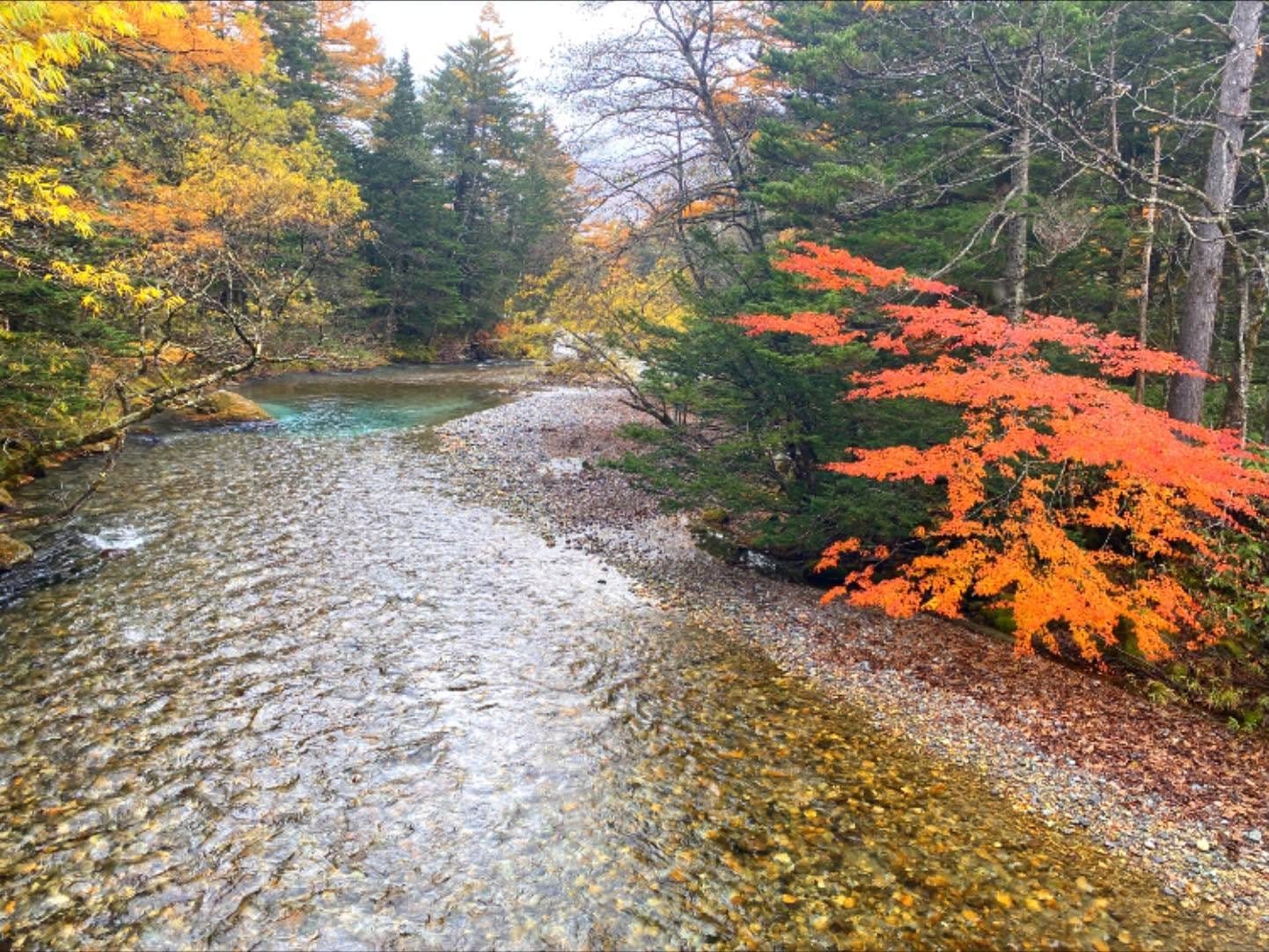
Okutama: streambed wasabi farms and mountain forest, still inside Tokyo
Two hours from Shinjuku and still not out of Tokyo. Okutama is the city's mountain half: cedar forest, a reservoir, and wasabi terraces built directly into running streambeds — real wasabi only grows in cold moving water, never in a dry field.
⏱ 7 hours · Group 2–8

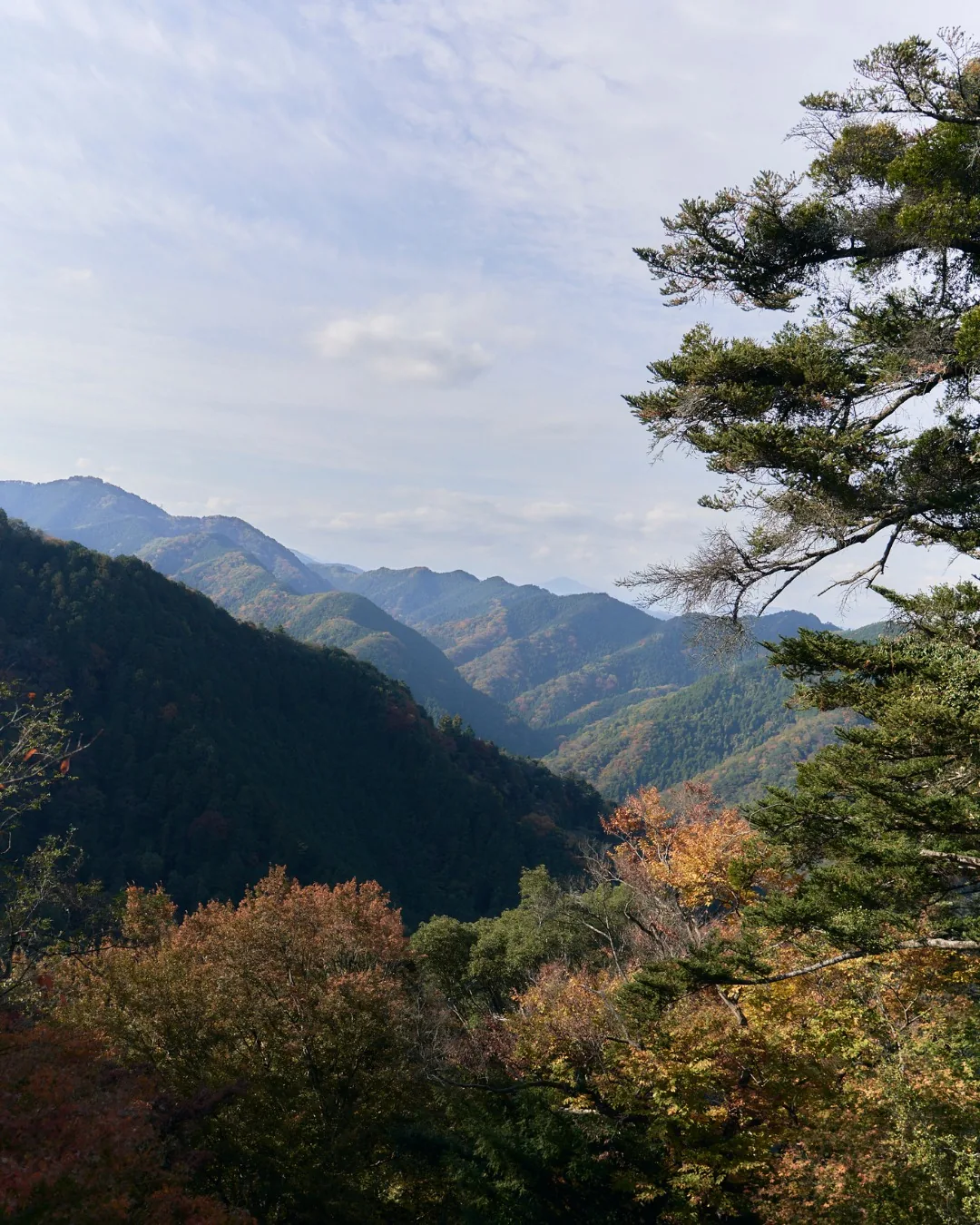
Mount Takao: Tokyo's own mountain, up and down in a day
Takao is the most-climbed mountain on earth — three million people a year, nearly all of them Tokyoites on a day off. There are six trails; this route takes a quiet one, through old cedar forest past a hillside temple where monks still train.
⏱ 6 hours · Group 2–10

Bike and boat: Asakusa, the fish market and the Fukagawa canals
Half the morning in the saddle, half on the water. Ride from Asakusa down to the fish market, eat a late breakfast at the stalls, then load the bikes onto a small boat into the Fukagawa canals — the part of Tokyo you can only see from water level, where the bridges are low enough to duck under.
⏱ 5 hours · Group 2–6

Ramen by bike: three shops, three broths, one afternoon
Three ramen shops in three neighbourhoods, a small bowl at each so you finish all three: cloudy pork broth, clear soy, and a salt shop the trade eats at. The ride between them is exactly long enough to make room — walking is too slow, and the train skips the best part, which is the road.
⏱ 3.5 hours · Group 2–6

A Tokyo day built around you: private guide, your own route
There is no printed itinerary. Before the trip your guide asks what your group actually wants — eating, shopping, temples, somewhere the kids can run, or just a slow day — and builds one for you. Six hours, your group only, and changing plan mid-day is fine.
⏱ 6 hours · Group 2–6
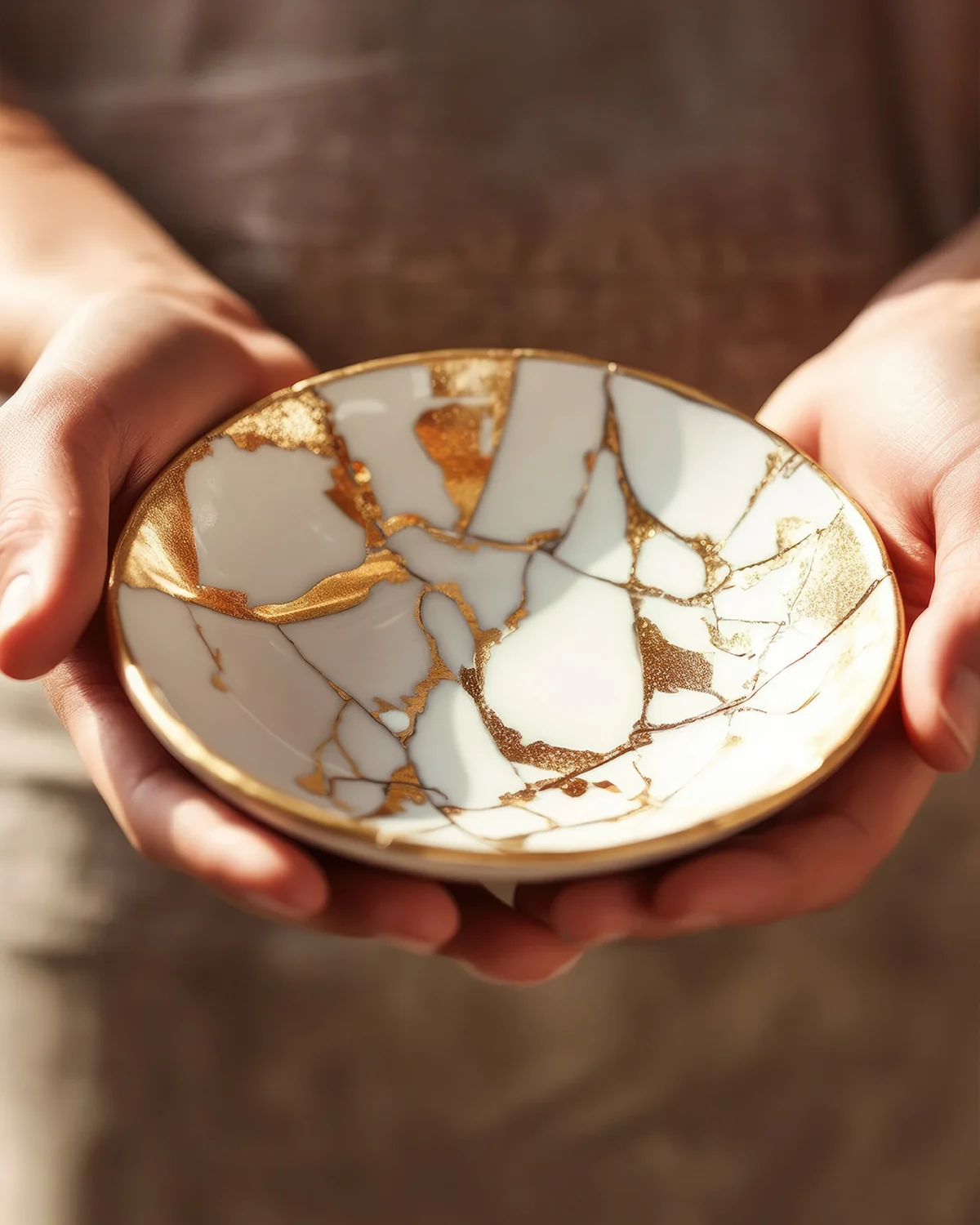
Kintsugi: mend broken pottery with gold, take it home
Kintsugi is the craft of mending broken pottery with gold-dusted lacquer — Japan doesn't hide the crack, it makes it the point. Choose a broken cup, join it, dust the seam with gold, and carry that exact cup home. Taught in English by a working craftsperson.
⏱ 2.5 hours · Group 1–6