OlaChill coordinates the travel side of your medical trip: we take your purpose and dates, connect you to a suitable facility through its international patient desk, help confirm the appointment, handle transport, stay and paperwork, and help find a certified medical interpreter for your specialty and language. We do not give medical advice, choose treatments or promise outcomes; medical decisions and medical fees are between you and the medical institution. The identity guarantee for a Medical Stay Visa goes through an organisation registered under Japanese rules; we prepare and follow the file.
Health check-ups, stem-cell programmes, cosmetic surgery and treatment trips keep you in Japan from five days to several weeks, with empty days between appointments. OlaChill arranges the airport pickup, a hotel near the hospital, an hourly car between hotel and hospital, and golf, onsen or tours for the free days. The medical side stays between you and the clinic; we do not sit in the middle of that payment.
What we do
Medical trip coordination
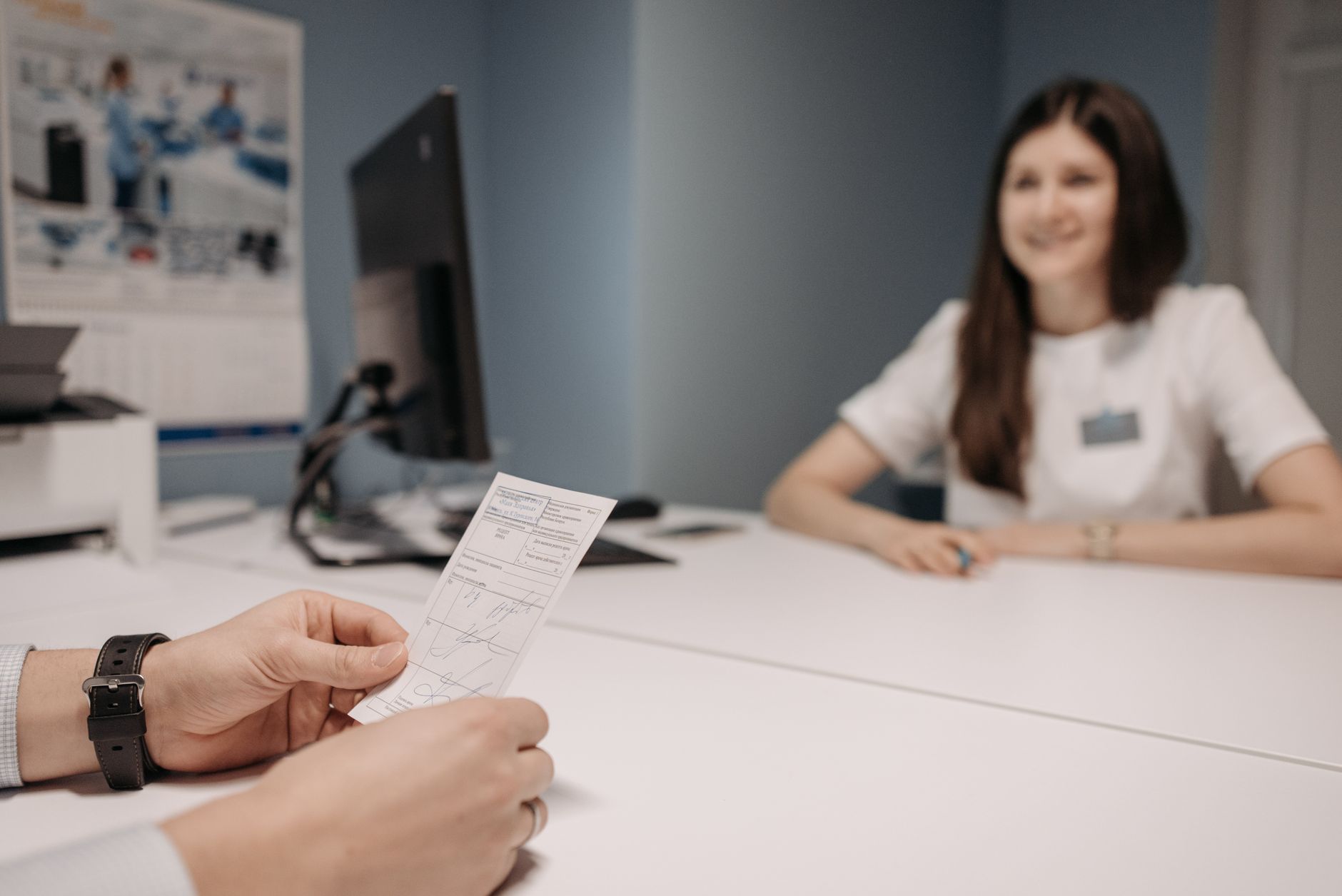
We take your needs and the purpose of the trip, connect you to a suitable facility through its international patient desk, help arrange and confirm the appointment, and then handle all the logistics until you walk into the consultation room and after you fly home. What the facility examines and concludes is for its doctors; medical fees you pay to the facility directly.
Stay and daily life
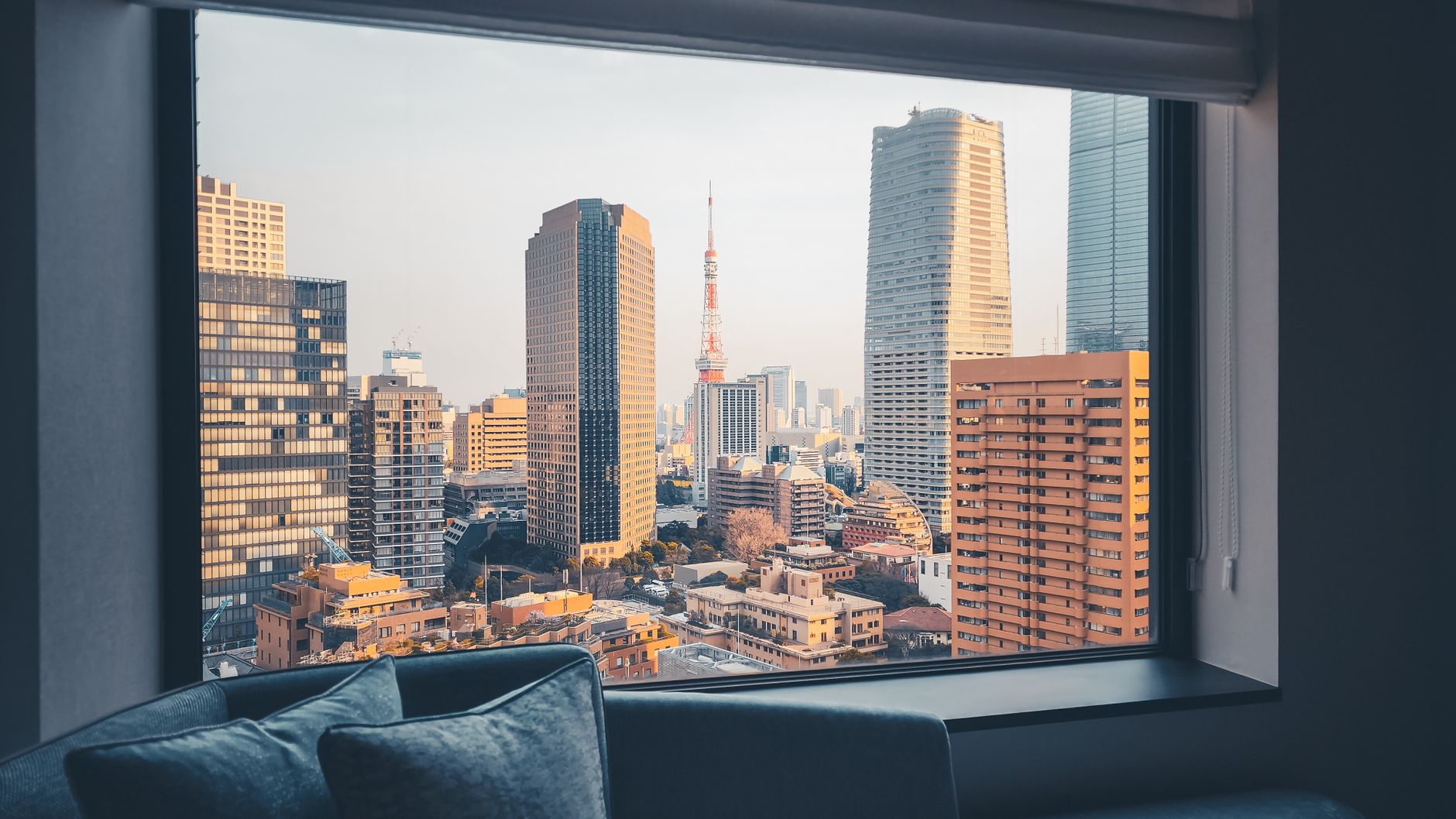
A hotel or serviced apartment near the facility, a private car for appointment days and free days, diet-aware meals booked at restaurants, everyday errands such as groceries, pharmacy and laundry, and help finding a certified medical interpreter who speaks your language. The aim is for the weeks in Japan to run like home, except that someone else handles all the getting around.
Bridging both ends
We work with the travel company or family in your country and with the international desk of the facility in Japan, so that the steps before the trip (appointment, paperwork, hotel confirmations for a visa file) and after it (rebooking a follow-up, arranging translation of documents you received from the facility) run as one line. You talk to one place; we connect the other two ends.
Why many guests choose Japan for a check-up
Modern diagnostic equipment
Many check-up centres in the large cities keep CT, MRI and endoscopy equipment on site, so most items are done in one morning instead of being spread across several locations. Which machines and which tests is for the facility and its doctors.
A calm, punctual atmosphere
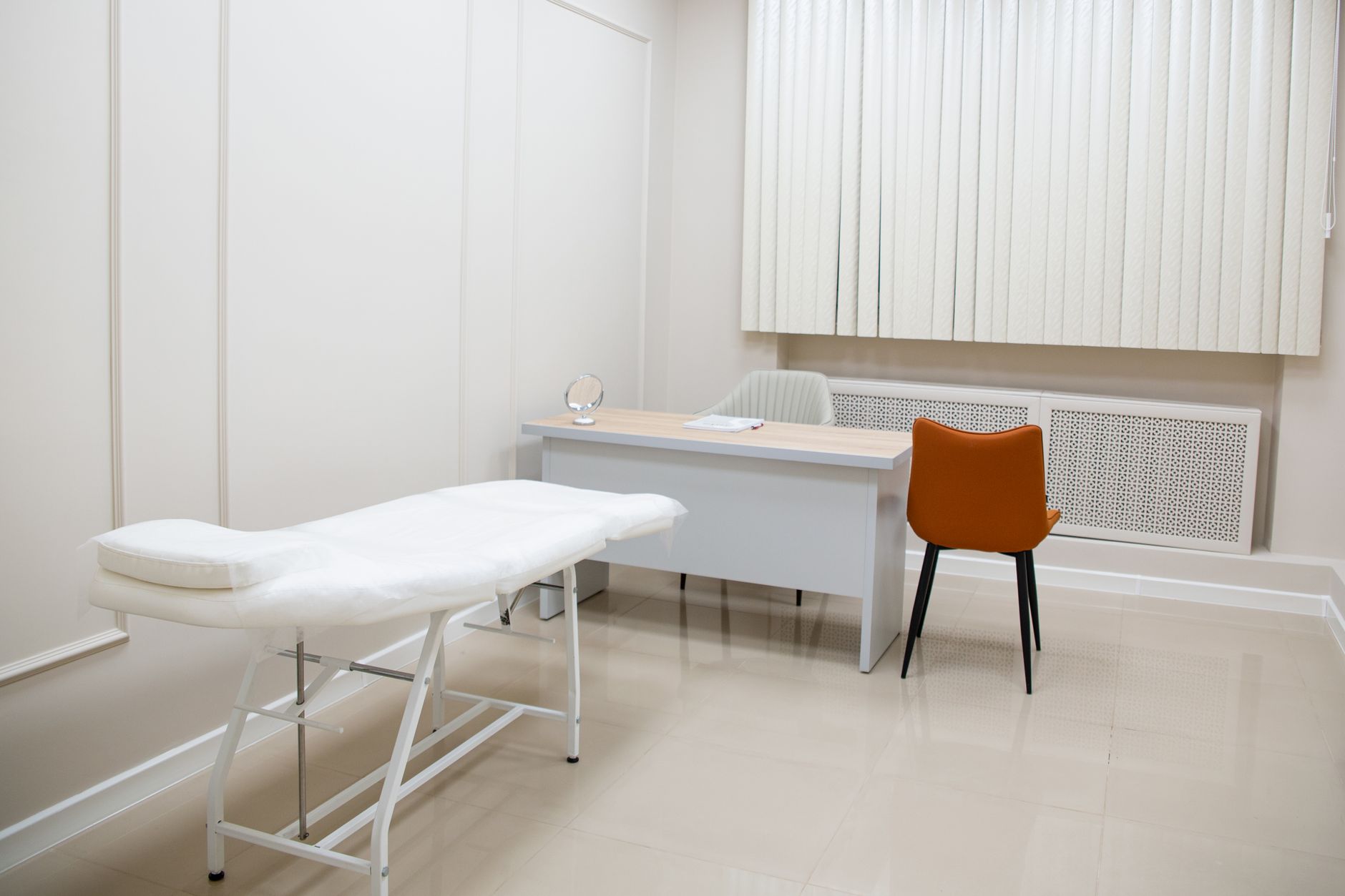
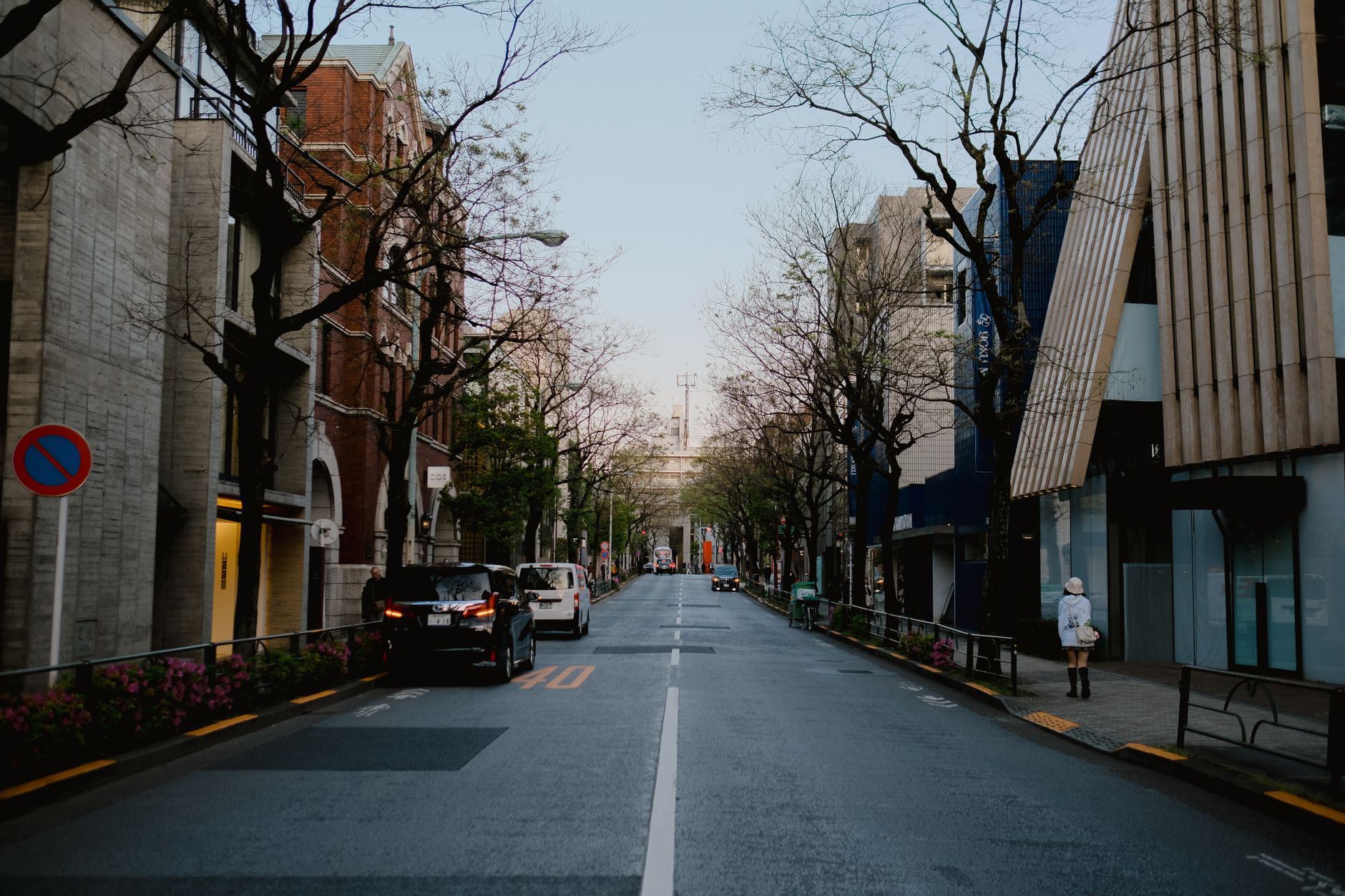
Appointment times are kept, each step is guided, waiting rooms are quiet. For guests who come from places where hospitals are always crowded and loud, this is often the first impression. We keep the same rhythm outside: the car arrives early, the hotel is quiet, nothing needs to be rushed.
A programme built around each person
The appointment fits your flights and the number of days you can stay, not the other way round. Arrive in the afternoon and test the next morning; only three days and the two hospital visits sit close together; three weeks and they spread out with free days in between. That is the logistics we do; the content of the check-up is the facility's.
Privacy and language support
Nobody except you and the facility knows the reason for the trip. For appointments we help you find a certified medical interpreter matched to the specialty and to your language (Vietnamese, Korean, English, Chinese or Japanese), and we can arrange translation of documents you receive from the facility if you need it.
Types of medical trip, and what we arrange for each
Each kind of examination or treatment has its own rhythm: how many hospital visits, how long the gaps are, whether mobility is an issue. Below we describe only our side of it, the schedule, hotel, cars, interpreter arrangements and free days. The medical side belongs to your doctor.
🩺Comprehensive health check-up (ningen dock)Good for: Couples and families doing a yearly check-up together; executives combining it with a business trip.
Most check-up programmes mean one or two hospital visits: a morning of tests on day one, then a results consultation the same afternoon or a few days later. You are well the whole time, so the trip can be short: arrive, rest one night, test, then travel. We book a quiet hotel within 20 minutes of the hospital, a car with a driver for the early check-in (many programmes ask you to arrive fasting before 9 am), and help finding a certified medical interpreter for the results consultation, matched to the specialty and your language. The free days go to Tokyo, Hakone or a golf course.
🔬Cancer screening (PET-CT and imaging)Good for: Travellers who want a full screening in one trip, often paired with a check-up.
Screening trips usually have two hospital visits a few days apart: the imaging day and the day the doctor explains the images. Some imaging requires fasting or arriving at a fixed time, so we schedule the car with a margin. A hotel near the hospital with a small kitchen makes the fasting morning easier. For the results consultation we help you find a certified medical interpreter for the specialty and your language; what the doctor says stays between you and the doctor. The gap between visits is free: onsen, a day trip or simply rest.
🧬Regenerative medicine and stem-cell programmesGood for: Guests on a multi-week programme who want the empty weeks to feel like a holiday.
These programmes are spread over weeks: a first consultation and sampling, then one or more treatment visits after culture time. Guests either stay the whole period or fly home and return. We plan both patterns: a long-stay hotel with laundry and a kitchen for the first, two shorter stays with the same driver and hotel for the second. Cars are booked by the hour on clinic days. The days between visits are left open, so golf, Kyoto or the helicopter over Tokyo fit around them. How you will feel on those days is for your clinic to say, and we book them only once the clinic confirms.
💆Cosmetic and aesthetic proceduresGood for: Guests who want privacy after the procedure and someone to run errands.
The procedure day is the fixed point; everything else is arranged around recovery. We put sightseeing and golf before the procedure, book a quiet hotel with a good bed and room service for the days after, and use a private car with tinted windows and a driver who waits, so there is no station or taxi queue while you are swollen or bandaged. We can also help with pharmacy visits, meal bookings and the follow-up appointment. How long to rest, and what you may do, is the clinic's instruction, not ours; we simply keep the schedule flexible.
🦷Dental treatmentGood for: Guests combining dental work with a city holiday; families where one person treats and the rest sightsee.
Dental work is often several short visits over one or two weeks, sometimes with a gap for a lab to make a crown or an implant to settle. The rhythm is: morning at the dentist, afternoon free. We book a hotel close enough to walk or take a ten-minute car, a driver on the days you need one, and soft-food restaurant suggestions after a difficult session. The free afternoons are enough for museums, gardens and shopping with a car waiting.
🦴Orthopaedics and rehabilitationGood for: Guests recovering from surgery and the family member staying with them.
Orthopaedic trips range from a single consultation to surgery followed by weeks of rehabilitation. Mobility is the planning question: we use vehicles with a wide door and low step, a folding wheelchair on request, ground-floor or elevator-served rooms, and hotels with step-free bathrooms where they exist. For rehabilitation periods, a serviced apartment or long-stay hotel near the facility with a kitchen and laundry works better than a normal hotel room. For the sessions we help you find a certified medical interpreter for rehabilitation in your language, so you can follow the therapist's instructions and repeat them in the hotel.
❤️CardiologyGood for: Older guests and anyone told to avoid stairs and long walks.
A cardiology trip is usually a consultation, tests over one or two days, and a results visit, with a possible longer stay if treatment follows. We keep the car and hotel within a short distance of the hospital, avoid long sightseeing days unless your doctor agrees, and choose hotels with an elevator and a room away from the street. For the many forms and consultations these departments involve, we help you find a certified medical interpreter for cardiology in your language, and we stay reachable by phone at night. Anything about your condition or activity limits comes from the hospital; we follow the schedule they give you.
👁️Eye careGood for: Guests having examinations or procedures on their eyes, and anyone travelling alone.
Eye appointments have a practical problem: after dilation drops or a procedure you cannot read signs, use a phone screen easily or walk unfamiliar streets safely. So a driver waiting at the door and a certified medical interpreter at the appointment are not luxuries here. We book hotels with simple layouts and good lighting, cars for every clinic day, and keep the free days for things you can enjoy without straining your eyes, such as an onsen or a quiet garden.
🌿Dermatology and skin treatmentsGood for: Guests on a course of treatments who want the rest of the trip to feel like a holiday.
Skin treatments are mostly short outpatient visits, often repeated over a week or two, with instructions such as avoiding sun, heat or alcohol between sessions. We arrange a hotel in walking distance or a short car ride, and plan the free days around whatever the clinic tells you to avoid: shaded gardens and museums rather than beaches, tea rooms rather than onsen if heat is off the list. We can help with pharmacy visits and, if you want one, find a certified medical interpreter for dermatology in your language.
🤱Women's health and fertilityGood for: Couples or women travelling alone who want discretion and a flexible schedule.
Fertility and women's health trips are built around dates the clinic sets, sometimes with little notice and sometimes needing a return visit weeks later. We book hotels with flexible dates, arrange cars for each visit, and can hold a second stay pattern for the return trip with the same hotel and driver. We help you find a certified medical interpreter for reproductive medicine in your language (you can ask for a female interpreter), and help with pharmacy visits. This is a private trip: we tell nobody why you are here, and the paperwork you share with the clinic never passes through us.
📋Second opinion and consultation tripGood for: Guests who want to hear a Japanese specialist's view before deciding on treatment at home.
A second-opinion visit is often short: one or two consultations with a specialist and perhaps some tests, all within three to five days. You need your records translated into Japanese or English beforehand, which the hospital or the medical coordinator arranges, not us. We arrange the short stay itself: airport pickup, a hotel near the hospital, a car on the consultation days and help finding a certified medical interpreter for the specialty and your language for the consultation itself. The rest of the trip is yours.
🏨Long-term treatment and follow-upGood for: Patients on a long treatment plan and the relative who stays with them.
Some treatments mean staying in Japan for a month or more, either as an inpatient with a family member in a hotel, or as an outpatient with frequent visits. We handle the living side: a serviced apartment or long-stay hotel with a kitchen and laundry near the hospital, a weekly car schedule, grocery and pharmacy runs, and help finding a certified medical interpreter for visits. For the family member, we plan days out so the weeks are not only hospital and hotel. The treatment itself, and any inpatient bed, is the hospital's arrangement.
What a Japanese comprehensive check-up usually covers
A general description of the Japanese comprehensive check-up (ningen dock) based on common knowledge. The actual items are decided by the medical facility and its doctors for each person; OlaChill gives no medical advice.
📏
General health
Height, weight, waist, blood pressure, bone density, eyesight, hearing and other basic measurements. This is usually the opening part of the morning.
Examples of factors commonly assessed
High blood pressureWeight and obesityBone density lossEyesight and hearing
🩸
Blood and metabolism
Blood and urine tests: liver and kidney function, blood sugar, blood lipids, some inflammation markers and a blood count. Usually requires fasting from the night before.
Examples of factors commonly assessed
DiabetesLipid disordersLiver and kidney functionUric acid
❤️
Heart and circulation
Electrocardiogram, heart ultrasound or arterial stiffness assessment, sometimes a coronary scan on request. Looks at heart rhythm and the state of the vessels at the time of the visit.
Chest and abdominal CT, abdominal ultrasound, stomach or colon endoscopy, mammography and gynaecological checks for women, tumour markers in the blood, depending on the package and the person. The doctor decides which items fit.
Examples of factors commonly assessed
Stomach and colonLungsBreast and cervixLiver, thyroid, prostate
Sample itinerary (10-day example)
The length of stay adjusts to the programme you have chosen with the facility; this is only a frame to picture the trip.
Day 0
Before you arrive
An online call about the goal of the trip and how many days you can stay. We connect you to a suitable facility through its international desk and help confirm the appointment, or take the appointment you already have. Then we fix the car and hotel, and start looking for a certified medical interpreter for your specialty and language.
Day 1
Arrival
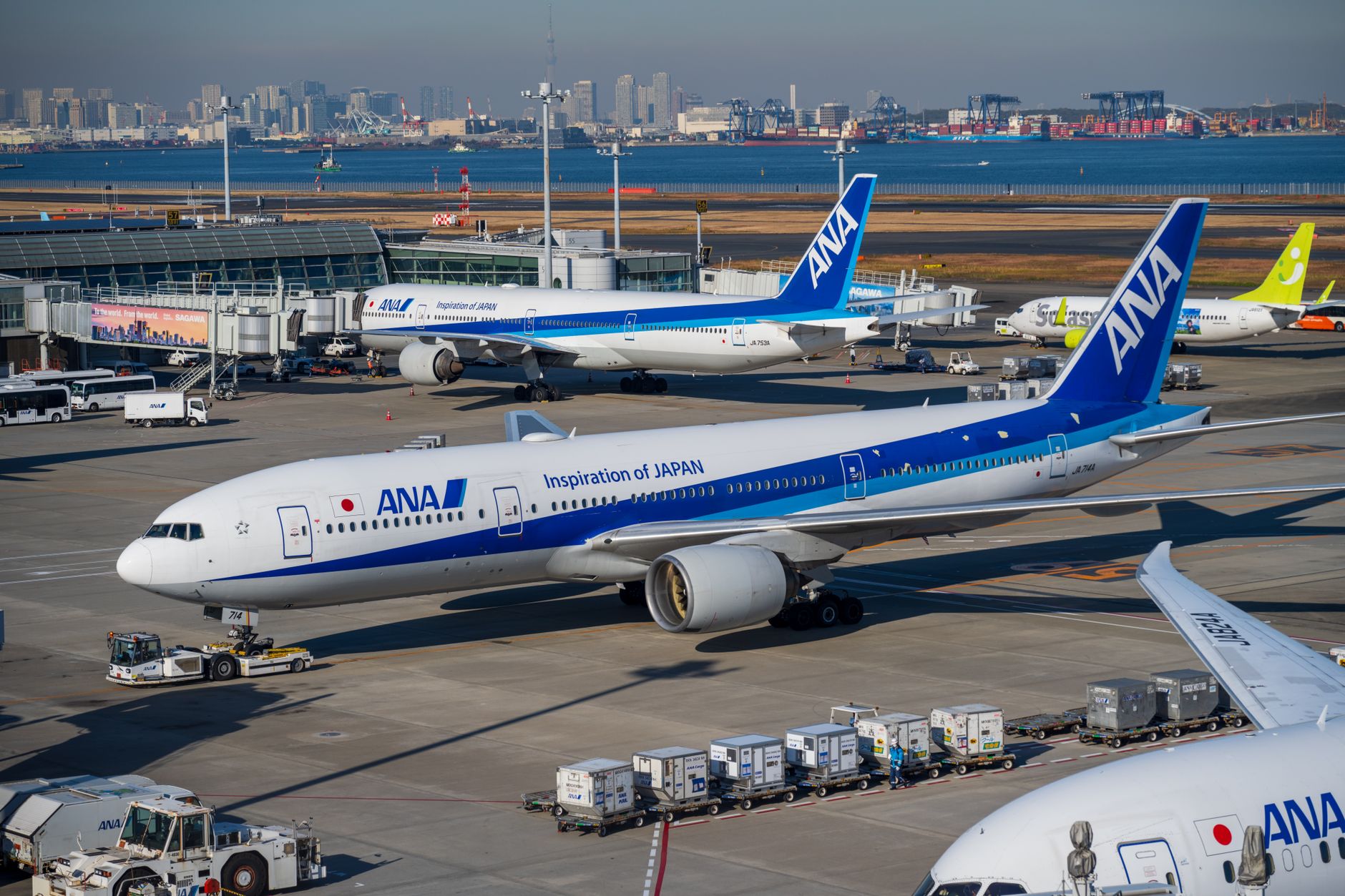
A private car meets you in the arrivals hall and takes you straight to the hotel. We message you tomorrow's schedule, the pickup time and any fasting the facility has asked for. Evening to rest.
Day 2
Examination day
The car takes you to the facility for the check-in time. If you asked for one, the certified medical interpreter we found for your specialty and language meets you there for the appointment. Afterwards the car returns you to the hotel or to lunch; the afternoon is usually free.
Day 3
Results and consultation
The meeting with the doctor to hear the results and talk them through; the certified medical interpreter, if you asked for one, interprets between you and the doctor. If the facility schedules a further visit, we rearrange the car and hotel the same day. What is said in the consultation stays between you and the doctor.
Day 4 to 8
Free days
Tokyo, Kyoto or Hakone by private car, a night at an onsen ryokan, a helicopter flight over Tokyo, a round of golf. Cars and stays follow your wishes. Before travelling far or bathing in an onsen, ask the doctor whether anything should be avoided; we plan around that answer.
Day 9 to 10
Departure and afterwards
A car to the airport for your flight. After you are home, we support the logistics online: rebooking a follow-up if the facility schedules one, and arranging translation of documents you received from the facility into your language if you need it. The medical report and what it means are the facility's.
What the basic support package includes
✓
🗂️Medical trip coordination
Connecting you to a suitable facility through its international desk, helping arrange and confirm the appointment, following the paperwork before the trip.
✓
🚐Round-trip airport transfers by private car
A driver with a name board in the arrivals hall; flight tracked, no charge for delays.
✓
🚗Hotel ⇄ facility car on appointment days
There and back around the appointment time; the driver waits or returns at the time you set.
✓
🏨Hotel near the facility, nights according to the schedule
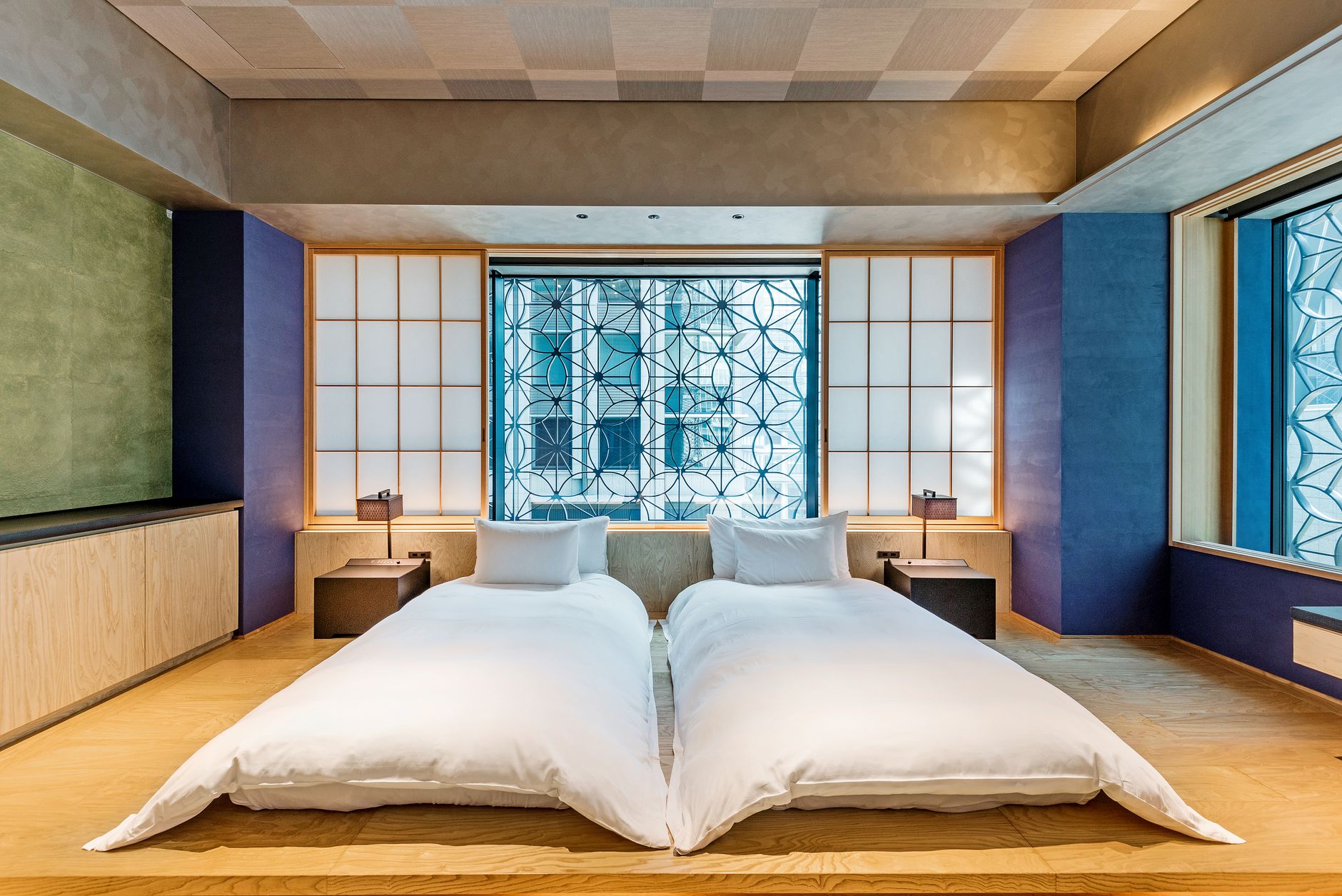
A quiet room within about 20 minutes' drive; room grade and number of nights set by the appointment schedule and your preference.
✓
🗣️Finding a certified medical interpreter for your specialty and language
Matched to the specialty (a gastroenterology appointment, for example, needs an interpreter certified for that field) and to your language: Vietnamese, Korean, English, Chinese, Japanese. The interpreter's fee is quoted per case with your travel plan.
✓
💻Two online calls before the trip
One to settle the goal and dates, one to settle the logistics: pickup times, hotel, interpreter language and specialty, what to bring.
✓
📨Online support after you return, arranging translation of documents from the facility
Rebooking a follow-up, and arranging translation of documents from the facility if you need it. Medical interpretation stays with the facility.
⚠️Examination and treatment costs are NOT part of the package. You pay the medical facility directly against its own invoice; OlaChill does not collect, add to or hold that money.
Optional extras, arranged on request
+
Interpreter for extra days, arranged per case
When the facility adds a visit, or for admin errands; quoted per case.
+
Tours, cultural experiences and cars for free days
Kyoto, Hakone or Nikko by private car; tea ceremony, kimono, Japanese gardens.
+
Diet-aware meals
Restaurant bookings with allergies, restrictions or soft food told in advance; we do not cook.
+
Extending the stay
More nights at the same hotel, or a move to a serviced apartment when the stay runs longer than planned.
+
Entrance tickets and activity fees for extra outings
Museums, gardens, theme parks, rail tickets for companions.
+
Tokyo helicopter, golf, onsen
Booked through OlaChill's existing sections, priced there; slotted into the free days.
If the facility schedules an additional visit, we rearrange the car and accommodation. Whether any further test is done is the decision of the doctor and the facility; it is not an item on this list.
The part arranged from your home country
The three items below are booked through a travel company in your own country or by yourself, wherever you are flying from. OlaChill advises on flight times that suit the facility's schedule, prepares the visa file, and takes your flight details to arrange the pickup and everything from landing onwards.
✈️
Round-trip flights
Arrival times chosen to suit the facility's check-in; lie-flat seats or wheelchair assistance requested from the airline in advance.
🛂
Japan visa
Depends on nationality: visa-free entry, a short-term visa, or the Medical Stay Visa for a long stay. The identity guarantee goes through an organisation registered under Japanese rules; OlaChill prepares and follows the file.
🛡️
Travel insurance
For accidents and unexpected illness during the trip; planned treatment is usually not covered by ordinary travel insurance. Read the policy or ask the insurer.
Duration and programme content are set individually for each guest; contact us for an itemised list.
Types of facility we connect you to
🏥Check-up centres in central Tokyo and Osaka
Facilities dedicated to ningen dock for healthy people, often in office towers near major stations, finishing most items in one morning. Suited to yearly check-ups and business-trip combinations.
Private waiting roomsSeparate floors by genderCT and MRI on siteCard payment accepted
🏨Large general and university hospitals
Where treatment, surgery, second opinions and long follow-up happen. Foreign patients are accepted through the hospital's international department; the acceptance decision takes time and can be declined; we follow the file until a date is set.
International patient deskMany departments in one placeInpatient bedsReferral may be required
🩺Specialist clinics: cosmetic, dental, eye
Smaller private practices, usually in central districts, with more flexible scheduling than large hospitals and direct acceptance of foreign guests. We connect you by the type of procedure you name; choosing the doctor and deciding to proceed is between you and the clinic.
Pre-consultation by photo or videoWeekly and weekend slotsShort follow-up visitsCard payment accepted
🧬Regenerative medicine facilities
Clinics running cell-based programmes under plans registered with the Japanese regulator; the schedule includes consultation, sampling, culture time and treatment visits. We arrange two stays or one long one; which programme fits is a question for the doctor.
Specific facilities are proposed after we have discussed the purpose of your trip. We do not name facilities on this page and take no payment from any facility for introductions.
Advanced items you may ask about
Whether each item is available depends on the facility and the doctor's judgement. OlaChill passes your request to the facility; we do not decide in the doctor's place. Below is only an explanation of what each item is.
🧪
PET-CT
A small amount of radioactive tracer (usually labelled glucose) is injected, then the whole body is scanned to show where metabolic activity is high, combined with CT images for location. Requires fasting and about an hour lying still before the scan.
🧍
Upright (standing) CT
A CT scanner that images you standing rather than lying down, showing the spine, hips, knees and pelvic floor under body weight, the posture in which symptoms usually appear. Few facilities have this machine.
🧲
3 Tesla MRI
An MRI machine with a stronger magnetic field than the common 1.5 Tesla type, giving more detailed images of the brain, vessels, joints and soft tissue, without X-rays. Not for people with certain metal implants; you lie still in the machine for 20 to 40 minutes.
🔭
Stomach and colon endoscopy
A flexible tube with a camera passed through the mouth or nose to look directly at the stomach lining, or through the anus to look at the colon. Many Japanese facilities do this under light sedation; colonoscopy needs bowel-cleansing liquid the day before and that morning.
🫀
Coronary CT
A CT scan with injected contrast dye that reconstructs the arteries feeding the heart, showing narrowing or calcified plaque. You may be given medicine to slow the heart rate before the scan; questions about contrast allergy and kidney function come first.
🎗️
Mammography and breast ultrasound
Mammography is a breast X-ray with gentle compression for a few seconds per side; ultrasound uses sound waves, no X-rays, and is often added for dense breast tissue. Female technicians are usual in Japan and can be requested.
🦴
Bone density measurement
Usually by DEXA, a very low-dose X-ray of the lower spine and hip taking a few minutes, giving a score compared with healthy young adults of the same sex. No special preparation.
🧬
Tumour marker blood tests
Blood tests measuring certain proteins that can rise in some conditions; results are read together with imaging and other findings, because the numbers can be high or low for many reasons. One piece of the picture, which the doctor assembles.
What OlaChill takes care of
🗂️
Medical trip coordination
We take your purpose and dates, connect you to a suitable facility through its international patient desk, help confirm the appointment, and keep the paperwork moving before and after the trip. Which facility decides what is medical; we do not weigh in.
One to four weeks priced better than night-by-night; quiet rooms, a small kitchen or laundry if needed, under 20 minutes' drive from the facility, elevator and step-free bathroom when you ask.
The purpose of the trip, preferred city, arrival window and how many days you can stay. If you already have an appointment, send it; if not, we connect you to a suitable facility through its international patient desk and help confirm a date. What you tell the facility about your health goes to them, not through us.
2
2. OlaChill sends a coordinated plan
Within 24 hours: the path to a confirmed appointment, the airport car, two or three hotels near the facility, car hours by appointment day, a certified interpreter for your specialty and language if you want one, and ideas for the free days. Each item priced separately; drop what you do not need. Medical fees are not on our quote.
3
3. Land in Japan, someone is waiting
A driver with a name board in the arrivals hall, straight to the hotel, and the schedule for the following days already on your phone. If you asked for an interpreter, where and when you meet them is in that schedule too. If the facility changes the appointment time, tell us and the car and hotel move with it.
Medical interpreter · Transfers
Help finding a certified medical interpreter for your specialty and language
Tell us the department, the condition and your language; we look for a medical interpreter certified for that field (a gastroenterology case needs one certified for it) and arrange them with the car between hotel and hospital. Vietnamese, Korean, English, Chinese, Japanese. No medical advice, no signing on your behalf. Quoted per case.
During the appointment
✓The car takes you to the hospital door and waits, or returns at the time you set.
✓The certified interpreter we arranged meets you there and interprets between you, the doctor and the nurses, as faithfully as possible.
✓Where the hospital allows it, the interpreter goes into the consultation room with you; some departments admit only the patient.
✓You pay the payment counter and the pharmacy directly; if that time is booked, the interpreter stays with you through them.
What OlaChill does not do
✕Give medical advice or opinions, or choose between options the doctor offers.
✕Sign consent forms or any document on your behalf.
✕Hold or handle your medical records; documents go from you to the hospital.
✕Promise that an interpreter certified for a given field is available on every date; when none is, we tell you before you book.
Your hospital may be in Tokyo or Osaka, or in a small coastal prefecture. Our transfers cover all 47 prefectures; long-stay hotels depend on the city, and a certified interpreter is arranged case by case. Each region below lists the arrival airports, the cities with large hospital clusters and an estimated drive time.
Hokkaido1 Prefectures
Hokkaido
Airports:
New Chitose (CTS) international; Hakodate and Asahikawa domestic.
Drive time (estimate):
CTS to central Sapporo is roughly 50 to 70 minutes by car.
Tohoku6 Prefectures
AomoriIwateMiyagiAkitaYamagataFukushima
Airports:
Sendai (SDJ) has some Asian routes; Aomori, Akita and Hanamaki are domestic. Many guests fly to Tokyo and take the shinkansen.
Drive time (estimate):
SDJ to central Sendai is roughly 30 to 40 minutes; Tokyo to Sendai by shinkansen is about 90 minutes.
Kanto7 Prefectures
IbarakiTochigiGunmaSaitamaChibaTokyoKanagawa
Airports:
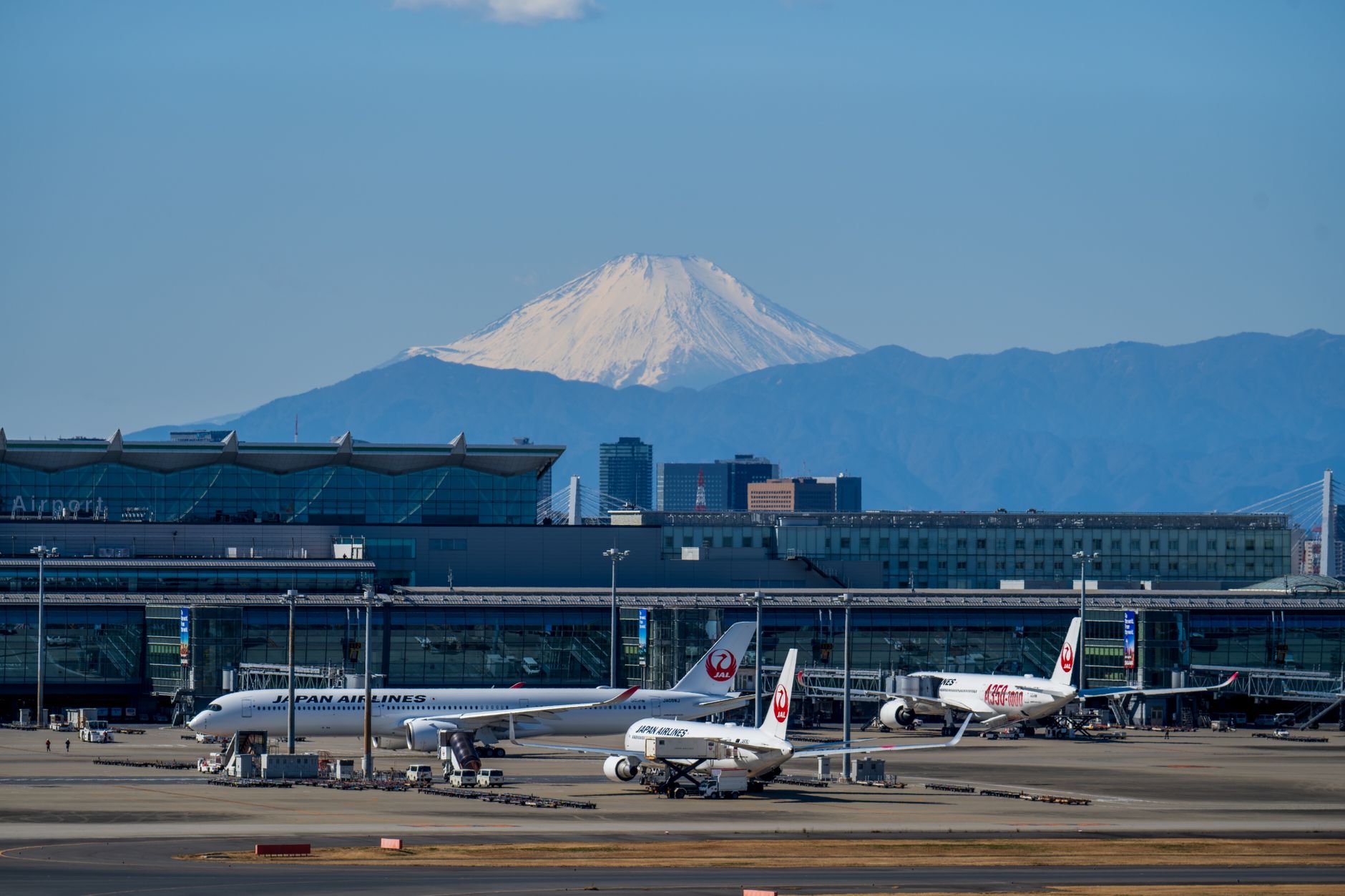
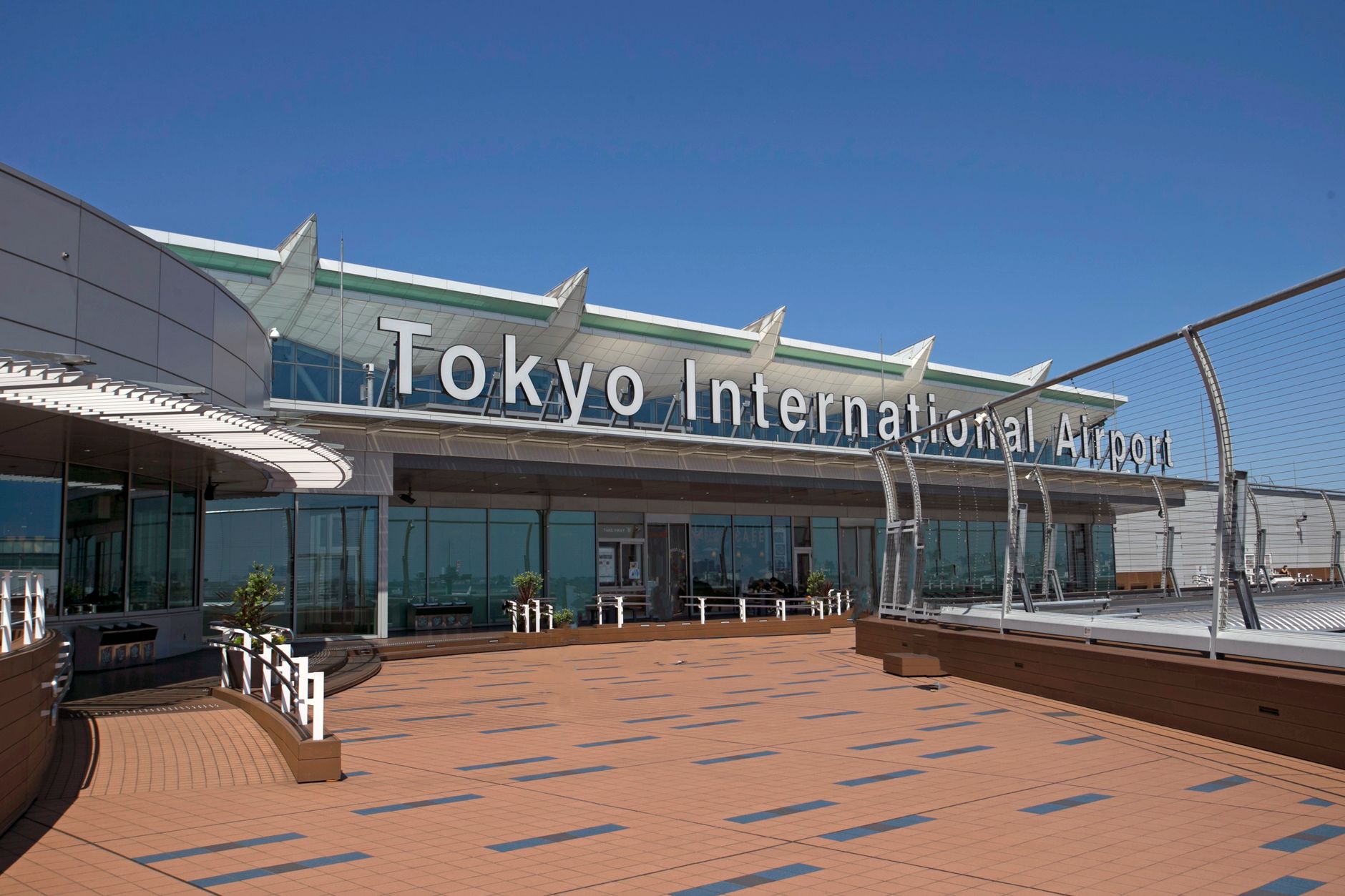
Narita (NRT) and Haneda (HND), both international. Haneda is closer to the centre.
Drive time (estimate):
HND to central Tokyo is roughly 30 to 45 minutes; NRT to the centre roughly 60 to 90 minutes depending on traffic.
Fukuoka (FUK) and Naha (OKA) international; Kagoshima, Kumamoto, Nagasaki, Oita and Miyazaki have a few Asian or domestic routes.
Drive time (estimate):
FUK to central Fukuoka is roughly 15 to 25 minutes; OKA to central Naha roughly 20 to 30.
Transfers cover all 47 prefectures. Long-stay hotels near a hospital depend on the city; where there is none, we book the nearest suitable one and add a car.
Usually 3–7 days: tests, waiting for results, results consultation. You are well, and free to travel before and after.
🧬
Stem-cell and regenerative programmes
A few appointments spaced days apart; the days in between are left entirely free. Golf, onsen and tours can go there once your clinic agrees.
💆
Cosmetic surgery, dental work
We schedule golf and tours BEFORE the procedure day; afterwards, a quiet hotel, a private car and a private-bath onsen. That is trip planning for comfort, not medical advice.
👨👩👧
The people travelling with you
Free all day in an unfamiliar city. A day tour, shopping with a waiting car, a Tokyo helicopter flight, a round of golf, arranged for them while you are at the hospital.
Who is paid for what, stated upfront
Paid directly to the medical institution
Examinations · treatment · hospital fees
→You pay the medical facility directly against its own invoice
Does OlaChill book my examination or choose the hospital?
We help. Tell us the purpose, and we connect you to a suitable facility through its international patient desk and help confirm the appointment date. The facility decides whether and when it can see you, and everything medical is between you and its doctors. If you already have an appointment, we simply build the trip around it.
How far in advance should I send my request?
As early as possible, ideally three to four weeks: large hospitals need time to review foreign patient requests, and good long-stay rooms go early. With a week's notice we can still help, with fewer facility and hotel choices.
What about the Medical Stay Visa?
The Medical Stay Visa requires an identity guarantor organisation registered under Japanese rules. We prepare the file with you, follow it through with the registered organisation and the facility, and keep hotel and transport confirmations ready for the application; we do not act as the guarantor ourselves. Many short check-up or cosmetic trips travel on an ordinary short-term stay; whether you need the medical visa depends on nationality and length of stay, and the embassy decides.
I do not have a hospital yet. Can OlaChill propose one?
Yes, that is part of coordination. Tell us the purpose and the city you prefer; we propose suitable facility types, connect you through the international patient desk and help confirm a date. We propose by service type and logistics, not medical opinion; what to examine or treat is for the doctors there.
What documents should I prepare for the trip?
Passport, the appointment confirmation, any referral or records the facility asked for (translated as they instructed), travel insurance papers, and a list of your medicines. Keep medical documents with you and hand them to the facility directly; do not send them to us through the form.
Can I bring my own medicines into Japan?
Personal-use quantities of most prescription medicines are allowed for up to about a one-month supply; larger quantities and certain categories need an import certificate called Yakkan Shoumei applied for in advance, and some substances common elsewhere are prohibited in Japan. Check with the Japanese embassy or Japan's health ministry before you fly. This is a customs matter; we can only remind you to check.