
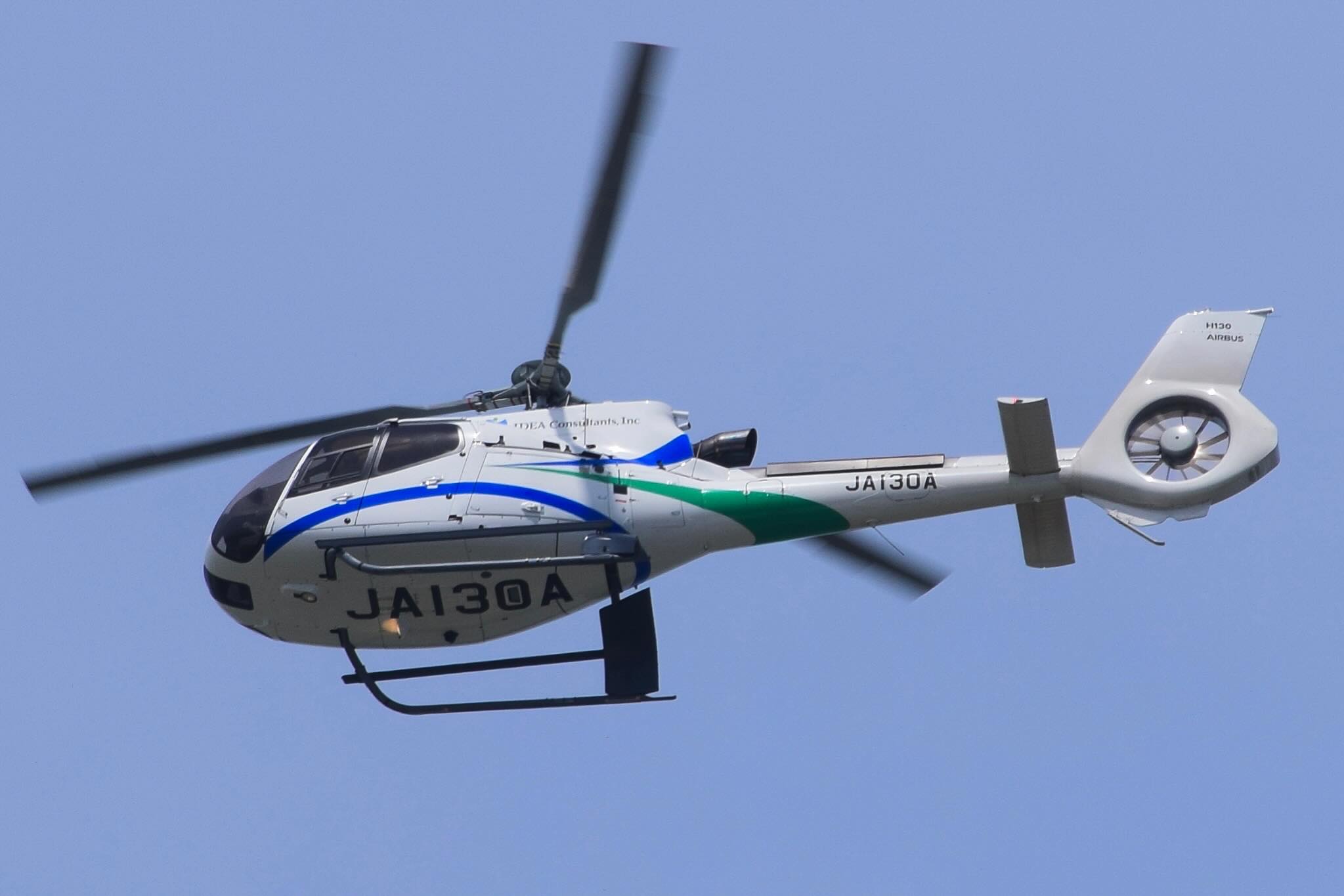
Helicopter tours in Japan
Fly over Tokyo and Mt. Fuji — private charter or by the seat
Where to fly, by day or by night, and from how much
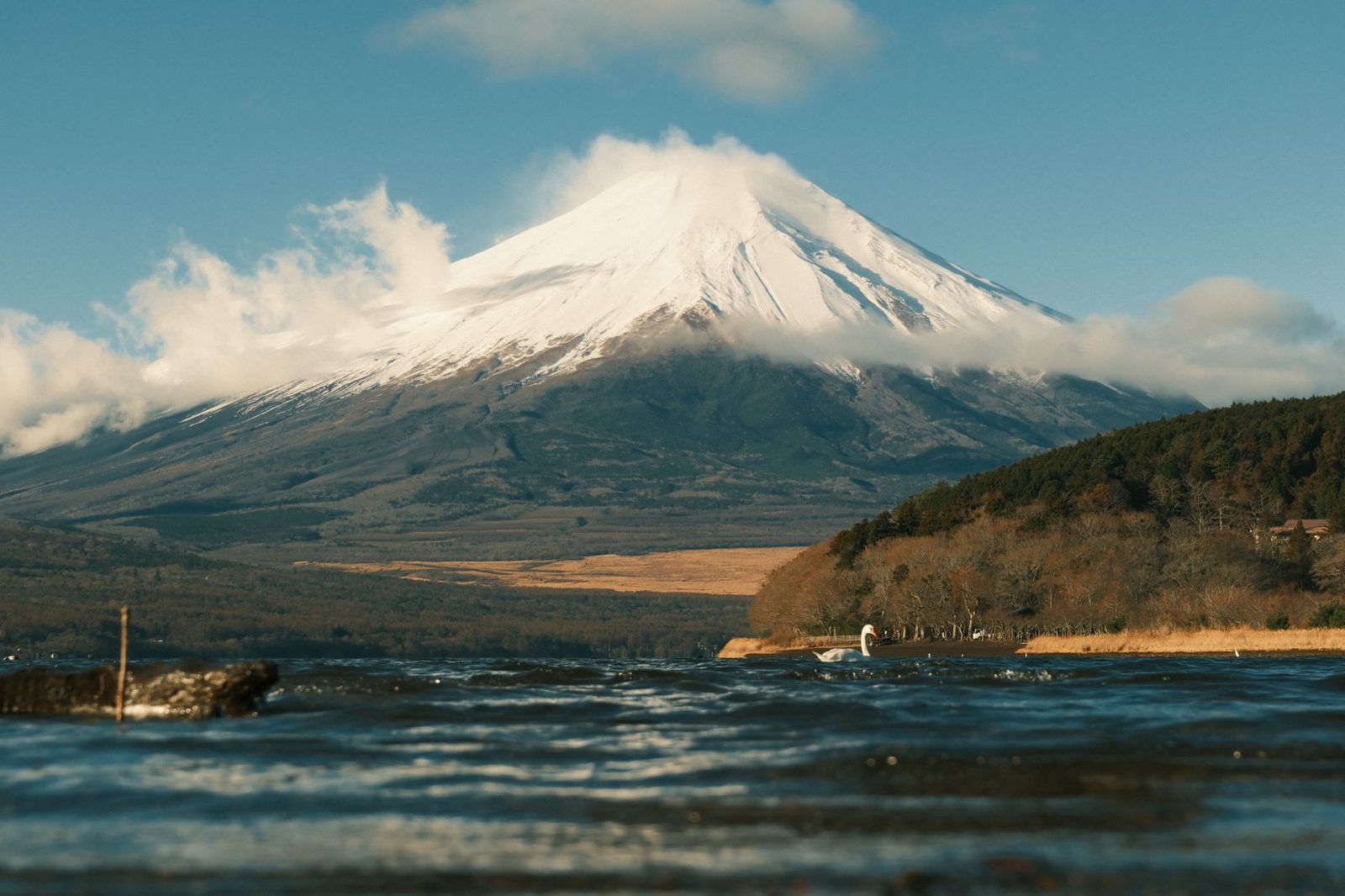
Mt. Fuji
4 flightsFlies over: Tokyo Bay · Mount Fuji · Oshino · Oshino Hakkai · Lake Yamanaka · Lake Kawaguchi
☀️ Dayfrom¥184,500/ per person🌙 NightNo flights
Large helicopter, 4 to 5 seats
4 flightsFlies over: Tokyo Bay · Rainbow Bridge · Tokyo Tower · Tokyo Skytree · Mount Fuji · Oshino
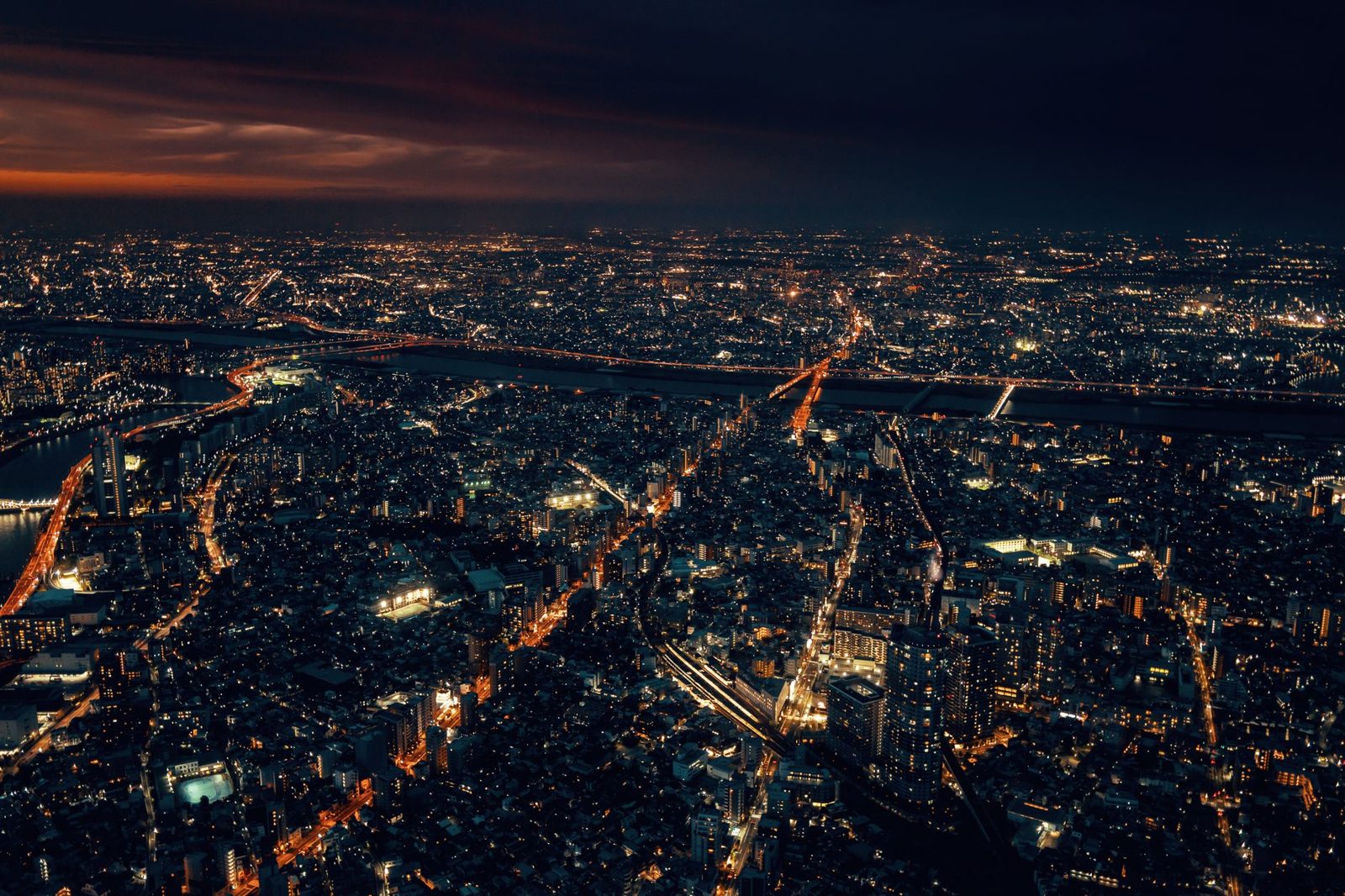
Tokyo
8 flightsFlies over: Tokyo Bay · Shin-Kiba waterfront · Tokyo Skytree · Sumida river · Arakawa river · Tokyo Tower
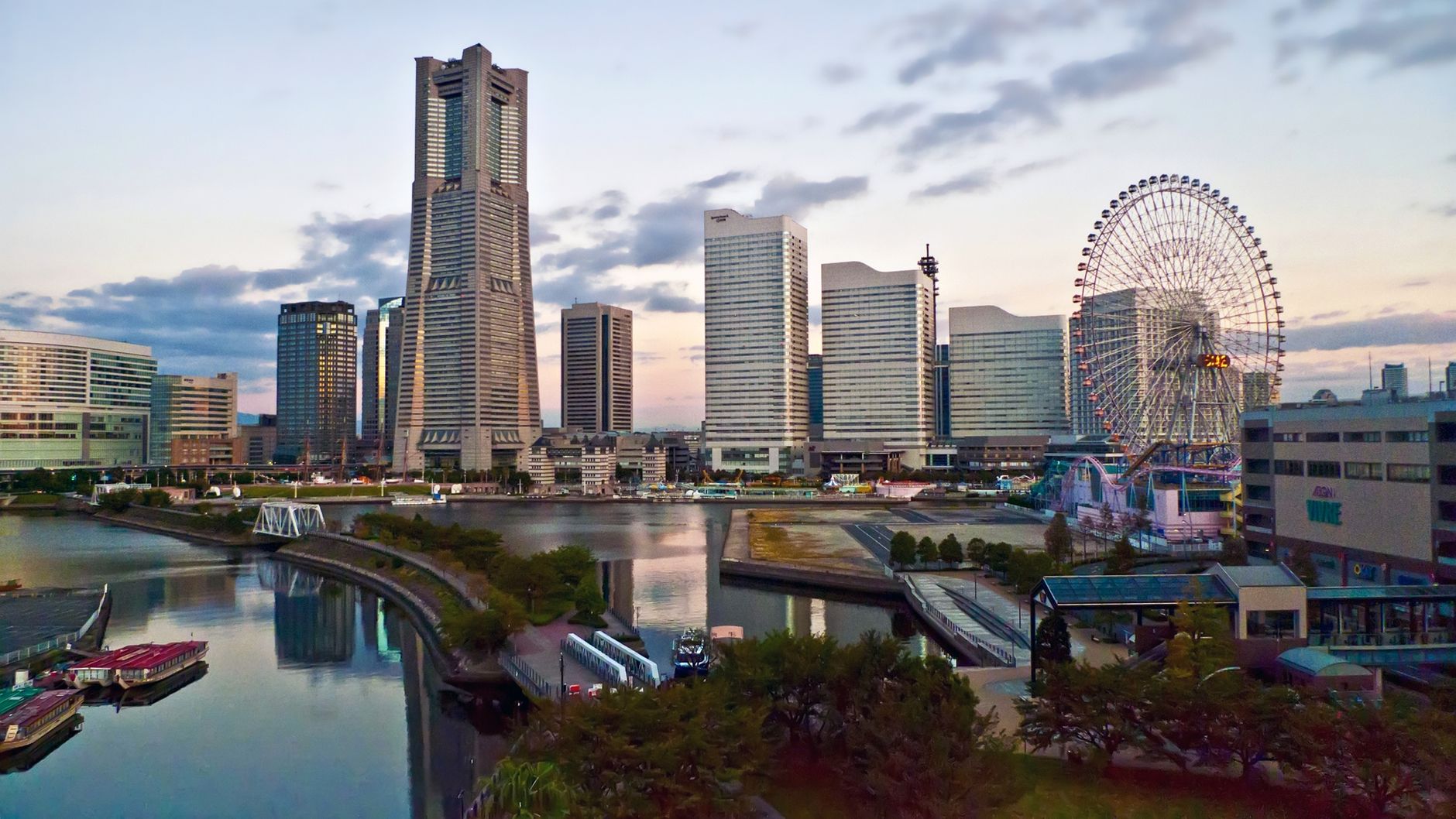
Yokohama
1 flightsFlies over: Minato Mirai · Yokohama Bay Bridge · Yokohama port · Tokyo Bay
☀️ DayNo flights🌙 Nightfrom¥254,800/ per person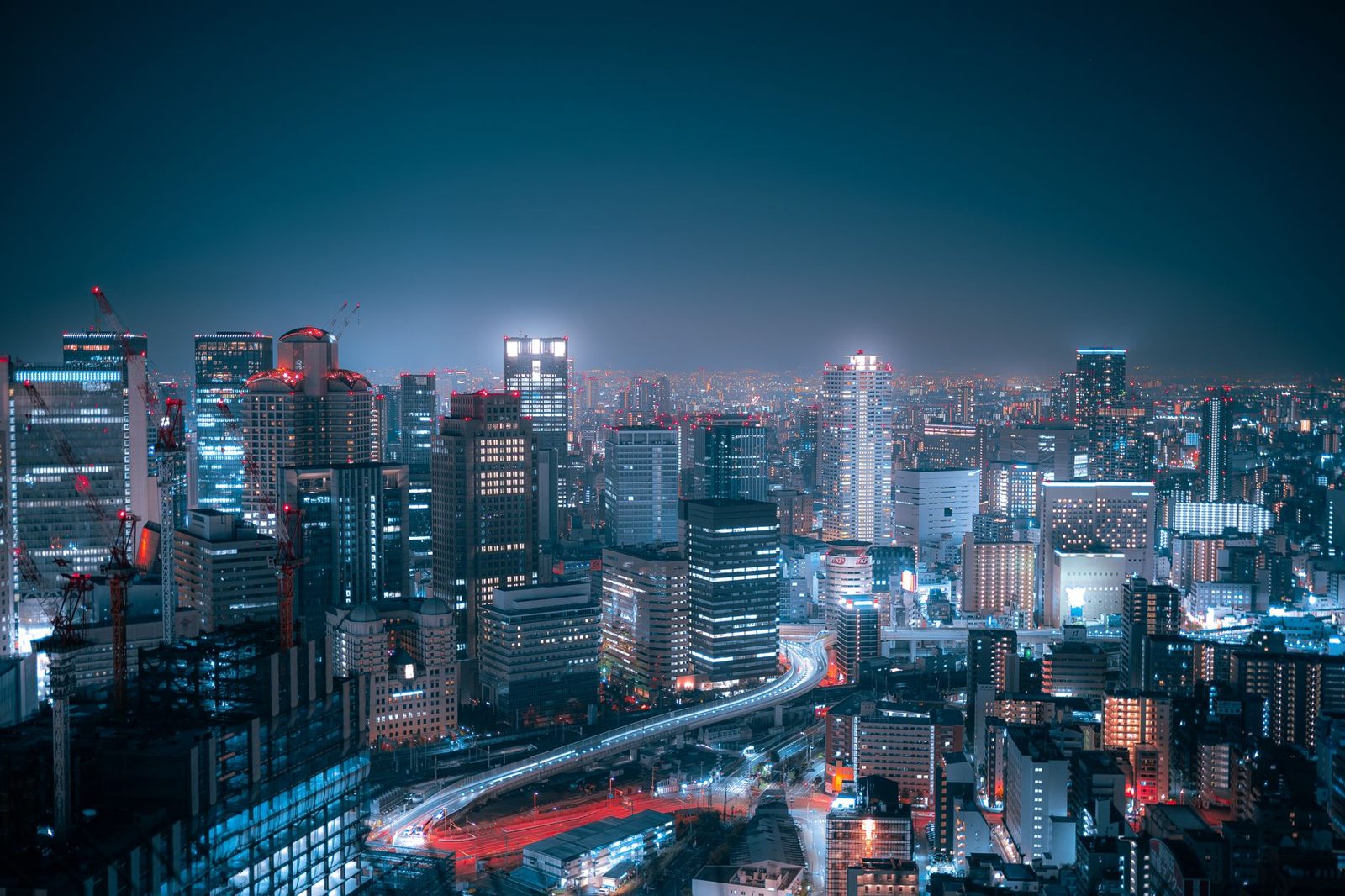
Osaka
13 flightsFlies over: Osaka · Osaka Bay · Osaka downtown · Kofun (World Heritage) · Tumulus of Emperor Nintoku · Osaka landmarks
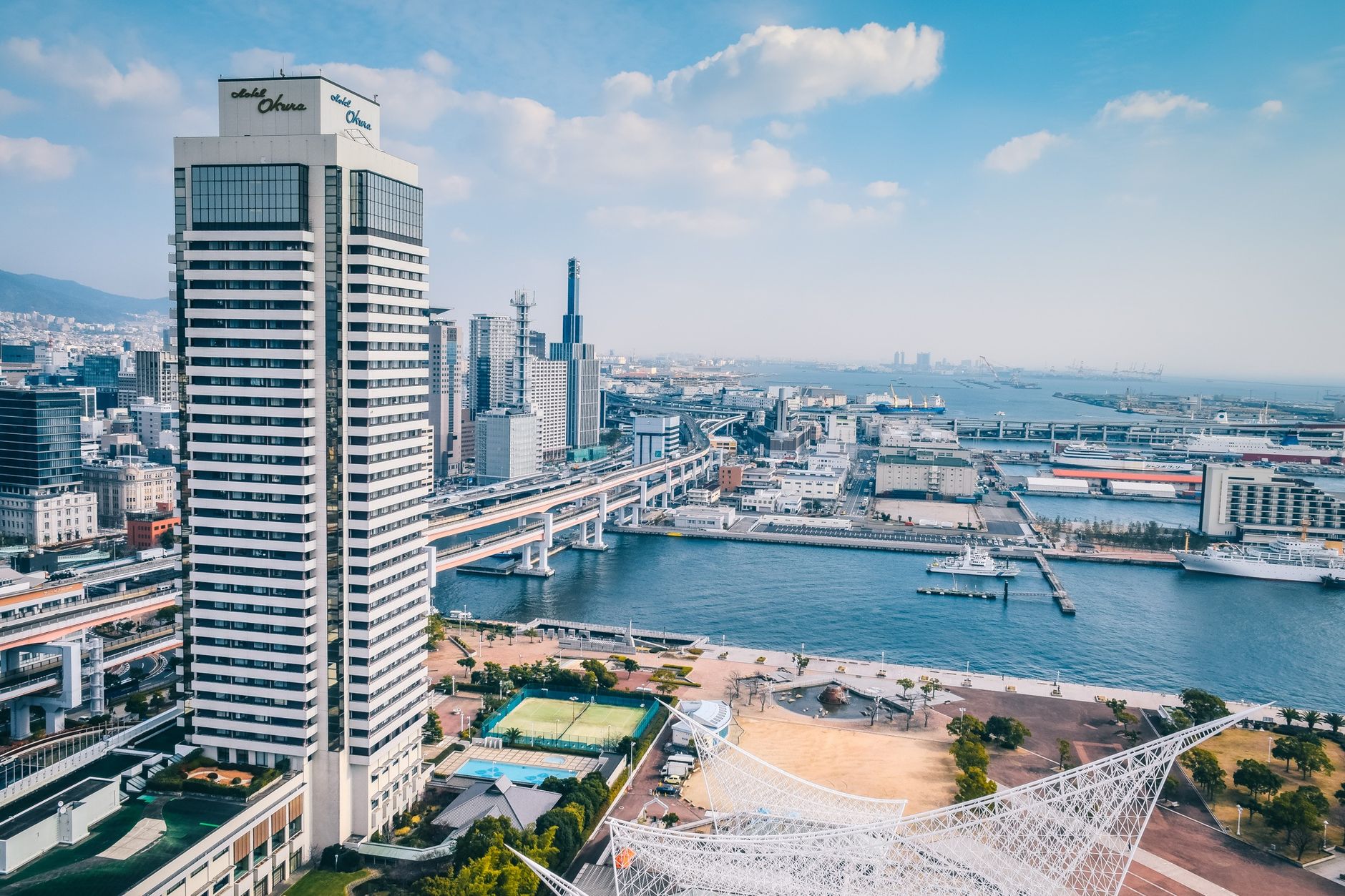
Kobe · Kyoto · Nara
6 flightsFlies over: Osaka · Kobe · Kyoto · Nara
All flights
Tokyo by day4 flights
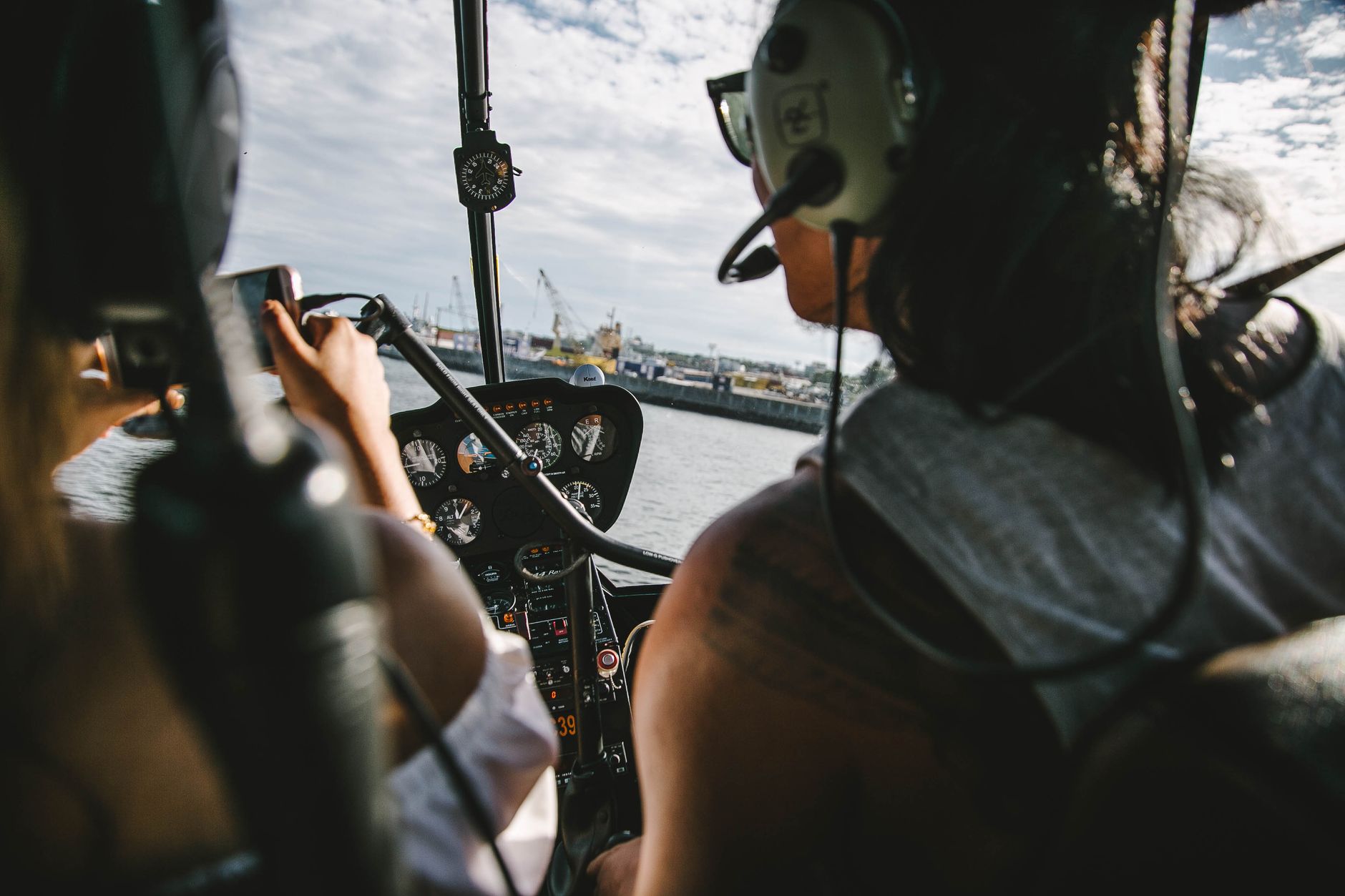
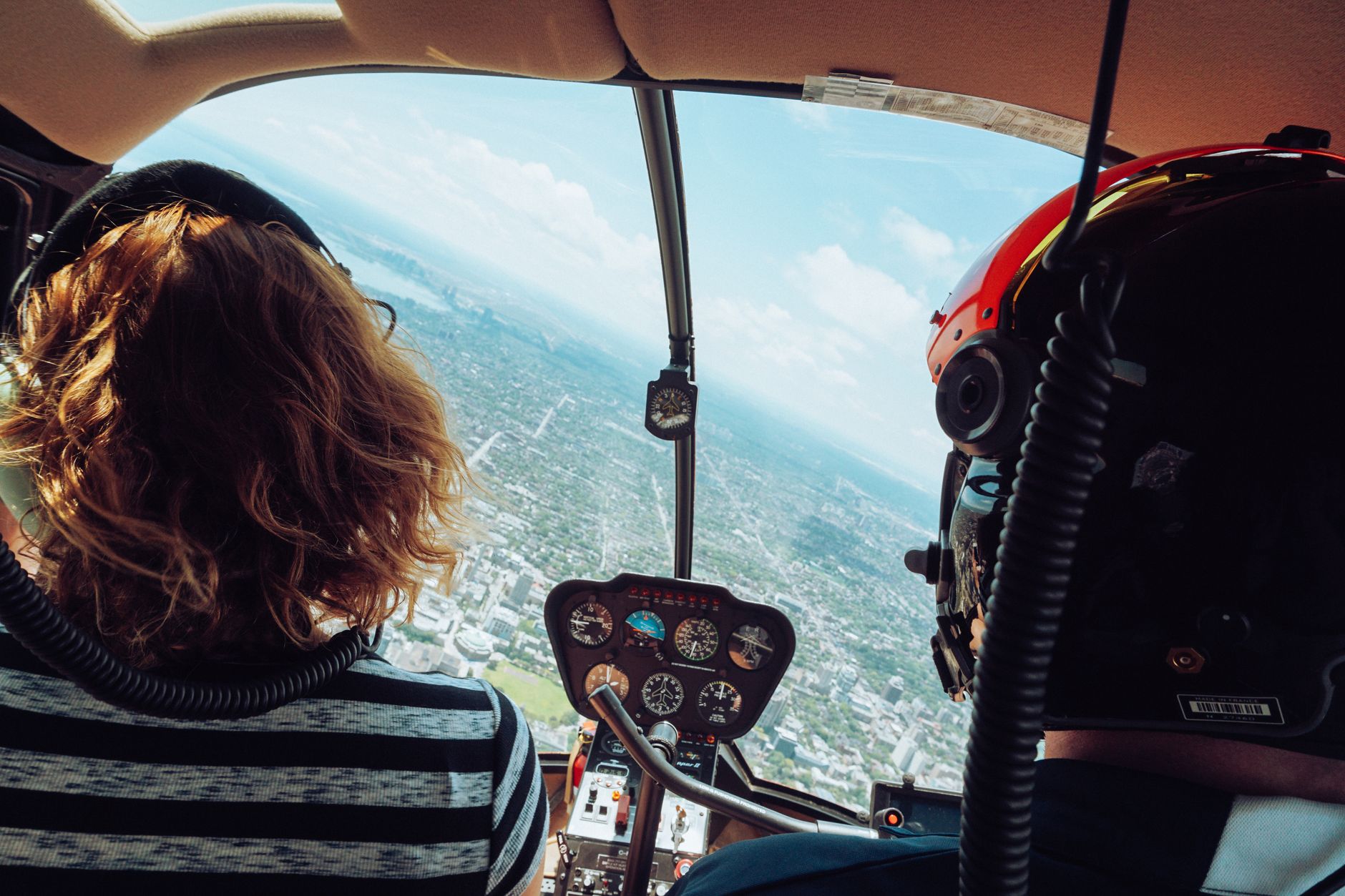
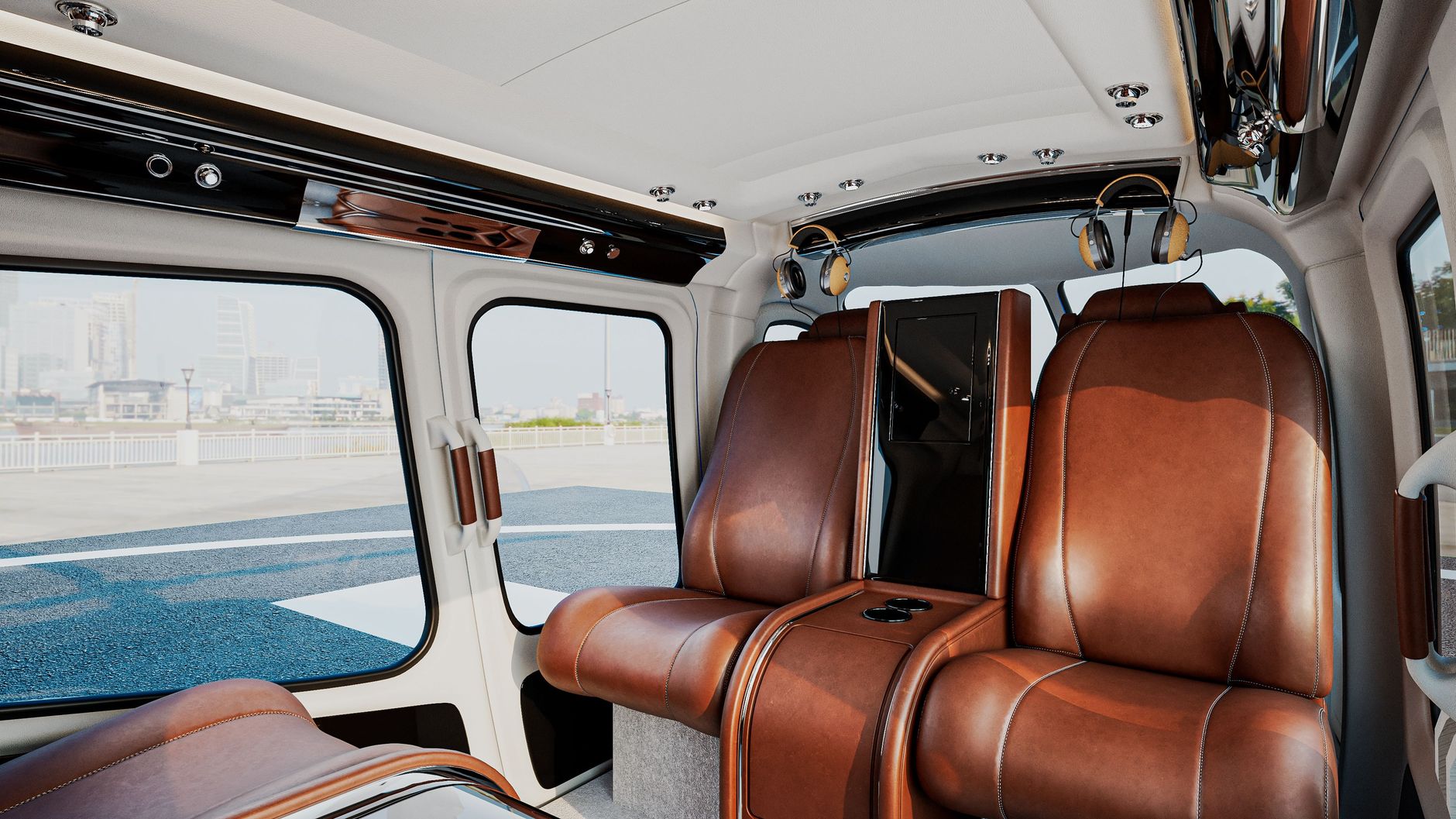
By night · Tokyo & Yokohama5 flights
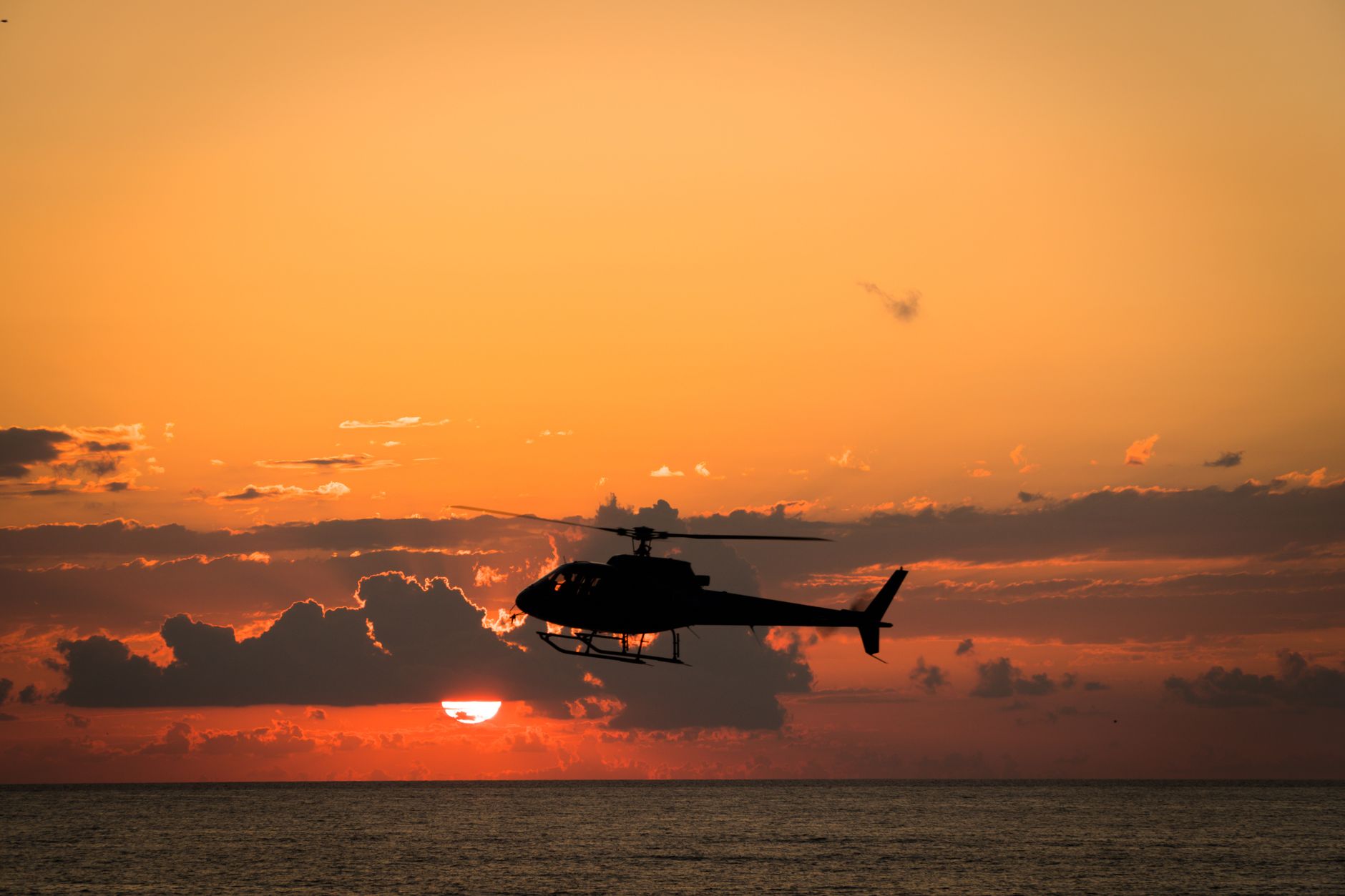
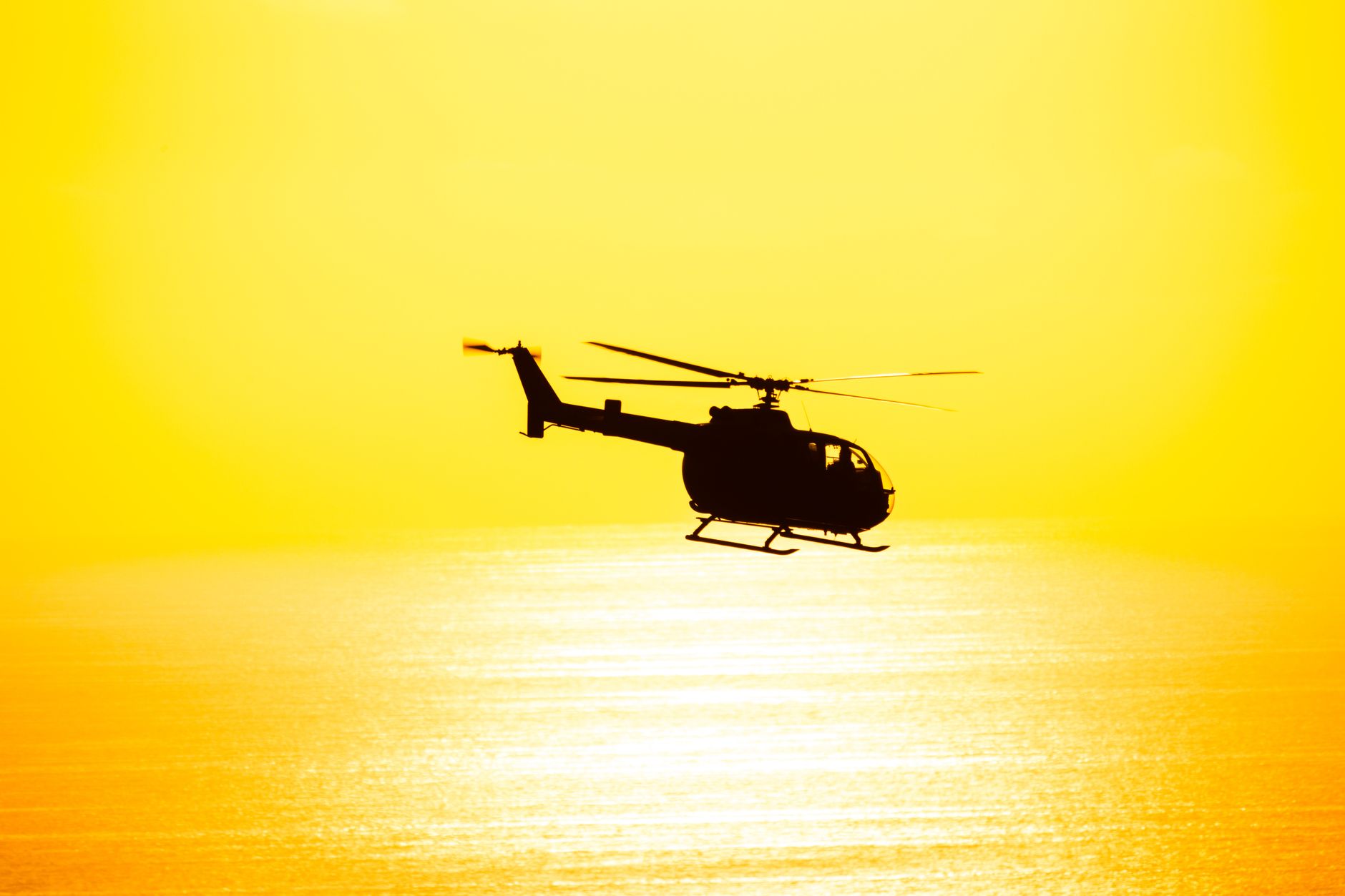
Mt. Fuji4 flights
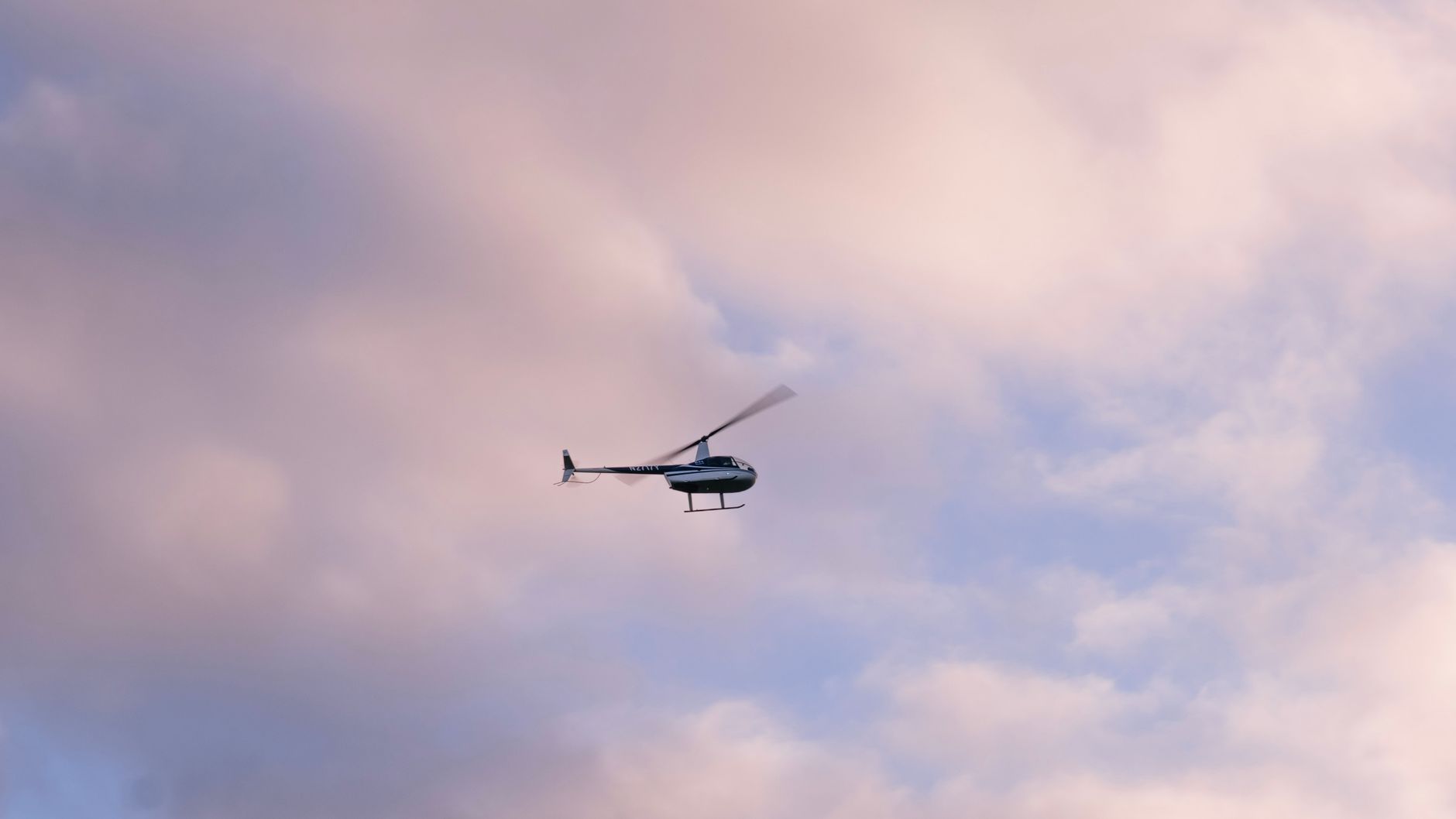
Osaka & Kyoto19 flights
Add-ons for the occasion
Booked alongside the flight — write it in the message box and we confirm the final price before taking payment.
- A bouquet of 108 roses for the proposal¥210,000
- A large or seasonal bouquet¥14,000 – ¥42,000
- Alphard transfer between the city and the helipad¥49,000
- A private photographer with you, before and after the flight¥15,000
- Video of the day, edited into a short film¥15,000
Step 1
Pick a flight
Four tabs: Tokyo by day, by night, Mt. Fuji, Osaka and Kyoto. Every card shows the minutes, the seats and both ways to buy: the whole aircraft (PRIVATE) or one seat (SHARED). Not sure which flight fits? The chat button in the corner reaches a person.
Step 2
Choose a date, pay, get the email
The calendar on each flight page only opens the days the operator still has room. Pick the date, the time slot and the number of guests, then pay online by card or bank transfer. A booking counts as made only once the payment has landed; the confirmation email with your booking code follows right away.
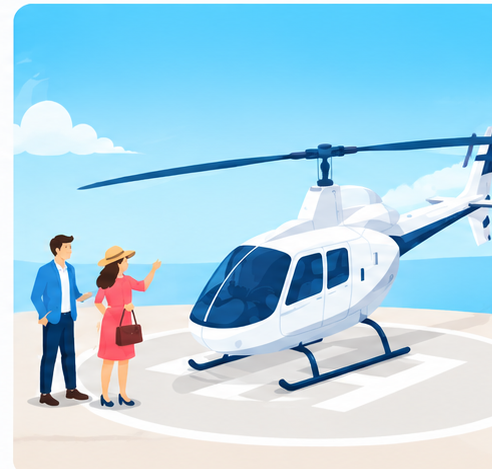
Step 3
Arrive at the heliport on time
The heliport and the meeting time are in your email; the Pickup tab on the flight page has the map. Bring your ID: the pilot needs each passenger's name exactly as printed, nationality and weight for the load sheet. Being late costs the whole flight, not ten minutes, which is why many guests add the door-to-heliport car.
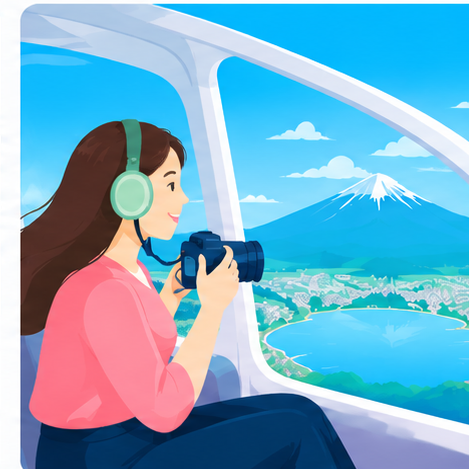
Step 4
Fly
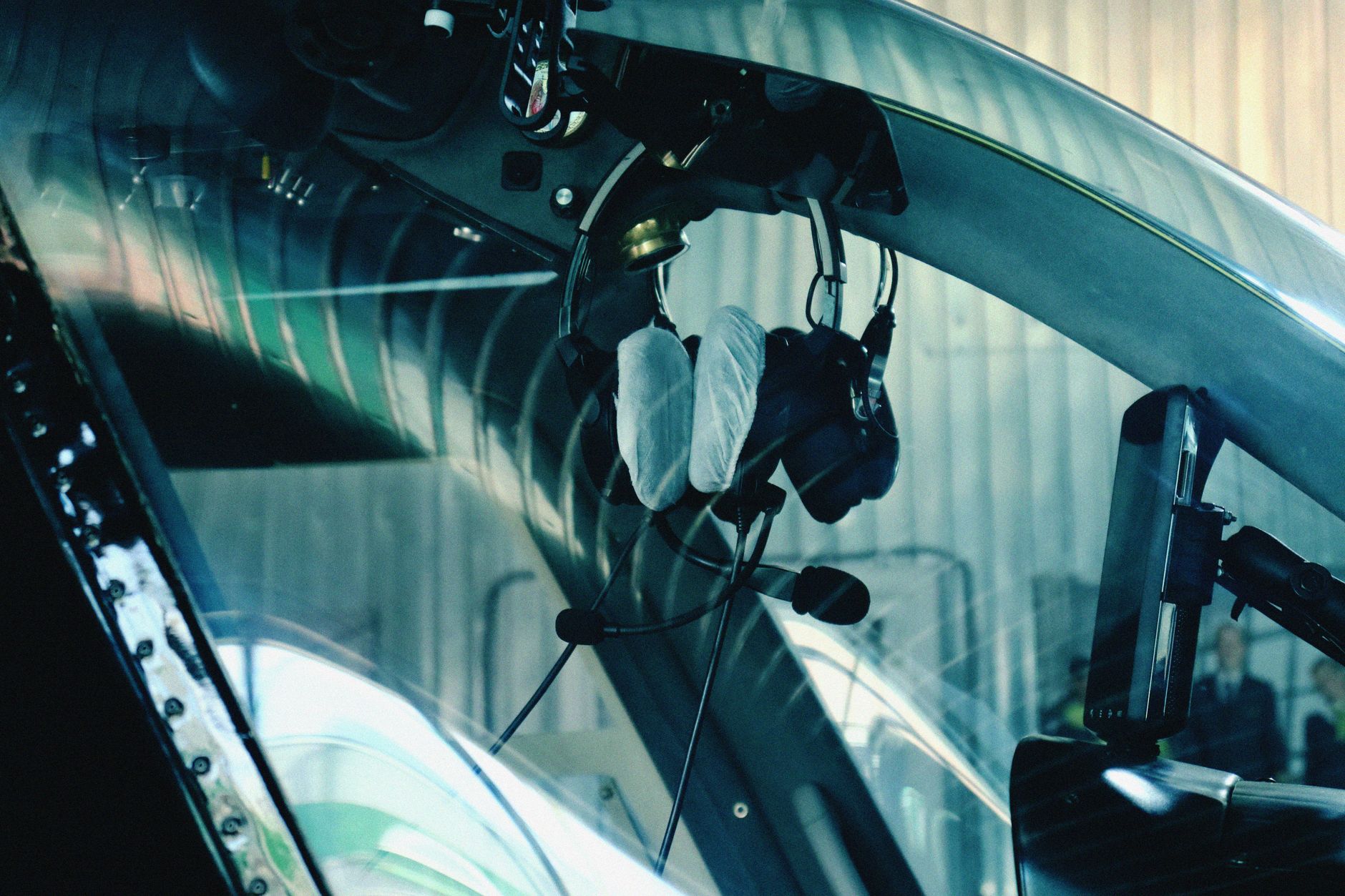
A few minutes of safety briefing, seatbelt on, headset on, then lift-off. The windows are large and every seat is a window seat. If you want a bouquet waiting at the heliport, a surprise-decorated car or a photographer, tick them under Extras when you book, the earlier the better.
The heliport and the meeting time are in your confirmation email. Arriving late costs the whole flight, so check the route beforehand.
🚁 Tokyo Heliport
4-7-28 Shin-Kiba, Koto-ku, Tokyo — 5 minutes by car from Shin-Kiba station
🚉 Getting there: Nearest station: Shin-Kiba (JR Keiyo Line, Tokyo Metro Yurakucho Line, Rinkai Line). From the station it is about 5 minutes by taxi or bus. Postal code 136-0082. Directions to the heliport entrance are sent after your booking is complete.
9 flights depart here📍 Google Maps →
🚁 Funabashi Heliport
Funabashi, Chiba prefecture — the eastern shore of Tokyo Bay
2 flights depart here📍 Google Maps →
🚁 Oshino Heliport
Oshino village, Yamanashi prefecture — at the foot of Mt. Fuji
🚁 Misato Heliport
Misato, Saitama prefecture — on Tokyo's north-eastern edge
1 flights depart here📍 Google Maps →
Osaka, Kobe, Kyoto and Nara flights: the departure pad in the Osaka area is confirmed together with your flight date and stated in the confirmation email.
Questions people ask before they fly
Twenty-two real questions, answered straight — including the parts where you lose money.
What happens if it rains, or the sky is full of cloud?
Light rain and high cloud are usually flyable — what stops a helicopter is wind and poor visibility, not a few drops. The pilot makes the call, and it reaches your inbox at a fixed hour set by your departure time: 09:00–12:00 → decided by 18:00, the evening before · from 12:30 onwards → decided by 10:00, on the day of the flight · from 16:30 onwards → decided by 15:00, on the day of the flight. No email yet means the flight is still on; don't write it off from a weather app and skip it.
The flight is cancelled for weather — what do I get back?
You pick one of two: the full amount back, or a free move to another date. There is no fee either way, and nobody sits on your deposit. A refund goes back the way you paid; a move keeps the price you already agreed, even if the new date lands on a weekend.
What if I want to change the date, or cancel, myself?
Four days' notice or more: one free move. Inside three days: it counts as a cancellation and the cancellation fee applies. That is not strictness — by then the aircraft and the pilot are held for your flight and cannot be sold to anyone else. So if your plans are still soft, book the date you are surest of and tell us early rather than late.
Why do you ask every passenger's weight?
Because the pilot builds the load sheet from exactly those numbers: the aircraft has to balance around a point, and who sits where is decided by weight. This is not paperwork. Understate it by a few kilos and the flight is cancelled at the pad — by then you have paid, travelled out there and lost the morning. The honest number, however unflattering, is always the cheaper one.
What if one of us is over 120 kg, or the group is over the total?
One seat carries up to 120 kg. Total passenger weight is capped at 220 kg on a 3-seat helicopter and 330 kg on a 5-seat one. Over on a single seat: that aircraft cannot take that passenger, but another one can — message us. Over on the total: drop one passenger, or move to a bigger aircraft. Either way, say so before you pay; being turned away at the pad costs the whole flight.
What do you need from us to make the booking?
For every passenger: the full name exactly as printed on your ID, your nationality, and your exact weight in kilograms. Miss one of the three and the pilot cannot finish the load sheet, so the flight is not cleared to take off. The form does not ask for a passport number and we do not write one into our order file — the operator does need it before you fly, but we collect it from each traveller privately, on a secure channel, once the booking is confirmed.
What can we take on board? Where do the suitcases go?
A helicopter cabin has no luggage hold. Bring on board only what sits on your lap: phone, camera, a small bag. Suitcases stay in the heliport building or in the car that brought you — if you are coming straight from the station with luggage, tell us in advance and we will ask the heliport where it can wait, rather than working it out on the day. Leave hats, scarves, umbrellas and drones in the car: the rotor wash is fierce, and anything that gets away from you on the apron is a serious matter.
How old does a child have to be to fly?
From age 3 a child counts as a passenger, takes a seat, and their weight goes on the load sheet like anyone else's — the paperwork does not care about age. One child under 3 may ride on an adult's lap and does not take a seat. Honestly: the cabin is small and loud, and for the length of the flight there is nowhere to step out to. A child who panics halfway takes the whole family with them. For a first flight, the shortest one on the list is the sensible test.
Is the time I pick the take-off time?
No. That is the GATHER time. The helicopter lifts 30 minutes later. That half hour is check-in, the passenger list and the safety briefing — it is not spare time built in for you to be late. Plan your journey against the gather time, and if you are coming by train, add the leg from the station to the pad on top.
What happens if we arrive late?
You lose the flight and there is no refund. It is the harshest line on this page, and the one we least want you to meet. The departure is fixed and cannot wait — there are flights behind yours. The Funabashi, Misato and Gotemba pads all sit outside the centre, and train plus taxi is a real hour or more; if you are not sure of the route, add the transfer so the timing is a driver's job, not yours.
Will I feel sick? I'm afraid of heights — which flight should I pick?
A helicopter rides smoother than most people expect — a sightseeing flight is low, slow, and has nothing like airliner turbulence. Windy days are bumpier. Fear of heights usually bothers people less than they feared, because you are enclosed and looking out sideways rather than down over an edge. The cheap way to find out: take the shortest flight on the list first, don't test yourself on the longest one. Don't fly on an empty stomach, and don't eat a heavy meal right before the gather time either.
How do we shoot through the glass? Can a window be opened?
Windows stay shut for the whole flight — nothing leaves the cabin while the rotor is turning. Shooting through glass still works if you do three things: put the lens right against the window to kill reflections, turn the flash off (a flash only photographs the glass), and wear dark clothes so the cabin does not print itself onto your shot. Keep the strap around your wrist. If you want the left or right side, tell us at booking and we pass the request on — the final seating is still the pilot's call, made on weight. Our photographer service works before and after the flight, not in the cabin.
Are we guaranteed to see Mt. Fuji?
Nobody can promise that, and we will not. Fuji hides behind cloud on a great many days; cold-season mornings are the clearest, and through the summer it is often invisible. The part that matters: CLOUD OVER THE MOUNTAIN IS NOT BAD FLYING WEATHER. The flight still takes off and you still pay, the mountain simply does not appear — the two things are separate. If seeing Fuji is the whole point of the trip, take a morning slot in the colder months and keep a spare day.
Can I fly on my own?
Yes, and there is no surcharge for flying alone. The figure on the card is the price PER PERSON: fly solo and you pay exactly that, with the cabin to yourself. Add people and it multiplies — two pay twice, three pay three times. The booking form shows the total for the number of passengers you pick, before you send anything.
Do we share the cabin with strangers?
Almost everything here is a whole-aircraft charter: in the cabin there is nobody but your party and the pilot. The two exceptions sold seat by seat are the Gotemba–Shonan caravan and the event flights over Osaka, Kyoto and Okinawa — on those you may sit next to other passengers, and the figure on the card is already a per-person price. Want those to yourselves? Buy every seat on the flight. Each product card says which kind it is.
How far ahead should we book?
As soon as your date is firm. The earliest date the form accepts is TOMORROW, because the operator closes the passenger list before the flying day. Aircraft are few, and the good slots — sunset, weekends, the cherry-blossom and autumn-colour weeks — go first. Last minute is sometimes possible, so ask; just remember that a booking made close to the day is a booking you can no longer move for free, since the four-day mark has already passed.
How does payment work? Does sending the form charge me?
It doesn't. Sending the form sends a REQUEST — no seat is held yet and nothing is charged. We check the operator's calendar and reply within 24 hours; the confirmation carries the payment instructions. Until that confirmation lands, please don't buy train tickets or book a hotel around this date — that is the most expensive advice we can give you, and it is free.
Is there insurance? Do we need to buy anything extra?
Every flight already includes third-party liability cover and passenger cover, held in the operator's name. There is nothing extra to buy in order to fly, and we do not sell an insurance upsell alongside it. If you already have your own travel policy, keep it — the two do not collide.
What should we wear and bring?
Ordinary clothes are fine; nothing special is needed. Flat shoes are easier on the apron; loose skirts, long scarves and hats are a nuisance because the rotor wash is strong on the walk out. Dark tops photograph far better through glass than light ones. Bring sunglasses — the sun through cockpit glass is harsher than on the ground. And carry ID that matches the name on the booking.
Where do we take off from, and how do we get to the pad?
Every flight names its own pad on its product page — read that line BEFORE you plan the morning, don't read the word "Tokyo" and order a fifteen-minute taxi. Funabashi, Misato and Gotemba all sit outside central Tokyo: train plus taxi is a real hour or more. Where the operator has not confirmed a departure point, the page leaves it blank rather than guessing; ask us and we will ask them. There is an Alphard transfer if you want it: the driver collects you at the hotel, waits at the pad and brings you back.
Pregnancy, older passengers, someone who can't walk far — can they fly?
Tell us BEFORE you pay, don't turn up and hope. We put your exact case to the operator and come back with a yes or a no — we will not publish a rule here and then take it back at the pad, when you have already paid and already travelled. What to weigh up in advance: boarding means walking across the apron and climbing a fairly high step into a low cabin, with no lift, nobody to carry you, and no stopping once the flight is under way.
Can we add flowers, a photographer or the car?
Yes. Flowers delivered to the pad — order at least three days ahead so the florist can gather that many blooms in one colour; the Alphard transfer with a driver who waits;; a photographer with you before and after the flight; and a short edited film of the day. Every one has its price listed right on the tick box when you book; only the seasonal bouquet shows a range, because you choose its size.