
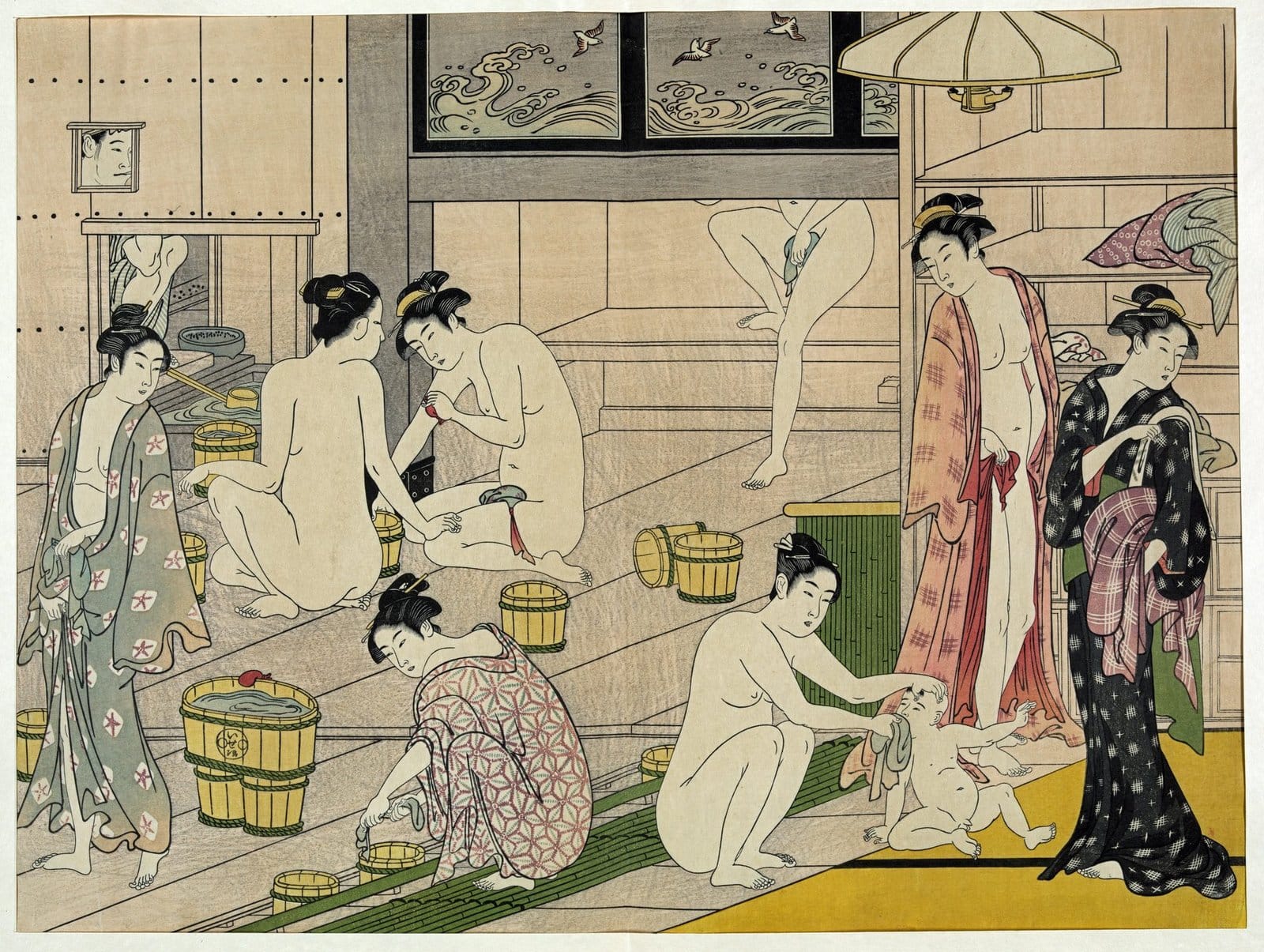
Complete Guide to Japanese Onsen Etiquette
First-time onsen visitors, relax! This 2026 updated guide thoroughly explains Japanese onsen etiquette. From pre-bath washing and towel handling to tattoo considerations and specific information on popular onsen towns nationwide, we clearly introduce key points to deeply enjoy Japan's rich onsen culture.
Apr 13, 2026·✍️ olablog·⏱ 12 min read
First-time onsen visitors, relax! This 2026 updated guide thoroughly explains Japanese onsen etiquette. From pre-bath washing and towel handling to tattoo considerations and specific information on popular onsen towns nationwide, we clearly introduce key points to deeply enjoy Japan's rich onsen culture.
Deep Dive into Japanese Onsen Culture: A Blissful Experience for Mind and Body
Onsen (温泉), or hot springs, are natural baths rich in minerals, gushing from underground, and are special places deeply rooted in Japanese culture. Beyond simply cleansing the body, they have long been cherished as places for toji (湯治, therapeutic bathing), meditation, and rest. Under Japanese law, a hot spring is defined as water containing at least one of 19 specified components, and the types of onsen are remarkably diverse.
However, onsen come with many "unwritten rules" and points of etiquette that Japanese people take for granted. If you bathe without knowing them, you may make the people around you uncomfortable, and in the worst case you may even be refused entry. This guide explains everything you need to enjoy Japan's onsen to the fullest: the basic etiquette, what to know if you have tattoos, and recommended onsen towns around the country.
Basic Onsen Etiquette and Mindset
An onsen is a shared public space. Following the basic etiquette is essential so that everyone can have a comfortable time. Here are the most important points.
1. Kakeyu and a Full Wash Before Bathing Are Mandatory
Getting clean before you enter the bath is the most important rule of all. Because many people share the same water, everyone is expected to help keep it clean.
- Kakeyu (かけ湯): Before entering the bath, scoop a little hot spring water with a wooden bucket and pour it slowly over your body, starting from your feet and the parts farthest from your heart. Do this about 10 times to let your body get used to the water temperature.
- Washing at the washing area: After kakeyu, wash your whole body thoroughly with soap and shampoo at the washing area (a seated shower area), rinse off all the suds, and only then get into the bath. If you have long hair, tie it up so it doesn't touch the water.
2. Bathe Fully Naked, and Keep Your Towel Out of the Water
At Japanese onsen, both men and women normally bathe completely naked. Swimsuits and clothing are not allowed.
- Bathing naked: Undress in the changing room and put your clothes in a locker. It may feel awkward the first time, but everyone around you is naked too, so you will soon get used to it.
- Handling your towel: Only bring a small towel (tenugui) into the bathing area. Use it to cover yourself while walking around, to rest on your head while soaking, or to wipe your face. Never dip it in the bath, wring it out over the bath, or drop it into the water. Fibers and dirt from the towel make the water dirty.
3. Relax Quietly: No Loud Voices or Swimming
An onsen is a place to relax body and mind. Keep your voice down and be considerate so you don't disturb other bathers.
- Keep it quiet: Avoid loud conversations and phone calls, and don't use smartphones or cameras.
- No swimming or diving: The bath is not a pool. Swimming, diving and horsing around are strictly prohibited.
- Bathing after drinking is dangerous: Getting into the bath right after drinking alcohol is very dangerous, as it raises the risk of sudden changes in blood pressure, dehydration and falls. Wait at least 2–3 hours after drinking and make sure you feel completely well before you bathe.
Tattoos and Onsen: What You Need to Know and Your Options
For historical reasons, many onsen facilities in Japan still do not allow people with tattoos to bathe. In recent years, however, the number of tattoo-friendly facilities has been growing to meet a wider range of needs.
Your Options If You Have Tattoos
Cover them with tattoo cover stickers:
- For small tattoos (roughly under 10 cm), some facilities will let you bathe if the tattoo is completely covered with a skin-colored tattoo cover sticker.
- Where to buy: Don Quijote, drugstores (Matsumoto Kiyoshi, Welcia, etc.), variety stores (Tokyu Hands, Loft, etc.), 100-yen shops (Daiso, Seria, etc.), and online stores such as Amazon and Rakuten Ichiba. Online stores also sell "trial sets" so you can match your skin tone.
- Price: Available from around 500 yen.
- Note: Some facilities limit the size or number of stickers, so check with each facility in advance.
Look for "tattoo-friendly" onsen:
- Websites such as "Tattoo Japan" and "Tattoo Navi" let you search for onsen facilities where people with tattoos can bathe.
- In areas popular with tourists (e.g., Hakone, Kinosaki Onsen), the number of tattoo-friendly facilities is on the rise.
Use a private bath (family bath):
- If you want to enjoy the onsen without worrying about other guests, a private bath (kashikiri-buro) or family bath is recommended.
- Typical price: Many facilities charge around 2,000–4,000 yen per hour, and at some accommodations it is included in the stay plan.
- Booking: Advance reservations are often required, so contact each facility directly.
How to Spend Time in the Bath and Aftercare
How you spend your time in the bath and how you look after yourself afterwards also matter for a pleasant onsen experience.
1. Balance Bathing Time and Breaks
It depends on the water type and temperature, but as a general guide keep each soak to about 5–10 minutes and avoid long, continuous bathing.
- Split bathing: Soaking for 5–10 minutes, getting out to rest for 5–10 minutes, and repeating this 2–3 times is said to let you feel the benefits of the onsen without putting strain on your body.
- Stay hydrated: You sweat more than you think while bathing and can easily become dehydrated. Drink water regularly, for example a glass before and after bathing.
- Listen to your body: Onsen water is generally 40–44°C, hotter than a typical home bath. If you feel dizzy or unwell, get out immediately and rest in the rest area. People with high blood pressure or heart conditions, older people and small children should keep their soaks especially short.
2. No Eating or Drinking in the Bathing Area
You cannot bring food or drinks into the bathing area, and chewing gum should be avoided too. After bathing, drinking cold milk or coffee milk in the rest area is part of Japanese onsen culture. It costs around 150 yen from a vending machine, so be sure to try it.
3. Dry Off Lightly Before Returning to the Changing Room
When you leave the bathing area, lightly wipe your body with your small towel so that water doesn't drip onto the changing room floor. A wet floor can make other people slip and fall, and it can also damage tatami or wooden flooring.
4. Should You Rinse Off the Onsen Water?
It is said that onsen minerals keep working when they stay on your skin after bathing. So unless your skin feels irritated, it is recommended to get out without rinsing off in the shower. However, if the water is strongly acidic or you have sensitive skin, a light rinse is fine.
Ryokan Culture and Other Things to Know
If you stay at an onsen ryokan, there are customs unique to ryokan and some other etiquette points worth knowing.
1. How to Wear a Yukata Correctly
At onsen ryokan, it is common to wear the yukata provided in your room while walking around the inn and the onsen town.
- Wrap it left over right: Always wear the yukata with the left collar on top and the right collar underneath. Right over left is how the deceased are dressed, so be careful.
- Wear geta: When walking along corridors or around the onsen town, wear geta (wooden sandals) instead of going barefoot.
2. The Best Times to Bathe
When you stay at a ryokan, it is worth enjoying the onsen several times a day.
- Before dinner: It is customary to bathe, change into a yukata with a clean body, and then enjoy dinner such as kaiseki cuisine.
- Before bed: A quiet onsen at night is something special. A soak that eases the day's fatigue also helps you sleep soundly.
- After waking up: A morning bath in the crisp morning air refreshes both body and mind.
3. Other Points to Note
- Bathing during your period: Bathing in public baths during menstruation is not recommended for hygiene reasons and because of the risk of infection. Using a tampon or menstrual cup reduces the risk, but it is important to change it promptly afterwards and keep the intimate area clean. Consider using a private bath.
- Children: At many onsen facilities, children aged 7 and over are not allowed in the bath for the opposite sex. Some facilities also do not allow infants who are still in diapers to use the large public baths, so check in advance. Choosing a facility with a family bath or baby-friendly amenities gives you peace of mind.
- Contact lenses: Wearing contact lenses is not recommended, because the hot, humid environment and the minerals in the water can deform or dry out the lenses and increase the risk of infection. We recommend wearing glasses or taking your lenses out for the bath.
- Valuables: Always use the lockers in the changing room and keep the key on you at all times. Some water types, such as sulfur springs, can discolor jewelry, so it is best to take it off.
Guide to Recommended Onsen Towns Across Japan
Japan has many onsen towns, each with its own character. Here are some popular ones that are especially recommended for first-timers.
1. Hakone Onsen (Kanagawa Prefecture)
A popular onsen town with easy access from Tokyo, enjoyable as a day trip or an overnight stay. Its appeal lies in its variety of water types and its rich natural surroundings.
- Access: About 90 minutes from Shinjuku Station to Hakone-Yumoto Station on the Odakyu Romancecar.
- Recommended day-use onsen:
- Tenzan Tojikyo: Known for its open-air baths surrounded by nature. Guests with tattoos may bathe, provided they are considerate of others.
- Address: 208 Tonosawa, Hakone-machi, Ashigarashimo-gun, Kanagawa
- Hours: 9:00–22:00 (facility closes at 23:00)
- Price: Adults 1,450 yen, children 700 yen (bathing tax and consumption tax included)
- Access: Right by the "Okuyumoto Iriguchi" stop on the Hakone Tozan Bus Kyukaido Line
- Hakone Kowakien Yunessun (Mori no Yu): Since October 1, 2025, the large "Mori no Yu" public bath can be used only if your tattoos can be completely covered with two designated tattoo cover stickers (sold separately).
- Address: 1297 Ninotaira, Hakone-machi, Ashigarashimo-gun, Kanagawa
- Hours: 11:00–20:00 (last entry 19:00)
- Price: Adults 1,500 yen, children (age 3 to elementary school) 1,000 yen
- Access: Take the Hakone Tozan Bus from Hakone-Yumoto Station and get off at "Kowakien"
- Tenzan Tojikyo: Known for its open-air baths surrounded by nature. Guests with tattoos may bathe, provided they are considerate of others.
2. Kusatsu Onsen (Gunma Prefecture)
One of Japan's three most famous hot springs, known for its abundant flow of strongly acidic water. The onsen town is built around the Yubatake, the town's central "hot water field".
- Access: About 25 minutes by JR Bus from Naganohara-Kusatsuguchi Station on the JR Agatsuma Line.
- Tattoo policy: Otaki no Yu, Goza no Yu and the Sainokawara Open-Air Bath all accept guests with tattoos.
- Recommended day-use onsen:
- Otaki no Yu: Offers baths with different atmospheres, plus the women-only "awase-yu".
- Address: 596-13 Kusatsu, Kusatsu-machi, Agatsuma-gun, Gunma
- Hours: 9:00–21:00 (last entry 20:00)
- Price: Adults 1,200 yen, children 600 yen (age 3 to elementary school)
- Access: About a 10-minute walk from Kusatsu Onsen Bus Terminal
- Sainokawara Open-Air Bath: A vast open-air bath with a total area of about 500 m² (men's and women's sides combined), where you can take in the scenery of every season. There is no washing area.
- Address: 521-3 Kusatsu, Kusatsu-machi, Agatsuma-gun, Gunma
- Hours: 7:00–21:00 (last entry 20:00)
- Price: Adults 700 yen, children 350 yen
- Access: About a 15-minute walk from the Yubatake
- Otaki no Yu: Offers baths with different atmospheres, plus the women-only "awase-yu".
3. Arima Onsen (Hyogo Prefecture)
A historic onsen town counted among Japan's three oldest hot springs. It is famous for its reddish-brown water known as "kinsen" (gold spring).
- Access: About a 5-minute walk from Arima-Onsen Station on the Kobe Electric Railway Arima Line.
- Tattoo policy: Arima Hon-Onsen "Kin no Yu" accepts guests with tattoos.
- Recommended day-use onsen:
- Arima Hon-Onsen Kin no Yu: A day-use facility where you can easily enjoy the "kinsen" water that Arima Onsen is known for. Rich in iron and salt, it is known for keeping you warm and moisturizing the skin.
- Address: 833 Arima-cho, Kita-ku, Kobe, Hyogo
- Hours: 8:00–21:30 (facility closes at 22:00)
- Closed: 2nd and 4th Tuesday of the month (open if it falls on a public holiday, then closed the next weekday), January 1
- Price: Adults 800 yen (650 yen on weekdays), children (elementary and junior high school) 350 yen
- Access: About a 5-minute walk from Arima-Onsen Station on the Kobe Electric Railway Arima Line
- Arima Hon-Onsen Kin no Yu: A day-use facility where you can easily enjoy the "kinsen" water that Arima Onsen is known for. Rich in iron and salt, it is known for keeping you warm and moisturizing the skin.
4. Kinosaki Onsen (Hyogo Prefecture)
An onsen town famous for "sotoyu meguri" (public bathhouse hopping): the highlight is strolling in a yukata between its seven public bathhouses. Another feature is that the whole onsen town is tattoo-friendly.
- Access: Right by Kinosaki Onsen Station on the JR San'in Main Line.
- Tattoo policy: All seven public bathhouses accept guests with tattoos.
With these basics in mind (wash before you soak, keep your towel out of the water, stay quiet, and check each facility's tattoo policy in advance), you can relax and enjoy Japan's onsen culture with confidence.
More from this region — Other
View all →
The Ultimate Guide to Japan's Best Hidden Scenic Driving Routes [2024 Edition]
18 min read · Destinations
14-Day Japan Itinerary for First-Time Americans
9 min read · Itineraries
Japan's Best Cherry Blossom Spots: Peak Times, Fees and Access
17 min read · Seasonal
Don Quijote Shopping Guide: 20 Japanese Souvenirs Worth Buying
16 min read · Practical tips