Two Weeks in Japan
Your ultimate 14-day Japan itinerary for first-time visitors from India & Bangladesh, covering Golden Route, Hiroshima, Hakone, JR Pass tips, and vegetarian/halal dining.
Jul 10, 2026·✍️ olablog·⏱ 21 min read
Your ultimate 14-day Japan itinerary for first-time visitors from India & Bangladesh, covering Golden Route, Hiroshima, Hakone, JR Pass tips, and vegetarian/halal dining.
Japan, a nation where ancient traditions gracefully coexist with futuristic marvels, beckons travelers from India and Bangladesh with its unique charm. This two-week itinerary is meticulously crafted to ensure first- or second-time visitors experience the best of Japan, from its bustling metropolises to serene natural escapes, all while keeping practical considerations like budget, food preferences, and pacing in mind. A 14-day journey can cost approximately ¥350,000 to ¥500,000 per person (roughly ₹196,000 to ₹280,000), excluding flights, depending on your choices in accommodation and dining.
The Japan Rail Pass: Your Golden Ticket?
For any extensive travel across Japan, especially involving multiple cities, the Japan Rail Pass (JR Pass) is often the first consideration. However, with recent price adjustments, a careful calculation is essential for travelers from India and Bangladesh to determine if the 14-day pass truly offers value. As of July 2026, an Ordinary 14-day JR Pass costs ¥80,000, which is approximately ₹44,800. For comparison, this is equivalent to roughly BDT 60,000-65,000 (check current exchange rates).
The JR Pass provides unlimited travel on most JR lines, including the Shinkansen (bullet trains, excluding the fastest Nozomi services), JR local trains, some JR buses, and the Miyajima ferry. This means you can hop on and off trains without purchasing individual tickets, offering immense convenience, much like having an all-access pass for the Indian Railways or Bangladesh Railway network. However, the critical question is whether the monetary savings justify the upfront cost. A round-trip Shinkansen journey between Tokyo and Kyoto alone costs approximately ¥28,000 (about ₹15,680), using a Hikari service which is covered by the pass. To truly make the 14-day pass pay off at ¥80,000, you would need to cover a distance equivalent to at least three to five long-distance Shinkansen segments, or a mix of long-distance travel and extensive local JR line use.
JR Pass Math for this Itinerary: Let's break down the main long-distance segments in our proposed itinerary:
- Tokyo to Kyoto: ~¥13,850 (Hikari Shinkansen)
- Kyoto to Hiroshima: ~¥10,640
- Hiroshima to Shin-Osaka: ~¥10,640 (or direct to Kyoto, similar price)
- Shin-Osaka to Odawara (for Hakone): ~¥11,000 - ¥12,000 (estimate, direct route may involve transfers)
- Odawara to Tokyo: ~¥3,900 (Odakyu line to Shinjuku, not covered, but JR options exist for comparison) or a JR line from Odawara to Tokyo station.
Even with these segments, the cumulative cost of individual tickets might fall short of the ¥80,000 JR Pass price. However, the pass's value extends beyond just Shinkansen tickets. It includes JR local lines within cities like Tokyo (e.g., Yamanote Line) and Osaka, as well as the JR ferry to Miyajima. The psychological freedom of unlimited travel, especially for spontaneous day trips or last-minute changes, is a significant, albeit unquantifiable, benefit. For this "Grand Itinerary" which covers Tokyo, Kyoto, Hiroshima, and Hakone, the 14-day JR Pass is likely to break even or offer a slight saving, especially if you factor in the convenience and flexibility.
Important Note on Prices: JR Group announced that prices for the nationwide Japan Rail Pass will be increasing as of October 1, 2026, primarily through overseas agency channels. The 14-day Ordinary Pass is expected to rise to ¥84,000. However, the official Japan Rail Pass website may offer pre-October prices for a limited window. It is crucial to check the official Japan Rail Pass website closer to your booking date for the most current prices and any promotions.
How to Buy and Activate: Purchase your Exchange Order for the JR Pass before arriving in Japan, either online through the official JR Pass website or by booking it on OlaChill. Once in Japan, usually at a major JR station (like Narita Airport, Haneda Airport, Tokyo Station, or Kyoto Station), present your Exchange Order and passport with a "Temporary Visitor" stamp to exchange it for the actual pass. You can specify a start date for the pass up to 30 days from the exchange date, allowing you to use it strategically. For instance, you could spend your first few days in Tokyo using local transport, then activate your JR Pass when you begin your inter-city travel.
Day 1-4: Tokyo's Pulsating Heartbeat
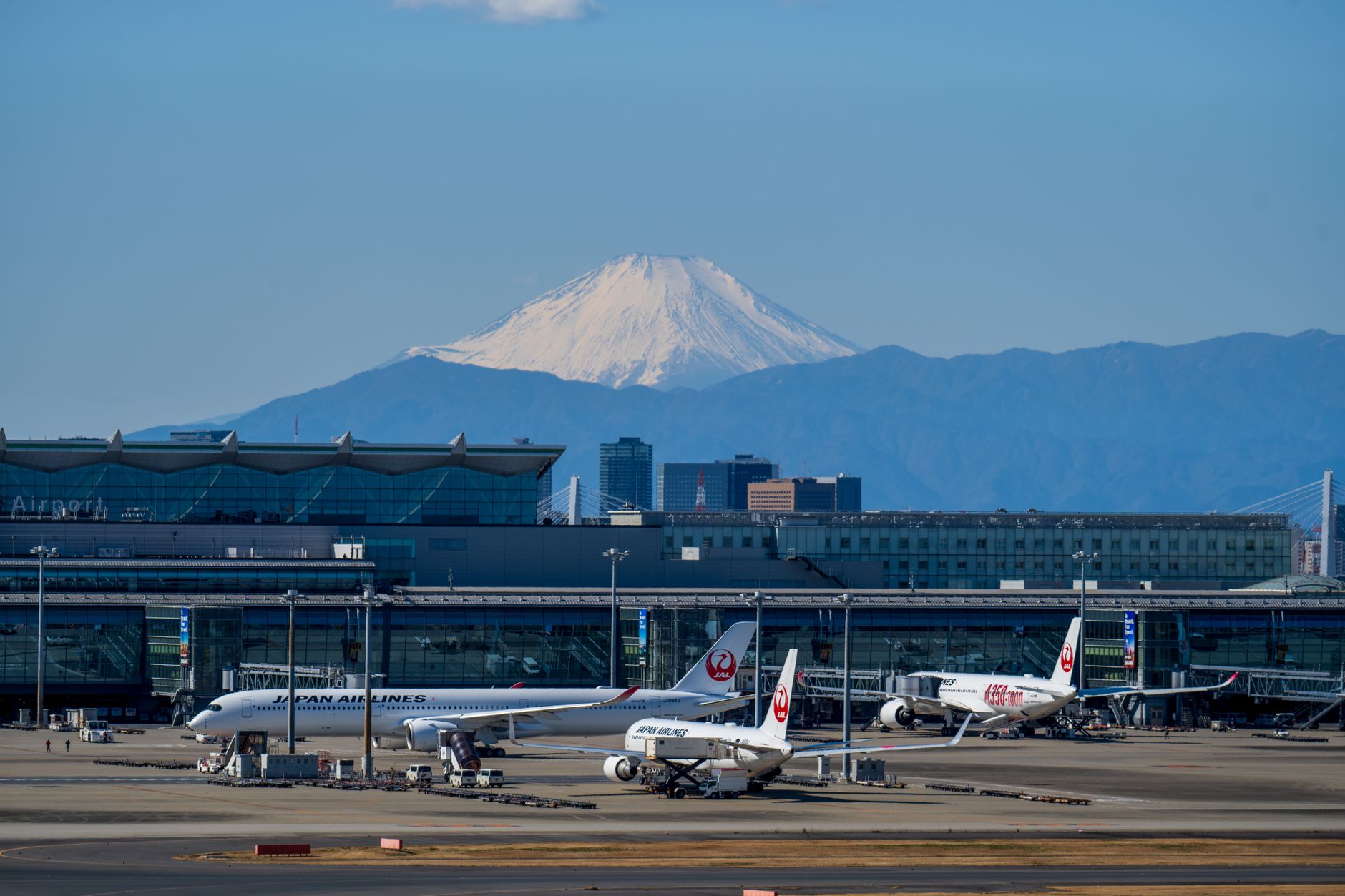
Your grand Japanese adventure begins in Tokyo, a megalopolis that can feel both overwhelming and exhilarating. Landing at Narita (NRT) or Haneda (HND) International Airport, you'll need to make your way into the city. From Narita, the Narita Express (N'EX) takes about an hour to reach major stations like Tokyo, Shinjuku, and Shibuya, costing around ¥3,070 (approx. ₹1,720). The JR Pass covers this journey. From Haneda, the Tokyo Monorail connects to Hamamatsucho Station (covered by JR Pass), from where you can transfer to JR lines, costing around ¥500 (approx. ₹280) to Tokyo Station.
Upon arrival, pick up a rechargeable IC card like SUICA or PASMO. These are indispensable for seamless travel on all non-JR subways, private railway lines, and buses, much like a Delhi Metro card. Simply tap and go. Accommodation in Tokyo varies widely; consider areas like Shinjuku for nightlife and excellent transport links, Shibuya for trendy vibes, or Ueno/Asakusa for a more traditional feel and budget-friendly options.
Sample Tokyo Itinerary (3 Full Days):
- Day 1: Modern Marvels & Shibuya Crossing: Start your day immersing yourself in the iconic Shibuya Crossing, a spectacle of organized chaos. Explore the trendy shops and cafes of Shibuya. Afterwards, head to Shinjuku. Visit the Tokyo Metropolitan Government Building for free panoramic views of the city. In the evening, explore Shinjuku's neon-lit entertainment district, Kabukicho, and consider dining at one of the myriad restaurants.
- Day 2: Culture & Imperial Grandeur: Begin in Asakusa, home to the historic Senso-ji Temple. Wander through Nakamise-dori market, picking up traditional souvenirs. After soaking in the old-world charm, visit the Imperial Palace East Garden (the former site of Edo Castle) for a glimpse into Japan's imperial past. In the afternoon, dive into the electric town of Akihabara, a paradise for anime, manga, and electronics enthusiasts.
- Day 3: Serenity & Shopping: Dedicate your morning to Ueno Park, a vast green space housing museums (Tokyo National Museum), a zoo, and temples. It's a perfect contrast to the city's intensity. In the afternoon, indulge in some upscale shopping in Ginza, or explore the unique boutiques of Harajuku (Takeshita Street) for quirky fashion. For a serene end to the day, visit the Meiji Jingu Shrine, a peaceful oasis dedicated to Emperor Meiji and Empress Shoken.
Vegetarian and Halal Dining in Tokyo: Navigating dietary restrictions in Japan, especially for vegetarian and halal food, has become significantly easier, though it still requires some planning. Many Japanese dishes traditionally use dashi (fish broth) or pork-based ingredients. However, Tokyo, as a global city, offers a growing number of dedicated establishments.
Vegetarian Options: Look for restaurants specializing in 'Shojin Ryori' (Buddhist vegetarian cuisine), often found near temples. Many ramen shops now offer vegan options; T's Tantan in Tokyo Station is a popular choice for its delicious vegan tantanmen. Ain Soph. Journey is a well-known vegan chain with several Tokyo locations, famous for its pancakes and varied menu. Izakaya Masaka offers a completely vegan menu, including crispy-bottomed gyozas, and has locations in both Tokyo and Kyoto. For a unique experience, try vegan sushi at places like Vegan Sushi Tokyo or UDATSU SUSHI.
- Key phrases: "Sumimasen, bejitarian desu" (Excuse me, I'm vegetarian), "Niku nashi" (no meat), "Sakana nashi" (no fish), "Dashi nashi" (no fish broth). Use translation apps generously.
Halal Options: Tokyo has seen a rise in halal-certified restaurants and Muslim-friendly eateries. For Japanese cuisine, consider Halal Ramen Honolu Ebisu or Halal Sakura, which offers Japanese and Uighur fusion. For yakiniku (Japanese barbecue), Halal Yakiniku A5 Gyumon in Shibuya or Halal Wagyu Yakiniku PANGA are excellent choices for premium halal-certified wagyu beef. Indian and Middle Eastern restaurants are also widely available and often cater to halal diets; Falafel Brothers is a great option for quick, healthy bites. Some high-end restaurants, like Daigo (Shojin Ryori kaiseki), can accommodate halal requests with advance notice. Always check their websites or contact them directly. Mosques like Tokyo Camii in Yoyogi Uehara can also be a resource for finding local halal food.
Day 5-7: Kyoto's Ancient Soul
After the bustling energy of Tokyo, journey to Kyoto, the serene former capital, a journey of approximately 2 hours and 40 minutes on the Hikari Shinkansen (covered by JR Pass). This train ride offers picturesque views and a comfortable transition. Kyoto's public transport system, primarily buses and a subway, is efficient. A Kyoto City Bus One-Day Pass (around ¥700, approx. ₹392) is often a good investment if you plan multiple bus rides.
Kyoto offers a stark contrast to Tokyo, with its thousands of temples, traditional wooden houses, and beautiful gardens. It's a city best explored at a measured pace.
Sample Kyoto Itinerary (2 Full Days):
- Day 5: Golden Pavilion & Arashiyama Bamboo Grove: Start your day early at Kinkaku-ji (Golden Pavilion), one of Japan's most iconic sights. Afterward, head to Arashiyama, famous for its towering bamboo grove, Tenryu-ji Temple, and the scenic Hozugawa River. Consider a relaxing boat ride if time permits.
- Day 6: Fushimi Inari, Gion, and Higashiyama: Begin with the mesmerizing Fushimi Inari Shrine, with its thousands of vibrant orange torii gates winding up a mountain. Allocate ample time for this experience. In the afternoon, explore the historic Gion district, known for its geisha culture. Wander through the charming streets of Higashiyama, browsing traditional craft shops and tea houses. Enjoy an evening stroll, hoping to spot a geiko (Kyoto geisha) or maiko (apprentice geisha).
Vegetarian and Halal Dining in Kyoto: Kyoto, with its strong Buddhist heritage, offers more traditional vegetarian (Shojin Ryori) options naturally. Many temples have their own vegetarian restaurants. Izakaya Masaka, mentioned in Tokyo, also has a Kyoto branch for vegan gyoza. For halal options, while less numerous than Tokyo, the city is catching up. Look for Indian and Middle Eastern restaurants, or specialized establishments. Always use "halal" or "vegetarian" filter on restaurant apps like HappyCow or Halal Gourmet Japan.
Day 8-9: Pondering Peace and Sacred Gates: Hiroshima & Miyajima
This segment of your trip offers a poignant historical reflection and breathtaking natural beauty. From Kyoto, take the Shinkansen to Hiroshima, a journey of about 1 hour and 40 minutes (covered by JR Pass). You can base yourself in Hiroshima city for one night or take an early morning train and return to Kyoto/Osaka in the evening, though an overnight stay offers a more relaxed experience.
Sample Itinerary:
- Day 8: Hiroshima's Legacy: Dedicate your morning to the Hiroshima Peace Memorial Park and Museum. This powerful and moving experience is crucial for understanding the city's history and its message of peace. Afterwards, visit the iconic A-Bomb Dome, a UNESCO World Heritage site. In the afternoon, explore Hiroshima Castle or Shukkei-en Garden for a contrasting view of the city's resilience and beauty.
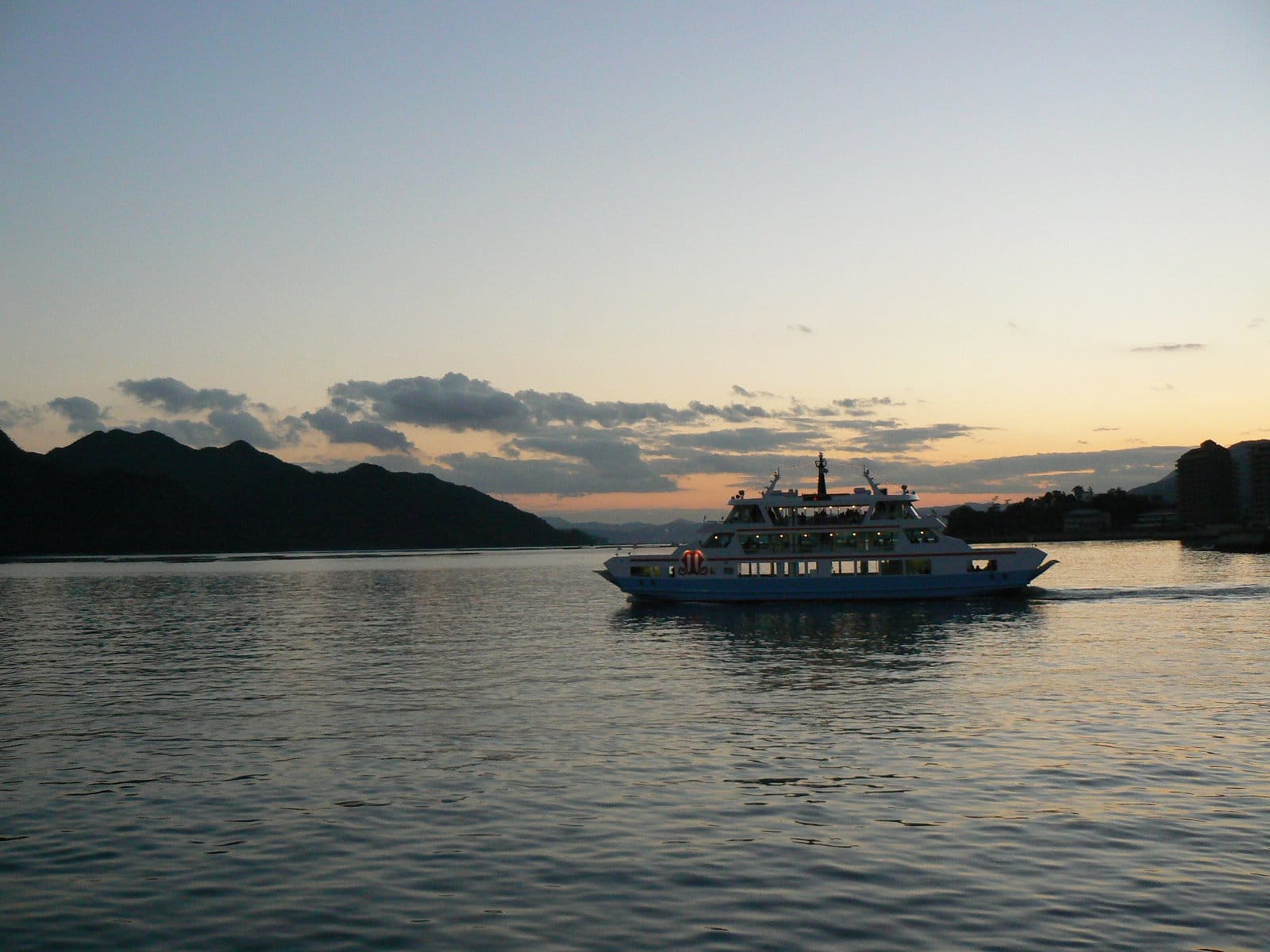
- Day 9: Miyajima's Floating Torii: From Hiroshima, take a short JR train ride to Miyajimaguchi Station, then a JR ferry to Miyajima Island (both covered by JR Pass). Miyajima is home to the stunning Itsukushima Shrine, famous for its "floating" torii gate, especially beautiful at high tide. Explore the island, climb Mount Misen (via ropeway or hiking) for panoramic views, and interact with the friendly wild deer. Enjoy local delicacies, but be mindful of dietary restrictions. Return to Hiroshima or take the Shinkansen back towards the Kanto region (e.g., Odawara for Hakone, or directly back to Tokyo if skipping Hakone).
Vegetarian and Halal Dining in Hiroshima & Miyajima: Finding specific vegetarian or halal Japanese restaurants in Hiroshima and Miyajima might be slightly more challenging than in Tokyo or Kyoto, but it's not impossible. Indian restaurants are often a reliable option for halal food. In Miyajima, be cautious with street food like okonomiyaki, as they often contain pork or seafood. Look for places offering 'modanyaki' or inquire about vegetarian options. Carrying some emergency snacks, especially if you have strict dietary needs, is always a good idea.
Day 10-12: Nature's Embrace: Hakone's Volcanic Splendor (or the Japanese Alps Alternative)
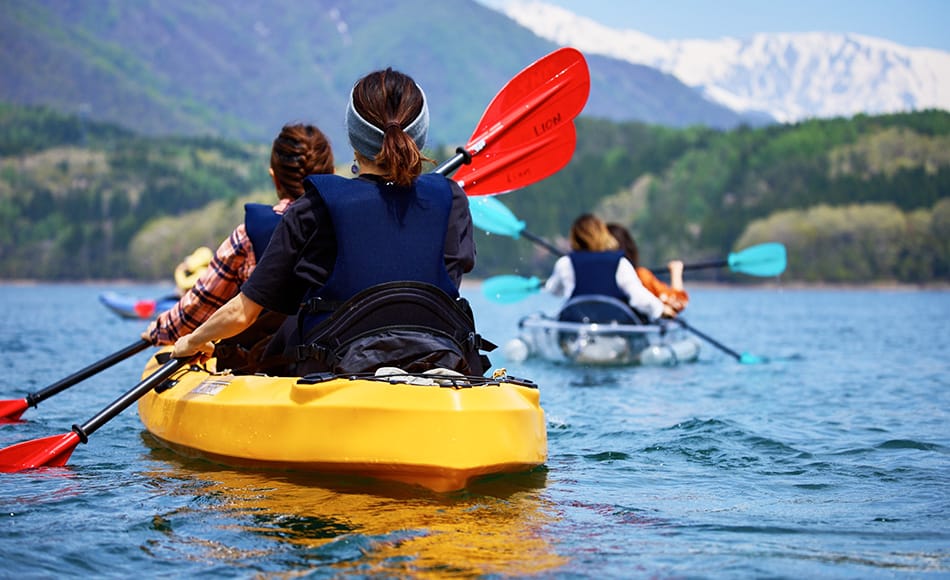
After absorbing the history and culture, it's time for a refreshing escape into nature. For first-time visitors from India and Bangladesh, Hakone, easily accessible from Tokyo, is a highly recommended choice, offering stunning volcanic landscapes, hot springs (onsen), and views of Mount Fuji. For the adventurous, the Japanese Alps (e.g., Takayama, Shirakawa-go) offer a deeper dive into traditional Japan and mountain scenery but require more travel time. We'll focus on Hakone here for its accessibility and classic appeal.
To reach Hakone from the Kyoto/Hiroshima direction, take the Shinkansen to Odawara Station. From there, you'll utilize the Hakone Free Pass.
Hakone Free Pass: Essential for Exploration The Hakone Free Pass is an invaluable ticket for this region. A 2-day pass from Shinjuku costs ¥6,100 (approx. ₹3,416), while a 3-day pass is ¥6,500 (approx. ₹3,640). These prices include a round-trip ticket from Shinjuku (Tokyo) and unlimited use of eight different Odakyu-affiliated transportation methods within the Hakone area, including trains, buses, cable cars, ropeways, and the sightseeing cruise on Lake Ashi. Even if you're coming from Odawara, you can buy the pass without the Shinjuku return leg. Using the pass saves you money compared to buying individual tickets for the "Hakone Loop." For a faster and more comfortable journey from Shinjuku to Hakone-Yumoto, consider upgrading to the "Romancecar" limited express, which requires an additional limited express ticket of around ¥1,200 (approx. ₹672) each way.
Sample Hakone Itinerary (2 Nights, 2.5 Days):
- Day 10: Arrival & Lake Ashi Cruise: Arrive at Odawara, activate your Hakone Free Pass, and take the Hakone Tozan Railway to Hakone-Yumoto. Check into your ryokan (traditional Japanese inn), many of which offer private onsen or halal/vegetarian meal options (book well in advance). Begin the "Hakone Loop" by taking the Hakone Tozan Bus to Moto-Hakone and enjoy a scenic cruise on Lake Ashi aboard a pirate ship, with potential views of Mount Fuji. In the evening, relax in your ryokan's onsen.
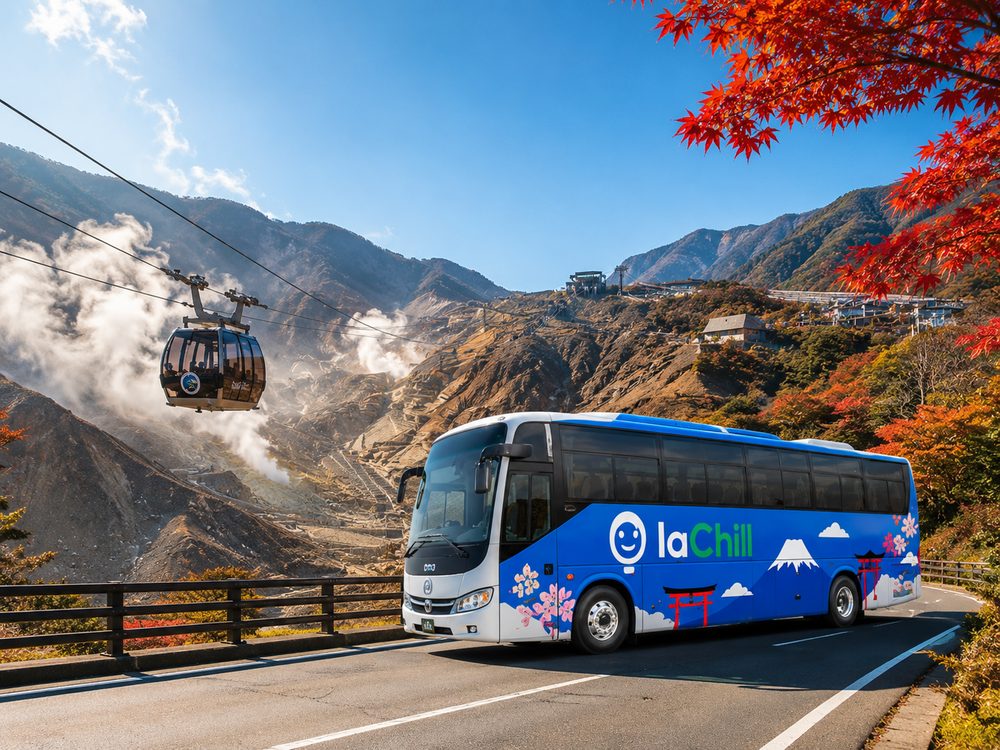
- Day 11: Owakudani & Open-Air Museum: Continue the loop. Take the Hakone Ropeway over Owakudani, the "Great Boiling Valley," an active volcanic zone. You can try the famous black eggs, boiled in the sulfuric hot springs, said to extend your life by seven years. Afterward, descend via the cable car and Hakone Tozan Railway to Gora. Visit the Hakone Open-Air Museum, an impressive outdoor sculpture park. Enjoy another relaxing onsen evening.
- Day 12: Morning Exploration & Return to Tokyo: Spend your morning exploring any missed spots, perhaps a visit to the Hakone Detached Palace Garden or a local craft shop. After lunch, begin your journey back to Tokyo (Shinjuku). Take the Romancecar (with supplement) or a regular Odakyu train.
Packing Across Climates: Hakone, being a mountainous region, can be significantly cooler than Tokyo, especially in spring and autumn. Even in summer, evenings can be breezy. Pack layers: light t-shirts, a sweater or fleece, and a waterproof/windproof jacket are essential. If visiting in winter, expect snow and much colder temperatures, requiring warmer coats, hats, gloves, and waterproof footwear. This varied climate is similar to how you might pack for a trip covering both the plains and the hills of India.
Vegetarian and Halal Dining in Hakone: Hakone has fewer dedicated vegetarian/halal restaurants than major cities. If staying at a ryokan, inform them well in advance about your dietary needs. Many ryokans can prepare vegetarian or sometimes even halal-friendly multi-course meals (kaiseki) if requested. Always double-check upon arrival. Convenience stores are reliable for snacks and basic provisions.
Day 13-14: Tokyo's Farewell & Departure Preparations
Your grand Japanese adventure concludes with a return to Tokyo for last-minute exploration, souvenir shopping, and departure. From Hakone, use your Hakone Free Pass to return to Shinjuku.
- Day 13: Last-Minute Tokyo & Shopping: Use your final full day to revisit a favorite Tokyo neighborhood, explore an area you missed, or indulge in some last-minute souvenir shopping. Areas like Shinjuku, Shibuya, or Ginza offer a wide range of shopping experiences, from department stores to unique boutiques. Consider a visit to Tokyo SkyTree for breathtaking views, or enjoy a final, memorable meal.
- Day 14: Departure: Depending on your flight schedule, you might have time for a final Japanese breakfast or a quick visit to a local market. Plan your airport transfer well in advance. If departing from Narita, the Narita Express (N'EX) is convenient and covered by the JR Pass if still active. Otherwise, express buses or local trains are available. For Haneda, the Tokyo Monorail or Keikyu Line are efficient options. Aim to be at the airport at least 3 hours before your international flight.
Dealing with Luggage: Japan's train stations are generally well-equipped with coin lockers, but these can fill up quickly, especially for large suitcases. Consider using a luggage delivery service (Takuhaibin) like Yamato Transport (Black Cat) or Sagawa Express. You can send your luggage from one hotel to the next, or directly to the airport. This service is incredibly reliable and allows you to travel light, avoiding the hassle of dragging heavy bags through crowded stations. Expect delivery to take one day for most inter-city routes, so plan accordingly.
Mastering Your Japanese Journey: Pacing, Packing, and Practicalities
A two-week trip to Japan, especially for first-time visitors from India and Bangladesh, requires strategic planning to maximize enjoyment and minimize stress.
Pacing to Avoid Burnout: Japan offers an abundance of sights, and it's tempting to try and see everything. However, over-scheduling can lead to exhaustion.
- Allocate Travel Time: Factor in travel time between cities. Even Shinkansen rides, while fast, involve getting to and from stations, navigating large terminals, and checking into new accommodations.
- Mix Intense Days with Relaxed Ones: Balance busy sightseeing days with lighter ones. For instance, after a full day of exploring Tokyo, dedicate the next to a more relaxed pace, perhaps visiting a single museum or enjoying a leisurely park stroll.
- Build in Downtime: Don't underestimate the need for breaks. Japanese cities can be densely packed, and the constant sensory input can be tiring. Enjoy a coffee break at a local cafe, spend an hour people-watching, or simply relax at your hotel.
- Consider Shorter Stays in Transit Cities: For places like Hiroshima, a one-night stay or even a very early morning day trip from Kyoto can be sufficient if you prioritize core sights, reducing the number of hotel changes.
Packing Smart Across Climates: Japan experiences four distinct seasons, and your packing list will vary dramatically. Even within a single season, temperatures can differ between cities and mountainous regions like Hakone or the Alps.
- Layers are Key: Regardless of the season, dressing in layers is the most effective strategy. This allows you to adapt to temperature changes between indoors (which can be heavily heated or air-conditioned) and outdoors, or between different regions.
- Comfortable Footwear: You will be doing a lot of walking. Comfortable, broken-in walking shoes are non-negotiable.
- Rain Gear: Japan experiences a rainy season (tsuyu) from June to mid-July, similar to the monsoon in India and Bangladesh, but rainfall can occur year-round. A compact umbrella and a light waterproof jacket are always useful.
- Electronics: Universal adapter (Type A/B for Japan, 100V, 50/60Hz), portable power bank, and charging cables for all your devices are essential. Wi-Fi is widely available, but a portable Wi-Fi device or a local SIM card can be invaluable.
- Medication & Toiletries: Carry any prescription medications with you, along with a basic first-aid kit. While Japanese pharmacies are excellent, finding specific brands can be challenging. Many hotels provide basic toiletries, but bring your preferred items.
Connectivity: Staying connected is easy. Rent a portable Wi-Fi device (pocket Wi-Fi) from the airport or pre-order one for delivery to your hotel. Alternatively, purchase a local data-only SIM card. This allows you to use navigation apps (Google Maps is excellent for public transport), translate languages, and stay in touch.
Cultural Etiquette (Briefly): While Japanese people are generally very forgiving of tourist mistakes, observing basic etiquette shows respect.
- Bowing: A slight bow is a common greeting and sign of respect.
- Shoes: Remove your shoes when entering homes, some traditional restaurants, temples, and ryokans. Look for shoe lockers or racks.
- Chopsticks: Do not stick chopsticks upright in your rice bowl (it resembles an offering to the deceased) or pass food directly from chopstick to chopstick.
- Public Transport: Keep voices low on trains, and avoid talking on the phone. Eating and drinking on local trains are generally frowned upon, though Shinkansen allows it.
Vegetarian and Halal Dining in Japan: A Practical Guide
The concern about finding vegetarian and halal food is very real for travelers from India and Bangladesh. While Japan's traditional cuisine heavily features fish (dashi) and pork, the landscape is rapidly changing.
Understanding the Challenges:
- Dashi (Fish Broth): Many seemingly vegetarian dishes, like miso soup, often contain dashi. Always ask, or look for restaurants that explicitly state "no dashi" or "vegan."
- Hidden Meats: Ingredients like gelatin (pork-derived) can be in sweets, and pork extract can be in ramen broth or sauces.
- Language Barrier: While many Japanese are helpful, not all staff will understand complex dietary restrictions in English.
Strategies for Success:
- Research in Advance: Use apps and websites like HappyCow (for vegan/vegetarian), Halal Gourmet Japan, and online blogs. Many restaurants will have their menus posted online.
- Learn Key Phrases:
- "Sumimasen, bejitarian desu." (Excuse me, I'm vegetarian.)
- "Niku nashi de onegaishimasu." (No meat, please.)
- "Sakana nashi de onegaishimasu." (No fish, please.)
- "Dashi nashi de onegaishimasu." (No fish broth, please.)
- For halal: "Halal desu ka?" (Is it halal?) or "Butaniku nashi de onegaishimasu." (No pork, please.)
- Carry Dietary Cards: Print out small cards in Japanese explaining your dietary needs (no meat, no fish, no dashi, no alcohol/mirin, no pork, etc.). Show these to restaurant staff.
- Look for Specific Cuisines:
- Indian/Pakistani/Bangladeshi Restaurants: These are generally reliable for vegetarian and halal options, especially in major cities. They often have clear markings.
- Middle Eastern Restaurants: Falafel, hummus, and kebabs are usually safe bets.
- Vegan/Vegetarian Specific Restaurants: The number is growing in Tokyo and Kyoto. Don't assume all "natural food" or "organic" places are vegan/vegetarian; always confirm.
- Shojin Ryori: Traditional Buddhist temple cuisine is inherently vegetarian and often vegan. It's a wonderful cultural and culinary experience.
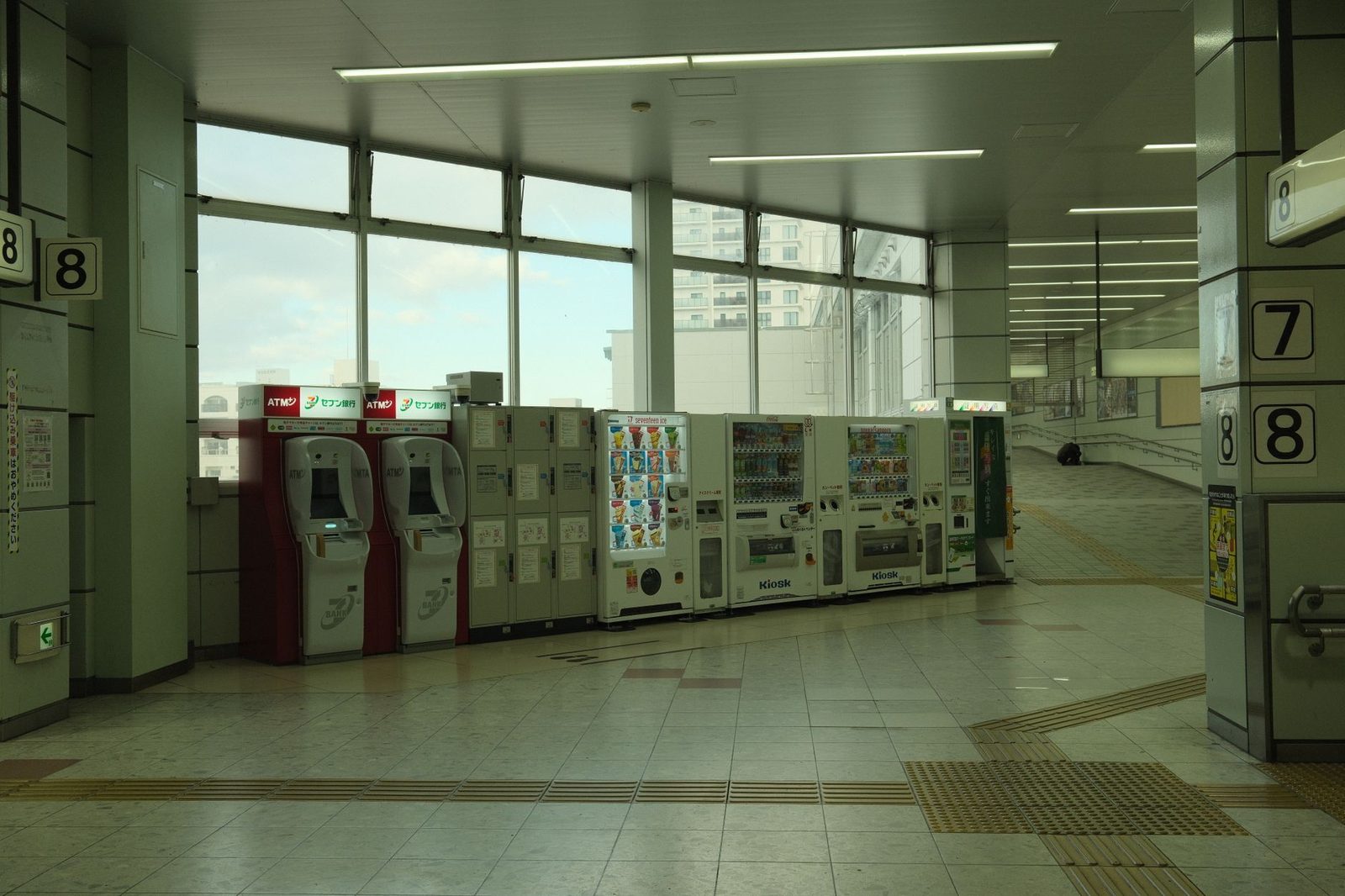
- Convenience Stores: 7-Eleven, FamilyMart, and Lawson are excellent for snacks, fresh fruit, salads (check ingredients carefully), and sometimes even vegetarian rice balls (onigiri) or sandwiches. Look for 'onigiri' with umeboshi (pickled plum) or konbu (seaweed).
- Supermarkets: Buy fresh produce, bread, and packaged foods with clear ingredient labels.
- Be Prepared to Adapt: While efforts are being made, there might be times when options are limited. Be open to simple meals like plain rice, grilled vegetables, or even carrying some instant noodles or ready-to-eat meals from home.
By being informed and prepared, your culinary journey in Japan, whether vegetarian or halal, can be just as enriching as your sightseeing.
Key Takeaways
- JR Pass Calculation is Crucial: The 14-day JR Pass at ¥80,000 (approx. ₹44,800) offers convenience and potential savings for extensive multi-city travel, but individually purchased tickets might be cheaper for less ambitious itineraries. Check for price updates after October 1, 2026.
- Balance Your Itinerary: Mix bustling city exploration with serene cultural sites and natural escapes to avoid burnout. Don't overschedule; allow for spontaneity and rest.
- Master Public Transport: Utilize IC cards (SUICA/PASMO) in cities and the Hakone Free Pass for Hakone. Google Maps is your best friend for navigation.
- Prioritize Dietary Research: Vegetarian and halal options are increasing, especially in Tokyo and Kyoto. Research restaurants in advance, learn key Japanese phrases, or use translation apps to communicate your dietary needs clearly.
- Pack for All Climates: Japan's weather can vary significantly by region and season. Layers, comfortable walking shoes, and rain gear are essential, especially when venturing into mountainous areas like Hakone.
- Embrace Convenience Services: Utilize luggage delivery services (Takuhaibin) to travel light between cities, making your movements much smoother, similar to efficient logistics services in India and Bangladesh.
- Cultural Respect: A basic understanding of Japanese etiquette (e.g., bowing, removing shoes, quiet on trains) will enhance your experience and interactions.
FAQ
Q. Is Japan expensive for travelers from India and Bangladesh? A. While Japan can be perceived as expensive, strategic planning can make it manageable. Compared to the US, the cost of living in Japan is generally lower, and eating out can be more affordable. Budget accommodation, careful JR Pass planning, and utilizing convenience stores for some meals can help keep costs down. Your two-week trip (excluding flights) could range from approximately ₹196,000 to ₹280,000 (¥350,000 to ¥500,000), depending on your choices.
**Q. How do I manage vegetarian food restrictions in Japan?