10 Days in Japan Under ₹2 Lakh
Explore Japan for 10 days from India/Bangladesh under ₹2 Lakh. This budget itinerary covers transport, food, and accommodation, addressing vegetarian/halal needs.
Jul 10, 2026·✍️ olablog·⏱ 17 min read
Explore Japan for 10 days from India/Bangladesh under ₹2 Lakh. This budget itinerary covers transport, food, and accommodation, addressing vegetarian/halal needs.
Japan often conjures images of expensive bullet trains and high-end dining, leading many to believe a trip is out of reach for budget-conscious travellers. However, with smart planning, you can experience the best of this incredible country without breaking the bank. This comprehensive 10-day itinerary details how to enjoy Japan's vibrant cities and serene landscapes for under ₹2 lakh (approximately 200,000 Indian Rupees) per person, excluding international flights, proving that an unforgettable journey is entirely achievable.
Understanding Your ₹2 Lakh Budget: What It Covers
Before diving into the itinerary, let's establish what our ₹2 lakh (approx. BDT 260,000) budget covers. This figure is for your on-ground expenses in Japan for 10 days, including accommodation, inter-city and local transport, food, entry fees for attractions, and a small buffer for incidentals. It explicitly excludes your international flights from India or Bangladesh to Japan, as these costs can vary significantly depending on your departure city, booking time, and airline.
We'll use an exchange rate of approximately ₹0.56 per ¥1 for Indian Rupees (INR) and approximately BDT 0.73 per ¥1 for Bangladeshi Taka (BDT) as of early 2026. This means ¥1,000 is roughly ₹560 or BDT 730. Being mindful of these conversions will be key to staying within budget. While ¥200,000 might seem a generous sum, Japan can be surprisingly affordable if you make informed choices. The goal here isn't just to save money, but to spend it wisely on experiences that offer genuine value, ensuring your trip feels rich, not restricted.
Your budget breakdown will look something like this:
| Category | Estimated Cost (¥) | Estimated Cost (₹ approx) | Estimated Cost (BDT approx) | Percentage |
|---|---|---|---|---|
| Accommodation | ¥50,000 | ₹28,000 | BDT 36,500 | 25% |
| Inter-city Travel | ¥45,000 | ₹25,200 | BDT 32,850 | 22.5% |
| Local Transport | ¥10,000 | ₹5,600 | BDT 7,300 | 5% |
| Food & Drink | ¥60,000 | ₹33,600 | BDT 43,800 | 30% |
| Activities/Entry | ¥25,000 | ₹14,000 | BDT 18,250 | 12.5% |
| Miscellaneous/Buffer | ¥10,000 | ₹5,600 | BDT 7,300 | 5% |
| Total | ¥200,000 | ₹112,000 | BDT 146,000 | 100% |
Note: This table represents a target allocation. Actual spending may vary. The remaining ~₹88,000 (₹200,000 - ₹112,000) from the ₹2 lakh budget provides a generous buffer for your international flights or allows for a higher spend in certain categories if you find cheaper flights.
It’s important to clarify that the ₹2 lakh budget is for land costs only. International flights from major Indian cities like Delhi or Mumbai to Tokyo (Narita or Haneda) can range from ₹40,000 to ₹70,000 or more depending on the season and booking time. From Dhaka, Bangladesh, flights usually fall in a similar range. Booking well in advance, especially during off-peak seasons (like late autumn or early spring, avoiding cherry blossom or Golden Week), can yield better airfares. Consider flying into one airport (e.g., Narita) and out of another (e.g., Kansai International) if it makes sense for your itinerary and flight costs.
Accommodation Choices: Comfort vs. Cost
Accommodation will be one of your largest expenses, but smart choices can significantly reduce this. For a budget under ₹2 lakh, you'll primarily be choosing between business hotels and hostels/capsule hotels. Both offer distinct advantages for travellers from India and Bangladesh looking for value.
Business Hotels: Practical Comfort
Japan's business hotels are a revelation in efficiency and cleanliness. Chains like Toyoko Inn, Dormy Inn, APA Hotel, and Super Hotel offer compact, well-equipped rooms that are often more comfortable and private than hostel dorms, while still being very affordable. Expect to pay around ¥5,000-¥8,000 (₹2,800-₹4,500 / BDT 3,650-BDT 5,840) per night for a single room, or slightly more for a twin/double. Many offer complimentary breakfast, which is a huge money-saver.
- Pros: Private bathroom, often include breakfast, excellent cleanliness, reliable Wi-Fi, often located near train stations. For those accustomed to comfortable, private stays, business hotels offer a familiar level of privacy and amenities.
- Cons: Rooms can be small, limited communal spaces, less social than hostels.
- Booking Tip: Book directly on the hotel's Japanese website for potentially better rates than international booking platforms. For example, Toyoko Inn's official website often has member-exclusive discounts.
Hostels & Capsule Hotels: Social & Ultra-Budget
Hostels in Japan are far from the rough-and-tumble image some might have. Many are modern, impeccably clean, and offer a range of options from dormitory beds to private rooms. Capsule hotels, a unique Japanese invention, offer individual sleeping pods with shared facilities, providing a novel experience at a low cost.
- Hostel Dorm Bed: Expect ¥3,000-¥4,500 (₹1,680-₹2,520 / BDT 2,190-BDT 3,285) per night. Many offer female-only dorms, which can be a comfort for solo female travellers.
- Hostel Private Room: A twin or double private room in a hostel can range from ¥6,000-¥10,000 (₹3,360-₹5,600 / BDT 4,380-BDT 7,300) per night, offering more privacy than a dorm while still allowing access to communal kitchens and common areas.
- Capsule Hotel: Typically ¥3,000-¥5,000 (₹1,680-₹2,800 / BDT 2,190-BDT 3,650) per night. An experience in itself, but not for the claustrophobic.
- Pros: Very affordable, great for meeting other travellers, often have communal kitchens for self-catering (another major budget saver), central locations.
- Cons: Less privacy, shared bathrooms, can be noisy (in dorms).
- Booking Tip: Use sites like Booking.com, Hostelworld, or Agoda. Look for hostels with high ratings for cleanliness and location.
For our ₹2 lakh budget, a sensible approach is a mix: perhaps a few nights in a hostel dorm or capsule hotel to save money and experience something unique, balanced with business hotel stays for comfort and privacy, especially after long travel days. If travelling as a couple, a twin room in a business hotel often works out to be similar or even cheaper per person than two separate dorm beds, while offering much more comfort.
Navigating Japan: Smart Transport Choices
Japan's public transport is legendary for its efficiency and punctuality. However, inter-city travel, especially on the Shinkansen (bullet train), can quickly deplete a budget. Careful planning and choosing the right passes are paramount.
The Japan Rail Pass Dilemma
For many years, the Japan Rail Pass was the default choice for tourists. However, with its significant price increase in late 2023, it is now often not the most economical option for a 10-day trip, especially one focused on a specific region like Tokyo, Kyoto, and Osaka. A 7-day JR Pass costs ¥50,000 (₹28,000 / BDT 36,500) as of 2026. For a 10-day trip concentrated on the Kanto (Tokyo) and Kansai (Kyoto/Osaka) regions, individual Shinkansen tickets combined with regional passes for local travel often work out cheaper or comparable, giving you more flexibility.
Let's do a quick calculation for a typical Tokyo-Kyoto-Tokyo return:
- Tokyo to Kyoto (one-way, unreserved seat): ~¥13,500
- Kyoto to Tokyo (one-way, unreserved seat): ~¥13,500
- Total for return: ~¥27,000 (₹15,120 / BDT 19,710)
This is significantly less than the ¥50,000 cost of a 7-day JR Pass. You would need to make substantial additional long-distance JR trips within those 7 days to justify the pass. For our 10-day itinerary, we'll opt for individual Shinkansen tickets for the core inter-city journey and rely on regional passes for local exploration.
Regional Passes & Local Transport
Instead of a national JR Pass, focus on regional passes and IC cards for local travel:
Tokyo:
- Tokyo Metro 24/48/72-hour Ticket: These passes offer unlimited rides on Tokyo Metro and Toei Subway lines for their duration. A 72-hour ticket costs around ¥1,500 (₹840 / BDT 1,095), which is excellent value if you're doing a lot of sightseeing.
- IC Card (Suica/Pasmo): Similar to Delhi Metro's smart card, an IC card is indispensable for local travel. You load money onto it and simply tap in and out. It works on almost all trains (JR, Metro, private lines) and buses in major cities, as well as for purchases at convenience stores. You can buy one at any major station for a ¥500 (₹280 / BDT 365) refundable deposit, plus your desired charge amount. While it doesn't offer discounts, it offers convenience.
- JR Lines in Tokyo: For JR lines within Tokyo (like the Yamanote Line), your IC card is the easiest option. Individual tickets are also available.
Kansai (Kyoto/Osaka):
- JR West Kansai Area Pass: This pass (1 to 4 days) covers JR trains in the Kansai region, including the Haruka Limited Express to/from Kansai Airport, and local JR lines connecting Kyoto, Osaka, Nara, and Kobe. A 4-day pass is around ¥7,000 (₹3,920 / BDT 5,110). This is a strong contender if you plan extensive day trips within Kansai using JR lines.
- Kansai Thru Pass: This pass (2 or 3 days) offers unlimited rides on non-JR private railways, subways, and buses in the Kansai region (Kyoto, Osaka, Nara, Kobe, Himeji). A 3-day pass is around ¥5,600 (₹3,136 / BDT 4,088). This is ideal if your itinerary leans heavily on non-JR transport, which can sometimes be more direct for specific attractions.
- IC Card (ICOCA): The Kansai equivalent of Suica/Pasmo. You can use your Suica/Pasmo card in Kansai, and vice-versa, as they are interoperable.
For our budget itinerary, we'll primarily use an IC card for Tokyo's JR lines and buses, a Tokyo Metro 72-hour ticket, and then evaluate between the JR West Kansai Area Pass or Kansai Thru Pass based on the specific Kansai itinerary, or simply rely on the IC card if travel is light. The key is to calculate which option provides the best value for your specific movements.
Booking Inter-city Tickets:
For Shinkansen tickets, you can purchase them at any JR ticket office (Midori-no-Madoguchi) at major stations, or via ticket machines. They are easy to use, and English assistance is usually available. For a direct comparison to Indian travel, imagine booking a Rajdhani Express ticket – you can buy it on the spot, but booking a day or two in advance ensures your preferred timing. Online booking is also available via the JR-Central or JR-West official sites, which can be useful for planning.
Mistakes to Avoid:
- Over-reliance on taxis: Taxis are very expensive in Japan. Use them only for emergencies or when public transport is unavailable.
- Buying the wrong pass: Don't buy a pass just because it exists. Always calculate the cost of individual tickets for your planned journeys versus the pass price.
- Forgetting your IC card: Treat your IC card like your wallet; it's your key to seamless local travel.
Savoring Japan on a Budget: Food for All
Food is a highlight of any Japan trip, and thankfully, it doesn't have to be expensive. With a little guidance, vegetarian and halal travellers from India and Bangladesh can also enjoy delicious meals.
Budget-Friendly Food Options
- Convenience Stores (Konbini): FamilyMart, 7-Eleven, and Lawson are your best friends. They offer an incredible array of fresh, affordable, and surprisingly high-quality food: onigiri (rice balls), sandwiches, bento boxes, salads, instant ramen, pastries, and hot snacks like karaage (fried chicken). Many have seating areas and free Wi-Fi. A meal can cost ¥300-¥700 (₹168-₹392 / BDT 219-BDT 511).
- Supermarkets: Especially towards closing time, supermarkets offer discounted bento boxes and ready-to-eat meals. This is perfect for dinner or packing a lunch for a day trip.
- Donburi Chains: Yoshinoya, Sukiya, and Matsuya are ubiquitous. They serve rice bowls (donburi) with various toppings. While many options are meat-based, they often have vegetarian-friendly choices like natto (fermented soybeans) bowls or plain curry rice. A meal here is typically ¥400-¥800 (₹224-₹448 / BDT 292-BDT 584).
- Ramen & Udon/Soba Shops: Some ramen shops offer vegetarian broths, though it's less common. Udon and Soba noodles (wheat and buckwheat noodles) can be a safer bet. Look for "tempura soba/udon" (fried vegetables) or "kitsune udon" (fried tofu), but always confirm if the broth contains dashi (fish stock). A bowl can be ¥600-¥1,200 (₹336-₹672 / BDT 438-BDT 876).
- Department Store Food Basements (Depachika): These are gourmet food heavens, often with incredible bento boxes, sushi, salads, and desserts. While some items are pricey, you can find excellent deals, especially an hour or two before closing, when fresh food is discounted.
Vegetarian & Halal Concerns: Practical Advice
This is a genuine concern for many visitors from India and Bangladesh. While vegetarianism is not as widespread in Japan as in India, and truly halal food requires specific certification, it is manageable with awareness.
- Dashi (出汁): The biggest challenge for vegetarians is dashi, a fundamental stock made from bonito flakes (fish) and kombu (kelp). It's in almost everything: miso soup, ramen broth, sauces, and even some seemingly vegetarian dishes.
- Strategy: Learn to ask "Dashi wa haitte imasu ka?" (Does it contain dashi?) or "Katsuobushi wa haitte imasu ka?" (Does it contain bonito flakes?). A simpler, widely understood phrase is "Watashi wa bejitarian desu. Niku to sakana o tabemasen." (I am vegetarian. I don't eat meat or fish.)
- Vegetarian-Friendly Options:
- Tempura: Many restaurants offer vegetable tempura. Just specify "Yasai tempura" (vegetable tempura) and confirm the dipping sauce doesn't contain dashi.
- Tofu: Tofu dishes are common, especially agedashi tofu (fried tofu in broth) or yudofu (boiled tofu). Again, check the broth.
- Curry Rice: Coco Ichibanya, a popular curry chain, offers a specific "Vegetable Curry" option where the sauce is certified meat-free and fish-free. You can customize spice levels and toppings. This is a reliable and delicious choice.
- Shojin Ryori: Traditional Buddhist temple cuisine is entirely vegetarian and vegan. While often a splurge, it's an authentic experience, particularly in Kyoto.
- Convenience Stores/Supermarkets: The safest bet. Look for plain onigiri (salt, plum), bread, salads (check dressing), fruits, and vegetable snacks. Many packaged foods clearly list ingredients.
- Halal Options:
- Japan has an increasing number of halal-certified restaurants, especially in major cities like Tokyo and Kyoto, catering to the growing Muslim tourist population. Websites like Halal Gourmet Japan or searching "Halal [city name] Japan" are invaluable resources.
- Prayer Rooms: Major airports and some tourist sites now offer prayer rooms.
- General Tip: When in doubt, stick to seafood (if permissible), vegetarian options (after careful checking for dashi), or self-catering from supermarkets. Carrying some instant noodles or snacks from home (ensure they meet customs regulations) can also provide peace of mind.
- Soy Sauce: Most soy sauces contain wheat, but are otherwise fine. Some traditional soy sauces may contain alcohol.
Case Study: A Budget Food Day
- Breakfast: Onigiri and coffee from 7-Eleven: ¥400 (₹224 / BDT 292)
- Lunch: Vegetable curry at Coco Ichibanya: ¥800 (₹448 / BDT 584)
- Dinner: Supermarket bento box bought on discount: ¥600 (₹336 / BDT 438)
- Snacks/Drinks: ¥500 (₹280 / BDT 365)
- Total: ¥2,300 (₹1,288 / BDT 1,679) for the day. This is well within our ¥6,000 daily food budget.
Your 10-Day Sample Itinerary: Tokyo, Kyoto & Osaka
This itinerary balances iconic sights with practical budget considerations, focusing on efficient travel and cost-effective experiences.
Day 1: Arrival in Tokyo & Shinjuku Exploration
- Morning/Afternoon: Arrive at Narita (NRT) or Haneda (HND) Airport.
- From NRT: Take the Keisei Access Express or Narita Express (N'EX). Keisei Access Express to Ueno/Nippori is cheaper (approx. ¥1,200-¥1,600 / ₹672-₹896). N'EX is faster to major JR stations (approx. ¥3,000 / ₹1,680).
- From HND: Take the Keikyu Line or Tokyo Monorail. Both are affordable (approx. ¥500-¥700 / ₹280-₹392) and connect to subway/JR lines.
- Accommodation: Check into your business hotel (e.g., Toyoko Inn Shinjuku) or hostel in Shinjuku or a well-connected area. Purchase a Suica/Pasmo IC card at the station upon arrival.
- Afternoon: Explore Shinjuku. Visit the Tokyo Metropolitan Government Building for free panoramic city views (similar to viewing from the top of a skyscraper in Mumbai/Dhaka, but free). Stroll through Shinjuku Gyoen National Garden (entry ¥500 / ₹280).
- Evening: Experience the bustling atmosphere of Shinjuku. Dinner at a budget restaurant or convenience store.
- Costs:
- Airport Transfer: ~¥1,500 (₹840)
- Accommodation: ~¥7,000 (₹3,920)
- Food: ~¥2,500 (₹1,400)
- Activities: ~¥500 (₹280)
- Local Transport (IC Card initial charge): ¥2,000 (₹1,120)
- Day 1 Total: ~¥13,500 (₹7,560)
Day 2: Tokyo's Cultural Heart & Electronic Buzz
- Morning: Head to Asakusa. Visit Senso-ji Temple, Tokyo's oldest temple, and explore Nakamise-dori market (free entry).
- Lunch: Around Asakusa, look for small eateries serving soba/udon or tempura.
- Afternoon: Take the subway to Akihabara, the electric town. Browse electronics, anime, and manga shops. Even if not buying, the atmosphere is unique.
- Evening: Explore the vibrant Shibuya crossing and Hachiko statue. Dinner in Shibuya.
- Costs:
- Accommodation: ~¥7,000 (₹3,920)
- Food: ~¥2,500 (₹1,400)
- Local Transport (using IC card): ~¥800 (₹448)
- Activities: Free
- Day 2 Total: ~¥10,300 (₹5,768)
Day 3: Imperial History & Harajuku Trends
- Morning: Visit the Imperial Palace East Garden (free entry), part of the former Edo Castle grounds.
- Late Morning: Explore Ginza, Tokyo's upscale shopping district. Window shopping is free!
- Lunch: Grab a bento from a department store depachika in Ginza.
- Afternoon: Experience youth culture in Harajuku. Walk through Takeshita Street, visit Meiji Jingu Shrine (free entry), a peaceful oasis.
- Evening: Enjoy dinner in Harajuku or Shinjuku.
- Costs:
- Accommodation: ~¥7,000 (₹3,920)
- Food: ~¥2,000 (₹1,120)
- Local Transport (using IC card): ~¥700 (₹392)
- Activities: Free
- Day 3 Total: ~¥9,700 (₹5,432)
Day 4: Day Trip to Hakone (One Splurge)
- Morning: This is our splurge day. Take the Odakyu Romancecar from Shinjuku to Hakone-Yumoto (approx. 1.5-2 hours). Purchase the Hakone Free Pass (approx. ¥6,100 / ₹3,416 for 2 days, but we'll use it for a compressed day trip). This pass covers all local transport in Hakone: cable car, ropeway, pirate ship cruise on Lake Ashi, and bus.
- Hakone Loop: Take the Hakone Tozan Railway, Hakone Cable Car, Hakone Ropeway (stunning views of Mt. Fuji on clear days), cruise Lake Ashi, and visit the Hakone Open-Air Museum (entry ~¥1,600 / ₹896).
- Lunch: Simple meal in Hakone.
- Evening: Return to Tokyo.
- Costs:
- Accommodation (Tokyo): ~¥7,000 (₹3,920)
- Hakone Free Pass: ~¥6,100 (₹3,416)
- Hakone Open-Air Museum: ~¥1,600 (₹896)
- Food: ~¥2,500 (₹1,400)
- Day 4 Total: ~¥17,200 (₹9,632)
Day 5: Travel to Kyoto & Gion Exploration
- Morning: Check out of your Tokyo accommodation. Head to Tokyo Station.
- Shinkansen to Kyoto: Take the Nozomi Shinkansen (faster, but not covered by JR Pass) or Hikari/Kodama (slower, but same price if using individual tickets). Purchase an unreserved seat ticket to save a little. (Approx. ¥13,500 / ₹7,560). The journey is about 2.5-3 hours. Remember, booking a Shinkansen ticket is straightforward, similar to buying a train ticket from an IRCTC counter – you can do it at the station.
- Afternoon: Arrive in Kyoto. Check into your hostel or business hotel near Kyoto Station or in a well-connected area.
- Late Afternoon/Evening: Explore Gion, Kyoto's geisha district. Stroll through the historic streets, perhaps spotting a geiko or maiko. Dinner in Gion, looking for affordable options or a convenience store bento.
- Costs:
- Shinkansen to Kyoto: ~¥13,500 (₹7,560)
- Accommodation: ~¥7,000 (₹3,920)
- Food: ~¥2,500 (₹1,400)
- Local Transport (using IC card): ~¥500 (₹280)
- Activities: Free
- Day 5 Total: ~¥23,500 (₹13,160)
Day 6: Kyoto's Temples & Bamboo Forest
- Morning: Visit Fushimi Inari Taisha (free entry), famous for its thousands of vermilion torii gates. Walk through the scenic trails.
- Lunch: Around Fushimi Inari, there are many street food stalls and small restaurants.
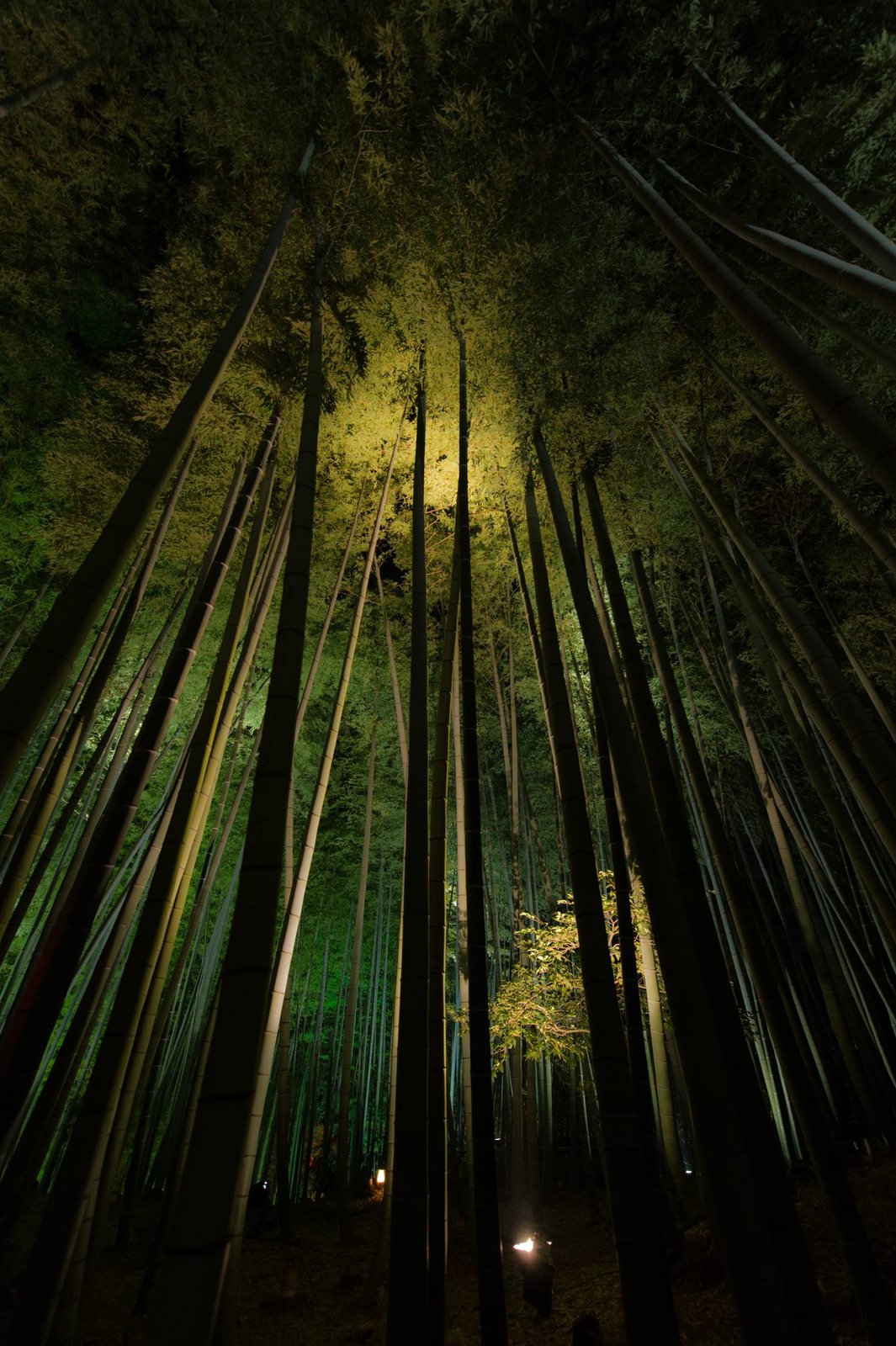
- Afternoon: Head to Arashiyama. Walk through the iconic Bamboo Grove (free entry). Visit Tenryu-ji Temple (entry ¥500 / ₹280) or other nearby temples if time permits.
- Evening: Return to central Kyoto. Consider making your own dinner using a communal kitchen at a hostel or a supermarket meal.
- Costs:
- Accommodation: ~¥7,000 (₹3,920)
- Food: ~¥2,000 (₹1,120)
- Local Transport (using IC card/bus pass): ~¥1,000 (₹560)
- Activities: ~¥500 (₹280)
- Day 6 Total: ~¥10,500 (₹5,880)
![The Ultimate Guide to Japan's Best Hidden Scenic Driving Routes [2024 Edition]](/_next/image?url=%2Fimg%2Fwiki%2Fnaruto-whirlpools-jaw-dropping-natural-wonder-2.jpg&w=1200&q=75)