Anime Pilgrimage Itinerary
Your essential guide to an anime-focused trip to Japan, covering Akihabara, Ghibli, and budgeting for Indian and Bangladeshi travelers.
Jul 10, 2026·✍️ olablog·⏱ 18 min read
Your essential guide to an anime-focused trip to Japan, covering Akihabara, Ghibli, and budgeting for Indian and Bangladeshi travelers.
Japan, the birthplace of anime and manga, offers an unparalleled journey for fans. This guide charts a course from the electrifying streets of Akihabara to the enchanting realms of Studio Ghibli, tailored specifically for first- or second-time visitors from India and Bangladesh. Expect practical advice on navigating Tokyo's vibrant pop culture districts, securing those coveted Ghibli tickets, and managing your budget, with key prices converted to Indian Rupees (₹) at an approximate rate of ~₹0.56 per ¥1.
Navigating Tokyo's Otaku Heartlands: Akihabara, Nakano, Ikebukuro
Tokyo’s anime and manga landscape is vast, primarily concentrated in three distinct districts, each offering a unique flavour of otaku culture. Understanding their differences will help you tailor your experience and manage your time effectively.
Akihabara: The Electric Town's Anime Pulse
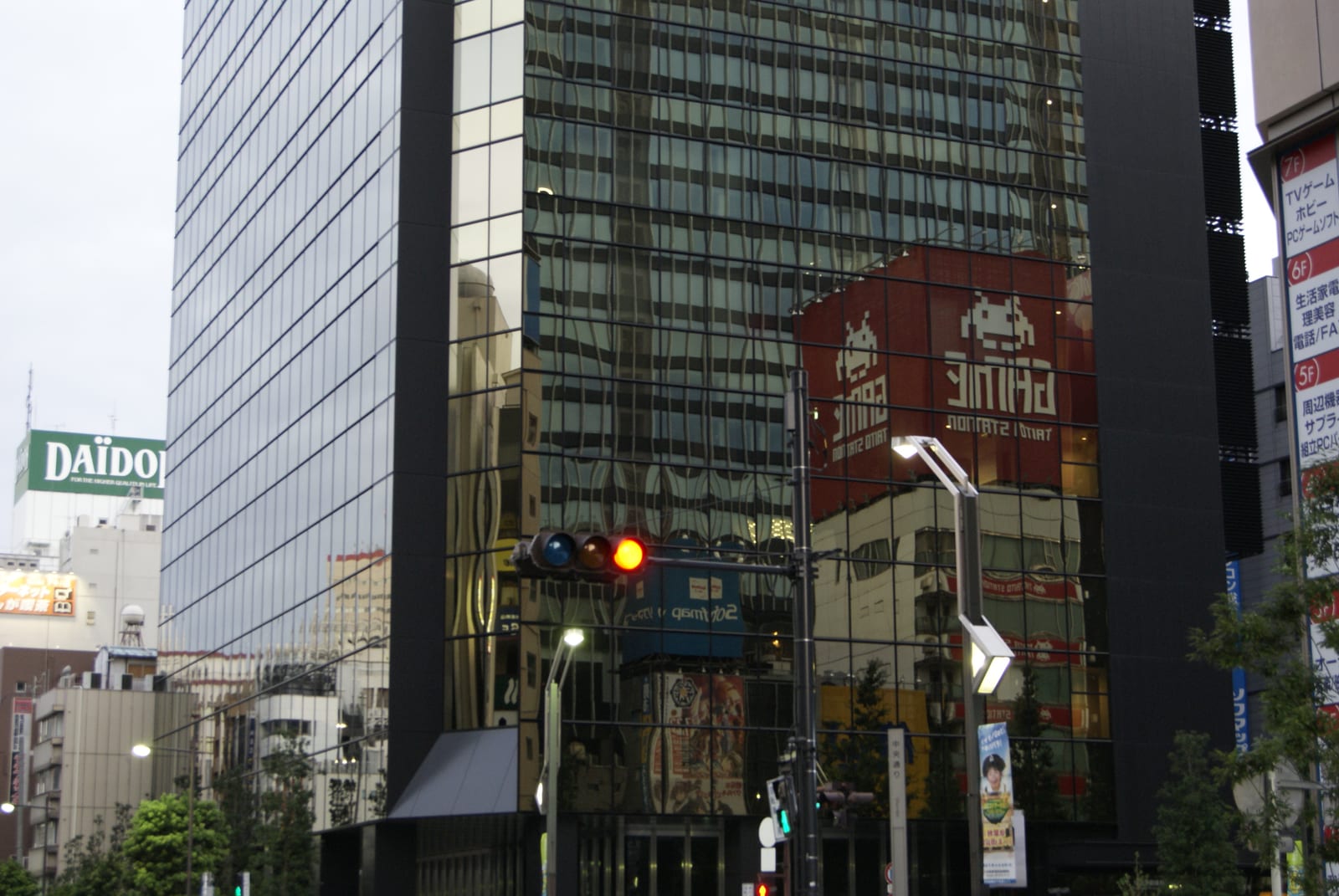
Akihabara, famously known as "Electric Town," is perhaps the most iconic anime hub. Here, towering electronics stores stand alongside multi-story anime merchandise shops, arcades, and themed cafes. For a deep dive, start with Radio Kaikan, a landmark building packed with shops selling figures, trading cards, and collectibles across its many floors. You’ll find everything from vintage treasures to the latest releases. Nearby, Animate Akihabara is a massive store covering manga, anime, games, and character goods, often with exclusive items and limited-time promotions. Mandarake Complex, an eight-story building, is a haven for second-hand manga, doujinshi (fan-made comics), figures, and collectibles, often at more accessible prices. Don't miss the chance to experience a Japanese arcade like SEGA or Taito Station, where you can try crane games (UFO catchers) for prize figures or immerse yourself in rhythm games and fighting games. While winning a prize figure can be challenging, the thrill is part of the experience.
For those with dietary concerns, Akihabara has been increasingly accommodating. For halal options, consider Sultan Akihabara, an Indian and Pakistani restaurant offering curries and biryani, certified halal at the time of writing. Another popular spot is Star Kebab Akihabara, known for its quick and affordable halal kebabs. For vegetarian choices, Kyushu Jangara Ramen offers a flavourful vegan shoyu ramen, a rare find in a city known for its pork-broth ramen. Ome Farm Kitchen is another excellent choice, serving completely vegetarian dishes made with fresh farm produce.
Nakano Broadway: The Retro Collector's Paradise
A short train ride from Shinjuku, Nakano Broadway offers a contrasting, more nostalgic experience compared to Akihabara's bustling energy. This multi-story shopping complex, while seemingly unassuming from the outside, is an absolute treasure trove for collectors. It's renowned for its numerous Mandarake stores, each specialising in different genres – from vintage manga and anime cells to idol merchandise and obscure toys. The atmosphere is less flashy and more focused on serious collecting, making it ideal for hunting rare finds. Prices here can sometimes be more competitive for older items than in Akihabara. Exploring Nakano Broadway feels like stepping back in time, with its labyrinthine corridors and quirky shops. It’s a fantastic place to spend a half-day, especially if you appreciate retro anime and unique collectibles.
Ikebukuro: The Otome Road and Beyond
Ikebukuro, while a major commercial hub, has carved out its niche as a mecca for female anime fans, particularly along its "Otome Road" (Maiden Road). This area is home to shops catering specifically to shojo and BL (Boys' Love) manga, anime, and merchandise. The Animate Ikebukuro flagship store is the largest Animate in Japan, offering an immense selection across multiple floors, often featuring collaboration cafes and special exhibitions. Just a short walk away is Sunshine City, a large complex that houses a Pokémon Center Mega Tokyo and a range of other shops. Ikebukuro also boasts numerous arcades and themed restaurants.
For food in Ikebukuro, you'll find a wide range of options. Similar to Akihabara, look for Indian or Pakistani restaurants that often offer halal certification. Vegetarian options are also available, though sometimes require a bit of searching or using specific apps to identify. Many cafes in Ikebukuro also feature anime collaborations, offering themed menus that might include vegetarian-friendly snacks or drinks.
| District | Vibe | Key Attractions | Budget for Merch (approx) | Food Options (Veg/Halal) |
|---|---|---|---|---|
| Akihabara | Electric, bustling, mainstream anime | Radio Kaikan, Animate, Mandarake Complex, SEGA Arcades | ¥5,000 - ¥20,000+ (₹2,800 - ₹11,200+) | Sultan (Halal Indian), Star Kebab (Halal), Kyushu Jangara (Vegan Ramen), Ome Farm Kitchen (Vegetarian) |
| Nakano Broadway | Retro, niche, collector-focused | Mandarake stores, vintage collectibles | ¥3,000 - ¥15,000+ (₹1,680 - ₹8,400+) | Fewer dedicated options, rely on general Japanese restaurants, convenience stores. |
| Ikebukuro | Female-friendly, shojo/BL, modern | Animate Flagship, Otome Road, Sunshine City, Pokémon Center Mega Tokyo | ¥5,000 - ¥20,000+ (₹2,800 - ₹11,200+) | Variety of Japanese and international cuisine, some halal ramen, vegetarian cafes. |
A realistic daily budget for merchandise, depending on your level of enthusiasm, could range from ¥3,000 to ¥10,000 (approx ₹1,680 to ₹5,600) for casual purchases like manga, keychains, and gachapon, up to ¥20,000 or more (approx ₹11,200) if you're eyeing a premium figure. Remember that tax-free shopping is available at many larger stores for purchases over ¥5,000 (approx ₹2,800).
Mastering the Ghibli Museum & Ghibli Park Experience
No anime pilgrimage to Japan is complete without a visit to the magical worlds of Studio Ghibli. It is crucial to understand that the Ghibli Museum in Mitaka, Tokyo, and Ghibli Park in Aichi Prefecture are two distinct attractions with entirely separate ticketing and logistical requirements. Confusing the two is a common mistake.
Ghibli Museum (Mitaka, Tokyo): The Intimate Showcase
The Ghibli Museum, personally designed by Hayao Miyazaki, offers an immersive, intimate journey into the animation process and the whimsical spirit of Ghibli films. It's a small, charming space with exclusive short films, original artwork, and iconic characters like the Totoro受付 (receptionist Totoro) and the rooftop Robot Soldier.
- Ticket Strategy: Tickets are notoriously difficult to acquire due to high demand and limited capacity. They are not sold at the museum itself and must be purchased in advance.
- Direct Purchase (Challenging but Cheapest): Tickets go on sale at 10:00 AM JST on the 10th of each month for the following month. For example, tickets for September 2026 would go on sale on August 10, 2026. You can try purchasing via Lawson Ticket's English website. Be prepared for them to sell out within minutes. Having a Japanese phone number or address is often a barrier, though the English site aims to mitigate this.
- Through Tour Operators (More Reliable, Higher Cost): For Indian and Bangladeshi travellers, the most reliable method is often through official travel agencies that offer tour packages including museum admission. Sunrise Tours JTB is a legitimate option, offering a Ghibli Museum & Film Appreciation Bus Tour from Tokyo. However, these tours can be lengthy (up to nine hours) and significantly more expensive, costing around ¥26,000 (approx ₹14,560) per person. Klook also offers packages that might include Ghibli Museum tickets.
- Cost: Direct purchase for adults (19+) is ¥1,000 (approx ₹560).
- Getting There: Take the JR Chuo Line from Shinjuku Station to Mitaka Station (approx 20 minutes, ¥230 or ~₹129). From Mitaka Station, it’s a picturesque 15-minute walk through Inokashira Park, or you can take the Ghibli-themed community bus for ¥210 (approx ₹118) one-way or ¥320 (approx ₹179) for a return ticket.
- Mistakes to Avoid: Do not expect to buy tickets on the day of your visit. Book well in advance, ideally 2-3 months before your trip. Ensure your passport name matches the name on the ticket, as ID checks are sometimes conducted.
Ghibli Park (Aichi Prefecture): The Expansive Outdoor Experience
Ghibli Park, located within Expo 2005 Aichi Commemorative Park near Nagoya, is a much larger, outdoor-oriented theme park that brings various Ghibli worlds to life. It features areas like Ghibli's Grand Warehouse, Hill of Youth, Dondoko Forest, Mononoke Village, and Valley of Witches, with attractions like Satsuki and Mei's House and the Catbus room.
- Ticket Strategy: Tickets for Ghibli Park also sell out quickly and must be purchased in advance.
- Direct Purchase: Tickets go on sale on the 10th of each month at 2:00 PM JST for visits two months later. For example, if you plan to visit in September, tickets would be available on July 10th. You can purchase them online via Lawson Ticket or Klook.
- Ticket Types & Cost (as of 2026):
- Ghibli Park O-Sanpo Day Pass Premium: Grants access to all five areas, including interior buildings like Okino Residence and Howl's Castle. This is highly recommended for a full experience. Weekday adult price is ¥3,900 (approx ₹2,184). Weekend/holiday adult price is ¥4,400 (approx ₹2,464). Children (4-12) prices are lower.
- Ghibli Park O-Sanpo Day Pass Standard: Access to fewer areas.
- Getting There: Ghibli Park is a significant journey from Tokyo.
- Shinkansen (Bullet Train): Take the Tokaido Shinkansen from Tokyo Station to Nagoya Station (approx 1 hour 40 minutes to 2 hours, depending on the train). From Nagoya, transfer to the Higashiyama Subway Line to Fujigaoka Station (approx 30 minutes), then the Linimo (maglev train) to Aichikyūhaku-kinen-kōen (Expo Memorial Park) Station (approx 15 minutes). The total travel time from Tokyo is roughly 3 hours 37 minutes, costing around ¥11,500 - ¥12,500 (approx ₹6,440 - ₹7,000) one way.
- Highway Bus: A more budget-friendly but much longer option. Buses from Tokyo to Nagoya can take 6-8 hours and cost between ¥3,000 - ¥8,500 (approx ₹1,680 - ₹4,760).
- Packages: Klook offers Ghibli Park packages that bundle Shinkansen tickets and bus transfers, which can simplify logistics.
- Mistakes to Avoid: Don't confuse Ghibli Park with the Ghibli Museum. Allow a full day for Ghibli Park, including travel. For the premium experience, ensure you purchase the "Premium" pass.
Beyond the Neon: Shibuya's Anime Connections and Iconic Crossings
Shibuya is a district synonymous with Tokyo's modern pulse, famous for its fashion, nightlife, and the iconic Shibuya Crossing. While not an "otaku" district in the same vein as Akihabara, it offers unique anime connections and experiences that are well worth exploring.
The Shibuya Crossing itself is an unmissable spectacle. To truly appreciate its organised chaos, head to an elevated vantage point. Shibuya Sky, located atop the Shibuya Scramble Square building, offers breathtaking panoramic views of the crossing and the city skyline. Entry is around ¥2,000-¥2,500 (approx ₹1,120-₹1,400), and booking online in advance is recommended, especially for sunset slots. A more casual, free view can be had from the second-floor Starbucks in the Tsutaya building or Mag's Park on the roof of Shibuya 109. Take your time, soak in the energy, and capture some memorable photos.
Beyond the crossing, Shibuya boasts significant retail therapy for anime fans. Head to Shibuya PARCO, a trendy shopping complex. On its 6th floor, you'll find the Pokémon Center Shibuya, a sleek, urban outpost featuring exclusive merchandise, often with a graffiti-inspired aesthetic. Prepare to be greeted by a life-sized animatronic Mewtwo at the entrance. Right next to it is Nintendo Tokyo, the first official Nintendo store in Japan, offering games, merchandise, and exclusive items from popular franchises like Super Mario, Zelda, and Animal Crossing. These two stores alone can easily consume a couple of hours and a significant portion of your merchandise budget.
For food in Shibuya, the options are plentiful. Finding vegetarian and halal food requires a bit of research, but it's certainly possible. For ramen, Jikasei Mensho in Shibuya is known for having good vegetarian and vegan options. For a unique Japanese dining experience with vegan options, consider places like Gonpachi Shibuya, which offers vegan sushi and panoramic city views from its 14th-floor location. Convenience stores like 7-Eleven, FamilyMart, and Lawson are your friends for quick, affordable vegetarian snacks, bento boxes, and sometimes even halal-certified instant meals. Look for items labelled with "野菜" (yasai - vegetable) or "ハラール" (haraaru - halal). Always double-check ingredients, especially for dashi (fish stock), which is common in many seemingly vegetarian dishes.
Seamless Travel: Japan Rail and Tokyo Metro for Pilgrims
Navigating Japan's world-class public transportation system can seem daunting at first, but with a few tips, it becomes incredibly efficient. Think of it less like the sprawling, sometimes unpredictable network of the Indian Railways (IRCTC) and more like an ultra-modern, punctual version of the Delhi Metro, but with more lines and operators.
The Japan Rail Pass: Is it Worth It Anymore?
For first-time visitors from India and Bangladesh, the Japan Rail Pass (JR Pass) often comes up as a primary travel consideration. However, since a significant price increase in October 2023, the JR Pass is no longer cost-effective for most itineraries, especially those focused primarily on Tokyo with perhaps one major side trip like to Nagoya for Ghibli Park.
- Cost Comparison: A 7-day Ordinary JR Pass costs ¥50,000 (approx ₹28,000). A round trip on the Shinkansen from Tokyo to Nagoya typically costs around ¥11,500-¥12,500 (approx ₹6,440-₹7,000) one way, so a return journey would be roughly ¥23,000-¥25,000 (approx ₹12,880-₹14,000). This, combined with local JR line usage in Tokyo (e.g., Yamanote Line, which is covered by JR), will likely be far less than the JR Pass cost.
- Flexibility and Coverage: The JR Pass only covers JR lines, not the extensive Tokyo Metro or private subway lines that reach many attractions. For local Tokyo travel, an IC card (Suica or Pasmo) is essential.
IC Cards: Your Daily Travel Companion
Just like your smart card for the Delhi Metro, a Suica or Pasmo card is indispensable for hassle-free travel within Tokyo and across most major cities in Japan. These rechargeable cards allow you to tap and go on almost all trains (JR and private lines) and subways, as well as buses. You can purchase them at any major station from ticket vending machines or manned counters. A typical initial purchase might be ¥2,000 (approx ₹1,120), which includes a ¥500 (approx ₹280) refundable deposit and ¥1,500 (approx ₹840) credit. These cards can also be used for purchases at convenience stores and vending machines, adding to their convenience.
Navigating Tokyo's Railways
Tokyo's train network is extensive but incredibly efficient.
- JR Lines: The JR Yamanote Line is a circular route that connects many key areas like Shinjuku, Shibuya, Ikebukuro, Ueno, and Tokyo Station. It's often the most convenient for getting between major hubs.
- Tokyo Metro & Toei Subway: These two subway systems cover the vast majority of central Tokyo, reaching virtually every tourist attraction. Learning which line (e.g., Ginza Line, Hibiya Line, Marunouchi Line) serves your destination is key.
- Planning Your Routes: Use apps like Google Maps or Japan Transit Planner (HyperDia). Simply input your starting point and destination, and they will provide the fastest, most efficient routes, including transfers, platform numbers, and estimated costs. These apps are highly accurate and will be your best friend for navigating.
- Timings: Japanese trains are famous for their punctuality. Always aim to arrive at the platform a few minutes before your train's scheduled departure. During peak hours (roughly 7:00 AM - 9:00 AM and 5:00 PM - 7:00 PM on weekdays), trains can be very crowded, reminiscent of Mumbai's local trains, so try to avoid travelling with large luggage during these times.
Sample Day: Akihabara & Ikebukuro via Public Transport
- Morning (Akihabara): From your hotel near, say, Shinjuku, take the JR Chuo Line to Ochanomizu Station, then transfer to the JR Sobu Line for Akihabara (approx 15-20 minutes, ¥170 or ~₹95). Spend 3-4 hours exploring Radio Kaikan, Animate, and arcades.
- Lunch (Akihabara): Grab halal Indian curry at Sultan (approx ¥1,000-¥1,500 or ₹560-₹840 for a meal).
- Afternoon (Ikebukuro): Take the JR Yamanote Line directly from Akihabara Station to Ikebukuro Station (approx 10-15 minutes, ¥170 or ~₹95). Explore Animate Flagship and Otome Road.
- Evening (Ikebukuro): Visit Sunshine City, including the Pokémon Center Mega Tokyo.
- Dinner: Enjoy a meal at a vegetarian-friendly cafe or restaurant in Ikebukuro (approx ¥1,500-¥2,500 or ₹840-₹1,400).
- Return: Take the JR Yamanote Line back to Shinjuku (approx 5-7 minutes, ¥160 or ~₹90).
This sample day demonstrates how easily you can connect key anime spots using just JR lines with an IC card, without needing a costly JR Pass.
Your Anime Merch Budget: Yen to Rupee Reality Check
One of the greatest joys of an anime pilgrimage is bringing home tangible pieces of your favourite series. However, it's easy to get carried away. Setting a realistic budget and understanding the price points in Japanese Yen (¥) and their approximate conversion to Indian Rupees (₹) is crucial for Indian and Bangladeshi fans. (Remember, our approximate conversion is ~₹0.56 per ¥1).
Manga & Light Novels:
- New Tankoubon (standard volume): Typically ¥400-¥500 (approx ₹224-₹280). Some larger or special edition volumes can be ¥800-¥1,100 (approx ₹448-₹616).
- Used Manga: This is where you can save significantly. Book Off and Mandarake often sell used volumes for as low as ¥100 (approx ₹56) each, especially for older or popular series. Quality is usually excellent.
- Weekly/Monthly Magazines (e.g., Weekly Shonen Jump): Around ¥300 (approx ₹168) for a current issue.
- Budget Suggestion: Allocate ₹500-₹1,500 per volume (for new) or ₹100-₹300 (for used) depending on your preference.
Figures & Statues:
- Prize Figures: These are often won in arcade crane games but can be bought new or second-hand in specialty shops. Quality has improved dramatically, making them excellent budget-friendly options. Expect to pay ¥1,500-¥3,000 (approx ₹840-₹1,680) for a new prize figure.
- Nendoroids/Figma (articulated figures): These popular, poseable figures typically start around ¥5,000-¥8,000 (approx ₹2,800-₹4,480) for new releases.
- Scale Figures (high-quality, non-articulated): These are the premium items. New scale figures from popular series can start from ¥10,000 (approx ₹5,600) and easily go up to ¥20,000-¥40,000 (approx ₹11,200-₹22,400) or more for limited editions or larger scales. Second-hand scale figures can still be very expensive, especially for rare items.
- Budget Suggestion: For a couple of prize figures, budget ₹2,000-₹4,000. If you're eyeing a specific Nendoroid or a mid-range scale figure, prepare to spend ₹5,000-₹20,000+.
Gachapon (Capsule Toys):
- These addictive capsule toys are found everywhere. Prices typically range from ¥200-¥500 (approx ₹112-₹280) per spin. Some premium ones can go up to ¥800-¥2,000 (approx ₹448-₹1,120).
- Budget Suggestion: Keep a stash of ¥100 coins ready. Budget ₹500-₹1,000 per day for a few fun spins.
Other Merchandise:
- Keychains, Pins, Stickers: ¥300-¥800 (approx ₹168-₹448)
- Clear Files: ¥300-¥500 (approx ₹168-₹280)
- Small Plushies: ¥1,000-¥3,000 (approx ₹560-₹1,680)
- T-shirts: ¥2,500-¥5,000 (approx ₹1,400-₹2,800)
- Anime Blu-rays/DVDs: These are significantly more expensive than in India, often ¥5,000-¥8,000+ (approx ₹2,800-₹4,480+) per volume, due to different market pricing.
Tax-Free Shopping: Many larger stores, especially in Akihabara and Ikebukuro, offer tax-free shopping for tourists. Look for signs indicating "Tax-Free" or "免税" (menzei). To qualify, you generally need to spend over ¥5,000 (approx ₹2,800) at a single store on eligible items (excluding services or consumables like food). You'll need to present your passport at the dedicated tax-free counter. The purchase receipts will be stapled into your passport, which you then show at customs upon departure. Keep your tax-free items sealed until you leave Japan.
Payment Methods: While credit cards are widely accepted in larger stores, many smaller shops, especially in places like Nakano Broadway or independent hobby stores, still prefer cash. For gachapon machines, 7-Eleven ATMs are reliable for withdrawing Yen. They typically charge a flat fee of ¥110 (approx ₹62) or ¥210 (approx ₹118) per transaction. It's always wise to carry a good amount of cash (e.g., ¥10,000-¥20,000, or ₹5,600-₹11,200) for daily expenses and smaller purchases.
Overall Merch Budget for a 7-Day Trip: For a dedicated anime fan from India or Bangladesh, a comfortable budget for merchandise (excluding major figures) could be around ¥30,000-¥50,000 (approx ₹16,800-₹28,000) for a 7-day trip. If you plan to buy several high-end figures, this budget will need to be substantially higher.
Food for the Soul: Navigating Vegetarian & Halal in Japan
For Indian and Bangladeshi travelers, food can be a significant source of anxiety due to dietary restrictions. Japan is traditionally not a vegetarian or halal-friendly country, but awareness has grown, and finding suitable options in major cities like Tokyo is now much easier with careful planning.
Understanding the Challenge: Dashi
The primary challenge for vegetarians is dashi, a fish-based broth (typically made from bonito flakes, or katsuobushi) that forms the base of many Japanese dishes, including many that look vegetarian at first glance. Always double-check ingredients before ordering.
Where to Eat on Your Anime Trip
The spots mentioned earlier in this guide make planning easier: in Akihabara, Sultan Akihabara and Star Kebab Akihabara for halal food, and Kyushu Jangara Ramen (vegan shoyu ramen) and Ome Farm Kitchen for vegetarian dishes; in Shibuya, Jikasei Mensho and Gonpachi Shibuya for vegetarian and vegan options. Convenience stores like 7-Eleven, FamilyMart and Lawson are handy for quick snacks and bento boxes. Look for items labelled "野菜" (yasai - vegetable) or "ハラール" (haraaru - halal), and keep checking for dashi. With this bit of planning, food becomes one less thing to worry about, and you can spend your energy on the anime pilgrimage itself.