Tokyo Metro Without Panic
Navigate Tokyo's vast rail network with ease! This guide for Indian & Bangladeshi travelers demystifies lines, tickets, and etiquette, using familiar analogies.
Jul 10, 2026·✍️ olablog·⏱ 23 min read
Navigate Tokyo's vast rail network with ease! This guide for Indian & Bangladeshi travelers demystifies lines, tickets, and etiquette, using familiar analogies.
Tap a region to browse articles
Stepping off the plane in Tokyo, the sheer scale of the city can feel overwhelming, especially when faced with its legendary rail system. For many first-time visitors from India and Bangladesh, accustomed to the familiar rhythms of the Delhi Metro or the bustling Mumbai Local trains, the intricate web of lines, companies, and platforms might seem like a daunting challenge. But fear not! Tokyo’s rail system, while vast, is a marvel of efficiency and clarity, designed with the user in mind. With a few key insights and by drawing parallels to your experiences back home, you’ll be navigating like a seasoned local, effortlessly zipping across the metropolis, often for as little as ¥180 (approx. ₹100) for a short ride.
Understanding the Tokyo Rail Labyrinth: A Familiar Challenge
Think of Tokyo’s public transport as an upgraded, super-efficient version of what you already know. Just as in India you have the national railway (Indian Railways/IRCTC) alongside urban metro systems (Delhi Metro, Kolkata Metro), Tokyo operates on a similar principle, but with a few more players. The main actors you'll encounter are:
- Japan Railways (JR) Lines: These are run by the Japan Railways Group, the national railway network. Within Tokyo, the most famous and incredibly useful is the JR Yamanote Line – a loop line connecting major hubs like Shinjuku, Shibuya, Tokyo Station, and Ueno. It's akin to a very efficient Ring Road Metro line that encircles the city's most important commercial and entertainment districts. JR also operates other lines like the Chuo Line (connecting east-west) and various commuter lines extending out of the city.
- Tokyo Metro Lines: This is one of the two major subway (underground) operators. They run nine distinct lines, each denoted by a unique color and letter. Think of them as the core of the Delhi Metro network, with its own specific lines and stations.
- Toei Subway Lines: The second major subway operator, running four lines, also with their own colors and letters. While separate entities, Tokyo Metro and Toei Subway are often integrated for seamless transfers, much like different phases or extensions of a single metro system might be in India.
The key difference from Indian cities is the multiple operating companies. However, this rarely impacts your journey negatively. Stations are clearly marked, and transfer information is abundant. Your primary goal is simply to get from Point A to Point B, and the system is designed to facilitate that, regardless of which company operates which segment. The important thing is to understand that while a single ticket might work across different companies if you're using an IC card (more on that later), sometimes a transfer between JR and a subway line might feel like a mini-journey in itself, requiring you to exit one company's gate and enter another's.
Decoding the Rainbow: Line Colors and Numbers are Your Best Friends
One of the most brilliant aspects of Tokyo's rail system, and a huge relief for international travelers, is its reliance on a universally understandable visual language: colors, letters, and numbers. This is where your experience with the Delhi Metro's Yellow, Blue, and Red lines will truly shine.
Every Tokyo Metro and Toei Subway line has a distinct color. For example, the Marunouchi Line is red, the Ginza Line is yellow, and the Chiyoda Line is green. Each line also has a unique letter abbreviation (e.g., M for Marunouchi, G for Ginza, C for Chiyoda) and each station on that line has a sequential number. So, Shinjuku Station on the Marunouchi Line isn't just "Shinjuku," but "M-08," indicating it's the eighth station on the Marunouchi Line. This system is a powerful navigational tool.
Imagine you're at Tokyo Station and need to get to Shibuya. You know Shibuya is on the Yamanote Line (JR Green Line). You'll look for signs for the "JR Yamanote Line" in green, and follow them. If you need to go to Ueno from Shinjuku, and you see the Ginza Line (G) in yellow passes through Ueno (G-16), you'll simply follow the yellow signs for the Ginza Line, heading towards the correct direction.
This color-coding and numbering system is far more intuitive than simply relying on Japanese station names, which can be challenging to pronounce or recognize for non-native speakers. Always look for the line color and the station number on maps and signs. This consistency means that once you understand the logic, you can navigate without needing to read a single Japanese character, much like how you might identify your next Delhi Metro stop by its specific color and sequential number on the map, even if you can't read the Hindi script perfectly.
IC Cards vs. Paper Tickets: Your Wallet's Best Friend
This is where convenience meets efficiency, and for travelers from India and Bangladesh, the choice is clear: get an IC card. These rechargeable smart cards are the equivalent of your Delhi Metro smart card, but with far broader utility. The two most common IC cards in Tokyo are Suica and Pasmo. They are functionally identical, so it doesn't matter which one you choose.
Why an IC Card is Essential:
- Seamless Travel: Tap in, tap out. No fumbling for exact change or buying individual tickets for every journey. This works across JR, Tokyo Metro, Toei Subway, and even many private railway lines, eliminating the need to figure out complex fare structures between different operators.
- Convenience: You can use them to pay for purchases at convenience stores (like 7-Eleven, FamilyMart), vending machines, and even some restaurants. It’s a digital wallet in your pocket.
- Fare Adjustment: If you accidentally travel further than your ticket allows, the system automatically deducts the correct fare when you tap out, or prompts you to top up at a fare adjustment machine.
- No Language Barrier: The machines for purchase and recharge often have English interfaces.
Purchasing and Recharging an IC Card:
You can purchase a Suica or Pasmo card at ticket vending machines (look for the green "Suica" or pink "Pasmo" logos) at most major JR or subway stations.
- Select English: Most machines have a language option.
- Choose "Purchase new IC card" or similar.
- Choose "Standard Suica/Pasmo": There might be options for commuter passes; ignore these.
- Initial Deposit: You'll pay a ¥500 (approx. ₹280) refundable deposit, plus an initial charge amount. A typical initial purchase might be ¥2,000 (approx. ₹1,120), which includes the ¥500 deposit and ¥1,500 (approx. ₹840) travel credit.
- Recharging: When your balance is low, simply insert your card into any ticket vending machine, select "Charge" (or "Recharge"), choose the amount (e.g., ¥1,000, ¥2,000, ¥5,000), and insert cash. Cash is king for recharging.
Paper Tickets:
While IC cards are vastly superior, paper tickets are an option for single journeys. You'll need to use the fare map above the ticket machines to determine the correct fare for your destination. If you're unsure, buy the cheapest ticket and adjust the fare at a "Fare Adjustment" machine at your destination station before exiting the gates. This can be cumbersome and time-consuming, especially during rush hour, and is generally not recommended for tourists. For a quick single ride, a basic fare starts around ¥180-200 (approx. ₹100-112).
Cost Comparison (approximate):
| Item | Yen (¥) | Indian Rupees (₹) (approx.) | Bangladeshi Taka (BDT) (approx.) | Notes |
|---|---|---|---|---|
| IC Card (initial) | 2,000 | 1,120 | 2,600 | Includes ¥500 deposit, ¥1,500 credit |
| Minimum Fare | 180 | 100 | 235 | Short subway ride |
| Deposit (refundable) | 500 | 280 | 650 | Retrieved when you return the card |
| Daily Use (avg) | 800-1500 | 450-840 | 1,040-1,950 | Varies widely based on travel |
Note: For Bangladeshi Taka, use an approximate conversion of 1 JPY = 13 BDT, which can fluctuate.
Rush Hour Rumbles and Women-Only Cars: Mastering Etiquette
Tokyo's rail system is renowned for its efficiency, but also for its legendary rush hours. For those from Mumbai familiar with the packed local trains, Tokyo's rush hour might feel surprisingly organized despite the crowds. For others, it can be an eye-opener.
Rush Hour Etiquette:
- Timing: Avoid peak hours if possible. Mornings are typically 7:30 AM to 9:30 AM, and evenings from 5:00 PM to 7:00 PM, especially on major commuter lines like the Yamanote, Chuo, and major subway lines.
- Queue Up: Always form orderly queues at designated spots on the platform. The train doors will open precisely at these points.
- Let Passengers Alight First: This is a cardinal rule. Wait for everyone to exit the train before attempting to board.
- Pushing is Discouraged: Unlike some local trains in India, aggressive pushing to board is generally frowned upon. However, during extreme rush hour, staff (known as "pushers") might gently assist in packing passengers into the train.
- Keep Baggage Close: Be mindful of your backpack and luggage. Take off backpacks and hold them in front of you or by your side to avoid hitting other passengers.
- Silence is Golden: Avoid loud conversations, phone calls, or listening to music without headphones. The atmosphere is generally quiet and respectful.
- Priority Seats: These are clearly marked and reserved for the elderly, pregnant women, people with disabilities, and those with infants. Be mindful and offer your seat if you are in one and someone needing it boards.
Women-Only Cars:
Many Tokyo train lines, particularly during rush hour, have designated "women-only" cars. These are a welcome provision for female travelers who might prefer a more comfortable and secure environment during crowded times.
- Identification: These cars are clearly marked with pink signs on the platform and on the train doors, often with English explanations.
- Hours of Operation: They are typically enforced during morning and sometimes evening rush hours on weekdays. Outside of these times, they are open to all passengers.
- Location: Usually, they are the first or last car of the train. Check the signs at the station to confirm the exact car number.
- Respect the Rule: If you are a male traveler, please respect these designations and use other cars during the specified times.
Understanding and adhering to these simple etiquette rules will not only make your journey smoother but also show respect for local customs, making your travel experience more pleasant for everyone.
Seamless Transfers: Your Journey, Uninterrupted
Transferring between lines and even different railway companies is a common occurrence in Tokyo. While it might sound complicated, the system is designed for efficiency, and with the right tools, it's straightforward.
Understanding Transfer Gates:
- Same Company Transfer: If you're transferring between two Tokyo Metro lines, or two Toei Subway lines, you usually just walk through the station, following signs, and tap your IC card (or insert your paper ticket) at the transfer gate, which will often be a simple sensor without a physical barrier.
- Different Company Transfer (e.g., JR to Tokyo Metro): This is where it's slightly different. You'll typically have to exit the gates of the first company (e.g., tap out of JR), walk a short distance (sometimes through an underground passage or even briefly above ground), and then tap into the gates of the second company (e.g., tap into Tokyo Metro). Your IC card handles the fare calculation automatically. If using paper tickets, you would need separate tickets for each company.
- Station Exits: Pay attention to the "Exit" numbers. Large stations like Shinjuku or Tokyo Station have dozens of exits. Knowing your specific exit number (e.g., "Shinjuku East Exit" or "Yaesu North Exit") from your navigation app can save you a lot of walking and confusion, similar to how knowing a specific gate number at a large Indian railway station helps.
Using Apps for Transfers:
Modern smartphone apps are indispensable for navigating transfers. Google Maps is excellent and widely used. Japan Transit Planner (Jorudan) and Navitime for Japan Travel are also highly recommended.
- Google Maps: Simply enter your origin and destination. It will show you the best routes, including which lines to take, transfer points, platform numbers, estimated travel time, and approximate fares. It even specifies which exit to use.
- Japan Transit Planner / Navitime: These apps often provide even more detailed information, such as track numbers, specific car recommendations for easier transfers, and information on delays. They can be particularly useful for complex multi-leg journeys.
Sample Transfer Scenario:
Let's say you want to go from Shinjuku (JR Yamanote Line) to Ginza (Tokyo Metro Ginza Line).
- Start: At Shinjuku Station, you'll board the JR Yamanote Line (green signs) towards Tokyo/Ueno.
- Arrive at Tokyo Station: Alight at Tokyo Station.
- Transfer: Follow the signs for the Tokyo Metro Marunouchi Line (red signs). This might involve exiting the JR gates and walking a short distance within the station complex to the Tokyo Metro gates.
- Board Tokyo Metro: Tap into the Tokyo Metro and take the Marunouchi Line towards Ginza.
- Arrive at Ginza: Alight at Ginza.
The key is to follow the abundant signage and trust your navigation app. Each step is usually clearly indicated, often in English.
Budgeting Your Rides: Passes and Strategies for Value
For budget-conscious travelers from India and Bangladesh, understanding when to buy a pass versus using an IC card for individual rides is crucial. Tokyo offers several passes, but not all are economical for every itinerary.
Individual Fares with IC Card:
For most short to medium distances within central Tokyo, a single ride typically costs between ¥180 and ¥300 (approx. ₹100-170). If you only plan to take 2-3 train rides a day, an IC card is usually the most cost-effective and convenient option. The system automatically calculates the lowest fare.
Tokyo Subway Ticket (24/48/72-hour):
This is often the best value for tourists who plan extensive subway travel. It allows unlimited rides on ALL Tokyo Metro and Toei Subway lines for the chosen duration.
- 24-hour Pass: ¥800 (approx. ₹450)
- 48-hour Pass: ¥1,200 (approx. ₹670)
- 72-hour Pass: ¥1,500 (approx. ₹840)
When is it worth it? If you anticipate taking 4 or more subway rides in a 24-hour period, a Tokyo Subway Ticket quickly pays for itself. For example, four rides at ¥200 each would cost ¥800, breaking even with the 24-hour pass. If you're visiting multiple attractions scattered across different subway lines, this pass offers excellent value.
Where to Buy: You can purchase these passes at Narita (NRT) or Haneda (HND) airports, major subway stations (at the Tokyo Metro Pass Offices), and some electronics stores like Bic Camera or Yodobashi Camera. You will need your passport to purchase.
Important Note: These passes are not valid on JR lines. If your itinerary heavily relies on the JR Yamanote Line, the Tokyo Subway Ticket might not be the best choice.
JR Pass (Japan Rail Pass):
For most first-time visitors from India and Bangladesh, the nationwide JR Pass is excellent for long-distance travel between cities like Tokyo, Kyoto, and Osaka. However, for travel within Tokyo, its value is often limited.
- Limited Use in Tokyo: The JR Pass only covers JR lines, not the extensive Tokyo Metro or Toei Subway networks. While it covers the crucial Yamanote Line, you'll still need to pay for subway rides separately or use an IC card.
- Cost vs. Benefit: The cost of a 7-day JR Pass (approx. ¥30,000 - ₹16,800) is substantial. If your primary goal is to explore Tokyo, it's rarely economical unless you're making several day trips out of the city using JR lines (e.g., to Hakone, Nikko, or similar JR-accessible destinations).
- Recommendation: Unless you have a specific itinerary with multiple long-distance JR trips, save your JR Pass for inter-city travel and rely on an IC card or Tokyo Subway Ticket for getting around Tokyo.
Example Daily Costs for a Traveler from India/Bangladesh:
| Scenario | Daily Transport Cost (¥) | Daily Transport Cost (₹) (approx.) | Notes |
|---|---|---|---|
| Light Traveler (2-3 rides/day) | 500-700 | 280-390 | Use IC card, mostly walk between attractions. |
| Moderate Traveler (4-5 rides/day) | 800-1000 | 450-560 | IC card or 24-hour Subway Ticket (if mostly subway). |
| Extensive Traveler (6+ rides/day) | 1200-1500 | 670-840 | 24/48/72-hour Subway Ticket likely best value. |
| JR Pass Holder (within Tokyo) | 0 (JR rides) + 300-500 (subway) | 0 + 170-280 | Still need to budget for non-JR subway rides. |
By carefully considering your itinerary and expected number of rides, you can choose the most economical option, ensuring your travel budget stretches further.
Navigating with Apps: Your Pocket Navigator
In a city as vast as Tokyo, a reliable navigation app is your best friend. Forget print maps; your smartphone will be your indispensable guide. The good news is that these apps are highly accurate and user-friendly, even for those who prefer to keep their data usage low by planning offline.
Essential Apps:
Google Maps: This is the default for most travelers and usually sufficient.
- Features: Provides real-time train schedules, platform numbers, estimated travel times, fare estimates, and specific exit recommendations. It also integrates walking directions to your final destination from the station.
- How to Use: Simply enter your starting point (or let it detect your current location) and your destination. Select the public transport icon (a train) to see rail options. You can filter for specific modes of transport if needed.
- Offline Use: You can download offline maps of Tokyo, which will allow you to get walking and driving directions, but real-time public transport information requires an internet connection. However, you can often "pre-load" routes while on Wi-Fi at your hotel or a free hotspot.
Japan Transit Planner (Jorudan Co.,Ltd.) / Navitime for Japan Travel: These are dedicated transit apps developed specifically for Japan.
- Features: Often provide more granular detail than Google Maps, such as specific car numbers for easier transfers, information on delays, and sometimes even which side of the platform the train will arrive on. They can also estimate total journey time, including walking to and from stations.
- Language: Both have excellent English interfaces.
- HyperDia: Historically a popular option, its free version has become quite limited. Japan Transit Planner and Navitime are generally preferred now.
- Using Them: Similar to Google Maps, input your origin and destination. These apps are particularly good for complex routes involving multiple transfers or when you want to compare different routes (e.g., fastest vs. fewest transfers).
Tips for Using Navigation Apps:
- Wi-Fi/SIM Card: A portable Wi-Fi device (pocket Wi-Fi) or a local data SIM card is highly recommended for real-time updates, especially for checking sudden delays or finding alternative routes. This is a worthwhile investment for hassle-free navigation.
- Station Names: Always double-check the exact spelling of station names. Many stations have similar-sounding names or multiple stations with the same primary name but different suffixes (e.g., Shinjuku, Shinjuku-Gyoenmae).
- Exit Numbers: Pay close attention to the recommended exit numbers. Tokyo's major stations are massive underground labyrinths, and taking the wrong exit can lead to a long detour above ground.
- Time Estimates: The apps are generally accurate, but always factor in a little extra time for navigating large stations or during peak hours.
With these apps in your pocket, navigating Tokyo's rail maze will feel less like a challenge and more like an engaging puzzle you're well-equipped to solve, much like finding your way through a new part of Delhi or Dhaka with your phone's GPS.
A Day in Tokyo: A Sample Rail Itinerary
Let’s put all this knowledge into practice with a sample day exploring Tokyo, keeping our Indian/Bangladeshi travelers in mind. We’ll assume you’ve bought a 24-hour Tokyo Subway Ticket for ¥800 (approx. ₹450) and have your IC card ready for any JR-only legs or convenience store purchases.
Morning: Culture & Spirituality
- 9:00 AM - Asakusa (Tokyo Metro Ginza Line, G-19): Start your day at Senso-ji Temple, Tokyo's oldest temple.
- Getting there: Take the Tokyo Metro Ginza Line (Yellow, G) directly to Asakusa.
- Food Note: Near Senso-ji, you'll find numerous street food stalls. Look for matcha ice cream, ningyo-yaki (small cakes), or okaki (rice crackers). For a quick vegetarian snack, some onigiri (rice balls) from a convenience store often have vegetarian fillings (check ingredients for bonito flakes or dashi). Halal options might be limited directly on Nakamise-dori, but some nearby restaurants cater to Muslim travelers.
- 11:00 AM - Ueno Park (Tokyo Metro Ginza Line, G-16 / JR Yamanote Line): Home to museums, a zoo, and beautiful gardens.
- Getting there: From Asakusa, take the Ginza Line (G) three stops back to Ueno (G-16). Alternatively, if you wish to use your IC card for a JR ride, walk to the JR Ueno station.
- Food Note: Ueno area has many restaurants. For vegetarian, look for soba or udon shops that offer plain noodles with vegetable tempura (confirm no meat in broth). For halal, search for specific halal-certified restaurants in the area using apps like Halal Navi or HappyCow.
Afternoon: Shopping & Pop Culture
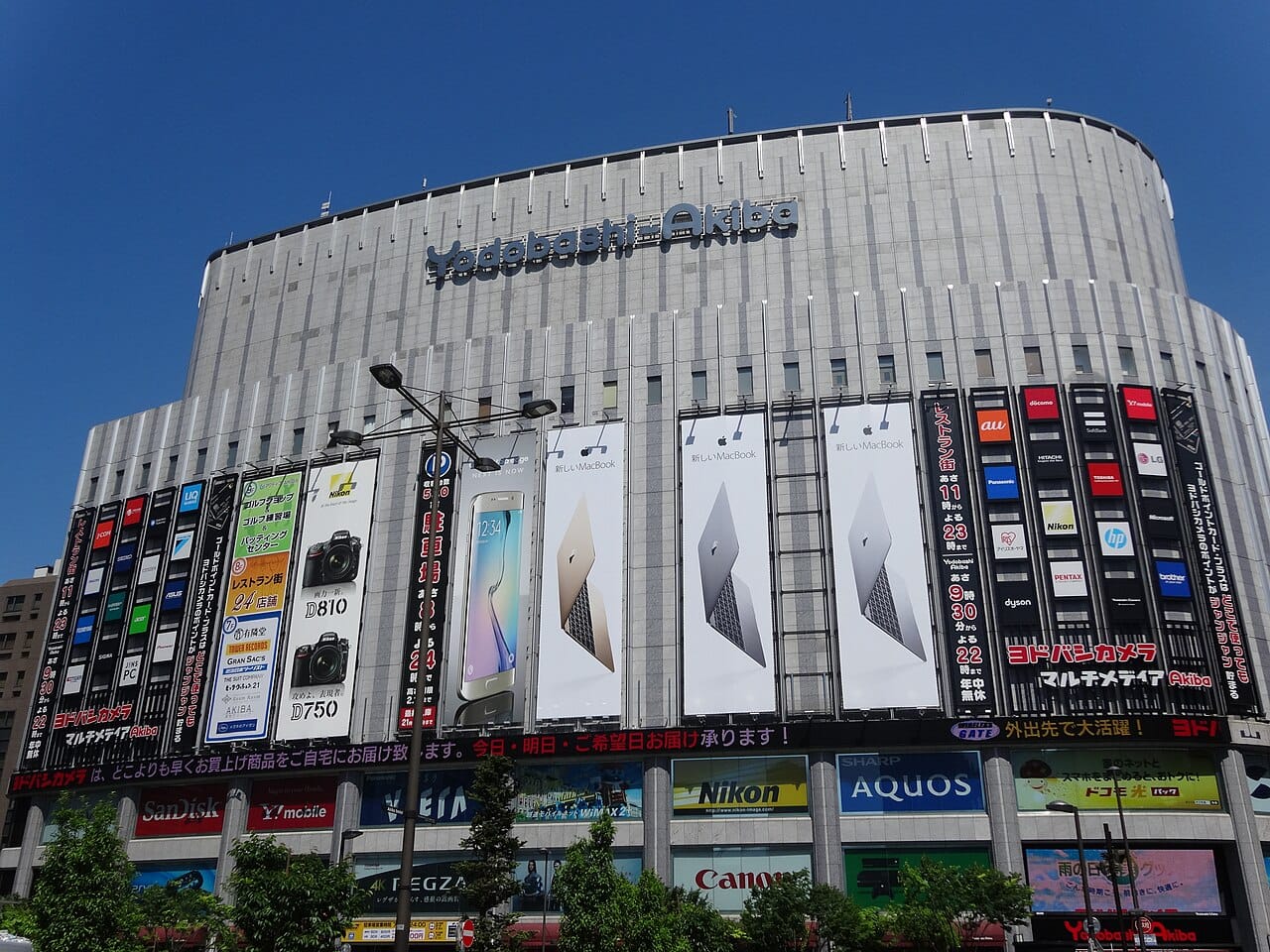
- 1:30 PM - Akihabara (JR Yamanote Line / Tokyo Metro Hibiya Line, H-15): Dive into the world of electronics, anime, and manga.
- Getting there: From Ueno, you can take the JR Yamanote Line one stop south to Akihabara, using your IC card. Or, if sticking to subway, take the Tokyo Metro Hibiya Line (Grey, H) from Ueno to Akihabara (H-15).
- Food Note: Akihabara has many ramen shops. Look for vegetarian ramen options (some shops specialize in it) or Indian/Nepalese restaurants, which are often good for vegetarian and sometimes halal food. Convenience stores also offer vegetarian sandwiches or salads.
- 4:00 PM - Shibuya Crossing & Hachiko (JR Yamanote Line / Tokyo Metro Ginza Line, G-01 / Hanzomon Line, Z-01 / Fukutoshin Line, F-16): Experience the iconic scramble crossing and meet the loyal Hachiko statue.
- Getting there: From Akihabara, take the JR Yamanote Line directly to Shibuya, using your IC card. This is a straightforward and popular route.
- Food Note: Shibuya is a major hub with countless dining options. Department store food halls (depachika) often have excellent vegetarian sushi or bento boxes. For halal, look for dedicated restaurants or international chains.
Evening: Modernity & Nightlife
- 6:30 PM - Shinjuku (JR Yamanote Line / Tokyo Metro Marunouchi Line, M-08 / Toei Oedo Line, E-27 / Toei Shinjuku Line, S-01): Explore the neon-lit streets, towering skyscrapers, and entertainment districts.
- Getting there: From Shibuya, take the JR Yamanote Line directly to Shinjuku, using your IC card.
- Food Note: Shinjuku offers a vast array of dining. Consider a meal at one of the many Indian restaurants in the area, which readily cater to vegetarian and often halal preferences. Alternatively, seek out izakayas (Japanese pubs) that offer a variety of vegetable-based small plates or yakitori (skewers) with vegetable options.
- 8:00 PM - Tokyo Metropolitan Government Building (Toei Oedo Line, E-28, Tochomae Station): Enjoy free panoramic night views of Tokyo from its observation decks.
- Getting there: From Shinjuku Station, it's a short walk (10-15 minutes) or a single stop on the Toei Oedo Line (Purple, E) from Shinjuku to Tochomae (E-28) using your Subway Ticket.
- End of Day: From Shinjuku, you can easily take various JR or subway lines back to your accommodation, utilizing your passes or IC card.
This sample itinerary demonstrates how seamlessly you can move across Tokyo using a combination of JR and subway lines, leveraging the color-coding, numbering, and your chosen passes. Remember to always check your navigation app for the most current routes and timings.
Key Takeaways
- Embrace the Colors and Numbers: Tokyo's rail system uses a clear visual language (line colors, letter codes, station numbers) that simplifies navigation, especially for non-Japanese speakers.
- IC Cards are Your Best Friend: Suica or Pasmo cards offer unparalleled convenience for seamless travel across all major rail networks and even for small purchases, saving you time and hassle.
- Strategic Pass Use: For intensive subway exploration, the 24/48/72-hour Tokyo Subway Ticket offers excellent value, but remember it doesn't cover JR lines. The JR Pass is generally for inter-city travel, not primarily for Tokyo commuting.
- Master Rush Hour Etiquette: Be mindful of peak hours, let passengers alight first, queue orderly, and respect quiet carriages and women-only cars for a comfortable journey.
- Your Phone is Your Navigator: Google Maps, Japan Transit Planner, or Navitime are indispensable for real-time routes, transfers, and identifying the correct station exits.
- Budgeting Matters: Convert costs to INR/BDT to understand your spending, and choose passes or individual tickets based on your daily travel intensity.
- Food Awareness: Research vegetarian/halal options near your destinations using dedicated apps or look for Indian/Nepalese restaurants for reliable choices.
FAQ
Q. Do I need a different ticket for JR lines vs. Tokyo Metro/Toei Subway? A. If you use an IC card (Suica/Pasmo), it works seamlessly across JR, Tokyo Metro, and Toei Subway lines without needing separate tickets. If you opt for paper tickets, you would need to purchase separate tickets for each company's lines. The Tokyo Subway Ticket only covers Tokyo Metro and Toei Subway lines, not JR lines.
Q. How do I know which direction to take the train? A. Platforms have clear signage indicating the major stations along that line in each direction. Your navigation app will also tell you the terminal station of the train you need to board (e.g., "Yamanote Line for Shinagawa/Shibuya" or "Ginza Line for Shibuya"). Look for these names on the platform signs.
Q. Are there vegetarian or halal food options readily available at train stations? A. While not as common as in India or Bangladesh, major stations often have convenience stores (7-Eleven, FamilyMart) where you can find onigiri (rice balls) with vegetarian fillings (check for ingredients like plum, kelp, or plain), salads, or bread. Some stations might have small cafes. For more substantial meals, it's best to exit the station and look for dedicated vegetarian, Indian, or halal restaurants using apps like HappyCow or Halal Navi.
Q. What if I get lost or need help? A. Don't panic! Station staff are generally very helpful, even with a language barrier. Look for staff wearing uniforms near ticket gates or on platforms. Point to your destination on a map or your phone. Most major stations also have information centers. Many Japanese are also very polite and will try to help if you ask politely.
Q. Can I use my Delhi Metro card in Tokyo? A. No, unfortunately, your Delhi Metro card (or any other Indian public transport card) is not compatible with Japan's rail systems. You will need to purchase a Suica or Pasmo IC card, or individual paper tickets, for travel in Tokyo.