Japan's 7-Day Golden Route: Tokyo, Kyoto, Nara and Osaka Hour by Hour
A first-timer's week in Japan: three days in Tokyo, two in Kyoto, a morning in Nara and two in Osaka, with hours, fares, costs and an honest JR Pass verdict.
Apr 13, 2026·✍️ olablog·⏱ 18 min read
A first-timer's week in Japan: three days in Tokyo, two in Kyoto, a morning in Nara and two in Osaka, with hours, fares, costs and an honest JR Pass verdict.
Tap a region to browse articles
If you have seven days for your first trip to Japan, the classic answer is the "Golden Route": Tokyo, Kyoto and Osaka. Tokyo is the modern capital, all neon, trains and new ideas. Kyoto was the imperial capital for more than a thousand years and is still full of temples, shrines and old wooden streets. Osaka, long nicknamed "the nation's kitchen" (tenka no daidokoro), is where you go to eat. Together they give you a first taste of almost everything Japan does well, without spending half the trip on trains.
This guide lays out the week hour by hour: three days in Tokyo, two in Kyoto and two in Osaka, with a morning in Nara on the way. For each stop you'll find opening hours, admission prices, the train connections and the fares we used, plus a cost summary, an honest look at whether the Japan Rail Pass pays off on this route, and answers to the questions first-time visitors ask most.
Prices and opening hours change often, especially admission fees and observation-deck tickets. Treat the figures below as a planning guide and check the official websites a few days before you go.
The 7-day Golden Route at a glance
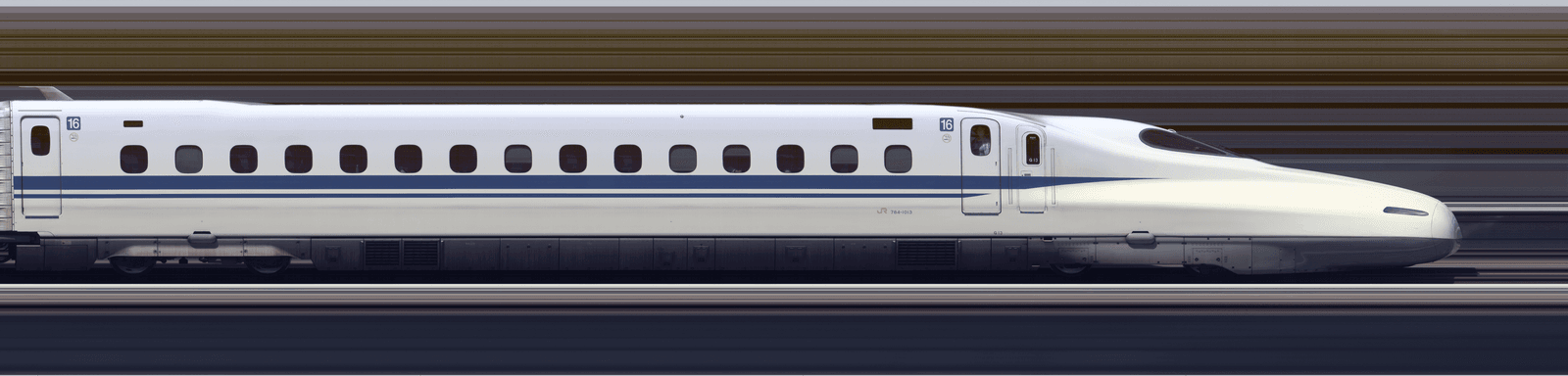
The week gives three days to Tokyo, two to Kyoto and two to Osaka. The one long journey is the Shinkansen (bullet train) from Tokyo to Kyoto on Day 4. Everything after that is a short local train ride.
| Day | City | Highlights |
|---|---|---|
| 1 | Tokyo | Arrive at Haneda or Narita, Shinjuku by night, free night view from the Tokyo Metropolitan Government Building |
| 2 | Tokyo | Senso-ji and Nakamise in Asakusa, Akihabara, sunset from Tokyo Skytree |
| 3 | Tokyo | Meiji Jingu, Harajuku, Omotesando, Shibuya Crossing and Shibuya Sky, Odaiba at night |
| 4 | Tokyo → Kyoto | Market breakfast, Shinkansen to Kyoto, Fushimi Inari's torii gates, evening in Gion |
| 5 | Kyoto | Arashiyama bamboo grove, Kinkaku-ji, Ryoan-ji, kimono walk to Kiyomizu-dera |
| 6 | Kyoto → Nara → Osaka | Todai-ji and the deer of Nara Park, Shinsaibashi, Dotonbori at night |
| 7 | Osaka | Osaka Castle, Umeda Sky Building, Kuromon Market, fly home from Kansai Airport |
Is the Japan Rail Pass worth it on this route?
The Japan Rail Pass is a rail pass for overseas visitors. It gives unlimited travel on JR Group trains (including most Shinkansen services), JR buses and JR ferries. The 7-day Ordinary Car pass costs ¥50,000 per adult. It does not cover the fastest Shinkansen services, Nozomi and Mizuho, so pass holders ride the Hikari or Kodama instead. This itinerary uses the Hikari between Tokyo and Kyoto for that reason.
Before you buy one, add up the fares. A one-way Tokyo–Kyoto Shinkansen ticket is around ¥13,320 per adult (the exact fare depends on the train and whether you reserve a seat). Add the other JR rides in this plan: the Narita Express (¥3,250), the short hops to Inari (¥150) and Arashiyama (¥240), Kyoto to Nara (¥720) and Nara to Osaka (¥810). Even if you land at Narita, the total stays under ¥20,000. The Rapi:t airport train on Day 7 is run by Nankai, not JR, so the pass doesn't cover it.
For this exact one-way route, then, single tickets usually work out cheaper than the ¥50,000 pass. The pass only starts to pay for itself if you add several more long-distance JR journeys. Our guide JR Pass: when is it actually worth buying? walks through the numbers for other routes.
Day 1: Arrive in Tokyo and see Shinjuku by night
Flights and immigration
Most international flights to Tokyo land at Haneda Airport (HND) or Narita Airport (NRT). Register on Visit Japan Web before you fly: you enter your immigration and customs details online and get QR codes to show on arrival, which can save a lot of time at the airport and sometimes gets you into a faster lane.
From the airport to Shinjuku
- From Haneda: Take the Tokyo Monorail to Hamamatsucho and change to the JR Yamanote Line for Shinjuku. Allow about 40 minutes; the fare is around ¥680.
- From Narita: The JR Narita Express (N'EX) runs to Shinjuku in about 85 minutes for ¥3,250. It is covered by the Japan Rail Pass.
Evening: Shinjuku's neon and a free night view
- 18:00 Check in. Hotels around Shinjuku or Shibuya station make the next two days easy.
- 19:00 Dinner in Omoide Yokocho (Memory Lane), a narrow retro alley of tiny izakaya grilling yakitori and other skewers. Order a few skewers and a beer and soak up the atmosphere.
- 1-2 Nishi-Shinjuku, Shinjuku-ku. About 3 minutes' walk from the West Exit of JR Shinjuku Station.
- 21:00 Ride up to the Tokyo Metropolitan Government Building observatories on the 45th floor, 202 metres above the ground. You look out over Shinjuku's skyscrapers and, on a clear night, as far as Tokyo Tower and Tokyo Skytree. Entry is free.
- 2-8-1 Nishi-Shinjuku, Shinjuku-ku. Open 9:30–22:00 (last entry 21:30). There are two decks: the South Observatory closes on the 1st and 3rd Tuesday of the month and the North Observatory on the 2nd and 4th Monday. Directly connected to Tochomae Station on the Toei Oedo Line.
Where to stay: Shinjuku has plenty of business hotels. Two options: the Shinjuku Washington Hotel (about 8 minutes' walk from the South Exit of JR Shinjuku Station, from about ¥8,000 a night) and APA Hotel Shinjuku Kabukicho (about 6 minutes from the East Exit, from about ¥6,500 a night).
Day 2: Old Tokyo and otaku Tokyo, from Asakusa to Akihabara and Skytree
Morning: Asakusa and Senso-ji
- 07:30 Start early with a convenience-store breakfast: onigiri (rice balls) or a sandwich, for around ¥500.
- 08:30 Head to Asakusa, the terminus of the Tokyo Metro Ginza Line. From Shinjuku it takes about 25 minutes and costs around ¥250.
- 09:00 Senso-ji, Tokyo's oldest temple. The great Kaminarimon gate and the five-storey pagoda are among the city's most famous sights, and early in the morning, before the tour groups, the precinct is calm.
- 2-3-1 Asakusa, Taito-ku. Main hall open 6:00–17:00 (from 6:30 between October and March). Free. About 5 minutes' walk from Asakusa Station (Toei Asakusa Line, Tokyo Metro Ginza Line, Tobu Skytree Line).
- 10:30 Stroll Nakamise-dori, the shopping street of about 90 stalls that runs for around 250 metres from Kaminarimon to the main hall. It sells traditional crafts, souvenirs and snacks; try melon pan (a sweet bun) and ningyo-yaki (little filled cakes).
- 1-36-3 Asakusa, Taito-ku. Hours vary by shop, roughly 9:00–18:00.
Midday: Akihabara
- 12:00 Take the Tsukuba Express from Asakusa to Akihabara, about 5 minutes and ¥220.
- 12:30 Lunch at Kyushu Jangara, a popular Akihabara ramen shop serving rich tonkotsu (pork-bone) ramen.
- Kyushu Jangara Akihabara main shop: 3-11-6 Soto-Kanda, Chiyoda-ku. Open 10:30–23:30. A bowl costs from about ¥850.
- 13:30–16:30 Explore Akihabara: electronics stores, anime and manga shops and maid cafés. Our Akihabara anime guide tells you where to start.
Late afternoon and evening: Tokyo Skytree
- 17:00 Travel to Tokyo Skytree Town by JR and the Tobu Skytree Line (about 25 minutes, around ¥300).
- 17:30 Go up Tokyo Skytree. The Tembo Deck is 350 metres up and the Tembo Galleria 450 metres, both with 360-degree views over Tokyo. Arrive before sunset to watch the city light up.
- 1-1-2 Oshiage, Sumida-ku. Open 10:00–21:00 (last entry 20:00). Tembo Deck from ¥2,100; Tembo Deck plus Tembo Galleria from ¥3,100 (weekday prices; they vary by day and by whether you buy online). Directly connected to Tokyo Skytree Station (Tobu Skytree Line) and Oshiage Station (Hanzomon Line).
- 19:00 Dinner at conveyor-belt sushi. At chains such as Uobei, plates start at about ¥110.
- 21:00 Back to the hotel.
Day 3: Young Tokyo, from Harajuku and Shibuya to Odaiba
Morning: Meiji Jingu and Harajuku
- 09:00 JR Yamanote Line to Harajuku.
- 09:30 Meiji Jingu, the shrine dedicated to Emperor Meiji and Empress Shoken. It sits in a large forest in the middle of the city, and the air feels noticeably fresher.
- 1-1 Yoyogi-Kamizonocho, Shibuya-ku. The gates open at sunrise and close at sunset, so hours change month by month (roughly 6:00–16:30). Free. Right next to JR Harajuku Station and Meiji-jingumae Station (Tokyo Metro).
- 11:00 Walk down Takeshita Street, the heart of Harajuku youth fashion, lined with quirky boutiques, crepe stands and sweet shops.
- 12:00 Lunch Harajuku-style: a crepe and a giant rainbow cotton candy.
Afternoon: Omotesando, Shibuya Crossing and Shibuya Sky
- 13:30 Walk to Omotesando, a more grown-up avenue of global flagship stores.
- 15:00 Continue on foot or by train to Shibuya and cross the Shibuya Scramble Crossing, one of the busiest intersections in the world, where hundreds of people cross at once.
- 15:30 Shibuya Sky, the rooftop observatory on top of Shibuya Scramble Square. The views run a full 360 degrees and on clear days reach Mount Fuji.
- Shibuya Scramble Square, 2-24-12 Shibuya, Shibuya-ku. Open 10:00–22:30 (last entry 21:20). Same-day ticket ¥2,500; ¥2,200 if booked online in advance. Directly connected to JR Shibuya Station.
- 17:00 Say hello to the Hachiko statue outside Shibuya Station.
Evening: Odaiba
- 18:30 Head to Odaiba, changing at Shimbashi for the Yurikamome line (about 30 minutes, around ¥400).
- 19:00 See the life-size Gundam statue at DiverCity Tokyo Plaza, then eat at the food court in Aqua City Odaiba.
- 21:00 Finish with the lights of the Rainbow Bridge and the night view across Tokyo Bay to the city's towers.
Day 4: Shinkansen to Kyoto and the torii of Fushimi Inari
Early morning: breakfast at Toyosu or Tsukiji
- 07:00 Make breakfast a food experience:
- Toyosu Market: 6-3-1 Toyosu, Koto-ku. Plenty of restaurants serve very fresh seafood, and the sushi is superb. Sushi breakfast from about ¥3,000. Directly connected to Shijo-mae Station on the Yurikamome.
- Tsukiji Outer Market: 4-16-2 Tsukiji, Chuo-ku. A lively market where you graze on seafood rice bowls and tamagoyaki (sweet rolled omelette). 1 minute from Tsukijishijo Station on the Toei Oedo Line.
- 09:00 Back to the hotel to check out.
Midday: Shinkansen to Kyoto
- 10:30 Go to Tokyo Station.
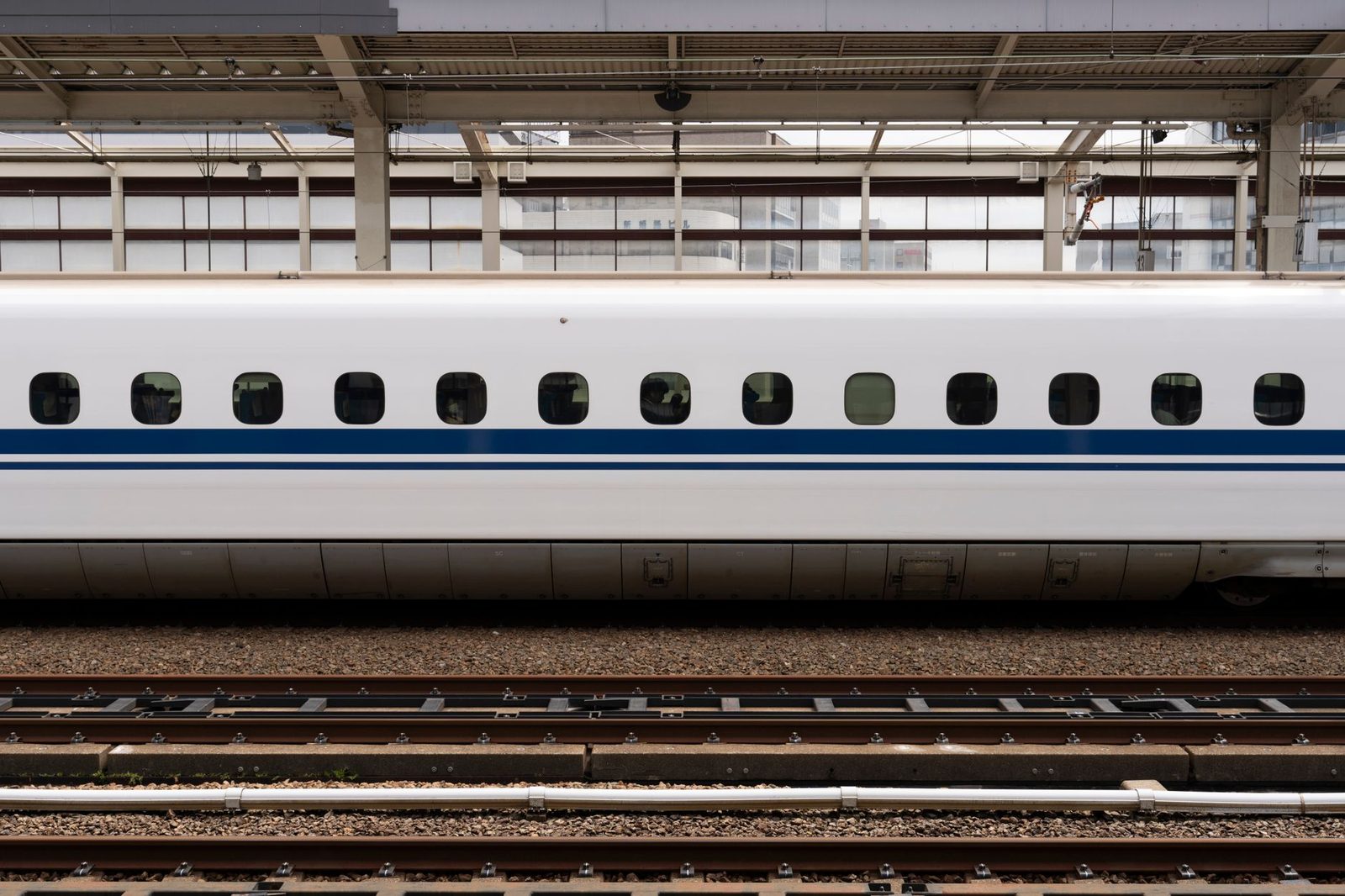
- 11:00 Board a Hikari on the Tokaido Shinkansen to Kyoto, about 2 hours 40 minutes. The fare is around ¥13,320 one way; it is covered if you have a Japan Rail Pass.
- 13:50 Arrive in Kyoto and check in near Kyoto Station.
Afternoon: Fushimi Inari Taisha
- 15:00 JR Nara Line from Kyoto to Inari Station, about 5 minutes and ¥150.
- 15:30 Fushimi Inari Taisha is the head shrine of the roughly 30,000 Inari shrines across Japan, famous for its Senbon Torii, the tunnels of vermilion gates that wind up the mountain. The higher you climb, the thinner the crowds, and some points look out over Kyoto. Going all the way to the summit and back takes about two hours.
- 68 Fukakusa Yabunouchicho, Fushimi-ku, Kyoto. Open 24 hours. Free. Right in front of JR Inari Station; 5 minutes' walk from Fushimi-Inari Station on the Keihan Main Line.
- 17:30 Watch the sunset from partway up the mountain.
- 18:30 Back at the bottom, snack on inari-zushi (sushi rice in sweet fried tofu), from about ¥600.
Evening: Gion
- 20:00 Take the Keihan line to Gion-Shijo and walk Hanamikoji, a stone-paved street of old wooden townhouses. With luck you may glimpse a maiko or geiko on her way to an appointment; give them space and don't block their path for photos.
- Gion-machi Minamigawa, Higashiyama-ku. 5 minutes from Gion-Shijo Station (Keihan).
- 21:00 Dinner in Gion: a mini kaiseki course from about ¥3,500, or a yakitori bar from about ¥2,000.
Day 5: Classic Kyoto, from Arashiyama to Kiyomizu-dera
Early morning: Arashiyama
- 06:30 Up early for the JR Sagano Line from Kyoto to Saga-Arashiyama (about 17 minutes, ¥240).
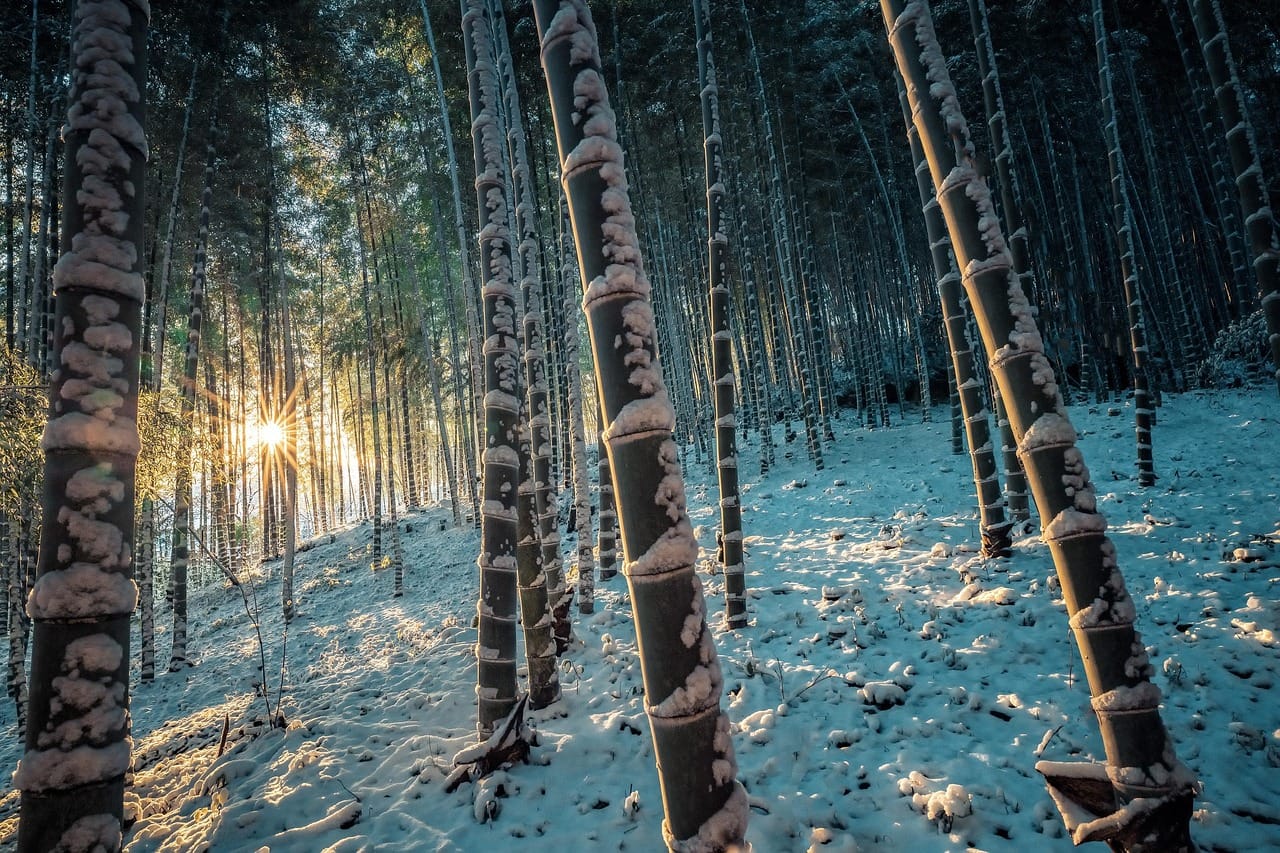
- 07:30 Walk the Arashiyama bamboo grove (Chikurin no Komichi) while it is still quiet. By about 8:30 the crowds arrive. It's about 10 minutes on foot from JR Saga-Arashiyama Station; see our Arashiyama bamboo grove guide.
- 08:30 Tenryu-ji, a World Heritage Zen temple best known for its Sogenchi pond garden.
- 68 Sagatenryuji Susukinobabacho, Ukyo-ku. Open 8:30–17:00 (the north gate closes at 16:30). Garden ¥500, plus ¥300 to enter the temple halls. 13 minutes' walk from JR Saga-Arashiyama Station.
- 10:00 Cross the Togetsukyo Bridge over the Katsura River, the classic Arashiyama view.
Late morning and lunch: Kinkaku-ji
- 11:00 Take a Kyoto city bus from Arashiyama to Kinkaku-ji, the Golden Pavilion (about 30 minutes, ¥230), and spend the rest of the morning there.
- 12:30 Lunch near Kinkaku-ji on yudofu, simmered tofu, a Kyoto speciality closely tied to Buddhist vegetarian cooking. Set meals from about ¥1,500.
Afternoon: Ryoan-ji
- 14:00 Ryoan-ji, another World Heritage Zen temple, famous for its karesansui (dry landscape) rock garden and the enigmatic arrangement of its stones.
- 13 Ryoanji Goryonoshitacho, Ukyo-ku. Open 8:00–17:00 (8:30–16:30 from December to February). Admission ¥600. 7 minutes' walk from Ryoanji Station on the Keifuku (Randen) line.
Late afternoon and evening: kimono walk to Kiyomizu-dera
- 15:30 Rent a kimono. Walking Kyoto's old streets in kimono is a memory most visitors treasure, and rental starts at around ¥4,500. Our guide to where to rent a kimono in Kyoto compares the options.
- 16:30 Stroll up Sannenzaka and Ninenzaka to Kiyomizu-dera, one of Kyoto's best-known temples. Its main hall stands on the famous wooden "stage" with views over the city.
- 1-294 Kiyomizu, Higashiyama-ku. Open 6:00–18:00, with special evening openings in some seasons. Admission ¥400. About 20 minutes' walk from Kiyomizu-Gojo Station (Keihan).
- 18:00 Return the kimono and have dinner in Pontocho, the narrow lane of restaurants beside the Kamo River.
Day 6: Nara's deer, then an Osaka night
Morning: Todai-ji and Nara Park
- 08:30 JR Nara Line from Kyoto to Nara, about 45 minutes and ¥720.
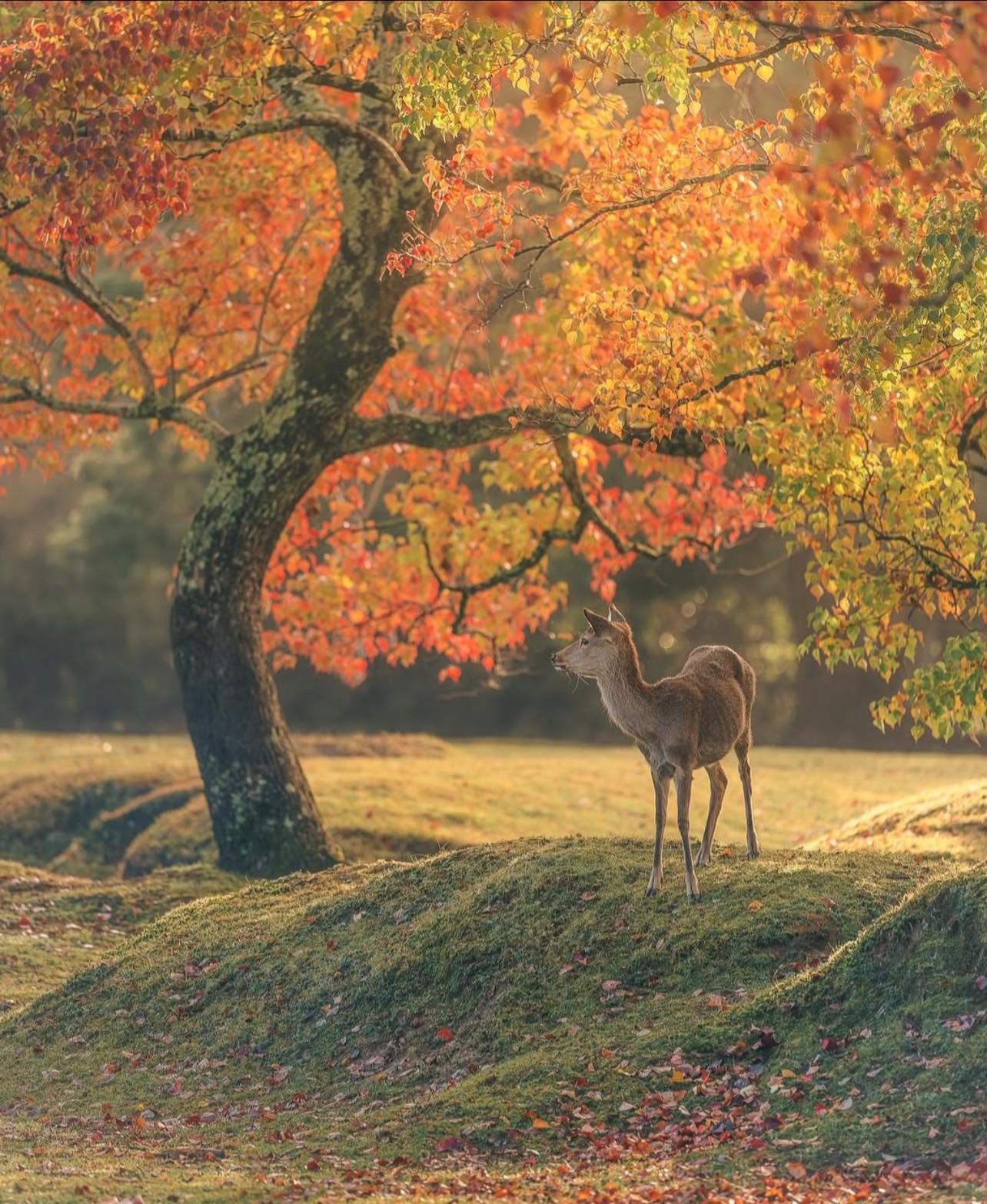
- 09:30 Todai-ji, a World Heritage temple. Its Great Buddha Hall is one of the largest wooden buildings in the world, and the giant bronze Buddha inside is breathtaking.
- 406-1 Zoshicho, Nara. Great Buddha Hall, Hokkedo (Sangatsudo) and Kaidan-in open 7:30–17:30 (8:00–17:00 from November to February). Admission from ¥800. From JR Nara Station, take a bus for about 10 minutes to the Daibutsuden Kasuga Taisha-mae stop.
- 11:00 Wander Nara Park, home to more than a thousand free-roaming deer. You can buy shika senbei (deer crackers) to feed them.
- 12:00 Lunch near the park. Watch mochi being pounded by hand and eat a freshly made yomogi (mugwort) mochi.
Afternoon: on to Osaka
- 14:00 JR Yamatoji Line (through services continue onto the Osaka Loop Line) from Nara to Osaka or JR Namba, about 45 minutes and ¥810.
- 15:30 Check in around Shinsaibashi or Namba.
- 16:30 Shop along Shinsaibashi-suji, Osaka's best-known covered shopping street, full of fashion, homeware and places to eat.
Evening: Dotonbori
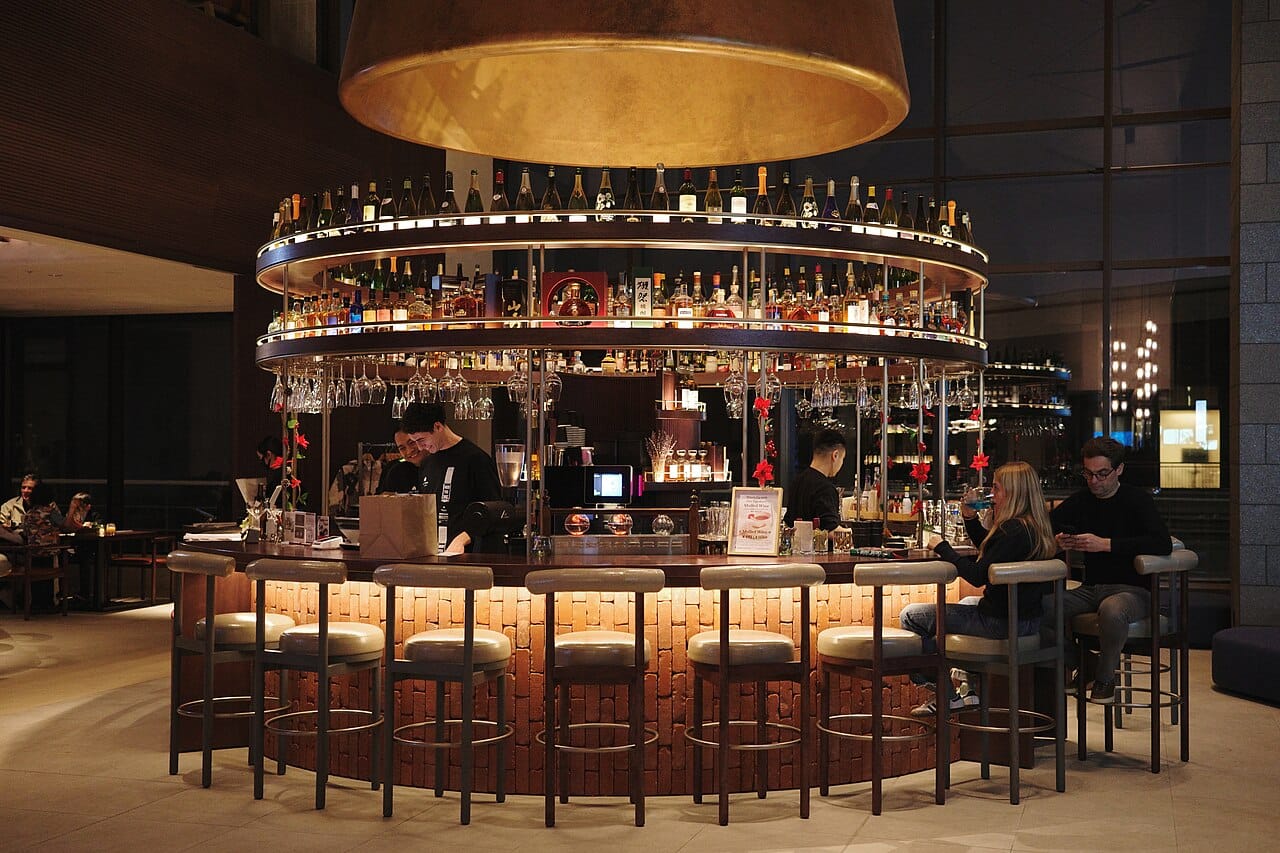
- 19:00 Dotonbori is Osaka's night out. Eat your way along the canal: takoyaki, okonomiyaki and kushikatsu (deep-fried skewers). Our Osaka street food guide has the details.
- Dotonbori, Chuo-ku, Osaka. Walking distance from Namba and Shinsaibashi subway stations.
- 21:00 Take the obligatory photo in front of the Glico Running Man sign and enjoy the neon reflected in the canal.
Day 7: Osaka Castle, a market lunch and home
Morning: Osaka Castle and Umeda Sky Building
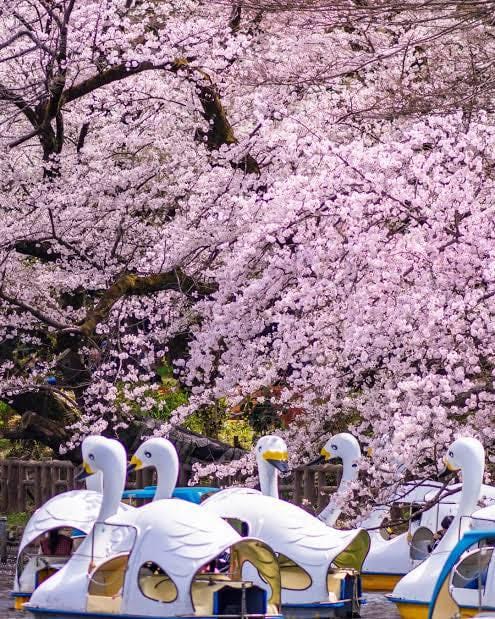
- 09:00 Osaka Castle was built by Toyotomi Hideyoshi. Today's main keep is a reconstruction with a museum inside that tells the story of Osaka. In early April the castle grounds are full of cherry blossoms.
- 1-1 Osakajo, Chuo-ku. Open 9:00–17:00 (last entry 16:30); closed over the New Year holidays. Adults ¥600. About 15 minutes' walk from JR Osakajokoen Station.
- 11:00 Umeda Sky Building, two towers joined at the top by the Floating Garden Observatory, 173 metres up, with 360-degree views across Osaka.
- 1-1-88 Oyodonaka, Kita-ku. Open until 22:30 (last entry 22:00). Adults ¥1,500. About 10 minutes' walk from JR Osaka Station.
Lunch: Kuromon Market
- 12:30 Kuromon Ichiba, the market known as "Osaka's kitchen". Many stalls prepare what they sell for you to eat on the spot: try sea urchin (uni), wagyu and fugu (pufferfish).
Afternoon: last shopping and the airport
- 15:00 Pick up souvenirs at Don Quijote Umeda. Our list of 20 things worth buying at Don Quijote helps you fill the suitcase.
- 17:00 From Nankai Namba Station, take the Rapi:t express to Kansai International Airport (KIX): about 35 minutes, ¥1,430.
- 19:00 Fly home. Leave enough time for check-in and security on an international flight; if your flight leaves earlier in the evening, drop the shopping stop and head to the airport sooner.
What the week costs
Flights depend entirely on where you start, so they aren't included here. These are the on-the-ground prices used in this itinerary:
| Item | Price used in this guide |
|---|---|
| Japan Rail Pass, 7 days, Ordinary Car | ¥50,000 per adult (the JR fares in this plan add up to under ¥20,000 as single tickets) |
| Hotels | Shinjuku business hotels from about ¥6,500–8,000 a night |
| Paid sights | About ¥9,000 in total: Skytree ¥2,100, Shibuya Sky ¥2,500, Tenryu-ji ¥500, Ryoan-ji ¥600, Kiyomizu-dera ¥400, Todai-ji ¥800, Osaka Castle ¥600, Umeda Sky Building ¥1,500 (Kinkaku-ji not included) |
| Kimono rental in Kyoto | From about ¥4,500 |
| Meals mentioned | Ramen from ¥850, conveyor-belt sushi from ¥110 a plate, yudofu set from ¥1,500, Toyosu sushi breakfast from ¥3,000, mini kaiseki from ¥3,500 |
| Airport train to KIX (Rapi:t) | ¥1,430 |
| Cash to carry | ¥50,000–80,000 per person for the week |
To bring the total down further, see 7 days in Japan under $1,400.
When to do the Golden Route
- Late March to early April: cherry blossom season. The most beautiful time, and the busiest and most expensive.
- May and June: fresh greenery, comfortable temperatures and more moderate prices.
- October and November: autumn leaves, with Kyoto at its most spectacular.
- December to February: winter. Tokyo sees little snow, but Kyoto is lovely in the cold and the occasional snowfall.
Practical tips
- Get mobile data before you land. A Japan eSIM keeps Google Maps, train apps and camera translation working all week.
- Pace yourself on Day 4. It combines a city change with the climb at Fushimi Inari, and it is the most tiring day of the week. Eat light and get to bed early.
- Book hotels early. Reserve at least six weeks ahead, and three to four months ahead for cherry blossom or autumn leaf season. Kyoto hotels sell out fastest.
- Go early to the big sights. Senso-ji, the Arashiyama bamboo grove and Fushimi Inari are all far calmer first thing in the morning.
FAQ
Is seven days enough for three cities? Yes, but it is a brisk week. With ten days, add Hakone or Nikko before or after Tokyo for a slower pace. Our Hakone onsen day trip from Tokyo is a good starting point.
Do I need a visa? It depends on your passport. Check the requirements with the Japanese embassy or consulate in your country well before you book.
How much cash should I bring? Plan on ¥50,000–80,000 per person for the week. Many places take cards, but small ramen shops, markets, temples and shrines often accept cash only. 7-Eleven ATMs are the most convenient place to withdraw yen and generally offer good rates.
Do you need to speak Japanese? No. Tokyo, Kyoto and Osaka have plenty of English signage at stations and major sights, and a camera translation app will handle most menus.
Can I do the route in reverse, starting in Osaka? Yes, and it makes sense if you fly into Kansai (KIX) and out of Haneda (HND). Most first-timers start in Tokyo simply because it has the widest choice of flights.
Seven days on the Golden Route won't show you all of Japan, but it gives you its three great cities in one smooth line: Tokyo's energy, Kyoto's temples and gardens, and Osaka's food. Start early each day, keep the evenings for the neon, food streets and night views, and leave room for a return trip. For more time in the old capital, continue with our complete Kyoto guide.