Japan’s Golden Route by Bus: A Group Itinerary from Tokyo to Osaka
A practical Tokyo–Fuji–Kyoto–Osaka itinerary for groups travelling by 45–50-seat coach, with smart overnight bases and early starts.
Aug 21, 2026·✍️ olablog·⏱ 9 min read
A practical Tokyo–Fuji–Kyoto–Osaka itinerary for groups travelling by 45–50-seat coach, with smart overnight bases and early starts.
Tap a region to browse articles
Why travel Japan’s Golden Route by bus?
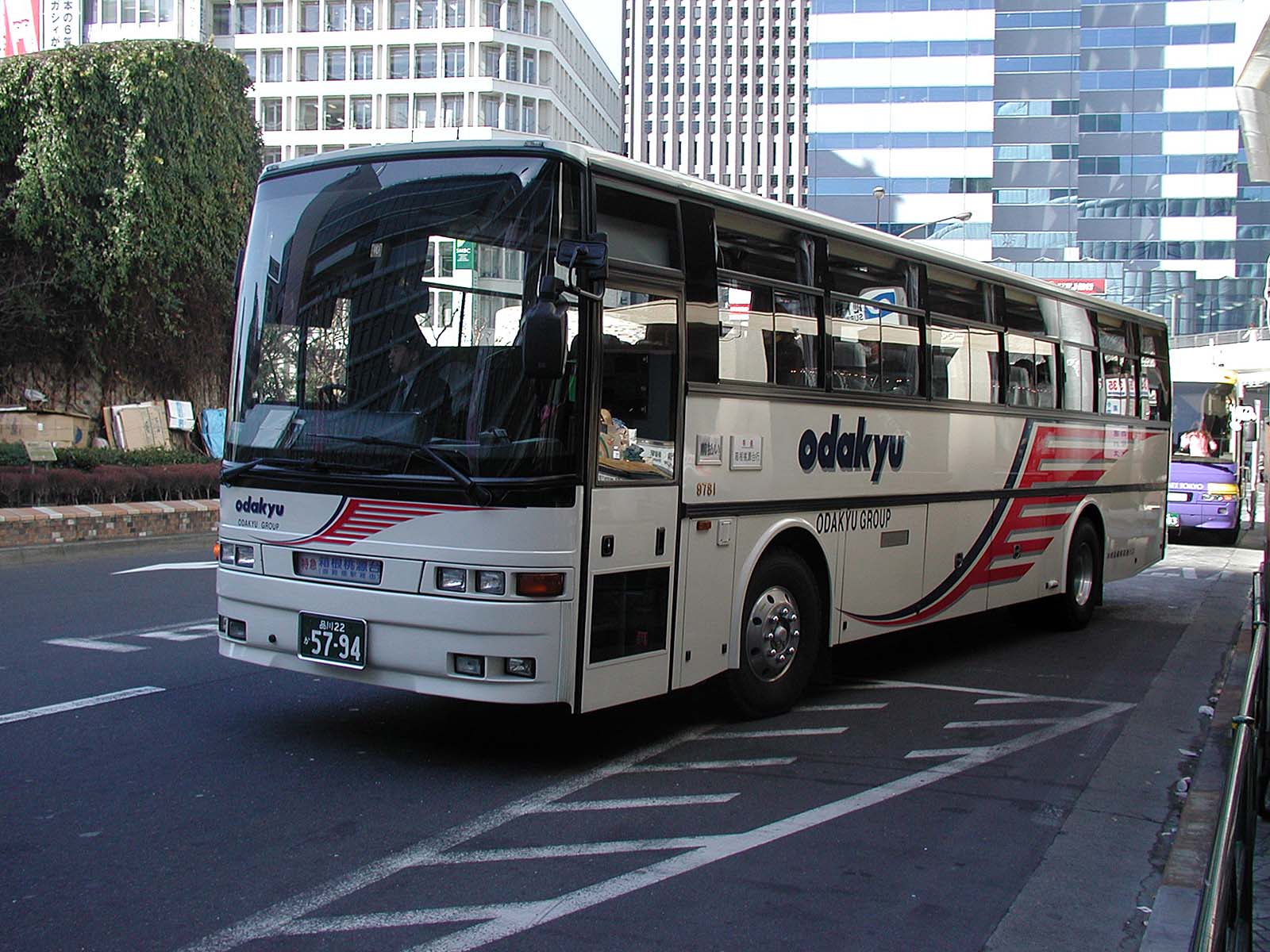
Tokyo, Mount Fuji, Kyoto and Osaka form Japan’s classic Golden Route. For a group, travelling between them by a 45–50-seat full-size coach can make the journey far more comfortable than coordinating several trains, taxis and local transfers.
A private coach gives your group one meeting point, space for luggage and a flexible schedule. You can also stop at viewpoints, service areas and local restaurants that are difficult to reach as a large group by public transport.
The key is not trying to see everything. A well-paced route should:
- Keep the major city sightseeing days manageable
- Allow time for luggage loading and hotel check-in
- Use overnight bases that support an early start
- Avoid unnecessary backtracking
- Match the coach route to road access and group walking ability
The sample itinerary below works well for a first visit and can be adjusted for families, student groups, company trips or multi-generational travellers.
Sample seven-day itinerary
Day 1: Arrive in Tokyo
Use the first day for arrival, hotel check-in and an easy introduction to the city. Depending on your landing time, visit one nearby area rather than crossing Tokyo several times.
Good first-day options include:
- Asakusa for Senso-ji, traditional streets and riverside views
- Shibuya for the famous crossing and modern Tokyo
- Tokyo Station and Marunouchi for shopping and an evening meal
- Odaiba for open spaces and waterfront views
For a large group, choose a hotel with a coach-friendly loading area or a designated nearby drop-off point. Tokyo streets can be narrow and busy, so the coach may need to set down passengers a short walk from the hotel.
Overnight: Tokyo
Day 2: Tokyo highlights
A full sightseeing day could include Meiji Jingu, Harajuku, Shibuya and the Tokyo Metropolitan Government Building. Alternatively, divide the group by interest: some travellers may prefer museums and gardens, while others choose shopping districts.
A full-size coach is useful between major areas, but it is not always practical for every short urban transfer. Your operator can recommend suitable meeting points and coordinate a clear schedule so nobody gets left behind.
Allow extra time for group boarding. With 45–50 passengers, even a short transfer takes longer than it would for a private car. Keeping one group leader near the coach and using a simple headcount system makes the day smoother.
Overnight: Tokyo
Day 3: Tokyo to Mount Fuji or the Fuji Five Lakes area
Leave Tokyo early for the Fuji region. The exact route depends on weather, traffic and the season, but a typical day may include:
- A viewpoint around Lake Kawaguchiko
- Oshino Hakkai or another traditional village area
- A panoramic ropeway or lakeside walk
- A local lunch with views of Mount Fuji
- A hotel with on-site hot spring baths
Mount Fuji is weather-dependent, so avoid building the entire day around one viewpoint. Keeping two or three alternatives gives the group a better chance of enjoying the region even when clouds cover the mountain.
If seeing Fuji at its clearest is a priority, stay overnight in the Fuji Five Lakes area rather than returning to Tokyo. Early morning often offers calmer roads and a better chance of clear views.
Overnight: Lake Kawaguchiko, Yamanakako or another Fuji-area base
Day 4: Fuji to Kyoto
Depart after breakfast for Kyoto. This is the longest intercity travel day in the sample route, so plan a proper rest stop and avoid scheduling too many attractions after arrival.
A comfortable plan is to:
- Leave the Fuji area in the morning
- Stop at a highway service area for refreshments and restrooms
- Have lunch en route or near Kyoto
- Check in and take an evening walk around Gion or Pontocho
The coach can carry your luggage directly between hotels, which avoids the effort of transferring large bags through stations. Ask the operator to confirm luggage capacity before booking, especially if everyone is travelling with large suitcases.
Kyoto accommodation should be selected with vehicle access in mind. Some traditional lanes and central streets are unsuitable for a full-size coach. A hotel near a wider road, station area or designated coach parking point may be more convenient than a property deep inside the historic district.
Overnight: Kyoto
Day 5: Kyoto’s eastern temples and traditional streets
Start early at Fushimi Inari Taisha, when the torii paths are generally more peaceful. Afterward, continue to Kiyomizu-dera and the preserved streets of Higashiyama.
A practical group sequence is:
- Fushimi Inari in the morning
- Kiyomizu-dera and Higashiyama
- Lunch in the Gion or Kawaramachi area
- Yasaka Shrine or a flexible afternoon activity
- Dinner near the hotel
The coach is best used for longer transfers and scheduled drop-offs, while the central sightseeing areas are explored on foot. Agree on a meeting point before the group separates. Kyoto’s historic streets can be confusing, and not every location can accommodate a large vehicle.
If your group prefers a slower day, replace one temple with Nishiki Market, a tea experience or a guided cultural activity. A less crowded schedule is often more enjoyable than rushing between many landmarks.
Overnight: Kyoto
Day 6: Arashiyama and transfer to Osaka
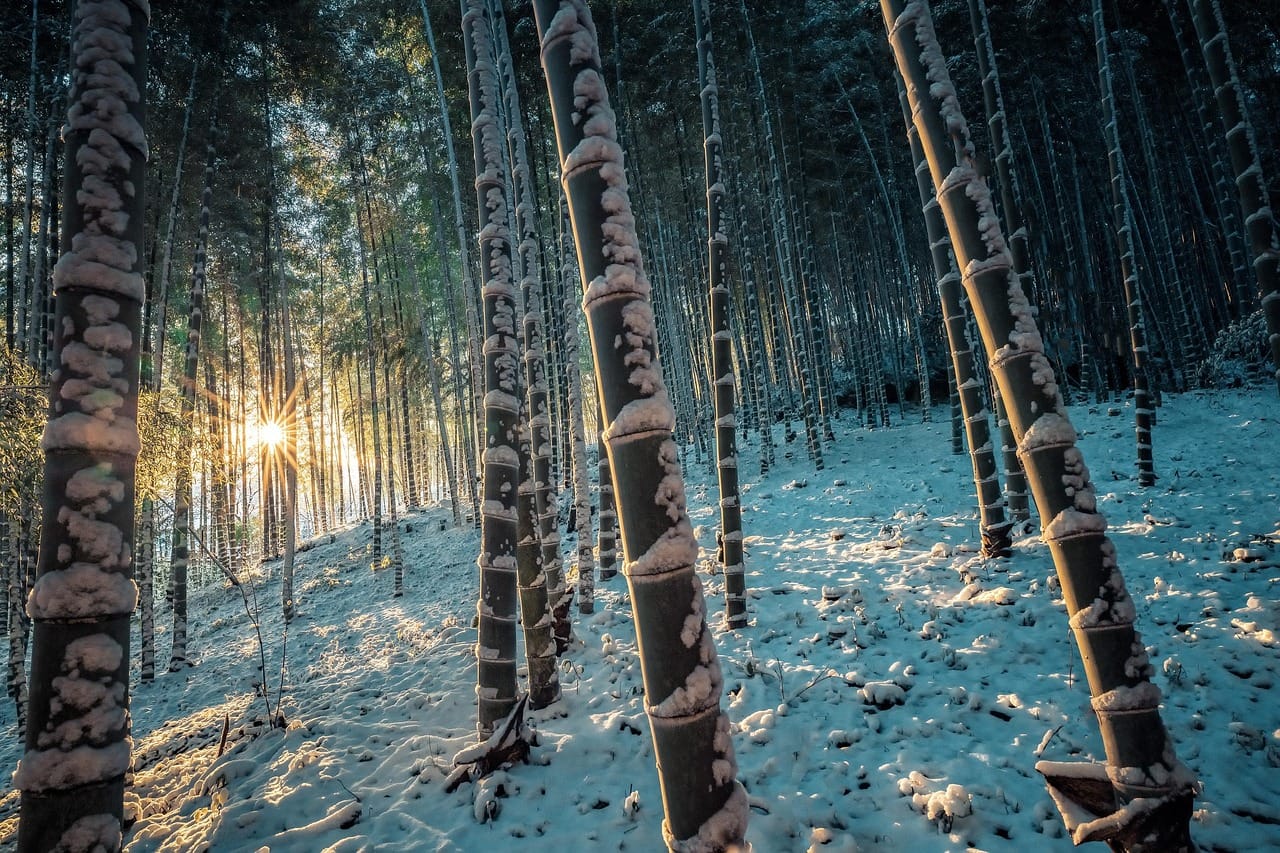
Leave Kyoto early for Arashiyama. Visit the bamboo grove before the busiest part of the day, then explore Tenryu-ji, the riverside area or the nearby shopping streets.
After lunch, continue to Osaka and check in. Depending on traffic and energy levels, spend the evening in:
- Dotonbori for street food and neon-lit canal views
- Shinsaibashi for shopping
- Shinsekai for a retro atmosphere
- Umeda for observation decks and restaurants
Staying in Osaka on this night is more efficient than returning to Kyoto. It reduces evening transfers and places the group closer to Osaka attractions, Universal Studios Japan or an airport departure the following day.
Overnight: Osaka
Day 7: Osaka sightseeing or departure
For a later departure, visit Osaka Castle, Kuromon Market or the Umeda area. If your group is travelling to Kansai International Airport, schedule the hotel departure with generous time for traffic, luggage loading and airport procedures.
For an early flight, choose a hotel with straightforward coach access and confirm the morning pick-up location in advance. Some city-centre hotels cannot accommodate a full-size coach directly outside the entrance.
Where should your group stay?
The best overnight base depends on your priorities. The comparison below highlights the practical differences.
| Overnight base | Best for | Early-start advantage | Important consideration |
|---|---|---|---|
| Tokyo | Arrival, shopping and major city sights | Easy to begin a Tokyo day without changing hotels | Coach access can be restricted in busy central districts |
| Fuji Five Lakes | Fuji views, hot springs and a relaxed regional stay | Better chance of an early Fuji viewpoint visit | Fewer large-group dining and hotel options than major cities |
| Kyoto | Temples, gardens and traditional neighbourhoods | Convenient for early visits to Fushimi Inari or Arashiyama | Historic streets may not allow full-size coach access |
| Osaka | Food, shopping, nightlife and airport convenience | Efficient final base for Osaka or Kansai Airport | Choose the hotel area carefully for luggage loading |
Planning a 45–50-seat coach itinerary
A full-size coach is ideal when the group is large, but the itinerary should be designed around the vehicle rather than treating it like a small car.
Allow time for boarding
A group of 45–50 people needs clear boarding instructions and a little patience at every stop. Set fixed departure times and ask passengers to return to the coach a few minutes early.
Check road and parking restrictions
Popular temples, old towns and mountain viewpoints may have vehicle restrictions, seasonal controls or limited parking. Your licensed Japanese operator can plan legal drop-off points, coach parking and walking routes.
Keep the luggage plan simple
Loading everything once per day is easier than repeatedly opening the luggage compartment. Pack a small overnight bag for the Fuji stay if the group wants a quicker hotel arrival.
Build in rest stops
Long road journeys should include suitable highway service areas. These are useful for restrooms, drinks and quick snacks, and they give the driver a proper break. The route and stop timing may change with traffic or road conditions.
Plan for seasonal demand
Every spring, cherry blossom areas become especially busy. Autumn foliage, summer weekends and the period from mid-November to early December can also affect hotel availability and road conditions. Early departures and flexible sightseeing order are valuable during peak periods.
For a route planned around your group size, hotel locations and preferred sightseeing pace, request a free Japan charter bus quote from OlaChill. The booking form provides an exact quote, with a reply within 24 hours.
Final planning tips
A successful Golden Route trip is less about fitting in the maximum number of attractions and more about reducing friction between them. Choose hotels where the coach can load safely, schedule the busiest sights early and keep one flexible block for weather or traffic changes.
With a 45–50-seat coach and a licensed Japanese operator, your group can travel together from Tokyo to Osaka while keeping the route comfortable, organised and adaptable.
FAQ
Is a full-size coach suitable for Kyoto’s narrow streets?
Yes, but not for every street. The coach will usually use a suitable main-road drop-off point, after which the group walks to temples, markets or historic districts.
Should we stay overnight near Mount Fuji?
Staying in the Fuji Five Lakes area is recommended if Fuji views, hot springs or an early morning visit are priorities. It also avoids returning to Tokyo after a full sightseeing day.
Is it better to stay in Kyoto or Osaka?
Stay in Kyoto when temples and traditional neighbourhoods are the main focus. Stay in Osaka for food, nightlife, shopping, Universal Studios Japan or easier access to Kansai International Airport.
Can the itinerary be shortened?
Yes. A five- or six-day version can combine Tokyo sightseeing, Fuji, Kyoto and Osaka, but the pace will be faster. For larger groups, keeping at least one full day in Tokyo and Kyoto usually makes the experience more comfortable.