Indian & Nepali Restaurants in Osaka and Kyoto Worth Your Yen
Discover budget-friendly Indian and Nepali dining in Osaka and Kyoto, with tips on lunch sets, vegetarian options, and where students find a taste of home.
Jul 10, 2026·✍️ olablog·⏱ 21 min read
Discover budget-friendly Indian and Nepali dining in Osaka and Kyoto, with tips on lunch sets, vegetarian options, and where students find a taste of home.
Tap a region to browse articles
Embarking on a journey to Japan is often a dive into an entirely new culinary landscape, but for many first- and second-time visitors from India and Bangladesh, the craving for familiar flavors is a real consideration. While Japan boasts an incredible array of its own dishes, the comforting aroma of tandoori chicken or a hearty dal can be a welcome respite. Thankfully, Osaka and Kyoto, two of Japan's most captivating cities, offer a surprisingly robust and affordable Indo-Nepali dining scene, with many lunch sets starting from around ¥800 (approximately ₹448) that provide substantial value. This guide will help you navigate this delicious segment of Japan's food culture.
The Enduring Appeal of Indo-Nepali Cuisine in Japan
The presence of Indian and Nepali restaurants across Japan, particularly in major urban centers like Osaka and Kyoto, is more than just a culinary convenience; it represents a significant cultural bridge. These establishments have carved out a unique niche, appealing not only to South Asian visitors and residents but also to a growing local Japanese clientele appreciative of the rich, aromatic flavors. For travelers from India and Bangladesh, these restaurants offer a familiar anchor in a foreign land, a place where the spices are understood, the rice is comforting, and the warmth of hospitality often echoes home. This widespread availability means that whether you're exploring the bustling streets of Namba or the serene temples of Kyoto, a satisfying meal that reminds you of home is rarely far away.
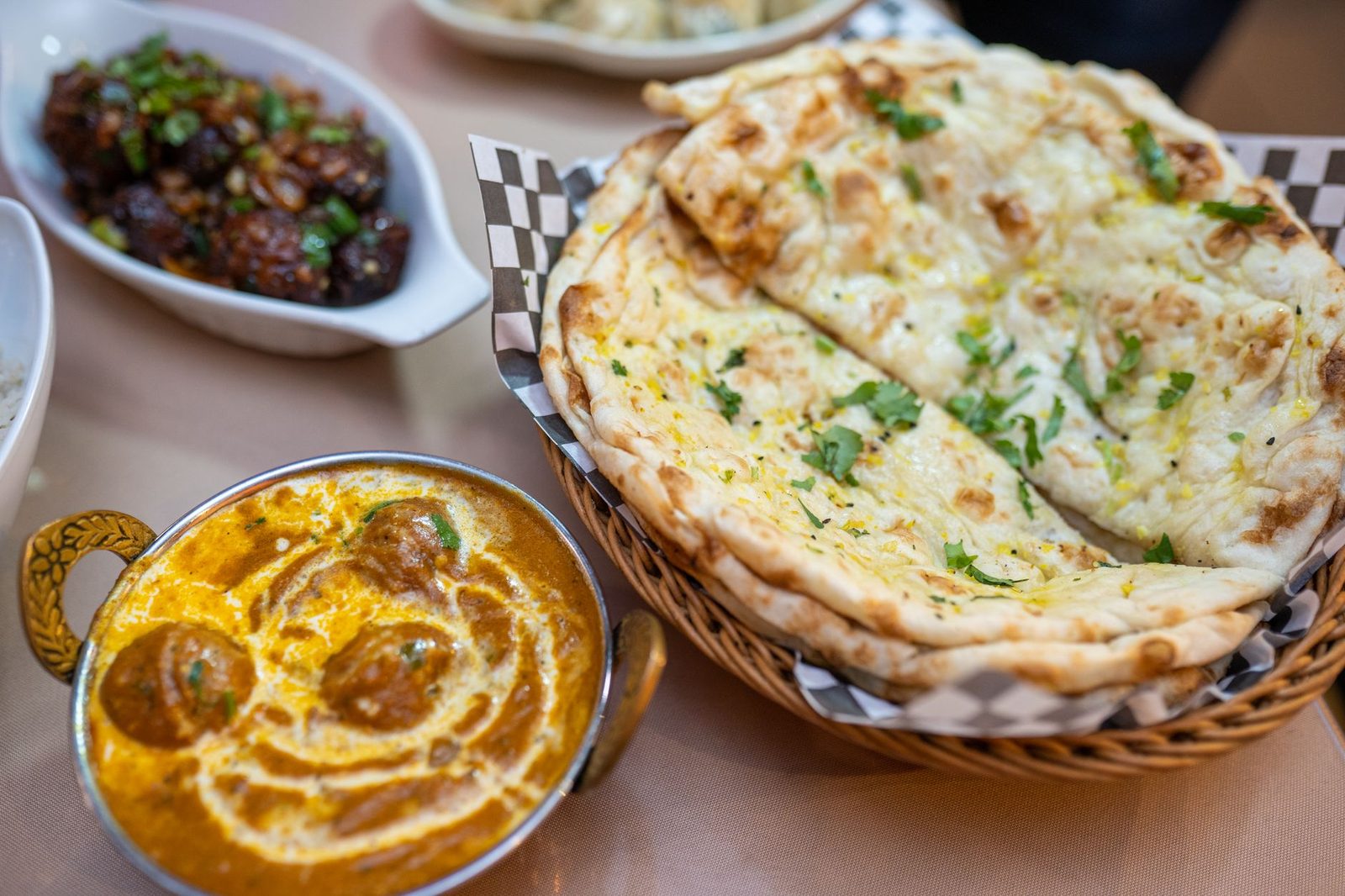
The menu staples are often instantly recognizable: various curries, tandoori preparations, fresh naan bread, and rice dishes. What sets many of these places apart in Japan is their consistent quality and often incredible value, especially during lunch hours. They cater to a broad spectrum of dietary needs, making them a go-to option for those seeking vegetarian or even halal-friendly meals, which can sometimes be a challenge to find elsewhere in Japan. Understanding this culinary landscape can significantly enhance your trip, ensuring that your gastronomic journey is as fulfilling as your sightseeing adventures.
The Tandoori Economy: A Taste of Home Away From Home
The "tandoori economy" in Japan refers to the pervasive network of Indian and Nepali restaurants, often identifiable by their shared culinary offerings and business models. These establishments frequently feature large, visible tandoor ovens, signaling their commitment to freshly baked naan and perfectly charred tandoori meats. This consistency is a cornerstone of their success, providing a reliable and comforting dining experience that resonates deeply with the South Asian diaspora and international visitors. For homesick students, particularly those new to Japan, these restaurants become vital community hubs, offering not just sustenance but also a sense of belonging and cultural familiarity.
Many of these restaurants are family-run or part of smaller chains, managed by individuals from India or Nepal. This often translates to authentic recipes and a genuine understanding of South Asian palates. The business model often revolves around offering diverse menus that balance traditional dishes with Japanese adaptations, such as slightly less spicy options or unique set meal configurations. This adaptability allows them to cater to a broader audience while retaining their core identity. The affordability, especially during lunch, is a key driver, making them competitive within Japan's diverse food scene. They understand the value proposition, providing substantial, flavorful meals at prices that appeal to both budget-conscious travelers and local workers.
Lunch Set Value: Your Best Bet for Budget-Friendly Dining
Without a doubt, the lunch set (ランチセット, ranchi setto) is the undisputed champion of value at Indo-Nepali restaurants across Osaka and Kyoto. This is where you'll find the most bang for your yen, often providing a complete, satisfying meal for a fraction of the cost of dinner. Typically available from around 11:00 AM to 2:00 PM or 3:00 PM, these sets are designed for quick, hearty nourishment and are incredibly popular with local office workers and students alike.
A standard lunch set usually includes a choice of one or two curries (often including a daily special and a vegetarian option), a generous portion of freshly baked naan (sometimes refillable for free or a small extra charge), rice, a small salad, and a drink (chai, lassi, or soft drink). Many establishments offer varying tiers of lunch sets, from a basic one-curry option to more elaborate sets with tandoori chicken or pakoras.
Here’s a typical breakdown of what to expect:
| Set Type | Contents | Price (¥) | Price (₹ approx.) | Notes |
|---|---|---|---|---|
| A Set | 1 Curry, Naan or Rice, Salad, Drink | ¥780-950 | ₹437-532 | Most basic, excellent value. |
| B Set | 2 Curries, Naan or Rice, Salad, Drink | ¥980-1200 | ₹549-672 | More variety, often includes a meat and veggie curry. |
| C Set | 2 Curries, Naan & Rice, Tandoori Chicken, Salad, Drink | ¥1200-1500 | ₹672-840 | A full meal, great for larger appetites. |
| Student/Special Set | Varies (often includes extra naan or larger portions) | ¥800-1100 | ₹448-616 | Look for student discounts near university areas. |
Prices are approximate and can vary by restaurant and location. Conversion rate used: ~₹0.56 per ¥1.
The value here is significant. For instance, a basic A Set at ¥850 (approx. ₹476) is comparable to or even cheaper than a standard Japanese teishoku (set meal) or a ramen bowl, while offering a much more diverse flavor profile and often more substantial portions. Many places offer "cheese naan" or "garlic naan" as an upgrade for a small fee (e.g., ¥100-200, approx. ₹56-112). Always check if naan refills are free; this can make an already great deal even better. This focus on lunch sets means you can enjoy a comforting, flavorful meal without stretching your travel budget, leaving more yen for sightseeing or souvenirs.
Vegetarian and Halal Food: Navigating Your Options with Ease
For travelers from India and Bangladesh, concerns about vegetarian and halal food options are entirely valid and often paramount. Fortunately, Indo-Nepali restaurants are your safest and most reliable bet in Japan for both.
Vegetarian Options: The vast majority of Indian and Nepali restaurants inherently offer extensive vegetarian choices. Curries like dal makhani, chana masala, palak paneer, aloo gobi, and various mixed vegetable curries are standard fixtures on almost every menu. You'll also find vegetarian appetizers like samosas, pakoras, and sometimes even vegetarian biryani. When ordering a lunch set, there is almost always an option to select a vegetarian curry.
However, for strict vegetarians or vegans, a cautious approach is still advisable. While the curries themselves might be meat-free, it's worth politely asking if the same cooking oil or utensils are used for both vegetarian and non-vegetarian dishes. You can ask, "Kore wa bejitarian desu ka?" (Is this vegetarian?) or "Niku wa haitte imasen ka?" (Does this not contain meat?). For vegans, it's prudent to inquire about dairy products (milk, cream, paneer, ghee) in curries, as many Indian dishes traditionally use them. Phrases like "Gyūnyū wa haitte imasen ka?" (Does it not contain milk?) or "Chīzu wa haitte imasen ka?" (Does it not contain cheese?) can be helpful. Most staff are accustomed to these questions and will do their best to accommodate. The naan bread is typically made with dairy (yogurt or milk), so if you're vegan, always confirm if a vegan bread option (like roti without ghee) is available, though it's less common.
Halal Options: For Muslim travelers seeking halal food, Indo-Nepali restaurants are often a good starting point. Many of these establishments use chicken and mutton that is sourced from halal suppliers. While not all restaurants will explicitly display a "Halal" certificate, it is very common for them to offer halal meat due to the owners' and staff's own dietary practices and to cater to the Muslim community.
It is crucial, however, to always ask directly to confirm. A simple "Halal desu ka?" (Is it halal?) when ordering chicken or mutton dishes is generally understood. If they confirm, you can usually proceed with confidence. Some restaurants might even have small signs or stickers indicating halal options. Be aware that cross-contamination can still be a concern in kitchens that also prepare pork or non-halal items, so if you have very strict requirements, it's best to choose restaurants that explicitly advertise themselves as fully halal or have a clear certification. Given the growing number of Muslim residents and visitors in Japan, more restaurants are becoming aware of and catering to these needs, making it increasingly easier to find suitable dining.
Osaka's Culinary Hubs for Indian & Nepali Flavors
Osaka, a city renowned for its vibrant food scene (often called "Japan's Kitchen"), offers a fantastic array of Indian and Nepali dining experiences. From bustling city centers to quieter neighborhoods, you'll find options to suit every mood and budget. The convenience of Osaka's public transport, much like Delhi Metro, makes navigating these culinary spots straightforward.
Namba and Dotonbori Areas: This central and iconic area, famous for its neon lights and energetic atmosphere, is a prime location for finding Indo-Nepali restaurants. Being a major tourist hub, competition ensures decent quality and value. You'll find numerous spots nestled among the ramen shops and takoyaki stalls. Many are small, independent eateries, perfect for a quick lunch or a relaxed dinner. These restaurants are typically within a 5-10 minute walk from Namba Station (JR, Nankai, Subway lines). Expect lunch sets from ¥850 (approx. ₹476) and dinner curries from ¥1000 (approx. ₹560).
Umeda/Osaka Station Area: As Osaka's primary transportation hub and business district, Umeda is another excellent spot, particularly for lunch. The underground malls connected to Osaka Station and Umeda Station (JR, Hankyu, Hanshin, Subway lines) house several convenient Indo-Nepali eateries catering to the fast-paced office crowd. These are ideal if you're exploring the Umeda Sky Building or shopping in the numerous department stores. The focus here is often on efficiency and value, with robust lunch sets being a common feature. Look for restaurants near Grand Front Osaka or the HEP Five Ferris wheel.
Shin-Osaka Area: If you're arriving or departing via Shinkansen, the Shin-Osaka Station area also has a few reliable Indian restaurants, often in the station building itself or within a short walk. While perhaps not as numerous as Namba or Umeda, they offer convenient options for a quick meal before or after a train journey, especially if you're staying at a hotel nearby.
Student-Friendly Neighborhoods (e.g., around Osaka University, Kansai University): For a taste of where homesick students truly eat, venture slightly beyond the absolute city center. Areas surrounding major universities in Osaka are often dotted with more budget-friendly and authentic Indo-Nepali eateries. These places understand the student budget and often offer slightly larger portions or special discounts. While requiring a short subway or local train ride, the experience can be more local and the prices even more competitive. For instance, areas around Toyonaka (Osaka University) or Suita might reveal hidden gems. These spots are less about elaborate dining and more about comforting, familiar food that sustains and reminds one of home.
Kyoto's Serene Settings for Spicy Sustenance
Kyoto, with its ancient temples and tranquil gardens, offers a different ambiance for your Indo-Nepali culinary journey. While perhaps not as densely packed with options as Osaka, Kyoto provides quality restaurants that blend seamlessly into its historic charm. Finding an Indian or Nepali restaurant here can be a delightful contrast to the traditional Japanese fare.
Kyoto Station Area: The area immediately surrounding Kyoto Station is an excellent starting point. As a major transport hub for tourists, you’ll find several Indian and Nepali restaurants within the station complex itself (like in Porta shopping mall) or just a few minutes’ walk away. These are incredibly convenient for arrivals, departures, or if you're staying in a hotel near the station. Many cater to international tourists, meaning English menus and staff are common. Lunch sets here generally range from ¥900-1300 (approx. ₹504-728).
Gion and Kawaramachi Areas: For those exploring Kyoto’s traditional entertainment district of Gion or the bustling shopping streets of Kawaramachi, you'll also find a good selection of Indian and Nepali restaurants. These are ideal for dinner after a day of sightseeing, offering a cozy atmosphere. The prices might be slightly higher than in the station area, reflecting the prime location, but the quality is usually consistent. Expect dinner curries around ¥1200-1800 (approx. ₹672-1008). Many of these restaurants are within a 5-15 minute walk from Kawaramachi Station (Hankyu Line) or Gion-Shijo Station (Keihan Line).
Near Ritsumeikan University or Kyoto University: Similar to Osaka, venturing to neighborhoods with large student populations can reveal some of the best value and most authentic Indo-Nepali food in Kyoto. These areas, while requiring a bus or local train ride, are where you’ll find smaller, often family-run establishments that cater to the South Asian student community. These spots are less about flashy decor and more about hearty, budget-friendly meals that provide a genuine taste of home. Look for places offering student discounts or larger portion sizes. This is where the "homesick student" angle truly comes alive, as these eateries become de facto community centers.
Beyond the Basics: Thali, Dosas, and Regional Delights
While the standard curry-naan-rice combination is a staple, many Indo-Nepali restaurants in Osaka and Kyoto also offer deeper dives into South Asian cuisine. For those seeking specific regional flavors or a more comprehensive dining experience, it's worth looking beyond the typical "curry house" menu.
Thali Options: A thali, a platter featuring a selection of different dishes served in small bowls (katoris), alongside rice, bread, and often a dessert, is a truly satisfying and complete meal. While not as universally common as lunch sets, some larger or more specialized Indian restaurants, particularly those aiming for a more authentic Indian dining experience, will offer thalis. These often come in vegetarian (veg thali) and non-vegetarian (non-veg thali) versions, providing a wonderful opportunity to sample multiple curries and sides in one sitting. Prices for a thali might range from ¥1500 to ¥2500 (approx. ₹840-1400), offering excellent value for the variety. If you see "Thali Set" on a menu, it's highly recommended to try it for a true culinary journey.
South Indian Specialties: For those craving the tangy and savory flavors of South India, a few dedicated restaurants specialize in dishes like dosa, idli, vada, and uttapam. Finding these can be a bit more challenging as they are less common than the North Indian/Nepali style, but they do exist, particularly in larger cities like Osaka. These places often attract a specific clientele and offer a refreshing change from the heavier curries. A dosa might cost around ¥900-1300 (approx. ₹504-728) and makes for a light yet filling meal. If you're yearning for a crisp dosa with sambar and chutneys, a quick search for "South Indian restaurant Osaka" or "Kyoto dosa" should point you in the right direction.
Regional Curries and Breads: Beyond the ubiquitous butter chicken and dal, some restaurants will feature more regional curries from specific parts of India or Nepal. Look for dishes like Goan fish curry, Rogan Josh, or specific Nepali momos (dumplings), which are a must-try if you find them. Similarly, while naan is popular, some places might offer roti, paratha, or kulcha, providing different textures and flavors of bread to accompany your meal. Don't hesitate to ask the staff for recommendations if you're looking to explore beyond the familiar.
Dining Etiquette and Common Phrases
While dining in Indo-Nepali restaurants is generally more relaxed than traditional Japanese establishments, a few considerations can enhance your experience.
Basic Etiquette:
- Waiting to be seated: In many sit-down restaurants, wait to be guided to a table, especially during busy hours.
- Ordering: Pointing at menu items is perfectly acceptable, especially if there's a language barrier.
- Chopsticks vs. Cutlery: Most Indo-Nepali restaurants will provide forks, knives, and spoons. If you prefer, eating naan and curry with your hands is culturally appropriate for this cuisine, but cutlery is always an option.
- Noise Level: While Japanese restaurants can often be very quiet, Indo-Nepali places tend to have a slightly more relaxed and sometimes livelier atmosphere, similar to restaurants back home.
- Payment: Typically, you pay at the front counter after your meal. Cash is king in Japan, though many establishments now accept credit cards. Always check for card logos displayed at the entrance or on the counter.
- Tipping: Tipping is not customary in Japan and is not expected, even in Western-style restaurants. The service charge is usually included in the price.
Helpful Japanese Phrases: Even a few simple phrases can go a long way in showing respect and facilitating communication:
- "Sumimasen" (Excuse me/Sorry): To get a server's attention.
- "Arigato gozaimasu" (Thank you very much): Always appreciated.
- "Oishii desu" (It's delicious): A nice compliment.
- "Kore wa nan desu ka?" (What is this?): Useful for ingredients.
- "Bejitarian desu" (I am vegetarian): To indicate dietary preference.
- "Halal desu ka?" (Is it halal?): For meat dishes.
- "Okaikei onegaishimasu" (Check, please): When you're ready to pay.
Understanding these small cultural nuances will make your dining experience smoother and more enjoyable, allowing you to focus on the delicious food.
Avoiding Common Pitfalls and Maximizing Your Meal
To ensure a smooth and satisfying Indo-Nepali dining experience in Osaka and Kyoto, keep these practical tips in mind:
1. Check Opening Hours: Unlike many convenience stores that operate 24/7, most restaurants, including Indo-Nepali ones, have specific opening hours, often closing between lunch and dinner service (e.g., 3:00 PM to 5:00 PM). Always verify their timings, especially if you plan an early dinner or late lunch. Google Maps is generally reliable for this.
2. Reservations for Groups: While walk-ins are usually fine for smaller groups (1-4 people), if you are traveling with a larger family or group, especially during peak dinner hours or on weekends, it's wise to make a reservation. Some restaurants have online booking options, or you can ask your hotel concierge to call ahead for you.
3. Understanding Spice Levels: Japanese palates generally prefer less spice than Indian or Bangladeshi palates. Most Indo-Nepali restaurants will offer adjustable spice levels: "mild," "medium," "hot," and "very hot." If you enjoy genuine heat, don't hesitate to ask for "very hot" (激辛, geki-kara), but be prepared – Japanese "very hot" can still sometimes be milder than what you're used to back home. If you're unsure, start with "hot" and ask for extra chili if needed.
4. Portion Sizes: Lunch sets are typically generous. For dinner, curries are often served in individual portions, and you order naan or rice separately. If you're dining with others, ordering a few different curries to share is a great way to sample more flavors, similar to how you might eat at home.
5. Payment Methods: As mentioned, cash is widely accepted. Many restaurants, especially in tourist areas, now accept major credit cards (Visa, Mastercard, JCB, Amex). However, smaller, more local establishments might be cash-only. It’s always a good idea to carry enough cash, especially for smaller purchases and meals.
6. Language Barrier: While many Indo-Nepali restaurant staff speak English (and often Hindi/Nepali), having a translation app on your phone can be useful for specific dietary questions or ingredients. Most menus have pictures, which helps immensely.
By being mindful of these points, you can navigate the dining scene confidently and avoid any unexpected surprises, ensuring every meal is a pleasant one.
Sample Day: Osaka's Dotonbori and a Comforting Lunch
Let's imagine a day exploring Osaka, starting with the vibrant Dotonbori area, and how you might integrate a comforting Indo-Nepali meal.
You begin your morning around 9:30 AM, taking the subway to Namba Station. From there, it’s a short walk to the iconic Glico Running Man sign and the bustling Dotonbori canal. You spend a couple of hours absorbing the atmosphere, perhaps trying a street snack like takoyaki or okonomiyaki from a vendor (just for the experience, knowing your main meal is coming). The sheer energy of Dotonbori, with its giant crab and pufferfish signs, is captivating.
By 12:30 PM, the hunger for something familiar starts to set in. You decide to find one of the many Indian/Nepali restaurants tucked away in the side streets off the main Dotonbori strip. You spot a sign for "Spice Garden" or "Himalayan Curry" advertising a lunch set. Stepping inside, the aroma of spices immediately offers a sense of relief and anticipation.
You're seated and presented with a menu. You opt for the B Set, priced at ¥1100 (approximately ₹616), which includes two curries (you choose a chicken curry and a dal), a generous portion of freshly baked naan (with the option of a free refill), a small salad, and a glass of refreshing mango lassi. The staff confirm the chicken is halal when you ask. The meal arrives promptly, warm and inviting. The naan is fluffy and hot, perfect for scooping up the rich curries. The dal is comforting, reminiscent of home, and the chicken curry has just the right amount of spice after you requested "hot." You enjoy the meal, feeling recharged and satisfied, a perfect balance to the adventurous Japanese street food you tried earlier.
After lunch, around 1:30 PM, you feel ready to continue your exploration. Perhaps you head to the nearby Shinsaibashi shopping arcade for some retail therapy or take a leisurely stroll through Namba Parks. The hearty and familiar lunch has provided the energy and comfort needed to tackle the rest of your Osaka itinerary, proving that a taste of home can be a vital part of your Japanese adventure.
Key Takeaways
- Lunch Sets are Unbeatable Value: Prioritize lunch sets (¥780-1500, approx. ₹437-840) for the most budget-friendly and satisfying Indo-Nepali meals, often including curry, naan/rice, salad, and a drink.
- Reliable for Dietary Needs: Indian and Nepali restaurants are your best bet for vegetarian options, with extensive menus. Many also offer halal chicken and mutton; always confirm by asking "Halal desu ka?".
- Comfort for Homesick Travelers: These eateries provide a vital sense of familiarity and comfort, especially for first-time visitors and students from India and Bangladesh, offering a taste of home away from home.
- Ubiquitous in Urban Centers: You'll find a strong presence of Indo-Nepali restaurants in major areas like Osaka's Namba/Umeda and Kyoto's Station/Kawaramachi districts, making them easily accessible.
- Beyond Curry and Naan: Look for thali sets or specialized South Indian dishes like dosa if you want to explore more diverse regional flavors.
- Simple Etiquette is Key: Basic Japanese phrases like "Arigato gozaimasu" and "Sumimasen" are appreciated, and understanding payment methods (cash often preferred) will enhance your experience.
- Mind Your Spice Level: Japanese "very hot" might still be milder than what you're used to; don't hesitate to ask for extra chili if you prefer a spicier kick.
FAQ
Q. How much should I budget for an Indian/Nepali meal in Osaka or Kyoto? A. For lunch, you can expect to pay between ¥800-1200 (approx. ₹448-672) for a comprehensive lunch set. Dinner prices are generally higher, ranging from ¥1500-2500 (approx. ₹840-1400) per person for a curry, bread, and drink, depending on the restaurant and dishes ordered. These prices are quite reasonable compared to many other dining options in Japan.
Q. Are vegetarian options clearly marked on menus? A. Yes, most Indo-Nepali restaurant menus clearly indicate vegetarian dishes, often with a green leaf symbol or a dedicated "Vegetarian Curry" section. If in doubt, don't hesitate to ask the staff by saying "Kore wa bejitarian desu ka?" (Is this vegetarian?).
Q. Is it common to find halal meat at these restaurants? A. Many Indian and Nepali restaurants in Japan, particularly those run by Muslim owners or catering to a diverse clientele, do offer halal chicken and mutton. However, it's always best practice to confirm directly with the staff by asking "Halal desu ka?" to ensure your meal meets your dietary requirements.
Q. Can I expect the spice levels to be similar to India or Bangladesh? A. Generally, the default spice levels in Japanese Indian/Nepali restaurants are milder than what you might be accustomed to in India or Bangladesh. Most places offer adjustable spice levels from "mild" to "very hot." If you prefer authentic heat, definitely ask for "very hot" (激辛, geki-kara), but be aware that it might still be slightly moderated for local palates.
Q. Do these restaurants take credit cards, or should I carry cash? A. While larger or more tourist-oriented Indo-Nepali restaurants in Osaka and Kyoto increasingly accept major credit cards, many smaller, independent, or local establishments might still be cash-only. It is always prudent to carry some Japanese Yen cash (e.g., ¥3000-5000, approx. ₹1680-2800) to be prepared for any situation.