5 Days Only in Tokyo
Planning a 5-day Tokyo trip from India or Bangladesh? This in-depth guide offers a perfect itinerary, budgeting tips, vegetarian/halal food options, shopping advice, and essential transport details for first-time visitors.
Jul 10, 2026·✍️ olablog·⏱ 19 min read
Planning a 5-day Tokyo trip from India or Bangladesh? This in-depth guide offers a perfect itinerary, budgeting tips, vegetarian/halal food options, shopping advice, and essential transport details for first-time visitors.
Tap a region to browse articles
Welcome to Tokyo! For many from India and Bangladesh, Japan's capital is a dream destination, a vibrant fusion of ancient traditions and futuristic marvels. While five days might seem short for a city of this scale, it’s ample time for a deep dive into Tokyo’s most iconic districts, offering a truly memorable experience without feeling rushed. This itinerary is crafted specifically for you, focusing on practicalities like navigating the efficient public transport, managing costs (with key prices converted to Indian Rupees at approx. ₹0.56 per ¥1, and some Taka equivalents), and crucially, ensuring you find delicious and suitable food options. Expect to spend around ¥10,000-15,000 (approx. ₹5,600-8,400) per person per day on food, transport, and entry fees, excluding accommodation and major shopping.
Getting There and Around: Your Tokyo Transport Compass
Arriving in Tokyo usually means landing at one of two major international airports: Narita (NRT) or Haneda (HND). For travelers from India and Bangladesh, both are well-connected, but Haneda is generally closer to the city center and offers quicker transfers. While Narita is a larger hub for many international flights, Haneda's proximity significantly cuts down on travel time and often cost, making it the preferred choice if your flight options allow.
From Narita Airport, your best bets for reaching central Tokyo are the Narita Express (N'EX) or the Keisei Skyliner. The N'EX offers comfortable, direct service to major stations like Tokyo, Shinjuku, and Shibuya, with a journey time of around 60-90 minutes. A one-way ticket costs approximately ¥3,250 (approx. ₹1,820). The Keisei Skyliner is slightly faster, reaching Ueno and Nippori in about 40 minutes, costing around ¥2,570 (approx. ₹1,440). For budget-conscious travelers, the Keisei Access Express or local JR lines are slower but significantly cheaper. From Haneda Airport, reaching central Tokyo is a breeze, usually taking 20-40 minutes. Options include the Keikyu Line to Shinagawa (approx. ¥300-500 or ₹170-280) or the Tokyo Monorail to Hamamatsucho (approx. ¥500 or ₹280), both connecting seamlessly to the extensive JR and subway networks.
Once in Tokyo, public transport is your best friend. The city's railway network, comprising JR lines (like the Yamanote Line, a circular route connecting major hubs) and the Tokyo Metro/Toei Subway lines, is unparalleled in efficiency and punctuality – far exceeding the scale of even the Delhi Metro in its complexity and reach. While a Japan Rail Pass is often considered for longer, multi-city trips, for a 5-day Tokyo-only itinerary, it's generally not economical. Instead, invest in a rechargeable IC card like Suica or Pasmo. These cards, similar to your Delhi Metro card but usable across virtually all public transport (trains, subways, buses) and even some vending machines and convenience stores nationwide, save you the hassle of buying individual tickets. Simply tap and go. You can purchase these at any major station for a ¥500 deposit (approx. ₹280), which is refundable. Daily passes exist, but calculate if they truly save money based on your planned movements; often, an IC card is more flexible and cost-effective for a varied itinerary. Expect to spend ¥1,000-1,500 (approx. ₹560-840) daily on transport using an IC card.
Your Tokyo Home Base: Accommodation Insights for Every Budget
Choosing where to stay in Tokyo is a critical decision that impacts both your travel time and overall experience. For first or second-time visitors from India and Bangladesh, certain districts offer a blend of excellent transport links, diverse dining, and accessibility that make them ideal.
Shinjuku is a perennial favorite, known for its towering skyscrapers, vibrant nightlife, and major transport hub. It offers a wide range of hotels, from luxury options to more budget-friendly business hotels. The Shinjuku Station complex alone provides access to numerous JR and subway lines, making it incredibly convenient for exploring the city. For those seeking a lively atmosphere with endless dining and shopping, Shinjuku is an excellent choice. Similarly, Shibuya offers a youthful, energetic vibe, with iconic landmarks like the Shibuya Crossing and plenty of fashion-forward boutiques. It also boasts strong transport connections.
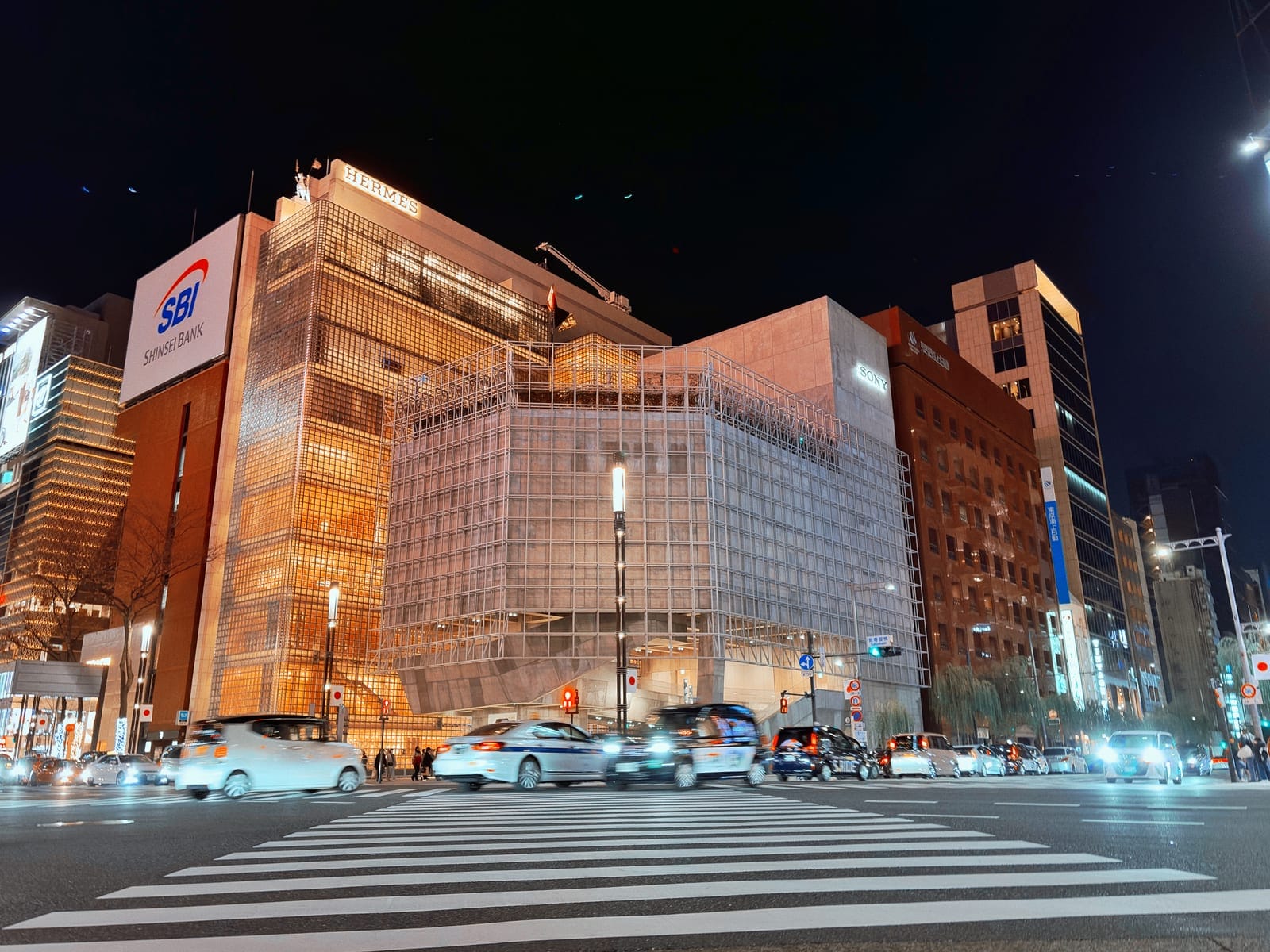
Ueno provides a slightly more relaxed, cultural experience, home to Ueno Park with its museums and zoo, and easy access to Narita Airport via the Keisei Skyliner. It's often a bit more affordable than Shinjuku or Shibuya, and its proximity to Asakusa makes it appealing for those interested in traditional Japan. Asakusa itself, centered around the historic Senso-ji Temple, offers a charming, old-Tokyo feel. While transport links are good, it's generally less central than Shinjuku or Shibuya. Ginza, on the other hand, is Tokyo's upscale shopping district. While it offers luxurious hotels and fine dining, it can be significantly more expensive and might feel less accessible for budget-conscious travelers, though it's excellent for an evening stroll or window shopping.
When it comes to types of accommodation, Tokyo caters to all. Business hotels, like Dormy Inn, APA Hotel, or Toyoko Inn, are a popular choice for their efficiency, cleanliness, and reasonable pricing, often including amenities like free breakfast or public baths (onsen/sento). Capsule hotels offer a unique and very affordable experience, providing a compact sleeping pod; these are surprisingly comfortable and often include shared lounge areas and excellent facilities. Airbnb and other vacation rentals are also available but be aware that regulations in Japan can be strict, so ensure your booking is from a licensed operator. For a comfortable business hotel, expect to pay ¥8,000-15,000 (approx. ₹4,480-8,400) per night. Capsule hotels can be as low as ¥3,000-6,000 (approx. ₹1,680-3,360). Always book well in advance, especially if traveling during peak seasons.
Day 1: Tradition Meets Modernity – Asakusa, Ueno & Akihabara
Your first full day in Tokyo is designed to immerse you in both its historical roots and its contemporary subcultures, all easily accessible through efficient public transport.
Start your morning in Asakusa, home to Tokyo's oldest temple, Senso-ji. Arrive early, ideally by 8:30 AM, to avoid the largest crowds. Walk through the iconic Kaminarimon (Thunder Gate) and proceed along Nakamise-dori, a bustling shopping street leading to the main temple. Here, you'll find traditional Japanese souvenirs, snacks, and crafts. While many items are for tourists, it's a vibrant introduction to Japanese culture. Explore the main temple grounds, offer a prayer, and soak in the spiritual atmosphere. For vegetarian travelers, keep an eye out for 'age-manju' (fried buns) or 'kibi dango' (millet dumplings) from the stalls, but always confirm ingredients for specific dietary needs.
For lunch, Asakusa offers several options. Many soba (buckwheat noodle) and udon (thick wheat noodle) restaurants have vegetarian broths, though it's crucial to ask. Look for restaurants displaying "精進料理" (shojin ryori) which indicates traditional Buddhist vegetarian cuisine, or use translation apps to ask for "no meat, no fish, no dashi (fish broth)." Tempura restaurants also often serve vegetable tempura sets. Expect to pay ¥1,200-2,000 (approx. ₹670-1,120) for a decent lunch. Afterwards, consider a serene Sumida River cruise for a different perspective of the city, or explore the traditional side streets of Asakusa.
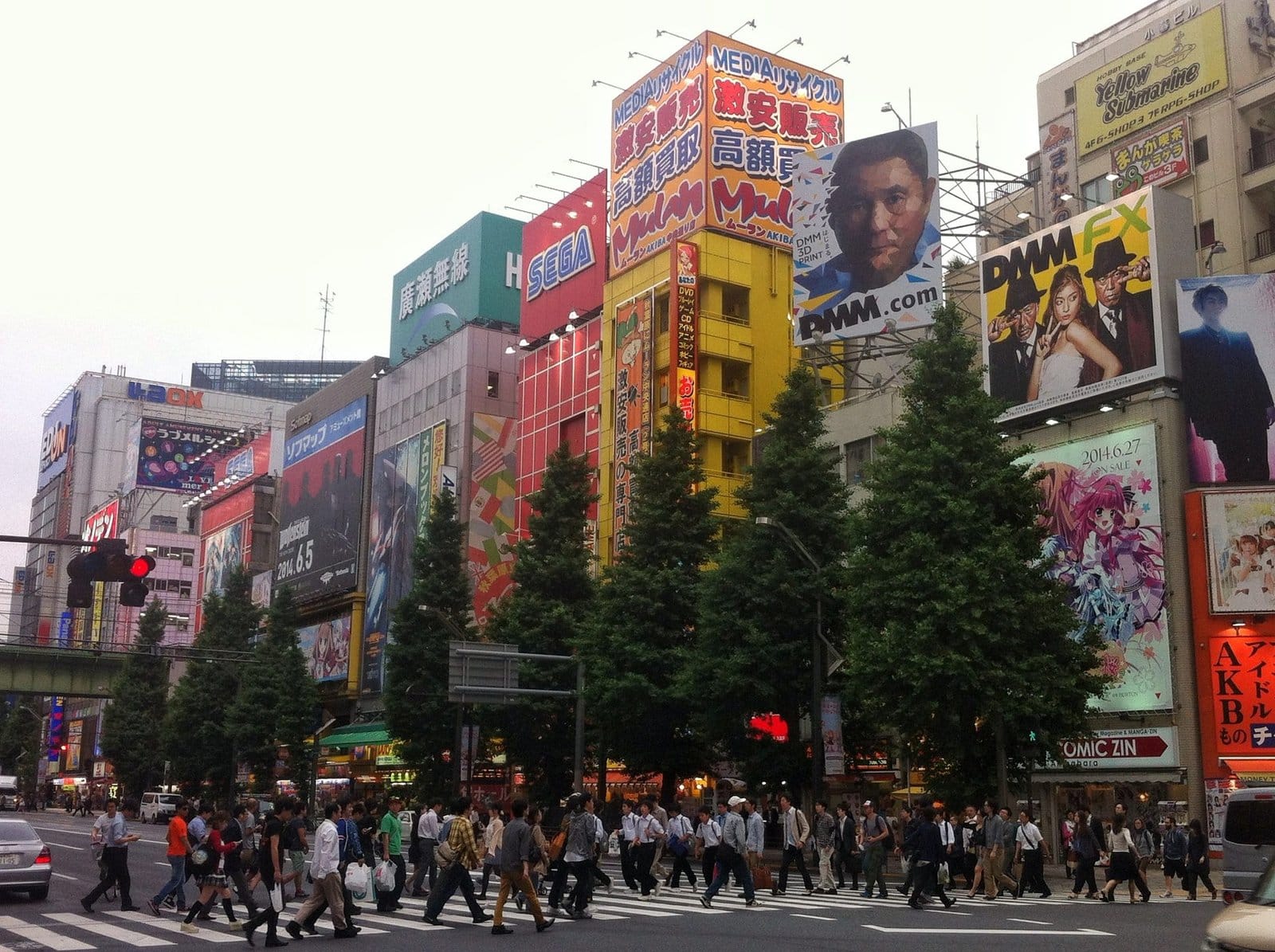
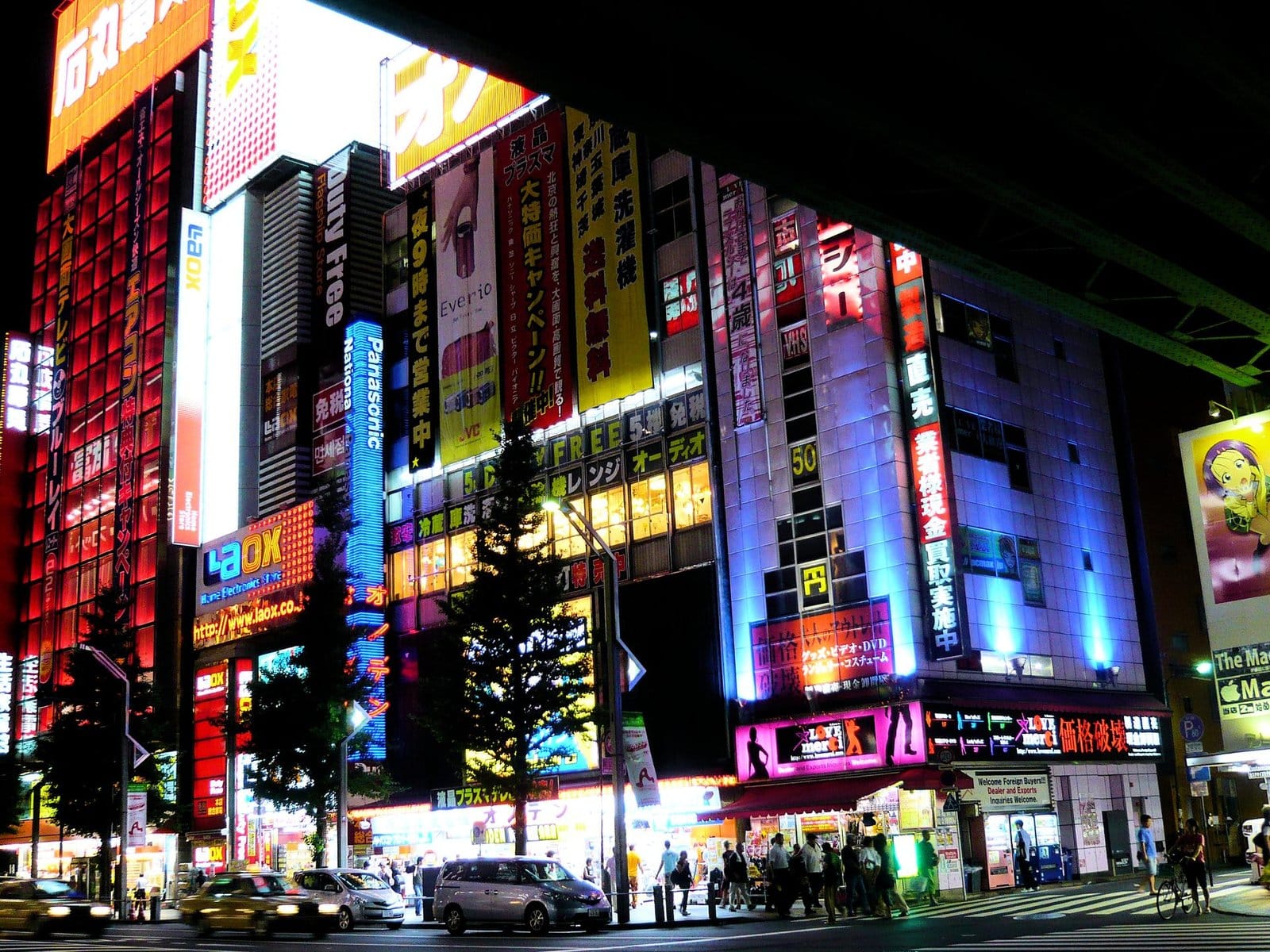
In the afternoon, take a short subway ride to Ueno. Ueno Park is a sprawling green oasis housing several museums, a zoo, and beautiful shrines. Depending on your interest, you could visit the Tokyo National Museum for a deep dive into Japanese art and archaeology, or simply enjoy a stroll through the park. Alternatively, for a stark contrast, head to Akihabara, the "Electric Town." This district is a mecca for electronics, anime, manga, and gaming enthusiasts. Dive into multi-story electronics stores like Yodobashi Akiba, explore anime merchandise shops, or visit a themed cafe. It’s an overwhelming but fascinating experience, especially for those interested in pop culture.
For dinner, Akihabara has numerous casual eateries. Many curry rice places offer vegetarian options, and some ramen shops are increasingly catering to halal and vegetarian diets. Look for signs indicating "Halal" or "Vegetarian." A typical dinner here might range from ¥1,000-2,500 (approx. ₹560-1,400). After dinner, enjoy the dazzling neon lights of Akihabara as you browse for souvenirs, from unique gadgets to anime collectibles.
Day 2: Shibuya's Pulse and Shinjuku's Skyline
Day two plunges you into the heart of Tokyo's modern urban dynamism, exploring two of its most iconic and bustling districts.
Start your morning in Shibuya, an absolute must-visit. Emerge from Shibuya Station and you'll immediately face the world-famous Shibuya Crossing, often dubbed the "Scramble Crossing." Spend some time watching the organized chaos from street level, then head to the Starbucks on the second floor of the Tsutaya building for an elevated view. Don't forget to pay homage to Hachiko, the loyal Akita dog statue, a popular meeting point. From Shibuya Crossing, make your way to Shibuya Sky. This observation deck offers breathtaking 360-degree panoramic views of Tokyo, extending to Mount Fuji on clear days. Booking your Shibuya Sky ticket online well in advance is essential, especially for sunset slots, as walk-in tickets are often sold out. An adult ticket is approximately ¥2,200 (approx. ₹1,230).
For lunch, Shibuya boasts an incredible array of dining options. As a major international hub, you'll find more diverse culinary offerings here. Look for dedicated vegetarian restaurants or cafes that clearly mark ingredients. Many Indian restaurants have also established themselves in Shibuya, providing a familiar taste. Halal ramen shops are also becoming more common; a quick search on your phone for "halal ramen Shibuya" will yield results. Expect lunch to cost ¥1,500-3,000 (approx. ₹840-1,680) depending on the cuisine.
In the afternoon, escape the urban intensity with a visit to Shinjuku Gyoen National Garden. This expansive park offers a serene oasis with traditional Japanese, English, and French landscape gardens. It’s a perfect place to relax, enjoy the meticulously maintained greenery, and reflect. The entrance fee is a modest ¥500 (approx. ₹280). From Shibuya, Shinjuku is just a few stops away on the JR Yamanote Line, making the transition seamless.
As evening approaches, head to the Tokyo Metropolitan Government Building in Shinjuku. Admission to its observation decks (North and South Towers) is absolutely free. You’ll be treated to stunning night views of the city skyline, often less crowded than paid observation decks. After taking in the views, explore Shinjuku's dynamic nightlife. While Kabukicho is famous for its entertainment, you can find quieter, excellent dining options throughout the district. Many department stores in Shinjuku's west side have extensive restaurant floors with various cuisines, often including vegetarian-friendly choices. For shopping, Shinjuku offers everything from luxury brands to department stores like Isetan and Takashimaya, or electronics giants like Bic Camera and Yamada Denki. A hearty dinner and some evening exploration might cost ¥2,000-4,000 (approx. ₹1,120-2,240).
Day 3: Imperial Grandeur & Ginza's Glamour
Your third day balances historical significance with high-end modern Tokyo, culminating in an evening of refined dining and shopping.
Begin your morning near Tokyo Station with a visit to the Imperial Palace East Garden. This is the former site of Edo Castle, and while the palace itself is not open to the public, the East Garden provides a tranquil escape with beautiful landscapes, stone walls, and remnants of the old castle. It's a peaceful area for a morning stroll, and best of all, entry is free. Plan to spend about 1-2 hours here, taking in the historical significance and the carefully maintained Japanese gardens.
For lunch, the area around Tokyo Station and Ginza offers a wide variety of choices. Tokyo Station City boasts numerous restaurants, from casual eateries to more upscale options. You can find everything from quick ramen or udon to more elaborate sets. Ginza, being a high-end district, has many excellent restaurants, though prices can be higher. Look for department store basements (depachika) in Ginza, which are food heavens offering gourmet items, bentos, and often small eateries with varied cuisines, some with vegetarian options. A comfortable lunch could range from ¥1,500-3,500 (approx. ₹840-1,960).
The afternoon is dedicated to Ginza, Tokyo's most famous upscale shopping district. Stroll down Chuo-dori, Ginza's main street, which is closed to vehicle traffic on weekend afternoons, transforming into a pedestrian paradise. Here you'll find flagship stores of luxury brands, iconic department stores like Mitsukoshi and Ginza Wako, and high-end art galleries. Even if luxury shopping isn't your primary goal, the architecture and window displays are a sight to behold. Explore the charming side streets to discover smaller boutiques, cafes, and hidden gems. For those interested in more affordable finds, the nearby Yurakucho district offers a contrast with its atmospheric izakayas (Japanese pubs) and more budget-friendly shopping.
For your evening plan, after experiencing Ginza’s glamour, consider a visit to the Tokyo Skytree or Tokyo Tower for another perspective of the city at night. While Shibuya Sky offered views from the west, these provide views from the east/central areas. Tickets for the Skytree's main observation deck (Tembo Deck) are around ¥2,100 (approx. ₹1,170). For dinner, Yurakucho, adjacent to Ginza, offers a more down-to-earth dining experience with numerous restaurants under the railway tracks, known as 'gourmet street.' Here, you might find more local eateries, some offering grilled skewers (yakitori/kushiyaki) where vegetable options are available, or various Japanese set meals. Dinner might cost ¥2,000-4,000 (approx. ₹1,120-2,240).
Day 4: Beyond the City Limits – Choosing Your Day Trip
With three days spent immersing yourself in Tokyo's urban sprawl, Day 4 is perfect for a refreshing escape to experience a different facet of Japan. For first-time visitors from India and Bangladesh, two popular and distinct day trip options stand out: Nikko and Kamakura. Your choice will depend on whether you prioritize historical grandeur and nature, or coastal charm and ancient temples.
Nikko: World Heritage Shrines and Natural Beauty Nikko, located about two hours north of Tokyo, is a UNESCO World Heritage site renowned for its intricately decorated Toshogu Shrine, Futarasan Jinja Shrine, and Taiyuinbyo Mausoleum. These vibrant, elaborate structures are set amidst stunning natural beauty, especially picturesque during autumn with its fiery foliage. Beyond the shrines, you can explore the serene Lake Chuzenji and the powerful Kegon Falls.
- Travel: Take the JR Tohoku Shinkansen from Tokyo Station to Utsunomiya (approx. 50 mins), then transfer to the JR Nikko Line to Nikko Station (approx. 45 mins). Total one-way cost is around ¥5,000 (approx. ₹2,800). Alternatively, the Tobu Railway offers direct limited express trains from Asakusa to Tobu-Nikko Station (approx. 2 hours), costing around ¥2,800 (approx. ₹1,570) one-way. Tobu also offers various discount passes like the Nikko All Area Pass, which might be cost-effective for a day trip.
- Attractions: Toshogu Shrine complex (entry fee approx. ¥1,300 or ₹730), Futarasan Jinja Shrine, Taiyuinbyo Mausoleum.
- Food: Nikko has fewer dedicated vegetarian or halal options than Tokyo. Look for soba/udon restaurants and ask for 'tempura soba' (vegetable tempura) or 'kome' (rice) dishes. Pack some snacks if you have strict dietary needs.
Kamakura: Coastal Temples and the Great Buddha Kamakura, located an hour south of Tokyo, offers a delightful blend of historical temples, serene gardens, and a relaxed coastal atmosphere. It was once the political center of Japan and is famous for its numerous Zen temples and shrines, most notably Kotoku-in Temple with its iconic Great Buddha (Daibutsu) statue, and Hasedera Temple with its beautiful gardens and ocean views.
- Travel: Take the JR Yokosuka Line from Tokyo or Shinjuku Station directly to Kamakura Station (approx. 60 minutes). A one-way ticket costs about ¥950 (approx. ₹530).
- Attractions: Kotoku-in Temple (Great Buddha, entry approx. ¥300 or ₹170), Hasedera Temple (entry approx. ¥400 or ₹220), Tsurugaoka Hachimangu Shrine, stroll along Yuigahama Beach.
- Food: Kamakura is generally more accommodating for dietary needs than Nikko due to its proximity to Tokyo and higher tourist traffic. Many cafes and restaurants offer vegetarian dishes, and you might find more diverse options near the station or popular tourist spots. Look for 'shojin ryori' at some temple-affiliated restaurants.
Decision Aid & Mistake to Avoid: If you prefer grand, elaborate historical sites nestled in nature, Nikko is your choice. If you lean towards a more relaxed pace, coastal views, and accessible temples, Kamakura is ideal. The biggest mistake to avoid for either trip is underestimating travel time and not planning your route in advance. Check train schedules and purchase any necessary passes the day before.
| Feature | Nikko | Kamakura |
|---|---|---|
| Primary Draw | UNESCO shrines, nature, elaborate history | Coastal temples, Great Buddha, relaxed beach vibe |
| Travel Time | ~2 hours one-way | ~1 hour one-way |
| Cost (approx.) | ¥2,800-¥5,000 (₹1,570-₹2,800) one-way | ¥950 (₹530) one-way |
| Food Options | More limited veg/halal | Better veg/halal options |
| Pace | More walking, can be intense | Generally more relaxed, walkable |
For a sample day, let’s consider Kamakura: Arrive at Kamakura Station by 9:30 AM. Walk to Tsurugaoka Hachimangu Shrine. Then, take the Enoden train (a charming local railway) to Hase Station to visit Hasedera Temple and the Great Buddha. Have lunch in the Hase area or back near Kamakura Station. Spend the afternoon exploring the shopping streets or relaxing at Yuigahama Beach before heading back to Tokyo by late afternoon.
Day 5: Last Bites, Last Buys & Departure Logistics
Your final day in Tokyo is a blend of revisiting cherished spots, securing those last-minute souvenirs, and ensuring a smooth departure. Don't rush; enjoy the last moments of this incredible city.
Start your morning by revisiting a favorite district or exploring one you missed. Perhaps you want to soak in the serene atmosphere of Shinjuku Gyoen one last time, or grab a final unique souvenir from the quirky shops of Harajuku (just a short walk or one station from Shibuya). For last-minute shopping, consider a visit to a Don Quijote store – these multi-story discount retailers offer everything from cosmetics and snacks to electronics and quirky gifts, often at competitive prices. They are open late, sometimes 24/7, and are great for finding unique Japanese items. Another excellent option for gifts and everyday essentials are 100-yen shops like Daiso or Can Do, where almost everything costs ¥110 (approx. ₹60), including tax. These are perfect for small, practical souvenirs.
For your final lunch, make it a memorable one. If you haven't tried conveyor belt sushi and are comfortable with vegetarian options, many chains offer vegetable rolls, cucumber rolls, or egg (tamago) sushi. Always confirm ingredients. Alternatively, seek out a specific Japanese dish you enjoyed most, or explore an area known for its diverse food scene like Ueno or Shinjuku. A final authentic Japanese curry rice, often with vegetable katsu options, is another satisfying choice. Expect to spend ¥1,000-2,500 (approx. ₹560-1,400) for lunch.
In the afternoon, it's time to head to the airport. Allow ample time for transit, especially if departing from Narita. Check your flight details and recommended arrival time at the airport. Reconfirm your airport transfer tickets if you booked them in advance. If you're using an IC card, remember you can get your ¥500 deposit back (minus a small handling fee) at the ticket counter of JR or subway stations before you leave. Ensure you have enough cash for any last-minute purchases at the airport or for taxi fares if needed.
Airport logistics are straightforward but require attention. Arrive at least 2-3 hours before your international flight. Haneda and Narita airports both offer excellent duty-free shopping for souvenirs, Japanese sweets, and cosmetics. Exchange any remaining Japanese Yen back to your local currency if necessary, or keep a small amount for future trips. Navigating customs and immigration is generally efficient in Japan, but ensure all your documents (passport, visa, boarding pass) are readily accessible. Reflect on your incredible journey through Tokyo as you prepare for your departure, carrying with you memories of a city that seamlessly blends tradition with cutting-edge modernity.
Savoring Japan: Navigating Food as an Indian Traveler
For many travelers from India and Bangladesh, navigating food options in a new country, especially one with a distinct culinary culture like Japan, can be a source of anxiety. However, with a little preparation and awareness, Tokyo offers plenty of delicious choices for both vegetarian and halal diners. The key is knowing what to look for and how to communicate your dietary needs.
Vegetarian Delights: Japanese cuisine, at first glance, might seem heavily reliant on seafood (dashi broth is ubiquitous). However, there are many naturally vegetarian dishes and a growing number of establishments catering to plant-based diets.
- Soba and Udon: Many noodle shops offer options where you can request a broth made without dashi (often called 'kombu dashi' made from seaweed, or simply 'shoyu' soy sauce based broth). Look for 'zaru soba/udon' (cold noodles with dipping sauce – confirm sauce ingredients) or 'kake soba/udon' (hot noodles in broth). Vegetable tempura is a common accompaniment.
- Curry Rice: Japanese curry is thick, savory, and widely popular. Many curry restaurants (like CoCo Ichibanya, a popular chain) offer vegetable curry with options for 'nama yasai' (raw vegetables) or 'yasai katsu' (fried vegetable cutlet). Specify "niku nashi" (no meat) and "sakana nashi" (no fish).
- Onigiri (Rice Balls): Available at convenience stores, look for fillings like 'umeboshi' (pickled plum), 'kombu' (kelp), or plain salted rice.
- Shojin Ryori: Traditional Buddhist vegetarian cuisine, often found near temples. It's a culinary art form, meticulously prepared and presented. While not always easy to find outside dedicated restaurants, it's a profound experience.
- Tofu: Japan is a tofu paradise. Enjoy it in various forms, from chilled 'hiyayakko' to fried 'agedashi tofu'.
- Convenience Stores (Konbini): FamilyMart, 7-Eleven, and Lawson are lifesavers. They offer a range of pre-packaged salads, fruit, and sometimes vegetarian sandwiches. Always check ingredient labels carefully (using a translation app if needed).
Halal Options: Tokyo has seen a significant increase in halal-certified restaurants, especially in major tourist areas.
- Halal Ramen: Several dedicated halal ramen shops have emerged, offering delicious bowls without pork or alcohol. A quick search for "halal ramen Tokyo" will yield many results, particularly in areas like Shinjuku, Shibuya, and Ueno.
- Indian/Pakistani/Bangladeshi Restaurants: You'll find a surprising number of South Asian restaurants in Tokyo, especially around areas like Ueno, Shinjuku, and Ikebukuro. These often offer familiar flavors and clearly marked halal and vegetarian dishes. This can be a comforting 'anchor' food choice when you crave something familiar.
- Turkish/Middle Eastern Cuisine: Kebabs and other dishes are often halal and can be found in various districts.