
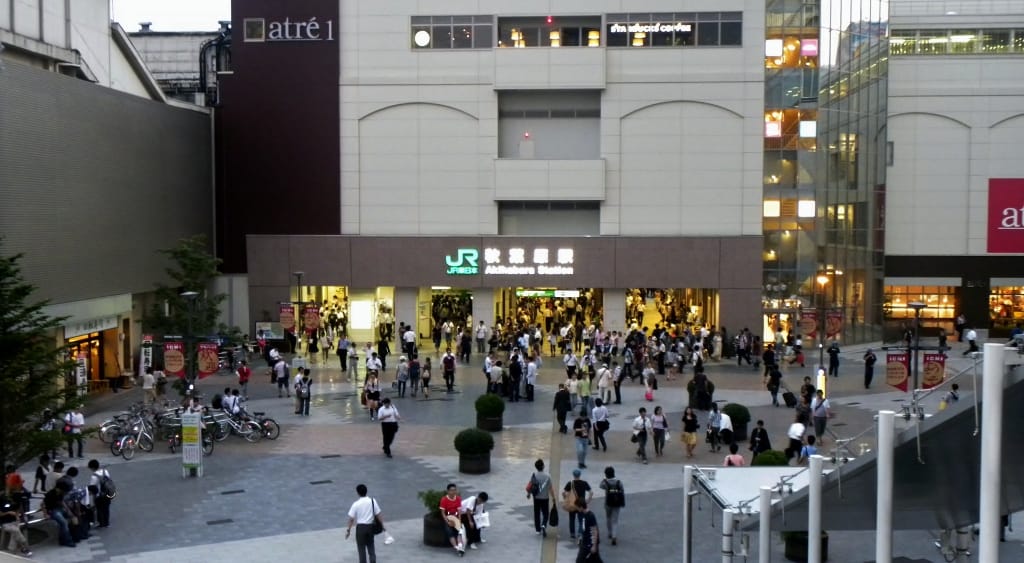
Akihabara for Anime and Game Fans: Shops, Arcades, Maid Cafes
How to spend a day in Akihabara: which anime and figure shops to hit first, the arcades and retro game stores worth your time, and how maid cafes work.
May 4, 2026·✍️ olablog·⏱ 5 min read
How to spend a day in Akihabara: which anime and figure shops to hit first, the arcades and retro game stores worth your time, and how maid cafes work.
Tap a region to browse articles
Few places pack as much anime, manga, figure and game shopping into a few blocks as Akihabara. It grew up after the war as a market for radio and electronic parts, and you can still buy cables and circuit boards here, but most visitors now come for the multi-storey hobby shops, the arcades and the maid cafes. The district is compact enough to cover on foot, yet dense enough to swallow a whole day. Here is how to use that day well.
Getting to Akihabara
JR Akihabara Station is on the Yamanote, Keihin-Tohoku and Chuo-Sobu lines, and the Tokyo Metro Hibiya Line and the Tsukuba Express also stop here.
- From Tokyo Station: JR Yamanote or Keihin-Tohoku Line, about 5 minutes.
- From Shinjuku: the yellow JR Chuo-Sobu Line local trains run straight through to Akihabara in about 20 minutes, no transfer needed.
- From Ueno: two stops on the Yamanote Line, or about a 20-minute walk south.
Use the Electric Town Exit. Chuo-dori, the wide avenue just west of the station, is the spine of the district. The big chain stores line it, while the smaller specialist shops, junk dealers and many of the maid cafes sit in the lanes behind it.
Anime, manga and figure shops
Akihabara's shops fall into two camps, new releases and secondhand. Start with the first, then go digging in the second.
- Animate carries current manga volumes, character goods and the shop-exclusive bonuses that come with new Blu-rays, games and CDs. If a series is airing this season, its merchandise shows up here first.
- Radio Kaikan, the tall building facing the Electric Town Exit, stacks floor after floor of small hobby shops selling figures, model kits, trading cards and collectible toys. A good one-building sampler if you are short on time.
- Mandarake Complex, a black eight-storey building a block behind Chuo-dori, is the secondhand heavyweight. Each floor covers a genre, from older manga and doujinshi to animation cels and vintage toys.
- Suruga-ya has several branches around the area and is handy for comparing used prices on figures, games and music.
With used goods, the tag notes the condition, including missing parts or a damaged box. Read it before you queue at the till. Many specialist floors also have adult-only sections behind a curtain; they are clearly signed and closed to anyone under 18.
Arcades, retro games and capsule toys
Arcades are where Akihabara feels most local. Crane games fill the ground floors of big arcade chains such as GiGO and Taito Station, and the prizes are often figures you will not find in shops. The upper floors hold rhythm games, card-based games and fighting games, played by regulars at a very high level. Watching is fine; just give players room.
For retro games, head to Super Potato, whose shelves of Famicom, Super Famicom, Mega Drive and Game Boy titles climb up to a small retro arcade on the top floor. Check compatibility before buying: Japanese cartridges and discs may not run on consoles bought abroad, and older systems need the right power supply.
Capsule toys make cheap, light souvenirs. The Gachapon Kaikan is a narrow shop lined with hundreds of machines, and its stock changes constantly. Bring a pocketful of 100-yen coins.
How maid cafes work
A maid cafe is a themed cafe where staff in maid costumes greet you as master or mistress, add small rituals to your order (a chant and a hand-heart gesture to make the food "tastier") and chat within set limits. It is playful and scripted, not romantic, and plenty of couples, families and groups of friends go.
Most cafes work like this:
- A per-person entry or table charge on top of what you order.
- A time limit per visit, often about an hour.
- A minimum order, usually at least one drink.
- No photos of staff on your own phone. Instead you can pay for an instant "cheki" photo with a maid, often decorated by hand.
Long-running places such as @home cafe and Maidreamin publish their menus and rules and are used to visitors who speak little Japanese. Avoid following street touts, especially at night, whose venues can be vague about charges; pick a cafe beforehand and walk in on your own.
When to go
Most shops open in the late morning and close in the evening, so there is little point arriving early. Weekday afternoons are the calmest time; Saturdays are the busiest. On Sunday afternoons Chuo-dori is usually closed to cars and becomes a pedestrian zone, which is fun for photos, though it can be called off for bad weather or events. Almost everything is indoors, so it suits a rainy day.
Practical tips
- Payment: big stores take cards and IC cards such as Suica, but some small secondhand shops are cash only.
- Photos: many shops ban photography of their stock. Look for signs, or ask.
- Breaks: Kanda Myojin, a shrine about 10 minutes' walk west, is known for its charm protecting electronic devices and for appearing in the anime Love Live!. To the south, mAAch ecute Kanda Manseibashi has cafes and shops set in the brick arches of a former station beside the Kanda River.
Plan your trip
Give Akihabara at least half a day, and a full day if you collect. A good order is Radio Kaikan and Animate in the late morning, lunch, secondhand shops such as Mandarake in the afternoon, then the arcades and a maid cafe in the evening. For older, secondhand treasures, continue to Nakano Broadway, which is on the same yellow Chuo-Sobu Line with no transfer. For goods aimed at female fans, Otome Road in Ikebukuro is the better stop.
More from this region — Tokyo & Kanto
View all →
Otome Road Guide: Where Female Anime Fans Shop in Ikebukuro
5 min · culture
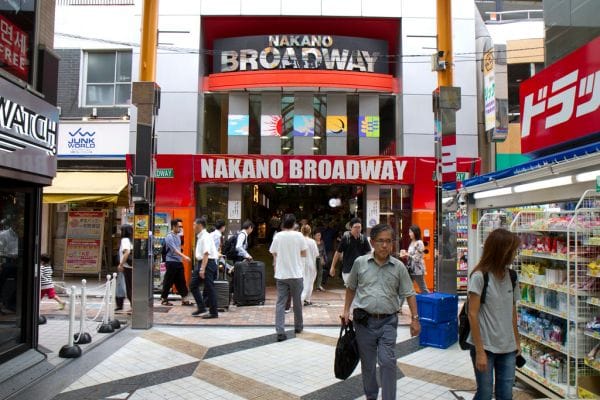
Nakano Broadway Guide: Retro Anime, Vintage Toys and Mandarake
5 min · culture
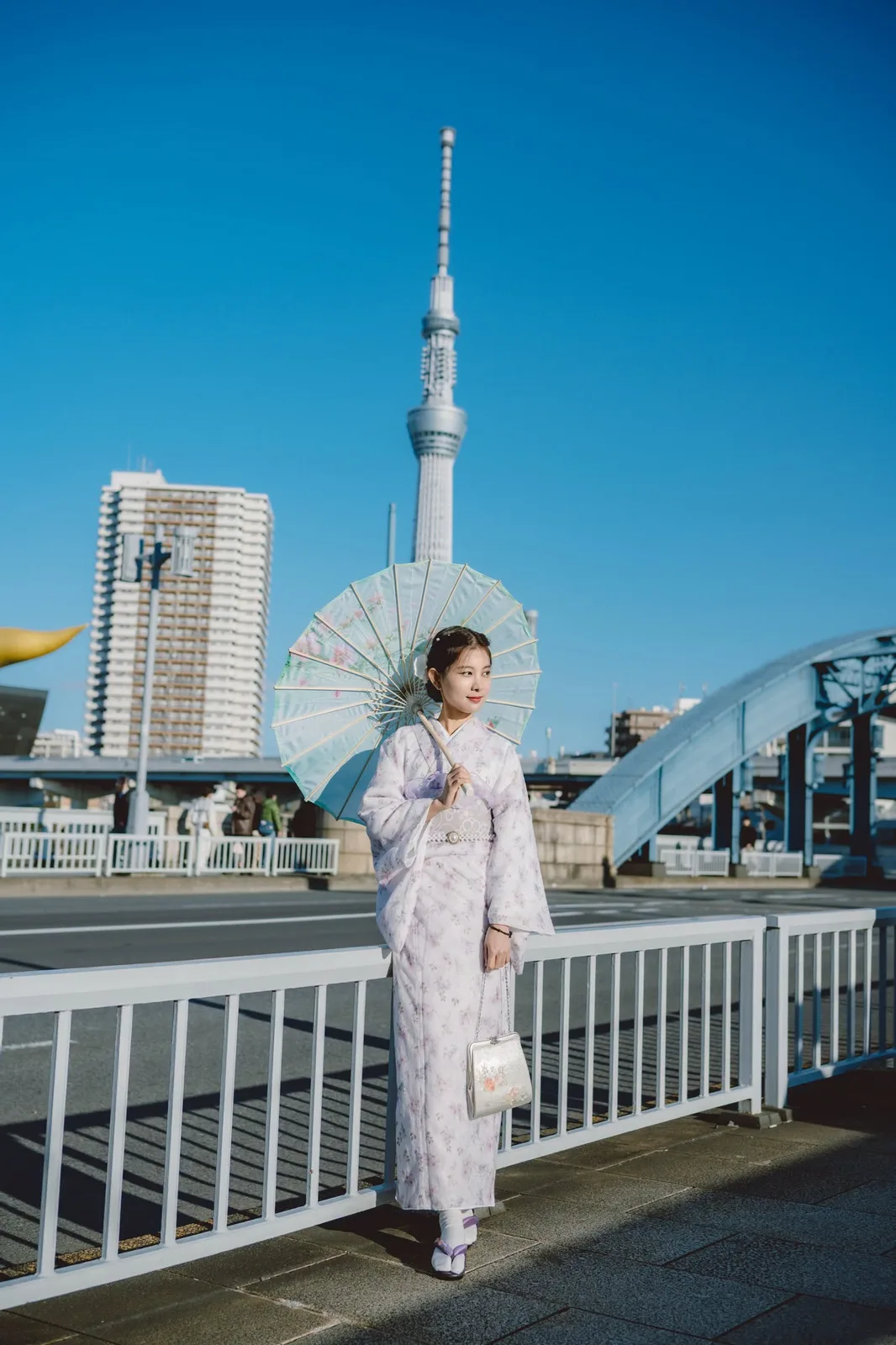
Asakusa Kimono Photoshoot Route: Sensoji, Nakamise, Sumida Riverside and Skytree Views
7 min · culture
Corporate Guests in Tokyo After Nagoya: Helicopter Hospitality
8 min · tips