Where to Rent a Kimono in Kyoto — Which Area, What It Costs, How It Works
Where to be dressed in Kyoto — Kiyomizu and Higashiyama, Gion, the station, Arashiyama, Fushimi — and why the area matters more than the shop; the fourteen plans and their prices; the step-by-step process; the best photo spots by area; and booking advice for cherry-blossom and autumn weekends.
Apr 13, 2026·✍️ olablog·⏱ 8 min read
Where to be dressed in Kyoto — Kiyomizu and Higashiyama, Gion, the station, Arashiyama, Fushimi — and why the area matters more than the shop; the fourteen plans and their prices; the step-by-step process; the best photo spots by area; and booking advice for cherry-blossom and autumn weekends.
Tap a region to browse articles
The question is not which shop but which area
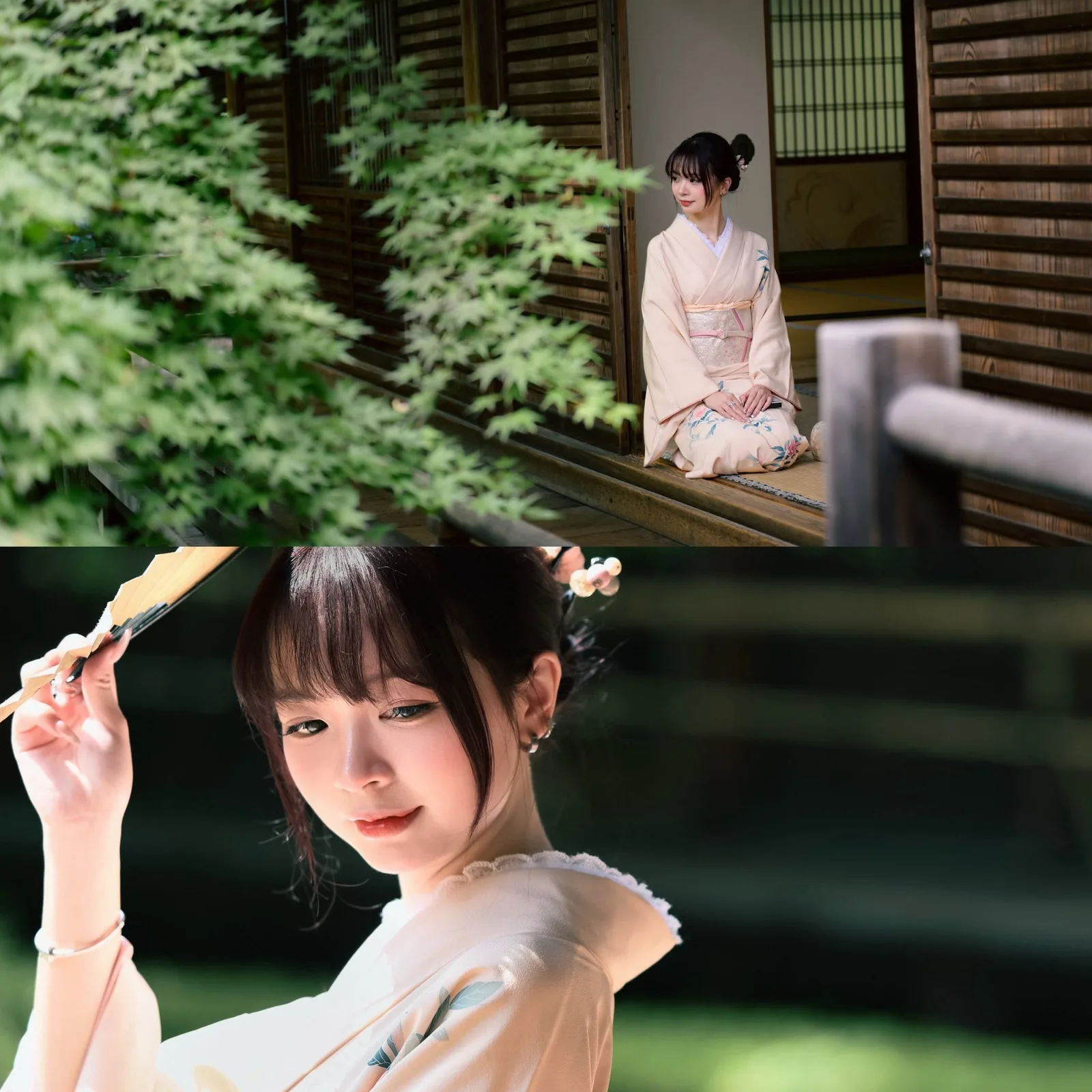
Ask where to rent a kimono in Kyoto and you will be handed a list of shop names. That is the wrong shape of answer. Kyoto's kimono shops are all competent at the same thing — dressing you in twenty to thirty minutes and sending you out with an obi that holds — and what actually decides your day is the area you are dressed in, because you will be walking in wooden sandals and every station, every taxi and every flight of stairs between the shop and the streets you want to photograph is a cost. This guide goes area by area, explains the trade-offs, then covers plans, prices, the process and the best time to book.
Kiyomizu and Higashiyama — the default, for good reason
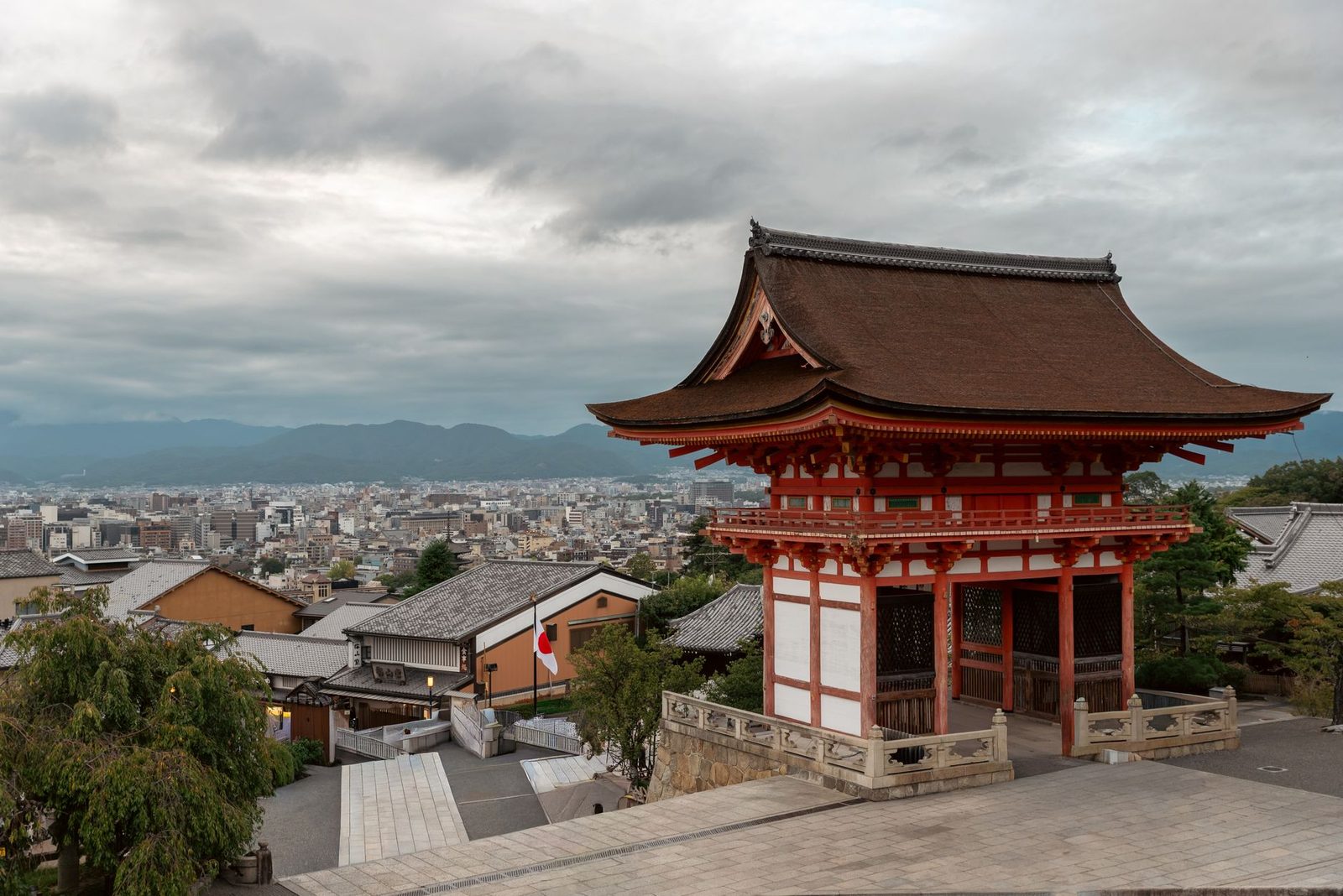
The slope below Kiyomizu-dera holds most of Kyoto's classic kimono streets inside one walkable loop: the temple gate and pagoda, the stepped lanes of Sannenzaka and Ninenzaka, the Yasaka Pagoda, the stone path past Kōdai-ji, Maruyama Park and Yasaka Shrine, with Gion at the bottom. Dressed here, you climb once — fifteen minutes to the temple, first thing — and descend through everything else for the rest of the morning. The trade-off is that the lanes are crowded from about eleven on a fine day, so the early slot is essential.
OlaChill's own shop is in this quarter: OlaChill Kyoto Kiyomizu, Higashiyama-ku, Kiyomizu 4-190-3, B1F, open 09:00–18:00. Our ten Kyoto kimono spots are listed in walking order from its door, and our Tokyo-or-Kyoto comparison weighs it against Asakusa.
Gion — for the evening and the tea ceremony
Gion is the geisha district at the foot of the Higashiyama slope: Hanamikoji's wooden teahouses, the Shirakawa canal, Yasaka Shrine at the top of Shijō. It is at its best in the late afternoon and evening when the lanterns come on, which makes it the natural end of a Kiyomizu day rather than a starting point. It is also where the combined kimono and tea-ceremony ticket takes place — the venue dresses you and runs the ceremony in the same building, so for that experience you are dressed in Gion by definition.
Kyoto Station — for the day-tripper
Being dressed at the station is convenient if you arrive by Shinkansen with a single day and luggage, but every kimono street is then a bus or train ride away, and back again before closing. It suits a short outing to one area; it does not suit the Higashiyama loop.
Arashiyama — a separate half-day
The bamboo grove, the Togetsukyō bridge and the river make a fine kimono morning on flat ground, and the district has its own shops. The grove is a queue after nine, so the day starts early. Treat Arashiyama as a second rental day, or a morning in ordinary shoes, rather than an add-on to the east of the city.
Fushimi Inari — early, or not in kimono
The torii tunnels are extraordinary in kimono for the first few hundred metres and impossible beyond that: the climb takes hours. Go at seven, photograph the lower gates, and turn back. Most visitors do Fushimi in trainers before being dressed elsewhere.
The plans and what they cost
Prices below are OlaChill's fourteen plans, the same at Kyoto Kiyomizu and Tokyo Asakusa, all including tax and the full accessory set (obi, footwear, bag, under-robe, tabi socks).
| Plan | Price |
|---|---|
| Yukata (Boy) / Yukata (Girl) | ¥3,000 / ¥4,000 |
| Yukata (Men) / Yukata (Women) | ¥4,000 / ¥4,500 |
| Men's Traditional Kimono (kinagashi) | ¥5,000 |
| Komongi (everyday women's kimono) | ¥5,500 |
| Kimono Ren (modern large-motif) | ¥7,000 |
| Boy's Kimono / Girl's Kimono | ¥8,000 each |
| Montsuki (formal men's, crested haori and hakama) | ¥10,000 |
| Houmongi (semi-formal) / Tomesode (formal) | ¥12,000 each |
| Furisode / Design Furisode | ¥19,000 / ¥25,000 |
Add-ons: hair styling ¥1,500 · make-up ¥5,000 · unlimited hair accessories ¥1,100 · premium bag ¥500 · professional photographer from ¥15,000 (30-plus minutes, 30 retouched images) · next-day return ¥1,100 · hotel return ¥1,100. Paying online takes 10% off the plan. Our guide to the kimono types explains which to choose.
Kimono or yukata?
- Kimono: lined, worn over an under-robe, with a wide obi — the outfit from October to May and the more elegant one in photographs.
- Yukata: a single cotton layer, light obi, bare feet in geta — the outfit from June to September, and the cheapest plan on the list.
- Furisode: long sleeves; the showpiece for a dedicated shoot.
- Hakama: the pleated trousers of the men's formal Montsuki plan.
How the rental works, step by step
- Book online. Four steps on the Kiyomizu product page: store and plan, date and time, your details, payment. Put your height in the notes. For cherry-blossom weekends (late March–early April) and autumn-leaf weekends (November), book a week or more ahead; on ordinary weekdays a day or two is usually enough.
- Arrive five minutes early in clothes that are easy to change out of, with a wide or low neckline.
- Choose from the rack; staff pick an obi and accessories to match.
- Be dressed — about 30 minutes, including hair if you added it. Furisode takes a little longer.
- Lock up your bag in the free locker and walk out with a phone and a small wallet in the pouch.
- Walk, photograph, rest, eat lightly.
- Return before 18:00, or add next-day or hotel return for the evening.
Cancellation is free up to two days before, 50% the day before, and the full amount on the day.
The best photo spots, by area
- Higashiyama: the Kiyomizu-dera gate, the top of Sannenzaka looking down, the lane below the Yasaka Pagoda, the plaster walls around Kōdai-ji — all before 10:30.
- Gion: Hanamikoji as the lanterns come on; Shirakawa's willows and stone bridges in soft light.
- Arashiyama: the grove at dawn; the bridge at any hour.
- Fushimi Inari: the first gates at seven.
The full list with hours and access is in our ten Kyoto kimono spots.
Staying comfortable all day
- Tabi socks on first; they stop the geta strap rubbing.
- Eat lightly before dressing — the obi is snug — and simply while dressed.
- Carry almost nothing; the pouch is the bag.
- Ask for a haori jacket and shawl in winter; the shop provides them.
- In summer, choose yukata and start early.
- If a layer feels loose or the obi too tight, return to the shop for an adjustment rather than fixing it yourself.
Season by season
| Season | What changes |
|---|---|
| January–February | Quiet lanes, easy bookings, occasional snow; haori and shawl provided |
| Late March–April | Cherry blossom; the busiest fortnight; book early, start early |
| May–June | Fresh green, mild; the most comfortable weeks for a lined kimono |
| July–September | Hot; yukata season; Gion Festival in July; fireworks along the rivers |
| October | Clear, cool, uncrowded — many regulars' favourite month |
| November | Maples; the second peak; book early for weekends |
| December | Cold, calm, atmospheric; Kōdai-ji and Kiyomizu lit in the evenings |
Prices do not change with the season; availability does.
Frequently asked questions
Can men rent kimono too? Yes — Men's Traditional Kimono ¥5,000 and Montsuki ¥10,000, plus the men's yukata at ¥4,000. See our men's guide.
Is one day enough, or can I keep it overnight? One day is standard, with return before 18:00. Next-day return (¥1,100) keeps it until 10:00 the following morning; hotel return (¥1,100) has it collected from your hotel.
Do the staff speak English? Yes; booking is online in twelve languages and the dressing needs very few words in any of them.
What if it rains? Umbrellas are lent free. The stone lanes are more atmospheric wet, and the crowd thins. Only heavy soiling carries a cleaning fee.
Can children rent? Yes — Yukata (Boy) ¥3,000, Yukata (Girl) ¥4,000, Boy's or Girl's Kimono ¥8,000. An accompanying adult who is not renting pays nothing. See the family guide.
What is the best time of year? Spring and November for the scenery, October for comfort and space, winter for solitude and easy bookings. There is no bad month; there are only late starts.
Be dressed where the streets are: OlaChill Kyoto Kiyomizu — choose a plan and a 09:00 slot. Fourteen plans from ¥3,000, tax and accessories included, 10% off online, free cancellation up to two days before.