
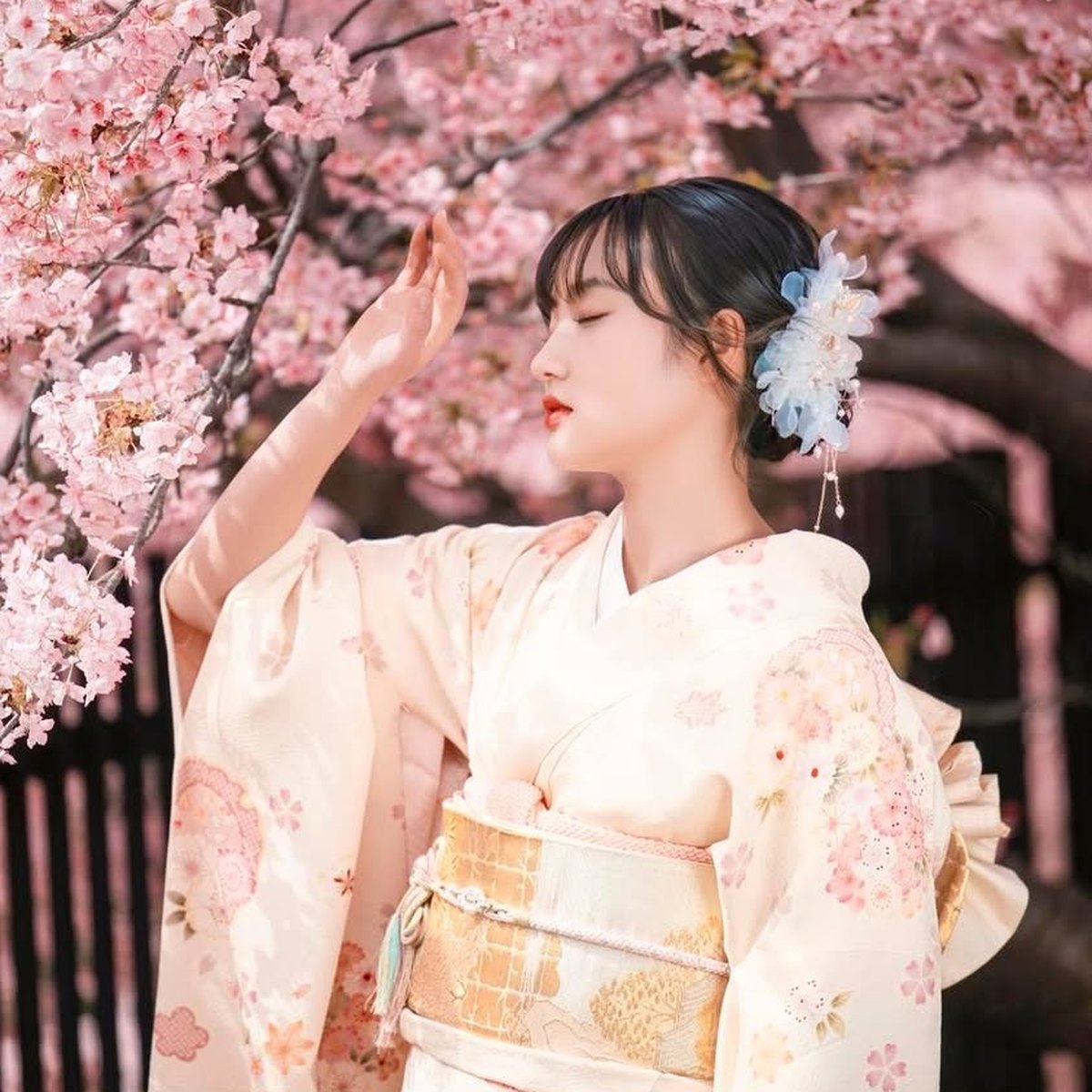
Kimono in Tokyo or Kyoto? Asakusa and Kiyomizu Compared
If you can only do one kimono day, where should it be? Asakusa and the Kiyomizu quarter of Kyoto compared on streets, slopes, crowds, seasons, evening light, what is a walk away and what needs a train — with the same fourteen plans and prices at both.
Sep 14, 2026·✍️ olablog·⏱ 9 min read
If you can only do one kimono day, where should it be? Asakusa and the Kiyomizu quarter of Kyoto compared on streets, slopes, crowds, seasons, evening light, what is a walk away and what needs a train — with the same fourteen plans and prices at both.
Tap a region to browse articles
Most itineraries pass through both Tokyo and Kyoto, most travellers plan one kimono day rather than two, and almost everyone asks the same question: which city? The honest answer is that both work superbly and for different reasons, and the choice is less about which is "more Japanese" than about what kind of day you want — flat streets or stone lanes, a river and a skyscraper or a temple and a pagoda, a festival crowd or a hush. OlaChill has a shop in each — Tokyo Asakusa beside Sensō-ji and Kyoto Kiyomizu below Kiyomizu-dera — with the same fourteen plans at the same prices, so the outfit is not the deciding factor. The streets are. This guide compares them head to head so you can decide, and then explains when it is worth doing both.
The short version
| Tokyo — Asakusa | Kyoto — Kiyomizu / Higashiyama | |
|---|---|---|
| Ground | Flat | One climb to the temple, then stepped lanes downhill |
| Signature picture | Kaminarimon lantern; kimono with Tokyo Skytree | Sannenzaka steps; the Yasaka Pagoda over the rooftops |
| Character | Lively temple town, stalls, rickshaws | Quiet stone lanes, wooden façades, temple gardens |
| Crowds | Dense on the main axis 11:00–16:00; side streets open | Dense on the two lanes from 11:00; pagoda alleys quieter |
| Walk from shop to first spot | 5 minutes | 15 minutes uphill |
| Evening | Temple lit, stalls closed, quiet grounds | Gion lanterns, Hanamikoji, Shirakawa canal |
| What needs a train | Nothing essential | Fushimi Inari, Arashiyama |
| Best for | First-timers, families, yukata nights, a half-day inside a longer Tokyo day | The classic Kyoto image, couples, formal plans, a day built around the outfit |
| Shop | Taito-ku, Kaminarimon 2-3-7, 4F · 09:00–18:00 | Higashiyama-ku, Kiyomizu 4-190-3, B1F · 09:00–18:00 |
Asakusa: the case for Tokyo
Asakusa is arranged along one flat axis — Kaminarimon, Nakamise, Hōzōmon, Sensō-ji — with quieter Edo-style streets to the west and the Sumida River and the Skytree five minutes east. Dressed at the shop by Kaminarimon, you are photographing the great lantern within five minutes and can cover the whole district in three hours without a single stair. That flatness matters more than it sounds: geta on stone steps are the hardest part of any kimono day, and Asakusa has none.
The pictures are different from Kyoto's. The temple courtyard and the pagoda give the classic frame, but the district's own image is the contrast one — traditional dress in the foreground, the Skytree behind — and the street life is part of the appeal: snack stalls, rickshaw runners, the shopping arcades, a festival feeling on an ordinary weekday. It suits families (short flat walks, snacks every fifty metres), groups in yukata on a summer evening, and anyone folding a kimono half-day into a longer Tokyo day: dressed at 09:00, walked and photographed by 12:30, changed and off to Ueno or Ginza by lunch.
The step-by-step Asakusa guide has the timed route.
Kiyomizu: the case for Kyoto
The Higashiyama slope is the image most people carry in their head when they think of kimono in Japan: stone steps between wooden shopfronts, lanterns, a five-storey pagoda at the end of a lane, a temple on the hill above. Dressed at the Kiyomizu shop, you climb once — fifteen minutes to the temple gate, first thing — and then everything else is downhill through Sannenzaka, Ninenzaka, the pagoda lanes, the Kōdai-ji path, Maruyama Park and Yasaka Shrine, ending in Gion. It is a quieter, more composed day than Asakusa, with fewer stalls and more walls, and the pictures are the ones that look like paintings.
It suits couples, formal plans — Houmongi, Furisode, Montsuki look right against these walls — and a day where the outfit is the point rather than one activity among several. It also has the better evening: Gion's lanterns, Hanamikoji, the Shirakawa canal, all a few minutes from the bottom of the slope. The costs are the climb, the crowds on the two lanes from late morning, and the fact that the other famous Kyoto images — Fushimi Inari's torii, Arashiyama's bamboo — are train rides away and are better done on another day in ordinary shoes.
The Kyoto A-to-Z guide covers the process; the ten Kyoto kimono spots cover the streets.
Season by season, city by city
- Cherry blossom (late March–early April). Kyoto's Maruyama Park and the canals are the dream; Asakusa's Sumida Park is the answer if you are in Tokyo that week. Both cities' shops sell out early slots first — book a week ahead.
- Summer (June–September). Yukata in both. Asakusa has the edge for a festival night — the Sumida River fireworks at the end of July and the flat, lantern-lit streets after dark; Kyoto has the Gion Festival in July and the river terraces.
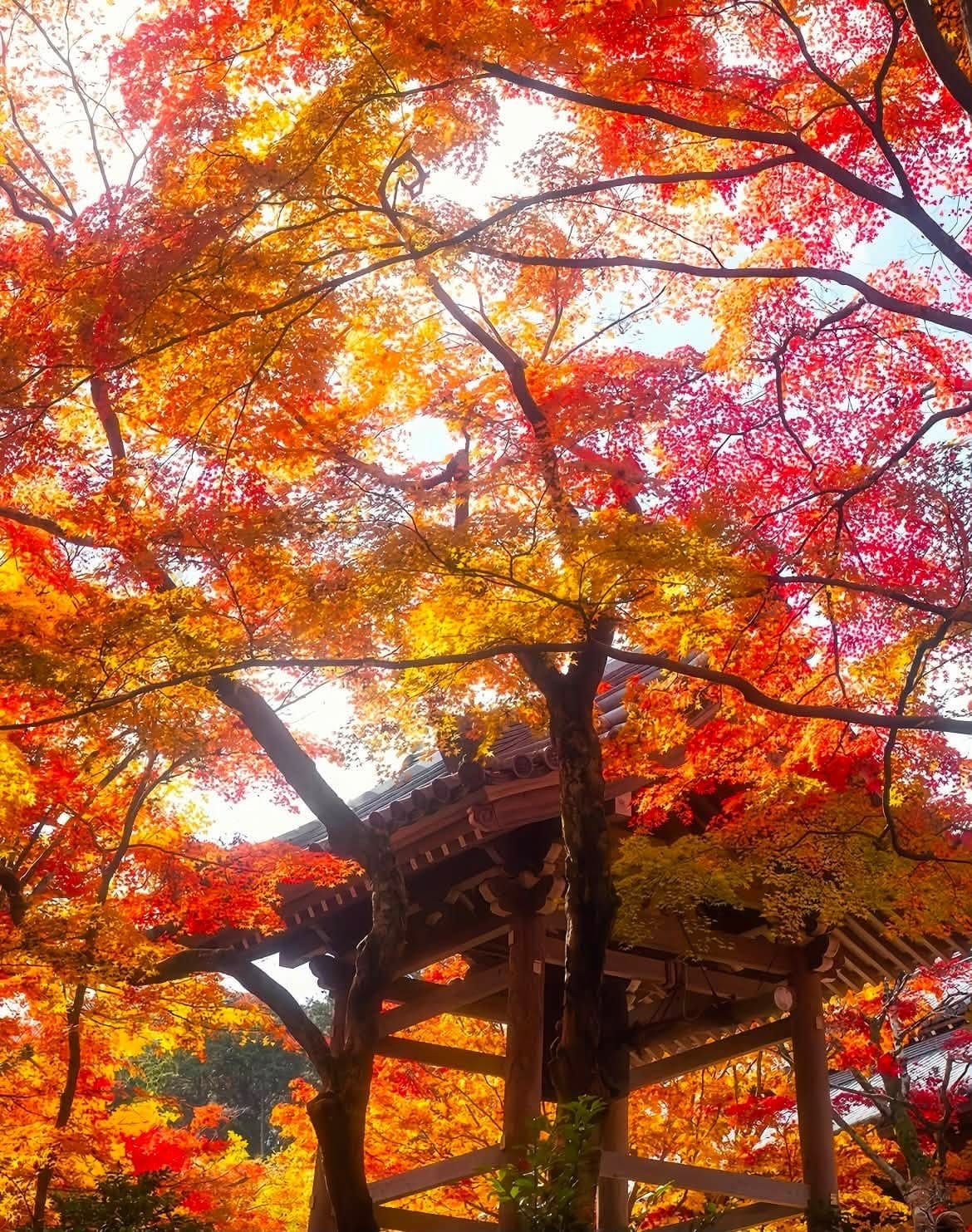
- Autumn (November). Kyoto, without much argument: the maples at Kōdai-ji and Kiyomizu are the most photogenic light of the year for a kimono. Asakusa's ginkgo trees turn gold in late November and are lovely, but it is not the same scale.
- Winter. Both are quiet and easy to book. Snow on the Yasaka Pagoda is rare and unforgettable; Asakusa's temple grounds in clear winter light are underrated.
The outfit is the same in both
Fourteen plans, the same prices, tax and the full accessory set included, at both shops: Yukata (Boy) ¥3,000 · Yukata (Girl) ¥4,000 · Yukata (Men) ¥4,000 · Yukata (Women) ¥4,500 · Men's Traditional Kimono ¥5,000 · Komongi ¥5,500 · Kimono Ren ¥7,000 · Boy's or Girl's Kimono ¥8,000 · Montsuki ¥10,000 · Houmongi ¥12,000 · Tomesode ¥12,000 · Furisode ¥19,000 · Design Furisode ¥25,000. Hair styling ¥1,500 and make-up ¥5,000 are add-ons; next-day and hotel return are ¥1,100 each; a professional photographer is from ¥15,000. Online payment is 10% off; cancellation is free up to two days before. The guide to the kimono types explains which plan suits which day.
One practical difference: because Kiyomizu involves a slope and steps, the walking plans — Komongi, Men's Traditional Kimono, yukata — are the better choice there unless the day is a short photo session. In flat Asakusa, Furisode is easier to spend a morning in.
Decide in three questions
- Do you want flat or stepped? Flat — Asakusa. Stepped lanes are the picture you want — Kiyomizu.
- Is the kimono the whole day or half of it? Half of a Tokyo day — Asakusa. The whole day, ending with lanterns — Kiyomizu.
- Who is coming? Small children, a large group, a summer festival night — Asakusa. A couple, a formal plan, a photographer — Kiyomizu.
If the answers split evenly, take Kyoto for the classic picture and Tokyo for a yukata evening — which brings us to the last option.
Doing both
Two kimono days are not extravagant if they are different days. The combination that works best: Asakusa in yukata on a summer evening or as a family half-day, and Kiyomizu in a lined kimono — Houmongi, Furisode or Komongi — for the walk down the lanes into Gion. The two shops are booked separately on the same site, and the plans are the same, so a couple can wear casual in one city and formal in the other without learning a new price list. Kyoto also offers the combined kimono and tea-ceremony ticket in Gion, which includes its own kimono and makes a natural second Kyoto day.
What's included, price, where, how to book
- Included at both shops: the garment, obi, footwear, bag and accessory set; dressing by staff; free locker; umbrella loan. Tax included.
- Price: fourteen plans from ¥3,000 to ¥25,000, identical in both cities. Online payment 10% off.
- Where: OlaChill Tokyo Asakusa — Taito-ku, Kaminarimon 2-3-7, Duel Asakusa IV, 4F · OlaChill Kyoto Kiyomizu — Higashiyama-ku, Kiyomizu 4-190-3, B1F. Both open 09:00–18:00.
- How to book: plan → date and time → your details → payment on the product page for the city you chose. Free cancellation up to two days before; one day before 50%; same day 100%.
Tokyo: book at OlaChill Tokyo Asakusa · Kyoto: book at OlaChill Kyoto Kiyomizu. Same plans, same prices — choose by the streets.
Frequently asked questions
Is one city cheaper than the other? No. The fourteen plans and all add-ons cost the same at both shops, in every season.
Can I rent in Tokyo and return in Kyoto? No — the outfit goes back to the shop that dressed you, or to your hotel in the same city with the hotel-return option (¥1,100).
Which city is better for a first-timer? Asakusa, marginally: it is flat, compact and forgiving, and the first spot is five minutes from the door. Kyoto is not difficult; it just asks for an early start and short steps on the lanes.
Which is better for photographs? Kyoto for the classic image; Tokyo for the old-and-new contrast with the Skytree. Both produce pictures people frame.
Can I do Fushimi Inari or Arashiyama from the Kiyomizu shop in kimono? Both are train rides away. Fushimi is best at seven in the morning in your own shoes; Arashiyama is a separate half-day. Neither fits comfortably into a Higashiyama kimono day.
Which city for a family with a toddler? Asakusa. Flat ground, short distances, and snacks every fifty metres. See the family guide.
Does the shop in each city have the same opening hours? Yes — 09:00–18:00 at both, with the kimono returned before closing unless you add next-day or hotel return.
More from this region — Kyoto, Nara & Kansai
View all →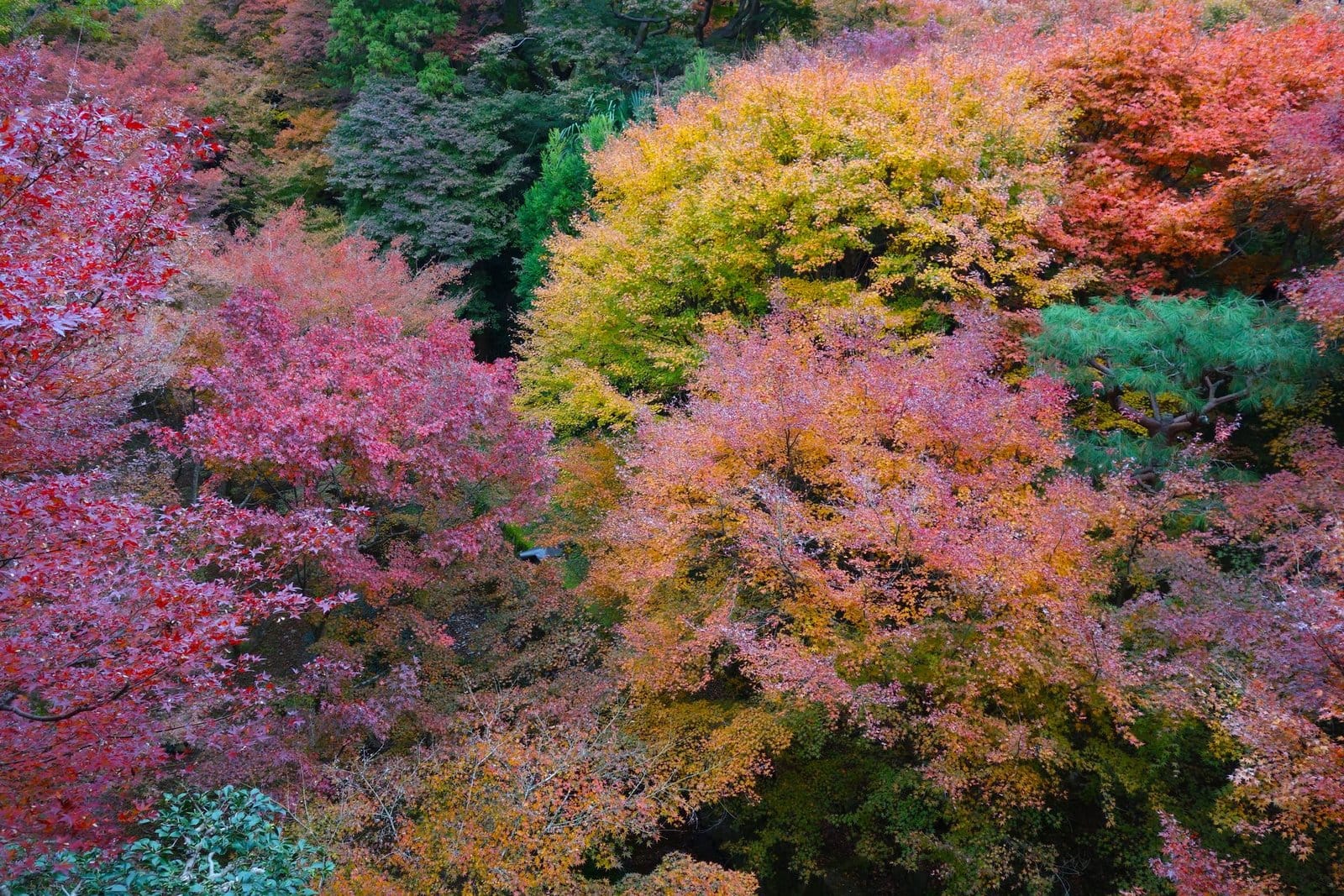
Koyo in Kyoto – 10 Best Spots to See Fall Foliage in Japan's Ancient Capital
5 min · seasonal
Kumano Kodo
5 min · tips
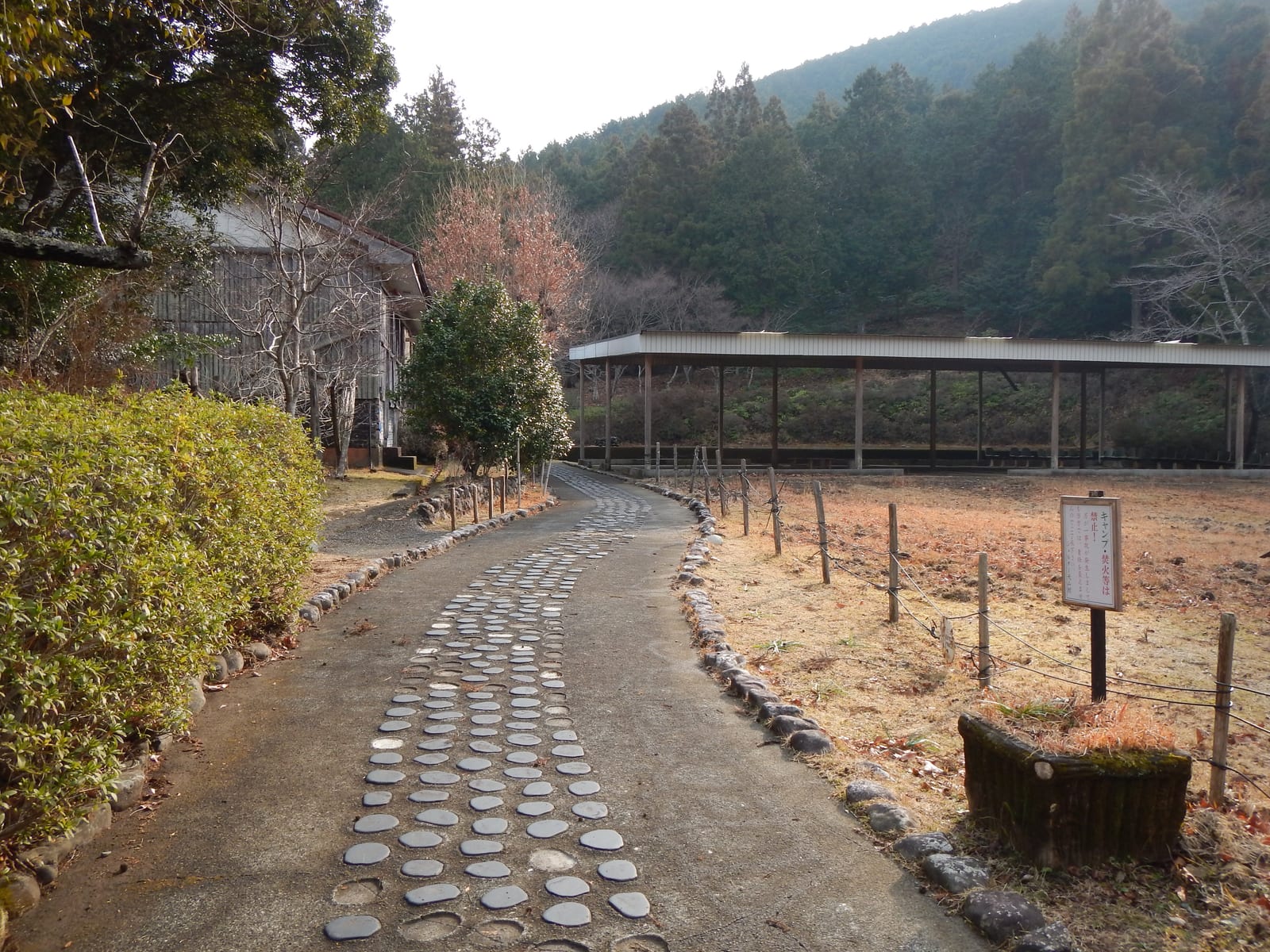
The Ultimate Kumano Kodo Hiking Guide: Nakahechi, Kohechi, and 3-Night/4-Day Model Routes
21 min · ハイキング
Kyoto in Autumn Colors: 2 Days, 1 Night, and the Accommodation Dilemma
16 min · tips