
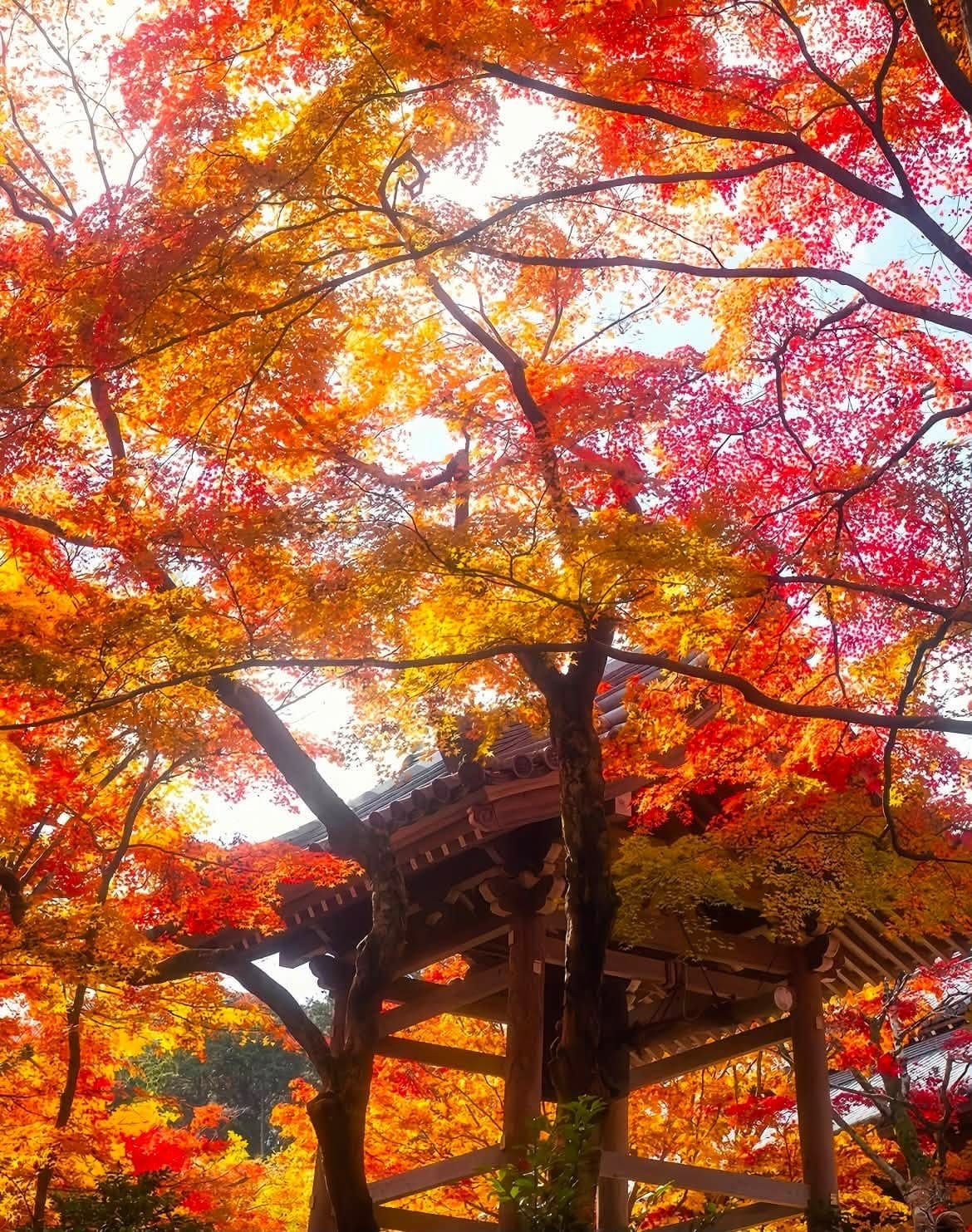
Kyoto in Autumn Colors: 2 Days, 1 Night, and the Accommodation Dilemma
A streamlined 2-day itinerary for autumn foliage: Nanzenji, Eikando’s evening illumination, early-morning Arashiyama, plus a detailed look at where to stay, peak-season prices, and when to book.
Aug 12, 2026·✍️ olablog·⏱ 16 min read
A streamlined 2-day itinerary for autumn foliage: Nanzenji, Eikando’s evening illumination, early-morning Arashiyama, plus a detailed look at where to stay, peak-season prices, and when to book.
Tap a region to browse articles
Last November, I was standing in line outside Eikando just as darkness fell, with a crowd stretching almost all the way down the slope behind me. The friend traveling with me turned and asked a very reasonable question: “So how are we getting back to the hotel tonight—and why didn’t anyone tell me there are no trains in this area at night?” That was when I realized that on a 2-day, 1-night trip to Kyoto during the autumn foliage season, what determines whether the experience is enjoyable or exhausting isn’t your list of sights—it’s where you sleep.
Autumn in Kyoto is one of the hardest times of year to find accommodation in Japan. The best rooms sell out months in advance, ordinary room rates can rise by 1.5 to 2 times, and choosing the wrong neighborhood can cost you an entire hour of travel each way—when you only have two days to begin with. So rather than cramming in as many attractions as possible, this article focuses on a carefully “compressed” itinerary: day 1 is devoted to eastern Kyoto, with Nanzenji, the Philosopher’s Path, and Eikando’s evening illumination; on day 2, get up early and visit Arashiyama before the crowds arrive. The rest—and the most important part—I’ll analyze in detail: which area to stay in, what peak-season prices look like, and how far in advance you need to book.
If you’ve read the “Solo Kyoto 2 Days” article on OlaChill, note that it focuses on a slower pace, finding quiet places, and traveling year-round. This article is completely different—it is built around the autumn foliage season, which means crowds, evening illuminations that run for only a few weeks each year, and an accommodation puzzle you would never have to worry about during the low season.
The overall strategy: why the itinerary is arranged this way
There is only one sensible way to do Kyoto in autumn over 2 days: focus on one cluster of sights each day instead of crisscrossing the city. Eastern Kyoto (Higashiyama) and Arashiyama are at opposite ends of the city, and getting between them takes around 40–60 minutes depending on your mode of transportation. Trying to fit both into one day is a recipe for spending the entire day stuck on a crowded bus.
The reason day 1 is devoted to eastern Kyoto is simple: Eikando—considered by many to be the best place in Kyoto to see autumn foliage—hosts its nighttime light-up only during the color-changing season, usually from around mid-November to early December. If you’re making the trip during the right season, you might as well end day 1 there after dark instead of having to return another time.
Arashiyama is scheduled for the morning of day 2 for the opposite reason: it is at its best when it is quiet, and it is only quiet before around 8–9 a.m. After 9 a.m. during peak season, Arashiyama Bamboo Grove is practically a stream of people inching forward step by step. Get up early for one morning and you’ll see a completely different Arashiyama—and that directly affects your choice of accommodation, as I’ll explain below.
Day 1: Eastern Kyoto — Nanzenji, the Philosopher’s Path, and Eikando at night
Morning: Nanzenji and the century-old aqueduct bridge
Start the day at Nanzenji, one of Kyoto’s most important Zen temples. Entry to the temple’s outer grounds is free, and the area in front of the Sanmon Gate alone—with its vivid red maple trees—is worth arriving early for. You can climb the enormous Sanmon Gate for a fee of a few hundred yen, and looking down from the top at the sea of autumn leaves below is one of Kyoto’s most memorable fall scenes—go before 9 a.m. if you want to avoid the line.
Don’t miss Suirokaku, a Roman-style red-brick aqueduct located right inside the temple grounds. The combination of Western architecture from the Meiji era and Japanese maple leaves creates a photo spot that looks unlike anywhere else. If you have time and enjoy Zen gardens, nearby subtemples such as Tenjuan also have beautiful autumn gardens, and some open at night seasonally—check in advance.
Lunch around Nanzenji offers a Kyoto specialty that fits the season perfectly: yudofu, or boiled tofu. Restaurants around the temple serve it as a multi-dish meal that is warm and comforting in the chilly weather. It isn’t cheap—a set usually starts at around 3,000 yen—but it is worth trying once. If you want to save money, you’ll find plenty of wallet-friendly cafés and small eateries along the way to the Philosopher’s Path.
Afternoon: stroll along the Philosopher’s Path
From the Nanzenji–Eikando area, the Philosopher’s Path (Tetsugaku no michi) follows a small canal for about 2 km toward Ginkakuji (the Silver Pavilion). The path is famous for cherry blossoms in spring, but in autumn it has a quieter beauty: yellow and red leaves floating on the canal, craft shops, pottery stores, and small cafés tucked along both sides.
Once you reach the end, you can visit Ginkakuji, whose sand and moss gardens are considered among the most refined in Japan and take on even more depth in autumn. A practical tip: time your visit so that you can return to the Eikando area before dark. The walk back takes around 30–40 minutes, or you can take a bus or taxi if your legs are tired.
Evening: Eikando — Kyoto’s most rewarding autumn light-up
Eikando, whose full name is Eikando Zenrinji, has been known since the Heian period as “Eikando of the maple leaves.” During the nighttime illumination, the entire garden, Hojo Pond, and the pagoda on the hillside are lit up, with red leaves reflected in the water to create a scene that photographs can never fully capture.
A few things to know before you go:
- Daytime and nighttime admission tickets are separate, and the temple usually closes for a while between the two sessions. You cannot enter during the day and simply “hang around” until evening.
- In recent years, Kyoto’s light-up events have increasingly moved toward advance tickets with designated time slots or visitor-capacity controls. Before your trip, check the temple’s official website to see whether online reservations are required this year—this is information that changes from year to year.
- The line is usually longest when the evening session opens, typically around 17:30. Arrive a little later, around after 19:00, and the crowd will often have thinned out while the illumination is still just as beautiful.
- Kyoto nights in November can be quite cold, especially while you are waiting. Bring warmer clothes than you think you’ll need.
Plan dinner in advance that evening: there aren’t many places around Eikando that stay open late. The simplest option is to have a light meal before the illumination, then take a taxi to Gion or the Kyoto Station area afterward for a late dinner—both areas have far more restaurants open late.
Day 2: Arashiyama before the world wakes up
Early morning: the bamboo grove and Togetsukyo Bridge
This is the morning when you need the most discipline. The goal is to reach Arashiyama Bamboo Grove before 8 a.m., ideally around 7 a.m. The famous bamboo path is open all day and admission is free, so nothing is stopping you from arriving just after sunrise—the early morning light filtering between the bamboo stalks is also the most beautiful time for photography.
From Kyoto Station, the JR Sagano Line takes only around 15–20 minutes to Saga-Arashiyama Station, followed by a walk of roughly 10–15 minutes to the bamboo grove. This is precisely why the Kyoto Station area is such a strong choice for this itinerary: in the morning, you can leave the hotel and board a direct train.
After the bamboo grove, visit nearby Tenryuji, a UNESCO-recognized Zen temple with the Sogenchi Garden framed by Arashiyama mountain. During the foliage season, this garden is one of Kyoto’s most spectacular sights, and the temple usually opens earlier than many other attractions—the exact hours should be checked on the official website. Then take a leisurely walk to Togetsukyo Bridge, which crosses the river with an entire autumn-colored mountainside behind it. If you still have energy and the weather is good, renting a rowboat on the river or walking up to Iwatayama Monkey Park are both enjoyable options.
Noon: eat, shop for souvenirs, and leave at the right time
Around 10–11 a.m., Arashiyama starts becoming packed—that’s your cue to have an early lunch and head out. The main street has plenty of snack stalls, tofu restaurants, soba shops, and matcha sweets. After eating, return to Saga-Arashiyama Station and take the train directly back to Kyoto Station: collect luggage stored at the hotel or in a locker, buy souvenirs in the station’s shopping area, and board your next train. You can finish a 2-day, 1-night trip without rushing for even a second.
Where to stay: Gion/Higashiyama, Kyoto Station, or Arashiyama?
This is the section I most want you to read carefully, because with the itinerary above, these three areas offer three very different experiences.
Gion–Higashiyama: classic Kyoto, and convenient for day 1
Stay in Gion or along the Higashiyama area and you’ll sleep among old wooden streets, lanterns, and tea houses—the “Kyoto atmosphere” everyone imagines. For this itinerary, the biggest advantage comes on the evening of day 1: getting from Eikando to Gion takes just one short taxi ride or a single bus trip, and you can still stroll around Hanamikoji or have a late dinner in Pontocho across the river.
The downside is the price. This is Kyoto’s most expensive area, and during the autumn foliage season, beautiful ryokan and machiya—renovated traditional townhouses—are almost certain to sell out months in advance. On the morning of day 2, you’ll also need to travel to Kyoto Station before catching the train to Arashiyama, meaning you’ll have to wake up around 20–30 minutes earlier than you would if staying next to the station.
Best for: a once-in-a-lifetime Kyoto trip, when you want one truly traditional night in the former capital and are willing to pay more for the atmosphere.
Kyoto Station area: the most practical choice for this itinerary
It may sound less romantic, but for a 2-day, 1-night trip during peak season, the area around Kyoto Station is the option I recommend to most people. Here’s why:
- On the morning of day 2, you can take the JR train to Arashiyama directly from the station, with no transfers—a crucial advantage when you want to reach the bamboo grove at 7 a.m.
- Luggage storage is extremely convenient: there are plenty of lockers in the station, hotels are happy to hold your bags, and at the end of the trip you can immediately board a Shinkansen or a train to Osaka/Kansai.
- It has Kyoto’s largest supply of rooms, from hostels and business hotels to large hotels, so even if you book late, you still have options—although autumn prices will remain significantly higher than usual.
- Returning from Eikando by bus or taxi on the evening of day 1 takes around 20–30 minutes, which is perfectly manageable.
The only real drawback is that the station area is modern and lacks a traditional “Kyoto atmosphere.” But with this much limited time, you’ll really only be at the hotel to sleep.
Arashiyama: a move for travelers who love quiet mornings
Staying in Arashiyama is a minority choice, but it is well worth considering if your top priority is experiencing the area before the crowds arrive. Once the evening visitors have gone, Arashiyama becomes a quiet riverside town; the next morning, you simply step outside and find yourself in an almost empty bamboo grove, even before the earliest travelers from central Kyoto arrive.
The trade-off is the night of day 1: getting from Eikando to Arashiyama takes around 40–60 minutes, late-night trains become less frequent, and there are fewer dinner options because restaurants close early. The area also has several beautiful small hot-spring ryokan—but during the autumn foliage season, their prices are high and rooms sell out especially early.
The short version: visiting Kyoto for the first time and want balance? Choose the Kyoto Station area. Want one truly “Kyoto” night and have a comfortable budget? Choose Gion/Higashiyama. Already been to Kyoto and coming this time for the tranquility? Stay in Arashiyama and reverse the itinerary if necessary.
Peak-season room prices and when to book
Typical November prices (estimates that vary by year)
The figures below are rough estimates based on booking experience during recent autumn seasons, not fixed rates—you should check booking sites directly for your specific dates:
- Hostel/dormitory-style accommodation: around 4,000–8,000 yen per person per night; autumn rates may be higher.
- Business hotels around Kyoto Station: on ordinary weekdays in the low season, rates may be as low as 8,000–12,000 yen per double room, but peak fall-foliage weekends can easily jump to around 20,000–35,000 yen or more.
- Mid-range hotels and renovated machiya in Higashiyama: usually from around 25,000–50,000 yen per night during peak season.
- Ryokan with a kaiseki dinner: commonly around 30,000–60,000 yen per person per night, calculated per person and including dinner and breakfast; prestigious ryokan can cost considerably more.
One detail many people overlook: the price difference between weekdays and weekends can be dramatic. If your schedule allows, staying from Sunday night through Thursday night can be several dozen percent cheaper than Friday or Saturday nights—and the difference is even greater during the peak foliage period.
When to book: the closer you are to peak foliage, the earlier you need to act
- 5–6 months in advance (around May–June): a sensible time to book a beautiful ryokan or rooms for weekend nights in the second half of November—the period that often coincides with peak foliage. Famous ryokan can sell out within days of opening their booking calendars.
- 3–4 months in advance: good options around Kyoto Station and chain hotels should still be available, but reasonably priced rooms in Higashiyama will begin to disappear.
- 1–2 months in advance: you will mostly find business hotels at already-inflated prices and leftover rooms. Book a free-cancellation option as soon as you find an acceptable rate, then keep checking—cancellations appear sporadically right up until the travel date.
- At the last minute: canceled rooms may still become available, but don’t stake your entire trip on luck. A backup option is to stay in Osaka and take the train over, which takes around 30–45 minutes to Kyoto Station—you lose the pleasure of sleeping in the former capital, but you can save a substantial amount.
One ryokan-specific note: many ryokan serve dinner at fixed times, usually starting fairly early, around 18:00–19:00. If you book a ryokan with dinner on the same night you plan to see Eikando’s illumination, the two plans will clash. Either choose a plan without dinner or ask in advance whether the ryokan can accommodate a later dining time—don’t wait until you arrive to discover the problem.
A few transportation tips for two busy days
- Kyoto buses become horrendously congested during the autumn foliage season, especially on routes through Higashiyama in the afternoon. Whenever possible, prioritize trains and walking; splitting a taxi among 3–4 people can sometimes be cheaper than you’d expect when you factor in the time saved.
- On day 1, leave your luggage at the hotel or in a locker first thing in the morning and travel light. Dragging a suitcase up Higashiyama’s stone slopes is an experience no one wants to repeat.
- Download an offline map and mark your destinations in advance; mobile service at crowded attractions during peak season can sometimes become surprisingly slow.
- Follow the koyo forecast on Japanese weather websites from around the beginning of October. Peak foliage can shift by an entire week from year to year, and in recent years it has tended to arrive later.
Frequently asked questions
Which week of autumn is the most beautiful?
Peak foliage in central Kyoto usually falls between mid-November and early December, but it varies every year and has increasingly tended to arrive later. If you need to book accommodation far in advance, the final week of November is a relatively safe choice; as your trip approaches, compare the foliage forecast and fine-tune the schedule for your two days.
Is Eikando’s light-up really essential? Are there alternatives?
It isn’t essential, but if you can choose only one nighttime illumination in Kyoto, Eikando is the strongest contender. Alternatives include Kiyomizu-dera, Kodaiji, and Toji, each of which offers its own seasonal illumination and atmosphere. Whichever you choose, check the official website to confirm whether the event is taking place that year and whether advance tickets are required, since the schedule changes annually.
If I’m on a tight budget, what should I sacrifice?
Sacrifice location before sacrificing the experience: a tidy business hotel near Kyoto Station can still give you the full itinerary at a fraction of the cost of a Higashiyama ryokan. If money is still tight, consider staying in Osaka and taking the train over—it adds some travel time but can save a significant amount.
Do I need to adjust anything if I’m traveling with elderly parents?
Yes. Shorten the Philosopher’s Path by walking only part of it and taking a vehicle afterward, skip the climb up Sanmon Gate, and consider taking a taxi instead of a bus during peak hours. You should still start early on day 2—older travelers often wake up early naturally, and Arashiyama is much easier for them to navigate when it is quiet.
Is one night in a ryokan worthwhile, or should I save it for another trip?
If your budget allows and you can book early, one night in an autumn ryokan is a very worthwhile experience. But with Eikando’s evening illumination on the itinerary, remember the conflict with the fixed kaiseki dinner time mentioned above. A compromise is to choose a ryokan plan without dinner, or save the ryokan for a slower-paced trip—ryokan are meant for staying in and enjoying yourself, not returning at 21:00 and then rushing out again at 6:00 the next morning.
Where is it most convenient to go next after 2 days?
From Kyoto Station, you can reach Osaka or Nara in under an hour by train, or take the Shinkansen to Tokyo or Hiroshima. This is another reason to consider staying near the station: at the end of your trip, you can collect your luggage and board a train within fifteen minutes instead of heading back to the old neighborhoods to retrieve your bags amid the peak-season crowds.
More from this region — Kyoto, Nara & Kansai
View all →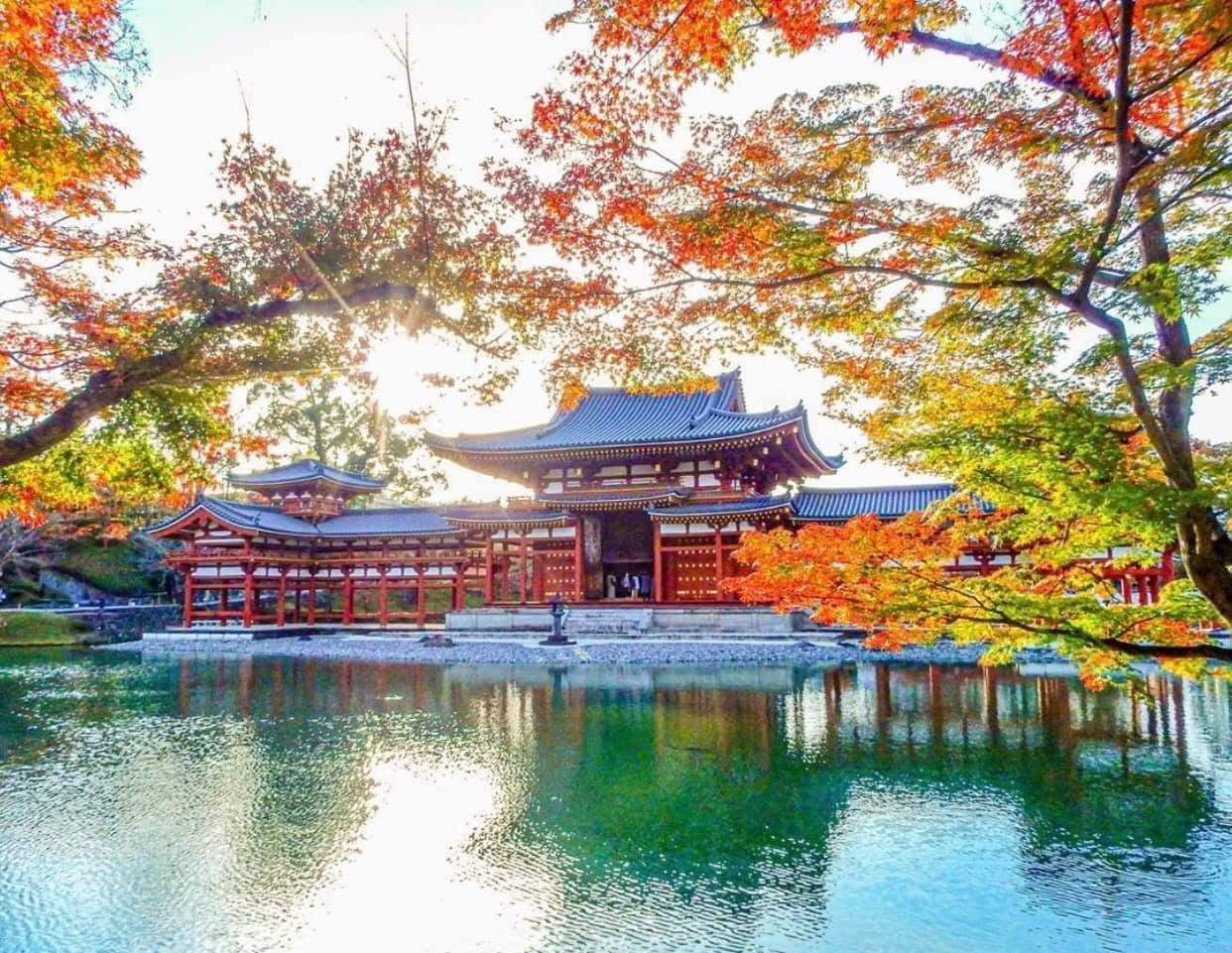
Kyoto in Autumn on a Plate: From Matsutake to Steaming-Hot Yudofu
15 min · tips
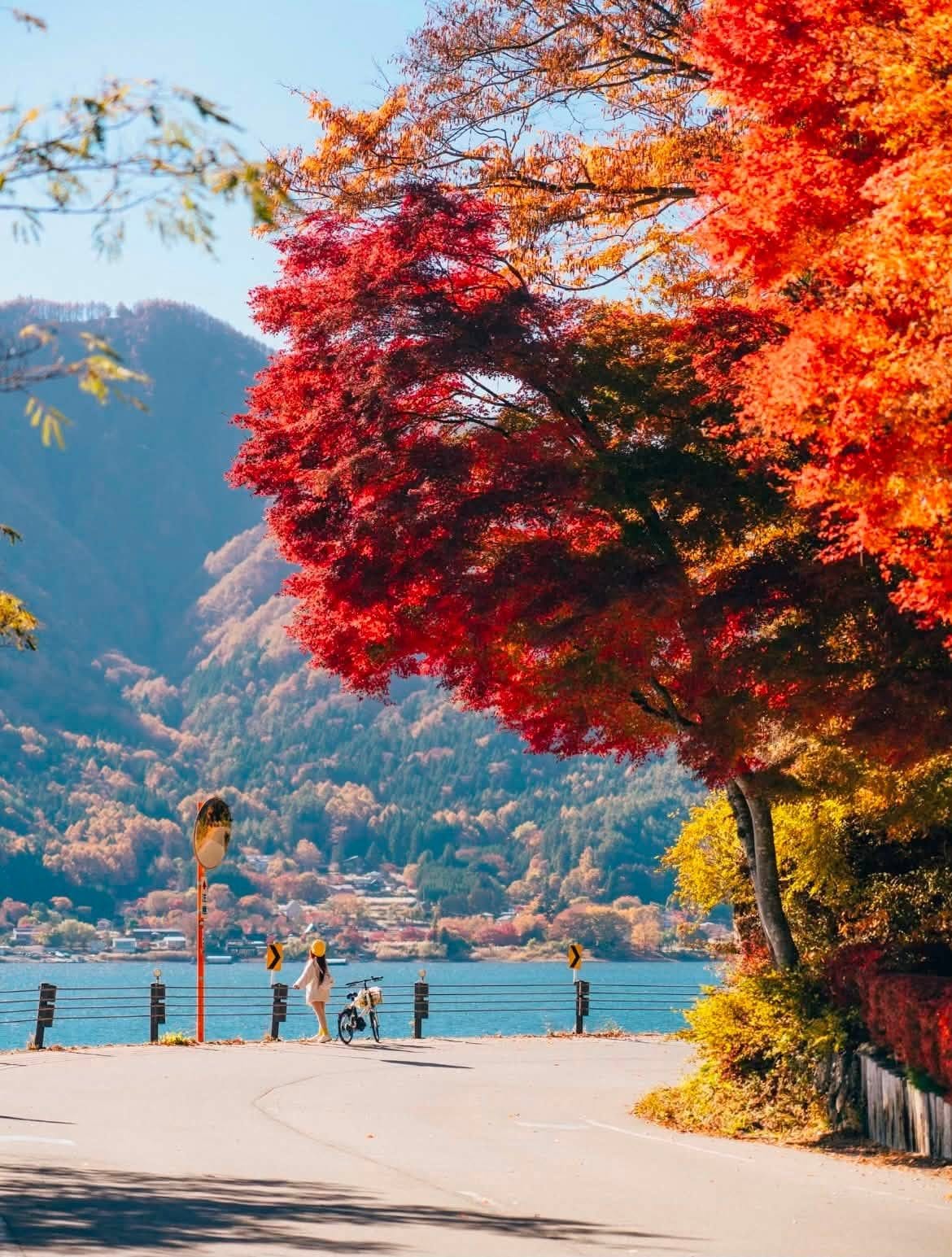
Nighttime Autumn Leaves in Kyoto: Tickets, Hours, and Queueing Strategies
16 min · tips
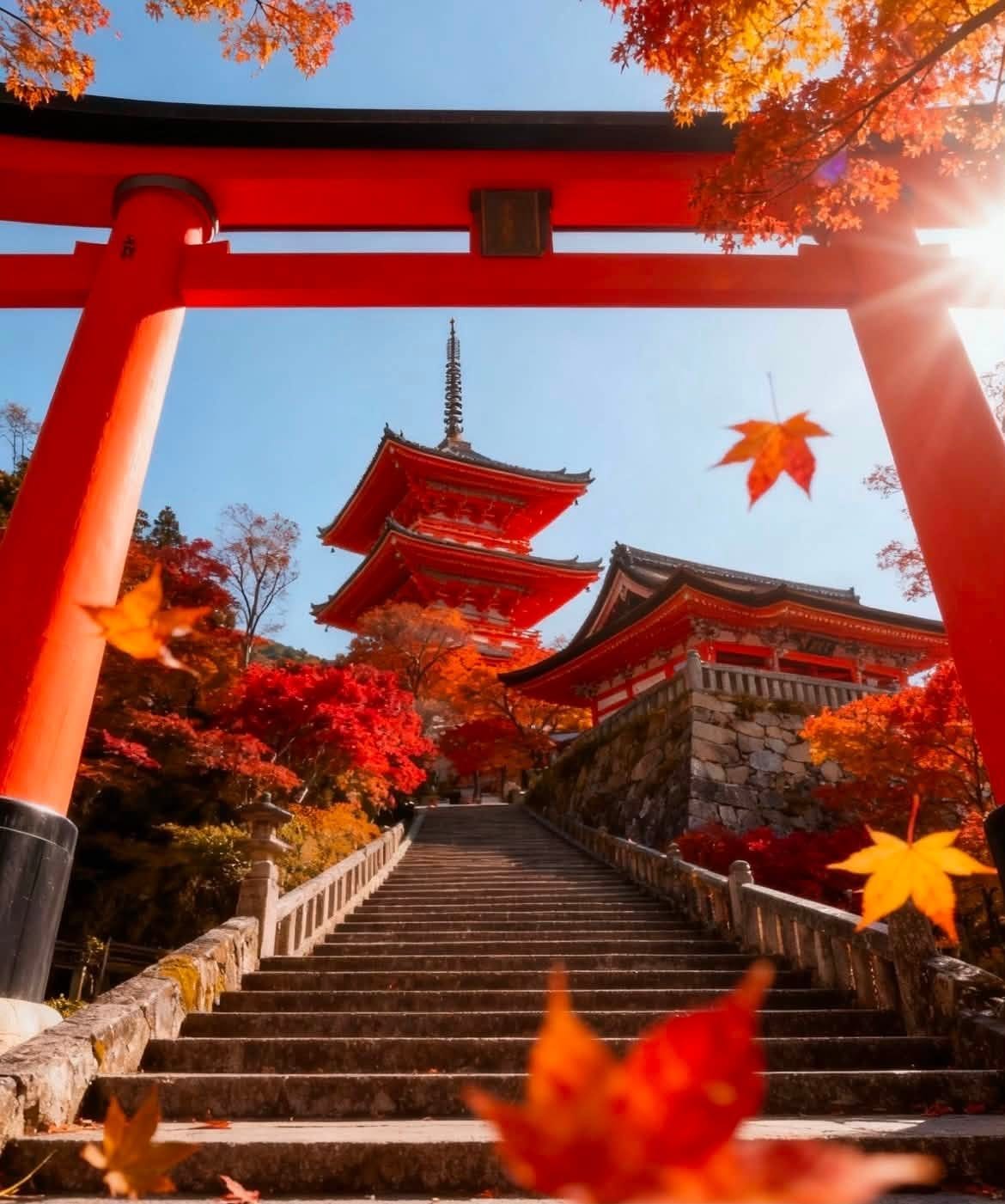
Kyoto in the Fall Foliage: Take the Train Instead of the Bus to Avoid Getting Stuck in the Crowds
17 min · tips
Kyoto Gion Festival 2026 Complete Guide — July 1-31: The 1100-Year-Old Yamahoko Processions and Yoiyama
4 min · events