
7-Day Japan Itinerary for First-Time Indian Travelers
Unlock Japan with this 7-day itinerary for Indian/Bangladeshi travelers, covering Tokyo, Kyoto, Osaka. Includes vegetarian food, budget tips, and JR Pass advice.
Jul 10, 2026·✍️ olablog·⏱ 19 min read
Unlock Japan with this 7-day itinerary for Indian/Bangladeshi travelers, covering Tokyo, Kyoto, Osaka. Includes vegetarian food, budget tips, and JR Pass advice.
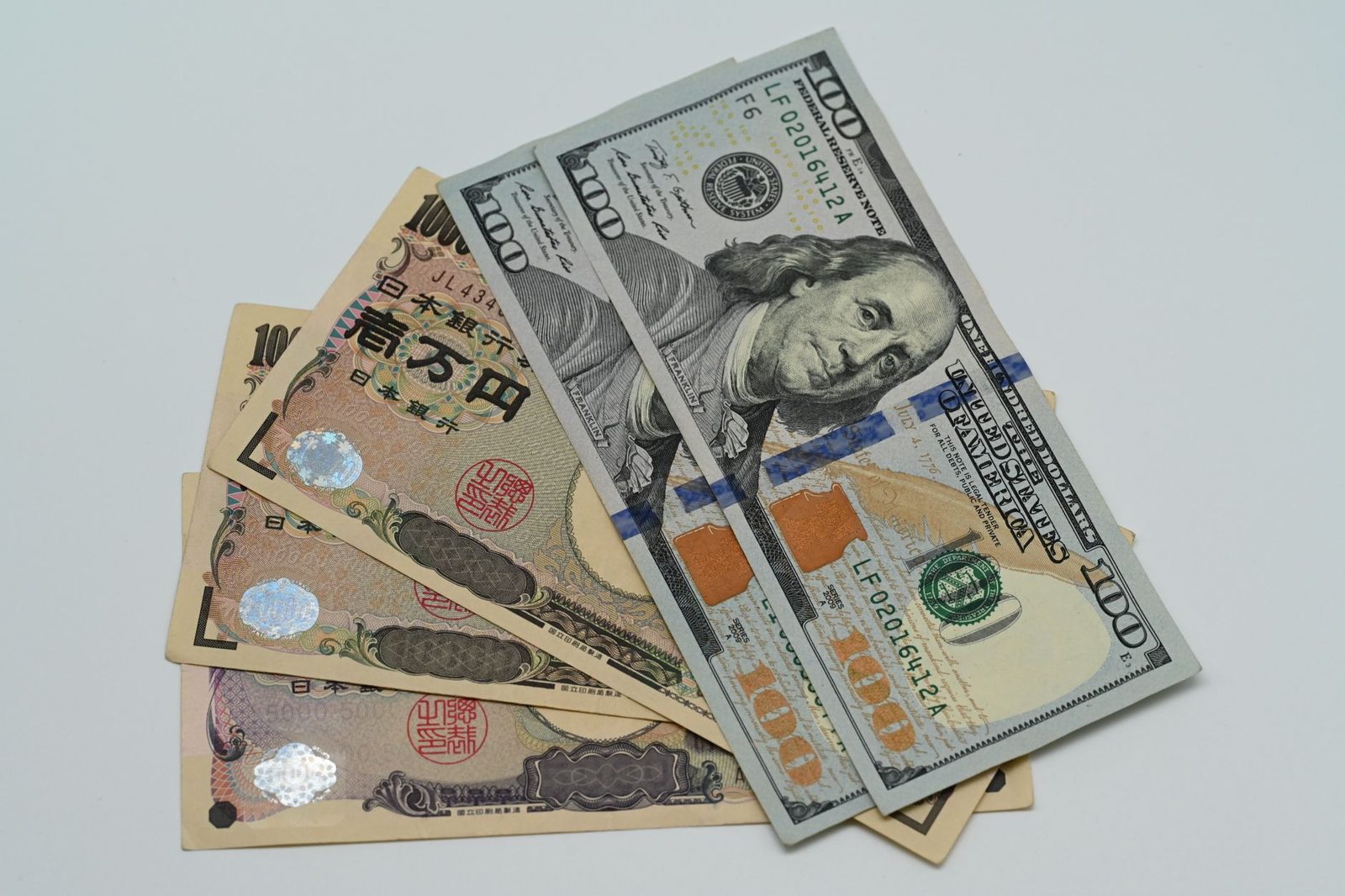
Planning your first trip to Japan can feel like a grand undertaking, especially when balancing cultural immersion with practicalities like budget and dietary needs. This meticulously crafted 7-day itinerary for Indian and Bangladeshi travelers focuses on Japan's iconic "Golden Route"—Tokyo, Kyoto, and Osaka—ensuring a rich experience while keeping costs in mind and highlighting abundant vegetarian and halal-friendly options. We'll navigate Japan's efficient transport, from bullet trains to local metros, and guide you through sacred temples, bustling cityscapes, and serene gardens, all designed for a smooth and memorable journey. Expect to spend approximately ¥15,000-20,000 (around ₹8,400-₹11,200) per day on average, excluding major transport passes and accommodation, but including local travel, meals, and entry fees.
Pre-Trip Essentials: Planning Your Japan Adventure
A successful Japan trip begins long before you board your flight. For Indian and Bangladeshi citizens, a visa is mandatory. Typically, a short-term tourist visa allows stays of up to 90 days. Begin your application process well in advance, usually 2-3 months prior, through the Embassy of Japan or its authorized consulates in your region. Requirements generally include a valid passport, visa application form, recent photographs, flight and accommodation bookings, and a detailed itinerary. Ensure your passport has at least six months' validity beyond your intended stay.
When booking flights, consider arriving at Tokyo's Narita (NRT) or Haneda (HND) airports and, ideally, departing from Osaka's Kansai International Airport (KIX) if you plan to cover all three cities. This "open-jaw" ticket saves significant time and money on backtracking. Airlines like Japan Airlines (JAL), ANA, IndiGo, and Biman Bangladesh often offer direct or convenient connecting flights.
Accommodation in Japan, especially in major cities, can be pricey. Book well in advance, particularly if traveling during peak seasons like cherry blossom (March-April) or autumn leaves (October-November). Business hotels like Toyoko Inn, APA Hotel, and Dormy Inn offer compact, clean rooms with essential amenities at reasonable prices, often including a simple breakfast. For a unique experience, consider a traditional ryokan (Japanese inn) in Kyoto, though these are typically more expensive. Budget-conscious travelers can explore hostels with private rooms or guesthouses. Remember, room sizes are generally smaller than what you might be accustomed to in India or Bangladesh.
Staying connected is crucial. Purchase a Japanese SIM card (data-only is common) or rent a pocket Wi-Fi device upon arrival at the airport or pre-order online for collection. An eSIM is often the most convenient option for compatible phones, allowing you to activate it before departure. Major providers include SoftBank, Docomo, and au. For currency, while credit cards are widely accepted in larger establishments, cash is still king for smaller shops, vending machines, and some temple entry fees. Carry enough Japanese Yen (¥) for daily expenses. ATMs are readily available at convenience stores (7-Eleven, FamilyMart, Lawson) and post offices, and these generally accept international cards. Inform your bank in India or Bangladesh about your travel plans to avoid card blocks.
Mastering Japan's Railways: JR Pass & Other Smart Choices
Japan's public transportation system is renowned for its efficiency, punctuality, and extensive network. The Shinkansen, or bullet train, is the backbone of inter-city travel and an experience in itself. For first-time visitors covering Tokyo, Kyoto, and Osaka, understanding your rail pass options is key to managing your budget.
The Japan Rail Pass (JR Pass) is often the first thing travelers consider. Available for 7, 14, or 21 consecutive days, it offers unlimited travel on most JR trains, including the Shinkansen (excluding Nozomi and Mizuho services), JR local lines, and some JR buses and ferries. For a 7-day itinerary covering Tokyo, Kyoto, and Osaka, a 7-day JR Pass can be economical, but it's crucial to do the math. As of 2026, a 7-day Ordinary JR Pass costs approximately ¥50,000 (around ₹28,000). To justify this cost, you typically need to make at least two long-distance Shinkansen round trips or several one-way trips. For our itinerary, which is essentially Tokyo to Kyoto (one way), Kyoto to Osaka (short trip), and then Osaka to Tokyo (one way, if departing from Tokyo), the pass might be borderline.
Let's break down approximate individual ticket costs for comparison:
- Tokyo to Kyoto (Shinkansen): ~¥14,000 (approx. ₹7,840)
- Kyoto to Shin-Osaka (Shinkansen): ~¥1,500 (approx. ₹840)
- Osaka to Tokyo (Shinkansen): ~¥14,000 (approx. ₹7,840)
- Local JR lines in Tokyo/Kyoto/Osaka: Daily average ~¥1,000-1,500 (approx. ₹560-₹840)
If you're flying into Tokyo and out of Osaka, you'd only need Tokyo-Kyoto and Kyoto-Osaka, plus local travel. The total Shinkansen cost would be around ¥15,500 (approx. ₹8,680). Adding local travel for 7 days (say, ¥1,200 x 7 = ¥8,400 or ₹4,704), the total could be around ¥23,900 (approx. ₹13,384). In this scenario, purchasing individual tickets might be more cost-effective than a ¥50,000 JR Pass.
Alternative Options for Cost Savings: If the JR Pass doesn't pencil out, consider these:
- Individual Tickets: Buy Shinkansen tickets directly at JR stations or online. For the best value, look for "Platt Kodama" tickets for the Tokyo-Kyoto route, which offer a discount but require advance purchase and fixed departure times.
- IC Cards (Suica/Pasmo/ICOCA): These rechargeable cards, similar to Delhi Metro's smart cards, are indispensable for local travel. Simply tap and go on subways, buses, and even some JR local lines. You can purchase them at major stations and top them up at ticket machines. They cost ¥500 (approx. ₹280) for the card itself, which is refundable upon departure, plus your desired balance.
- Regional Passes: If you decide to spend more time in one region, specific regional passes (e.g., Kansai Area Pass) might offer better value than a nationwide JR Pass. However, for this Golden Route itinerary, individual Shinkansen tickets combined with an IC card for local travel is often the most economical choice.
Booking Shinkansen Tickets: You can buy tickets at JR ticket counters ("Midori no Madoguchi"), through ticket machines (select English language option), or online via JR East/West websites. For peace of mind, especially during peak travel, book your Shinkansen tickets a day or two in advance. For those traveling with luggage, remember that large bags (over 160 cm in total dimensions) may require an advance reservation for a designated oversized luggage space on the Shinkansen.
Day 1: Tokyo Arrival & Shinjuku's Dazzling Depths
Welcome to Tokyo! Upon arrival at Narita (NRT) or Haneda (HND) Airport, activate your SIM/eSIM or pick up your pocket Wi-Fi. From NRT, the Narita Express (N'EX) is the most convenient way to reach major Tokyo stations like Shinjuku, Shibuya, or Tokyo Station, taking about 60-90 minutes and costing around ¥3,200 (approx. ₹1,792). From HND, the Keikyu Line or Tokyo Monorail will get you to central Tokyo in about 20-30 minutes for around ¥500-700 (approx. ₹280-₹392).
Check into your hotel, ideally located near a major JR or subway station for easy access. Shinjuku, Shibuya, or Ueno are excellent choices. After settling in, take a leisurely evening stroll through Shinjuku. This district perfectly encapsulates Tokyo's futuristic energy. Begin at the Tokyo Metropolitan Government Building (Tocho). Entry is free, and the observation decks offer panoramic views of the city, especially breathtaking as the city lights begin to twinkle. Aim to arrive an hour before sunset for both day and night vistas.
Next, immerse yourself in the vibrant chaos of Shinjuku Gyoen National Garden. While it closes relatively early (around 4:30 PM), a quick walk through its diverse landscapes (Japanese, French, and English gardens) can offer a peaceful contrast to the urban jungle. The entry fee is around ¥500 (approx. ₹280).
As evening sets in, explore Kabukicho, Tokyo's famous entertainment district. While it has a reputation for nightlife, it's safe to walk through and experience the dazzling neon signs and bustling atmosphere. For dinner, Shinjuku offers a plethora of options. Seek out restaurants with clear English menus or visual displays. Many Japanese curry houses, like CoCo Ichibanya, offer vegetarian options where you can customize your curry with vegetables and specify "no meat" (niku nashi). Look for Indian or Nepalese restaurants, which are surprisingly common in major Japanese cities, especially in areas like Shinjuku and Shibuya. A good vegetarian Indian meal can cost around ¥1,500-2,500 (approx. ₹840-₹1,400).
Mistake to Avoid: Don't try to cram too much into your arrival day. Jet lag is real, especially with the time difference from India/Bangladesh. Prioritize checking in, a manageable activity, and a good meal.
Day 2: Tokyo's Cultural Icons & Pop Culture Hubs
Start your day in Asakusa, Tokyo's spiritual heart. Take the subway to Asakusa Station. Walk through the bustling Nakamise-dori market street, leading to Senso-ji Temple, Tokyo's oldest temple. This ancient Buddhist temple, with its iconic Kaminarimon (Thunder Gate) and five-story pagoda, offers a glimpse into old Japan. Spend an hour or two exploring the grounds, soaking in the atmosphere, and perhaps trying some vegetarian street snacks (like age-manju, a fried bun with sweet bean paste, but always confirm ingredients). Entry to the temple grounds is free.
From Asakusa, take a short train ride to Ueno Park. This expansive park is home to several museums, including the Tokyo National Museum (Japan's largest art museum) and the National Museum of Western Art. It's also a pleasant spot for a stroll or to relax by Shinobazu Pond. If time permits, the Ueno Zoo is popular, especially for its pandas. Entry fees vary for museums, typically around ¥600-1,000 (approx. ₹336-₹560).
In the afternoon, immerse yourself in Tokyo's pop culture. Depending on your interest, choose between Akihabara or Shibuya/Harajuku.
- Akihabara, "Electric Town," is the mecca for anime, manga, electronics, and gaming. Explore multi-story department stores like Yodobashi Akiba, browse specialized shops for figurines and collectibles, and soak in the vibrant energy.
- Alternatively, head to Shibuya and Harajuku. Witness the famous Shibuya Crossing, arguably the world's busiest intersection, from the Starbucks overlooking it or by simply walking through. Explore the trendy shops and cafes of Shibuya. Then, walk to Harajuku, known for its unique street fashion. Stroll down Takeshita Street for quirky boutiques and sweet treats (confirming vegetarian options for crepes or dango). Don't miss the tranquil Meiji Jingu Shrine, a beautiful Shinto shrine dedicated to Emperor Meiji and Empress Shoken, nestled in a vast forest adjacent to Harajuku Station. Entry to the shrine grounds is free.
For dinner, in Shibuya or Akihabara, you'll find numerous restaurants. Look for conveyor belt sushi places (Kaiten Sushi) where you can pick vegetarian sushi (cucumber, avocado, inari - fried tofu pouch) or traditional Japanese restaurants that offer tempura (ensure it's vegetable tempura fried in vegetable oil) or soba/udon noodles (ask for kake soba/udon or zaru soba/udon without katsuobushi – bonito flakes, a common hidden ingredient). Many family restaurants like Saizeriya or Gusto also have vegetarian-friendly salads and pasta dishes.
Day 3: From Tokyo's Buzz to Kyoto's Serenity
Today, you leave the bustling metropolis of Tokyo for the cultural heartland of Kyoto. Start your day by experiencing the grandeur of the Imperial Palace East Garden. This serene park, located on the former site of Edo Castle, offers a peaceful escape with well-maintained gardens and historical ruins. It's a testament to Japan's imperial history and provides a calm start before your journey. Entry is free.
After your visit, make your way to Tokyo Station. This architectural marvel is not just a transport hub but also a destination in itself, with shopping and dining options. Purchase any last-minute snacks or drinks for your Shinkansen journey. Board your Shinkansen (Hikari or Kodama services are covered by individual tickets, or the JR Pass if you opted for it) bound for Kyoto. The journey typically takes about 2.5 to 3 hours. It's similar to India's Vande Bharat Express in speed and comfort, but with even greater punctuality and efficiency.
Upon arrival at Kyoto Station, a modern architectural masterpiece, check into your accommodation. Kyoto offers a range of options, from modern hotels to traditional guesthouses. For a true Kyoto experience, consider staying in the Gion or Higashiyama districts, known for their traditional wooden houses.
In the late afternoon, head to Fushimi Inari Taisha Shrine. Take the JR Nara Line from Kyoto Station to Inari Station (a short, direct ride, covered by an IC card). This iconic Shinto shrine is famous for its thousands of vibrant orange torii gates that snake up Mount Inari. It's an atmospheric and photogenic spot, offering stunning views as you ascend. You don't need to complete the entire hike; even walking through a section of the gates is a rewarding experience. Entry is free.
As evening approaches, explore Gion, Kyoto's historic geisha district. Wander through its narrow, lantern-lit streets, where traditional wooden machiya houses line the canals. You might even spot a geiko (Kyoto geisha) or maiko (apprentice geisha) gracefully making her way to an engagement. Enjoy a traditional Kyoto dinner. Many restaurants in Gion offer shojin ryori, traditional Buddhist vegetarian cuisine, often served at temple lodgings or specialized restaurants. Expect to pay around ¥3,000-5,000 (approx. ₹1,680-₹2,800) for a quality shojin ryori meal. Otherwise, look for places offering yuba (tofu skin) dishes, a Kyoto specialty, or search for Indian/Nepalese restaurants in the vicinity.
Day 4: Kyoto's Sacred Groves and Golden Pavilions
Dedicate your morning to Kyoto's northern gems. Start with Kinkaku-ji (Golden Pavilion), a Zen Buddhist temple whose top two floors are completely covered in gold leaf. The reflection of the pavilion shimmering on the pond is an iconic image of Kyoto. Arrive early to avoid the largest crowds. The entry fee is around ¥500 (approx. ₹280).
A short bus ride from Kinkaku-ji will take you to Ryoan-ji Temple, famous for its enigmatic rock garden. This Zen garden, comprising 15 rocks arranged on a bed of white gravel, is designed so that from any vantage point, at least one rock is always hidden from view. It's a place for quiet contemplation. Entry is around ¥500 (approx. ₹280).
In the afternoon, head to Arashiyama, located on the western outskirts of Kyoto. Take the JR Sagano Line to Saga-Arashiyama Station. The highlight here is the breathtaking Bamboo Grove, a serene path winding through towering bamboo stalks. It's a magical experience, especially on a quiet day. Beyond the grove, you can visit Tenryu-ji Temple, a UNESCO World Heritage site with beautiful gardens, and cross the scenic Togetsukyo Bridge over the Hozugawa River.
For lunch in Arashiyama, many small eateries cater to tourists. Look for soba or udon noodle shops, confirming no katsuobushi. There are also several cafes with vegetarian sandwiches or pastries. You might also find charming tofu specialty restaurants in the area.
Spend your late afternoon exploring Nishiki Market, known as "Kyoto's Kitchen." This narrow shopping street is packed with over a hundred shops and restaurants, selling everything from fresh seafood and local produce to traditional Kyoto sweets and pickles. While it's largely known for seafood, you can find many vegetarian-friendly snacks like matcha (green tea) sweets, mochi, pickles (tsukemono), and fresh tofu products. It’s a sensory delight and a great place to pick up edible souvenirs.
For dinner, explore the area around your hotel or revisit Gion for more vegetarian options. Kyoto's culinary scene is rich, and with a little effort, you can find satisfying vegetarian meals. Always carry a translation app or a small card explaining your dietary restrictions in Japanese.
Day 5: Nara's Gentle Deer & Osaka's Culinary Crossroads
Today offers a delightful day trip to Nara, followed by your journey to Osaka. From Kyoto Station, take the JR Nara Line to Nara Station (about 45 minutes, covered by IC card). Nara was Japan's first permanent capital and is famous for its friendly, free-roaming deer.
Upon arrival, walk through Nara Park, where thousands of sika deer roam freely. You can purchase "deer crackers" (shika senbei) from vendors for about ¥200 (approx. ₹112) and feed them. Be mindful, as some deer can be quite assertive! Within Nara Park, visit Todai-ji Temple, home to a massive 15-meter-tall bronze Buddha statue, one of Japan's largest. The temple's Daibutsuden (Great Buddha Hall) is the world's largest wooden building. Entry to Todai-ji is around ¥600 (approx. ₹336).
Also in Nara Park, visit Kasuga Taisha Shrine, a beautiful Shinto shrine famous for its thousands of bronze and stone lanterns. The approach to the shrine through the forest, lined with moss-covered stone lanterns, is particularly atmospheric. Entry to the inner sanctuary is around ¥500 (approx. ₹280), though the outer grounds are free.
After a fulfilling morning in Nara, enjoy a quick vegetarian lunch (udon, soba, or a packed meal) and then make your way back to Nara Station. From Nara, take a JR train (Yamatoji Line) directly to Shin-Osaka Station or Osaka-Namba, depending on your hotel location (about 45-60 minutes, covered by IC card). Check into your Osaka hotel. Osaka is known for its vibrant energy and incredible food scene.
As evening descends, prepare for a sensory overload in Dotonbori, Osaka's famous entertainment and food district. The area is ablaze with neon lights, giant animated signs (like the Glico Running Man), and an electrifying atmosphere. This is Osaka's culinary heart, famed for takoyaki (octopus balls) and okonomiyaki (savory pancakes). While takoyaki is out for vegetarians, you can often find vegetarian okonomiyaki or yakisoba (fried noodles) by asking for "no meat, no fish flakes" (niku nashi, katsuobushi nashi). Many restaurants specializing in okonomiyaki will cook it right at your table, allowing you to confirm ingredients. Look for dedicated vegetarian restaurants, often found using apps like HappyCow. A satisfying dinner in Dotonbori can range from ¥1,500-3,000 (approx. ₹840-₹1,680).
Day 6: Osaka's Grandeur & Departure Preparations
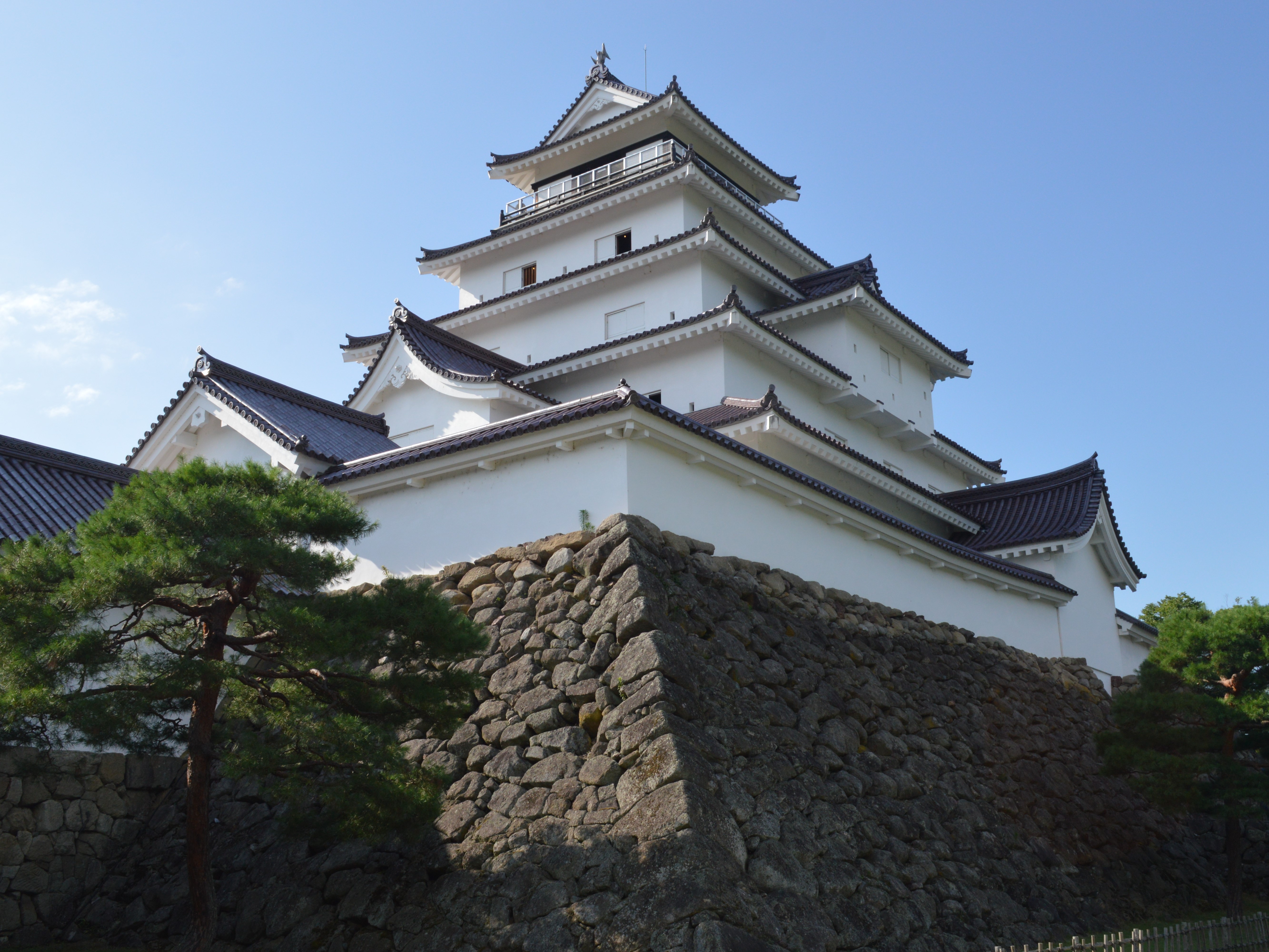
Start your final full day with a visit to Osaka Castle. This magnificent castle, with its imposing stone walls and moats, is one of Japan's most famous landmarks. The current main tower is a modern reconstruction, but it houses an informative museum detailing the castle's history and Toyotomi Hideyoshi, who first built it. The views from the top floor are excellent. Entry to the castle tower is around ¥600 (approx. ₹336). Spend a couple of hours exploring the castle grounds and the surrounding Nishinomaru Garden.
After the castle, immerse yourself in Osaka's shopping and entertainment. Head to Umeda, the city's bustling business and commercial district. Visit the Umeda Sky Building for another stunning panoramic view of Osaka from its Floating Garden Observatory. Entry is around ¥1,500 (approx. ₹840). Explore the massive underground shopping malls connected to Osaka/Umeda Station, which offer everything from fashion to electronics.
For lunch, Umeda has countless dining options. Many department store food courts (depachika) offer a wide variety of choices, and you might find vegetarian bento boxes or noodle dishes. Consider trying kushikatsu, deep-fried skewers, but be very specific about vegetarian options as they are predominantly meat/seafood.
In the afternoon, depending on your flight schedule and departure airport, you have a couple of options:
- If departing from Kansai International Airport (KIX) tomorrow: Spend the afternoon doing some last-minute souvenir shopping in Umeda or Namba. You can find unique Japanese crafts, snacks, and fashion. Take it easy and prepare your luggage for departure. Consider buying some omiyage (souvenirs/gifts) for friends and family back home.
- If departing from Tokyo (NRT/HND) tomorrow: This afternoon, you will need to take the Shinkansen back to Tokyo. This is a significant travel day. Aim to depart Osaka by mid-afternoon at the latest to allow for a comfortable check-in at your Tokyo hotel. The journey will take approximately 3 hours.
For your final dinner, if in Osaka, perhaps revisit Dotonbori for another culinary adventure or explore the Shinsekai district for its retro charm and casual eateries. If you're back in Tokyo, perhaps a final meal in Shinjuku or explore a new district.
Mistake to Avoid: Underestimating travel time, especially if you have to backtrack to Tokyo for your flight. Always factor in buffer time for train transfers and unexpected delays, though Japanese trains are exceptionally punctual.
Day 7: Departure from Kansai - Or a Swift Return to Tokyo
Your 7-day Japan adventure concludes today.
Option A: Departing from Kansai International Airport (KIX) If you booked an open-jaw ticket and are flying out of KIX, you're in an excellent position. From central Osaka (e.g., Namba or Tennoji stations), take the Nankai Rapid Express or JR Haruka train directly to KIX. The journey takes approximately 35-50 minutes and costs around ¥900-1,200 (approx. ₹504-₹672). Allow ample time for check-in and security, especially for international flights. Enjoy a final Japanese breakfast at your hotel or at the airport before departure.
Option B: Returning to Tokyo for Departure (NRT/HND) If your flight departs from Tokyo, today will be primarily a travel day. Plan for an early start. Take the Shinkansen from Shin-Osaka Station back to Tokyo Station (approx. 3 hours). From Tokyo Station, you'll then need to transfer to the Narita Express (N'EX) or Keisei Skyliner for NRT (approx. 60-90 minutes) or the Keikyu Line/Tokyo Monorail for HND (approx. 20-30 minutes). This entire journey from Osaka to Tokyo airports can take 4.5 to 6 hours, including transfers. Ensure you factor this into your flight departure time. It's advisable to book your Shinkansen tickets in advance for an early morning departure. Have a light breakfast and grab some ekiben (station bento box) for lunch on the train. While harder to find fully vegetarian ekiben, you might find rice balls (onigiri) with umeboshi (pickled plum) or kombu (seaweed), or vegetable sandwiches at convenience stores in the station.
Regardless of your departure point, reflect on the incredible experiences of Japan – from Tokyo's futuristic energy to Kyoto's serene beauty and Osaka's vibrant culinary scene. You've navigated a new culture, explored ancient traditions, and embraced modern marvels, all while managing your budget and dietary needs.
Vegetarian & Halal Food: Your Guide to Worry-Free Dining
One of the biggest anxieties for Indian and Bangladeshi travelers in Japan is often finding suitable food. While Japan is not traditionally vegetarian-friendly, awareness is growing, and with a few strategies, you can eat well.
Key Phrases & Apps:
- Learn a few key Japanese phrases: "Watashi wa bejitarian desu" (I am vegetarian).