
Aizu-Wakamatsu: Castles, Samurai Schools and Sake
Explore Aizu-Wakamatsu’s red-roofed castle, samurai heritage, Sazaedo temple and celebrated sake culture in Fukushima.
Aug 25, 2026·✍️ olablog·⏱ 8 min read
Explore Aizu-Wakamatsu’s red-roofed castle, samurai heritage, Sazaedo temple and celebrated sake culture in Fukushima.
Why visit Aizu-Wakamatsu?
Aizu-Wakamatsu is one of the most atmospheric destinations in Fukushima Prefecture. Surrounded by mountains and shaped by a powerful samurai tradition, the city offers a deeper look at Japan’s feudal past than a single castle visit ever could.
Known locally as Aizu, the city is home to Tsuruga-jo, a striking red-roofed castle; Nisshinkan, a school for the children of samurai families; and Aizu Bukeyashiki, a carefully reconstructed samurai residence. On Iimoriyama hill, the story of the Byakkotai—young Aizu warriors caught up in the final battles of the shogunate—adds a moving human dimension to the city’s history.
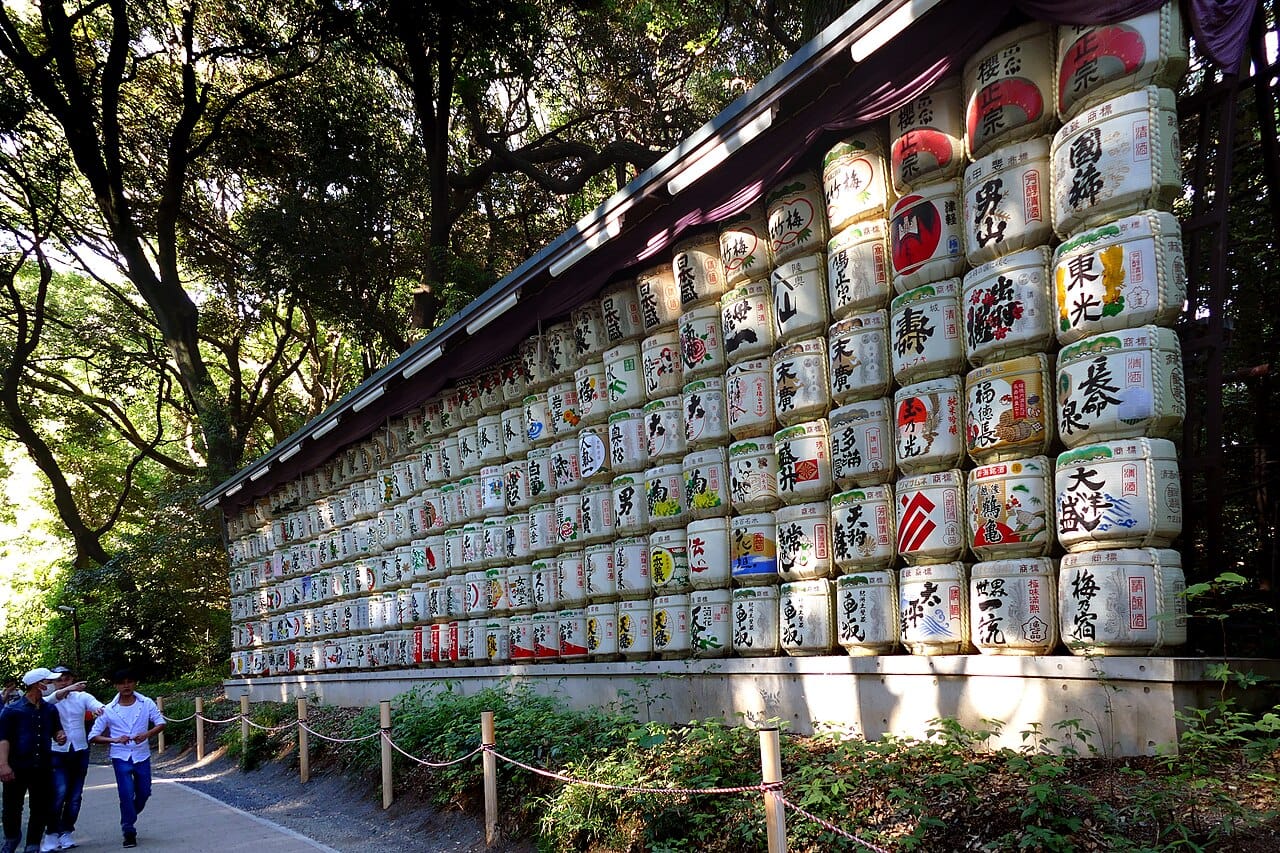
Aizu is also a respected sake region. Clear mountain water, cold winters and locally grown rice support a long brewing tradition, making a brewery visit or tasting an essential part of an independent trip.
Plan at least one full day for the main sights. Two days allow you to explore at a relaxed pace, visit a sake brewery and add one or two nearby stops.
Getting to Aizu-Wakamatsu from Koriyama
Koriyama is the closest major transport hub and the easiest gateway for most visitors arriving from Tokyo or elsewhere in eastern Japan.
From Tokyo, take the Tohoku Shinkansen to Koriyama. At Koriyama, transfer to the Ban-etsu West Line for Aizu-Wakamatsu. The journey from Koriyama takes roughly 1 hour 10 minutes to 1 hour 30 minutes, depending on the service and connections. Trains run through a scenic landscape of fields, wooded hills and mountain valleys, particularly beautiful in autumn and winter.
Aizu-Wakamatsu Station is a convenient starting point for city sightseeing. The Haikara-san sightseeing loop bus connects the station with many major attractions, including Tsuruga-jo, Aizu Bukeyashiki and Iimoriyama. A second local loop service, the Akabe bus, is also useful on some routes. Check current timetables before setting out, as services can be less frequent outside the busiest travel periods.
| Sight | Why visit | Suggested time |
|---|---|---|
| Tsuruga-jo | Iconic red-roofed castle and history museum | 1.5–2 hours |
| Iimoriyama and Sazaedo | Byakkotai history and a remarkable wooden temple | 1–1.5 hours |
| Aizu Bukeyashiki | Reconstructed samurai residence and gardens | 1–1.5 hours |
| Nisshinkan | Former samurai school and traditional training grounds | 1–1.5 hours |
| Sake brewery or tasting stop | Local brewing culture and regional flavours | 45 minutes–1.5 hours |
Times are only planning estimates. Confirm transport, admission and facility details on official websites before your visit.
Tsuruga-jo: A castle with a distinctive red roof
Tsuruga-jo is the symbol of Aizu-Wakamatsu. Its elegant white walls and red roof tiles give it a distinctive appearance, especially against spring blossoms, autumn foliage or fresh snow.
The present castle keep is a reconstruction, but the site remains closely connected with the history of the Aizu domain and the final conflict of the Edo period. Inside, museum displays explain the castle’s role, the region’s political history and the people who defended Aizu during the Boshin War.
Allow time to walk around the wider castle park rather than visiting only the keep. The grounds include seasonal flowers, old stone walls and several historical buildings. In spring, the castle is one of the city’s most popular cherry-blossom viewing locations. In winter, the red roof creates a memorable contrast with the snow.
Iimoriyama and the story of the Byakkotai
Iimoriyama is a hillside site associated with the Byakkotai, a group of young Aizu warriors. During the civil conflict that brought the Tokugawa shogunate to an end, these teenagers were separated from the main force. From the hill, they saw smoke rising from the direction of Tsuruga-jo and believed the castle had fallen.
Their tragic decision has become one of the most enduring stories of Aizu’s samurai history. Memorials on the hillside and at the cemetery invite quiet reflection rather than simple sightseeing. The site also shows how historical memory is preserved in the city today.
Iimoriyama is home to Sazaedo, officially known as Entsu Sansodo. This unusual wooden temple has a double-helix interior: visitors ascend and descend without crossing the same path. Its sloping corridors and layered structure are unlike those of most temples in Japan. Even travelers with limited interest in history will find the building fascinating.
The hill involves some walking and steps. Take your time, particularly in wet or snowy weather.
Nisshinkan: Education for the samurai class
Nisshinkan was one of the leading schools for the children of Aizu’s samurai families. Students studied more than martial arts; the curriculum also included ethics, reading, writing and practical knowledge. The school represented the disciplined education expected of the domain’s future administrators and warriors.
The original school was destroyed, but the present site recreates its buildings and grounds. Visitors can see traditional classrooms, training spaces and the pond where students reportedly practised observation and concentration. The scale of the grounds helps explain that samurai education was a full lifestyle, not simply sword training.
Nisshinkan lies outside the compact central sightseeing area, so combine it with other stops by bus or taxi. It is particularly worthwhile for travelers who want context before visiting Tsuruga-jo or Iimoriyama.
Aizu Bukeyashiki and everyday samurai life
While castles represent political power, Aizu Bukeyashiki focuses on domestic life. This reconstructed residence shows the rooms, offices and gardens of a high-ranking samurai household, along with the strict hierarchy that shaped daily routines.
Move through the reception rooms, family quarters and working spaces to see how architecture reflected status and responsibility. The contrast between formal areas for guests and more practical household spaces is especially revealing.
The site is also linked to the tragic final days of the Aizu conflict. That connection makes Aizu Bukeyashiki a useful complement to Tsuruga-jo: together, they show both the public and private sides of the domain’s history.
Taste Aizu’s sake
Aizu is one of Japan’s best-known sake-producing areas. The region’s cold climate, clean water and rice-growing traditions create ideal conditions for brewing. Local producers make a broad range of styles, from crisp and dry bottles to fuller, more aromatic sake.
Look for tasting counters, brewery shops and restaurants serving regional sake by the glass. Some breweries offer tours or explanations of the brewing process, but availability varies by season and reservation policy. If you visit a brewery, check in advance whether tastings, tours and English guidance are available.
Sake pairs naturally with Aizu specialities such as hearty noodle dishes, pickled vegetables and local mountain ingredients. Ask staff for a recommendation based on your preferred style, and remember that many tasting rooms sell small bottles suitable for carrying home.
When to go
Every season gives Aizu-Wakamatsu a different mood:
- Spring: Cherry blossoms brighten Tsuruga-jo and the surrounding park.
- Summer: Green mountains and longer daylight make it comfortable to combine several outdoor sights.
- Autumn: Foliage is often at its best from mid-October into November, with the exact timing varying by altitude and weather.
- Winter: Snow transforms the red-roofed castle and gives the city a quiet, traditional atmosphere. Check transport conditions before traveling.
For a first visit, one night in the city is a practical minimum. Stay two nights if you want to include Nisshinkan, a brewery visit and a nearby excursion without rushing.
Nearby stops to add
Aizu-Wakamatsu works well as the base for exploring the wider region.
- Higashiyama Onsen: A historic hot-spring district just outside the city, ideal for an overnight stay or a relaxing bath after sightseeing.
- Ouchi-juku: A preserved post town with thatched-roof houses and a strong rural atmosphere. It is best approached as a half-day trip.
- Lake Inawashiro: A broad, scenic lake with views toward Mount Bandai and opportunities for a slower change of pace.
- Mount Bandai: A rewarding option for hiking, scenic drives and autumn landscapes, depending on conditions and transport.
For tickets, tours and practical planning support, visit OlaChill’s Japan destination hub.
FAQ
How many days do I need in Aizu-Wakamatsu?
One full day covers the main city sights, including Tsuruga-jo, Iimoriyama and Aizu Bukeyashiki. Stay two days if you want to visit Nisshinkan, explore the sake scene or take a nearby excursion.
Is Aizu-Wakamatsu easy to visit without a car?
Yes. The Haikara-san sightseeing bus connects many central attractions, while local buses and taxis can cover sites farther out. Check the latest schedules, particularly in winter and during quieter travel periods.
What is the most famous sight in Aizu-Wakamatsu?
Tsuruga-jo is the city’s best-known landmark, but Iimoriyama and Sazaedo are equally important for understanding Aizu’s history and character.
Can I visit a sake brewery?
Often, yes, although tours and tastings depend on the brewery’s schedule and reservation requirements. Check directly before traveling and follow local rules when tasting or purchasing alcohol.
More from this region — Other
View all →
Hydrangea (Ajisai) Season in Japan: Bloom Calendar and Where to Go
14 min · seasonal
Airport Pickup by Alphard from Haneda or Narita
8 min · tips
Shun — Seasonal Japanese Cuisine: What to Eat and When for the Authentic Flavor
8 min · food
American Chains in Japan — Starbucks, McDonald's + 12 More Surprises
6 min · food