
Solo Travel Safety in Japan — A Complete Guide for First-Timers
Why Japan is the ultimate destination for solo travelers: safe nightlife areas, essential apps, emergency numbers (110/119), and practical safety tips.
Aug 8, 2026·✍️ olablog·⏱ 7 min read
Why Japan is the ultimate destination for solo travelers: safe nightlife areas, essential apps, emergency numbers (110/119), and practical safety tips.
If you are pondering which country to choose for your very first solo trip, the unanimous advice from experienced travelers is almost always the same: start with Japan. This is a country where you can accidentally leave your wallet on a train and retrieve it entirely intact at the lost-and-found office, where women walking back to their hotels alone at 11:00 PM is a completely standard sight, and where every system—from local train networks to directional signage—is thoughtfully designed so that visitors never feel hopelessly lost. Nevertheless, "safe" does not mean "zero preparation required." This guide compiles the most practical, real-world tips to ensure your first solo adventure in Japan runs seamlessly from start to finish.
Why Is Japan Perfect for Solo Travelers?
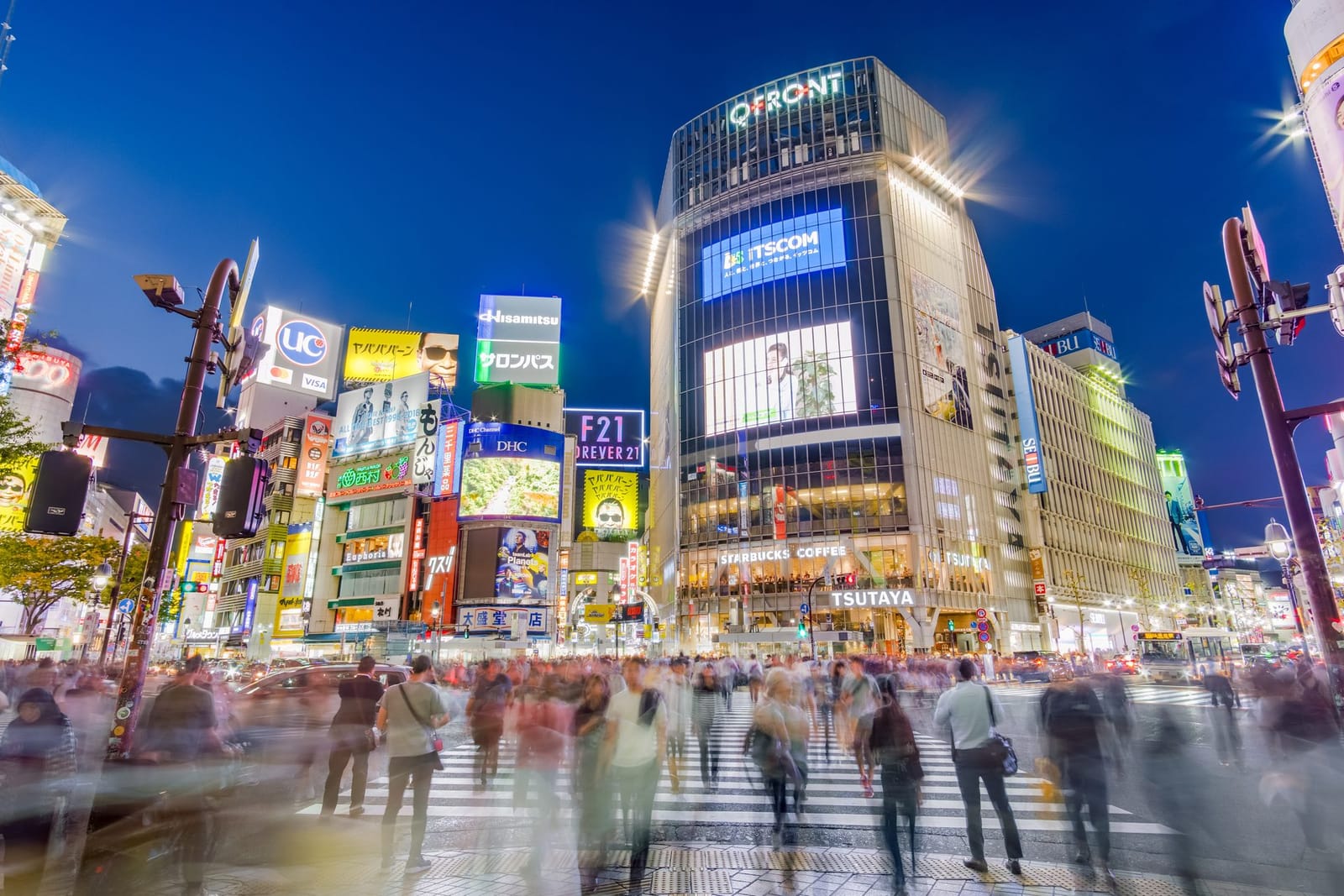
Japan consistently ranks among the world's safest nations with extraordinarily low street crime rates. Pickpocketing, bag snatching, and tourist scams—common worries across many popular travel destinations—are virtually non-existent here. However, what truly sets Japan apart for solo wanderers is its cultural mindset: the Japanese even have a dedicated concept called お一人様 (ohitorisama), which represents respect and appreciation for doing things by oneself. Dining alone, going to the cinema alone, or enjoying an 온천 / 温泉 (onsen, hot spring) alone are all celebrated as completely normal behaviors; in fact, countless restaurants feature individual dining booths or single-seat counter setups designed explicitly for solo customers.
The nation's infrastructure is equally aligned with your independence. Trains run with minute-by-minute punctuality, bilingual Japanese-English signage adorns almost every major station, and 24/7 コンビニ (konbini / convenience stores) sit on virtually every street corner like miniature lifeline stations. Whether you need an international ATM, a clean restroom, fresh hot food, or an umbrella during an unexpected downpour, a コンビニ (konbini) has you covered. Traveling solo in Japan, you will rarely—if ever—find yourself stuck without a reliable Plan B.
Which Areas Are Great for Night Strolls, and Which Should You Avoid Late at Night?
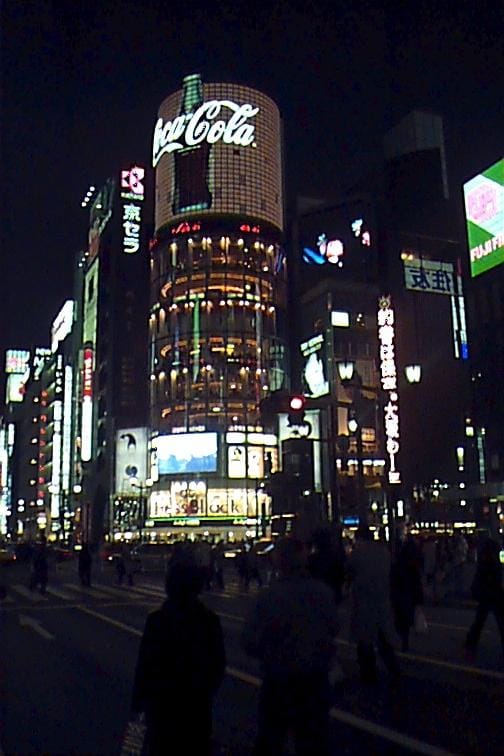
The vast majority of Japan remains safe throughout the day and deep into the night, but there are still a few neighborhoods where you should exercise extra awareness after midnight:
- 歌舞伎町(Kabukicho) in 新宿(Shinjuku, Tokyo) — Japan's largest red-light district. Walking through during the evening to admire the dazzling neon signs is perfectly fine, but strictly avoid street touts ("catchers") enticing you into bars. Touts are the primary source of exorbitant "padding" scams where tourists face outrageously inflated bills.
- 六本木(Roppongi, Tokyo) after midnight — a vibrant international nightlife hub that has seen isolated reports of drink spiking. The cardinal rule here is simple: never accept drinks from strangers and never follow street promoters into venues.
- 釜ヶ崎(Kamagasaki, Osaka) — an impoverished area near 新今宮駅(Shin-Imamiya Station). It is fine during daylight hours, but there is little reason to wander around late at night.
Conversely, neighborhoods like 清澄(Kiyosumi), 谷中(Yanaka), and 吉祥寺(Kichijoji) in Tokyo, or 祇園(Gion) and 嵐山(Arashiyama) in Kyoto, are so peaceful and safe that a 10:00 PM evening stroll will likely yield nothing more threatening than a stray cat. As a general rule of thumb: if a venue relies on aggressive street touts standing outside the door, it is not a place you should enter.
Essential Apps to Install Before Your Flight
- Google Maps — provides remarkably precise train routing, right down to recommending which train car number to board for the fastest transfer. Be sure to download offline maps for your destination areas.
- Japan Travel by NAVITIME — offers even more detailed railway navigation with a dedicated filter option for those traveling with a JR Pass (Japan Rail Pass).
- Google Translate / Papago — use the live camera feature to instantly translate Japanese menus, street signs, and store labels.
- Safety Tips — the official app from the Japan Tourism Agency that sends real-time push alerts for earthquakes, tsunamis, and severe weather warnings in English. Highly recommended given Japan’s seismic activity.
- Suica / PASMO IC card on your smartphone — easily reloadable via Apple Pay or digital wallets. A simple tap allows you to seamlessly board trains, ride buses, and pay at convenience stores without pulling out a physical wallet in public.
It is strongly recommended to order an eSIM or rent a pocket Wi-Fi unit before departure—losing mobile internet connectivity while traveling solo poses a significantly greater risk and headache than misplacing a small amount of cash.
Emergency Numbers and Handling Unforeseen Incidents
Keep these two primary emergency numbers saved:
- 110 — Police (for theft, lost property, traffic accidents, or harassment).
- 119 — Fire department and medical emergency services (ambulance).
Both phone numbers are completely free to dial from any phone, even without an active SIM card installed. If you do not speak Japanese, speak clearly and slowly in English—major dispatch centers utilize three-way interpretation services, or you can state the phrase "Eigo o onegaishimasu" (English, please). Additionally, the Japan Visitor Hotline (+81-50-3816-2787) operated by JNTO (Japan National Tourism Organization) runs 24/7 in English, providing support for everything from lost passports to natural disaster assistance.
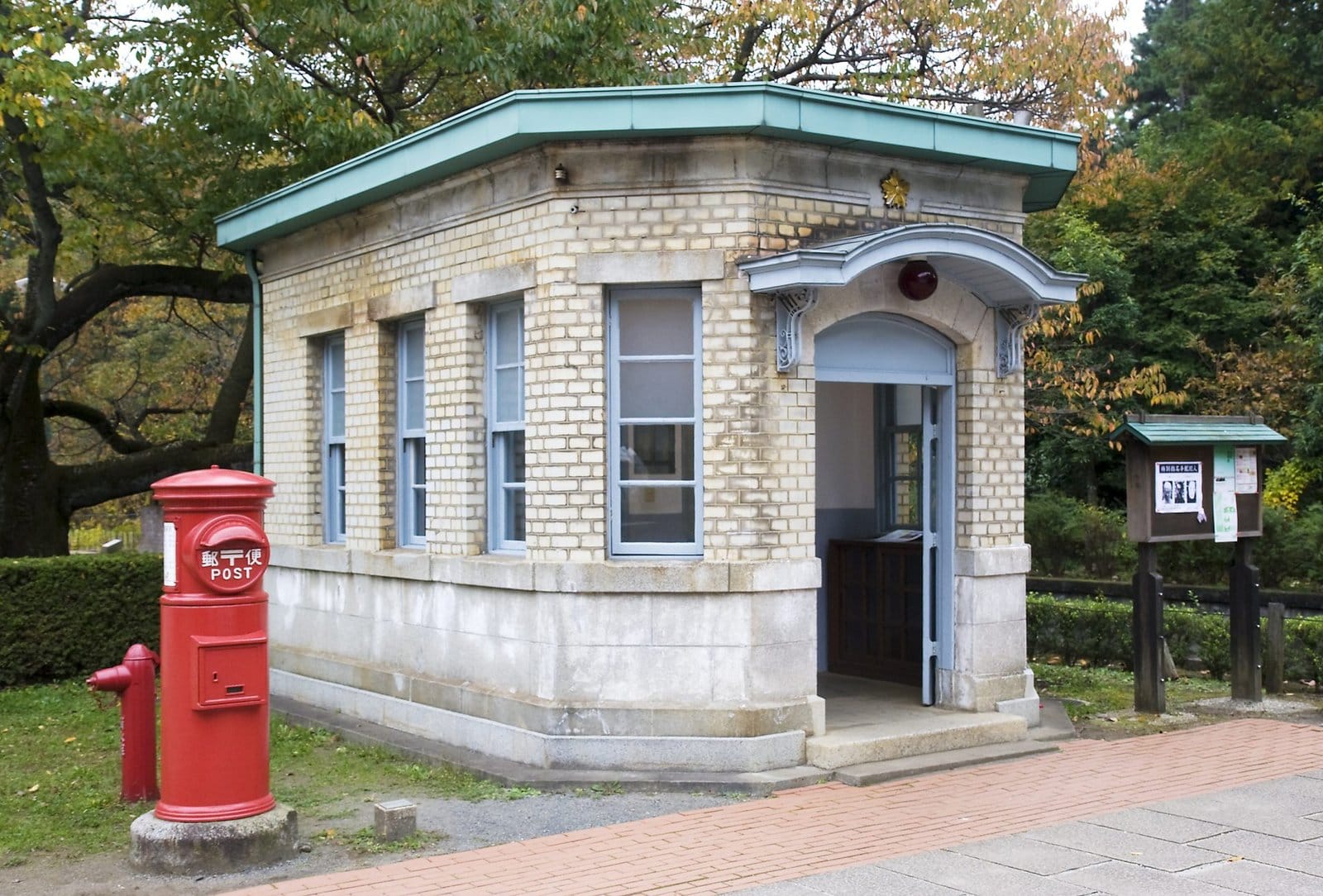
One exceptionally reassuring feature across Japan is the 交番(Koban)—small neighborhood police boxes located near virtually every train station exit and residential area. If you are lost, misplace an item, or need any assistance, simply walk right into a 交番(Koban). Japanese police officers are so accustomed to giving directions and assisting tourists that it effectively forms an integral part of their daily duty.
Protecting Belongings and Staying Safe — Small Habits That Make a Difference
- Take advantage of coin lockers: Every major train station is equipped with convenient luggage lockers ranging from approximately ¥400–¥800 per day (around $2.50–$5.50 USD). Stash your heavy luggage so you can explore hands-free, saving energy and eliminating worry.
- Keep digital copies of your passport: Take clear photos of your passport photo page and entry visa, saving them to your smartphone and email. Japanese law requires foreign tourists to carry physical passports at all times, but having digital backups dramatically speeds up processing if you misplace the document.
- Divide your cash: While credit cards and IC cards like Suica are widely accepted, Japan remains a cash-friendly society. Avoid storing all your Yen in a single wallet—keep a small daily amount in your pocket and store the rest securely in your hotel room safe.
- Share your itinerary: Send your daily travel schedule and hotel names to family or close friends back home. Traveling solo does not mean no one should know your whereabouts.
- Tips for solo female travelers: During morning peak rush hours, look for the designated women-only cars (indicated by pink signs on the platform and train windows)—a great option when riding crowded routes like the 山手線(Yamanote Line) in Tokyo or 御堂筋線(Midosuji Line) in Osaka.
Conclusion: Safe Travel Begins with Simple Preparation
Japan does not require you to remain hyper-vigilant every single minute—quite the opposite, it is a place where you can genuinely unwind and embrace the ultimate freedom of solo travel. The only requirement is basic advance preparation: install essential apps, remember 110 and 119, know which late-night spots to avoid, and stay organized with your travel documents. Japan’s extraordinary hospitality and infrastructure will comfortably handle the rest.
If you prefer an even smoother start to your maiden solo adventure, consider exploring the Japan tours by OlaChill—join a small group for the first few days to get acclimated to the local rhythm, then branch out to explore independently. Plenty more practical solo travel insights await you on the OlaChill blog.
More from this region — Other
View all →
Eating Alone in Japan — No Need to Feel Self-Conscious, Because the Whole Country Supports You
7 min · tips

Comiket Guide for First-Timers: Dates, Venue, Tickets and What to Wear
14 min · culture

Aoi Matsuri in Kimono: Procession Route, Viewing Spots and Dress Tips
6 min · culture

Esports at Aichi Sky Expo, Tokoname: Group Transport and Timing
7 min · events