
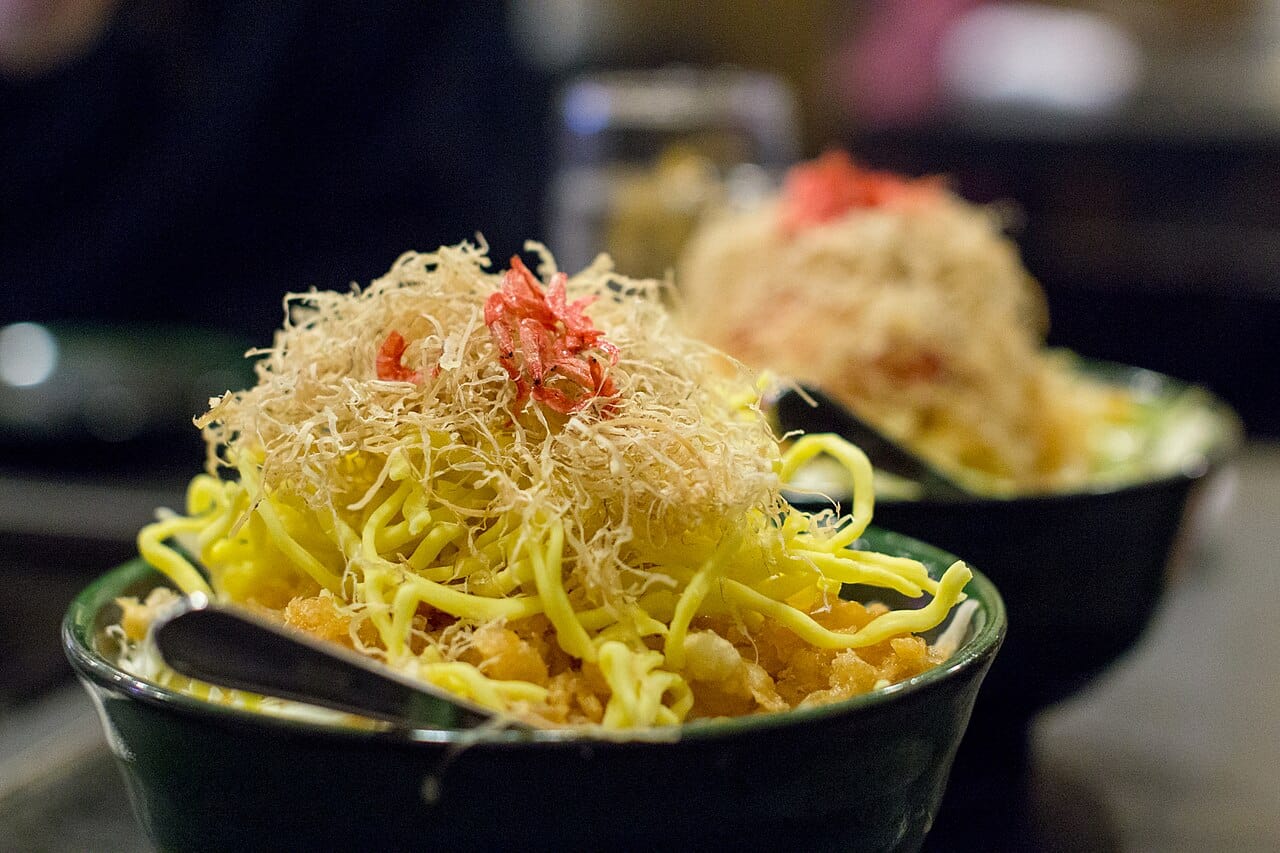
Eating Alone in Japan — No Need to Feel Self-Conscious, Because the Whole Country Supports You
Ohitorisama culture and the art of solo dining in Japan: Ichiran private booths, kaiten sushi, standing tachigui bars, and late-night konbini feasts for solo travelers.
Aug 8, 2026·✍️ olablog·⏱ 7 min read
Ohitorisama culture and the art of solo dining in Japan: Ichiran private booths, kaiten sushi, standing tachigui bars, and late-night konbini feasts for solo travelers.
The single biggest fear for many first-time solo travelers isn't getting lost or losing their belongings—it's the prospect of sitting alone at a restaurant table surrounded by groups of friends laughing and chatting. If that's a worry keeping you up at night, there is fantastic news: in Japan, this fear is virtually non-existent. This is the only country on earth that builds entire restaurants where every single diner sits inside their own private cubicle, where eating lunch solo is a daily ritual for millions, and where the dictionary features a dedicated, respectful word specifically for doing things on your own.
Ohitorisama — When Being "Solo" Is a Lifestyle
Ohitorisama (お一人様) translates literally to "honorable party of one"—the polite phrase restaurant staff use to confirm your party size when you walk in alone. But this term has transcended simple dining etiquette to become a full-fledged cultural movement: Japanese people routinely go to the cinema alone, sing karaoke alone, and enjoy hot pot or barbecue alone. Businesses actively compete to cater to this solo demographic, offering single-person karaoke booths, solo yakiniku (grilled meat) counters, and even hot pot joints that will place a giant stuffed teddy bear in the seat opposite you if you crave a little whimsical company.
What does this mean for you as a traveler? When you enter an eatery and hold up one finger, the server will cheerfully say "ohitorisama desu ne" (party of one, right?) and guide you to a counter seat completely naturally—without a single curious glare or the awkward removal of extra place settings. Eating alone in Japan is not an exception to be tolerated; it is a highly valued, thoroughly pampered customer segment.
Ichiran and Private Dining Booths Built Just for You
If you need an easy warm-up spot to break the ice, start at Ichiran (一蘭)—the world-famous tonkotsu ramen chain renowned for its individual "flavor concentration booths." Here, every guest occupies a private booth flanked by wooden dividers on both sides, facing a small bamboo curtain in front. The ordering process requires zero spoken words: purchase a ticket from the vending machine near the entrance (about 1,000–1,500 JPY or $7–$10 USD for a fully loaded bowl), fill out a customization sheet specifying broth richness and spice level, and slide it through the curtain. A pair of hands receives your order, and a few minutes later, a steaming bowl of ramen arrives before the curtain drops down. It's just you and your noodles.
Does that sound lonely? The reality is quite the opposite—countless solo travelers describe it as the most relaxing meal of their entire trip: no need to maintain conversation or mind table manners, allowing you to focus entirely on the culinary experience. Beyond Ichiran, major chains like Nakau, Matsuya, and Yoshinoya all utilize ticket machines and counter-style seating, providing a seamless "zero-interaction" dining framework ideal for your nervous first few days in Japan.
Kaiten Sushi — A Judgment-Free Conveyor Belt Paradise
Kaiten sushi (conveyor belt sushi / 回転寿司) is a second haven for independent diners. You take a counter seat as colorful plates of sushi glide right past your eyes—simply pick whatever catches your eye, or order fresh items using an English touchscreen menu, where your food arrives on a miniature Shinkansen bullet train delivered straight to your stall. Major chains such as Sushiro, Kura Sushi, and Hama Sushi charge roughly 100–300 JPY ($0.70–$2.00 USD) per plate; a stuffed 10-plate meal comes out to just around 1,500 JPY ($10 USD).
The brilliant part for solo diners is that you have 100% control over your dining pace and budget. Want to splurge on a single piece of uni (sea urchin) just to sample it, then revert to budget-friendly salmon? Nobody will bat an eye or judge your choices. Self-checkout kiosks or automatic plate scanners count your stack seamlessly. A quick tip: during peak lunch hours and weekend dinners, grab a digital queue ticket via the chain's app or front kiosk to skip long lines outside.
Tachigui — Standing and Dining Like a Local
If you want to soak in an authentic local vibe, try tachigui (立ち食i)—standing dining spots. The most ubiquitous versions are the soba and udon noodle stalls located right inside or next to train stations (perfect when tapping through gates with your Suica or IC card). Office workers dart in, buy a ticket from the vending machine, slurp down a steaming bowl of noodles in under seven minutes, and dash back to work. A warm bowl of tempura soba costs a mere 400–600 JPY ($2.50–$4.00 USD)—quite possibly the best-value hot meal in all of Japan. Rubbing shoulders with strangers in complete, comfortable silence surprisingly makes you feel more plugged into local life than ever.
A close cousin to tachigui is tachinomi (standing bars / 立ち飲み), informal watering holes where draft beer and small izakaya-style plates are priced considerably cheaper than standard sit-down pubs. Interestingly, tachinomi bars are fantastic spots to socialize if you feel like chatting: regulars are used to standing elbow-to-elbow with strangers, and solo foreign tourists are frequently welcomed with enthusiastic recommendations and friendly curiosity.
Konbini — The Midnight Solo Feast
There will inevitably be nights when you've clocked 20,000 steps, stumbled back to your hotel, and simply want a delicious bite without putting on a public performance. That is precisely when the konbini (Japanese convenience store) shines brighter than anywhere else. 7-Eleven, FamilyMart, and Lawson operate 24/7 with food quality that blows international travelers away: fresh salmon onigiri rice balls (around 120–200 JPY / $0.80–$1.30 USD), crispy Famichiki fried chicken, freshly microwaved bento boxes, salad, soft-boiled eggs, mochi ice cream, and entire refrigerators filled with craft beer and canned chuhai cocktails.
A proper solo traveler "konbini feast" runs just 700–1,000 JPY ($4.50–$6.50 USD)—take it back to your hotel room, eat in cozy loungewear, and scroll through your daily photos. Nobody is judging you; in fact, this is the exact evening ritual that locals rely on most. Pro-tip: hit up convenience stores and local supermarkets after 8:00 PM or 9:00 PM, when fresh bento items near expiration are tagged with 20% to 50% discount stickers.
A few practical tips to build your confidence at any meal:
- Master three magic phrases: "Hitori desu" ("Just one person, please") when entering; "Osusume wa?" ("What do you recommend?") when asking for house specialties; and "Gochisousama deshita" ("Thank you for the meal") upon leaving—that last phrase is guaranteed to earn you a warm smile.
- Dine during off-peak hours: Eat lunch around 11:00 AM or after 1:30 PM, and grab dinner before 6:00 PM. Restaurants are less crowded, counter seats are readily available, and service is extra attentive.
- The counter seat is your best friend: From high-end sushi spots to casual monjayaki (pan-fried batter dish) eateries, counter seating is the most natural spot for a party of one—and offers a front-row view of the chef's culinary craftsmanship for free.
Conclusion: Solo Dining Tastes Better Than You Think
Dining alone in Japan isn't an obstacle to overcome—it is genuinely one of the most liberating and rewarding highlights of traveling solo. You never have to compromise on menu choices, you don't have to split the last piece of food, and you have an entire national ohitorisama culture backing you up every step of the way. Start at a ramen ticket machine, advance to a conveyor-belt sushi counter, and before your flight home, you'll undoubtedly find yourself standing at a train station counter slurping soba alongside seasoned Tokyo locals.
Read more articles about solo travel itineraries and accommodations on the OlaChill blog—or if you'd prefer a companion for slightly more intricate dining experiences like traditional kaiseki multi-course dinners, explore OlaChill's Japan food tours.
More from this region — Other
View all →
Comiket Guide for First-Timers: Dates, Venue, Tickets and What to Wear
14 min · culture
Aoi Matsuri in Kimono: Procession Route, Viewing Spots and Dress Tips
6 min · culture
Esports at Aichi Sky Expo, Tokoname: Group Transport and Timing
7 min · events

Athletics Week at Paloma Mizuho Stadium: Group Transport Planning
6 min · events