
Cherry Blossom Trip Planning Around Indian Holidays
Master your Japan cherry blossom trip from India/Bangladesh. Navigate bloom forecasts, Holi breaks, and budget with our in-depth 2026 guide.
Jul 10, 2026·✍️ olablog·⏱ 19 min read
Master your Japan cherry blossom trip from India/Bangladesh. Navigate bloom forecasts, Holi breaks, and budget with our in-depth 2026 guide.
Japan's cherry blossoms, or sakura, paint the archipelago in hues of pink and white each spring, a spectacle drawing millions. For travelers from India and Bangladesh, aligning this natural wonder with school holidays or festival breaks like Holi often presents a unique challenge, given the unpredictable nature of the bloom. This in-depth guide aims to equip you with the knowledge to plan an unforgettable cherry blossom journey, navigating bloom forecasts, managing budgets (with costs converted to approximate Indian Rupees and Bangladeshi Taka), and ensuring a comfortable experience, especially regarding vegetarian and halal food options. A typical 7-day trip to Japan during cherry blossom season can cost around ¥180,000-¥250,000 per person, which is approximately ₹100,800-₹140,000 or ৳216,000-৳300,000 for flights, accommodation, and a Japan Rail Pass, depending on your choices and booking timelines.
The Cherry Blossom Calendar: A Moving Target for Indian Travelers
The allure of sakura is undeniable, but unlike a fixed festival, the exact timing of the cherry blossom bloom is a delicate dance with nature. Japan's meteorological agencies release forecasts months in advance, predicting the "first bloom" (when a few flowers open) and "full bloom" (when 80% of the flowers are open), which is often considered the peak viewing period. These forecasts are crucial because the bloom typically lasts only about a week from first bloom to petal fall.
For travelers from India and Bangladesh, this variability often clashes with fixed holiday schedules. Holi, a significant festival, usually falls in late March, a period that frequently overlaps with the cherry blossom season in Japan's major cities like Tokyo, Kyoto, and Osaka. However, an unusually warm or cold spring can shift these dates by several days, or even a week, making precise planning difficult. A bloom that peaks early or late can mean missing the iconic pink spectacle if your travel dates are rigid. Understanding this inherent unpredictability is the first step in successful planning. Instead of aiming for a single, perfect date, it's wiser to plan for a window and have contingency strategies.
Holi Break vs. Sakura Peak: The Scheduling Dilemma
Holi, typically celebrated in late March, often coincides with school holidays and provides an ideal window for many Indian and Bangladeshi families to travel. However, Japan's cherry blossom peak bloom in popular Kanto (Tokyo) and Kansai (Kyoto/Osaka) regions generally falls between late March and early April. This alignment is often a blessing but can sometimes be a curse.
Consider a scenario where Holi falls on March 25th in a particular year. Many might plan a trip from March 23rd to April 1st. In an average year, Tokyo's full bloom might be around March 28th-30th, and Kyoto's around March 30th-April 2nd. This would be perfect. However, if the bloom is early due to a warm winter, peak could be March 20th, meaning by the time you arrive, the blossoms might be past their prime, with petals already falling. Conversely, a cold spring could delay the bloom until April 5th, leaving you with only early buds.
This scheduling dilemma necessitates a flexible approach. If your Holi break is fixed, you might need to adjust your itinerary to chase the bloom further south or north, or prepare for alternative spring experiences. Below is a table illustrating average bloom periods in key regions compared to a hypothetical late-March Holi break.
| Region/City | Average First Bloom | Average Full Bloom | Typical Holi Break (Late March) | Potential Overlap |
|---|---|---|---|---|
| Kyushu | Mid-March | Late March | Good | High |
| Fukuoka | March 20 | March 28 | Good | High |
| Kagoshima | March 18 | March 26 | Excellent | Very High |
| Kansai | Late March | Early April | Possible | Medium-High |
| Kyoto | March 26 | April 2 | Possible | Medium-High |
| Osaka | March 27 | April 3 | Possible | Medium-High |
| Kanto | Late March | Early April | Possible | Medium-High |
| Tokyo | March 24 | March 31 | Good | High |
| Tohoku | Mid-April | Late April | Low | Low |
| Sendai | April 10 | April 17 | Very Low | Very Low |
| Hokkaido | Late April | Early May | Very Low | Very Low |
| Sapporo | April 28 | May 4 | Very Low | Very Low |
Note: These are average dates and can shift significantly year-to-year. Always check the latest forecasts from official Japanese meteorological sources closer to your travel date.
Chasing the Bloom: Southern Japan to Northern Japan Strategy
Given the unpredictable nature of sakura and the fixed dates of Indian holidays, a strategic approach involves following the "cherry blossom front" as it sweeps across the Japanese archipelago. The bloom typically starts in the warmer south (Kyushu) in mid-March and progresses northward, reaching Hokkaido by early May. This offers a fantastic opportunity to maximize your chances of seeing peak bloom, even if your initial target city misses it.
The "South-to-North" Itinerary Concept: Instead of confining your trip to just Tokyo and Kyoto, consider a route that allows for flexibility. If your Holi break is in late March, starting in the southernmost major island, Kyushu, can be a smart move.
Sample 10-Day Itinerary (Late March Holi Break):
Days 1-3: Kyushu (Fukuoka/Kagoshima)
- Focus: Early blooms, unique regional culture.
- Arrival: Fly into Fukuoka Airport (FUK). Many international flights from Southeast Asia connect here.
- Activities: Explore Fukuoka's Ohori Park and Maizuru Park for early blossoms. Take a day trip to Kagoshima for even earlier blooms at Sengan-en Garden. You might catch full bloom here.
- Logistics: Fukuoka has an excellent subway system. For inter-city travel in Kyushu, the Kyushu Shinkansen is efficient.
- Cost: Accommodation in Fukuoka can range from ¥8,000-¥15,000 (approx. ₹4,480-₹8,400 / ৳9,600-৳18,000) per night for a mid-range hotel. Local transport is inexpensive.
- Food: Hakata ramen is famous, but look for vegetarian ramen shops or shojin ryori (Buddhist temple cuisine) in specific areas. Many department store food halls offer clear ingredient labels.
Days 4-7: Kansai (Kyoto/Osaka)
- Focus: Classic sakura spots, cultural immersion.
- Travel: Take the Shinkansen from Fukuoka (Hakata Station) to Shin-Osaka (approx. 2.5-3 hours). Then transfer to Kyoto (15 mins).
- Activities: In Kyoto, visit Maruyama Park, Philosopher's Path, and Arashiyama. If blooms are slightly late, these iconic spots will be starting to open. In Osaka, Osaka Castle Park and Kema Sakuranomiya Park are prime viewing locations.
- Logistics: Kyoto's bus system is extensive; Osaka has an excellent subway.
- Cost: Kyoto accommodation can be pricier, ¥10,000-¥20,000 (approx. ₹5,600-₹11,200 / ৳12,000-৳24,000) per night.
- Food: Kyoto offers abundant vegetarian options, especially around temples. Osaka is known for street food; look for okonomiyaki or takoyaki stalls offering vegetarian versions (confirm ingredients). Halal options are growing, especially in larger cities; search for "Halal Japan" online or use apps.
Days 8-10: Kanto (Tokyo)
- Focus: Urban sakura, diverse experiences.
- Travel: Shinkansen from Kyoto to Tokyo (approx. 2.5 hours).
- Activities: Ueno Park, Shinjuku Gyoen, and Chidorigafuchi Moat are must-sees. If the bloom is early, you might catch the tail end with petal blizzards (hira-hira). If it's late, Tokyo's diverse attractions like Shibuya Crossing, Asakusa, and museums offer plenty to do while waiting for buds to open.
- Logistics: Tokyo's subway and JR lines are incredibly efficient. Consider a Suica or Pasmo card.
- Cost: Tokyo accommodation can range from ¥12,000-¥25,000 (approx. ₹6,720-₹14,000 / ৳14,400-৳30,000) per night.
- Food: Tokyo has a vast array of food, including dedicated vegetarian and halal restaurants. Convenience stores (7-Eleven, FamilyMart, Lawson) are excellent for quick, labeled snacks and meals.
This "chase" strategy requires a Japan Rail Pass (more on that later) and careful monitoring of bloom forecasts. Websites like Japan Guide and the official Japan Meteorological Agency release regular updates from January onwards.
Budgeting Your Sakura Adventure: Costs for Indian & Bangladeshi Travelers
Traveling to Japan for cherry blossom season, especially during a popular holiday like Holi, can be more expensive due to high demand. Strategic booking and understanding cost components are key for first- and second-time visitors from India and Bangladesh, where value for money is important.
1. Flights:
- From India (Delhi/Mumbai): Round-trip flights to Tokyo (Narita/Haneda) or Osaka (Kansai) can range from ₹50,000-₹80,000 (approx. ¥89,000-¥143,000) during peak season if booked well in advance (6-9 months). Last-minute bookings can easily exceed ₹100,000.
- From Bangladesh (Dhaka): Round-trip flights to Tokyo or Osaka typically cost ৳60,000-৳95,000 (approx. ¥50,000-¥79,000) when booked early. Similarly, last-minute fares can be much higher.
- Tip: Consider flying into Fukuoka (FUK) if you're starting south, as it might sometimes offer slightly cheaper fares or better connections, especially from Southeast Asian hubs.
2. Accommodation: This is often the largest variable cost. Booking 4-6 months in advance is critical for cherry blossom season.
- Budget (Hostels/Capsule Hotels): ¥3,000-¥6,000 (approx. ₹1,680-₹3,360 / ৳3,600-৳7,200) per night. Clean, efficient, but shared facilities.
- Mid-Range (Business Hotels/Airbnb): ¥8,000-¥18,000 (approx. ₹4,480-₹10,080 / ৳9,600-৳21,600) per night. Private rooms, good amenities. This is where most first-time visitors will aim.
- High-End (Ryokan/Luxury Hotels): ¥20,000+ (approx. ₹11,200+ / ৳24,000+) per night.
- Tip: Look for hotels near major train stations for convenience. Airbnb can sometimes offer better value for families or longer stays.
3. Japan Rail Pass (JR Pass): Essential for the "South-to-North" strategy.
- 7-Day Ordinary Pass: ¥33,610 (approx. ₹18,820 / ৳40,332).
- 14-Day Ordinary Pass: ¥52,960 (approx. ₹29,657 / ৳63,552).
- Value: If you plan on multiple Shinkansen trips (e.g., Fukuoka-Kyoto-Tokyo), the JR Pass almost always pays off. A single one-way Shinkansen ticket from Tokyo to Kyoto is about ¥13,000 (approx. ₹7,280 / ৳15,600).
- Booking: Purchase online from the official JR Pass website or authorized agents before arriving in Japan. You receive an Exchange Order to swap for the actual pass once in Japan.
4. Local Transportation (excluding JR Pass usage):
- Daily: ¥1,000-¥2,000 (approx. ₹560-₹1,120 / ৳1,200-৳2,400) for subway/bus within cities not covered by JR.
- Tip: Get an IC card (Suica/Pasmo) on arrival. It works like Delhi Metro's smart card – tap and go. Recharge at any station or convenience store.
5. Food: Japan offers excellent value for food across all budgets.
- Budget (Convenience Stores, Supermarkets, Fast Food): ¥1,000-¥2,000 (approx. ₹560-₹1,120 / ৳1,200-৳2,400) per meal.
- Mid-Range (Local Restaurants, Izakayas): ¥2,000-¥4,000 (approx. ₹1,120-₹2,240 / ৳2,400-৳4,800) per meal.
- Tip: Convenience stores are lifesavers for vegetarians and those looking for quick, affordable, and often labeled snacks/meals.
6. Sightseeing & Activities:
- Entry Fees: Most temple/garden entries are ¥300-¥600 (approx. ₹168-₹336 / ৳360-৳720).
- Special Experiences: Mount Fuji day trip, specific museums, cultural workshops might cost more.
- Daily Average: ¥1,000-¥2,000 (approx. ₹560-₹1,120 / ৳1,200-৳2,400).
Summary of Estimated 7-Day Trip Costs (per person, mid-range):
| Category | Cost (¥) | Cost (Approx. ₹) | Cost (Approx. ৳) | Notes |
|---|---|---|---|---|
| Flights | 89,000-143,000 | 50,000-80,000 | 60,000-95,000 | From India/Bangladesh, booked early. |
| Accommodation | 56,000-126,000 | 31,360-70,560 | 67,200-151,200 | 7 nights @ ¥8,000-¥18,000/night. |
| JR Pass (7-day) | 33,610 | 18,820 | 40,332 | Essential for inter-city travel. |
| Local Transport | 7,000 | 3,920 | 8,400 | For non-JR lines/buses (¥1,000/day). |
| Food | 21,000-28,000 | 11,760-15,680 | 25,200-33,600 | 7 days @ ¥3,000-¥4,000/day (mix of budget/mid-range). |
| Activities | 7,000-14,000 | 3,920-7,840 | 8,400-16,800 | 7 days @ ¥1,000-¥2,000/day. |
| TOTAL | 213,610-351,610 | 119,700-196,900 | 256,532-421,332 | Excludes shopping, personal expenses. |
Exchange rates used: ~₹0.56 per ¥1 and ~৳1.20 per ¥1 (as of 2026, approximate).
Navigating Japan: Transport Tips & Booking for South Asian Visitors
Japan's public transportation system is renowned for its efficiency, punctuality, and cleanliness. For travelers from India and Bangladesh, familiarizing yourself with the system is easier than it might seem, often drawing parallels with our own experiences.
1. The Japan Rail Pass (JR Pass): Your Golden Ticket
- What it is: A special pass for foreign tourists offering unlimited travel on JR Group railways, including most Shinkansen (bullet trains), JR local trains, JR buses, and some JR ferries.
- When to buy: Crucially, purchase your Exchange Order before you arrive in Japan. You can buy it online from the official Japan Rail Pass website (global.jrpass.com) or through authorized travel agents in India/Bangladesh.
- Activation: Upon arrival in Japan, present your Exchange Order and passport at a JR Pass exchange office (found at major airports and train stations like Narita, Haneda, Shin-Osaka, Tokyo Station). You'll specify your desired start date, which can be up to one month from the exchange date.
- Usage: Once activated, simply show your pass to the station staff at the manned gates (not the automatic turnstiles) to enter and exit JR stations. For Shinkansen and limited express trains, you can reserve seats at no extra cost at JR ticket counters (Midori-no-Madoguchi). Non-reserved seats are also available.
- Comparison: Think of it like a super-charged, multi-city IRCTC pass, but for an entire country's rail network. The Shinkansen is far more reliable and frequent than most long-distance trains in South Asia.
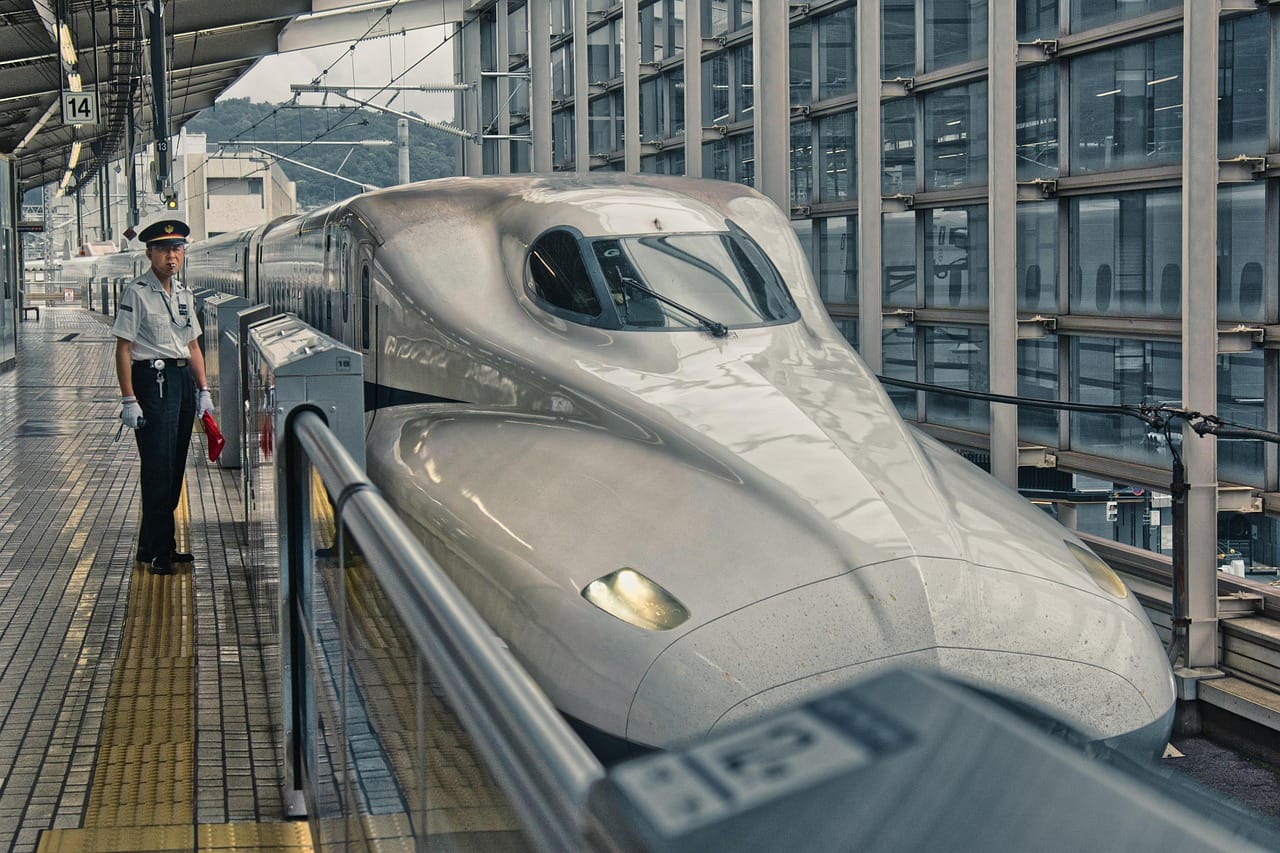
2. Shinkansen (Bullet Trains):
- Speed & Comfort: These are Japan's iconic high-speed trains. They are incredibly fast, quiet, and comfortable.
- Booking: With a JR Pass, you can reserve seats (recommended during peak sakura season, especially for popular routes like Tokyo-Kyoto). Go to a JR ticket office, show your pass, and tell them your destination and desired time. For non-JR Pass holders, tickets can be bought at ticket machines or counters.
- Frequency: Shinkansen run very frequently, often every 10-20 minutes on major routes.
3. Local Trains and Subways:
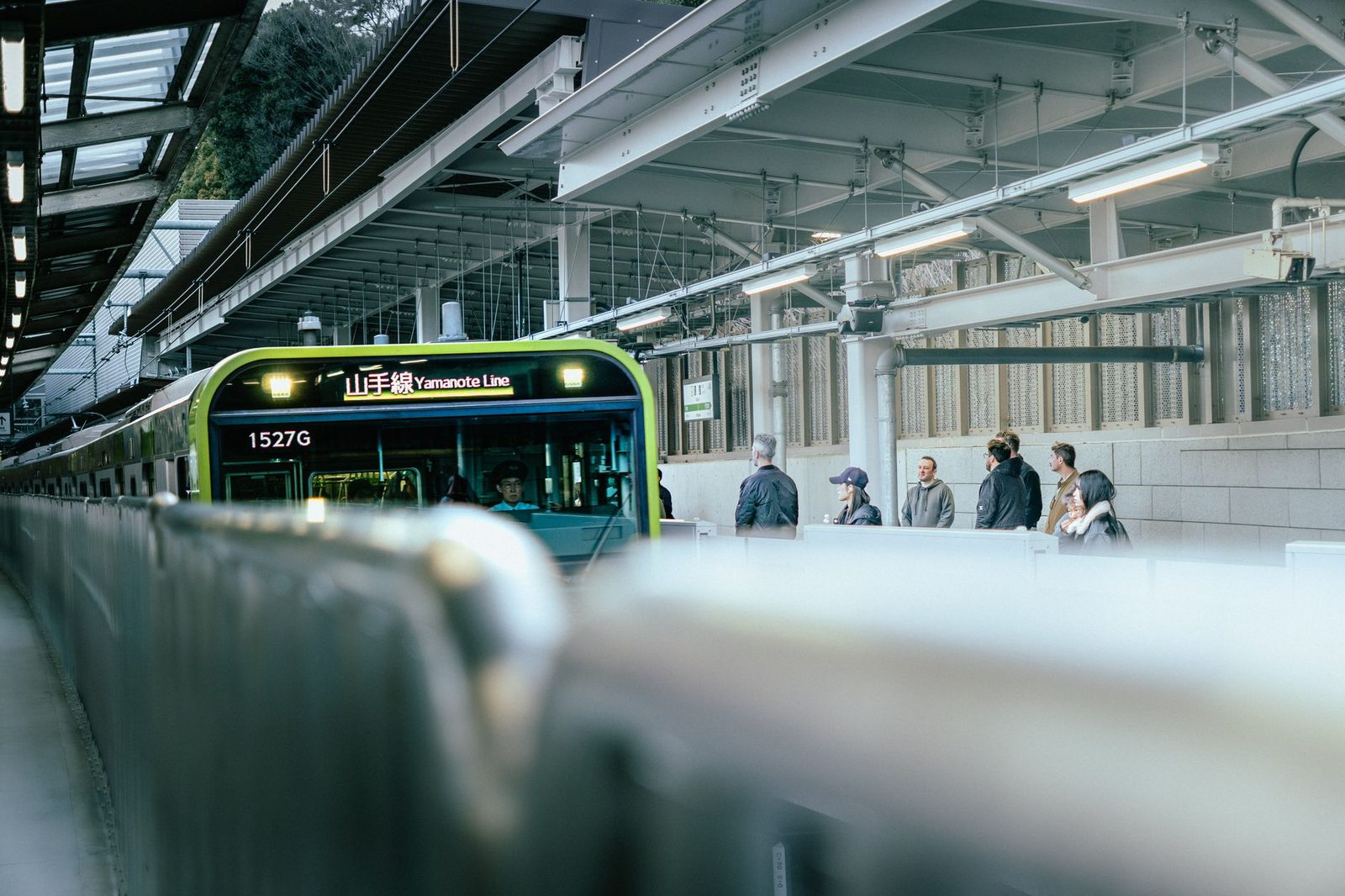
- City Navigation: For getting around within cities like Tokyo, Kyoto, or Osaka, you'll rely on a combination of JR local lines (covered by JR Pass) and non-JR subway/private lines (not covered).
- IC Cards (Suica/Pasmo): These rechargeable smart cards are indispensable. Purchase them at any major station's ticket machine or counter (initial cost around ¥500 deposit, plus charge). They work seamlessly on almost all local trains, subways, and buses across Japan. Simply tap on the reader at the gate, similar to using the Delhi Metro card.
- Planning: Use Google Maps or apps like "Japan Transit Planner" (like HyperDia, but often more user-friendly for tourists) to plan your routes. They provide exact train times, platforms, and costs.
4. Buses:
- Kyoto's Lifeline: In cities like Kyoto, buses are often more convenient than subways for reaching specific temples and attractions.
- Payment: Use your IC card or pay with exact change (¥230 for a single ride in Kyoto's flat fare zone). Enter from the rear, exit from the front.
Mistakes to Avoid:
- Not booking JR Pass in advance: You cannot buy the full JR Pass once you are in Japan (only a slightly more expensive version is available at selected stations).
- Forgetting your passport: Always carry your passport when using your JR Pass, as staff may ask to see it.
- Underestimating walking: While transport is excellent, be prepared for significant walking within stations and to attractions. Comfortable shoes are a must.
- Confusing JR and non-JR lines: Your JR Pass doesn't cover all lines. Use Google Maps to verify if a route is JR or private/subway.
Food for Thought: Vegetarian, Halal, and Dietary Needs
Food is a major concern for many Indian and Bangladeshi travelers, especially those with vegetarian or halal dietary requirements. Japan, while traditionally meat and fish-centric, has become increasingly accommodating.
1. Vegetarian Options:
- Temple Cuisine (Shojin Ryori): This is the quintessential Japanese vegetarian experience. Traditionally served at Buddhist temples (especially in Kyoto), it's entirely plant-based and exquisitely prepared. It can be a bit pricey (¥3,000-¥8,000), but offers an authentic and safe dining experience.
- Ramen & Udon: Many ramen shops now offer "veggie ramen" or "vegan ramen." Always ask if the broth is dashi-based (fish stock) or purely vegetable. Udon (thick wheat noodles) and soba (buckwheat noodles) often have vegetarian options, but again, confirm the broth.
- Curry Rice: Japanese curry can be surprisingly vegetarian-friendly, especially at chains like CoCo Ichibanya. Look for "vegetable curry" or "meat-free" options.
- Convenience Stores: A godsend for vegetarians. Look for onigiri (rice balls) with plum (umeboshi) or seaweed filling, edamame, salads, fruit, and bread. Always check labels – many items have clear allergen and ingredient lists, sometimes with English translations or symbols.
- Keywords: Learn a few phrases: "Watashi wa bejitarian desu" (I am vegetarian), "Niku o tabemasen" (I don't eat meat), "Sakana mo tabemasen" (I also don't eat fish).
- Apps: Use apps like HappyCow or Vegewel for finding vegetarian-friendly restaurants.
2. Halal Options:
- Growing Availability: Major cities like Tokyo, Osaka, and Kyoto have seen a significant increase in halal-certified or Muslim-friendly restaurants, driven by tourism.
- Halal Ramen/Yakiniku: Dedicated halal ramen shops are now common. Some yakiniku (grilled meat) restaurants offer halal-certified meat.
- Indian/Bangladeshi Restaurants: These are a reliable fallback. Japan has numerous Indian and Nepali restaurants that often serve halal meat and extensive vegetarian menus.
- Convenience Stores: While pre-packaged meals may be harder to verify as halal, basic items like fruit, nuts, and some breads are safe. Look for the halal logo if available.
- Keywords: "Hararu ryouri arimasu ka?" (Do you have halal food?), "Butaniku nuki desu ka?" (Is it pork-free?).
- Apps/Websites: "Halal Gourmet Japan" is an excellent resource for finding certified restaurants. Look for "Muslim-friendly" options, which may not be fully certified but avoid pork and alcohol.
3. General Tips for Dietary Needs:
- Research in Advance: Always look up restaurants near your planned attractions beforehand.
- Print Cards: Consider printing small cards in Japanese explaining your dietary restrictions to show to restaurant staff.
- Don't Be Afraid to Ask: Japanese hospitality is strong, and many staff will try to accommodate you.
- Self-Catering: Utilize supermarkets for fresh produce, bread, and snacks if dining out becomes challenging.
Backup Plans: What If the Blooms Shift?
Even with the best planning and a "south-to-north" strategy, nature can be unpredictable. What if the bloom is exceptionally early or late during your fixed Holi break? Don't despair! Japan in spring offers a wealth of other beautiful experiences.
1. Embrace Early or Late Blooms:
- Early Bloomers: Certain varieties like Kawazu-zakura (typically in late February to early March) or Kanzakura bloom much earlier. While not as widespread, finding these can still offer a sakura fix. Regions like Izu Peninsula (for Kawazu-zakura) are famous for this.
- Late Bloomers: Varieties like Yaezakura (double-layered cherry blossoms) bloom later in April. If you're delayed, heading further north to Tohoku or even Hokkaido might still yield results. Some parks like Shinjuku Gyoen in Tokyo feature many different varieties, extending their bloom period.
2. Explore Japan's Gardens and Parks (Beyond Sakura): Japan's meticulously maintained gardens are stunning year-round.
- Traditional Gardens: Rikugien (Tokyo), Kenrokuen (Kanazawa), Korakuen (Okayama) are just a few examples that offer beauty with or without cherry blossoms.
- Flower Parks: Consider places like Hitachi Seaside Park (near Tokyo) for vibrant nemophila (baby blue eyes) in April-May, or Ashikaga Flower Park for wisteria. These offer spectacular floral displays that can easily fill the void of missing sakura.
3. Immerse in Spring Festivals and Activities:
- Hanami (Cherry Blossom Viewing) Culture: Even if peak bloom is missed, the hanami spirit is alive. Many parks will still have families picnicking under trees, enjoying the spring air. Join them!
- Other Spring Festivals: Many local festivals (matsuri) take place in spring, celebrating harvest or local deities. Research regional events happening during your travel dates.
- Strawberry Picking: A popular spring activity, especially around Tokyo. Many farms offer all-you-can-eat strawberry picking.
4. Dive into Culture and History: Japan's rich cultural heritage and modern marvels are always available.
- Museums: From the Tokyo National Museum to the Ghibli Museum (book well in advance!) or the Hiroshima Peace Memorial Museum, there are countless world-class museums.
- Temples and Shrines: Kyoto and Nara are treasure troves of ancient temples and shrines, captivating irrespective of the season.
- Shopping and Urban Exploration: Tokyo's Shibuya, Shinjuku, and Ginza offer unparalleled shopping and urban exploration. Osaka's Dotonbori is famous for its vibrant nightlife and street food.
- Onsen (Hot Springs): Relax in a traditional Japanese hot spring, a perfect way to unwind after a day of exploration. Hakone, near Mount Fuji, is easily accessible from Tokyo.
Remember, Japan is a destination rich in experiences. While cherry blossoms are a draw, the country's unique blend of tradition and modernity, its exquisite cuisine, efficient transport, and warm hospitality ensure an incredible trip, even if the sakura doesn't perfectly align with your schedule.
Mistakes to Avoid on Your Cherry Blossom Trip
Planning a trip during peak season, especially when dealing with natural phenomena like cherry blossoms, comes with its own set of potential pitfalls. Being aware of these common mistakes can save you stress, time, and money.
- Not Booking Early Enough: This is the cardinal sin of cherry blossom travel. Flights and accommodation, especially in popular cities like Kyoto and Tokyo, get booked up 6-9 months in advance, and prices skyrocket. Begin your search for flights and hotels at least 8-10 months prior to your desired travel dates. The same applies to popular tours or specific experiences like Ghibli Museum tickets.
- Ignoring Regional Bloom Variations: Assuming all of Japan blooms at the same time is a common error. As discussed, the bloom progresses from south to north. If your dates are fixed, research which regions are most likely to be in bloom during your specific travel window. Don't restrict yourself to just Tokyo/Kyoto.
- Over-scheduling Your Itinerary: While there's a temptation to see everything, Japan's cities are vast, and travel between locations, even by Shinkansen, takes time. Factor in travel time, walking, and potential crowds. A packed itinerary will lead to exhaustion, especially for families. Aim for 2-3 major activities per day, leaving room for spontaneity.
- Not Purchasing a JR Pass (if applicable): For a multi-city itinerary (e.g., Kyushu-Kansai-Kanto), a Japan Rail Pass is almost always more economical than individual Shinkansen tickets. Do the math beforehand to ensure it's cost-effective for your specific route.
- Underestimating Crowds: Cherry blossom season is peak tourist season, both for international visitors and domestic Japanese travelers. Expect large crowds.