Japan Over Eid Holidays
Plan your Eid holiday trip to Japan from India or Bangladesh with our Muslim-friendly itinerary, covering halal food, prayer, and cultural insights.
Jul 10, 2026·✍️ olablog·⏱ 19 min read
Plan your Eid holiday trip to Japan from India or Bangladesh with our Muslim-friendly itinerary, covering halal food, prayer, and cultural insights.
Japan, a nation where ancient traditions meet futuristic marvels, offers an increasingly welcoming experience for Muslim travellers. For those in India and Bangladesh looking to celebrate Eid holidays with an extraordinary journey, a trip to Japan presents a unique opportunity, blending cultural exploration with practical amenities for Muslim guests. This comprehensive guide will help you navigate a memorable and spiritually fulfilling trip to Japan, with estimated costs for a 10-day itinerary hovering around ¥250,000 (approx. ₹140,000) per person, excluding international flights, making it an accessible dream for many.
Getting There: Flights from Dhaka and India for Eid
Planning your journey to Japan during the Eid holidays requires foresight, especially concerning flight bookings. Eid is a peak travel season, and airfares tend to surge. Major international airports in Japan, such as Narita (NRT) and Haneda (HND) in Tokyo, and Kansai International Airport (KIX) near Osaka, are your primary gateways.
From India, direct flights are available from major hubs like Delhi (DEL), Mumbai (BOM), and Bengaluru (BLR) to Tokyo (NRT/HND) with carriers such as ANA, Japan Airlines (JAL), and Air India. Connecting flights, often more economical, are also plentiful via Southeast Asian or Middle Eastern hubs like Singapore, Kuala Lumpur, Bangkok, Doha, or Dubai, operated by airlines such as Singapore Airlines, Malaysia Airlines, Thai Airways, Qatar Airways, and Emirates. Booking at least 4-6 months in advance is highly recommended to secure better rates, especially for Eid departures. Expect round-trip fares during peak Eid times to range from ₹55,000 to ₹80,000 (approx. ¥98,000 to ¥143,000) from major Indian cities.
For travellers from Bangladesh, Dhaka's Hazrat Shahjalal International Airport (DAC) offers connecting flights to Tokyo and Osaka. While direct flights are scarce, popular routes involve layovers in Bangkok, Kuala Lumpur, or Singapore. Airlines like Biman Bangladesh Airlines, Thai Airways, Malaysia Airlines, and Singapore Airlines are common choices. Similar to India, advance booking is crucial. Expect round-trip fares from Dhaka during Eid to range from BDT 75,000 to BDT 110,000 (approx. ₹60,000 to ₹90,000 or ¥107,000 to ¥160,000).
Consider opting for flights that arrive in Tokyo and depart from Osaka (or vice-versa), known as "open-jaw" tickets. This can save valuable travel time and the cost of backtracking across the country, allowing you to maximize your exploration of Japan's diverse regions. Always compare prices across multiple travel aggregators and airline websites to find the best deals.
Navigating Japan: The JR Pass and Local Transport
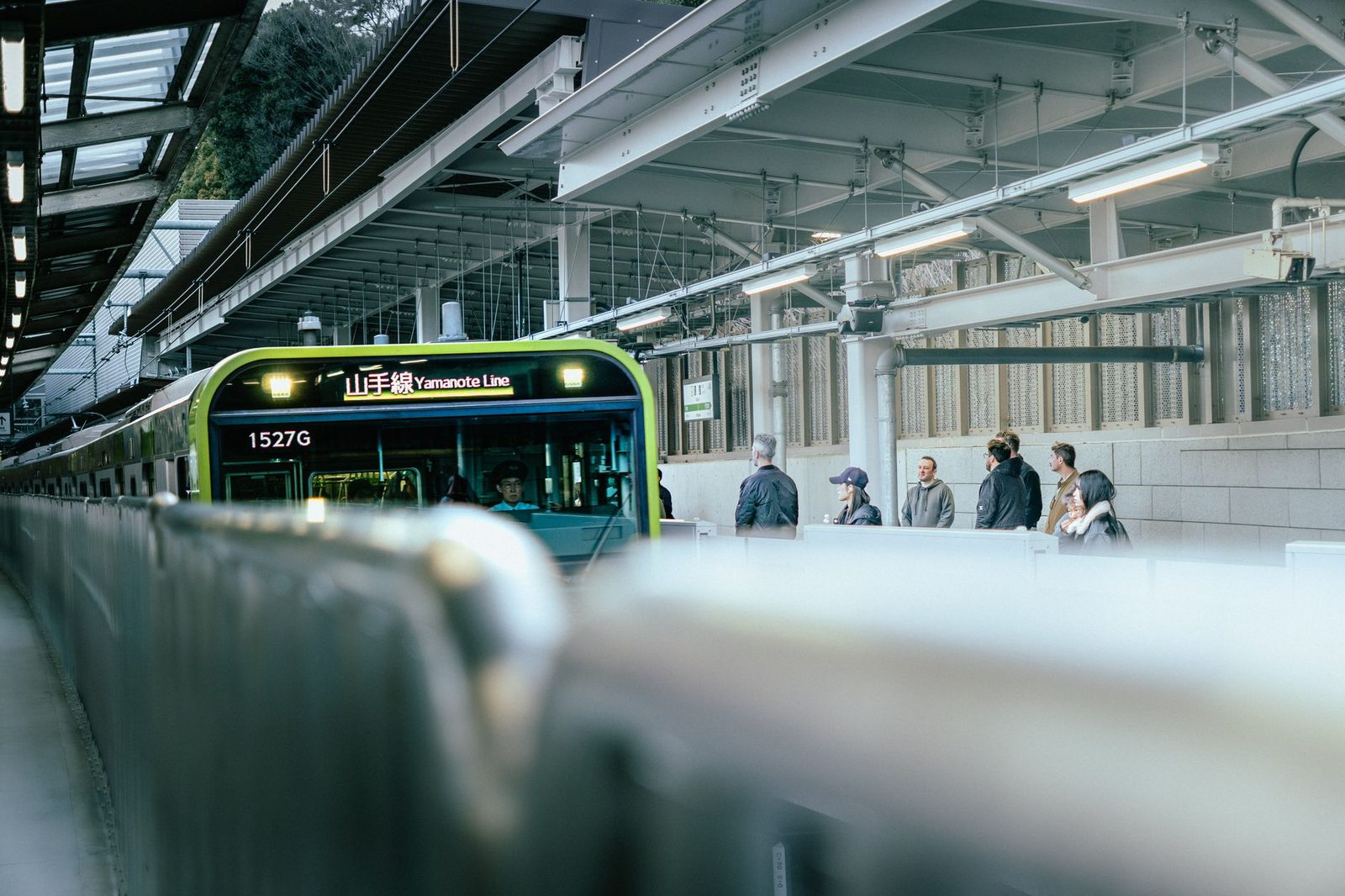
Japan's public transportation system is renowned for its efficiency, punctuality, and extensive network, making independent travel remarkably straightforward. For first-time visitors covering multiple cities, the Japan Rail Pass (JR Pass) is often a cost-effective choice, akin to how the Indian Railways network connects the subcontinent, but with bullet-train speed and precision.
The JR Pass offers unlimited travel on JR trains, including the iconic Shinkansen (bullet trains) on most routes, JR local trains, JR buses, and some JR ferries. It's available for 7, 14, or 21 consecutive days. For a 10-day itinerary, the 7-day or 14-day pass would be most suitable. The 7-day Ordinary Pass costs ¥30,000 (approx. ₹16,800), and the 14-day pass is ¥48,000 (approx. ₹26,900). While the 7-day pass might seem limiting for a 10-day trip, it can be strategically used for your long-distance travel days (e.g., Tokyo to Kyoto, Kyoto to Osaka), with individual tickets purchased for initial or final days in a single city.
JR Pass Costs (as of 2026, Ordinary Car):
| Duration | Price (¥) | Price (₹ approx.) |
|---|---|---|
| 7 Days | 30,000 | 16,800 |
| 14 Days | 48,000 | 26,900 |
| 21 Days | 61,000 | 34,200 |
The JR Pass must be purchased outside Japan, either online or through authorized sales offices in India or Bangladesh, before your departure. You'll receive an Exchange Order, which you then redeem for the actual pass at a major JR station in Japan (e.g., Narita Airport, Haneda Airport, Tokyo Station). Remember to activate your pass at a JR Ticket Office (Midori-no-Madoguchi) by presenting your passport and the Exchange Order. When activating, you can also reserve seats for specific Shinkansen journeys, which is highly recommended during peak travel times like Eid.
Within cities like Tokyo, Kyoto, and Osaka, local transport networks complement the JR lines. Tokyo's subway system, akin to the extensive Delhi Metro but even more intricate, is operated by Tokyo Metro and Toei Subway. These are not covered by the JR Pass. For seamless travel on these lines and local buses, purchase an IC card like Suica or Pasmo. These rechargeable cards cost ¥500 (approx. ₹280) refundable deposit and can be loaded with any amount. Simply tap in and out at ticket gates, eliminating the need to buy individual tickets for each journey. IC cards are widely accepted for convenience store purchases too.
While the JR Pass is excellent for inter-city travel, carefully calculate if it truly benefits your itinerary. For shorter trips focusing on a single region or fewer long-distance journeys, individual Shinkansen tickets might be cheaper. A one-way Shinkansen ticket from Tokyo to Kyoto, for instance, costs around ¥13,800 (approx. ₹7,700).
Halal and Vegetarian Dining in Japan: A Practical Guide
Food anxiety is a common concern for Muslim and vegetarian travellers to Japan, but the landscape has evolved significantly, offering increasingly accessible options. Japan's rich culinary tradition, from delicate sushi to hearty ramen, is vast, and with a little planning, you can indulge safely and deliciously.
For halal food, the best resource is often the "Halal Gourmet Japan" app or website, which lists certified halal restaurants across the country. Major cities like Tokyo, Kyoto, and Osaka have a growing number of establishments catering specifically to Muslim diners. Look for restaurants displaying "Halal Certified" signs from reputable organizations or those clearly indicating "Muslim Friendly" with no pork/alcohol used.
Some reliable options include:
- Naritaya Ramen: With branches in Asakusa (Tokyo), Kyoto, and Osaka, Naritaya offers delicious, certified halal ramen. Their broth is chicken-based and prepared without alcohol.
- CoCo Ichibanya Curry House: While not all branches are halal, specific CoCo Ichibanya locations in popular tourist areas (e.g., Akihabara in Tokyo, Dotonbori in Osaka) have obtained halal certification. These are clearly marked and offer a dedicated halal menu.
- Sushiken Asakusa: A renowned sushi restaurant in Tokyo's Asakusa district with a halal menu, ensuring no mirin (cooking sake) or non-halal soy sauce is used.
- Kobe Beef Restaurants: In Kobe, some restaurants offer halal-certified Kobe beef for an authentic, premium dining experience, though these tend to be on the pricier side.
When in doubt, learning a few Japanese phrases can be invaluable. "Halal desu ka?" (Is it halal?) and "Niku nuki de onegaishimasu" (No meat, please) are essential. "Butaniku nuki" (No pork) and "Arukooru nuki" (No alcohol) can also be helpful. Always confirm if the restaurant uses mirin or sake in their cooking, as these are common in Japanese cuisine.
Vegetarian options, while traditionally more common in Buddhist temple cuisine (shojin ryori), are also becoming easier to find. Many Japanese dishes, like tempura, udon, and soba, can be made vegetarian by requesting "dashi nuki" (no fish broth, though this is harder as dashi is fundamental) or simply "niku nuki." Be aware that traditional dashi often contains bonito flakes (katsuobushi), which is fish-based. For strict vegetarians, it's best to seek out dedicated vegetarian or vegan restaurants, which are increasingly listed on apps like HappyCow. Convenience stores (konbini) like 7-Eleven, FamilyMart, and Lawson are excellent for quick, safe snacks. Look for onigiri (rice balls, check fillings), fruit, salads, and bread. Many products clearly list ingredients, but proficiency in reading Japanese is often required.
A modest halal meal in a certified restaurant might cost ¥1,500-¥2,500 (approx. ₹840-₹1,400). Cheaper options from convenience stores or simple vegetarian dishes could be ¥500-¥1,000 (approx. ₹280-₹560). Don't hesitate to carry some instant noodles or snacks from home for emergencies, especially if you have very specific dietary requirements.
Prayer on the Go: Finding Mosques and Prayer Spaces
Maintaining your daily prayers while travelling in Japan is entirely manageable with a bit of planning. Japan has a growing number of mosques and dedicated prayer spaces, reflecting its increasing engagement with Muslim visitors and residents.
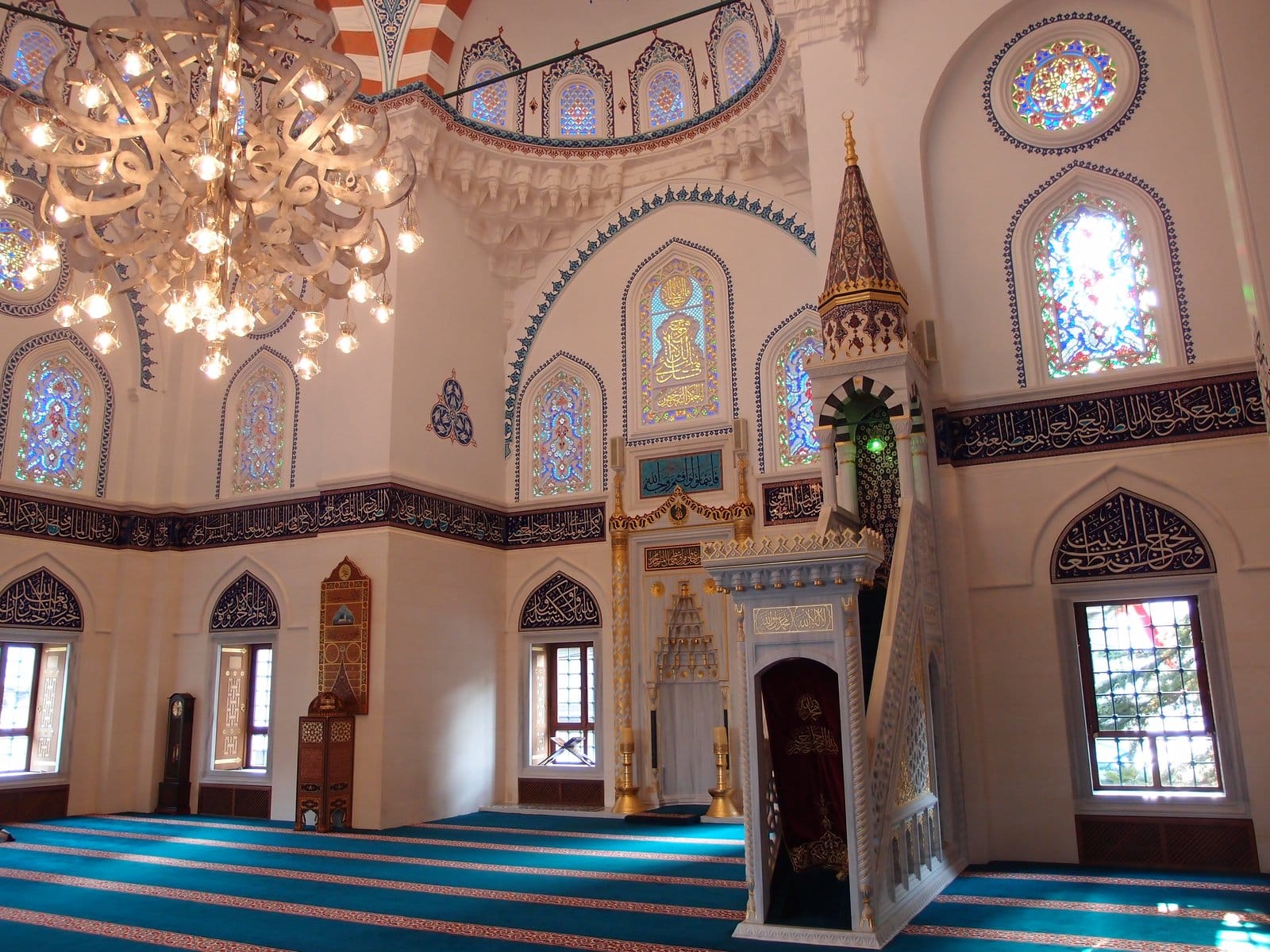
Major cities host significant mosques that serve as central points for the Muslim community. The most prominent is the Tokyo Camii & Turkish Culture Center in Shibuya, Tokyo. This stunning mosque, known for its Ottoman architecture, is open to visitors and offers daily prayers and Jumu'ah (Friday) prayers. Other notable mosques include the Asakusa Mosque in Tokyo, the Kyoto Mosque near the Kyoto Imperial Palace, and the Osaka Mosque in the city of Osaka. These mosques are excellent resources not only for prayer but also for connecting with local Muslim communities, especially during Eid.
Beyond dedicated mosques, many public facilities are recognizing the need for prayer spaces. You'll find prayer rooms at:
- Airports: Narita (NRT), Haneda (HND), and Kansai (KIX) International Airports all have well-equipped prayer rooms.
- Major Train Stations: Increasingly, larger JR stations or Shinkansen platforms are installing prayer rooms. While not as widespread as in airports, it's worth checking station maps or asking at information counters.
- Shopping Malls and Department Stores: Some major malls, particularly in tourist-heavy areas, provide multi-faith prayer rooms.
- Tourist Attractions: A few popular sites, like Tokyo Skytree, have designated prayer spaces. Always check their official websites or ask upon arrival.
For times when a dedicated prayer room isn't available, Japan's general respect for public order means finding a quiet corner for prayer is usually acceptable. Many travellers use less crowded areas of train stations, parks, or even their hotel rooms. Carrying a portable prayer mat and a Qibla finder app (like Muslim Pro) on your smartphone is highly recommended. The Qibla in Japan is generally to the northwest. Wudu (ablution) facilities might not always be readily available, so consider making wudu before leaving your accommodation or using public restrooms where possible. The humid Japanese summer (tsuyu season, similar to monsoon in India/Bangladesh) can make finding cool, dry places to pray particularly important.
Eid Celebrations in Japan: Connecting with Local Communities
Celebrating Eid in a foreign land can be a unique and memorable experience, offering a chance to connect with local Muslim communities and witness their cultural practices. While Japan does not observe Eid as a national holiday, the Muslim communities across the country gather to mark the occasion with prayers and festivities.
The largest Eid gatherings for Eid al-Fitr and Eid al-Adha typically take place at the major mosques in Tokyo, Kyoto, and Osaka. The Tokyo Camii is a central hub, drawing a large congregation of both Turkish and diverse Muslim communities. Prayers are usually held early in the morning, followed by social gatherings. Attending these prayers offers a profound sense of community and connection, echoing the familiar Eid spirit back home.
To find out about specific Eid prayer timings and any associated events, it is best to:
- Check Mosque Websites: Visit the official websites of Tokyo Camii, Kyoto Mosque, and Osaka Mosque a few weeks before your travel dates. They usually post announcements regarding Eid prayers.
- Contact Islamic Centers: Japan has several Islamic centers and associations that organize Eid events. The Japan Islamic Trust and the Islamic Center Japan are good resources. You can often find their contact information online and reach out via email or phone for details.
- Social Media Groups: Search for "Muslims in Japan" or "Halal Japan" groups on social media platforms. These communities often share up-to-date information on Eid activities.
Participating in Eid prayers at these mosques can be a wonderful way to experience the diversity of the global Muslim community. You might find people from various backgrounds, including Japanese converts, South Asian expatriates, and students. Sometimes, cultural programs, food stalls offering traditional dishes, or small bazaars are organized alongside the prayers, providing a taste of Eid festivities away from home. This connection can be particularly comforting during a holiday meant for family and community. While the scale might be different from celebrations in Dhaka or Delhi, the spirit of unity and gratitude remains universal.
A Sample 10-Day Eid Itinerary: Tokyo, Kyoto, Osaka
This itinerary is designed for first- or second-time visitors from India/Bangladesh, balancing iconic sights with Muslim-friendly considerations, utilizing a 7-day JR Pass strategically.
Estimated Cost Per Person (Excluding International Flights):
- Accommodation (10 nights, mid-range hotel): ¥90,000 (approx. ₹50,400)
- JR Pass (7-day): ¥30,000 (approx. ₹16,800)
- Local Transport (IC card top-ups): ¥7,000 (approx. ₹3,900)
- Food (halal/vegetarian options): ¥30,000 (approx. ₹16,800)
- Attractions/Activities: ¥15,000 (approx. ₹8,400)
- Miscellaneous (souvenirs, snacks): ¥10,000 (approx. ₹5,600)
- Total: Approx. ¥182,000 (₹102,000)
Day 1: Arrival in Tokyo – Haneda/Narita & Shibuya Immersion
- Morning/Afternoon: Arrive at Haneda (HND) or Narita (NRT) Airport. Clear immigration, activate your JR Pass (if starting today, otherwise use airport train/bus to city), and take the airport express train (e.g., Narita Express from NRT, Keikyu Line from HND) to your hotel in Tokyo. The Narita Express is covered by JR Pass.
- Late Afternoon: Check into your hotel near a major station like Shinjuku, Shibuya, or Ueno for easy access.
- Evening: Head to Shibuya. Witness the iconic Shibuya Crossing. Explore Shibuya 109 for shopping.
- Dinner: Find halal-friendly options in Shibuya, such as a certified kebab shop or a specific ramen place. Alternatively, a vegetarian Indian restaurant.
- Prayer: At your hotel or find a quiet spot.
- Cost: Airport transfer ¥1,500-¥3,000 (approx. ₹840-₹1,680) if not using JR Pass. Dinner ¥2,000 (approx. ₹1,120).
Day 2: Tokyo – Asakusa & Imperial History
- Morning: Visit Asakusa. Explore Senso-ji Temple, Tokyo's oldest temple, and Nakamise-dori market.
- Lunch: Naritaya Halal Ramen Asakusa or Sushiken Asakusa.
- Afternoon: Take a Sumida River cruise for views of Tokyo Skytree (prayer room available here) or explore the Imperial Palace East Garden.
- Prayer: Asakusa Mosque or Tokyo Skytree prayer room.
- Evening: Shinjuku Gyoen National Garden for a peaceful stroll. Dinner near Shinjuku.
- Cost: Sumida River Cruise ¥1,000 (approx. ₹560). Lunch/Dinner ¥3,000 (approx. ₹1,680).
Day 3: Tokyo – Modernity & Eid Celebrations (If applicable)
- Morning: If it's Eid day, head to Tokyo Camii for Eid prayers and soak in the community atmosphere. Otherwise, explore Harajuku for youth fashion and Takeshita Street.
- Lunch: Halal options in Shibuya/Shinjuku or vegetarian choices in Harajuku.
- Afternoon: Explore Shinjuku with its towering skyscrapers, including the Tokyo Metropolitan Government Building for free panoramic city views.
- Prayer: Tokyo Camii (if Eid) or designated prayer rooms in department stores.
- Evening: Akihabara Electric Town for anime, manga, and electronics. Find a halal CoCo Ichibanya here.
- Cost: Lunch/Dinner ¥3,000 (approx. ₹1,680).
Day 4: Day Trip to Mount Fuji & Hakone (Use JR Pass for Odawara)
- Morning: Activate your 7-day JR Pass today. Take the Shinkansen from Tokyo to Odawara (covered by JR Pass). From Odawara, use the Hakone Free Pass (separate purchase, approx. ¥5,000 or ₹2,800) for local transport in Hakone.
- Day: Enjoy the scenic Hakone Loop: Lake Ashi cruise, Hakone Ropeway with views of Mount Fuji (weather permitting), and Owakudani volcanic valley.
- Lunch: Vegetarian options at local restaurants or bento boxes from Odawara Station. Pack snacks.
- Prayer: Find a quiet spot or return to a larger station.
- Evening: Return to Tokyo.
- Cost: Hakone Free Pass ¥5,000 (approx. ₹2,800). Lunch/Dinner ¥2,500 (approx. ₹1,400).
Day 5: Travel to Kyoto & Arashiyama Bamboo Grove (Use JR Pass)
- Morning: Take the Shinkansen from Tokyo Station to Kyoto Station (covered by JR Pass, approx. 2.5-3 hours).
- Afternoon: Check into your hotel near Kyoto Station. Head to Arashiyama. Explore the iconic Bamboo Grove, Tenryu-ji Temple, and Togetsukyo Bridge.
- Lunch: Find vegetarian or halal options in Arashiyama, or pack a meal.
- Prayer: Kyoto Mosque or your hotel.
- Evening: Dinner at a halal restaurant near Kyoto Station or explore the area for vegetarian choices.
- Cost: Lunch/Dinner ¥2,500 (approx. ₹1,400).
Day 6: Kyoto – Temples & Geisha District
- Morning: Visit Fushimi Inari Shrine, famous for its thousands of vermilion torii gates.
- Lunch: Look for local eateries around Fushimi Inari or head back towards central Kyoto.
- Afternoon: Explore Higashiyama District. Walk along Sannenzaka and Ninenzaka slopes, visit Kiyomizu-dera Temple.
- Evening: Stroll through Gion, Kyoto's traditional geisha district. Dinner at a halal/vegetarian friendly restaurant.
- Prayer: Find a suitable spot in Higashiyama or your hotel.
- Cost: Kiyomizu-dera entrance ¥400 (approx. ₹220). Lunch/Dinner ¥3,000 (approx. ₹1,680).
Day 7: Nara Day Trip & Golden Pavilion (Use JR Pass)
- Morning: Day trip to Nara (covered by JR Pass, approx. 45 mins from Kyoto). Visit Todai-ji Temple (housing a giant Buddha statue) and interact with the friendly wild deer in Nara Park.
- Lunch: Vegetarian options available in Nara Park or bring packed food.
- Afternoon: Return to Kyoto. Visit Kinkaku-ji (Golden Pavilion).
- Prayer: Kyoto Mosque or a quiet corner in Nara Park.
- Evening: Enjoy a traditional vegetarian shojin ryori (Buddhist temple cuisine) experience if your budget allows, or find other halal options.
- Cost: Todai-ji entrance ¥600 (approx. ₹330). Kinkaku-ji entrance ¥500 (approx. ₹280). Lunch/Dinner ¥3,000 (approx. ₹1,680).
Day 8: Travel to Osaka & Dotonbori Delights (Use JR Pass)
- Morning: Take a local JR train from Kyoto to Osaka (covered by JR Pass, approx. 30 mins). Check into your hotel.
- Afternoon: Explore Osaka Castle. Then, head to Dotonbori, the vibrant entertainment district known for its neon lights and street food.
- Lunch: Find halal ramen or other Muslim-friendly options in Dotonbori, or enjoy vegetarian street food.
- Prayer: Osaka Mosque or find a quiet spot in a department store.
- Evening: Enjoy the bustling atmosphere of Dotonbori.
- Cost: Osaka Castle entrance ¥600 (approx. ₹330). Lunch/Dinner ¥2,500 (approx. ₹1,400).
Day 9: Osaka – Universal Studios or Shinsekai
- Morning: Option 1: Universal Studios Japan (USJ) for thrilling rides (book tickets in advance). Option 2: Explore Shinsekai district with Tsutenkaku Tower for a retro Osaka vibe.
- Lunch: If at USJ, look for vegetarian options. If in Shinsekai, explore local eateries (many offer vegetarian skewers, but confirm ingredients).
- Afternoon: Shopping in Osaka, perhaps at Namba or Umeda.
- Prayer: At your hotel or Osaka Mosque.
- Evening: Farewell dinner at a special halal restaurant.
- Cost: USJ ticket approx. ¥8,600 (approx. ₹4,800). Lunch/Dinner ¥3,000 (approx. ₹1,680).
Day 10: Departure from Kansai International Airport (KIX)
- Morning: Enjoy a leisurely breakfast. Do some last-minute souvenir shopping.
- Afternoon: Head to Kansai International Airport (KIX) for your flight back home. Use the JR Haruka Express (covered by JR Pass if still valid, or purchase a separate ticket for approx. ¥1,500-¥3,000). KIX has a prayer room.
- Cost: Airport transfer ¥1,500-¥3,000 (approx. ₹840-₹1,680) if not using JR Pass.
This itinerary is a suggestion; feel free to adjust it based on your interests and pace. Remember to factor in travel time between locations, which Japan's efficient system minimizes but doesn't eliminate.
Accommodation Choices: Budget-Friendly and Muslim-Aware Options
Finding suitable accommodation in Japan involves balancing cost, location, and specific needs. For travellers from India and Bangladesh, budget-friendliness is often a key consideration, alongside proximity to transport and, ideally, Muslim-friendly amenities.
Types of Accommodation:
- Business Hotels: These are prevalent across Japan, offering clean, compact rooms with essential amenities. Chains like Toyoko Inn, APA Hotel, Dormy Inn, and Comfort Hotel provide consistent quality. They are often located near train stations, making them ideal for convenience. Prices typically range from ¥6,000-¥12,000 (approx. ₹3,360-₹6,720) per night for a double room.
- Guesthouses/Hostels: For tighter budgets, guesthouses offer dormitory-style beds or private rooms at lower prices, typically ¥3,000-¥6,000 (approx. ₹1,680-₹3,360) per night. Many have communal kitchens, which can be invaluable for self-catering and preparing your own halal/vegetarian meals. Look for popular chains like K's House or J-Hoppers.
- Ryokans: Traditional Japanese inns, offering a unique cultural experience with tatami mat rooms, futon bedding, and sometimes communal baths (onsen). While often pricier (¥15,000+ or ₹8,400+ per night), some budget-friendly ryokans exist.
- Apartment Rentals (e.g., Airbnb): These can be an excellent option for families or groups, offering more space and often a full kitchen. Having a kitchen allows for complete control over meal preparation, alleviating halal/vegetarian concerns. Prices vary greatly but can be competitive with business hotels, especially for longer stays. Ensure the listing is legally compliant.
Muslim-Aware Accommodation Tips:
- Location: Prioritize hotels near major mosques (e.g., near Tokyo Camii in Shibuya, or the Kyoto Mosque). This makes prayer logistics significantly easier.
- Kitchen Facilities: Opt for guesthouses with communal kitchens or apartment rentals. This allows you to purchase halal ingredients from supermarkets (look for "halal" stickers, or simply check for fish/vegetable-based products) and prepare your own meals.
- Qibla Direction: While not standard, some hotels catering to Muslim guests might provide a Qibla arrow in the room or a prayer mat. It's always wise to carry your own Qibla app.
- No-Pork/No-Alcohol Policies: While rare for an entire hotel, some properties are becoming more aware and might offer breakfast options that avoid pork or alcohol. Always inquire directly.
- Review Sites: Check reviews on platforms like Booking.com or Agoda, using keywords like "halal," "Muslim-friendly," or "kitchenette" to filter options.
Booking your accommodation well in advance, especially during the Eid holidays, is crucial due to high demand. Compare prices across various booking sites and consider loyalty programs if you frequent specific hotel chains.
Money Matters and Essentials: Budgeting and Packing
Effective budgeting and smart packing are essential for a smooth and enjoyable trip to Japan. Japan is often perceived as expensive, but with careful planning, it can be quite manageable.
Budgeting Breakdown (Rough Estimates for 10 Days, Per Person):
- International Flights: ₹55,000 - ₹80,000 (approx. ¥98,000 - ¥143,000) from India; BDT 75,000 - BDT 110,000 (approx. ₹60,000 - ₹90,000 or ¥107,000 - ¥160,000) from Bangladesh.
- Accommodation: ¥9,000 per night x 10 nights = ¥90,000 (approx. ₹50,400) for a mid-range hotel.
- Transportation (JR Pass & Local): ¥30,000 (7-day JR Pass) + ¥7,000 (IC card top-ups) = ¥37,000