Taking Your Parents to Japan
Jul 10, 2026 · ✍️ olablog · ⏱ 20 min read
A gentle 8-day Japan itinerary for multi-generational South Asian families, focusing on low-walking, vegetarian food, and accessibility.
Bringing parents or grandparents to Japan is a deeply rewarding experience, bridging cultures and creating cherished memories. While Japan's efficient public transport and world-class hospitality are well-known, navigating it with elders from India or Bangladesh requires a thoughtful approach, especially concerning mobility, dietary needs, and comfort. This 8-day itinerary is meticulously crafted for multi-generational South Asian families, prioritising low-walking routes, guaranteed vegetarian options, the convenience of luggage forwarding, and accessible alternatives to traditional experiences. For instance, a 7-day Japan Rail Pass, a cornerstone of intercity travel, costs approximately ¥30,000 (around ₹16,800 or BDT 35,000), offering seamless travel across the country.
Why Japan for Multi-Generational South Asian Families?
Japan offers a unique blend of ancient traditions and futuristic innovation, a captivating contrast that resonates deeply with visitors from South Asia. For families travelling with elders, the country's inherent respect for seniors, its impeccable cleanliness, and a widespread culture of hospitality (omotenashi) make it an ideal destination. Unlike some bustling cities, even major Japanese hubs like Tokyo and Kyoto offer pockets of serene beauty and calm, perfect for a relaxed pace.
The Japanese commitment to order and efficiency extends to its infrastructure, meaning well-maintained paths, accessible public transport with dedicated priority seating, and clear signage are standard. This greatly reduces stress for families concerned about mobility. Furthermore, the emphasis on fresh, seasonal ingredients in Japanese cuisine, while often meat or fish-centric, also provides a foundation for delicious and healthy vegetarian adaptation. We understand the specific concerns of families from India and Bangladesh – from finding suitable meals to ensuring comfortable travel – and this guide aims to address each one, making your trip to Japan not just a vacation, but a comfortable and culturally rich family pilgrimage.
Pre-Trip Planning Essentials for South Asian Families
Thorough preparation is the bedrock of a smooth multi-generational trip. Here’s what you need to focus on:
Visas and Connectivity
Indian and Bangladeshi passport holders require a visa to enter Japan. The application process typically involves submitting forms, passport photos, flight and accommodation bookings, and financial proofs to the Japanese Embassy or Consulate in your respective country. Ensure all documents are in order and apply well in advance, ideally 2-3 months before your travel date, especially during peak seasons. For connectivity, consider renting a portable Wi-Fi device or purchasing a local eSIM/SIM card upon arrival. This ensures constant access to maps, translation apps, and communication, which is invaluable for coordinating a group.
The Japan Rail Pass: Your Travel Backbone
For intercity travel, the Japan Rail Pass is often the most cost-effective and convenient option. It offers unlimited travel on JR trains, including most Shinkansen (bullet trains), local lines, and some JR buses and ferries, for a set period (7, 14, or 21 consecutive days).
Current Approximate Japan Rail Pass Prices (as of 2026):
| Pass Type | Ordinary Car (Yen) | Ordinary Car (INR approx) | Ordinary Car (BDT approx) |
|---|---|---|---|
| 7-Day Pass | ¥30,000 | ₹16,800 | ৳35,000 |
| 14-Day Pass | ¥48,000 | ₹26,880 | ৳56,000 |
| 21-Day Pass | ¥60,000 | ₹33,600 | ৳70,000 |
Note: Prices are approximate and subject to change. Always check the official Japan Rail Pass website for the latest information.
How to Purchase and Use:
- Purchase an Exchange Order: You must purchase an exchange order before arriving in Japan, either online through official distributors or travel agencies in India/Bangladesh.
- Exchange in Japan: Upon arrival at major airports (Narita, Haneda, Kansai) or large JR stations, present your exchange order, passport, and temporary visitor stamp to exchange it for the actual JR Pass.
- Reservations: While some trains can be boarded with just the pass, reserving seats, especially for Shinkansen, is highly recommended for families, ensuring everyone sits together and reducing stress. You can make reservations at any JR Ticket Office (Midori-no-Madoguchi) by showing your pass.
- Green Car (First Class): Consider the Green Car option for extra comfort, wider seats, and more luggage space, though it comes at a higher price. For elders, this can significantly enhance travel comfort.
For shorter trips or specific regional travel, other passes like the Tokyo Wide Pass or Kansai Thru Pass might be considered, but for a Tokyo-Kyoto-Nara route, the national JR Pass is usually superior.
Luggage Forwarding: A Game Changer
This is perhaps the single most important tip for multi-generational travel in Japan. Services like Yamato Transport (often called "Takkyubin") allow you to send your luggage directly from your current hotel to your next hotel, or even to the airport, for a reasonable fee. This means you only need to carry a small daypack between cities, drastically reducing the physical burden of travel.
How it works:
- Inform your current hotel's front desk that you wish to use a luggage forwarding service.
- They will provide forms to fill out, detailing your destination hotel and preferred delivery date.
- Pay the fee (typically ¥1,500 - ¥2,500 per piece, approx ₹840 - ₹1,400 or BDT 1,750 - BDT 2,900, depending on size and distance).
- Your luggage will usually arrive the next day. Plan accordingly; pack an overnight bag for essentials.
- Most hotels are familiar with this service and can assist you.
This service transforms intercity travel, making it as effortless as taking the Delhi Metro without heavy bags, allowing your family to truly enjoy the journey.
Navigating Japan with Elders: Accessibility and Comfort
Japan is remarkably accommodating for seniors and those with mobility challenges, but knowing what to expect can smooth your journey.
Public Transportation Etiquette and Accessibility
Japanese public transport, especially in cities, is incredibly efficient. However, during rush hours (7:30 AM - 9:30 AM and 5:00 PM - 7:00 PM), trains can be extremely crowded. Plan your travel outside these times to ensure a comfortable experience for your family.
- Priority Seating: Look for designated "Priority Seats" (often marked with blue or red signs) on trains and buses. These are for seniors, pregnant women, and those with disabilities or small children. Be mindful and offer your seat if you are not in need.
- Elevators and Escalators: Major train stations, especially newer ones, are equipped with elevators and escalators, often clearly marked. Use navigation apps like Google Maps, which can sometimes indicate accessible routes within stations. Don't hesitate to ask station staff (eki-in) for directions; they are usually very helpful.
- Wheelchair Access: Many stations have barrier-free access, and staff are trained to assist wheelchair users, even providing ramps to bridge the gap between the platform and the train. If someone in your party uses a wheelchair, notify station staff before boarding.
Pacing and Breaks
The key to a successful multi-generational trip is a relaxed pace. Avoid over-scheduling.
- Mid-day Breaks: Incorporate mid-day breaks back at the hotel for rest, especially after lunch. This allows elders to recharge and avoid fatigue.
- Cafes and Gardens: Japan has an abundance of beautiful cafes and serene gardens. Utilise these for frequent, unhurried breaks. Many gardens offer benches and shaded areas.
- Comfortable Footwear: Emphasise comfortable, broken-in shoes for everyone, especially for any walking involved.
Dietary Considerations: Mastering Vegetarian & Halal Dining
Food anxiety is a legitimate concern for South Asian travellers in Japan. While traditional Japanese cuisine heavily features seafood and meat, with a little preparation and knowledge, finding delicious vegetarian and even halal options is entirely possible.
Vegetarian Dining Strategies
- Learn Key Phrases: Knowing a few Japanese phrases can make a world of difference:
- "Watashi wa bejitarian desu." (I am vegetarian.)
- "Niku o tabemasen." (I don't eat meat.)
- "Sakana o tabemasen." (I don't eat fish.)
- "Dashi nuki de onegaishimasu." (Please omit dashi – dashi, a fish-based broth, is in many dishes.)
- "Tamago wa daijoubu desu." (Eggs are okay.) or "Tamago mo tabemasen." (I don't eat eggs either.)
- "Cheese wa daijoubu desu." (Cheese is okay.) or "Cheese mo tabemasen." (I don't eat cheese either.)
- "Gyunyu wa daijoubu desu." (Milk is okay.) or "Gyunyu mo tabemasen." (I don't drink milk either.)
- Google Translate Camera: Use the Google Translate app's camera feature to translate menus on the spot. This is incredibly useful for ingredient lists.
- Vegetarian-Friendly Cuisine Types:
- Shojin Ryori (Buddhist Temple Cuisine): This is the ultimate vegetarian experience in Japan, traditionally vegan and often served at temples or specialised restaurants, particularly in Kyoto. It uses seasonal vegetables, tofu, and wild plants. Expect a multi-course, artfully presented meal.
- Tofu Restaurants: Japan excels in tofu production. Many restaurants specialise in various tofu dishes, from yudofu (boiled tofu) to agedashi tofu (fried tofu).
- Udon/Soba (Noodle Soups): While dashi is common, some udon/soba shops can prepare dishes with a vegetable-based broth if requested. Look for "kitsune udon/soba" (fried tofu) or "tempura udon/soba" (vegetable tempura). Always confirm about dashi.
- Curry Rice: Japanese curry can often be made vegetarian. Look for options without meat, and confirm the roux is not meat-based. CoCo Ichibanya is a popular chain with customisable curry, often having vegetarian options clearly marked.
- Izakayas (Japanese Pubs): While not exclusively vegetarian, many izakayas offer a wide range of side dishes like edamame, pickles, grilled vegetables, fried tofu, and salads.
- Indian Restaurants: Major cities like Tokyo and Kyoto have a good number of Indian restaurants, offering familiar vegetarian and vegan options.
- Convenience Stores (Konbini): FamilyMart, 7-Eleven, and Lawson offer a surprising array of vegetarian-friendly snacks, salads, onigiri (rice balls – check fillings carefully), and sometimes even pre-packaged noodle dishes. Look for items with vegetable symbols or clear ingredient lists.
Halal Dining Strategies
For families seeking halal options, while less prevalent than vegetarian, they are increasingly available in major cities.
- Halal Certified Restaurants: Look for restaurants displaying "Halal Certified" signs or certificates. Websites and apps like "Halal Gourmet Japan" are excellent resources.
- Muslim-Friendly Restaurants: Some restaurants may not be fully certified but offer a "Muslim-friendly menu" using halal ingredients and separate cooking utensils. Always inquire directly.
- Indian/Pakistani/Middle Eastern Restaurants: These are reliable sources for halal meat and other familiar dishes.
- Supermarkets: Larger supermarkets in metropolitan areas might carry specific halal meat products, though this requires self-catering.
Mistakes to Avoid with Food:
- Assuming Vegetarian: Never assume a dish is vegetarian. Always ask. Many seemingly vegetarian dishes like ramen broth or miso soup contain dashi.
- Relying on Single Source: Have multiple options researched for each meal, especially for dinner.
- Not Carrying Snacks: Always have some familiar, non-perishable snacks from home, especially for elders who might be particular about food.
The 8-Day Gentle Itinerary for Multi-Gen South Asian Families
This itinerary focuses on a relaxed pace, minimising long walks, and highlighting accessible cultural experiences in Tokyo and Kyoto, with an optional gentle day trip to Nara.
Day 1: Arrival in Tokyo – Gentle Introduction & Settling In
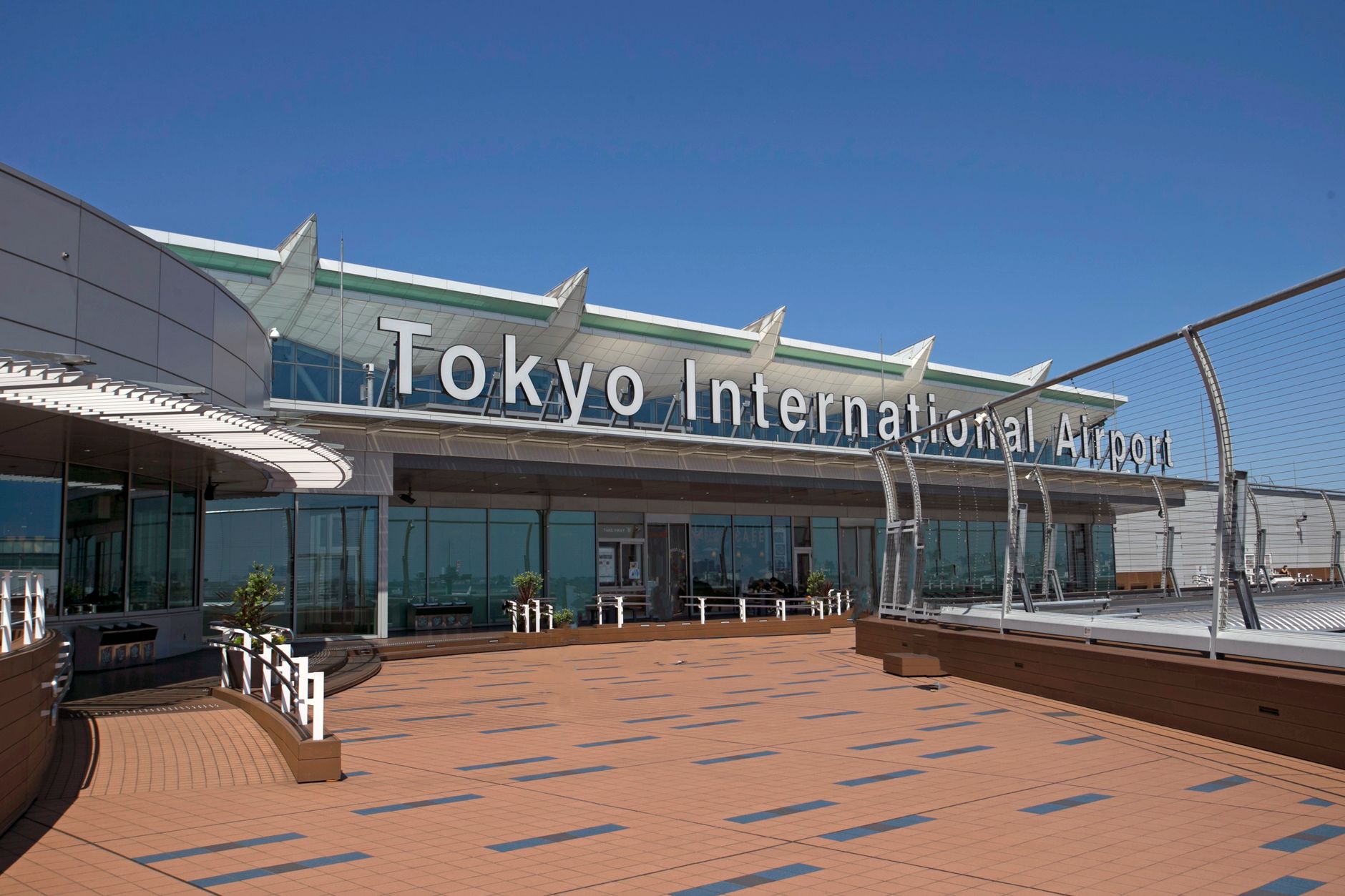
- Morning/Afternoon: Arrive at Narita (NRT) or Haneda (HND) International Airport.
- Airport Transfer: From Narita, the Narita Express (N'EX) takes you directly to major Tokyo stations like Tokyo, Shinjuku, and Shibuya in about an hour. From Haneda, the Keikyu Line or Tokyo Monorail connects to central Tokyo. Both offer comfortable seating. The N'EX is covered by the JR Pass; Keikyu and Monorail are not. Approximate N'EX ticket cost: ¥3,070 (approx ₹1,720) without JR Pass.
- JR Pass Exchange: If you have an Exchange Order, activate your JR Pass at the JR Travel Service Center in the airport.
- Late Afternoon: Check into your hotel in a convenient location like Shinjuku, Shibuya, or Ueno. Choose a hotel known for good accessibility and proximity to a major station with elevators.
- Evening: A very relaxed start. Enjoy dinner at a nearby Indian restaurant or explore a department store food hall (depachika) for easy-to-pick-up items that can be identified.
- Dinner Suggestion: Many department stores like Isetan or Takashimaya have extensive food halls with a variety of prepared foods, including salads, bread, and sometimes specific vegetarian sections. This allows for a relaxed selection without the pressure of a full restaurant.
- Accommodation Tip: Look for hotels that offer connecting rooms or suites, which can be ideal for families.
Day 2: Tokyo's Cultural Heart – Asakusa & Ueno (Low-Walking)
- Morning (9:00 AM - 1:00 PM): Asakusa Senso-ji Temple
- Take the Tokyo Metro Ginza Line to Asakusa Station. Senso-ji is Tokyo's oldest temple, offering a glimpse into traditional Japan.
- Accessibility: The main Nakamise-dori approach to the temple can be crowded, but the temple grounds themselves are largely flat and paved. There are accessible routes and elevators available (e.g., near the Asakusa Culture Tourist Information Center for panoramic views). Focus on the main hall and the five-story pagoda from a distance.
- Experience: Enjoy the atmosphere, perhaps buy a small souvenir. Avoid the busiest parts if your parents prefer quiet.
- Vegetarian Lunch: Explore the area around Asakusa for vegetarian-friendly restaurants. Many small eateries offer soba or udon, but confirm dashi. Alternatively, there are often international options or small cafes with simple offerings.
- Afternoon (2:00 PM - 5:00 PM): Ueno Park & Museum/Garden
- Take the Ginza Line from Asakusa to Ueno Station. Ueno Park is a large, accessible park home to several museums and a zoo.
- Option 1: Tokyo National Museum: If your parents enjoy history and art, this museum has extensive collections. It is wheelchair accessible with elevators. Pacing is key; focus on a few key exhibits rather than rushing through the entire collection.
- Option 2: Ueno Zoo (Panda Exhibit): For animal lovers, a gentle stroll to see the pandas might be enjoyable. Paths are mostly flat.
- Option 3: Relax in the Park: Simply find a bench and enjoy the greenery, a welcome respite from the city's bustle.
- Evening: Dinner in Ueno or return to your hotel area. Ueno has numerous dining options, including Indian restaurants.
Day 3: Serene Tokyo – Shinjuku Gyoen & Meiji Jingu (Relaxed Pace)
- Morning (9:30 AM - 12:30 PM): Shinjuku Gyoen National Garden
- Take the Tokyo Metro to Shinjuku-Gyoenmae Station. This is one of Tokyo's largest and most beautiful parks, a tranquil oasis amidst the urban sprawl.
- Accessibility: The garden is mostly flat with paved paths, making it very accessible. There are numerous benches for rest. Wheelchair rentals are available at the main gates.
- Experience: Stroll through the Japanese Traditional Garden, the English Landscape Garden, and the French Formal Garden at a leisurely pace. Enjoy the seasonal flowers and serene ponds.
- Entry Fee: Approx. ¥500 (₹280).
- Lunch: Find a vegetarian-friendly cafe near Shinjuku Gyoen or head towards Harajuku.
- Afternoon (2:00 PM - 4:30 PM): Meiji Jingu Shrine
- Take the JR Yamanote Line to Harajuku Station. Meiji Jingu is a grand Shinto shrine dedicated to Emperor Meiji and Empress Shoken.
- Accessibility: The walk from the main entrance (Torii gate) to the shrine buildings is a long, gravel path. For elders, consider taking a taxi directly to the shrine's closer entrance (e.g., near the Treasure Museum) or utilising the accessible pathway that runs parallel to the main approach. The main shrine area is paved and accessible.
- Experience: Absorb the peaceful atmosphere under the towering trees. Witness a traditional Japanese wedding if you're lucky.
- Evening: Dinner in Shibuya or Shinjuku. Both areas offer a wide range of dining, including department store food courts with vegetarian options, and numerous international restaurants.
Day 4: Travel to Kyoto – Nishiki Market & Gion (Cultural Immersion)
- Morning (9:00 AM - 12:00 PM): Shinkansen to Kyoto
- From Tokyo Station, take the Tokaido Shinkansen (Hikari or Kodama trains are covered by JR Pass) to Kyoto Station. The journey is approximately 2.5 to 3 hours.
- Luggage Forwarding: Remember to send your main luggage to your Kyoto hotel the day before.
- Onboard Comfort: Reserve seats in advance. Purchase bento boxes (lunch boxes) from Tokyo Station before boarding for a convenient vegetarian meal on the train. Many ekiben (station bento) stalls offer vegetable-only options.
- Afternoon (1:00 PM - 2:00 PM): Check into Kyoto Hotel
- Choose a hotel near Kyoto Station or in the Shijo/Kawaramachi area for convenience.
- Late Afternoon (3:00 PM - 5:00 PM): Nishiki Market (Brief Exploration)
- Take the subway Karasuma Line to Shijo Station, then walk to Nishiki Market. Known as "Kyoto's Kitchen," this narrow market street offers a sensory delight.
- Accessibility: The market is crowded and narrow. For elders, a brief visit, focusing on the entrance and accessible stalls, is recommended. There are many unique snacks and ingredients.
- Vegetarian Options: Look for stalls selling pickles (tsukemono), mochi, dried fruits, and fresh produce. Some stalls may offer vegetarian tempura or fried tofu.
- Evening (6:00 PM onwards): Gion District (Gentle Stroll)
- Take a taxi or bus to the Gion district.
- Accessibility: The main streets of Gion, particularly Hanamikoji-dori, are relatively flat and paved.
- Experience: Enjoy a gentle evening stroll through Kyoto's famous geisha district. The traditional wooden machiya houses are beautiful, especially at dusk. You might spot a geiko or maiko (geisha or apprentice) hurrying to an engagement. Keep the walk short and find a comfortable spot for dinner.
- Dinner Suggestion: Explore restaurants in the Gion area. Many offer set menus, and some traditional Kyoto restaurants (kappo or kaiseki) can accommodate vegetarian requests if informed in advance. There are also several excellent shojin ryori restaurants in Kyoto.
Day 5: Kyoto's Tranquil Beauty – Arashiyama & Kinkaku-ji (Scenic & Serene)
- Morning (9:00 AM - 1:00 PM): Arashiyama Bamboo Grove & Tenryu-ji Temple Garden
- Take the JR Sagano Line (covered by JR Pass) from Kyoto Station to Saga-Arashiyama Station (approx. 15 minutes).
- Accessibility: From the station, the main street leading to the Bamboo Grove is relatively flat. The famous Bamboo Grove path itself is paved and mostly flat, but can be crowded. Prioritise a gentle stroll into the grove for pictures, rather than a long trek.
- Tenryu-ji Temple Garden: Adjacent to the bamboo grove, Tenryu-ji offers a beautiful, accessible Zen garden. The garden pathways are well-maintained and mostly flat.
- Lunch: Arashiyama has several restaurants. Look for a simple cafe or noodle shop.
- Afternoon (2:30 PM - 5:00 PM): Kinkaku-ji (Golden Pavilion)
- From Arashiyama, take a taxi directly to Kinkaku-ji (approx. 20-30 minutes, ¥2,500-¥3,500, approx ₹1,400-₹1,960). This is more comfortable for elders than multiple bus transfers.
- Accessibility: The viewing path around the Golden Pavilion is paved and mostly flat, offering stunning views from various angles. The main attraction is the exterior view across the pond, minimising extensive walking.
- Experience: Marvel at the iconic, shimmering golden structure reflected in the pond. This is a quintessential Kyoto experience.
- Evening: Return to your hotel. Enjoy a relaxed dinner, perhaps trying a shojin ryori experience if you haven't already.
Day 6: Nara Day Trip (Gentle Pace) OR Kyoto Free Day
- Option A: Nara Day Trip (9:30 AM - 4:00 PM)
- Take the JR Nara Line (covered by JR Pass) from Kyoto Station to Nara Station (approx. 45-60 minutes).
- Accessibility: From Nara Station, take a short bus ride or taxi to Todai-ji Temple and Nara Park.
- Nara Park & Todai-ji Temple: Nara is famous for its friendly deer that roam freely. Enjoy interacting with them (be gentle, as they can nudge for crackers).
- Todai-ji Temple: View the magnificent wooden Great Buddha Hall from the outside. The approach is paved. The interior, while impressive, requires some walking and can be crowded. Prioritise viewing the impressive architecture and the deer in the surrounding park.
- Vegetarian Lunch: Nara has several cafes and restaurants near the park.
- Option B: Kyoto Free Day / Relaxation
- If a day trip feels too much, dedicate this day to relaxation.
- Consider:
- A Private Tea Ceremony: Many tea houses offer private sessions.
- Sannenzaka & Ninenzaka (Briefly): These charming historic streets near Kiyomizu-dera are picturesque, but very hilly and crowded. A very brief visit to the lower, flatter sections, perhaps by taxi, might be possible for a photo opportunity.
- Kyoto Botanical Garden: A peaceful, accessible garden perfect for a leisurely stroll.
- Relax at the hotel: Enjoy the hotel amenities, perhaps a private family bath if available.
- Evening: Farewell dinner in Kyoto, perhaps at a restaurant offering traditional Kyoto cuisine.
Day 7: Return to Tokyo or Departure Prep
- Morning: Enjoy a leisurely breakfast in Kyoto. Depending on your flight schedule, you can either:
- Return to Tokyo: Take the Shinkansen back to Tokyo (covered by JR Pass). Spend the afternoon revisiting a favourite spot, doing some last-minute souvenir shopping, or simply relaxing at a Tokyo hotel. This is ideal if your international flight departs from Narita or Haneda the next day.
- Depart from Kansai: If your international flight departs from Kansai International Airport (KIX), spend the day in Kyoto, then take the Haruka Express (covered by JR Pass) directly from Kyoto Station to KIX (approx. 75-90 minutes).
- Luggage Forwarding: If departing from Tokyo the next day, ensure your main luggage is forwarded to Narita/Haneda airport or your final Tokyo hotel.
- Evening: Last dinner in Japan.
Day 8: Departure
- Morning: Depart from Narita (NRT) or Haneda (HND) International Airport, or Kansai International Airport (KIX). Ensure you allow ample time for airport transfers, check-in, and security, especially with a group.
Onsen Alternatives for Conservative Elders
Traditional Japanese onsens (hot springs) are a beloved cultural experience, but the communal nudity can be a significant barrier for conservative South Asian elders. Here are excellent alternatives that offer similar relaxation and cultural immersion without discomfort:
- Kashikiri Onsen (Private Onsen): Many ryokans (traditional inns) and some onsen resorts offer private, reservable baths (kashikiri-buro or kazoku-buro – family bath). These allow your family to enjoy the therapeutic hot springs together in complete privacy. This is the ideal solution for experiencing onsen culture comfortably. Book these well in advance with your accommodation.
- Ashiyu (Foot Baths): Found in many onsen towns and even some city parks, ashiyu are public foot baths where you can soak your feet while fully clothed. This is a wonderful, relaxing experience and a great way to rest tired feet.
- Sento (Public Bathhouses) with Private Options: While sento are also communal, some may offer small private rooms or family baths. Inquire with the facility directly.
- Hotel Baths: Many modern hotels in Japan have large communal baths (daiyokujo) that are separate for men and women. While still communal, they are often less intimidating than traditional onsens and offer a chance to experience Japanese bathing culture. Always check the rules, as tattoos are often prohibited.
- Japanese Gardens and Tea Houses: For mental and spiritual relaxation, spend time in Japan's exquisite gardens. The tranquility, beauty, and meticulous design offer a profound sense of peace, akin to the meditative aspect of an onsen. Enjoying a cup of matcha at a garden tea house is a serene alternative.
Budgeting for a Family Trip
Costs are a major consideration for families from India and Bangladesh. Here's an approximate breakdown for an 8-day trip for a group of four (two adults, two parents/elders), focusing on mid-range comfort.