Escaping the Monsoon
Discover why June-July is a smart time for Indian and Bangladeshi travelers to visit Japan, offering unique experiences, budget benefits, and Hokkaido's dry summer.
Jul 10, 2026·✍️ olablog·⏱ 21 min read
Discover why June-July is a smart time for Indian and Bangladeshi travelers to visit Japan, offering unique experiences, budget benefits, and Hokkaido's dry summer.
For many travelers from India and Bangladesh, the thought of planning an international trip during June and July often brings to mind the heavy monsoon rains back home. However, Japan during these months offers a surprisingly distinct and often advantageous travel experience, including the enchanting hydrangea season and potential cost savings. Imagine exploring vibrant gardens in bloom or finding respite in Hokkaido's dry summer, all while navigating a period typically less crowded than peak seasons. This article will guide you through crafting a memorable and practical Japan itinerary during what can be a truly rewarding time to visit.
Understanding Japan's "Tsuyu" (Monsoon) vs. Our Monsoon
When we speak of monsoon in India and Bangladesh, we typically envision widespread, heavy downpours that can disrupt travel plans significantly. Japan also experiences a rainy season, known as "Tsuyu" (梅雨), which primarily affects Honshu, Shikoku, and Kyushu from early June to mid-July. However, the nature of Japan's tsuyu is quite different from what many of us are accustomed to. Instead of continuous, torrential rain for days on end, tsuyu often involves periods of light drizzle, intermittent showers, and sometimes even clear, sunny breaks. While humidity levels can be high, the rain tends to be less intense and more predictable than the South Asian monsoon, making outdoor activities still feasible with proper planning.
The duration and intensity of tsuyu can vary year to year and region by region. Okinawa, being further south, experiences its rainy season earlier, often ending by late June. Northern Japan, particularly Hokkaido, largely escapes the tsuyu altogether, offering a delightful and dry summer alternative that we will explore in detail. Understanding this distinction is crucial: Japan's rainy season doesn't necessarily mean your trip will be a washout. Instead, it presents unique opportunities, from the stunning floral displays it nourishes to the potential for fewer crowds and better value. Preparing for occasional rain, rather than constant downpours, is the key to enjoying Japan during this period.
The Allure of Hydrangeas: A Floral Spectacle
One of the most captivating aspects of visiting Japan during June and early July is the spectacular bloom of hydrangeas, or "ajisai" (紫陽花). These beautiful flowers, with their large, globe-like clusters of petals, transform gardens, temples, and streets into a vibrant palette of blues, purples, pinks, and whites, all enhanced by the gentle moisture of the tsuyu. It's a sight unlike any other, offering a serene and picturesque backdrop to your explorations, often celebrated with local festivals and special openings.
For first-time visitors, experiencing hydrangea season can be a highlight. In Kamakura, a coastal city less than an hour from Tokyo by train (JR Yokosuka Line, approx. ¥940 or ₹526), two temples stand out. Meigetsu-in Temple, famously known as the "Hydrangea Temple," boasts a breathtaking display that lines its pathways, creating a tunnel of blue. Entry is approximately ¥500 (₹280). Just a short walk away, Hase-dera Temple offers not only a stunning array of hydrangeas across its hillside gardens but also panoramic views of the ocean. Entry is around ¥400 (~₹224). Both locations are easily accessible and provide excellent opportunities for photography and peaceful contemplation.
In Kyoto, the ancient capital, Mimuroto-ji Temple is often called the "Hydrangea Temple" of Kansai, with over 10,000 hydrangea bushes of various species blanketing its hillside. The temple is reachable by Keihan Uji Line to Mimuroto Station, followed by a 15-minute walk. Entry is around ¥1,000 (~₹560) during the special hydrangea season. Another Kyoto gem is Sanzen-in Temple in the serene Ohara district, which features beautiful moss gardens interspersed with hydrangeas, providing a tranquil escape. Accessing Ohara involves a bus ride from Kyoto Station. Checking the official websites of these temples closer to your travel date for exact bloom timings and special event details is always recommended.
Smart Savings: Leveraging Rainy Season Discounts
Traveling to Japan during June and July, outside of peak cherry blossom (spring) or autumn foliage seasons, can present tangible financial advantages for budget-conscious travelers from India and Bangladesh. While flight prices are less dictated by Japan's internal seasons and more by global demand and airline promotions, you may find slightly better deals on airfares from major hubs like Delhi, Mumbai, or Dhaka compared to the absolute peak times. However, where significant savings truly emerge is often in accommodation and certain activities.
Hotels, especially in popular cities like Tokyo, Kyoto, and Osaka, tend to have lower occupancy rates during the tsuyu period, leading to more competitive pricing. For instance, a hotel room that might cost ¥15,000 (₹8,400) in April could be available for ¥10,000-¥12,000 (₹5,600-₹6,720) in June. This difference, when multiplied across several nights, can add up to substantial savings. For a 10-night trip, this could mean saving between ₹16,800 to ₹28,000 on accommodation alone. This applies across various categories, from budget-friendly business hotels to mid-range options and even some ryokans (traditional inns).
Consider this comparison for a mid-range hotel in Shinjuku, Tokyo (prices are illustrative and subject to change):
| Item | Peak Season (April) | Rainy Season (June) | Savings (per night) |
|---|---|---|---|
| Hotel Room | ¥15,000 (~₹8,400) | ¥11,000 (~₹6,160) | ¥4,000 (~₹2,240) |
| Total 7 Nts | ¥105,000 (~₹58,800) | ¥77,000 (~₹43,120) | ¥28,000 (~₹15,680) |
Beyond hotels, certain attractions might offer special rainy season promotions, and fewer crowds often translate to a more relaxed experience without the pressure of peak season surges. While Japan Rail Pass prices are standardized, local transportation options remain consistent, and with fewer tourists, navigating popular stations like Shinjuku or Kyoto can feel less overwhelming, akin to a slightly less crowded Delhi Metro experience during off-peak hours. Booking accommodation well in advance, even during the rainy season, can further lock in good rates, and using booking sites like OlaChill, Agoda, or Booking.com, allows for easy price comparisons across dates.
Crafting an Indoor-Centric Itinerary: Tokyo & Kyoto Gems
Embracing the possibility of rain doesn't mean compromising on experiences; it simply means adjusting your itinerary to feature more indoor activities. Japan excels at providing world-class indoor attractions, from ancient cultural treasures to cutting-edge technology and retail therapy. This approach allows you to explore the country's rich heritage and modern marvels comfortably, regardless of the weather outside.
In Tokyo, the options are virtually limitless. Start with the city's incredible array of museums. The Tokyo National Museum in Ueno Park houses an unparalleled collection of Japanese art and artifacts, offering hours of exploration. Entry is around ¥1,000 (₹560). For a dive into the city's past, the Edo-Tokyo Museum (currently undergoing renovations until 2025, check official status) provides a fascinating overview of Tokyo's history through dioramas and life-sized replicas. Alternatively, the Ghibli Museum (Mitaka, requires advance ticket purchase, approx. ¥1,000 (₹560) for adults through their official website or Lawson convenience stores) offers a whimsical journey into the world of Studio Ghibli, though tickets sell out quickly months in advance. For contemporary art enthusiasts, the teamLab Planets TOKYO DMM (Toyosu) or teamLab Borderless (Azabudai Hills) offer immersive digital art experiences that are truly unique and perfect for a rainy day, with tickets ranging from ¥3,200-¥4,000 (~₹1,792-₹2,240) depending on the day.
Shopping also becomes a fantastic indoor activity. Tokyo's massive department stores (depachika) like Isetan, Mitsukoshi, or Takashimaya are not just for shopping; their basement food halls (depachika) are culinary paradises, perfect for sampling local delicacies or picking up gourmet souvenirs. The underground shopping labyrinth beneath Tokyo Station and Shinjuku Station can keep you dry and entertained for hours. For a unique cultural experience, consider attending a Kabuki performance at the Kabuki-za Theatre in Ginza; "makumi" (single act) tickets are available for a shorter, more affordable introduction.
Kyoto, while famous for its outdoor temples and gardens, also offers compelling indoor attractions. The Kyoto National Museum showcases significant cultural properties, while the Kyoto International Manga Museum provides a fun and quirky insight into Japan's comic culture. Entry to each is typically around ¥700-¥900 (₹392-₹504). For a deeper cultural immersion, consider a traditional tea ceremony experience, often held indoors in serene settings like those found in Gion or near Kiyomizu-dera. These can cost between ¥2,000-¥5,000 (₹1,120-₹2,800) depending on the duration and exclusivity.
Kyoto also has excellent covered shopping arcades. Nishiki Market, known as "Kyoto's Kitchen," is a bustling, narrow street lined with stalls selling fresh produce, seafood, and local specialties – much of it covered, making it ideal for a rainy stroll. While not entirely indoors, many of the shops and restaurants provide shelter. Similarly, the Teramachi and Shinkyogoku shopping arcades offer a mix of traditional goods, souvenirs, and modern boutiques, providing a comfortable environment for exploration.
Culinary Comforts: Navigating Food in Rainy Japan
For travelers from India and Bangladesh, food can be a significant concern, particularly regarding vegetarian and halal options. Japan's culinary scene is globally renowned, but traditional Japanese cuisine often incorporates dashi (fish stock) and various meats. However, with careful planning and awareness, enjoying delicious and safe meals during your June-July trip is entirely possible, even more so when seeking comfort food during a rainy spell.
Vegetarian Options: While pure vegetarianism (without dashi) is not common in traditional Japanese cooking, there's a growing understanding and availability, especially in major cities.
- Shojin Ryori (Buddhist Temple Cuisine): This is the ultimate vegetarian experience in Japan. Entirely plant-based and often served in temple lodging (shukubo) or dedicated restaurants, it's a multi-course meal focusing on fresh, seasonal vegetables, tofu, and grains. Highly recommended in Kyoto (e.g., Shigetsu at Tenryu-ji Temple, reservations often required) or on Mount Koya. Expect to pay ¥3,000-¥6,000 (~₹1,680-₹3,360) for a set meal.
- Specialty Vegetarian Restaurants: Use apps like HappyCow or search Google Maps for "vegan Kyoto," "vegetarian Tokyo." You'll find a range of options, from international cuisine to modern Japanese takes on plant-based dishes.
- Convenience Stores: "Konbini" (7-Eleven, FamilyMart, Lawson) are lifesavers. Look for onigiri (rice balls) with ume (pickled plum) or kombu (seaweed), vegetable sandwiches, salads, and fruit. Always check ingredients carefully (Google Translate camera function is useful).
- Language Phrases: Learn key phrases: "Watashi wa bejitarian desu" (I am vegetarian), "Niku nashi de onegaishimasu" (No meat, please), "Sakana nashi de onegaishimasu" (No fish, please), "Dashi nashi de onegaishimasu" (No dashi/fish stock, please).
- Udon/Soba: While broth often contains dashi, some restaurants might offer shoyu (soy sauce) based broths without it, or you can opt for zaru soba/udon (cold noodles with dipping sauce, but check sauce ingredients) or tempura (ensure it's vegetable tempura and fried in vegetable oil).
Halal Options: Halal dining has significantly expanded in Japan, particularly in Tokyo, Osaka, and Kyoto, driven by increased tourism from Muslim-majority countries.
- Halal-Certified Restaurants: Many restaurants now clearly display halal certification or a "Muslim-friendly" sign. Search online for "halal Tokyo," "halal Kyoto." Popular choices include halal ramen, curry, and even some Japanese BBQ (Yakiniku) spots.
- Indian/Pakistani/Bangladeshi Restaurants: These are readily available in major cities and offer familiar, often halal, options. Many Japanese people also enjoy Indian curry, so these restaurants are quite common.
- Supermarkets: Look for halal-certified products in larger supermarkets.
- Language Phrases: "Halal desu ka?" (Is this halal?), "Pork nashi de onegaishimasu" (No pork, please).
- Prayer Facilities: Major airports and some larger shopping malls now offer prayer rooms.
During the rainy season, a comforting bowl of hot ramen (if you find a halal/vegetarian version), a warm plate of curry, or freshly fried tempura can be especially appealing. Don't be afraid to ask, respectfully, about ingredients. Japanese hospitality often means staff will try their best to accommodate dietary needs.
Hokkaido: Your Dry Summer Oasis
While Honshu experiences its tsuyu, the northern island of Hokkaido offers a completely different summer climate: dry, pleasant, and often sunny. This makes Hokkaido an ideal escape for Indian and Bangladeshi travelers looking to avoid the humidity and rain of southern Japan, providing a refreshing contrast and a different set of attractions. If your trip extends into July, Hokkaido truly comes into its own.
Hokkaido's summer is famous for its vast fields of vibrant flowers, especially lavender. The town of Furano is the epicenter of this spectacle, with Farm Tomita being the most iconic destination. Here, rolling hills are painted in stripes of purple lavender, alongside poppies, lupins, and sunflowers, typically peaking from mid-July to early August. Exploring these fields is free, and you can enjoy lavender-flavored ice cream or purchase local products. A scenic drive or train ride through the Biei region (known for its "Patchwork Road" and "Panorama Road") reveals further picturesque landscapes, including the famous Blue Pond (Aoiike).
Beyond the flowers, Hokkaido offers diverse experiences:
- Sapporo: The capital city, known for its beer (Sapporo Beer Garden & Museum offers a tasting experience, around ¥2,000-¥3,000 or ~₹1,120-₹1,680 for a tasting course) and its delicious ramen. Visit Odori Park, which hosts various events, and the historic Sapporo Clock Tower.
- Otaru: A charming port town easily accessible from Sapporo, famous for its picturesque canal, glass workshops, and music box museums. A canal cruise (approx. ¥1,500 or ~₹840) is a relaxing way to see the historic warehouses.
- Daisetsuzan National Park: For nature lovers, this vast national park offers hiking trails (accessible by ropeway, approx. ¥2,000-¥3,000 round trip) and stunning volcanic landscapes, with snow often lingering on the peaks even in summer. This is an excellent option for those seeking cooler temperatures and outdoor adventures.
- Food: Hokkaido is a culinary paradise, renowned for its fresh seafood (kani/crab, uni/sea urchin), dairy products (milk, cheese, ice cream), and agriculture. While seafood might not suit all dietary needs, you'll find excellent ramen, fresh vegetables, and delicious potato-based dishes. Vegetarian options might require a bit more searching but are available, especially in Sapporo.
Reaching Hokkaido is straightforward. You can fly directly from Tokyo (Haneda or Narita) to Sapporo's New Chitose Airport (CTS), a flight of about 90 minutes, with budget airlines offering competitive fares (e.g., Peach, Jetstar Japan, from ¥5,000-¥15,000 or ~₹2,800-₹8,400 depending on booking time). Alternatively, the Hokkaido Shinkansen (bullet train) connects Honshu to Hakodate, though it's a longer journey. For travel within Hokkaido, the JR Hokkaido Pass can be a cost-effective option if you plan extensive train travel.
Practicalities for Your June-July Trip: Packing & Prep
A successful trip to Japan during the June-July tsuyu season hinges on smart packing and preparation. While it's not a deluge like the South Asian monsoon, being ready for humidity and intermittent rain will significantly enhance your comfort and enjoyment.
What to Pack:
- Lightweight, Quick-Drying Clothing: Opt for breathable fabrics like cotton, linen, or synthetic blends. Avoid heavy denim. Pack layers, as temperatures can vary.
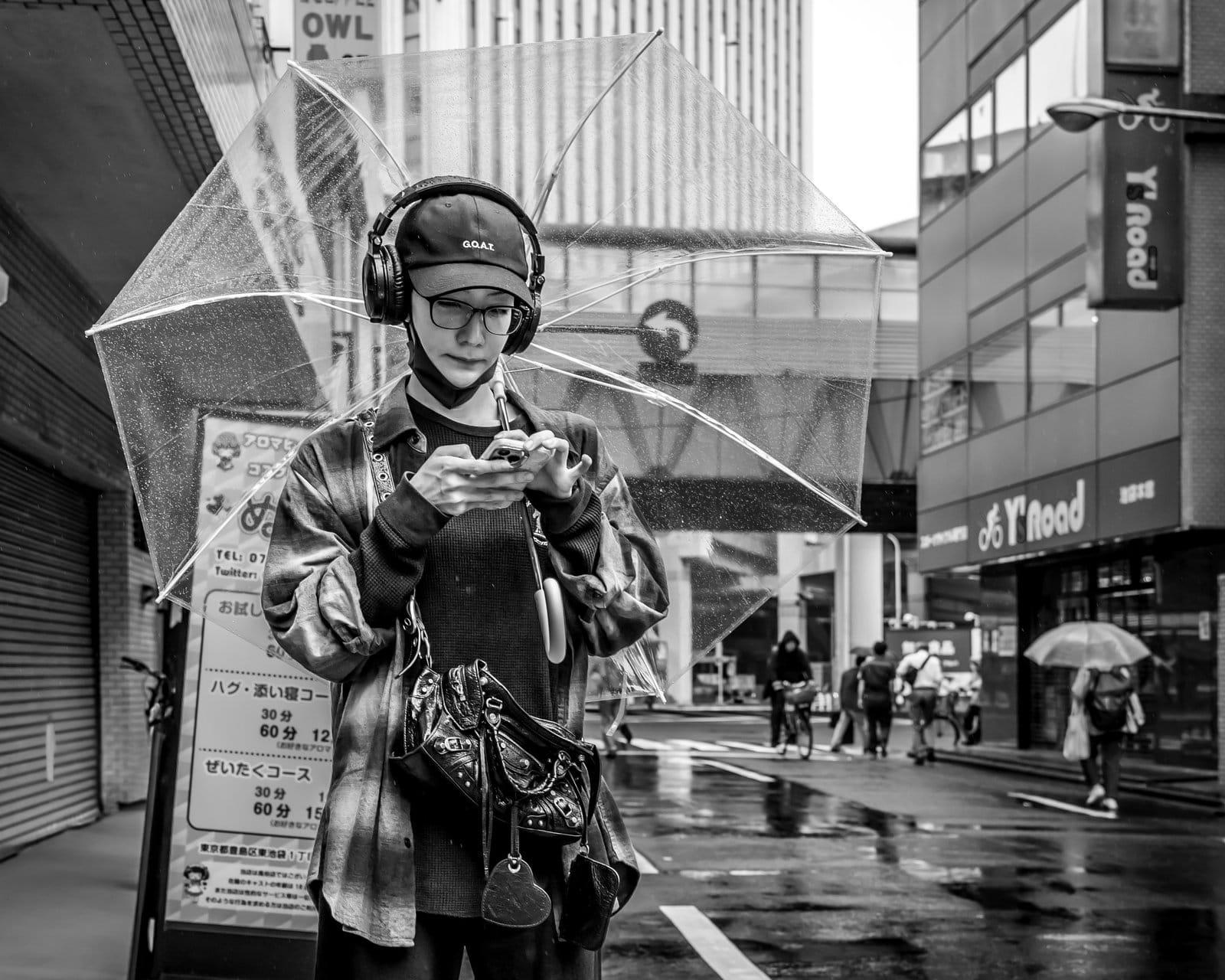
- Waterproof Outerwear: A light, packable waterproof jacket or a sturdy umbrella is essential. You can easily purchase affordable, good-quality umbrellas from convenience stores (konbini) or ¥100 shops (like Daiso) across Japan for around ¥500-¥1,000 (~₹280-₹560).
- Comfortable, Waterproof Shoes: This is perhaps the most crucial item. Sneakers or walking shoes that are water-resistant or quick-drying will save your feet from discomfort. Avoid open sandals if you plan extensive walking.
- Moisture-Wicking Socks: To keep your feet dry and prevent blisters.
- Small Towel/Handkerchief: For wiping away perspiration or light rain.
- Portable Fan: A small, battery-operated fan can be a blessing during humid days.
- Insect Repellent: Especially if you plan to visit gardens or rural areas.
- Reusable Bag: For shopping, as plastic bags often incur a small charge.
Preparation Tips:
- Check Weather Forecasts Daily: Japanese weather forecasts are highly accurate. Use apps like Japan official weather (provided by Japan Meteorological Agency) or Google Weather.
- Flexibility in Itinerary: Build in some flexibility. On a particularly rainy day, pivot to indoor activities. On a sunny break, seize the opportunity for outdoor exploration.
- Book Accommodations with Laundry Facilities: Many hotels, especially business hotels, have coin-operated laundry machines, which are incredibly useful for drying clothes and packing light. A wash and dry cycle typically costs ¥300-¥500 (~₹168-₹280).
- Stay Hydrated: High humidity can lead to dehydration, even if it's not scorching hot. Carry a water bottle and refill it often. Vending machines are ubiquitous and offer a wide range of beverages.
- Download Offline Maps and Translation Apps: Google Maps works well for navigation. Google Translate's camera function is invaluable for deciphering menus and signs.
- Japan Rail Pass: If you plan extensive inter-city travel, especially a return trip to Hokkaido, assess if a Japan Rail Pass (Green or Ordinary) is cost-effective. Remember to purchase it before arriving in Japan. An Ordinary 7-day JR Pass costs ¥33,610 (~₹18,822) as of 2026. Compare this to individual ticket prices for your planned routes using sites like Hyperdia or Japan Transit Planner.
By taking these steps, you'll be well-prepared to enjoy Japan, rain or shine, making the most of its unique summer charm.
Sample Itinerary Snippet: A Tokyo-Kyoto-Hokkaido Blend (10-12 Days)
This sample itinerary demonstrates how to blend the cultural depth of Honshu with the refreshing summer of Hokkaido, keeping the June-July conditions and the needs of Indian/Bangladeshi travelers in mind.
Days 1-4: Tokyo – Urban Exploration & Indoor Wonders
- Day 1: Arrive at Narita (NRT) or Haneda (HND), transfer to your Tokyo hotel. Settle in, explore your local neighborhood (e.g., Shinjuku or Shibuya) in the evening. Dinner at a halal-friendly ramen spot or an Indian restaurant.
- Day 2: Morning: Tokyo National Museum (Ueno Park). Afternoon: Explore Akihabara's electronics and anime shops (mostly indoors). Evening: Dinner and panoramic views from the Tokyo Metropolitan Government Building (free entry).
- Day 3: Morning: teamLab Planets TOKYO DMM for an immersive digital art experience. Afternoon: Ginza for department store exploration (depachika food halls are great for snacks). Evening: Kabuki-za Theatre for a single act (makumi) or a relaxing dinner.
- Day 4: Morning: Day trip to Kamakura for hydrangea viewing at Meigetsu-in and Hase-dera temples. Pack an umbrella and wear waterproof shoes. Afternoon: Return to Tokyo. Evening: Explore an underground shopping arcade or try a local izakaya with vegetarian options.
Days 5-7: Kyoto – Culture & Serenity
- Day 5: Morning: Shinkansen (bullet train) to Kyoto (approx. 2.5-3 hours, covered by JR Pass). Check into your hotel. Afternoon: Nishiki Market (covered street) for a culinary stroll, sampling local vegetarian snacks. Evening: Walk through Gion, Kyoto's geisha district.
- Day 6: Morning: Mimuroto-ji Temple for hydrangeas (if bloom allows). Afternoon: Traditional tea ceremony experience. Evening: Dinner, perhaps Shojin Ryori at a temple or a vegetarian-friendly cafe.
- Day 7: Morning: Kyoto National Museum or Kyoto International Manga Museum. Afternoon: Teramachi and Shinkyogoku shopping arcades for souvenirs. Consider a cooking class focusing on Japanese vegetarian dishes.
Days 8-10: Hokkaido – Summer Escape
- Day 8: Morning: Fly from Osaka (Kansai International Airport, KIX) or Tokyo (HND) to Sapporo (CTS). Transfer to your Sapporo hotel. Afternoon: Explore Odori Park and the Sapporo Clock Tower. Evening: Sapporo Beer Garden & Museum.
- Day 9: Day trip to Furano and Biei for lavender fields (mid-July onward). Rent a car or join a tour for flexibility. Enjoy lavender ice cream. Return to Sapporo.
- Day 10: Morning: Day trip to Otaru. Explore the canal, glass workshops, and music box museum. Enjoy fresh local produce. Afternoon: Return to Sapporo. Evening: Last chance for Hokkaido ramen or another local specialty.
Days 11-12: Departure
- Day 11: Fly from Sapporo (CTS) back to Tokyo (HND/NRT) for connecting international flights, or directly from CTS if available.
- Day 12: Depart from Japan.
This itinerary is flexible; adjust the number of days in each location based on your interests and flight schedule. Remember to pre-book Shinkansen tickets (if not using a JR Pass) and domestic flights.
Getting Around: JR Pass and Local Transport in the Rain
Navigating Japan's efficient public transport system, even during the rainy season, is generally a smooth experience. The infrastructure is well-developed, and stations are often connected to underground passages and shopping areas, minimizing exposure to the elements.
The Japan Rail Pass is a popular choice for tourists, offering unlimited travel on JR trains, including Shinkansen (bullet trains, excluding Nozomi and Mizuho services) and some JR buses. For an itinerary covering Tokyo, Kyoto, and Hokkaido, a 7-day or 14-day JR Pass can be highly economical. A 7-day Ordinary Pass costs ¥33,610 (~₹18,822). It's crucial to purchase this pass before you arrive in Japan, as it's not available for purchase domestically (except at a higher price for a limited time). Once in Japan, you'll exchange your voucher for the actual pass at a major JR station.
Booking Shinkansen Seats: Even with a JR Pass, it's advisable to reserve seats, especially for popular routes or during busy times. This is particularly useful during the rainy season when people prefer covered waiting areas. You can do this at any JR ticket office (Midori no Madoguchi) at major stations. Present your JR Pass and your desired train details. The process is straightforward, much like booking a reservation on IRCTC, but with a more modern interface.
Local Transportation: For getting around within cities like Tokyo and Kyoto, the local subway and bus networks are extensive. The Tokyo Metro and Toei Subway in Tokyo, and the Kyoto City Bus system, are incredibly efficient. Purchase a rechargeable IC card like Suica or Pasmo (available at vending machines at any major station for a ¥500 (~₹280) deposit, which is refundable). These cards work across most public transport systems nationwide, including local JR lines, subways, and buses, simplifying travel – just tap and go, much like using a Metro card in Delhi. This avoids fumbling for change or buying individual tickets in the rain.
When traveling during tsuyu, leverage Japan's underground networks. Many major stations in Tokyo (Shinjuku, Tokyo Station, Shibuya) and Osaka have vast underground shopping malls and walkways that connect various subway lines and department stores. This allows you to walk significant distances indoors, staying dry and comfortable, and often discovering hidden gems along the way. Always have an umbrella handy when you do emerge, and wear comfortable, waterproof shoes for exploring.
Key Takeaways
- Japan's June-July "tsuyu" (rainy season) is distinct from the heavy South Asian monsoon, with more intermittent showers and often sunny breaks.
- This period offers unique experiences like the stunning hydrangea (ajisai) bloom, particularly in Kamakura and Kyoto.
- Travelers can find significant savings on accommodation and potentially flights due to fewer international tourists compared to peak seasons.
- An indoor-centric itinerary focusing on museums, department stores, shopping arcades, and cultural experiences in Tokyo and Kyoto is highly recommended.
- Hokkaido provides a dry, pleasant summer alternative with beautiful lavender fields in Furano and diverse nature experiences.
- Vegetarian and halal food options are increasingly available, especially in major cities, with apps and key phrases aiding in finding suitable dining.
- Smart packing, including lightweight, quick-drying clothes, waterproof shoes, and an umbrella, is crucial for comfort.
- Leverage Japan's efficient public transport, including the Japan Rail Pass and IC cards (Suica/Pasmo), and utilize underground station networks to stay dry.
FAQ
Q. Is June-July a good time for first-time visitors to Japan? A. Yes, absolutely. While it's the rainy season, it offers a less crowded experience, potential cost savings, and unique seasonal beauty like hydrangeas. With proper planning for indoor activities and a visit to Hokkaido, it can be a very rewarding first trip.
Q. What's the best way to handle the humidity during this time? A. Pack lightweight, breathable, and quick-drying clothing. Stay hydrated, use a portable fan if needed, and take advantage of air-conditioned indoor spaces like museums, department stores, and cafes for breaks.
Q. How easy is it to find vegetarian food in Japan, especially outside of major cities? A. In Tokyo, Kyoto, and Osaka, vegetarian and vegan options are growing, and apps like HappyCow or a Google Maps search for "vegetarian" or "vegan" will turn up plenty of choices. Outside the major cities, pure vegetarian food (without dashi) is harder to find, so plan ahead: rely on konbini staples such as ume or kombu onigiri, salads and fruit, check ingredients with a translation app, and carry key phrases like "Watashi wa bejitarian desu" (I am vegetarian) and "Dashi nashi de onegaishimasu" (No dashi/fish stock, please).