Onsen for the Hesitant: A Modesty-Friendly Hot Spring Guide
Your ultimate guide to Japan's onsen for travelers from India & Bangladesh. Discover private baths, swimwear resorts, and tattoo-friendly options.
Jul 10, 2026·✍️ olablog·⏱ 23 min read
Your ultimate guide to Japan's onsen for travelers from India & Bangladesh. Discover private baths, swimwear resorts, and tattoo-friendly options.
Japan's hot springs, or onsen, are an iconic experience, deeply woven into the fabric of its culture and wellness. For many first- or second-time visitors from India and Bangladesh, the idea of communal bathing can understandably be a source of hesitation due to modesty concerns. However, with a little planning, you can absolutely enjoy the therapeutic warmth of an onsen in complete privacy or within swimwear-allowed facilities, often for as little as ¥1,500 (approx. ₹840) for a private session. This guide will help you navigate the onsen landscape, ensuring a comfortable and unforgettable experience tailored to your preferences.
Understanding Onsen Culture: Beyond the Nudity Barrier
The concept of onsen in Japan goes far beyond simply taking a bath; it's a centuries-old tradition rooted in purification, relaxation, and healing. Volcanic activity blesses Japan with thousands of natural hot springs, each offering unique mineral compositions believed to soothe various ailments and invigorate the body. For Japanese people, communal bathing in an onsen is a natural and revered practice, a place to unwind, socialize quietly, and cleanse both body and spirit. It's not about public display but about shared tranquility and respect for the natural resource.
For travelers from South Asia, where public bathing norms are vastly different, the idea of entering an onsen without clothing can feel daunting. This apprehension is entirely valid and widely acknowledged by the Japanese tourism industry, which has increasingly adapted to cater to diverse cultural expectations. The good news is that experiencing the benefits of onsen – improved circulation, muscle relaxation, and mental clarity – does not have to involve communal nudity. Japan offers numerous alternatives that prioritize privacy and comfort, making this quintessential experience accessible to everyone, regardless of their modesty preferences.
Historically, onsen were often mixed-gender, but segregation by gender became common in the Meiji era. Even today, the focus remains on cleanliness and quiet introspection rather than any social judgment. Understanding this cultural context can ease some initial anxieties, but ultimately, finding an onsen that aligns with your personal comfort level is paramount. Many onsen towns also offer "ashiyu" (foot baths) which are a great, relaxed introduction, often free, and do not require undressing.
Your Sanctuary Awaits: Private Onsen (Kashikiri Buro)
For those prioritizing absolute privacy, a kashikiri buro (貸切風呂), or private onsen, is your ideal choice. These are individual bathing rooms, often beautifully designed, that you can reserve for a specific duration, typically 45 to 90 minutes. They can be found in various settings, from luxurious ryokan (traditional inns) to dedicated day-use onsen facilities, providing a completely secluded space for you, your family, or your travel companions. This means you can enjoy the therapeutic waters without any concern for communal bathing norms.
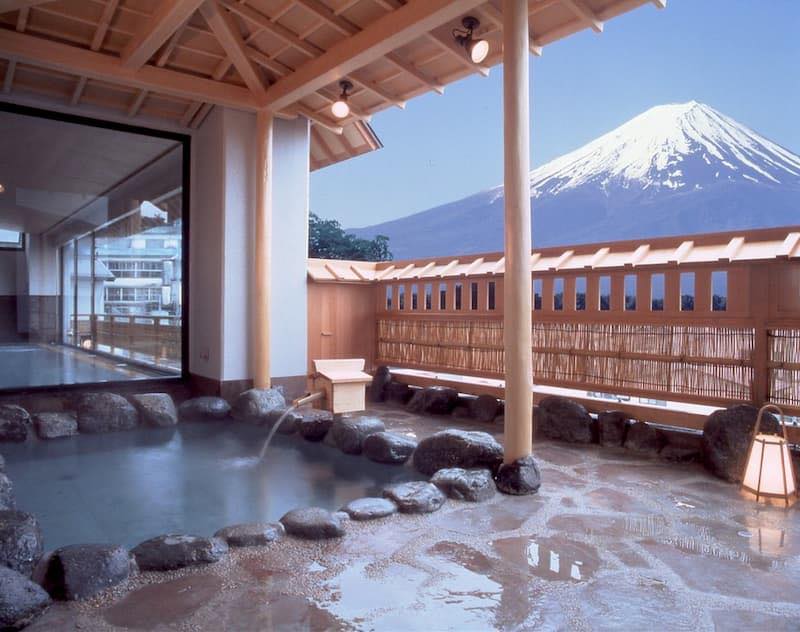
Private onsen come in several forms. Some are attached to a private guest room within a ryokan, offering unlimited access during your stay. Others are separate facilities within the ryokan grounds that guests can book. Day-use onsen facilities also commonly offer private rooms for hourly rental. These rooms often feature a changing area, a washing station with shower and amenities, and a beautiful bath, which might be indoors or feature an open-air rotenburo with scenic views. The privacy allows you to relax fully, setting your own pace and truly immersing yourself in the experience without external worries.
Booking a private onsen is generally straightforward. If you are staying at a ryokan, inquire about private onsen availability when making your reservation or upon check-in. Many ryokans allow you to book a slot for a small additional fee or include it as part of a premium room package. For day-use onsen, you can often reserve a private bath upon arrival, though booking ahead, especially on weekends or during peak seasons, is highly recommended. Websites like Booking.com, Rakuten Travel, and the official ryokan websites often list private onsen options. Always look for keywords like "private bath," "family bath," or "kashikiri buro" in the descriptions.
Typical Costs for Private Onsen (Illustrative):
| Type of Facility | Duration | Average Cost (¥) | Average Cost (approx. ₹) | Notes |
|---|---|---|---|---|
| Day-use Onsen | 45-60 minutes | ¥2,000 - ¥5,000 | ₹1,120 - ₹2,800 | Per room, often for 2-4 people. Entrance fee may be separate. |
| Ryokan Guest (Add-on) | 45-90 minutes | ¥3,000 - ¥8,000 | ₹1,680 - ₹4,480 | Per room, for guests staying overnight. |
| In-room (Ryokan) | Unlimited | ¥30,000+ | ₹16,800+ | Included with premium room rate. |
Prices are for the private bath facility, not per person, unless specified. Always confirm the number of people allowed and whether an additional onsen entrance fee applies. For Bangladeshi travelers, ¥1,000 is approximately BDT 750-800, so a private bath could range from BDT 1,500 to BDT 6,000.
When you book, staff will typically provide you with a time slot and directions. Arrive a few minutes early. Most facilities will have a changing area inside the private room itself. Remember to rinse thoroughly before entering the bath, as is standard onsen etiquette.
Swimwear-Allowed Onsen & Spa Resorts: A Different Kind of Dip
While traditional onsen strictly prohibit swimwear, a growing number of modern spa resorts and "onsen theme parks" cater specifically to guests who prefer to bathe clothed. These facilities are an excellent choice for those from India and Bangladesh who wish to experience hot spring relaxation without the need for nudity. They often resemble large leisure complexes, blending natural hot springs with various pools, saunas, and recreational areas.
One of the most famous examples is Hakone Kowakien Yunessun in Hakone, a popular day trip destination from Tokyo. Yunessun features a vast indoor and outdoor area where swimwear is mandatory, offering unique themed baths like coffee baths, wine baths, and even green tea baths, alongside more conventional hot spring pools. It’s a lively, family-friendly atmosphere, more akin to a water park than a traditional tranquil onsen. These types of facilities often have separate, traditional nude onsen areas within the same complex for those who prefer them, so be sure to check the signage carefully.
Another category includes some luxury hotels and resorts that incorporate natural hot springs into their facilities, sometimes offering specific pools or areas where swimwear is permitted. These are less common than the private onsen or dedicated theme parks but are worth seeking out if your accommodation preferences lean towards a resort experience. When researching, look for terms like "spa resort," "swimwear allowed," or "family-friendly onsen" in their descriptions. Some facilities might also have mixed-gender swimwear areas alongside gender-segregated nude baths.
Key Differences from Traditional Onsen:
- Atmosphere: Generally more lively, social, and family-oriented, contrasting with the quiet, meditative atmosphere of traditional onsen.
- Hygiene: While still clean, the pre-bath washing ritual might be less stringent than in traditional nude onsen, but good personal hygiene is always expected.
- Facilities: Often include a wider range of amenities like water slides, restaurants, souvenir shops, and relaxation lounges.
- Cost: Entrance fees can be higher than for basic traditional onsen, reflecting the broader range of facilities. A day pass might cost ¥3,000 - ¥5,000 (approx. ₹1,680 - ₹2,800).
When planning to visit a swimwear-allowed facility, it's always best to check their official website for the most current information on policies, opening hours, and admission fees. Some might require specific types of swimwear, though most standard swimwear is acceptable. Remember to bring your own towel or be prepared to rent one. These resorts provide a fantastic opportunity to enjoy Japan's hot springs in a culturally sensitive and comfortable manner for conservative travelers.
Tattoos and the Hot Spring: Navigating the Ink
For travelers with tattoos, the onsen landscape in Japan has historically presented a challenge. Tattoos in Japan have a long association with organized crime (Yakuza), leading many traditional onsen to ban tattooed individuals to maintain a family-friendly and safe environment. This policy, while rooted in a specific cultural context, often causes confusion and frustration for international visitors whose tattoos carry no such connotations.
However, the situation is evolving. With the increase in international tourism, more and more onsen, particularly those in tourist-heavy areas or modern spa resorts, are becoming tattoo-friendly. This change is still gradual, but it means you have more options than ever before. It's crucial to research specific onsen policies before your visit, as there is no universal rule.
How to Navigate Onsen with Tattoos:
- Seek Out Tattoo-Friendly Onsen: A growing number of establishments explicitly welcome tattooed guests. Websites like "Tattoo-Friendly Onsen in Japan" (a simple Google search will yield several such compilation sites) or travel blogs often list these places. Look for onsen in larger cities or resort areas, which tend to be more accommodating.
- Private Onsen (Kashikiri Buro): This is the most reliable solution. Since you are in a private, enclosed space, tattoo policies are usually relaxed or non-existent. You have complete freedom to enjoy the bath without concern. This is often the recommended approach for those with larger or multiple tattoos.
- Cover-Up Stickers/Bandages: For smaller tattoos, some onsen may permit entry if the tattoo can be completely covered with waterproof bandages or "tattoo cover-up seals." These are available at pharmacies in Japan or can be purchased online beforehand. Always check with the staff upon arrival if this is an acceptable solution for their specific policy. Be prepared to show your covered tattoo.
- Inquire Discreetly: If you're unsure, try to inquire discreetly at the reception. You can use a translation app or a simple phrase like "Tattoo daijoubu desu ka?" (Is a tattoo okay?). Be prepared for a polite refusal, and have a backup plan.
- Respect the Rules: If an onsen has a strict no-tattoo policy and does not offer a cover-up solution, respect their rules. Arguing or attempting to sneak in can cause discomfort for both you and the staff.
It's worth noting that while policies are changing, some smaller, more traditional, or rural onsen may still maintain strict bans. Always err on the side of caution and research thoroughly. For families from India and Bangladesh where tattoos might also carry certain social connotations or are less common, understanding these policies can help manage expectations and ensure a smooth, respectful experience.
Your First Onsen Journey: A Step-by-Step Guide for Hesitant Travelers
Embarking on your first onsen experience, especially if you're feeling hesitant, is best done in a private onsen (kashikiri buro). This allows you to follow the traditional etiquette at your own pace and in complete privacy. Here’s a step-by-step script for a comfortable and respectful first onsen journey:
Pre-Arrival Preparation:
- Hydrate: Drink plenty of water before and after your bath to avoid dehydration, especially with hot water.
- Light Meal: Avoid heavy meals or alcohol right before your bath. A light snack is fine.
- Essentials: Bring a small towel (for washing), a larger bath towel (for drying), and your personal toiletries if you prefer (shampoo, soap). Many ryokans provide these, but day-use onsen might charge a rental fee.
- Hair Tie: If you have long hair, bring a hair tie to keep it out of the water.
Arrival and Check-in:
- Locate the reception area for your private onsen booking.
- Confirm your reservation, pay any fees (if not prepaid), and receive directions to your private room. You might be given a key or simply directed to an unoccupied room.
Entering Your Private Onsen Room:
- Once inside, you'll find a changing area, usually with baskets or lockers for your clothes and belongings.
- Remove All Clothing: This is the private part. In your private onsen room, you will remove all your clothes. Place them neatly in the provided basket.
- Small Towel (Kakeyu Towel): Take only your small wash towel with you into the bathing area. The large bath towel should remain in the changing area for drying off after your bath.
The Washing Ritual (Kakeyu):
- Before entering the main bath, you must thoroughly wash your body. This is crucial for hygiene and respect for the shared water (even if private, it’s a good habit).
- Head to the washing station, which typically has a small stool, a basin, and a showerhead.
- Sit on the stool and use the shower, soap, and shampoo to cleanse your entire body. Pay attention to rinsing off all soap residue.
- You can use your small towel to scrub gently.
- Rinse Thoroughly: Ensure no soap or shampoo remains on your body before stepping into the hot spring.
Entering the Onsen Bath:
- Slowly and carefully step into the hot spring water. The water can be very hot, so ease in to allow your body to adjust.
- Keep Your Small Towel: Your small towel should never touch the bath water. You can place it folded on your head (a common practice to prevent overheating), or on the side of the bath.
- Relax and Soak: Find a comfortable spot and simply relax. Enjoy the warmth, the minerals, and the quiet. The goal is to unwind, not to swim or splash.
- Time: Soak for 10-15 minutes, or until you feel comfortably warm. If you feel dizzy or unwell, get out immediately. You can take short breaks outside the bath and re-enter.
After the Bath:
- When you're ready to exit, slowly get out.
- Do Not Rinse Off: In most onsen, it's recommended not to rinse off the mineral-rich water immediately after bathing, as the minerals are believed to continue working on your skin. However, if you feel uncomfortable or sensitive, a quick, light rinse is acceptable.
- Drying: Use your small towel to wring out excess water from your body before returning to the changing area. Once in the changing area, use your large bath towel to dry yourself completely.
Post-Onsen Relaxation:
- Get dressed at your leisure.
- Rehydrate: Drink more water, tea, or a sports drink to replenish fluids. Many onsen facilities have vending machines or rest areas where you can relax.
- Enjoy the feeling of warmth and relaxation that lingers long after your bath.
This structured approach, especially within a private setting, will allow you to fully appreciate the onsen experience without any cultural discomfort.
Choosing Your Onsen Destination: Beyond the Usual Suspects
While popular onsen towns like Hakone and Beppu are excellent choices, Japan offers a plethora of hot spring destinations, each with its unique charm and often with ample private bathing options. For travelers from India and Bangladesh looking for a serene and private onsen experience, exploring some slightly less crowded but equally rewarding locations can be beneficial.
Hakone (Kanagawa Prefecture): Just a couple of hours from Tokyo by train, Hakone is a classic choice, renowned for its stunning views of Mount Fuji (on clear days), serene lake, and diverse onsen. It's easily accessible via the Hakone Free Pass (approx. ¥6,100 / ₹3,416 for 2 days), which covers various modes of transport like cable cars, ropeways, and boats.
- Private Onsen Options: Many ryokans in Hakone, particularly in areas like Yumoto, Gora, and Sengokuhara, offer private baths. Examples include Hakone Suimeisou or Hakone Ginyu (luxury). Day-use facilities like Hakone Yuryo are also famous for their private kashikiri options, starting from around ¥4,000 (approx. ₹2,240) for an hour.
- Swimwear-Allowed Option: Hakone Kowakien Yunessun, as mentioned, is a major swimwear-friendly onsen theme park.
Beppu (Oita Prefecture): Located on Kyushu island, Beppu is one of Japan's most famous onsen towns, boasting more hot spring sources and water volume than any other. It's famous for its "Hells of Beppu" (Jigoku Meguri), a series of spectacular, non-bathing hot springs.
- Private Onsen Options: Beppu has numerous ryokans and public bathhouses with private baths. Kannawaen and Suginoi Hotel (though Suginoi is mostly swimwear-friendly terraced baths) are well-known, as are smaller, local establishments. Look for "family bath" signs.
- Unique Experience: Try a sand bath (sunayu), where you're buried in naturally heated volcanic sand – a unique experience that can be done with minimal exposure.
Kurokawa Onsen (Kumamoto Prefecture): Nestled in a secluded valley in Kyushu, Kurokawa is a picturesque onsen village celebrated for its traditional atmosphere and open-air baths. It's less touristy than Hakone or Beppu, offering a more authentic, tranquil experience.
- Private Onsen Options: Many ryokans here offer private baths, often included with an overnight stay or available for a fee. The charm of Kurokawa lies in its "onsen-hopping" pass (Nyuto Tegata, approx. ¥1,300 / ₹728), which allows entry to three different baths. While primarily for communal baths, some ryokans will have private options available alongside.
Gero Onsen (Gifu Prefecture): Known as one of Japan's "Three Famous Onsen," Gero is celebrated for its smooth, skin-beautifying waters. It's accessible by JR train from Nagoya.
- Private Onsen Options: Several ryokans in Gero offer private baths. Gero Onsen Suimeikan and Ogawayasou are popular choices. The town itself has a relaxed, traditional feel.
Transportation & Budget: Accessing these towns usually involves Japan Rail (JR) lines. Consider purchasing a Japan Rail Pass if you plan extensive travel, which can offer significant savings similar to how an extended IRCTC pass might for India. For shorter trips or specific regions, regional passes (like the Hakone Free Pass) are more economical. Booking trains in Japan is efficient, much like the Delhi Metro in terms of punctuality, but booking long-distance shinkansen (bullet trains) requires a system more akin to IRCTC's reserved seating, often done online or at JR ticket offices.
When planning, check the official websites of the ryokans or onsen facilities. Many now have English-language pages, and booking platforms like Booking.com, Agoda, and Rakuten Travel are also excellent resources.
Beyond the Bath: Onsen Ryokan Stays and Cuisine
An onsen experience is often beautifully complemented by a stay at a ryokan, a traditional Japanese inn. Ryokans offer a holistic cultural immersion, combining comfortable tatami-mat rooms, exquisite multi-course meals (kaiseki), and, of course, access to their onsen facilities. For guests from India and Bangladesh, particularly those concerned about food, ryokans present a unique opportunity to experience Japanese hospitality while carefully managing dietary needs.
Most ryokans offer kaiseki dinners and breakfasts, which are elaborate and artistically presented meals. These typically feature seasonal ingredients, local specialties, and a variety of small dishes. While traditionally heavy on seafood and meat, many ryokans are increasingly accommodating dietary restrictions if informed in advance.
Addressing Vegetarian and Halal Needs:
- Communicate Clearly and Early: This is the single most important step. When booking your ryokan, use the comments section or send a direct email to clearly state your dietary requirements. Specify "vegetarian" (no meat, fish, dashi, or animal products), "vegan" (stricter vegetarian, no dairy, eggs, honey), or "halal."
- Be Specific: Instead of just "vegetarian," explain "no meat, no fish, no chicken, no dashi (fish stock), no eggs, no animal fats." For halal, state "halal food only, no pork, no alcohol, meat must be halal certified." While true halal certification is rare outside major cities, some ryokans can prepare meals without pork or alcohol and use fish or vegetables.
- Patience and Understanding: While many ryokans will try their best, some may have limited options, especially in rural areas where fresh produce variety or specific halal ingredients might be scarce. They might offer simpler, vegetable-focused dishes.
- Google Translate: Have key phrases ready in Japanese on your phone (e.g., 「私はベジタリアンです。肉、魚、鶏肉、出汁は食べられません。」 - "I am vegetarian. I cannot eat meat, fish, chicken, or dashi.") for any last-minute clarification.
Sample Ryokan Experience (with Private Onsen focus):
Imagine arriving at a ryokan in Hakone. You're greeted by staff, check-in, and are shown to your traditional room. After settling in, you might don a yukata (a casual cotton kimono provided by the ryokan) – this is perfectly acceptable to wear around the ryokan and to and from the onsen.
Your pre-booked private onsen slot is for 7 PM. You head to your private room, follow the washing ritual, and then immerse yourself in the warm, mineral-rich water, perhaps with a view of the mountains. After a relaxing soak, you return to your room.
Later, a kaiseki dinner, pre-arranged for your vegetarian preference, is served in your room or the dining area. It might feature tempura of seasonal vegetables, tofu dishes, local mountain vegetables, steamed rice, and clear soup (made without dashi). The next morning, a Japanese breakfast, again adapted, might include grilled vegetables, pickled items, rice, and miso soup.
The cost of a ryokan stay with two meals and onsen access can vary widely, from ¥15,000 (approx. ₹8,400) per person per night for a modest inn to ¥50,000 (approx. ₹28,000) or more for luxury establishments with in-room private baths. This is a significant investment but offers an unparalleled cultural experience. When considering the price, remember it often includes not just accommodation but also a lavish dinner, breakfast, and onsen access, which would be separate costs otherwise.
Planning Your Onsen Trip on a Budget: Smart Choices
Experiencing Japan's onsen culture doesn't always require a hefty budget. With smart planning, travelers from India and Bangladesh can enjoy the therapeutic benefits without breaking the bank. Here are several strategies for a budget-friendly onsen trip:
Day-Use Onsen (Higaeri Onsen):
- Instead of an overnight ryokan stay, opt for higaeri onsen (day-use onsen). Many ryokans and dedicated onsen facilities offer access to their baths (including private ones) for a few hours during the day.
- Cost: Entrance fees for public day-use onsen typically range from ¥500 - ¥1,500 (approx. ₹280 - ₹840). Private baths, as discussed, will be an additional ¥2,000 - ¥5,000 (approx. ₹1,120 - ₹2,800) for an hour.
- This allows you to experience the onsen without the cost of accommodation and meals.
Look for Onsen with Free Ashiyu (Foot Baths):
- Many onsen towns have free public ashiyu (foot baths) located in squares or by the roadside. These are a fantastic, no-cost way to relax and soak your feet after a day of sightseeing. They require no undressing and are a gentle introduction to hot spring culture.
Choose Accommodation Strategically:
- Business Hotels with Onsen: Some modern business hotels, especially those in regional cities or near hot spring areas, now incorporate their own onsen facilities. These might be communal, but some could offer private options. The room rates are generally lower than traditional ryokans.
- Guest Houses/Hostels: A few guesthouses or hostels in onsen towns might have basic onsen facilities or partner with local bathhouses for discounted entry.
- Self-Catering: If you're on a very tight budget, consider staying in self-catering apartments or hotels without meal plans. You can then purchase food from supermarkets or convenience stores (like FamilyMart, 7-Eleven, Lawson), which offer a surprising variety of fresh and affordable options, including vegetarian-friendly bentos and snacks. Always check labels for ingredients, as dashi (fish stock) is very common.
Transportation Passes:
- JR Pass: If you're traveling extensively across Japan, a Japan Rail Pass (akin to a multi-city IRCTC pass) can be a significant saving. For example, a 7-day Ordinary Pass costs around ¥50,000 (approx. ₹28,000). Research if your itinerary justifies the cost.
- Regional Passes: For focused travel, regional passes like the Hakone Free Pass, Kansai Thru Pass, or Kyushu Rail Pass offer unlimited travel within specific areas and often include discounts on attractions. This is similar to how local metro passes (like Delhi Metro's tourist cards) are cost-effective for urban exploration.
- Local Buses: Utilize local buses within onsen towns. They are generally affordable and reliable.
Timing Your Visit:
- Off-Peak Season: Traveling during shoulder seasons (spring before Golden Week, autumn after mid-November) or outside major Japanese holidays can result in lower prices for accommodation and fewer crowds. Avoid Golden Week (late April/early May), Obon (mid-August), and New Year's if possible, as prices surge.
- Weekdays: Ryokan and private onsen rates are almost always lower on weekdays compared to weekends.
By combining these strategies, you can enjoy the unique relaxation of a Japanese onsen experience, whether in a private bath or a swimwear-friendly resort, without overspending, ensuring your trip to Japan remains both memorable and economical.
Key Takeaways
- Privacy is Possible: Private onsen (kashikiri buro) are readily available at ryokans and day-use facilities, offering complete seclusion for individuals, families, or couples.
- Swimwear Options Exist: Modern spa resorts and "onsen theme parks" like Hakone Kowakien Yunessun allow swimwear, providing a comfortable alternative to traditional nude bathing.
- Tattoos Are Not Always a Barrier: While traditional onsen may have bans, many facilities are now tattoo-friendly, and private onsen are always a safe bet for tattooed travelers.
- Communicate Dietary Needs Early: When staying at a ryokan, inform them well in advance about vegetarian, vegan, or halal requirements for meals to ensure a suitable dining experience.
- Budget-Friendly Choices: Day-use onsen, free foot baths (ashiyu), and strategic travel planning can make the onsen experience accessible without requiring an expensive ryokan stay.
- Follow Etiquette: Even in private onsen, always wash thoroughly before entering the bath, keep your small towel out of the water, and maintain a respectful, quiet demeanor.
- Hydrate: Drink plenty of water before and after your bath to avoid dehydration, especially given Japan's humid climate (similar to Indian monsoons, tsuyu).
FAQ
Q. What should I wear to an onsen? A. For traditional onsen (even private ones), you go in without any clothes. You'll typically be provided with a yukata (a light cotton robe) to wear around the ryokan or between changing rooms and the bathing area. For swimwear-allowed onsen resorts, bring your regular swimsuit.
Q. Is it safe to go to an onsen if I have sensitive skin? A. Onsen waters contain various minerals, and some people with very sensitive skin might experience reactions. It's advisable to test the water temperature gradually and not stay in for too long initially. If you have specific skin conditions, consult your doctor. Many onsen have different types of water, so researching the mineral content might be helpful.
Q. Can children join me in a private onsen? A. Absolutely! Private onsen, often called "family baths," are perfect for families with children. It allows parents to supervise their kids easily and enjoy the experience together without worrying about other bathers. Always check if there are age restrictions or specific rules for children at the facility you choose.
Q. How do I find vegetarian/halal food options in an onsen town if my ryokan can't fully accommodate? A. In larger onsen towns, you might find some restaurants offering vegetarian dishes (look for "Yasai" for vegetables or "Shojin Ryori" for Buddhist vegetarian cuisine). Convenience stores (7-Eleven, FamilyMart, Lawson) are excellent for quick, budget-friendly options, often carrying rice balls, sandwiches, and some pre-made salads, but always check ingredients carefully for dashi. Using a translation app to confirm ingredients is highly recommended.
**Q.