What's Actually Worth Buying in Japan vs India
Unlock Japan's best shopping deals for Indian & Bangladeshi travelers. Compare prices on cameras, cosmetics, and watches in INR.
Jul 10, 2026·✍️ olablog·⏱ 19 min read
Unlock Japan's best shopping deals for Indian & Bangladeshi travelers. Compare prices on cameras, cosmetics, and watches in INR.
Planning your dream trip to Japan from India or Bangladesh brings with it the exciting prospect of shopping, but savvy travelers know that not everything is a better deal abroad. This guide cuts through the noise, comparing prices on popular items like electronics, cosmetics, and watches against their costs back home, all converted to approximate Indian Rupees (₹) using a rate of ~₹0.56 per ¥1. Understanding where to splurge and where to save can transform your shopping experience, ensuring you return with genuine value rather than buyer's remorse.
Navigating Tax-Free Shopping: The Golden Rule
Japan's tax-free shopping scheme is a major draw for international visitors, offering a direct 10% saving on eligible purchases. To qualify, you must be a non-resident tourist, spend a minimum of ¥5,000 (excluding tax) at participating stores on general goods (electronics, watches, fashion) or consumable goods (food, cosmetics, medicines). The crucial distinction lies in how the tax exemption is applied: either directly at the point of sale (where the 10% consumption tax is never charged) or by paying the full price and then claiming a refund at a designated counter within the store or airport. Always carry your passport, as it's required for all tax-free transactions. While the 10% saving is consistent, remember that currency conversion rates and potential bank transaction fees can subtly impact your final cost. For instance, a ¥10,000 item effectively becomes ¥9,000 after tax exemption, which translates to approximately ₹5,040.
The process is generally straightforward. Look for stores displaying the "Tax-Free" logo, often seen in major department stores like Bic Camera, Yodobashi Camera, Don Quijote, and many boutiques. When purchasing consumable goods, these are typically sealed in a special bag that should not be opened until you leave Japan. General goods, however, can be used immediately. It's important to keep all receipts and the special "Record of Purchase" slip attached to your passport until you depart. Immigration officials at the airport may check these, although it's increasingly common for the information to be electronically processed. Don't be shy to ask store staff for assistance; most major tourist-oriented shops have English-speaking staff or readily available translation apps. A common mistake is forgetting your passport, rendering you ineligible for the tax exemption on the spot, so always keep it handy when shopping.
Understanding the difference between tax-free and duty-free is also important. Tax-free refers to the consumption tax (10%) exempted at the point of sale in Japan. Duty-free refers to import duties and taxes levied by your home country (India or Bangladesh) when you bring items back. While Japan offers tax-free shopping, you are still subject to your home country's customs regulations and allowances. For Indian travelers, the duty-free allowance can vary, so it's prudent to check the latest regulations from the Central Board of Indirect Taxes & Customs before your trip. Exceeding this allowance means you might have to pay duty upon arrival in India, potentially negating any savings made in Japan.
The Camera Conundrum: Lenses, Bodies, and Your Wallet
For photography enthusiasts from India and Bangladesh, Japan is often considered a pilgrimage site for cameras and lenses. Brands like Sony, Canon, Nikon, and Fujifilm are Japanese giants, and the sheer variety, coupled with tax-free savings, can be tempting. However, the math isn't always simple, especially when considering warranty and post-purchase support. Let's break down the actual value proposition.
Consider a popular mirrorless camera body, say a mid-range model from Sony. In Japan, its launch price might be ¥150,000. After the 10% tax-free discount, you're looking at ¥135,000, which is approximately ₹75,600. The same camera body might retail for ₹85,000 to ₹90,000 in India, depending on ongoing promotions and retailer margins. This represents a significant saving of around ₹9,400 to ₹14,400. Lenses often follow a similar pattern. A prime lens costing ¥80,000 in Japan becomes ¥72,000 (approx. ₹40,320) tax-free, potentially saving you ₹5,000 to ₹10,000 compared to its Indian price of ₹45,000-₹50,000. The savings are even more pronounced for higher-end professional bodies and specialized lenses.
The biggest caveat, however, is the warranty. Most Japanese-purchased electronics, especially cameras, come with a local Japanese warranty. This means that if something goes wrong, you would typically need to send the camera back to Japan for service, which is a costly and time-consuming endeavor. While some global brands offer international warranties, it's crucial to verify this before purchase. Ask the salesperson explicitly about international warranty coverage for your specific model in India or Bangladesh. Do not assume. For many, the peace of mind of a local warranty, even with a slightly higher upfront cost in India, might outweigh the tax-free savings. However, for those comfortable with grey market repairs or who plan to upgrade frequently, the Japanese price advantage can still be compelling. Additionally, the selection of niche lenses or accessories that might not be readily available in India or Bangladesh can be a strong reason to buy in Japan, even with warranty limitations.
When shopping for cameras and lenses, major electronics retailers like Bic Camera and Yodobashi Camera are your best bet. They have multiple floors dedicated to different brands and categories, often with knowledgeable staff. These stores are akin to large electronics hypermarkets in India, but with an unparalleled selection. For example, the Yodobashi Camera Multimedia Akiba store near Akihabara Station in Tokyo is a colossal shopping experience. It's advisable to compare prices across a few stores, as they sometimes run competing promotions. Online research before your trip, noting down specific model numbers and their prices in India, will empower you to make an informed decision on the spot.
| Item Type | Japan (Tax-Free Approx ₹) | India (Approx ₹) | Potential Saving (Approx ₹) | Warranty Consideration |
|---|---|---|---|---|
| Mid-range Mirrorless Body | ₹75,600 (¥135,000) | ₹85,000 - ₹90,000 | ₹9,400 - ₹14,400 | Mostly Japan-only; verify international coverage |
| Prime Lens (e.g., 50mm f/1.8) | ₹40,320 (¥72,000) | ₹45,000 - ₹50,000 | ₹5,000 - ₹10,000 | Mostly Japan-only; verify international coverage |
| High-end DSLR/Mirrorless Body | ₹168,000 (¥300,000) | ₹190,000 - ₹210,000 | ₹22,000 - ₹42,000 | Critical to verify; significant investment |
Uniqlo and Japanese Fashion: Everyday Style for Less?
Uniqlo, a global fashion behemoth, has its roots firmly in Japan, and it's natural to wonder if there's a significant price advantage when shopping at its source. For Indian and Bangladeshi travelers accustomed to Uniqlo's prices at home, the answer is nuanced but generally leans towards minor savings, primarily on specific items, and a much wider selection.
Uniqlo Japan's pricing structure, even after tax exemption, isn't dramatically lower than its Indian counterparts for core items like Heattech innerwear, Ultra Light Down jackets, or basic denim. For example, a standard Men's Heattech Crew Neck T-shirt might cost ¥1,500 in Japan, becoming ¥1,350 (approx. ₹756) tax-free. In India, the same item might retail for ₹990. While there's a saving of around ₹234, it's not a deal-breaker for a single item. The difference becomes more noticeable when buying multiple items or during seasonal sales. However, Uniqlo Japan often introduces limited-edition collaborations, unique regional designs, and an expanded range of sizes and colors that might not be available in India or Bangladesh. This wider variety is a significant draw, allowing you to find pieces that truly stand out.
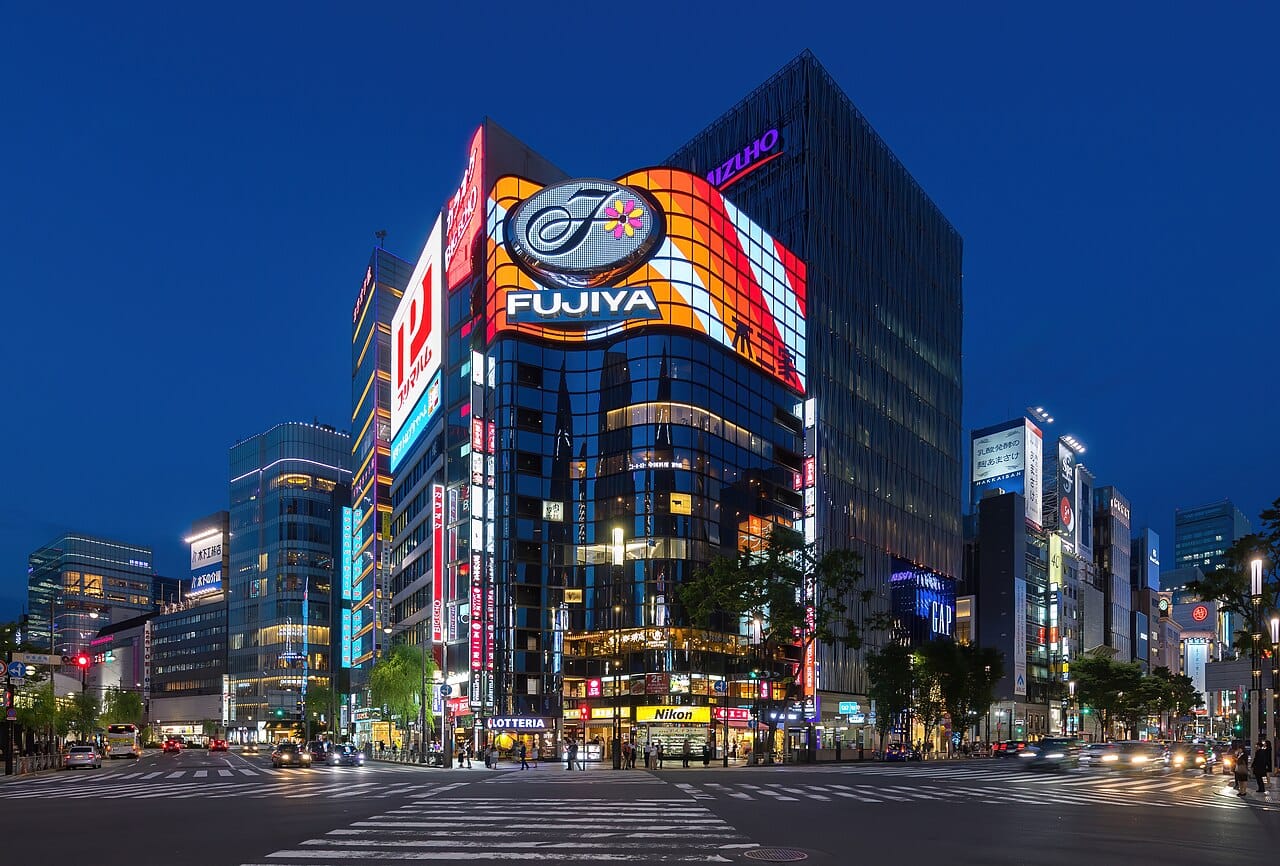
Beyond Uniqlo, Japan offers a plethora of local fashion brands, from fast fashion to high-end designer wear. Brands like GU (Uniqlo's sister brand, even more affordable) and other local chains offer trendy and well-made clothing at very competitive prices. Shopping in areas like Shibuya 109 for youth fashion or Ginza for luxury brands can be an experience in itself. While the aesthetic might differ from what's popular in India or Bangladesh, exploring these local stores can yield unique finds. For basics and everyday wear, Uniqlo and GU are excellent choices, especially if you catch them during a sale period, which are frequent.
When shopping for clothes, remember that Japanese sizing can sometimes run smaller than what you might be used to. It's always best to try items on, or at least consult size charts carefully. Tax-free shopping is available at most major Uniqlo stores, especially those in tourist-heavy areas like Ginza, Shinjuku, and Shibuya. The process is usually quick and efficient. For those seeking durable, functional, and stylish everyday wear, Uniqlo Japan offers good value, primarily due to its broader selection and occasional deeper discounts during specific sale events (keep an eye out for Golden Week or year-end sales).
Drugstore Delights: Cosmetics, Skincare, and Wellness Hauls
Japanese drugstores are a treasure trove for cosmetics, skincare, and wellness products, often referred to as a "drugstore haul" by beauty enthusiasts. For Indian and Bangladeshi visitors, this category offers some of the most consistent and significant savings compared to prices back home, coupled with an astonishing variety of high-quality, innovative products.
Brands like Shiseido (especially their accessible lines like Anessa sunscreen), Kanebo, Kose, and many lesser-known but highly effective brands fill the aisles. Beyond the big names, there's a vast world of sheet masks, essences, serums, and unique makeup items that are either unavailable or significantly more expensive in India and Bangladesh. For instance, a popular Japanese sunscreen like Anessa Perfect UV Skincare Milk (60ml) might retail for around ¥3,300. With tax exemption, it drops to ¥2,970, which is approximately ₹1,663. In India, a similar product could easily cost ₹2,500 to ₹3,500, making the saving substantial. Similarly, high-quality sheet masks can be purchased in multi-packs for ¥1,000-¥2,000 (approx. ₹560-₹1,120) for 7-10 masks, offering incredible value compared to individual sheet masks costing ₹200-₹500 each in India.
Drugstores like Matsumoto Kiyoshi, Don Quijote, and Daikoku Drug are ubiquitous across Japan. They are brightly lit, often multi-story, and packed from floor to ceiling with products. You'll find everything from cult-favorite mascaras and eyeliners to innovative skincare devices and over-the-counter medicines. Many drugstores offer additional discount coupons for tourists, sometimes up to an extra 5% off tax-free prices, so always check for these flyers or online coupons before you shop. Payment is typically straightforward, with most accepting international credit cards.
For those with dietary considerations, particularly vegetarian or halal concerns, it's important to exercise caution when purchasing ingestible wellness products, supplements, or food items from drugstores. While many cosmetics are universally acceptable, some supplements might contain gelatin or other animal-derived ingredients. Always check the ingredient list (which will be in Japanese) or use a translation app if unsure. When in doubt, stick to external application products like skincare and makeup. Many Japanese snacks and candies also contain gelatin. However, a wide range of fruit-based jellies, specific rice crackers (senbei), and certain types of mochi are often vegetarian-friendly. The key is careful reading of labels, or seeking assistance from store staff, though English proficiency can vary.
| Item Category | Japan (Tax-Free Approx ₹) | India (Approx ₹) | Potential Saving (Approx ₹) | Notes |
|---|---|---|---|---|
| Popular Sunscreen (60ml) | ₹1,663 (¥2,970) | ₹2,500 - ₹3,500 | ₹837 - ₹1,837 | Wide variety, high SPF, often unavailable in India |
| Sheet Mask (pack of 7-10) | ₹560 - ₹1,120 (¥1,000-¥2,000) | ₹1,400 - ₹5,000 | ₹840 - ₹3,880 | Excellent value for multi-packs, diverse formulations |
| Cleansing Oil/Balm | ₹1,120 - ₹2,240 (¥2,000-¥4,000) | ₹1,800 - ₹4,000 | ₹680 - ₹1,760 | Many effective, gentle options |
| Skincare Serums | ₹2,800 - ₹5,600 (¥5,000-¥10,000) | ₹4,000 - ₹8,000 | ₹1,200 - ₹2,400 | Innovative ingredients, wider selection |
Timepieces of Value: Seiko, Citizen, and Beyond
Japan is a horological powerhouse, home to iconic brands like Seiko and Citizen, renowned for their precision, innovation, and value. For watch enthusiasts and those seeking a reliable, stylish timepiece, purchasing a watch in Japan can offer excellent value, often with models and limited editions not easily found elsewhere.
Seiko and Citizen watches, ranging from entry-level quartz to sophisticated mechanical movements, are generally priced more competitively in Japan, especially when combined with tax-free shopping. For example, a popular Seiko Presage automatic watch that might cost ¥50,000 in Japan becomes ¥45,000 (approx. ₹25,200) tax-free. The same model could easily retail for ₹30,000-₹35,000 in India, representing a saving of ₹4,800-₹9,800. For higher-end Seiko Prospex or Grand Seiko models, the savings can be even more substantial, potentially running into tens of thousands of rupees. Citizen's Eco-Drive watches, known for their solar-powered movements, also present a strong value proposition, often with a wider selection of designs and features in Japan.
Beyond the major brands, Japan also has a thriving independent watchmaking scene and offers unique JDM (Japanese Domestic Market) models that are highly sought after by collectors. These might not always be cheaper but offer exclusivity. Watch shopping can be done at large electronics stores like Bic Camera and Yodobashi Camera, which have dedicated watch sections, or at specialized watch boutiques. Department stores like Isetan, Mitsukoshi, and Takashimaya also carry a wide range of watches, including luxury brands. The experience in these stores is often more refined, with knowledgeable staff who can provide detailed information.
The warranty situation for watches is generally better than for cameras. Many reputable Japanese watch brands offer international warranties that are honored in India and Bangladesh. However, just like with cameras, it is absolutely essential to confirm this with the salesperson before making a purchase. Ask for the international warranty card and ensure it is properly stamped and filled out. Without it, you might face issues with repairs or servicing back home. The potential savings on watches, combined with the often superior selection and good warranty coverage (if verified), make them a compelling purchase in Japan. When comparing prices, always factor in the tax-free saving and the current exchange rate. Keep an eye out for limited editions or models exclusive to the Japanese market, which can offer unique bragging rights.
Electronics Beyond Cameras: Audio, Gadgets, and Home Tech
While cameras often grab the spotlight, Japan offers a plethora of other electronics that can be worth considering for Indian and Bangladeshi travelers. This includes high-quality audio equipment, unique gadgets, and certain home technology items. However, the value proposition here requires careful consideration of voltage compatibility and warranty.
For audio enthusiasts, Japan is a paradise. High-fidelity headphones, portable music players, and even entry-level audiophile setups from brands like Sony, Audio-Technica, and Panasonic can be found at competitive prices. A premium pair of noise-cancelling headphones might cost ¥40,000 in Japan, becoming ¥36,000 (approx. ₹20,160) tax-free. In India, the same model could be ₹25,000-₹30,000, offering a saving of ₹4,840-₹9,840. The selection of models, especially JDM-exclusive ones, is also a significant advantage. Smaller, innovative gadgets like portable chargers with unique features, smart home devices (though often language-locked), and specialized kitchen appliances might also catch your eye.
The primary concern for home electronics is voltage. Japan uses 100V, while India and Bangladesh use 230V. This means that larger appliances like rice cookers, toasters, or hair dryers purchased in Japan will require a step-down transformer to be used safely in your home country. This adds to the cost and inconvenience, often negating any initial savings. Universal voltage products (those that operate on 100-240V) are generally safe to buy, such as most phone chargers, laptops, and some travel-specific hair dryers. Always check the power adapter or product specifications for "Input: 100-240V ~" before buying. If it only states "100V," avoid it unless you are prepared to invest in a heavy-duty transformer.
Warranty remains a critical factor. Similar to cameras, most smaller electronics will come with a Japan-specific warranty. Unless the product is explicitly stated to have an international warranty, assume it does not. This makes purchases of items like high-end audio equipment a calculated risk, weighing the savings against potential future repair costs. However, for smaller, less expensive gadgets where replacement is easier than repair, the risk might be acceptable.
When shopping for these items, again, Bic Camera and Yodobashi Camera are excellent choices due to their vast inventory. For unique gadgets and niche items, exploring smaller specialty stores in areas like Akihabara Electric Town can be rewarding. Remember to prioritize items that are either universal voltage or offer such significant savings that a future repair (if needed) wouldn't completely erase the benefit. For items like portable chargers, travel adapters (which often have universal voltage), or unique phone accessories, the price difference combined with the sheer variety makes them worthwhile purchases.
Avoiding Common Shopping Pitfalls for Indian and Bangladeshi Travelers
Navigating the shopping landscape in Japan can be exhilarating, but a few common mistakes can dampen the experience. Being aware of these pitfalls will ensure a smoother, more rewarding trip.
Firstly, always carry your passport when planning to make tax-free purchases. Without it, stores cannot process the tax exemption, even if you meet the spending minimum. A digital copy or a photo is generally not accepted. This is the single most important document for tax-free shopping.
Secondly, understand the warranty limitations. As discussed, many electronics and some watches come with Japan-only warranties. Before making a significant purchase, especially for items like cameras or high-end lenses, explicitly ask the salesperson if an international warranty is provided and ensure all necessary documentation (stamped warranty card) is included. Do not hesitate to walk away if the warranty situation is unclear or unfavorable for a high-value item.
Thirdly, be mindful of customs allowances and duties back home. While Japan offers tax-free shopping, India and Bangladesh have their own customs regulations regarding the value of goods you can bring in duty-free. Exceeding these limits can lead to paying duties upon arrival, which can quickly negate any savings. Keep all your purchase receipts organized, as customs officials may ask to see them. It's prudent to declare any high-value items to avoid issues.
Fourthly, currency conversion and payment methods. While the approximate ₹0.56 per ¥1 rate is a good guide, the actual rate your bank offers might fluctuate. Using a credit card with no foreign transaction fees can minimize costs. Always choose to be charged in Japanese Yen (JPY) if given the option at the point of sale (Dynamic Currency Conversion) as letting the merchant convert to INR often results in a worse exchange rate. Cash is still widely accepted, especially in smaller shops, but major retailers prefer cards.
Fifthly, language barriers can sometimes make detailed inquiries challenging. While many staff in tourist-heavy areas speak some English, it's not universal. Have a translation app ready on your phone (like Google Translate with offline Japanese language packs) to ask specific questions about warranties, product specifications, or dietary information for food items.
Lastly, resist impulse buying for major purchases. Do your research beforehand, compare prices with your home country, and factor in all hidden costs like potential duties or lack of warranty. Focus on items that offer genuine value, unique availability, or significant savings after considering all factors. For comestibles, especially if you have vegetarian or halal dietary needs, stick to products with clear ingredient lists or those you can confidently verify. When in doubt about food items, opt for fresh produce, fruits, or items from reputable supermarkets with clearer labeling.
Key Takeaways
- Tax-Free Savings are Real, but Check the Math: The 10% consumption tax exemption offers genuine savings, but always convert to INR (approx. ₹0.56 per ¥1) and compare against Indian prices.
- Cameras & Lenses Offer Savings, but Beware Warranty: Significant price differences exist, especially for higher-end gear, but most come with Japan-only warranties. Verify international warranty coverage meticulously.
- Drugstore Hauls are a Must-Do: Cosmetics, skincare, and wellness products offer the most consistent and substantial savings, alongside an incredible variety not found in India/Bangladesh.
- Watches Provide Excellent Value: Seiko and Citizen often have better prices and selection in Japan, with many models offering international warranties (verify before buying).
- Uniqlo is for Selection, Not Huge Savings: While prices are competitive, the main draw for Uniqlo in Japan is the wider range of styles, sizes, and exclusive collaborations.
- Voltage is Critical for Home Electronics: Avoid 100V-only appliances unless you plan to use a step-down transformer. Stick to universal voltage (100-240V) for laptops, phones, and travel gadgets.
- Always Carry Your Passport & Know Customs Rules: Essential for tax-free shopping and avoiding issues with Indian/Bangladeshi customs upon return.
FAQ
Q. What's the best way to carry money for shopping in Japan? A. A combination of a travel credit card with low or no foreign transaction fees and some Japanese Yen cash is ideal. Major stores accept cards, but smaller shops, vending machines, and some local eateries prefer cash. Always opt to be charged in JPY if offered the choice on a card machine.
Q. Can I open and use tax-free items before leaving Japan? A. For "general goods" like electronics, watches, and clothing, yes, you can use them immediately. For "consumable goods" like food, cosmetics, and medicines, they are sealed in special bags and should not be opened until you have left Japan.
Q. Are there specific areas in Tokyo known for certain types of shopping? A. Absolutely. Akihabara is famous for electronics and anime/manga. Shibuya and Shinjuku are excellent for fashion and department stores. Ginza offers luxury brands and high-end shopping. Ueno's Ameyoko Market is great for diverse goods and street food.
Q. How can I ensure I'm buying vegetarian or halal food items in Japan? A. This requires vigilance. Look for "vegetarian" or "halal" certifications on packaging, though these are not as widespread as in India/Bangladesh. Use a translation app to read ingredient lists. When in doubt, stick to fresh fruits, vegetables, or trusted international brands, and be wary of common Japanese ingredients like dashi (fish stock) in savory items or gelatin in sweets.
Q. What if I lose my tax-free receipts or the "Record of Purchase" slip? A. It is crucial to keep these documents attached to your passport until you exit Japan. While electronic processing is becoming more common, losing these slips could theoretically lead to being asked to pay the consumption tax difference at the airport, though this is rare in practice. Treat them as important travel documents.