Japan Ski Season: When to Go for Powder, Quiet Slopes and Lower Prices
When to ski in Japan: powder peaks, quiet spring weeks and cheaper windows, plus lift hours, prices and access for Niseko, Rusutsu, Zao, Appi, Naeba and Kagura.
Mar 8, 2026·✍️ olablog·⏱ 19 min read
When to ski in Japan: powder peaks, quiet spring weeks and cheaper windows, plus lift hours, prices and access for Niseko, Rusutsu, Zao, Appi, Naeba and Kagura.
Japan is one of the world's great winter-sports destinations, with resorts for every kind of skier and snowboarder, from world-class powder to wide, gentle slopes that families can enjoy together. Many resorts start selling discounted early-bird lift tickets before the season opens, so it pays to plan ahead. This guide explains how snow quality, crowds and prices change through the season, what each major region does best, and what to expect at six leading resorts in Hokkaido, Tohoku and Niigata, so you can pick the right timing for your trip.
Japan's ski season at a glance: when can you ski?
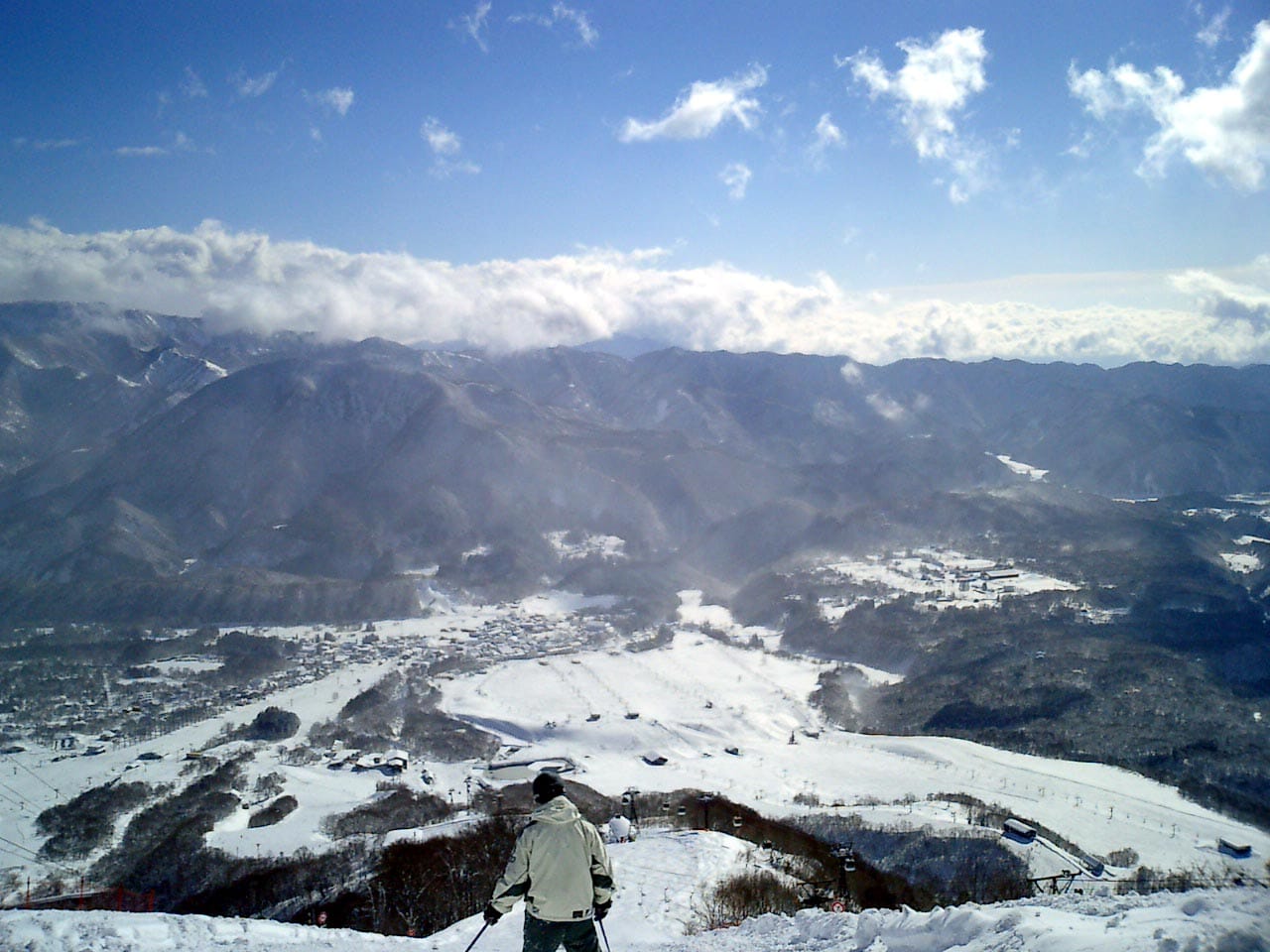
Japan's ski season generally runs from mid-December to early May, but the exact dates vary a great deal by region and by the resort's elevation. Some high-altitude resorts in Hokkaido and Tohoku open as early as late November, and many keep spring skiing going through Golden Week at the start of May. At lower-elevation resorts on Honshu, the main season is usually late December to late March.
Typical hours, prices and access
- Lift hours: at many resorts, lifts run from about 8:30 to 16:30. Resorts with night skiing usually stay open until around 20:00 or 21:00.
- Lift tickets: a 1-day adult ticket typically costs around ¥5,000–8,000, though the best-known resorts, such as Niseko, charge more (see below). Early-bird tickets, multi-day passes and season passes can bring the price down. Prices change every season, so treat all figures in this guide as rough reference points and check the resort's official site before you buy.
- Access: for the major ski areas, the usual route is the Shinkansen plus local trains, or a highway bus, followed by a free shuttle or a local bus to the slopes.
What each part of the season offers
- Late December to early January: the start of the season, when snowfall is becoming more reliable. Crowds peak over the year-end and New Year holidays, so avoid this period if you can, or book well in advance.
- Mid-January to late February: the most stable snow and the best powder of the year. Hokkaido in particular sometimes hosts international events at this time and fills with overseas visitors.
- Early to late March: as the snow starts to soften and temperatures rise, conditions are ideal for comfortable spring skiing. Crowds begin to thin, so this is a good time to seek out lesser-known spots.
- Early April to early May: spring skiing on the remaining snow. It is limited to high-altitude resorts, but it is ideal if you want to take your time on quiet slopes.
Safety and etiquette
Build plenty of spare time into your travel plans in case of delayed trains and buses or icy roads. On the slopes, follow the etiquette and safety rules set by the Ski Association of Japan (SAJ) to avoid collisions with other skiers and snowboarders, and always put safety first. Mountain weather can change suddenly, so come fully prepared for cold and wet conditions, take regular breaks and stay hydrated.
Hokkaido: in search of perfect powder
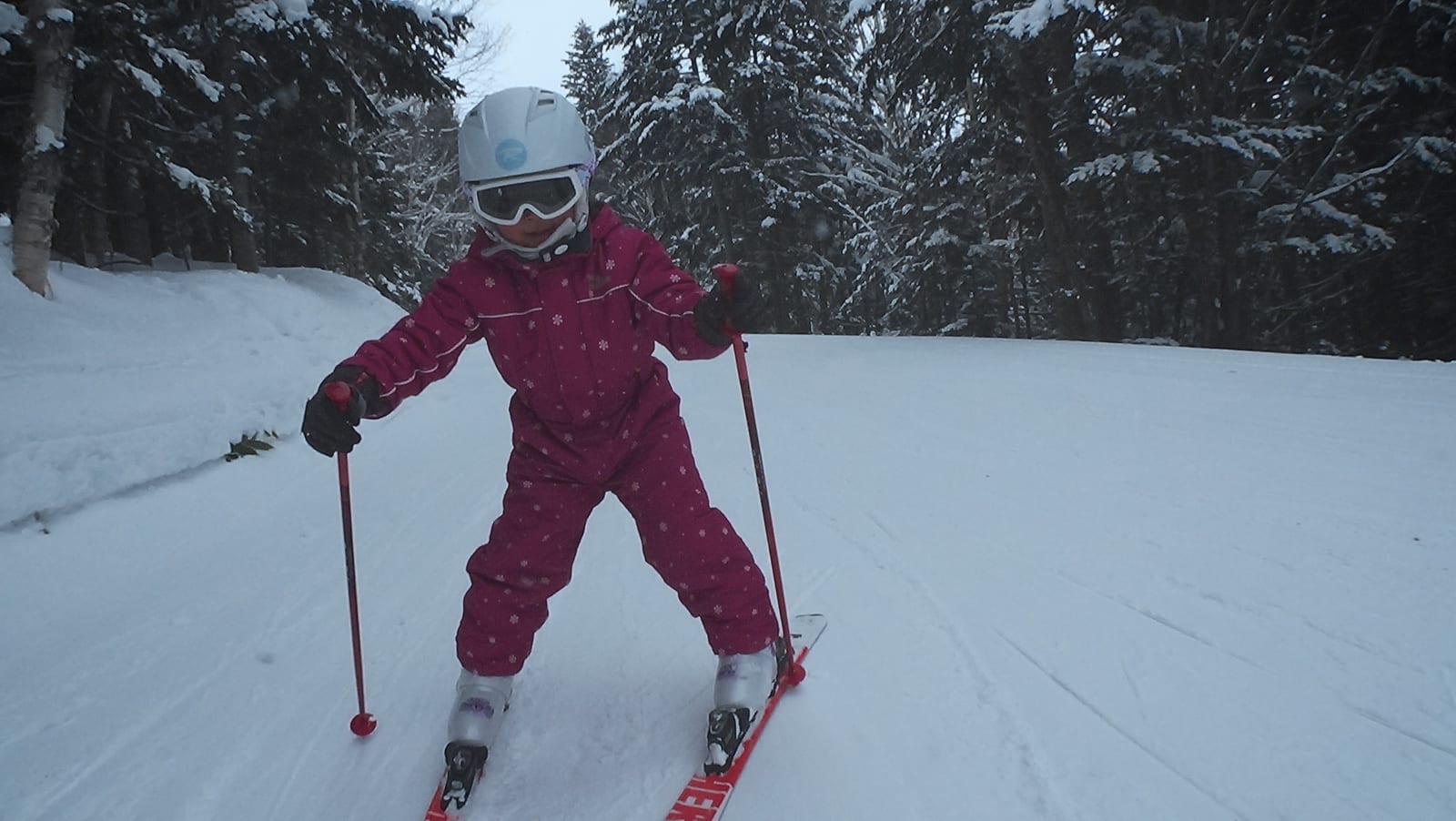
Hokkaido's biggest draw is its snow, known around the world as "JAPOW" (Japanese powder). The low humidity produces light, dry powder that Japanese skiers call "aspirin snow". Niseko, Rusutsu and Furano are especially well known as international resorts, thanks to their snow quality, extensive terrain and strong services for international visitors.
Niseko area (Niseko-Shakotan-Otaru Kaigan Quasi-National Park)
The Niseko area is one of Japan's largest ski destinations. Its core is Niseko United, four interlinked resorts (Grand Hirafu, Niseko Village, Annupuri and Hanazono), plus Niseko Moiwa Ski Resort alongside them. Niseko Annupuri International Ski Area is particularly known for its wide variety of runs and deep snowpack. For a resort-by-resort comparison, see our complete Niseko ski guide.
Season, hours, prices and access
- Season and hours: usually early December to early May. Lifts run 8:30–16:30, with night skiing 16:30–20:30 (hours vary by resort).
- Lift tickets (reference only): the Niseko United all-mountain 1-day pass costs about ¥12,000 for adults in the regular season, while an Annupuri-only 1-day pass is about ¥7,000. Early-bird tickets and accommodation packages bring further discounts.
- Access:
- From New Chitose Airport by JR to Kutchan Station on the Hakodate Main Line, about 2 hours 10 minutes; from Kutchan Station, free shuttle buses reach the resorts in about 15 to 30 minutes.
- Direct buses from New Chitose Airport, such as the Big Runs bus, take about 2.5 to 3 hours.
Best time to go
Mid-January to late February brings the most powder. Skiers from all over the world converge on Niseko then, so crowds are unavoidable; if you would rather avoid the busiest weeks, spring skiing from early March is a good alternative. Niseko is also a backcountry paradise: after an avalanche course, and with a guide, you can ski untouched terrain that few resorts can match.
Where to eat and stay
Niseko is famous for its international dining scene, from restaurants listed in the Michelin Guide to izakaya built around local ingredients and stylish cafés. Condominium-style accommodation is especially common and suits groups and families, and there are also hotels with their own hot springs, such as Hilton Niseko Village and Niseko Annupuri Onsen Hotel.
Tips and etiquette
Niseko gets extremely heavy snowfall, so lifts can stop and visibility can drop in bad weather. Check the forecast regularly and keep your plans realistic. Backcountry skiing requires specialist knowledge and equipment, and heading into the mountains unprepared is extremely dangerous: always hire an experienced guide and follow the rules.
Sample day at Niseko Annupuri International Ski Area
- 8:30: take the gondola to the top as soon as the lifts open.
- 9:00–12:00: ski the powder runs and carve the groomed pistes.
- 12:00–13:00: lunch at an on-mountain restaurant (dishes made with local ingredients are a good choice).
- 13:00–16:00: keep skiing, choosing quieter runs as the slopes get busier in the afternoon.
- 16:00–17:00: warm up in a hot spring, such as Niseko Annupuri Onsen or Yushintei.
Rusutsu Resort
Rusutsu Resort is a vast ski area spread across three mountains (West Mt., East Mt. and Mt. Isola) and offers one of the widest choices of runs in Hokkaido. It also has an amusement park, some of whose rides operate even in winter, which makes it popular with families.
Season, hours, prices and access
- Season and hours: usually late November to early May. Lifts run 9:00–16:30, with night skiing 16:30–20:45 (West Mt. only).
- Lift tickets (reference only): a 1-day adult pass costs around ¥8,000, with discounts for hotel guests and for buying online in advance.
- Access:
- Direct bus (paid) from New Chitose Airport to Rusutsu Resort: about 2 hours.
- Direct bus (paid) from Sapporo Station to Rusutsu Resort: about 2 hours.
Best time to go
The powder from late January to late February is Rusutsu's biggest attraction. Compared with Niseko, it tends to draw more families and groups, so the atmosphere on the slopes is calmer. Events are sometimes held during the spring skiing season, which gives the resort a relaxed, open feel.
Where to eat and stay
The resort's own restaurants serve Japanese, Western and Chinese food, as well as Hokkaido specialities such as jingisukan (grilled mutton) and seafood. Accommodation centres on large ski-in, ski-out hotels, including Rusutsu Resort Hotel & Convention and The Westin Rusutsu Resort.
Tips and etiquette
Rusutsu covers a huge area, so study the trail map beforehand and decide which runs you want to ski. Skiing for hours without a break quickly wears you out, so rest regularly. Gondolas and lifts can also stop in bad weather, so keep an eye on their operating status.
Northern Honshu (Tohoku): hidden gems and varied snow
Tohoku's resorts combine snowfall second only to Hokkaido with relatively uncrowded slopes. Alongside internationally known names such as Zao and Appi Kogen, the region is dotted with lesser-known gems. Snow conditions vary widely, from heavier, moister snow brought by damp air from the Sea of Japan to lighter snow further inland.
Zao Onsen Ski Resort (Yamagata Prefecture)
Zao Onsen Ski Resort is one of the largest ski areas in Japan and is famous for its Juhyo Course, which winds through fields of "snow monsters" (juhyo, trees encased in rime ice and snow). The slopes connect directly to the Zao Onsen hot spring village, so you can combine skiing and hot springs in a single trip. For more on the snow monsters and the ropeway, see our Zao Onsen guide.
Season, hours, prices and access
- Season and hours: usually early December to early May. Lifts run 8:30–17:00, with night skiing 17:00–21:00 on some lifts.
- Lift tickets (reference only): a 1-day adult pass costs around ¥6,000, with discounts for guests staying in Zao Onsen and for buying online in advance.
- Access:
- From JR Yamagata Station, take a local bus bound for Zao Onsen to the last stop, about 40 minutes.
- By car, about 30 minutes from Yamagata-Zao IC on the Yamagata Expressway.
Best time to go
The snow monsters peak from late January to late February, and that is the resort's biggest attraction. Skiing between the white, rime-covered trees under a blue sky is an experience you won't find anywhere else, so if the snow monsters are your priority, aim for this window. For smaller crowds, spring skiing from early March is a good option.
Where to eat and stay
Zao Onsen has everything from long-established ryokan to family-run minshuku, many with natural hot spring water that flows straight from the source. Plenty of restaurants serve Yamagata dishes made with local ingredients: don't miss imoni (a hearty taro stew) and tama-konnyaku (skewered konjac balls simmered in soy sauce).
Tips and etiquette
The Juhyo Course is at high altitude, where the weather can change suddenly. Strong winds and blizzards can stop the lifts and cut visibility, so always check the forecast and dress for serious cold. The snow monsters are fragile: never leave the marked runs.
Sample half day at Zao Onsen Ski Resort
- 9:00: ride the Zao Ropeway to Jizo Sancho Station and start skiing with the snow monsters all around.
- 9:30–12:00: try runs of different difficulty, including the Juhyo Course, Zangezaka and the Yokokura Wall.
- 12:00–13:00: lunch at a restaurant on the slopes.
- 13:00–14:00: head back down to the hot spring village for a dip at a public bathhouse such as Kamiyu or Shimoyu.
Appi Kogen Ski Resort (Iwate Prefecture)
Appi Kogen Ski Resort is known for high-quality aspirin snow and some of the most extensive slopes in Tohoku. About 80% of its 21 runs are aimed at beginners and intermediates, which makes it a reassuring choice for families and first-timers.
Season, hours, prices and access
- Season and hours: usually early December to early May. Lifts run 8:30–16:30, with night skiing 16:30–20:00.
- Lift tickets (reference only): a 1-day adult pass costs around ¥6,500, with discounts for hotel guests and for buying online in advance.
- Access:
- From JR Morioka Station, take the bus bound for Appi Kogen Ski Resort, about 50 minutes.
- By car, about 15 minutes from Matsuo-Hachimantai IC on the Tohoku Expressway.
Best time to go
From late January to late February, Appi offers a stable base and relatively light snow; conditions are generally at their best and the skiing is very comfortable. Crowds also tend to be moderate compared with other large resorts, so it is a good pick if you are looking for a hidden gem.
Where to eat and stay
Appi Kogen Resort has a range of accommodation, including Hotel Appi Grand, and plenty of hot spring facilities. Many restaurants feature Iwate ingredients; the local branded beef, such as Maesawa beef and Tankaku beef, is well worth trying.
Tips and etiquette
Appi Kogen sits at high altitude and can get bitterly cold in winter, so dress warmly. The ski area is vast, so check the trail map in advance to avoid getting lost.
Niigata: easy access from Tokyo and heavy snowfall
Niigata's resorts are very easy to reach from the Tokyo area, which makes them ideal for day trips and weekend breaks. Moist air from the Sea of Japan dumps huge amounts of snow here. It can be on the heavy side, but the deep base and the variety of runs are a big draw. Large resorts such as Naeba, Kagura and GALA Yuzawa are concentrated in this area.
Naeba Ski Resort (Niigata Prefecture)
Naeba is one of Japan's leading ski resorts, known for its extensive slopes and excellent facilities. The Dragondola gondola links it with neighbouring Kagura Ski Resort, and a shared lift ticket lets you ski both.
Season, hours, prices and access
- Season and hours: usually early December to early May. Lifts run 8:00–17:00, with night skiing 17:00–20:30.
- Lift tickets (reference only): a 1-day adult pass costs around ¥7,000, with discounts on the Kagura-Naeba shared pass and for buying online in advance.
- Access:
- From JR Echigo-Yuzawa Station, take the free shuttle bus, about 50 minutes.
- By car, about 50 minutes from Tsukiyono IC on the Kan-Etsu Expressway.
Best time to go
Late January to late February, when snowfall is heaviest, is the time to make the most of Naeba. Naeba is also known as the home of the Fuji Rock Festival, and it sometimes hosts events of its own during this period. Families may prefer spring skiing from early March, once the crowds have eased.
Where to eat and stay
There is plenty of ski-in, ski-out accommodation, including the Naeba Prince Hotel. Besides the hotel restaurants, izakaya and local diners in the area serve dishes made with regional ingredients. Be sure to try two Niigata specialities: hegi soba (buckwheat noodles bound with seaweed and served on a wooden tray) and Koshihikari rice.
Tips and etiquette
Naeba is popular, so expect lift queues, especially at weekends and on public holidays. Arrive early in the morning or pick quieter runs. The Dragondola ride takes time, so plan your day carefully.
Sample day at Naeba Ski Resort
- 8:00: take the No. 2 Gondola to the top as soon as the lifts open.
- 8:30–12:00: enjoy the long runs from the top of Naeba and its many intermediate courses.
- 12:00–13:00: lunch at a restaurant on the slopes or in the Naeba Prince Hotel.
- 13:00–15:00: ride the Dragondola across to Kagura and try its ungroomed runs.
- 15:00–16:00: take the Dragondola back to Naeba and ski some more.
- 16:00–17:00: warm up at the Naeba Onsen hot spring Yukisasa-no-yu.
Kagura Ski Resort (Niigata Prefecture)
Kagura is linked to Naeba by the Dragondola and covers a vast area. With plenty of ungroomed and tree-skiing runs, it is especially popular with advanced skiers chasing powder.
Season, hours, prices and access
- Season and hours: usually late November to late May, one of the longest seasons in Japan. Lifts run 8:00–16:30.
- Lift tickets (reference only): a 1-day adult pass costs around ¥6,000, with discounts on the Naeba-Kagura shared pass and for buying online in advance.
- Access:
- From JR Echigo-Yuzawa Station, take the local bus bound for Kagura Mitsumata Station, about 20 minutes.
- By car, about 10 minutes from Yuzawa IC on the Kan-Etsu Expressway.
Best time to go
The powder from late January to late February is Kagura's biggest attraction; the ungroomed runs are at their best then, and powder lovers find it hard to resist. Kagura is also known as a spring-skiing destination, because it stays open through Golden Week in May.
Where to eat and stay
There are few places to stay or eat at the base of Kagura, so most visitors stay around Echigo-Yuzawa Station and take the bus. The station area has ryokan, hotels and minshuku, plus plenty of restaurants where you can enjoy Niigata sake and seafood.
Tips and etiquette
Because so much of Kagura is ungroomed, some areas carry an avalanche risk. Skiing outside the designated runs is strictly prohibited, so stay within the permitted areas. In the spring season, melting snow can expose bushes and other obstacles, so take extra care.
The best time to ski in Japan: snow quality versus crowds
The most important decision in planning a ski trip to Japan is when to go, and the right answer depends on whether you care most about snow quality, avoiding crowds or keeping costs down.
- For the best powder: mid-January to late February. Mountain areas in Hokkaido and Tohoku have their most reliable powder in this window, and Niseko, Rusutsu and Appi Kogen are generally in top condition. It is also when Chinese New Year usually falls, and the resorts are extremely busy then, just as they are over the year-end and New Year holidays, so book flights and accommodation early.
- For quieter, relaxed skiing: early to late March. The peak season has passed and the slopes start to empty. The snow tends to get a little heavier, but the warmer spring weather makes for pleasant skiing, lift queues are shorter, and you can ski at your own pace.
- To keep costs down: early to mid-December, or early April to early May. Lift tickets and accommodation tend to be cheaper at the start and end of the season. However, snow cover can be unreliable early on, and fewer runs may be open towards the end. If you want to ski on a budget, check the latest snow and operating information on the resort's official site and plan around it.
How to plan a ski trip without mistakes
A little planning goes a long way towards making a ski trip unforgettable.
- Choose your destination: pick the resort that fits your goals (powder, family facilities, hot springs and so on), your budget and your transport options.
- Book accommodation: book early, especially for the peak season. Ski-in, ski-out lodging is convenient; if you stay away from the station, check whether there is a shuttle bus.
- Arrange transport: choose and book the best way to get there, whether by Shinkansen, plane or highway bus, and allow extra time for snow delays.
- Prepare your gear: list what you need, such as ski wear, goggles, gloves and a helmet, and check nothing is missing. If you plan to rent, reserve in advance for a smoother pick-up.
- Get insured: consider travel or leisure insurance in case of an accident.
- Check slope conditions: before you leave, check the resort's official site one last time for snow depth, lift status and the weather forecast.
Beyond the slopes: sightseeing and local food
A ski trip is about more than the time you spend on the slopes. The areas around Japan's ski resorts are full of sights and local food worth making time for.
- Hot springs: many Japanese ski resorts sit next to hot spring towns. A long soak to warm up and ease tired muscles is one of the great pleasures of a ski trip; famous examples include Zao Onsen and Echigo-Yuzawa Onsen.
- Local food: try fresh seafood and jingisukan in Hokkaido, Maesawa and Tankaku beef in Iwate, and hegi soba and sake in Niigata. Stopping at a michi-no-eki (roadside station) or a local diner is highly recommended.
- Snow festivals and illuminations: winter brings snow festivals, such as the Sapporo Snow Festival, and illuminations around the country, and pairing one with your ski days makes a trip especially memorable.
- Culture: take time to explore local history and culture, for example with a stroll along the Otaru Canal or a look at works from the Echigo-Tsumari Art Triennale.
Building time for sightseeing and local food into your plans, not just ski time, makes the whole trip more rewarding.
Key points to remember
- Timing matters: for the best powder, aim for mid-January to late February; to avoid crowds, choose early to late March; to save money, go in early December or from April onwards.
- Know each region's character: Hokkaido is about powder and an international atmosphere, Tohoku about hidden gems and varied snow, and Niigata about easy access and heavy snowfall. Choose according to your goals.
- Book early: especially for the year-end and New Year holidays and the peak season, plan ahead and use early-bird deals on flights, accommodation and lift tickets.
- Respect safety rules and etiquette: follow the rules on the slopes and ski within your limits. Go into the backcountry only with a professional guide.
- Plan more than skiing: hot springs, local food and nearby sightseeing make the trip far more memorable.
Frequently asked questions
Q. Do Japanese ski resorts have good rental facilities? A. Yes. Many resorts rent a wide range of equipment, including skis, ski boots, poles, snowboards, snowboard boots and ski wear, so you can arrive without any gear of your own. Popular sizes can run out, though, so reserving in advance is recommended. Children's rental equipment can be especially limited, so arrange it early.
Q. How much does a ski trip to Japan cost? A. It depends heavily on the length of your stay, the standard of your accommodation, how you travel, the type of lift ticket and what you eat. As an example, a one-night weekend trip by Shinkansen with a stay at a mid-range hotel costs roughly ¥50,000–100,000 per person. To bring the cost down, look at the cheaper windows at the start and end of the season, and use early-bird lift tickets, multi-day passes and accommodation packages.
Whichever region you choose, the formula is the same: decide what matters most to you (powder, quiet slopes or a lower bill), match it to the right weeks of the season, and book early. Plan around mid-January to late February for powder, March for space and sunshine, or the edges of the season for value, and finish each day in a hot spring. If you are also considering Nagano, see our Hakuba Valley ski guide.