
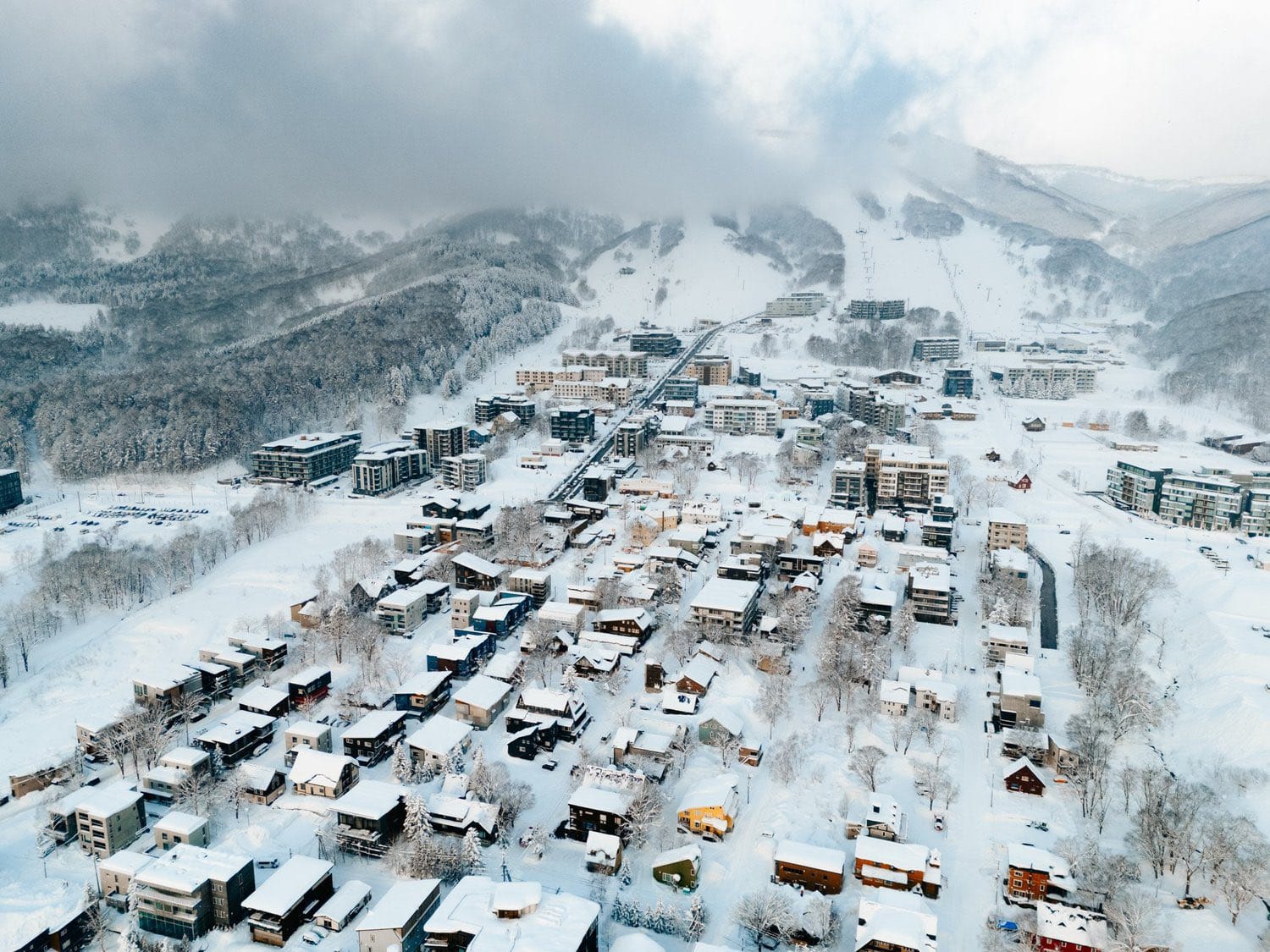
Niseko Ski Resort Guide: 4 Areas Compared, Lift Passes and Airport Access
Niseko United's 4 ski areas compared, all-mountain vs Hirafu-HANAZONO lift passes, bus, JR or car from New Chitose, Niseko Rules and sample ski days.
Mar 19, 2026·✍️ olablog·⏱ 21 min read
Niseko United's 4 ski areas compared, all-mountain vs Hirafu-HANAZONO lift passes, bus, JR or car from New Chitose, Niseko Rules and sample ski days.
Tap a region to browse articles
Surrounded by Hokkaido's magnificent nature, Niseko is the spiritual home of "JAPOW", the world-famous powder snow that draws skiers and snowboarders from every corner of the globe. It is busy every winter. In the 2025–26 season an adult 1-day all-mountain pass cost ¥12,000 in the regular season, but from 6 April, in the final season, it dropped to half that, ¥6,000, which made spring skiing an attractive option too. In this guide, the OlaChill editorial team compares the 4 ski areas that make up Niseko United, explains how to choose the best-value lift pass, sets out the easiest ways to get from New Chitose Airport, and recommends places to stay and eat, things to do off the slopes, the local safety rules and sample itineraries.
What is Niseko United? The 4 ski areas explained
"Niseko United" is the collective name for a vast snow resort made up of 4 independent ski areas spread across the lower slopes of Mount Niseko Annupuri. Each has its own character, and between them they cater to every level, from first-timers to experts. With an all-mountain lift pass you can move freely between all 4 and enjoy around 70 varied runs.
Operating hours, seasons and prices below are the figures published for the 2025–26 season. Check each resort's official website for the current season before you travel.
Niseko Tokyu Grand Hirafu
Grand Hirafu is the largest area in Niseko United. Its huge slopes hold 22 runs, from gentle beginner trails to ungroomed zones and tree runs for intermediate and advanced riders. The wide, gently pitched Boyo course is particularly good for beginners. The base village has the biggest concentration of accommodation and restaurants, so there is plenty to do after skiing, and Grand Hirafu's night skiing is among the largest in Hokkaido, so you can ride powder after dark too.
- Hours (2025–26 season, approximate): day skiing 8:30–16:30; night skiing 16:30–20:30. The last uphill ride on the Ace Gondola is at 15:15.
- Season: usually from late November to early May; the 2025–26 season was scheduled to open on 4 December 2025.
- Lift passes: the Niseko United all-mountain pass or the Grand Hirafu & HANAZONO pass (see the lift pass section below).
- Highlights: a huge variety of runs, lively nightlife, plenty of beginner terrain and one of Hokkaido's biggest night-skiing operations.
- Eating nearby: many izakaya, cafés and bars in the base village.
- Staying nearby: the widest choice of accommodation in Niseko, including many ski-in/ski-out hotels and condominiums.
Niseko Village
Niseko Village is a favourite with advanced riders, thanks to steep runs with big vertical drops and plenty of ungroomed slopes. Of its 30 runs, the lower ones suit beginners and intermediates while the upper ones are for advanced skiers, so mixed-ability groups can ski together. It tends to be less crowded, which makes it a good choice for a quieter, more refined resort stay. Off the slopes there are activities such as snowmobiling and snow rafting.
- Hours (2025–26 season, scheduled): day skiing 8:30–16:00; night skiing 16:00–19:00.
- Season: 29 November 2025 to 12 April 2026 (scheduled).
- Lift passes: the Niseko United all-mountain pass, or a Niseko Village-only pass (adult 1-day ¥9,700).
- Highlights: plenty of advanced terrain, relatively light crowds and a wide range of snow activities.
- Eating nearby: a good choice of restaurants and shops within the resort.
- Staying nearby: luxury hotels and condominiums within the resort.
Niseko Annupuri International Ski Area
Annupuri is the pick for families and beginners. Its runs are wide and mostly gentle, so you can ski and ride with confidence, and the layout is simple and easy to follow. A kids' sledding area at the base makes it ideal for families with young children. The slopes are open, with clear sightlines and some of the best views in Niseko, and there are plenty of characterful hot springs nearby for after-ski soaking.
- Hours (2025–26 season, scheduled): day skiing 8:30–16:30; night skiing 16:30–19:30.
- Season: 29 November 2025 to 6 May 2026 (scheduled).
- Lift passes: the Niseko United all-mountain pass, or an Annupuri-only pass (adult 1-day ¥7,000).
- Highlights: lots of family- and beginner-friendly runs, a wide-open feel and good hot-spring facilities.
- Eating nearby: a scattering of tucked-away restaurants and cafés.
- Staying nearby: many onsen inns and pensions for a calm, quiet stay.
Niseko HANAZONO Resort
On the northeast side of Mount Niseko Annupuri, HANAZONO is another good choice for beginners and families, with generally gentle slopes and relatively wide runs. It also gets less sunshine, so good-quality snow keeps its condition for longer. Modern facilities and stylish spaces are a big part of its appeal, and it has an impressive range of non-ski activities, including snowmobiling, snow rafting and snowshoe tours.
- Hours (2025–26 season, scheduled): 8:30–17:00 (may differ by activity).
- Season: in winter, from around late November to early April.
- Lift passes: the Niseko United all-mountain pass or the Grand Hirafu & HANAZONO pass.
- Highlights: beginner- and family-friendly, wide runs, plenty of snow activities and a luxurious atmosphere.
- Eating nearby: the restaurants at Park Hyatt Niseko HANAZONO and a good selection of cafés around the resort.
- Staying nearby: luxury hotels such as Park Hyatt Niseko HANAZONO.
The 4 areas at a glance
| Area | Best for | Terrain | Night skiing (2025–26) | Lift passes |
|---|---|---|---|---|
| Grand Hirafu | All levels; nightlife; the widest choice of places to stay | 22 runs, from gentle beginner trails to ungroomed zones and tree runs | 16:30–20:30 | All-mountain or Hirafu & HANAZONO pass |
| Niseko Village | Advanced riders; mixed-ability groups; a quieter stay | 30 runs; steep upper slopes with big vertical drops, easier lower slopes | 16:00–19:00 | All-mountain pass or Village-only pass (adult ¥9,700) |
| Annupuri | Families and beginners; open views; onsen nearby | Wide, mostly gentle runs and a simple layout | 16:30–19:30 | All-mountain pass or Annupuri-only pass (adult ¥7,000) |
| HANAZONO | Beginners and families; snow activities; luxury | Gentle, relatively wide runs; less sun keeps the snow in good condition | None listed (day hours 8:30–17:00) | All-mountain or Hirafu & HANAZONO pass |
How to choose the right lift pass
To get the most out of Niseko, choose a pass that fits the way you ride and the length of your stay. There are 3 main options: the Niseko United all-mountain pass, the Grand Hirafu & HANAZONO pass, and single-area passes.
Niseko United all-mountain pass
The all-mountain pass covers all 4 areas: Grand Hirafu, Niseko Village, Annupuri and HANAZONO. While it is valid, you can also ride the Niseko United Shuttle bus between the 4 areas free of charge. It is the one to buy for longer stays, or if you are a repeat visitor who wants to explore a wide variety of runs.
2025–26 season prices (1-day pass)
| Season | Adult (16–64) | Junior high (13–15) / senior (65+) | Child (4–12) |
|---|---|---|---|
| Regular: 13 Dec 2025 – 22 Mar 2026 | ¥12,000 | ¥10,200 | ¥7,200 |
| Early: 29 Nov – 12 Dec 2025; spring: 23 Mar – 5 Apr 2026 | ¥8,400 | ¥7,100 | ¥5,000 |
| Final: 6 Apr – 6 May 2026 | ¥6,000 | Not listed | ¥3,600 |
Prices can change, so always check the official website for the latest figures.
Grand Hirafu & HANAZONO pass
This pass covers only Grand Hirafu and HANAZONO, which together make up about 50% of Niseko's skiable terrain. It costs less than the all-mountain pass, so it suits first-time visitors and short stays of around 3 nights focused on one part of the mountain.
- Regular season (13 December 2025 to 22 March 2026), 1-day pass: adult ¥11,000 (online discounts may be available), junior high/senior ¥9,400, child ¥6,600.
Single-area passes
Niseko Village and Niseko Annupuri International Ski Area also sell their own passes. They are worth considering if you want to ski one area in depth, or only use the area you can reach directly from your accommodation.
- Niseko Village, 1-day pass (2025–26): adult ¥9,700, junior high/senior ¥8,200, child ¥5,800.
- Niseko Annupuri International Ski Area, 1-day pass (2025–26): adult ¥7,000, junior high ¥5,300, senior (65+) ¥5,300, child (4–12) ¥4,600.
Where to buy, and online discounts
You can buy passes at each area's ticket counter, but buying online in advance is recommended: you may get a discount, and you can often skip the ticket-counter queue and go straight to the lifts. Some accommodation also lets you reserve and buy passes in advance, so ask when you book.
Getting from New Chitose Airport to Niseko
There are 3 main ways to travel from New Chitose Airport to Niseko: bus, JR train and rental car. Weigh up the pros and cons of each and choose the one that fits your itinerary and group size.
1. Bus
Direct buses run from New Chitose Airport to the Niseko area, and this is the most common way to get there. It is especially convenient if you have a lot of luggage or want to avoid changing trains.
- Operators: several companies, including Chuo Bus, Niseko Bus and White Liner, run seasonal services.
- Journey time: about 2 hours 30 minutes to 3 hours 30 minutes, depending on snow and traffic.
- Fare: about ¥3,000–4,500 one way for an adult (check the operators' official websites for current fares).
- Pros: takes you close to the ski areas with no changes; easy with lots of luggage; relatively frequent services.
- Cons: journey times can be hard to predict in traffic; winter services fill up quickly, so book early.
- Booking: reserve online in advance on each bus company's website.
2. JR train
By train, take the Rapid Airport from New Chitose Airport Station to Otaru, then the JR Hakodate Main Line from Otaru to Kutchan. From Kutchan Station, continue to your ski area by local bus or taxi.
- Journey time: New Chitose Airport to Otaru about 1 hour 15 minutes on the Rapid Airport; Otaru to Kutchan about 1 hour 10 minutes on the JR Hakodate Main Line; Kutchan to the ski areas about 10–20 minutes by bus. In total, about 2 hours 30 minutes to 3 hours, not counting time spent changing trains.
- Fares: New Chitose Airport to Kutchan about ¥2,500–3,500 one way for an adult (check the official website for current fares); bus from Kutchan to the ski areas about ¥200–400.
- Pros: trains run relatively reliably even in bad weather, and you get to enjoy the winter scenery around Otaru.
- Cons: you need to change trains, which is hard work with lots of luggage, and you must arrange your own onward transport from Kutchan Station.
3. Rental car
A rental car gives you the most freedom, and it is especially handy if you plan to ski several areas or explore the surrounding sights.
- Journey time: about 2 hours 30 minutes to 3 hours, depending on road conditions.
- Costs: on top of the rental fee you pay expressway tolls and fuel. Winter (studless) tyres are mandatory in winter and may cost extra.
- Pros: travel at your own pace; easy access between ski areas and to nearby hot springs and restaurants.
- Cons: winter driving in Hokkaido is dangerous if you are not used to snowy roads; rental cars can be hard to book at busy times; parking fees may apply.
- Important: expect icy and snow-covered roads in winter. Always choose a car fitted with winter tyres, and drive with care.
| Option | Journey time | Adult fare | Best for |
|---|---|---|---|
| Direct bus | About 2 h 30 min – 3 h 30 min | About ¥3,000–4,500 one way | Lots of luggage, no changes (book early in winter) |
| JR train + local bus | About 2 h 30 min – 3 h, plus changes | About ¥2,500–3,500 to Kutchan, plus ¥200–400 bus | Reliability in bad weather, light luggage |
| Rental car | About 2 h 30 min – 3 h | Rental, tolls, fuel and winter tyres | Visiting several areas and the surrounding sights, drivers used to snow |
Where to stay and eat in Niseko
Niseko draws visitors from all over the world, and it offers a huge range of accommodation and a strongly international food scene. Choose the base and the meals that suit your travel style and budget.
Where to stay
Accommodation ranges from luxury hotels and condominiums to pensions and guesthouses.
- Grand Hirafu: the liveliest area, packed with restaurants and shops. There are many ski-in/ski-out hotels and condominiums, so it suits anyone who puts convenience first. Luxury properties with views of Mount Yotei, such as AYA Niseko, are popular.
- Niseko Village: for a refined atmosphere and a relatively quiet stay, with a good selection of hotels and shops inside the resort. Hotels and condominiums connected directly to the slopes make for an elegant stay.
- Annupuri: for families and anyone who prefers a relaxed atmosphere. There are plenty of hot-spring facilities for a long soak after skiing, along with many onsen inns and welcoming family-run pensions.
- HANAZONO: for a luxurious resort experience with modern facilities. Staying at a luxury hotel such as Park Hyatt Niseko HANAZONO is popular.
Where to eat
Niseko is a food lover's paradise, where cooking based on Hokkaido's rich local produce meets an international dining culture.
Local ingredients
- Takahashi Dairy Farm Niseko Milk Kobo: rich cream puffs, cheese tarts and gelato made with fresh milk, to enjoy with a spectacular view of Mount Yotei.
- PRATIVO (Takahashi Dairy Farm restaurant): an Italian buffet packed with fresh local vegetables, served in a glass-walled dining room looking out at Mount Yotei.
- Graubunden: a long-established café known for hearty sandwiches and cakes made with local ingredients.
- Genghis Khan (jingisukan): Hokkaido's famous grilled lamb is served at many specialist restaurants in Niseko.
- Seafood: plenty of restaurants serve the freshest local catch.
- Soup curry: born in Sapporo, soup curry has developed its own style in Niseko.
International dining
- Restaurants serve authentic cuisine from around the world, including French, Italian, Chinese (from Cantonese to Sichuan) and Indian (such as Taj Mahal).
- Many restaurants can also serve you in English.
Booking tips
- Accommodation: in the peak season (January and February), popular places can be fully booked months ahead. Book as early as you can.
- Restaurants: popular places are busy every night, so reserve dinner in advance.
- Off-season: outside the ski season, the green season offers rafting, hiking and other activities, and accommodation and travel costs tend to be lower.
More than skiing: winter activities and sights
Niseko's appeal goes far beyond skiing and snowboarding on its exceptional powder. The deep-snow landscape offers plenty of unusual activities you can only enjoy here in winter.
1. Snow activities
- Snowmobile tours: race across the snowfields on a snowmobile with an instructor, no licence needed. Available at HANAZONO Resort and Niseko Village.
- Snow rafting: ride an inflatable raft towed across the snow by a snowmobile. Fun for adults and children alike.
- Snowshoe tours: walk through snow-covered forest on snowshoes, spot animal tracks and take in winter scenery you would never normally see. Many tours are guided, so beginners can join with confidence.
- Snowcat (CAT) experience: Niseko HANAZONO Resort also offers a premium tour riding a snowcat through the mountains and forests of Weisshorn.
2. Hot springs
A hot spring is the best cure for tired legs after a day on the slopes. The Niseko area is dotted with appealing onsen, from open-air baths with superb views of Mount Yotei to atmospheric hidden springs.
- Niseko Annupuri onsen area: the area around Niseko Annupuri International Ski Area has many places to stay with good hot springs, ideal for onsen-hopping.
- SETSU Niseko Wellness Center: a yoga studio, hot springs and a day spa for a stay focused on relaxation.
3. Other sights
- Niseko Distillery: set in snowy forest, the distillery makes whisky and gin. Niseko's abundant, high-quality water makes it well suited to whisky making.
- Niseko Takahashi Dairy Farm: fresh dairy products plus plenty of open space on the farm, with an on-site restaurant and pizza shop.
- Fukidashi Park: fed by spring water from Mount Yotei and chosen as one of Japan's 100 Exquisite Waters, it is a place to fill a bottle with delicious water.
- Winter events: check the official websites of each ski area and the local tourism association in advance for event schedules.
Best time to go
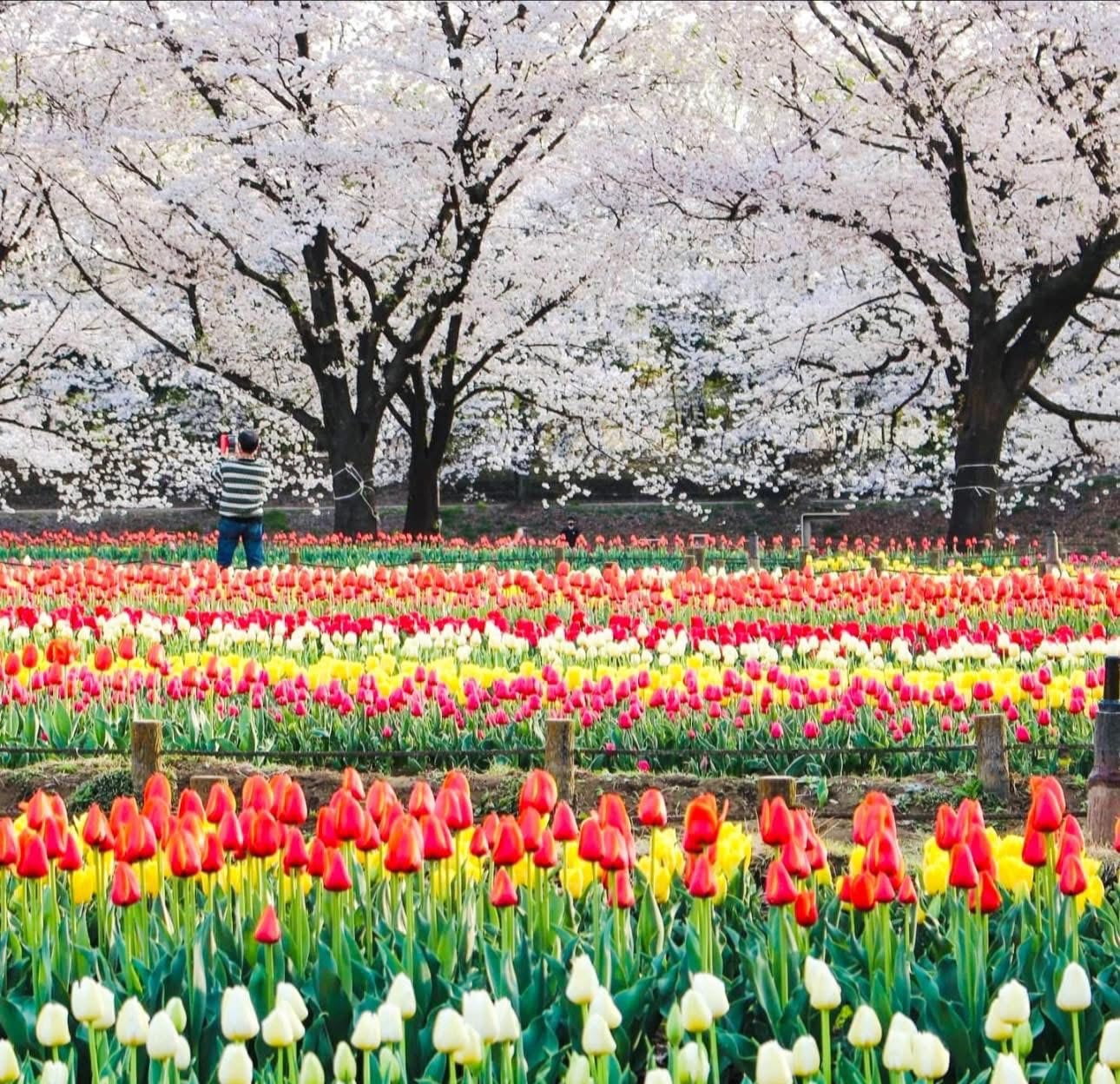
For Niseko's powder at its best, the ideal window in a typical year is January to early February, when you can expect exceptionally dry, high-quality snow. From late March, lift passes drop to cheaper spring rates, and spring skiing brings its own pleasures, including the contrast of snowy slopes and cherry blossoms. For a wider comparison of Japan's ski regions and months, see our guide to when to go skiing in Japan.
Tips, safety rules and etiquette
A safe, comfortable ski trip to Niseko depends on preparing well and understanding the local rules and etiquette.
1. What to bring and wear
- Cold and wet protection: Niseko is extremely cold and gets heavy snowfall, so layer warm base and mid layers under your ski wear. Waterproof, breathable outerwear is essential.
- Accessories: don't forget thick gloves, a knit hat, a neck warmer and goggles. Touchscreen-compatible gloves help when using your phone in the cold.
- Grip: you will often walk on snowy or icy streets, so boots with good grip or slip-on ice cleats give you peace of mind.
- Sunscreen: glare off the snow is strong, so protect your skin on clear days.
- Spare clothes: pack plenty of changes in case you get sweaty or wet.
2. The Niseko Rules
Niseko has its own "Niseko Rules", created to protect people who ride outside the managed ski areas and the safety of everyone using the resorts.
- Leaving the ski area: always exit through a gate. Ducking under ropes to ride outside the ski area is prohibited.
- Equipment: outside the ski area boundary you must wear a helmet and carry an avalanche beacon. Both used to be strongly recommended and have been mandatory since the 2020–21 winter.
- Gates: when a gate is closed, you must not leave the ski area.
- Closed areas: never enter them.
- Children: elementary school children may not ride outside the ski area on their own.
- Rescue costs: a search and rescue outside the ski area may be billed at ¥100,000 or more.
- Pass confiscation: anyone who breaks the rules can be refused use of the ski areas, for example by having their lift pass confiscated or being banned from buying one.
- Avalanche information: the Niseko Avalanche Information is the area's official forecast, and the Niseko Avalanche Institute assesses each day's danger using its own methods. Always check it before you set out.
- Stay alert: there is no such thing as 100% safety in the mountains. Don't overestimate your knowledge, skills or equipment, stay vigilant and always follow ski patrol instructions.
3. Avoiding crowds and booking ahead
- Peak-season crowds: from late January to early February, when the powder is at its best, visitors pour in from Japan and overseas, so expect lift queues and busy roads.
- Early morning and evening: early morning, just after the lifts start running, and the evening, just after night skiing begins, are often relatively quiet.
- Book early: accommodation, flights, lift passes, rental cars and popular restaurants should all be booked well ahead, especially in peak season.
Sample Niseko itineraries: half-day and full-day plans
If you're not sure how to spend your time across such a large resort, these plans from the OlaChill editorial team are a good starting point.
Half-day plans (arrival afternoon or departure morning)
Arrival day: an afternoon and evening at Grand Hirafu
- 13:00: land at New Chitose Airport and take the bus to Grand Hirafu (about 2 hours 30 minutes to 3 hours).
- 16:00: check in, then buy an afternoon or night-skiing pass at the Grand Hirafu ticket counter.
- 16:30–20:30: ride the floodlit powder at Grand Hirafu's night skiing. Warming up on the beginner runs is a good idea.
- 21:00: Hokkaido food at an izakaya in the base village.
Departure day: an easy morning at Annupuri
- 9:00: arrive at Niseko Annupuri International Ski Area, buy a morning pass and enjoy your last runs on its wide, gentle slopes.
- 12:00: finish skiing and warm up at a nearby hot-spring facility.
- 13:00: lunch at a local café or restaurant, then souvenir shopping.
- 15:00: take the JR from Kutchan Station to New Chitose Airport.
Full-day plan (skiing and snowboarding)
Morning: powder at Grand Hirafu and HANAZONO
- 8:30: ride the Grand Hirafu gondola up toward the summit.
- 9:00: ski Grand Hirafu's huge terrain and enjoy the feel of the powder. Intermediate and advanced riders can try the ungroomed zones and tree runs.
- 11:00: move over to HANAZONO for its wide, beginner-friendly runs and snow activities.
Lunch: on the slopes
- 12:30: lunch at a restaurant in HANAZONO 308 or at Ace Hill in Grand Hirafu.
Afternoon: more skiing at Niseko Village, or onsen at Annupuri
- 14:00: take the Niseko United Shuttle to Niseko Village, where advanced riders can take on runs with big vertical drops.
- 16:00: finish skiing and head for the hot springs around Niseko Annupuri International Ski Area to soothe tired muscles.
Dinner: local ingredients
- 19:00: Italian food made with local vegetables at the Takahashi Dairy Farm restaurant PRATIVO, or Hokkaido seafood and mountain produce at an izakaya around Grand Hirafu.
Summary: key points to remember
When you plan a ski or snowboard trip to Niseko, keep these points in mind.
- Match the area to your group. Grand Hirafu is the largest area, with the most places to stay and the liveliest nightlife; Niseko Village suits advanced riders who want steep, ungroomed terrain and fewer crowds; Annupuri and HANAZONO are the easiest for beginners and families.
- Match the pass to your stay. The all-mountain pass covers all 4 areas and includes the free Niseko United Shuttle. The cheaper Grand Hirafu & HANAZONO pass suits first-timers and stays of about 3 nights. Buy online in advance for possible discounts and to skip the ticket queue, and remember that prices fall in the early, spring and final seasons.
- Choose your airport transfer. The direct bus is the easiest option with luggage but must be booked early in winter; JR via Otaru and Kutchan runs relatively reliably in bad weather; a rental car gives freedom but demands winter tyres and experience on snow.
- Book early for peak season. January and February bring the best powder and the biggest crowds, so reserve accommodation, flights, passes, cars and dinner tables well ahead.
- Respect the Niseko Rules. Leave the ski area only through open gates, wear a helmet and carry an avalanche beacon, check the day's avalanche information and follow ski patrol instructions.
- Leave time for life off the slopes. Onsen, the Takahashi Dairy Farm, the Niseko Distillery, Fukidashi Park and Niseko's international restaurants are all part of the trip.
Plan around those points and Niseko is easy to enjoy: pick the area and pass that fit how you ride, book your transfer and beds early, ride the powder by day and under the lights at night, and finish the day with a long soak in an onsen. For a shorter winter trip built around powder and hot springs, see our guide to Niseko in winter.
More from this region — Hokkaido
View all →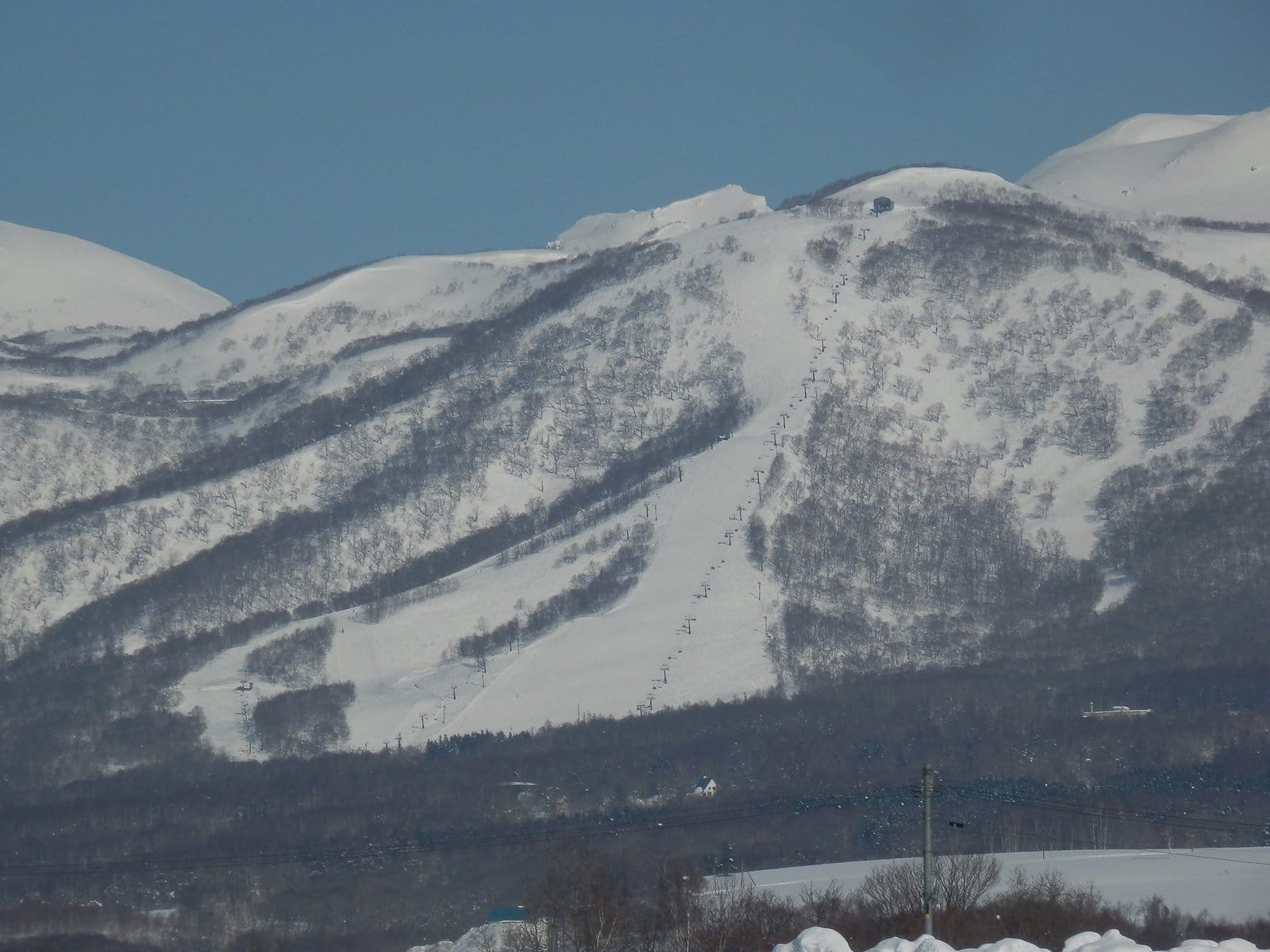
Niseko in Winter – Powder Snow, Hot Springs, and Mountain Bliss
5 min · seasonal
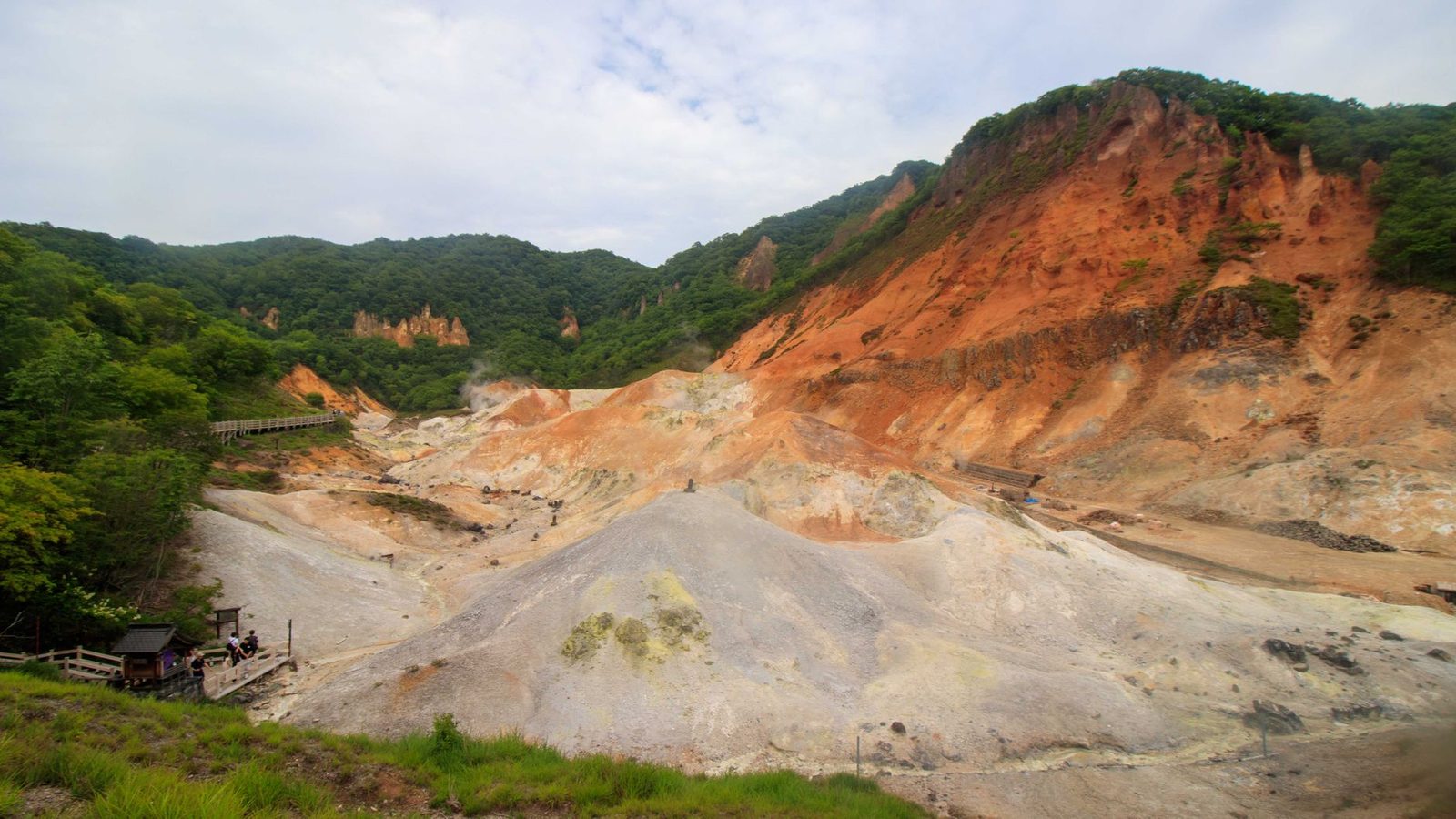
Noboribetsu Jigokudani – Hell Valley's Sulfur Clouds and Mystical Hot Springs
5 min · destinations
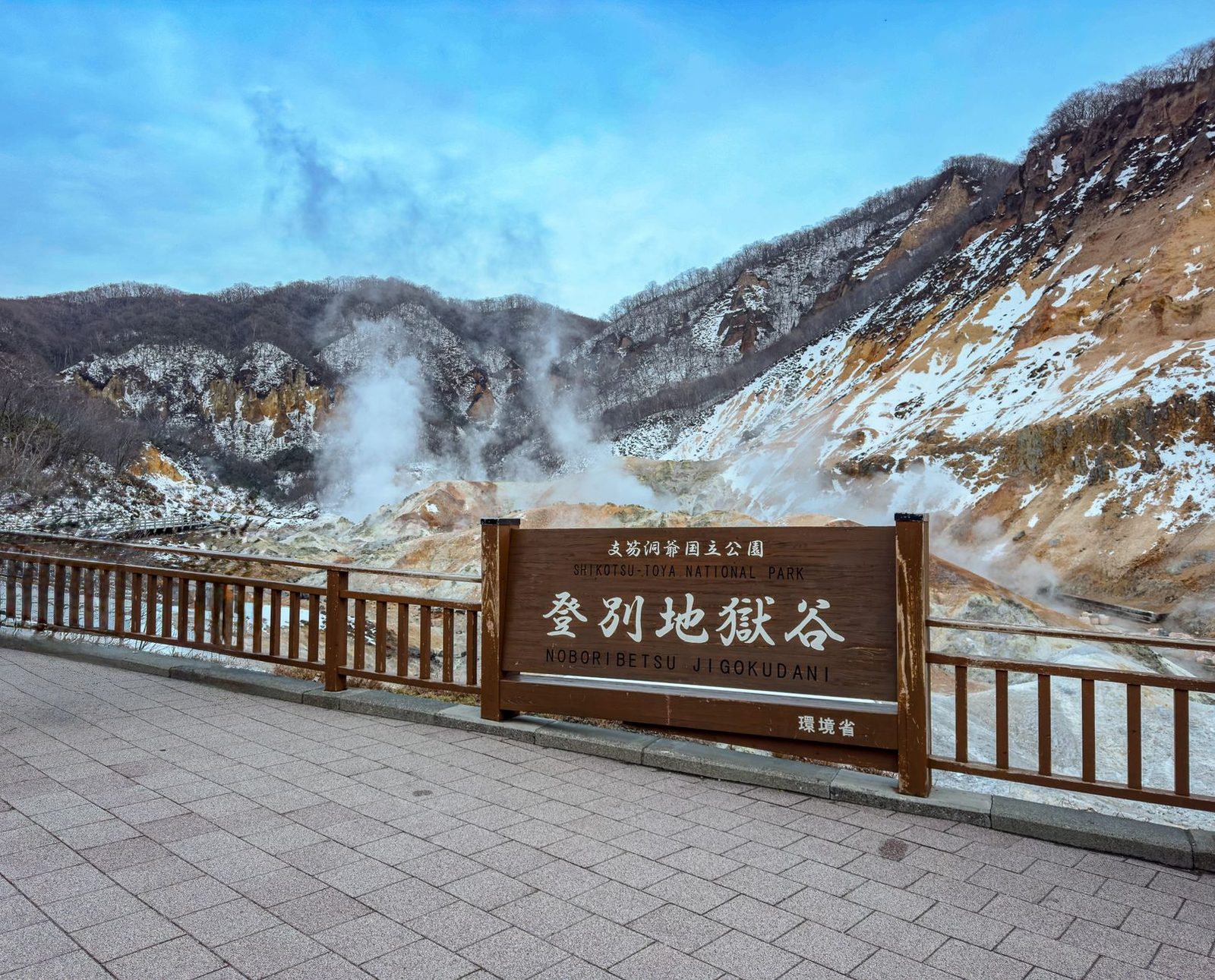
Noboribetsu Onsen and Jigokudani Guide: Spring Types, Walks and Access from Sapporo
20 min · destinations
Rebun Island – Japan's Northernmost Alpine Wildflower Paradise
6 min · destinations