
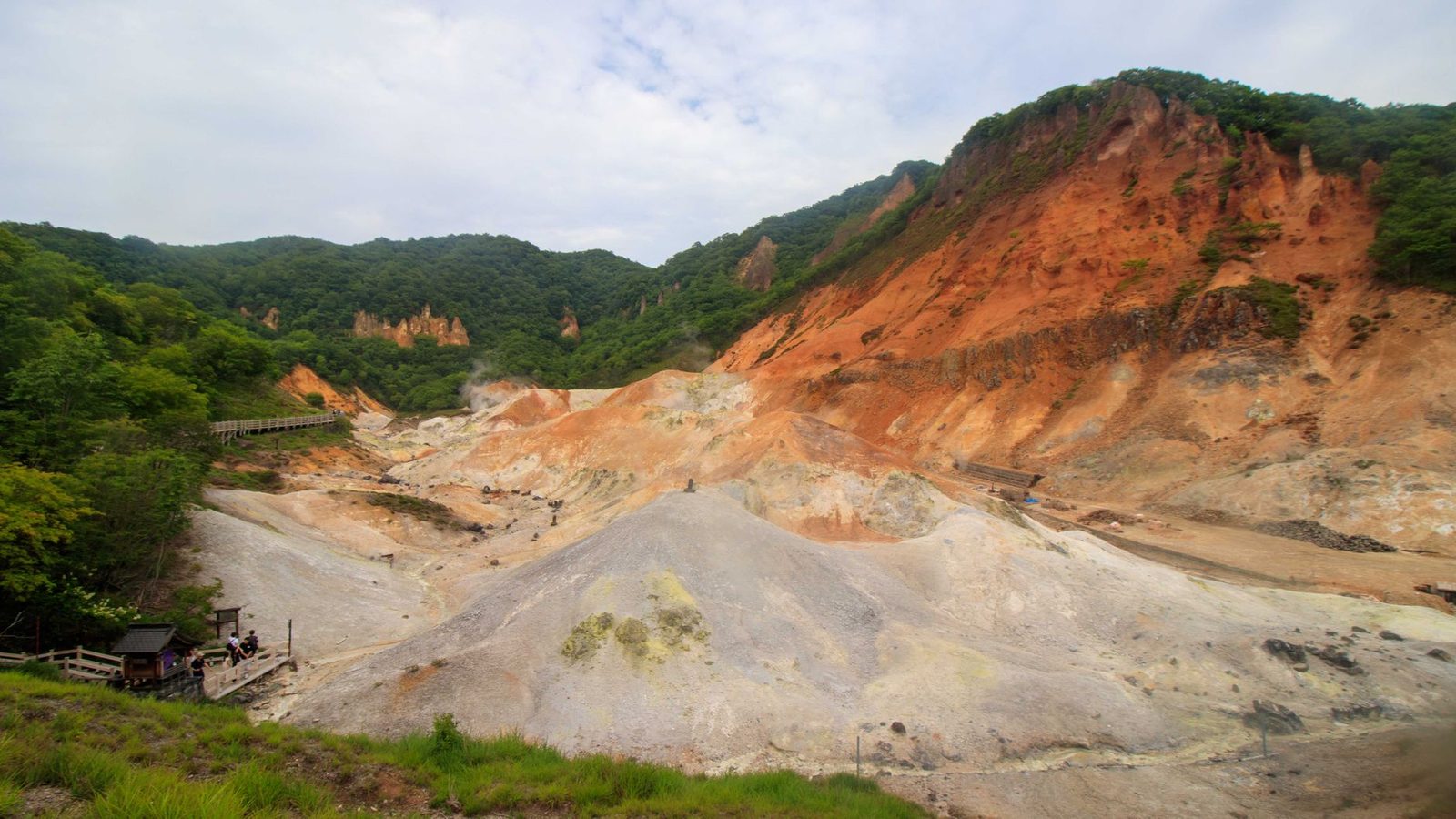
Noboribetsu Jigokudani – Hell Valley's Sulfur Clouds and Mystical Hot Springs
Your complete guide to Noboribetsu Jigokudani, Hokkaido — best times to visit, how to get there, top spots to explore, and practical tips for first-timers.
Feb 23, 2026·✍️ olablog·⏱ 5 min read
Your complete guide to Noboribetsu Jigokudani, Hokkaido — best times to visit, how to get there, top spots to explore, and practical tips for first-timers.
Tap a region to browse articles
Japan rewards curious travelers in ways few countries can match — and Noboribetsu Jigokudani (登別地獄谷) in Hokkaido is one of the country's most genuinely jaw-dropping gifts to the world. A trip here isn't just a tick on the itinerary; it's a full sensory immersion into raw, volcanic nature, where every viewpoint earns a sharp intake of breath and an instinctive reach for your camera.
1. What Makes Noboribetsu Jigokudani So Special
The moment you arrive, Jigokudani — literally "Hell Valley" — earns its dramatic name. Boiling sulfurous springs bubble up from a crater about 450 meters (roughly 1,500 feet) across, filling the air with ghostly plumes of steam. The surrounding landscape shifts like a slow-motion painting: golden in the early morning light, deep ochre and charcoal at dusk. Hokkaido's wide-open skies amplify everything.
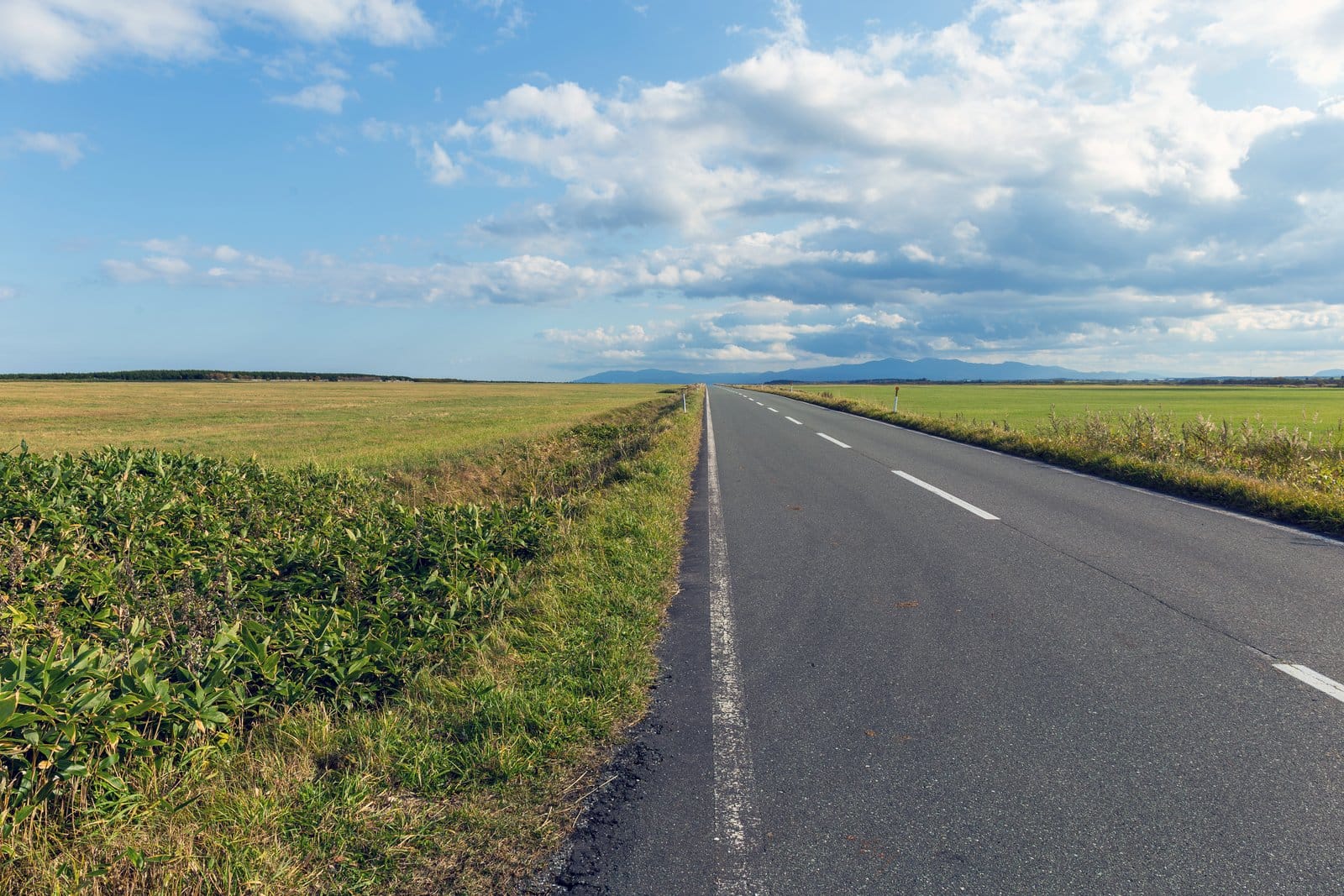
The journey in is half the fun. The roads winding through Noboribetsu's forested hills and coastal stretches are genuinely scenic — the kind of drive that makes you slow down not because of traffic, but because you keep pulling over to stare. Travelers consistently say the approach sets the mood as much as the valley itself.
2. Top Spots You Shouldn't Skip
The Jigokudani area packs in more visual variety than its relatively compact footprint suggests. Here are the highlights:
Main Observation Deck: A 180-degree panorama over the steaming valley floor. Sunrise and sunset here are the best in the area — get there early.
Ōyu Numa Pond: A milky blue-gray boiling pond rimmed with rust-colored mineral deposits. The colors look almost artificially vivid.
Old-Growth Forest Trail: Century-old trees arch overhead like a natural cathedral — spectacular in fall foliage season and beautifully eerie in winter snow.
Reflection Pool: A nearby still-water spot where the treeline mirrors perfectly in the surface — the kind of symmetrical shot that breaks Instagram.
Summit Viewpoint: The highest accessible point in the area, with a full panorama across Hokkaido's volcanic landscape. Worth the short hike.
3. Best Time to Visit
Every season brings something worth seeing at Noboribetsu Jigokudani, which is genuinely one of Japan's more year-round destinations. That said, here's how the seasons stack up:
- Year-round appeal: The valley steams regardless of season — in fact, the contrast between billowing hot springs and deep snow in winter is particularly cinematic.
- Peak scenery: Autumn (mid-October to early November) for fiery foliage; late April to May for fresh green and spring blooms.
- Best light for photography: 6–9 a.m. and 4–6 p.m. daily — that golden-hour steam looks phenomenal.
- Crowd levels: Manageable most of the year; busiest in late July–August and October. Weekday visits are noticeably quieter.
Winter note: Snow turns the valley into a surreal snowglobe scene, but mountain roads can be icy — carry snow chains or book a car with winter tires, and always check road conditions before heading out.
4. Getting Around — The Case for Renting a Car
Public transport will get you to Noboribetsu (JR Noboribetsu Station, then a bus or taxi to the valley), but for exploring the wider area at your own pace, a rental car is the clear winner. Hokkaido was built for road trips: roads are well-maintained, signage is clear, and rest stops (道の駅, michi-no-eki) are dotted along the route with local snacks and clean facilities.
Driving yourself means stopping wherever the view demands it, taking the coastal detour that no bus schedule accommodates, and arriving at the observation deck before the tour groups.
✨ Tip: Rent a private car through OlaChill and explore Noboribetsu Jigokudani entirely on your own schedule — with or without a driver.
5. Sample 1–2 Day Itinerary
Day 1:
- 6:00 a.m. — Main Observation Deck at sunrise; the steam glows amber in early light
- 8:00 a.m. — Breakfast at a local Noboribetsu restaurant (fresh Hokkaido seafood is the move — think snow crab and sea urchin)
- 9:30 a.m. — Drive the main scenic loop; stop freely at valley viewpoints
- 12:00 p.m. — Lunch at a roadside rest stop or local ramen shop
- 2:00 p.m. — Side trips: nearby Oyunuma River Natural Footbath, Shinto shrines, or Lake Kuttara
- 5:00 p.m. — Check into your hotel or ryokan
- 6:30 p.m. — Soak in an onsen (Noboribetsu's mineral waters are among the most mineral-diverse in Japan) followed by a kaiseki multi-course dinner
Day 2:
- 7:00 a.m. — Early breakfast and an early start before tour buses arrive
- 8:30 a.m. — Quieter secondary trails and lesser-known viewpoints
- 11:00 a.m. — Reflection pool photography session
- 1:00 p.m. — Lunch and a relaxed afternoon
- 3:00 p.m. — Head to your next destination or back toward Sapporo
6. Practical Tips
- 📷 Golden hour is non-negotiable: The 30 minutes on either side of sunrise and sunset transform the valley. Set that alarm.
- 🚗 Book your car early: Hokkaido rental cars sell out fast in peak season — reserve at least 1–2 weeks ahead.
- ⛽ Fill up before you go: Gas stations thin out in rural Hokkaido; top off your tank in Noboribetsu town before heading into the hills.
- 📱 Download offline maps: Google Maps offline for Hokkaido is a lifesaver in dead zones along mountain roads.
- 🍙 Stock up at a convenience store: 7-Eleven and FamilyMart are legitimate trail-snack goldmines — onigiri, hot drinks, the works.
- ☁️ Check the forecast: Especially critical in winter (snow and ice) or during the June–July rainy season. The Japan Meteorological Agency website is reliable and has an English interface.
More from this region — Hokkaido
View all →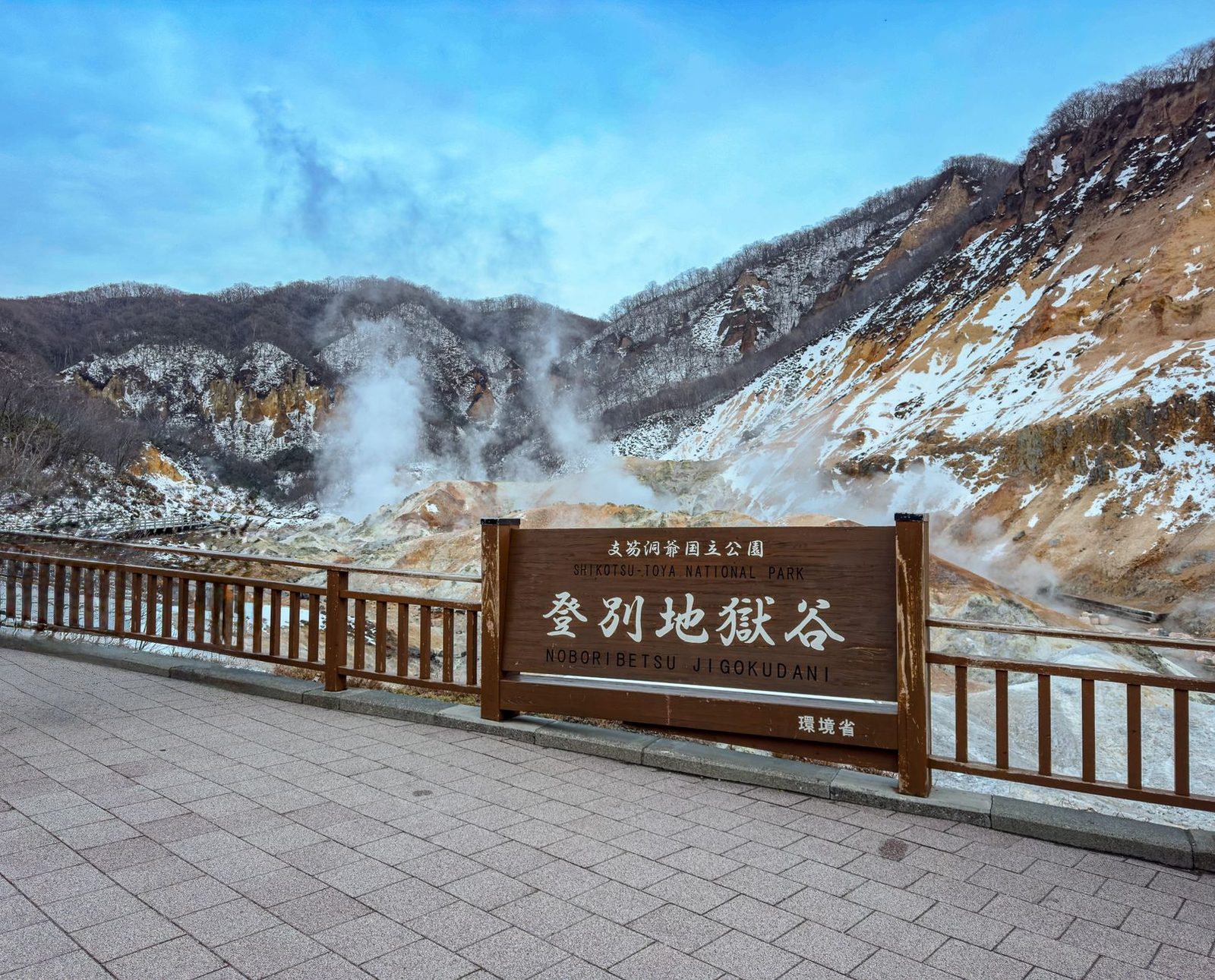
Noboribetsu Onsen and Jigokudani Guide: Spring Types, Walks and Access from Sapporo
20 min · destinations
Rebun Island – Japan's Northernmost Alpine Wildflower Paradise
6 min · destinations
Renting a Car in Hokkaido in Winter
5 min · destinations
Roads to Heaven: Hokkaido's Legendary Straight Roads
5 min · destinations