
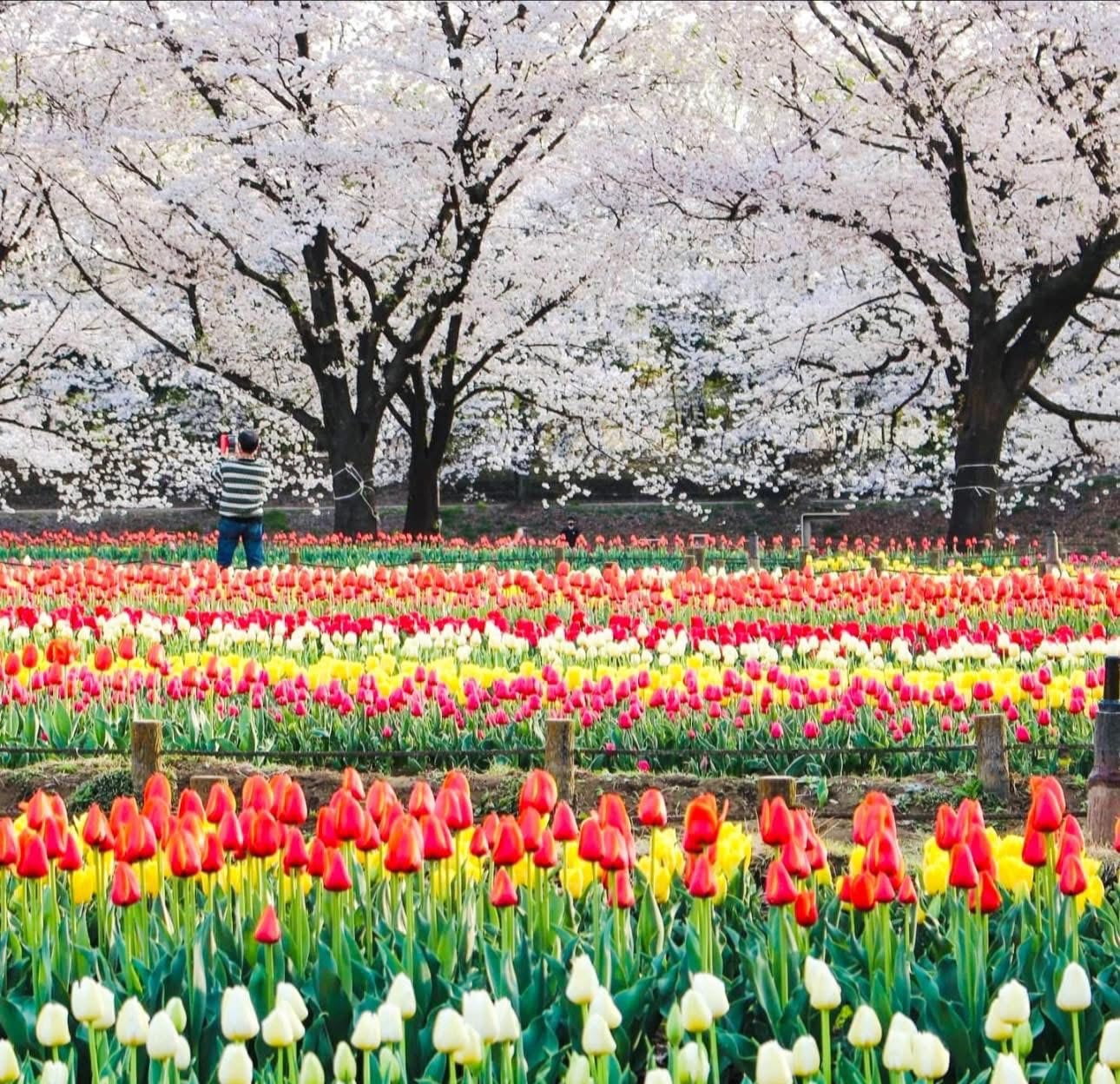
Rebun Island – Japan's Northernmost Alpine Wildflower Paradise
Your complete guide to Rebun Island, Hokkaido: the best time to visit, how to get there, top photo spots, and a ready-to-use 1–2 day itinerary.
Mar 31, 2026·✍️ olablog·⏱ 6 min read
Your complete guide to Rebun Island, Hokkaido: the best time to visit, how to get there, top photo spots, and a ready-to-use 1–2 day itinerary.
Tap a region to browse articles
Japan has no shortage of natural wonders, but Rebun Island (礼文島) in Hokkaido sits in a category of its own. Pushed further north than almost anywhere else you can reach by public ferry in Japan, this narrow sliver of island trades neon-lit streets for rolling alpine meadows carpeted in wildflowers — the kind of scenery that makes you stop mid-sentence and just stare. Getting here takes effort, and that's exactly the point.
1. What Makes Rebun Island Special
There is nowhere else in Japan that looks quite like this. Hokkaido already feels wilder and more wide-open than Honshu, but Rebun takes that feeling to its logical extreme. Because the island rises steeply from the Sea of Japan rather than sitting on a broad plain, alpine flora typically found above the tree line in the Alps or Rockies grows here almost at sea level — an accident of latitude that feels like a gift.
Light changes fast on Rebun. Golden-hour mornings burn bright and cool, while evenings lean toward soft purples and pinks as the sun drops toward the Russian island of Sakhalin on the horizon. Every hour feels different, which is a polite way of saying you will take far too many photos and have no regrets about it.
The journey itself is part of the appeal. The ferry crossing from Wakkanai — already Japan's northernmost city — frames the island long before you dock, and the roads that wind along its cliffs and flower-covered slopes deliver the kind of scenery that belongs on a Lonely Planet cover.
2. Top Spots Worth the Detour
Rebun punches well above its weight for photo opportunities. Here are the highlights:
Main observation deck: A sweeping 180-degree view over the island's coastline and flower meadows. Sunrise and sunset here are consistently rated the best on the island — set your alarm.
The ancient tree-lined path: A canopy tunnel formed by century-old trees that feels genuinely magical in summer when the wildflowers are in full bloom beneath them.
Reflective waterway: A calm river or coastal inlet near the trail network acts as a natural mirror, producing the kind of perfectly symmetrical reflection shots that break Instagram in the best possible way.
Panorama summit: The highest accessible point on the island — legs required, but the 360-degree view across Hokkaido's northwest coast and out toward Rishiri Island (利尻島) is the payoff.
3. Best Time to Visit
Rebun is genuinely a four-season destination, but June and July are the sweet spot:
- The weather is as stable as Hokkaido gets — cool, clear, and ideal for hiking and driving
- Wildflower season hits its peak; the meadows are as vivid as advertised
- Golden-hour light is best captured between 6–9 a.m. and 4–6 p.m.
- Crowds are manageable — busy enough to feel lively, quiet enough to find your own stretch of trail
Winter visitors get something genuinely stunning — snow-blanketed cliffs and an almost eerie silence — but ferry schedules thin out and coastal roads can be treacherous. Spring cherry blossoms and autumn foliage are also worth the trip if June doesn't fit your calendar.
4. Getting Around: Rent a Car and Own It
Public transport on Rebun is limited, and bus timetables will dictate your day in ways that are quietly maddening when you keep passing perfect viewpoints you can't stop at. Renting a car — or booking a private driver — is the single best upgrade you can make to this trip.
Most roads on the island are well-maintained with clear signage and sensibly placed rest stops. Coastal and hillside stretches are wide enough to feel relaxed rather than white-knuckled, making this one of Hokkaido's more forgiving road-trip routes even for first-timers.
✨ Pro tip: Book a private car through OlaChill — with or without a driver — and explore Rebun entirely on your own schedule.
5. Sample 1–2 Day Itinerary
Day 1
- 6:00 a.m. – Head straight to the main observation deck for sunrise over the flower meadows and coastline
- 8:00 a.m. – Breakfast at a local restaurant — fresh Hokkaido seafood (sea urchin and crab are non-negotiable)
- 9:30 a.m. – Drive the main scenic coastal route, stopping at viewpoints as you go
- 12:00 p.m. – Lunch at a roadside restaurant or rest-area café
- 2:00 p.m. – Explore secondary spots: a nearby fishing village, coastal trail, or tidal pools
- 5:00 p.m. – Check in to your hotel or a traditional ryokan
- 6:30 p.m. – Soak in the onsen (hot spring bath) if your accommodation has one, then dinner — a full kaiseki spread if you're treating yourself
Day 2
- 7:00 a.m. – Early breakfast and an early start to beat any tour groups
- 8:30 a.m. – A quieter back road or a less-visited viewpoint locals actually use
- 11:00 a.m. – Reflective waterway for mirror-image shots
- 1:00 p.m. – Leisurely lunch and a proper sit-down rest
- 3:00 p.m. – Head to your next destination or catch the ferry back to Wakkanai
6. Practical Tips
- 📷 Shoot in the golden hour: The 30 minutes either side of sunrise and sunset give you the best light — and the fewest people in frame
- 🚗 Book your rental car early: Peak season (June–July) fills up fast; reserve at least 1–2 weeks ahead to avoid being stuck with whatever's left
- ⛽ Fill the tank before you leave town: Gas stations are sparse in rural Hokkaido — don't assume there's one around the next bend
- 📱 Download offline maps: Save Google Maps for the Hokkaido region before you board the ferry; cell signal can be patchy on the island's wilder stretches
- 🍙 Stock up at a convenience store: A 7-Eleven or FamilyMart in Wakkanai before you board is your best friend — onigiri, sandwiches, and hot drinks sorted
- ☁️ Check the forecast religiously: Hokkaido weather is changeable year-round, and in winter or during typhoon season it can turn quickly — a quick check the night before saves a lot of misery
More from this region — Hokkaido
View all →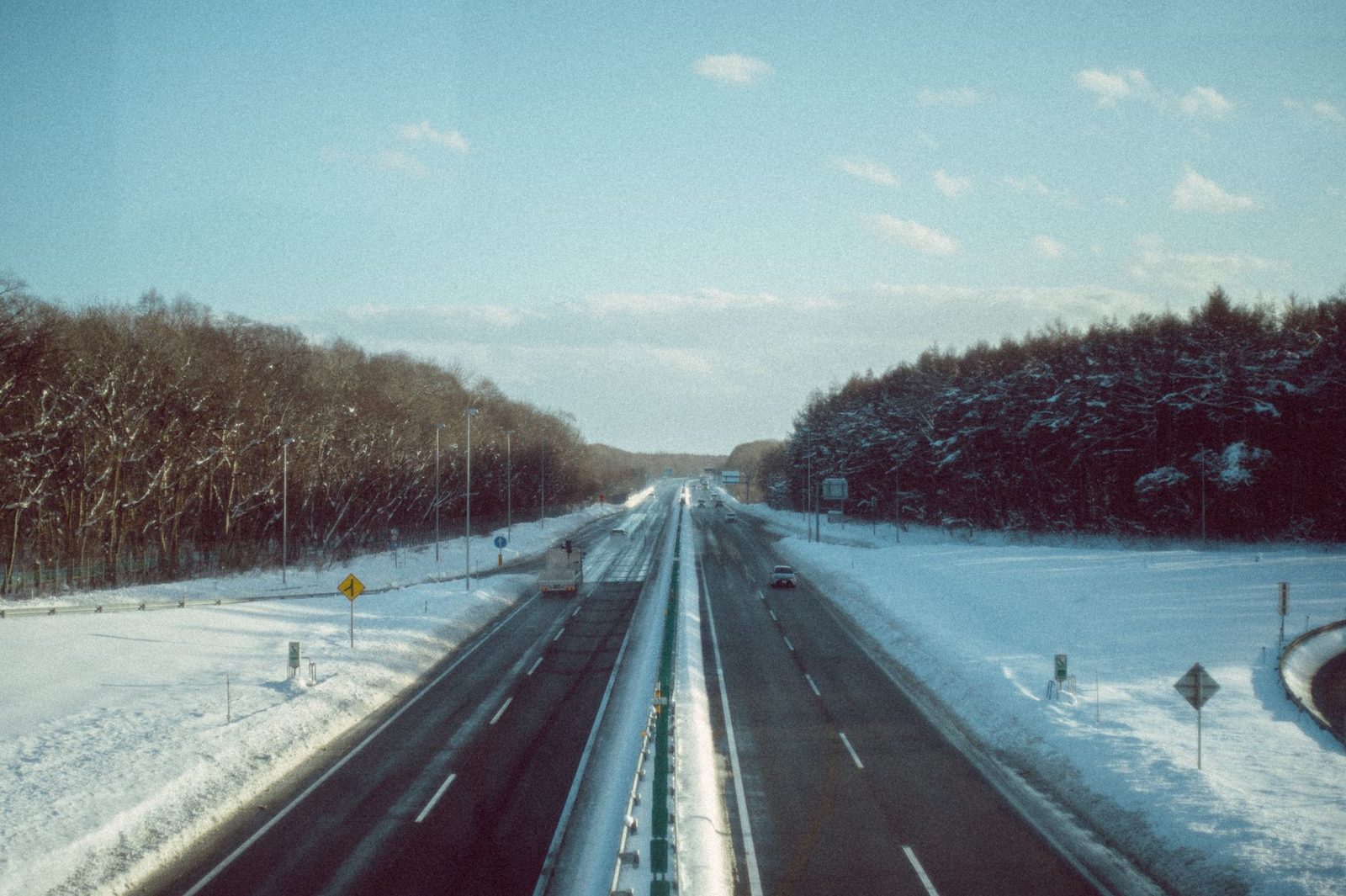
Renting a Car in Hokkaido in Winter
5 min · destinations
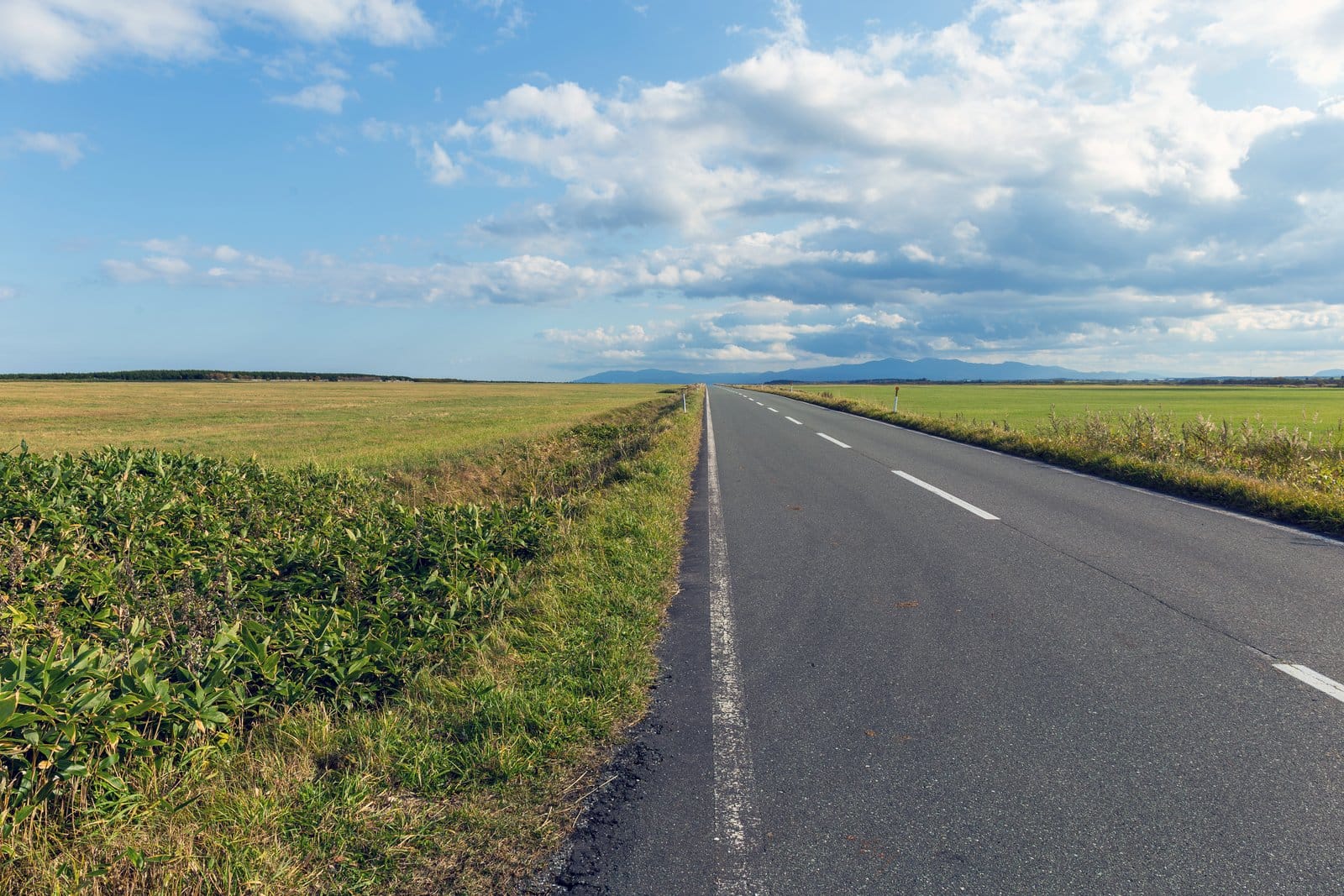
Roads to Heaven: Hokkaido's Legendary Straight Roads
5 min · destinations
Roller Coaster Road, Hokkaido – The Undulating Drive That'll Take Your Breath Away
5 min · destinations
Sapporo: A Guide to Hokkaido’s Snow, Beer, and Miso Ramen City
7 min · destinations