
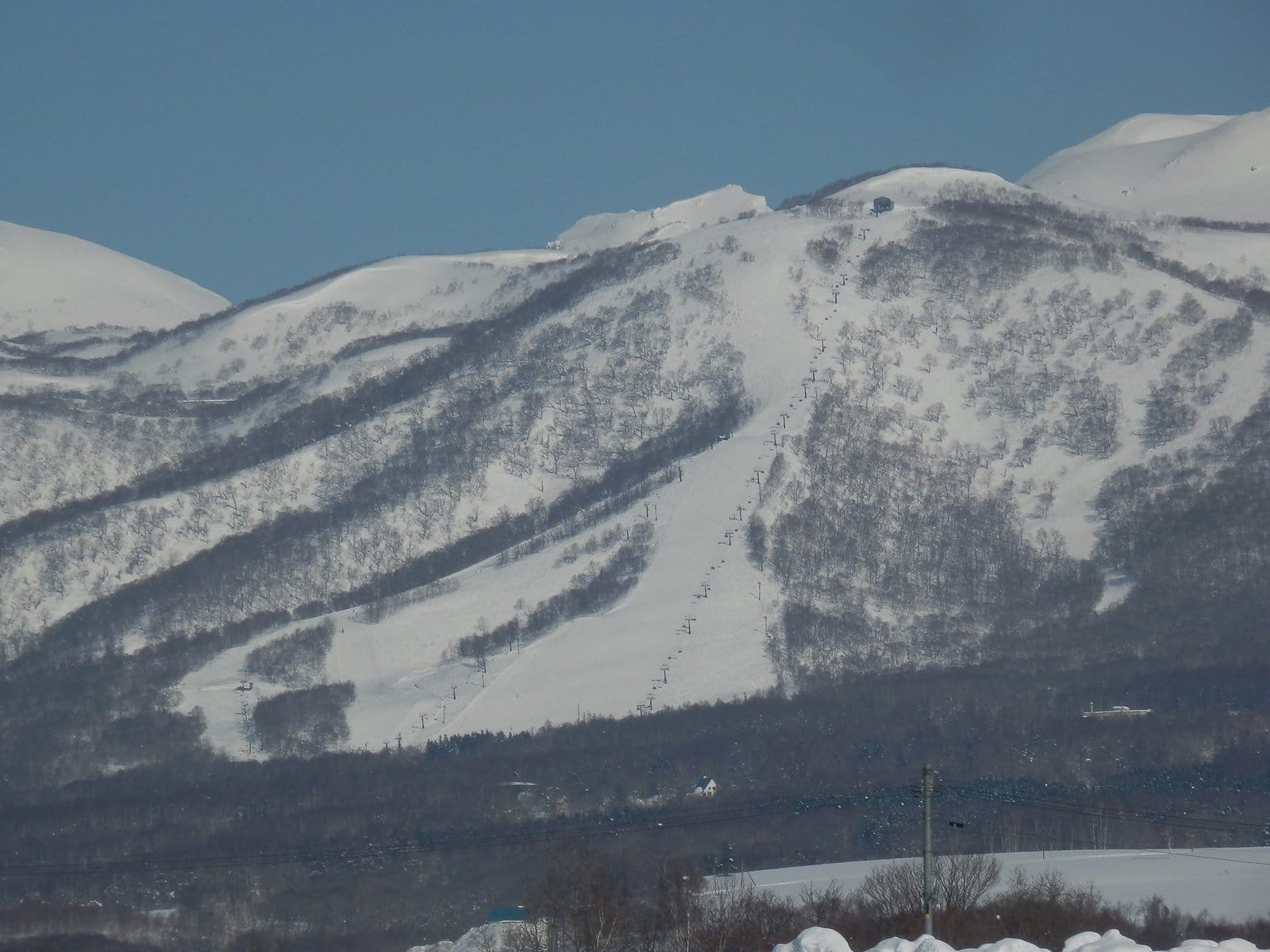
Niseko in Winter – Powder Snow, Hot Springs, and Mountain Bliss
Your complete guide to Niseko, Hokkaido in winter: the best time to visit, how to get around, top photo spots, and a ready-to-use 2-day itinerary.
Feb 15, 2026·✍️ olablog·⏱ 5 min read
Your complete guide to Niseko, Hokkaido in winter: the best time to visit, how to get around, top photo spots, and a ready-to-use 2-day itinerary.
Tap a region to browse articles
Japan has no shortage of jaw-dropping landscapes, but Niseko in Hokkaido is in a league of its own. This isn't just a ski resort — it's a full sensory reset. Think legendary powder snow, steaming open-air onsen, and mountain views so cinematic you'll wonder if someone dialed up the contrast. A trip to Niseko doesn't feel like a weekend getaway; it feels like disappearing into a snow globe for a few days.
1. What Makes Niseko Special
Niseko sits at the foot of Mt. Yōtei (羊蹄山) — often called "Hokkaido's Fuji" — and the scenery shifts dramatically with every hour of daylight. Golden-hour sunrise paints the snowfields amber; dusk turns the sky a bruised violet-pink. No filter required.
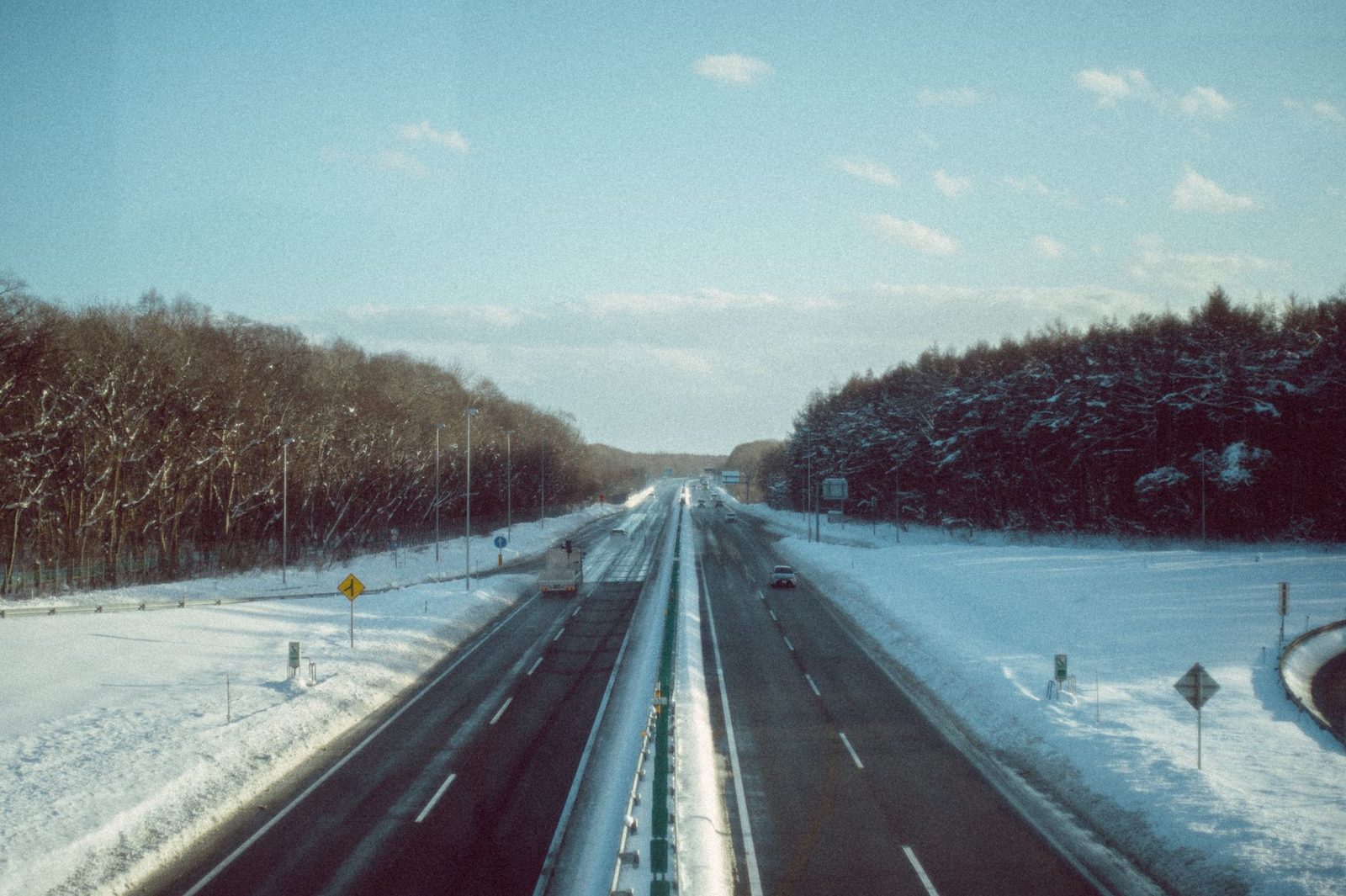
The drive in is half the experience. Roads wind through snowcapped hills, past frozen rivers and open farmland that in summer look like the Scottish Highlands, and in winter look like nothing else on Earth. Travelers consistently say the journey to Niseko is as memorable as the destination itself — which is saying something.
2. Top Photo Spots You Can't Miss
Niseko and greater Hokkaido are packed with viewpoints, from the obvious to the locals-only. Here's where to point your camera:
Main observation deck: A sweeping 180-degree panorama over the Niseko resort area. Sunrise and sunset here are genuinely the best in the region.
The tree-lined road: Century-old trees form a natural tunnel — spectacular in summer green, utterly otherworldly when frost-coated in winter.
Reflective water spots: A nearby lake or river mirrors the mountain and sky like a sheet of glass — perfect for that symmetrical shot your Instagram feed deserves.
Summit viewpoint: Hike or drive to the highest accessible point for a full panoramic sweep across Hokkaido's dramatic interior.
3. Best Time to Visit
Every season brings something different to Niseko, but the sweet spot is January and February. Here's why:
- Weather is at its most predictable for driving and sightseeing
- Peak winter scenery — Hokkaido receives some of the driest, lightest powder snow on the planet
- Best natural light for photography: 6–9 a.m. and 4–6 p.m.
- Crowds are present but manageable — lively without being overwhelming
If you visit in winter, brace for genuinely magical snow conditions — but mountain passes can ice over quickly, so check road conditions daily. Spring (cherry blossoms) and autumn (fiery foliage) are also brilliant alternatives if powder skiing isn't your thing.
4. The Best Way to Explore – Rent a Car and Drive
Public transport in Hokkaido is limited outside of major cities, and honestly, renting a car is the move. Freedom to stop whenever a viewpoint calls your name, to take the back road no bus route touches, to arrive at sunrise without waiting for the first train — it changes the whole trip.
Roads around Niseko are well-maintained and clearly signed. Mountain stretches have wide lanes and rest areas spaced sensibly — ideal for a proper road trip. Just make sure your rental comes with winter tyres (most Hokkaido rentals do by default in season).
✨ Pro tip: Book a private car with OlaChill and explore Niseko at your own pace — driver-guided or self-drive, your call.
5. Sample 1–2 Day Itinerary
Day 1:
- 6:00 a.m. – Head to the main observation deck for sunrise over Niseko bathed in early gold light
- 8:00 a.m. – Breakfast at a local spot — try fresh Hokkaido dairy and seafood donburi
- 9:30 a.m. – Drive the main scenic route, stopping at key viewpoints along the way
- 12:00 p.m. – Lunch at a roadside restaurant or a well-stocked rest-area food hall
- 2:00 p.m. – Explore secondary spots: a historic village, a frozen waterfall, or a nearby lake
- 5:00 p.m. – Check in to your hotel or ryokan (traditional inn)
- 6:30 p.m. – Soak in an outdoor onsen, then settle in for a multi-course kaiseki dinner
Day 2:
- 7:00 a.m. – Early breakfast and an early start to beat other visitors to the best spots
- 8:30 a.m. – Drive a lesser-known back route or visit an under-the-radar viewpoint
- 11:00 a.m. – Reflective lake shot — best light is late morning in winter
- 1:00 p.m. – Lunch and a slow afternoon
- 3:00 p.m. – Head to your next destination or begin the return journey
6. Practical Tips
- 📷 Golden hour is non-negotiable: The 30 minutes either side of sunrise and sunset deliver the best light — set an alarm
- 🚗 Book your car early: January and February are peak season; reserve at least 1–2 weeks ahead
- ⛽ Fill up whenever you can: Gas stations in rural Hokkaido can be few and far between — don't gamble on the gauge
- 📱 Download offline maps: Save the Hokkaido region to Google Maps before you go; cell coverage gets patchy in the mountains
- 🍙 Stock up at convenience stores: 7-Eleven and FamilyMart are genuinely excellent in Japan — onigiri, hot drinks, snacks sorted
- ☁️ Watch the forecast obsessively in winter: Mountain weather in Hokkaido can flip fast — check conditions the night before every drive
More from this region — Hokkaido
View all →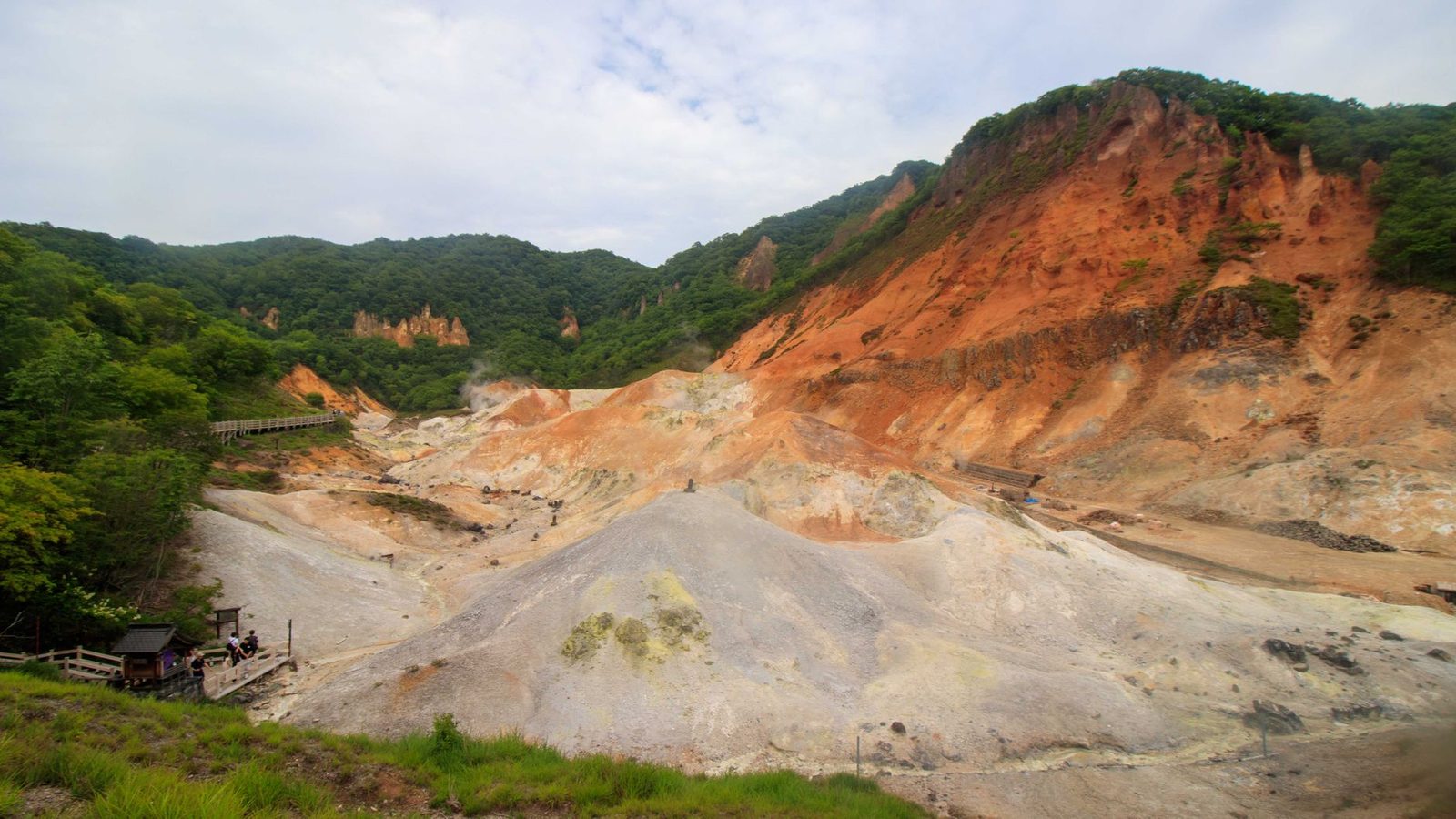
Noboribetsu Jigokudani – Hell Valley's Sulfur Clouds and Mystical Hot Springs
5 min · destinations
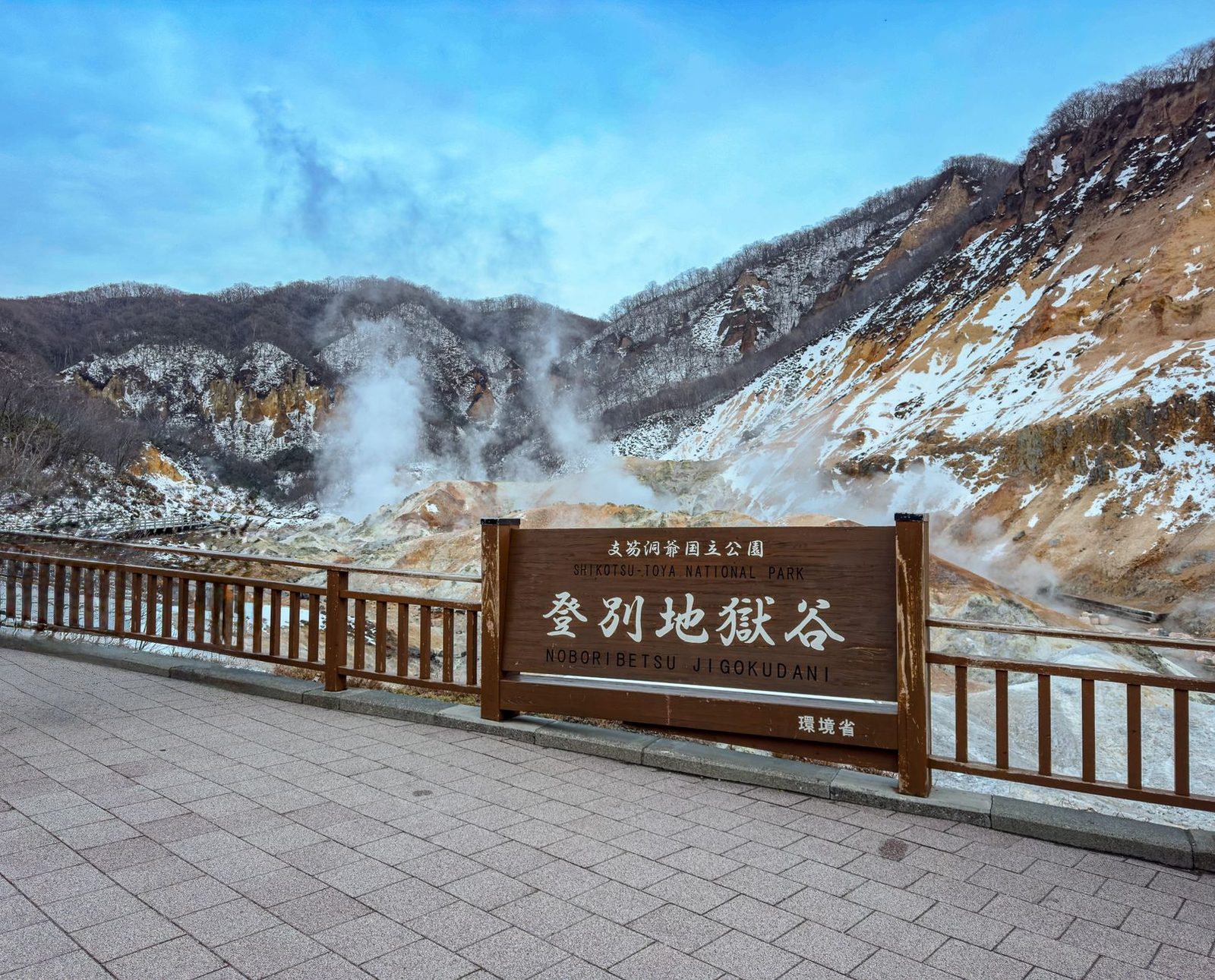
Noboribetsu Onsen and Jigokudani Guide: Spring Types, Walks and Access from Sapporo
20 min · destinations
Rebun Island – Japan's Northernmost Alpine Wildflower Paradise
6 min · destinations
Renting a Car in Hokkaido in Winter
5 min · destinations