
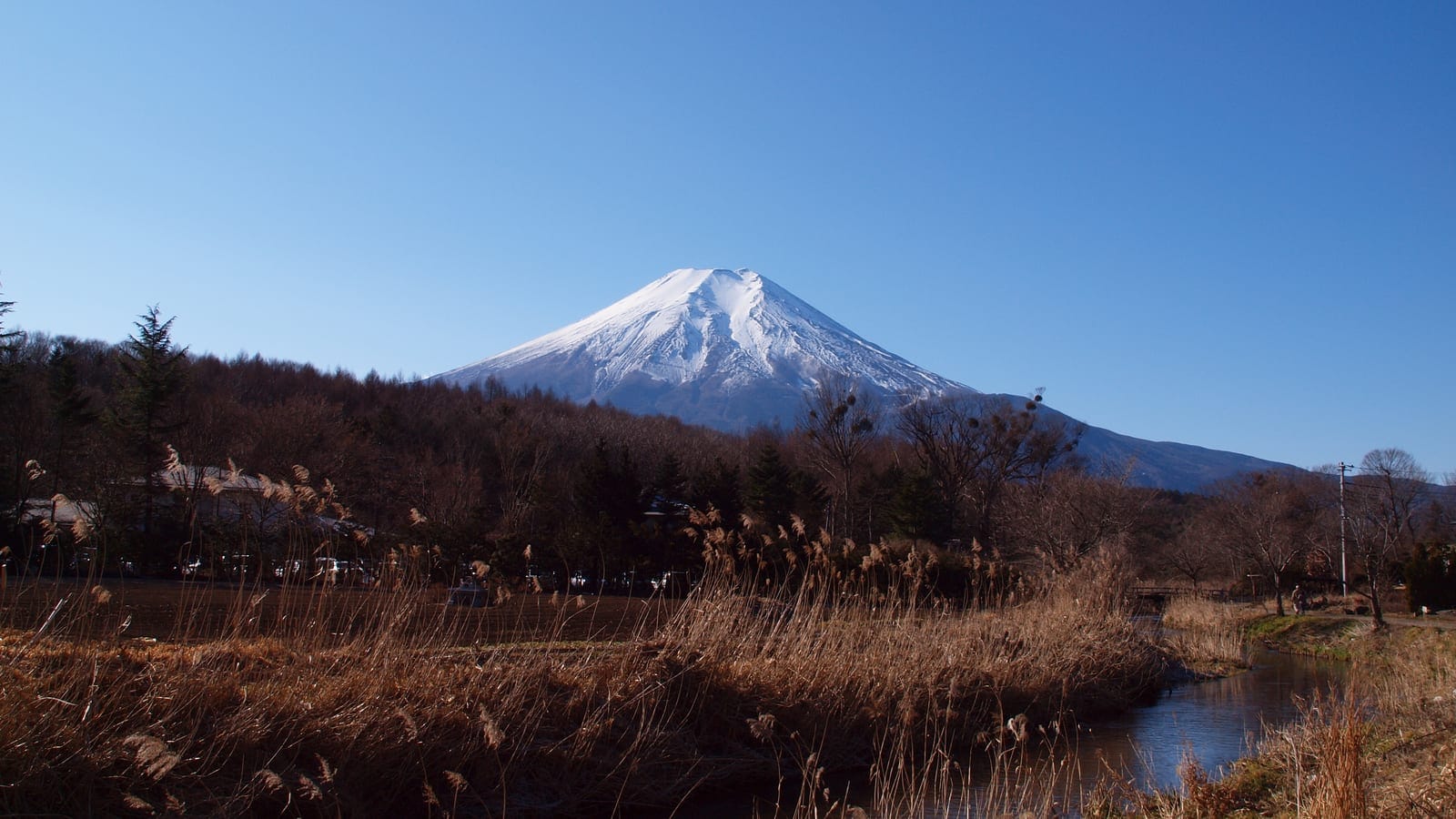
Zao Onsen: Snow Monsters, Ropeway Views and Sulfur Baths
Plan a Zao Onsen escape for winter snow monsters, skiing and sulfur-rich baths, plus the emerald crater lake of Mount Zao in warmer months.
Aug 25, 2026·✍️ olablog·⏱ 9 min read
Plan a Zao Onsen escape for winter snow monsters, skiing and sulfur-rich baths, plus the emerald crater lake of Mount Zao in warmer months.
Tap a region to browse articles
Why visit Zao Onsen?
High in the mountains of Yamagata Prefecture, Zao Onsen combines three experiences that are difficult to find together: dramatic winter scenery, a full-scale ski resort and a traditional hot-spring village with a history stretching back more than 1,000 years.
The main attraction in winter is the juhyo, often called the “snow monsters”. These are snow-covered trees shaped by freezing winds and heavy precipitation, creating strange white figures across the upper slopes of Mount Zao. Ride the ropeway into the mountains to see them from elevated viewpoints, or ski and snowboard among them when conditions allow.
Back in the village, narrow streets lead past wooden inns, steaming channels and public baths supplied by strongly mineralised sulfur water. Zao’s hot springs are known for their distinctive scent and milky, acidic character. A soak here is as much a part of the destination as the mountain views.
Zao is not only a winter destination. In warmer seasons, the mountain opens up for hiking, fresh-air walks and visits to Okama, a striking volcanic crater lake whose water can appear emerald green or blue depending on the light and weather.
The snow monsters and Zao Ropeway
The juhyo form naturally when fir trees on the upper mountain collect layers of snow and ice. Strong seasonal winds sculpt the frozen buildup into bulky, irregular shapes. The result looks almost otherworldly, particularly when the trees are covered from top to bottom.
The most convenient way to see them is by taking the Zao Ropeway from the onsen area toward the upper mountain. The ride is part of the experience: the village gives way to forest, then to open snowy slopes and clusters of juhyo. At the upper station, viewing areas provide a close look at the formations without requiring a long mountain hike.
The juhyo are a midwinter phenomenon. Their appearance depends on snow, wind and temperatures, so they should not be treated as a guaranteed attraction throughout the wider winter season. They generally develop during the coldest part of winter and gradually change as the season progresses. Check the latest mountain and ropeway conditions before travelling, especially if the snow monsters are the main reason for your visit.
For a different perspective, some winter periods offer illuminated views after dark. Availability can vary with weather, transport operations and seasonal programming, so confirm details with the official Zao Ropeway information before making evening plans.
Skiing, walking and bathing
Zao Onsen Ski Resort spreads across a large mountain area with runs for different abilities. Its higher slopes are especially appealing for advanced skiers and snowboarders looking for deep snow and juhyo scenery, while lower areas and ski schools make the resort accessible to newer visitors.
Even if you do not ski, Zao works well as a winter walking destination. Snowy streets, outdoor foot baths and the contrast between warm steam and cold mountain air create an atmospheric stay. Wear waterproof footwear with good grip: the village can be icy, and paths near the ropeway may be covered in packed snow.
The hot springs are the village’s other defining feature. Zao’s sulfur-rich water has a strong, unmistakable smell, and the baths are traditionally appreciated for their warming, refreshing feel. Several public baths are available around the settlement, while many hotels and ryokan have their own indoor or open-air facilities.
When visiting a Japanese bath:
- Wash thoroughly before entering the tub.
- Keep towels out of the bathwater.
- Enter quietly and allow other bathers to relax.
- Check whether your accommodation or bathhouse has rules for tattoos.
- Avoid bathing when unwell or after drinking alcohol.
A stay of one or two nights gives you time to enjoy the mountain without rushing between transport connections. One night can work for a focused winter visit, but two nights are more comfortable if you want to ski, use several baths and allow flexibility for weather.
Okama and the warmer seasons
Outside the snowy months, Mount Zao reveals a different landscape. Okama, meaning “cauldron”, is a volcanic crater lake surrounded by rugged ridges. Its vivid colour is one of the mountain’s most memorable sights, although the exact shade changes with sunlight, weather and viewing conditions.
Access to Okama is seasonal and weather-dependent. Mountain roads can close because of snow, ice or maintenance, and transport arrangements differ from the winter ropeway experience. Many visitors reach the crater area by road from the Yamagata or Miyagi side, sometimes combining it with a hiking route or sightseeing bus. Check current road and bus conditions before setting out.
Spring brings melting snow and fresh greenery, while summer is suitable for hiking and cooler mountain air. Autumn is particularly attractive for foliage, although conditions can shift quickly at elevation. Okama is usually best considered from late spring through autumn, rather than as a year-round stop.
| Season | Main appeal | What to keep in mind |
|---|---|---|
| Winter | Juhyo, skiing, snowy ropeway rides and hot springs | The snow monsters appear only in midwinter; mountain weather can disrupt transport |
| Spring | Melting snow, quiet walks and fresh greenery | Higher roads and trails may remain closed early in the season |
| Summer | Hiking, cooler temperatures and access to Okama | Bring layers and check mountain transport before visiting |
| Autumn | Foliage, clear mountain scenery and Okama | Peak colours vary by elevation and weather |
How to get to Zao Onsen
The nearest major transport hub is Yamagata Station. From there, take the Yamagata Shinkansen from Tokyo or the Ou Main Line from regional destinations, then continue by the Yamako Bus from Yamagata Station to Zao Onsen.
The bus journey takes roughly one hour, depending on traffic and conditions. In winter, allow extra time: heavy snow can affect road travel, and services may be busier around weekends and holidays. The bus arrives in the onsen village, within walking distance of accommodation, baths and the ropeway area.
From Sendai, a practical route is to travel by the Tohoku Shinkansen to Yamagata or use a regional highway bus connection, then continue by the Yamako Bus. The exact best route depends on your departure point and travel date.
Once in Zao Onsen, many central sights are walkable, but the village is hilly and snowy in winter. Confirm your accommodation’s location and whether it offers a pick-up service, particularly if you are carrying ski equipment.
How long should you stay?
Plan at least one full day and one night for a first visit. This allows time for the ropeway, village baths and a relaxed evening meal.
Choose two nights if you want to:
- Ski or snowboard without rushing.
- Wait for clearer weather on the mountain.
- Visit several public baths and explore the village.
- Add a short walk or nearby sightseeing stop.
- Build flexibility into a winter itinerary.
A day trip from Yamagata is possible, especially for the ropeway and a bath, but an overnight stay better captures Zao’s atmosphere after the day visitors leave.
Nearby places to combine with Zao
Yamagata City
Use Yamagata as your transport base or add time before travelling into the mountains. The city has local food, museums and access to regional rail connections. It is also convenient for stocking up on essentials before a snowy mountain stay.
Yamadera
The historic mountain temple of Yamadera is one of Yamagata Prefecture’s most rewarding cultural stops. Stone steps climb through cedar forest to temple buildings and viewpoints over the valley. It makes a strong contrast with Zao’s volcanic scenery and hot-spring culture. Allow several hours, especially in icy weather.
Kaminoyama Onsen
South of Yamagata, Kaminoyama Onsen is another traditional hot-spring town with a calmer atmosphere and a castle-town history. It can work well before or after Zao, particularly for travellers building a broader Yamagata itinerary.
For route planning, seasonal transport checks and bookable experiences around Japan, explore OlaChill’s destination hub.
Practical tips for an independent trip
- Pack waterproof shoes, warm layers, gloves and a hat in winter.
- Keep plans flexible because ropeways, roads and buses can be affected by wind or heavy snow.
- Reserve accommodation early for peak ski periods and weekends.
- Confirm public bath etiquette and payment arrangements at each facility.
- Check official websites for current ropeway operations, road access, lift conditions and seasonal transport.
- Do not assume Okama and the juhyo can be visited on the same day: they belong to different seasonal travel patterns and may require different access routes.
FAQ
When can I see Zao’s snow monsters?
The juhyo are a midwinter sight. They form only when the mountain has the right combination of snow, wind and freezing conditions, so visibility and size vary. Check current conditions rather than relying on a specific calendar date.
Can I visit Zao Onsen without skiing?
Yes. The ropeway, winter scenery, public baths, foot baths and village atmosphere make Zao worthwhile for non-skiers. Snow boots or sturdy waterproof shoes are important.
How do I reach Zao Onsen from Yamagata Station?
Take the Yamako Bus from Yamagata Station to Zao Onsen. The journey is roughly one hour, though winter traffic and weather can affect the timing.
Is Okama open in winter?
Access to Okama is seasonal and may be restricted by snow, road closures and mountain weather. It is generally a warmer-season attraction, so check current conditions before planning a visit.
How many nights should I spend in Zao Onsen?
One night is enough for a compact visit, but two nights are better for skiing, bathing, weather flexibility and a slower experience of the village.
More from this region — Tohoku
View all →
Abukuma Cave: A Journey Deep Beneath Fukushima
8 min · destinations
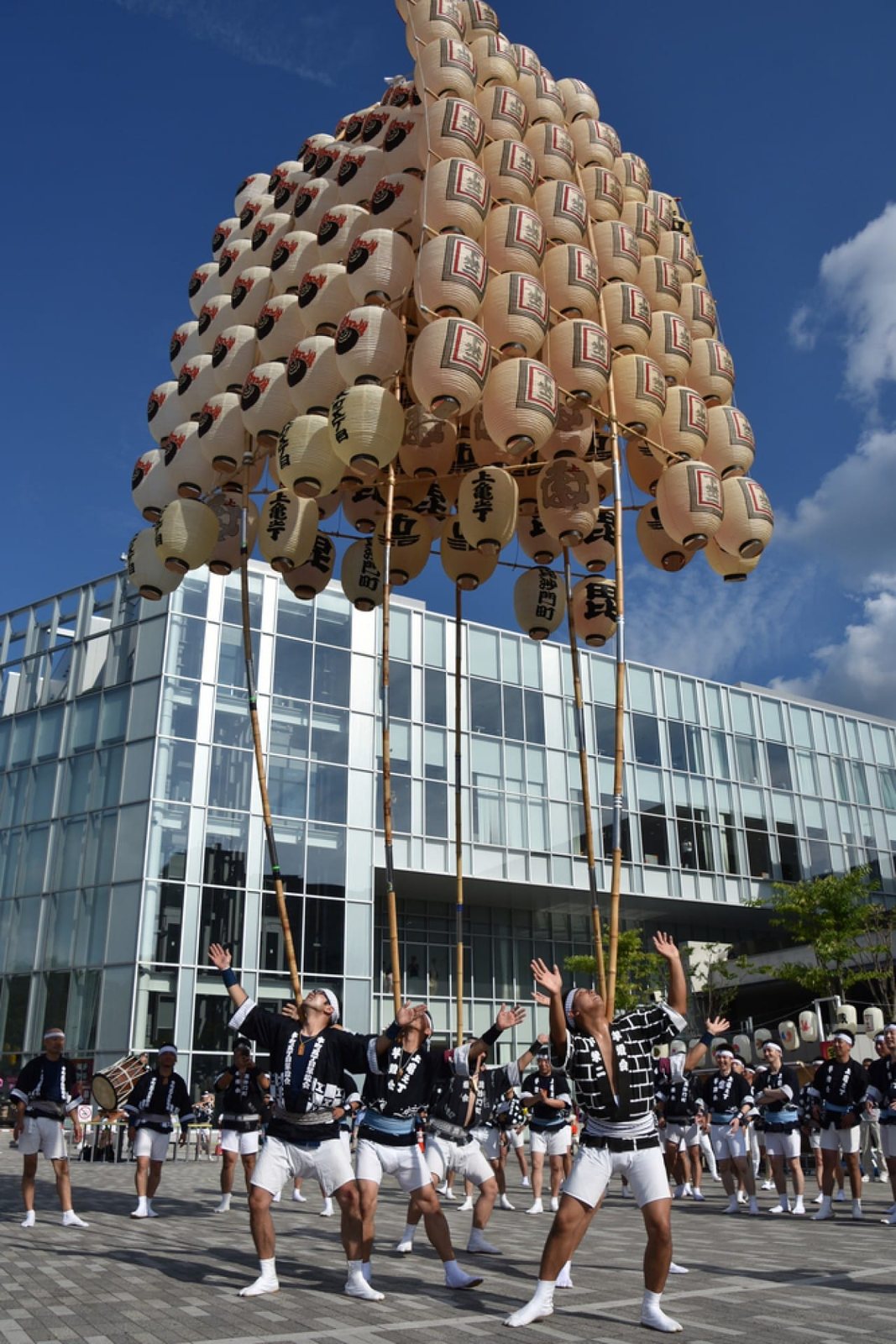
Akita Kanto Festival 2026 Complete Guide — August 3-6, One of Tohoku's Three Great Festivals, Traditional Art of Balancing Rice Bales
6 min · events
Aomori Nebuta Festival 2026 Complete Guide — August 2-7
5 min · events
Bandai Azuma Skyline: Driving Fukushima's Free Road Through the Sky
6 min · tips