Traveling Japan in Tsuyu (Rainy Season)
Discover Japan in June's 'Tsuyu' season: enjoy fewer crowds, budget-friendly travel, stunning hydrangeas, and unique indoor experiences. Explore Hokkaido's summer charm and find practical tips for vegetarian/halal dining.
Jul 10, 2026·✍️ olablog·⏱ 17 min read
Discover Japan in June's 'Tsuyu' season: enjoy fewer crowds, budget-friendly travel, stunning hydrangeas, and unique indoor experiences. Explore Hokkaido's summer charm and find practical tips for vegetarian/halal dining.
Japan in June often brings to mind one word for many travelers: rain. Known as Tsuyu (梅雨), this rainy season typically spans from early June to mid-July across much of the country, and for first or second-time visitors from India and Bangladesh, the idea of a wet holiday might seem daunting. However, dismissing June would mean overlooking a truly unique and often budget-friendly opportunity to experience Japan, where flight and accommodation costs can be significantly lower than peak seasons – think savings that could amount to thousands of Indian Rupees.
Understanding Tsuyu: More Than Just Rain
The term Tsuyu literally translates to "plum rain" in Japanese, as it coincides with the season when plums ripen. It's a distinct meteorological phenomenon resulting from the collision of warm, moist air from tropical regions and cooler air masses from northern East Asia, forming a stationary weather front known as the Baiu Front. While the perception might be one of continuous downpours similar to a strong monsoon, the reality of Tsuyu is often far more nuanced and pleasant.
Unlike the relentless, all-day rains sometimes experienced during the Indian or Bangladeshi monsoon, Japan's Tsuyu is characterized by alternating periods of rain, drizzle, overcast skies, and even occasional sunshine. You might wake to light showers that clear by midday, or experience short, intermittent bursts of rain throughout the day. Humidity levels do rise, making the air feel warmer, but intense, non-stop storms are not the daily norm. This varied weather allows for flexible planning, enabling you to enjoy both outdoor and indoor activities. The landscape, invigorated by the moisture, transforms into a lush, vibrant green, offering a different kind of beauty that many seasoned travelers cherish.
Moreover, the timing of Tsuyu varies regionally. Southern regions like Okinawa experience it earlier, often starting in May, while central Japan (including Tokyo and Kyoto) typically sees the onset in early June, lasting until mid-July. This means that by strategically planning your itinerary, you can still find pockets of drier weather or embrace the unique charm that the rain brings to specific landscapes, such as moss gardens and bamboo groves.
The Unbeatable Price Advantage of Traveling in June
For travelers from India and Bangladesh where costs are often a significant consideration, June presents a compelling argument. This month falls outside the highly popular cherry blossom (spring) and autumn foliage seasons, as well as the peak summer holiday period, resulting in noticeably lower prices across various travel components.
Flights: Airfares typically see a dip in June. While exact prices fluctuate, a round-trip flight from major Indian or Bangladeshi cities to Tokyo or Osaka could be several thousand rupees cheaper than tickets for April, May, or October. You might find savings of anywhere from ₹5,000 to ₹15,000 (or more, depending on the airline and booking time) per person, allowing you to reallocate that budget to experiences or accommodation upgrades. This makes the overall trip more accessible.
Accommodation: Hotels, from budget-friendly business hotels to mid-range options and traditional ryokans, often offer more attractive rates during Tsuyu. With fewer international tourists, demand decreases, leading to better deals. This is a significant advantage, as accommodation can be one of the largest expenses in Japan.
Here’s an approximate comparison of typical daily accommodation costs:
| Accommodation Type | Peak Season (¥) | Peak Season (approx. ₹) | June (¥) | June (approx. ₹) | Potential Savings (approx. ₹) |
|---|---|---|---|---|---|
| Business Hotel | ¥10,000-¥15,000 | ₹5,600-₹8,400 | ¥7,000-¥10,000 | ₹3,920-₹5,600 | ₹1,680-₹2,800 |
| Mid-Range Hotel | ¥18,000-¥25,000 | ₹10,080-₹14,000 | ¥12,000-¥18,000 | ₹6,720-₹10,080 | ₹3,360-₹3,920 |
| Ryokan (basic) | ¥25,000-¥40,000 | ₹14,000-₹22,400 | ¥18,000-¥30,000 | ₹10,080-₹16,800 | ₹3,920-₹5,600 |
(Exchange rate: ~₹0.56 per ¥1, as of 2026)
These savings can substantially reduce your overall trip budget, making a longer stay or more premium experiences feasible. Similar price advantages often extend to certain tours and activities that are less in demand during this period.
Japan Rail Pass & Local Transport: While the Japan Rail Pass is a fixed-price item (and a highly recommended investment, especially for multi-city itineraries, much like a well-planned IRCTC booking for extensive Indian travel), the overall cost of your trip is reduced by the savings on flights and hotels. Local public transport, such as the Tokyo Metro or Kyoto city buses (as efficient and widespread as the Delhi Metro), maintains consistent pricing year-round, so the advantage here lies purely in the reduced crowds, making journeys more comfortable.
A Kaleidoscope of Blue and Purple: Hydrangea Temples & Gardens
One of the most enchanting aspects of Japan's Tsuyu season is the spectacular bloom of hydrangeas, known as ajisai (紫陽花). These beautiful flowers thrive in the moist conditions of June, transforming temples, gardens, and hillsides into a breathtaking palette of blues, purples, pinks, and whites. Visiting these spots during a gentle drizzle can be an almost meditative experience, with the vibrant colors contrasted against moss and ancient stone, creating truly photogenic scenes that are unique to this time of year.
Several temples and gardens across Japan are renowned for their stunning hydrangea displays. In Kamakura, a historic coastal city easily accessible from Tokyo, Meigetsu-in Temple is famously known as the "Hydrangea Temple" for its roughly 2,500 blue ajisai that line its serene paths. A visit here usually costs around ¥500 (approx. ₹280) for entry. Another gem in Kamakura is Hase-dera Temple, which boasts over 2,500 hydrangeas and offers panoramic views of the city and coastline. Entry to Hase-dera is typically ¥400 (approx. ₹224). Both temples offer a tranquil escape from urban bustle, making them perfect for a day trip.
For those venturing to Kyoto, Mimuroto-ji Temple in Uji is often called the "Flower Temple" and is home to over 20,000 hydrangea bushes in nearly 50 varieties, with some evening light-ups offered during the blooming season. Entry here is usually around ¥1,000 (approx. ₹560). In Tokyo itself, Hakusan Shrine and its surrounding park host the annual Bunkyo Hydrangea Festival in mid-June, featuring around 3,000 hydrangeas. The festival often includes food stalls and performances, adding a cultural dimension to your flower viewing.
Mini Case-Study: A Hydrangea-Focused Day Trip to Kamakura
- Morning (9:00 AM - 1:00 PM): Depart from Tokyo (e.g., Shinjuku or Tokyo Station) via JR Yokosuka Line to Kamakura Station. The journey takes approximately an hour. From Kamakura Station, take a short local train ride or a bus to Kita-Kamakura Station to start your exploration. First, visit Meigetsu-in Temple. Allow 1.5-2 hours to leisurely stroll through the grounds, admire the "Meigetsu-in Blue" hydrangeas, and capture photographs. The entry fee is around ¥500 (approx. ₹280).
- Lunch (1:00 PM - 2:00 PM): Enjoy a traditional Japanese lunch in Kita-Kamakura. Look for small, local eateries. Many offer soba (buckwheat noodles) or udon (wheat noodles) dishes. For vegetarian options, explicitly ask for dishes without dashi (fish broth) and meat. Some places might offer tempura sets with only vegetable tempura.
- Afternoon (2:00 PM - 5:00 PM): Head to Hase-dera Temple (a short train or bus ride from Kita-Kamakura, or a pleasant walk). This temple not only offers magnificent hydrangea gardens but also features a massive wooden Kannon statue and stunning views of the coast. Entry is around ¥400 (approx. ₹224). Allow 2-3 hours.
- Evening (5:00 PM onwards): Explore Komachi-dori, Kamakura's main shopping street, for souvenirs or local snacks before heading back to Tokyo. The less crowded streets in June make for a more relaxed browsing experience.
This itinerary allows you to fully immerse yourself in the beauty of ajisai while enjoying the historic charm of Kamakura, all at a more relaxed pace than during peak tourist seasons.
Mastering Indoor Itineraries: Culture, Shopping & Culinary Delights
While the occasional rain showers are part of the June experience, Japan offers an incredible array of indoor attractions that can fill your days with culture, entertainment, and culinary adventures, regardless of the weather. These indoor options are particularly appealing when the skies are grey, allowing you to seamlessly transition your plans.
Museums & Galleries: Japan boasts world-class museums that cater to every interest. In Tokyo, the Tokyo National Museum in Ueno Park houses an extensive collection of Japanese art and artifacts, offering a deep dive into the nation's history and culture. Entry is typically around ¥1,000 (approx. ₹560). For a truly unique experience, consider the whimsical world of the Ghibli Museum in Mitaka. Tickets must be purchased well in advance (often months ahead) through designated channels like Lawson convenience stores in Japan, or official overseas distributors. There are no walk-in tickets. The cost is ¥1,000 (approx. ₹560) for adults, a small price for such an imaginative experience. Other notable options include the Mori Art Museum in Roppongi (known for contemporary art and city views) or the various museums within Kyoto, such as the Kyoto National Museum.
Shopping Arcades (Shotengai) & Department Stores: Japan's cities are renowned for their extensive underground shopping malls and covered shotengai (shopping streets), providing perfect havens from the rain. Explore the bustling districts of Shinjuku and Shibuya in Tokyo, or Umeda and Dotonbori in Osaka, where multi-story department stores (like Isetan, Takashimaya, or Daimaru) offer everything from high fashion to exquisite food halls (depachika) in their basements. These food halls are a delight for the senses, offering a vast selection of gourmet foods, fresh produce, and prepared meals. Many stores offer tax-free shopping for tourists on eligible purchases, so remember to carry your passport. For a more traditional shopping experience, walk through Kyoto's Nishiki Market, a lively covered food market, even on a rainy day.
Cafes & Restaurants: Navigating Vegetarian and Halal Options: Food is a cornerstone of any travel experience, and addressing dietary needs is crucial for visitors from India and Bangladesh. While traditional Japanese cuisine often uses dashi (fish broth) even in seemingly vegetarian dishes, and pork is common, Japan is increasingly accommodating.
- Vegetarian: Look for shojin ryori (Buddhist temple cuisine), which is inherently vegetarian and often vegan. Kyoto, with its numerous temples, is an excellent place to find this, for example, at Shigetsu within Tenryu-ji Temple in Arashiyama. Apps like HappyCow are invaluable for locating vegetarian and vegan-friendly restaurants. When dining out, carry a small card with phrases like "Watashi wa bejetarian desu" (I am vegetarian) and "Niku, sakana, dashi nuki de onegaishimasu" (No meat, fish, or dashi, please). Convenience stores (7-Eleven, FamilyMart, Lawson) are also great for quick, safe snacks and meals, often stocking vegetarian-friendly rice balls (onigiri) or bread, but always check ingredients carefully for hidden dashi or animal products.
- Halal: While less widespread than vegetarian options, halal-certified restaurants are growing, especially in major cities like Tokyo, Osaka, and Kyoto. Search for "Halal-certified" or "Muslim-friendly" establishments using apps like Halal Navi. Many Middle Eastern, South Asian, or Indonesian restaurants in Japan will also offer halal options. Be aware of the distinction between "halal-certified" (meaning ingredients and preparation adhere strictly to Islamic law) and "Muslim-friendly" (which may offer pork-free or alcohol-free options but might not meet full halal standards due to shared kitchens, for instance). Always confirm with staff.
Onsen & Sentos: A rainy day is perhaps the perfect excuse to indulge in a traditional Japanese onsen (hot spring) or sento (public bath). These provide a relaxing and authentic cultural experience. Many ryokans have their own onsen, but day-trip onsen facilities are also available. Remember the etiquette: wash thoroughly before entering the bath, and most onsen require nudity (though some offer private baths or mixed-gender options with swimsuits).
Cooking Classes: Engage with Japanese culture hands-on by taking a cooking class. Learn to make sushi, ramen, or traditional sweets. Many classes are conducted in English and can be easily booked online, providing a fantastic indoor activity that culminates in a delicious, self-made meal.
The Hokkaido Exception: Escaping Tsuyu for Summer Bliss
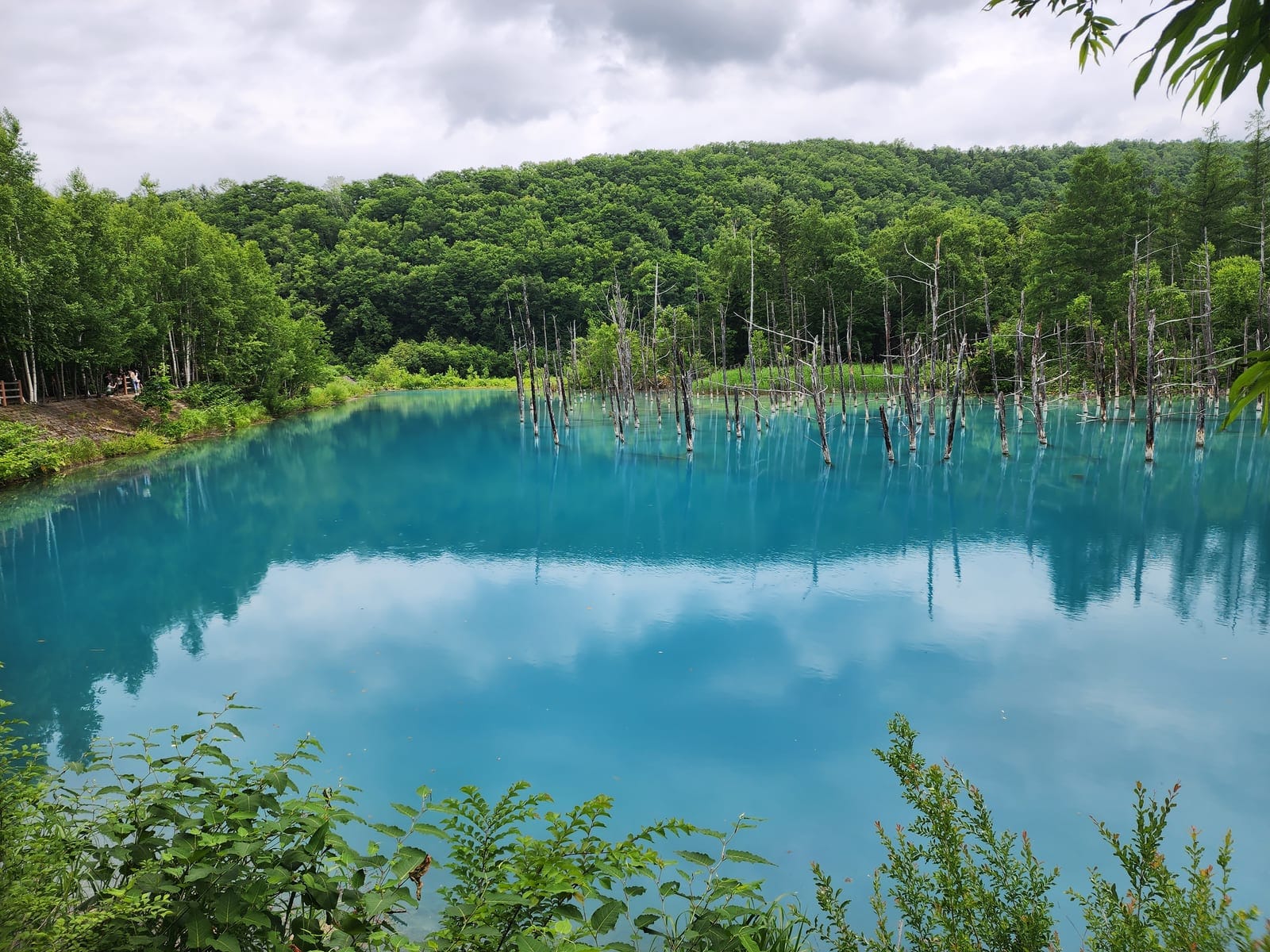
While much of Honshu, Shikoku, and Kyushu experiences Tsuyu in June, Japan's northernmost major island, Hokkaido, largely escapes its grasp. Due to its higher latitude, Hokkaido's climate in June is typically mild, dry, and pleasantly warm, marking the true start of summer. This makes it an ideal destination if you're looking to combine a cultural trip to mainland Japan with a refreshing, rain-free escape.
In June, Hokkaido boasts average daytime temperatures ranging from 15°C to 24°C (59°F to 75°F), with significantly lower humidity compared to the rest of Japan. The landscapes are vibrant and green, offering perfect conditions for outdoor activities. Early June sees the last of the cherry blossoms in some northern areas, while late June marks the beginning of the famous lavender fields in Furano, though peak bloom is usually in mid-July.
Activities abound in Hokkaido during June. You can enjoy hiking in national parks like Daisetsuzan, exploring the Shiretoko Peninsula for wildlife (including whale watching in Rausu), or cycling through picturesque countryside. Sapporo, Hokkaido's capital, offers urban attractions, pleasant parks, and often hosts festivals in early June, such as the Yosakoi Soran Festival.
While Hokkaido offers a respite from Tsuyu, remember that travel to Hokkaido involves additional cost and time. You'll likely need a domestic flight from a major Honshu city (e.g., Tokyo to Sapporo, approximately 1.5-2 hours flight). Flight prices average around ¥10,000-¥20,000 (approx. ₹5,600-₹11,200) one way, depending on how far in advance you book and the airline. Accommodation and car rentals in Hokkaido might also see slightly higher demand and prices in June compared to mainland Japan due to its favorable weather, though still generally less than Hokkaido's own peak summer months of July and August. Consider allocating 3-5 days for Hokkaido if you choose to include it in your itinerary, perhaps at the beginning or end of your trip to mainland Japan.
Practical Tips for a Smooth Tsuyu Journey
Traveling during Japan's rainy season requires a bit of foresight and preparation, but with the right approach, your trip can be incredibly smooth and enjoyable.
What to Pack:
- Waterproof Outerwear: A lightweight, waterproof jacket or a sturdy umbrella is essential. Consider a compact, foldable umbrella that easily fits into your day bag.
- Comfortable, Waterproof Shoes: You'll likely be doing a lot of walking, so invest in good quality waterproof shoes or boots. This will make a significant difference to your comfort.
- Quick-Drying Clothes: Humidity means clothes might take longer to dry. Pack fabrics that are quick-drying and breathable.
- Small Towel/Cloth: Handy for wiping down seats on public transport or drying off quickly.
- Layers: Temperatures can vary, especially between indoors and outdoors, and on days when the rain clears. Dressing in layers allows for easy adjustment.
Navigating with Rain:
- Public Transport is Your Friend: Japan's public transportation system is incredibly efficient, punctual, and largely sheltered. Major train stations often have extensive underground networks and covered walkways, allowing you to move between attractions with minimal exposure to the rain. Consider purchasing an IC card (like Suica or Pasmo) for seamless travel, similar to using a metro card in Delhi or Dhaka.
- Luggage Lockers: Utilize coin lockers at train and subway stations to store wet umbrellas or extra layers while you explore.
- Embrace the Atmosphere: Some places, like moss gardens in Kyoto or bamboo groves in Arashiyama, take on an ethereal beauty in the rain. Don't be afraid to experience them in their Tsuyu glory.
Connectivity: Staying connected is vital. Consider renting a portable Wi-Fi device or purchasing a local eSIM/SIM card upon arrival. This ensures you have access to maps, translation apps, and restaurant guides (especially useful for finding vegetarian/halal options) at all times.
Food Navigation (Vegetarian/Halal): Reiterate the importance of pre-trip research using apps like HappyCow and Halal Navi. Learn a few key Japanese phrases for your dietary needs. Don't underestimate convenience stores (konbini) for reliable and labeled options, though always double-check ingredients. Many major hotels in larger cities are also becoming more adept at accommodating dietary restrictions if informed in advance.
Booking Essentials:
- Japan Rail Pass: If you plan extensive inter-city travel, purchase your JR Pass before arriving in Japan. This is crucial for maximizing savings. While the process is different from IRCTC booking, the principle of advance planning for major rail passes remains similar.
- Ghibli Museum Tickets: As mentioned, these are extremely popular and sell out quickly. Book them months in advance through official channels.
- Specific Tours/Activities: For any high-demand tours or special events, book online as early as possible to avoid disappointment.
Key Takeaways
- Tsuyu is manageable: Japan's rainy season in June rarely means non-stop heavy rain; expect intermittent showers and cloudy days interspersed with clear spells.
- Significant Cost Savings: June offers substantial discounts on flights and accommodations compared to peak seasons, making Japan more accessible for budget-conscious travelers.
- Hydrangea Season is Beautiful: The vibrant bloom of hydrangeas (ajisai) transforms temples and gardens into stunning, tranquil landscapes, offering unique photographic opportunities.
- Excellent Indoor Options: Japan excels in indoor attractions, from world-class museums and extensive shopping arcades to engaging cooking classes and relaxing onsen, perfect for rainy days.
- Hokkaido is an Escape: Japan's northern island, Hokkaido, largely avoids Tsuyu, offering pleasant, dry, and warm weather for outdoor activities in June.
- Plan for Dietary Needs: With increasing awareness, vegetarian and halal options are available, especially in major cities and through dedicated apps and clear communication.
- Pack Smartly: Waterproof outerwear, comfortable shoes, and quick-drying layers are essential for a comfortable Tsuyu trip.
FAQ
Q. Is June really a good time to visit Japan, despite the rainy season? A. Yes, June can be an excellent time to visit Japan. While it is the Tsuyu (rainy season), this doesn't mean constant heavy rain. You'll experience fewer crowds, lower prices on flights and accommodation, and the unique beauty of hydrangeas in full bloom. It offers a quieter, more reflective side of Japan compared to the bustling peak seasons.
Q. What about flight and hotel prices in June compared to other popular months? A. June is generally considered a low travel season, leading to noticeable reductions in flight and hotel prices. You can expect to save several thousand Indian Rupees on airfares and significantly lower daily rates for accommodation types ranging from business hotels to ryokans, making your overall trip more economical.
Q. How do I find vegetarian/halal food during Tsuyu, especially with limited Japanese language skills? A. Pre-trip research using apps like HappyCow (for vegetarian/vegan) and Halal Navi (for halal) is highly recommended. Carry a dietary card with key phrases in Japanese stating your restrictions ("no meat, no fish, no dashi" for vegetarian; "halal, no pork, no alcohol" for halal). Major cities have increasing options, including shojin ryori (Buddhist cuisine) and international restaurants. Convenience stores can also be a reliable source for quick, safe snacks.
Q. Should I bring special rain gear for traveling in June? A. Yes, packing smart is key. A lightweight, waterproof jacket and a compact, sturdy umbrella are essential. Comfortable, waterproof shoes are also highly recommended to keep your feet dry during walks. Quick-drying clothes and dressing in layers will ensure you remain comfortable despite varying temperatures and humidity.
Q. Is Hokkaido completely rain-free in June, or does it also experience Tsuyu? A. Hokkaido, being Japan's northernmost island, largely avoids the Tsuyu season due to its higher latitude. June in Hokkaido is typically mild, dry, and pleasant, marking the start of its summer. While occasional showers can occur, it's a great escape from the humidity and rain experienced in mainland Japan, perfect for outdoor activities.