Japanese Etiquette for Indian Travelers
Navigate Japan with confidence! This guide for Indian & Bangladeshi travelers covers 20 unwritten rules from queueing to dining.
Jul 10, 2026·✍️ olablog·⏱ 19 min read
Navigate Japan with confidence! This guide for Indian & Bangladeshi travelers covers 20 unwritten rules from queueing to dining.
Japan, a land where ancient traditions gracefully coexist with futuristic innovation, offers a travel experience unlike any other. For first-time or even second-time visitors from India and Bangladesh, understanding the subtle nuances of Japanese etiquette can transform a good trip into an exceptional one. While Japan is incredibly welcoming, a little insight into its "unwritten rules" goes a long way. Imagine saving yourself potential embarrassment or simply blending in more seamlessly, for instance, by knowing that a quick bowl of ramen might cost you around ¥1,000 (approx. ₹560) but will never require a tip.
The Art of the Queue: Order, Patience, and Public Harmony
One of the most striking differences a traveler from India or Bangladesh might encounter in Japan is the pervasive and often silent culture of queueing. From boarding a train at a bustling Tokyo station like Shinjuku to waiting for a popular ramen shop to open, lines are not just common, they are a fundamental part of public order. Unlike some crowded situations back home, where a degree of jostling or forming multiple informal lines might be observed, in Japan, a single-file line is the norm, even if it stretches for dozens of meters.
This isn't merely about efficiency; it's about respect for collective space and ensuring fairness for everyone. Expect to find clearly marked lines for train platforms, bus stops, taxi stands, ticket counters, convenience store checkouts, and even public restrooms. If you arrive at a popular restaurant and see people waiting, look for a sign-up sheet (often a clipboard outside or near the entrance) or simply join the end of the existing queue. Cutting lines, even inadvertently, is considered highly impolite. The Japanese value patience and understand that everyone will get their turn. This orderly approach to public spaces, much like the structured boarding processes you might be familiar with at a major airport or even observing the Delhi Metro's well-managed platform queues, is simply amplified across almost all public interactions in Japan. Embracing this small habit will make your daily movements significantly smoother.
Shoe Etiquette: Where to Step, Where to Slip Off
The simple act of removing one's shoes is deeply ingrained in Japanese culture, stemming from traditional homes with tatami mat flooring and a historical emphasis on cleanliness. This practice extends far beyond private residences and is one of the most important unwritten rules to master. You'll encounter it in various settings, and knowing when and where to take off your shoes is crucial.
Rule 1: Homes and Traditional Accommodations (Ryokan): This is the most obvious. Upon entering a Japanese home or a traditional inn (ryokan), you will always remove your outdoor shoes at the genkan (foyer). You'll usually find a shoe rack or designated space. Slippers are almost always provided for indoor use. When entering a room with tatami mats, even these indoor slippers must be removed. Walking directly on tatami mats in shoes or even slippers is a major faux pas.
Rule 2: Temples, Shrines, and Some Museums: Many temples, shrines, and certain historical museums will require you to remove your shoes before entering specific prayer halls or exhibition rooms. Look for shoe racks or cubbies near the entrance. Sometimes, plastic bags are provided for you to carry your shoes with you, especially if the path continues outside before re-entering another building.
Rule 3: Certain Restaurants and Shops: While most modern restaurants and shops allow shoes, some traditional establishments, particularly those with tatami seating (zashiki) or smaller, intimate settings, will require shoe removal. Again, observe what others are doing or look for a genkan-like area. You might be offered specific 'toilet slippers' for bathroom use within these establishments; remember to switch back to your regular indoor slippers (or bare feet if in a tatami room) immediately after.
Rule 4: Fitting Rooms: Even in department stores, it's common practice to remove your shoes before stepping into a fitting room to try on clothes. This keeps the changing area clean.
For travelers from India and Bangladesh, where removing shoes before entering a temple or mosque is a common practice, this concept is not entirely alien. However, the sheer ubiquity of shoe removal in Japan across various contexts might be a new experience. Always wear socks that are clean and presentable, as you'll be showing your feet often. Slip-on shoes are a practical choice for convenience.
The Serenity of Silence: Train and Public Transport Manners
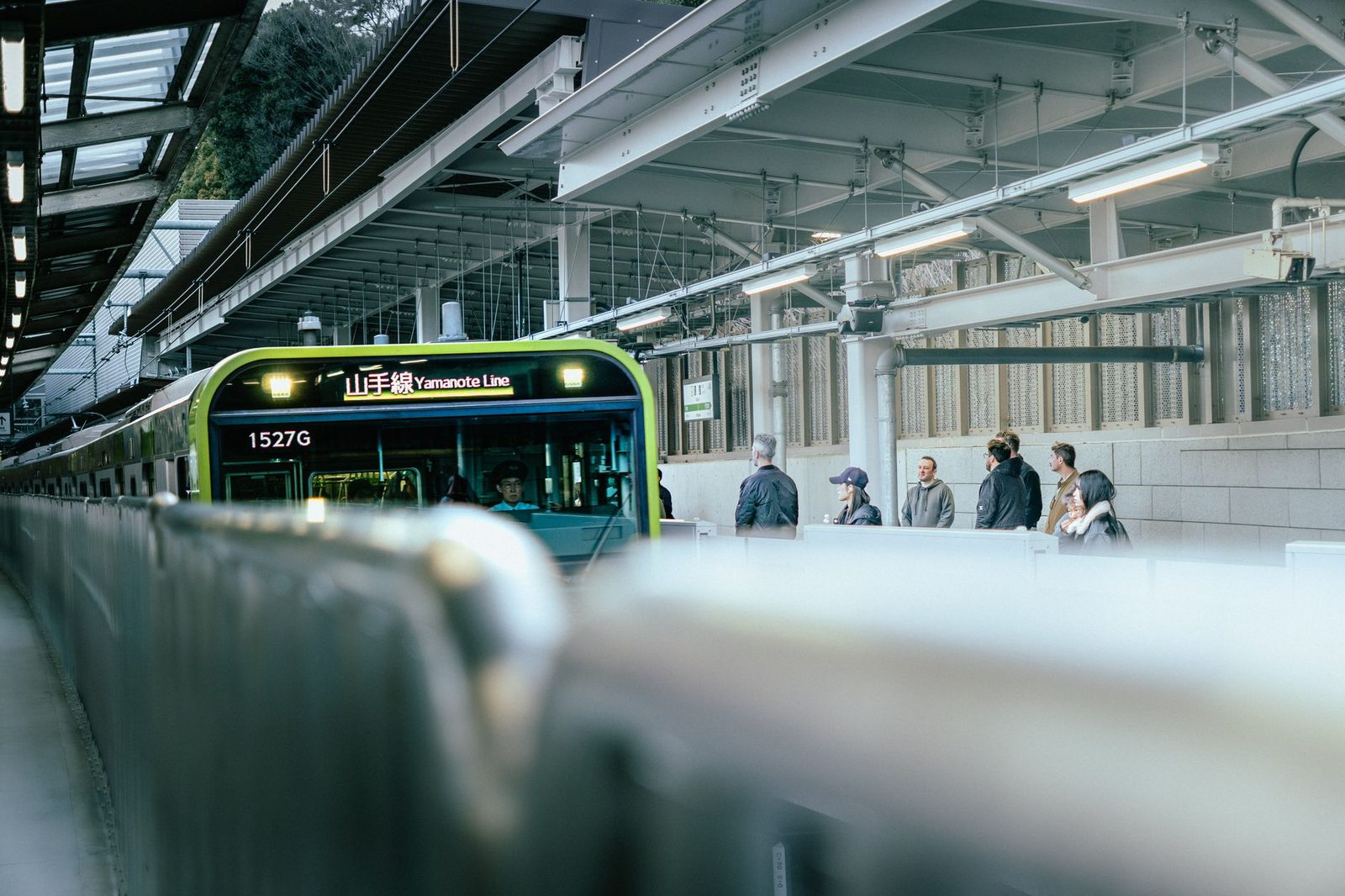
Japanese public transport, especially its iconic train system, is world-renowned for its punctuality, efficiency, and cleanliness. It is also characterized by a remarkable degree of quietude. This silence is not enforced by strict rules but maintained by a collective understanding of respect for others' personal space and peace.
Rule 5: Keep Conversations Low: On trains, particularly the Shinkansen (bullet train) and local commuter lines, loud conversations are frowned upon. People generally speak in hushed tones, if at all. This applies to groups traveling together as well. Resist the urge to chat loudly with your companions, especially during peak hours.
Rule 6: Silent Mobile Phones: This is paramount. Set your mobile phone to silent mode (manner mode) and refrain from taking calls while on the train. If an urgent call must be made, step off at the next station or wait until you reach your destination. Texting, browsing, or playing games with headphones on is acceptable, but ensure your headphone volume doesn't disturb those around you. Much like how many of us instinctively lower our voices on the Delhi Metro or a long-distance bus, this practice is simply an expectation in Japan.
Rule 7: Priority Seating: Designated priority seats (often marked in English and Japanese) are for the elderly, pregnant women, individuals with disabilities, or those traveling with small children. Even if the train is crowded, avoid sitting in these seats unless you fall into one of these categories and no one else needs them. If you are seated and someone eligible enters, offer your seat.
Rule 8: Backpack Awareness: During crowded commutes, especially in cities like Tokyo, remove your backpack and carry it in front of you or place it on the overhead rack. This prevents accidental bumping into others.
Observing these simple rules helps maintain the peaceful atmosphere that makes Japanese public transport such a pleasant experience. It reflects a deep societal value of minimizing disruption to others.
The Tipping Taboo: Why You Shouldn't (and What to Do Instead)
One of the most surprising aspects for many international travelers, especially those accustomed to tipping cultures, is the complete absence of tipping in Japan. This is not an oversight or a way to save money; it is a cultural norm where tipping is simply not expected and can even be considered rude or confusing.
Rule 9: No Tipping in Any Service Industry: Whether it's a restaurant, a taxi, a hotel, a hairdresser, or a tour guide, tipping is not customary. Service charges are sometimes included in higher-end establishments, but this is clearly stated on the bill and is part of the pricing, not an additional gratuity. For example, if your meal costs ¥2,500 (approx. ₹1,400), that is the exact amount you pay.
Why No Tipping? Japanese service professionals take immense pride in their work and providing excellent service is considered part of their job, not something that requires an extra incentive. Offering a tip might imply that their regular salary is insufficient or that you doubt their commitment to service. It can cause awkwardness and even offense, as it goes against their sense of professional dignity.
What to Do Instead of Tipping:
- A Simple "Arigato Gozaimasu": A sincere "Thank you very much" (arigato gozaimasu) is the most valued form of appreciation.
- Polite Bow: A slight bow while expressing thanks is also a respectful gesture.
- Return Business: If you genuinely enjoyed a service, returning to the establishment or recommending it to others is highly appreciated.
- Small Gifts (Omiyage): In very specific, personal situations (e.g., a host family, a private guide you've spent days with), a small, thoughtful gift from your home country (like a packet of good Indian tea or a Bangladeshi handicraft) can be a lovely gesture, but this is distinct from a monetary tip and should be given discreetly and without expectation.
Understanding this rule will save you potential embarrassment and ensure your interactions remain respectful and smooth.
The Garbage Mystery: Holding Onto Your Waste
Japan is famously clean, yet you'll notice a distinct lack of public waste bins, especially outside of train stations or convenience stores. This often baffles visitors, but it's another unwritten rule rooted in public safety and personal responsibility.
Rule 10: Carry Your Own Garbage: After the 1995 Tokyo subway sarin attack, many public bins were removed as a security measure. Since then, the practice of taking your trash home or to a designated disposal point has become ingrained. This means you should expect to carry any wrappers, empty bottles, or food waste with you until you find an appropriate bin.
Where to Find Bins:
- Convenience Stores (Konbini): Almost all 7-Eleven, FamilyMart, and Lawson stores have bins, usually located outside or just inside the entrance. These are typically sorted for burnable, plastic bottles, and cans.
- Train Stations: Major train stations often have bins on platforms or near ticket gates, primarily for disposing of items purchased within the station or for train-related waste.
- Vending Machines: Some vending machines will have a small bin attached for empty bottles and cans purchased from that specific machine.
- Hotels: Your hotel room will have bins, and you can dispose of most general waste there.
Rule 11: Sort Your Waste: Japan has a rigorous recycling system. When you do find a bin, you'll often see multiple slots for different types of waste (burnable, non-burnable, PET bottles, cans, glass). Do your best to sort your trash correctly. If unsure, it's safer to err on the side of taking it with you.
This practice might feel a little inconvenient initially, especially if you're used to readily available bins. However, it contributes to Japan's immaculate streets and fosters a sense of collective responsibility for cleanliness.
Reverence and Respect: Temple and Shrine Etiquette
Visiting Japan's serene temples and vibrant Shinto shrines is a highlight for many travelers. These are places of worship and reflection, and adhering to local customs is essential for showing respect.
Rule 12: Temizuya Purification: At most shrines and some temples, you'll find a water pavilion called a temizuya (or chozuya) near the entrance. This is for ritual purification before approaching the main hall. 1. Pick up the ladle with your right hand and scoop water. 2. Pour a little water over your left hand. 3. Switch the ladle to your left hand and pour water over your right hand. 4. Hold the ladle in your right hand again, cup your left hand, and pour water into it to rinse your mouth. Never drink directly from the ladle. 5. Spit the water discreetly beside the basin (not back into it). 6. Finally, hold the ladle vertically so the remaining water runs down the handle, cleaning it for the next person, then return it to its original position.
Rule 13: Shrine Etiquette (Nirei Nihakushu Ippei): When at the main hall of a Shinto shrine: 1. Approach the offering box (saisenbako). 2. Bow twice deeply (Nirei). 3. Throw a coin (usually a ¥5 coin, considered lucky due to its "go-en" sound, meaning good fortune/relationship, or a ¥10 coin, approx. ₹2.8, ₹5.6 respectively) into the box. 4. Clap your hands twice firmly at chest level (Nihakushu) to get the attention of the gods. 5. Make a wish or offer a silent prayer. 6. Bow once deeply (Ippei).
Rule 14: Temple Etiquette: Temples are generally quieter. Bow once before the altar, offer a coin (any amount is fine), and silently pray. No clapping at temples. You might also encounter incense burners; you can waft the smoke towards yourself for good health or fortune.
Rule 15: Dress and Demeanor: Dress respectfully, avoiding overly revealing clothing, especially at major religious sites. Speak in hushed tones and be mindful of worshippers. Photography is usually permitted in temple/shrine grounds but often restricted inside main halls or specific prayer areas. Always look for signs.
Dining Decorum: Slurping, Sharing, and Chopstick Rules
Japanese cuisine is a global delight, and part of the experience is understanding the local dining customs. This is where some habits from home might need adjustment.
Rule 16: Chopstick Etiquette:
- Never stick chopsticks upright in a bowl of rice: This resembles offerings at funerals and is considered a bad omen.
- Do not pass food from chopstick to chopstick: This also mimics a funeral ritual where bones are passed. Use a serving chopstick or place food on a small plate for someone.
- Don't point with chopsticks.
- Don't rub chopsticks together: This implies you think the chopsticks are cheap or poorly made.
- When not using them, rest your chopsticks on the chopstick rest (hashioki) or across your bowl.
Rule 17: Slurping Noodles: Unlike many cultures where slurping is considered rude, in Japan, especially with ramen, udon, or soba, audibly slurping your noodles is not only acceptable but often a sign of enjoyment and appreciation for the chef. It also helps cool the hot noodles and enhances the flavor.
Rule 18: "Itadakimasu" and "Gochisousama Deshita": Before eating, it's customary to say "Itadakimasu" (pronounced ee-tah-dah-kee-mah-soo), which roughly translates to "I humbly receive" or "Thank you for the meal." After finishing, say "Gochisousama deshita" (go-chee-so-sah-mah desh-ee-tah), meaning "It was a feast," or "Thank you for the delicious meal."
Rule 19: Sharing Food: While many Indian and Bangladeshi meals are communal, Japanese dining often involves individual portions. However, izakayas (Japanese pubs) are an exception, where dishes are typically ordered to share. When sharing, use serving utensils or the blunt end of your chopsticks to pick up food from communal plates.
Vegetarian and Halal Food Anxiety: A Practical Guide This is a significant concern for many Indian and Bangladeshi travelers. While Japan is not traditionally vegetarian or halal-friendly, options are growing.
- Understanding the Challenges: Many Japanese dishes, even seemingly vegetarian ones, can contain dashi (fish broth), meat extracts, or alcohol (mirin, sake) in sauces.
- Key Phrases: Learn a few essential phrases:
- "Watashi wa bejitarian desu." (I am vegetarian.)
- "Niku o tabemasen." (I don't eat meat.)
- "Sakana o tabemasen." (I don't eat fish.)
- "Dashi nuki de onegaishimasu." (No dashi, please.) - This is crucial for vegetarians.
- "Arcohol nuki de onegaishimasu." (No alcohol, please.)
- "Halal desu ka?" (Is it halal?)
- Look for Specific Establishments:
- Indian/Pakistani/Bangladeshi Restaurants: Major cities like Tokyo, Osaka, and Kyoto have numerous Indian, Pakistani, and Bangladeshi restaurants that cater to these dietary needs. A typical meal might range from ¥1,200 to ¥2,500 (approx. ₹670 to ₹1,400).
- Vegan/Vegetarian-Specific Restaurants: Use apps like HappyCow or simply search "vegan Tokyo" to find dedicated establishments.
- Convenience Stores (Konbini): A lifesaver! You can find plain rice balls (onigiri - check ingredients for fish flakes), salads (verify dressing), fruits, and sometimes plain bread or packaged edamame. Look for the "vege" or "halal" stickers, which are becoming more common.
- Supermarkets: Buy fresh produce, bread, and ingredients to prepare simple meals if you have access to a kitchen.
- "Shojin Ryori": This is traditional Buddhist vegetarian cuisine, often served at temple lodgings (shukubo) or specialized restaurants. It's a unique and delicious experience, though it can be pricier.
- Halal Options: Halal food is still less common than vegetarian, but increasing. Look for mosques or specific halal-certified restaurants, especially in areas with larger Muslim populations. Many hotels now offer halal breakfast options upon request. Always verify certification.
When in doubt, politely inquire. Most Japanese staff will try their best to accommodate, even with language barriers. Have a translation app ready.
Personal Space, Public Decorum, and Other Social Nuances
Beyond the specific situations, there are broader social expectations that contribute to the smooth functioning of Japanese society.
Rule 20: Mind Your Volume: Generally, Japanese people tend to be quieter in public spaces. This means keeping your voice down when conversing, avoiding boisterous laughter, and refraining from shouting across a street or restaurant. This isn't about being subdued, but about being considerate of those around you.
Rule 21: Eating and Drinking While Walking: While you might see street food vendors, it's generally considered impolite to eat or drink while walking, especially in busy areas. If you buy something from a street vendor, it's common to eat it quickly at the side of the stall or find a designated eating area before moving on. The exception might be a quick sip from a water bottle.
Rule 22: Bowing as a Greeting: A slight bow is a common greeting and a sign of respect. You don't need to master deep, formal bows, but a small nod of the head or a slight inclination of the upper body when saying "thank you" or "excuse me" (sumimasen) goes a long way.
Rule 23: Escalator Etiquette: The rule for standing on escalators differs by region. In Tokyo and most of Eastern Japan, people stand on the left side, leaving the right side open for those in a hurry. In Osaka and most of Western Japan, it's the opposite: stand on the right, walk on the left. Observe what locals are doing.
Rule 24: Avoid Public Displays of Affection: While not strictly forbidden, public displays of affection (PDA) are generally kept to a minimum in Japan. Holding hands is fine, but anything more intimate is usually reserved for private.
Rule 25: Punctuality: Japanese culture places a high value on punctuality. If you have an appointment, reservation, or are meeting someone, arrive on time or even a few minutes early.
Navigating Everyday Interactions: Practical Tips
Even with these etiquette guidelines, practical aspects of travel can sometimes be challenging.
Language Barrier: While major tourist hubs and train stations often have English signage, English proficiency is not widespread.
- Translation Apps: Google Translate or similar apps are invaluable. Download offline language packs.
- Phrasebook: A small phrasebook with common phrases can be very helpful.
- Politeness: Even if you struggle with Japanese, a polite "Sumimasen" (Excuse me) before asking for help and "Arigato Gozaimasu" (Thank you very much) afterward will be appreciated.
Money Matters:
- Cash is King: Despite being technologically advanced, Japan is still largely a cash-based society, especially for smaller businesses, local restaurants, and temples/shrines. Always carry enough yen.
- ATMs: Look for ATMs at 7-Eleven, FamilyMart, Lawson convenience stores, and Post Offices. These usually accept international cards.
- Currency Conversion: Remember, ¥100 is approximately ₹56, so a ¥1,000 purchase is about ₹560. Keep this rough conversion in mind for budgeting. For Bangladeshi travelers, ¥100 is approximately 82 BDT.
Transportation (Beyond Etiquette):
- JR Pass vs. Individual Tickets: For extensive train travel, especially between cities, a Japan Rail Pass can be cost-effective. Research if it suits your itinerary. Booking a JR Pass is typically done online before you arrive, similar to planning your IRCTC bookings in advance.
- Local Metro: For urban travel, IC cards like Suica or Pasmo are highly convenient, much like a Metro card for the Delhi Metro. You can purchase these at any major station. They cost ¥500 (approx. ₹280) refundable deposit plus your desired top-up amount.
- HyperDia/Japan Transit Planner: Use these apps or websites to plan your train routes, timings, and fares precisely.
Key Takeaways
- Embrace the Queue: Japanese society values order and fairness; patient queueing is a fundamental sign of respect.
- Shoes Off, Slippers On: Always be prepared to remove your shoes in homes, ryokan, many temples, and some restaurants. Clean socks are a must!
- Silence is Golden (on Public Transport): Keep voices low, phones silent, and prioritize seating for those who need it.
- No Tipping, Ever: Offering money for service can be offensive. A sincere "Arigato Gozaimasu" is the best expression of gratitude.
- Carry Your Trash: Public bins are rare; be prepared to carry your waste until you find a designated disposal point, often at convenience stores.
- Respect Sacred Spaces: Follow purification rituals at shrines, observe quiet at temples, and dress modestly.
- Mind Your Manners at the Table: Slurping noodles is fine, but learn chopstick etiquette and use "Itadakimasu" and "Gochisousama deshita." Always inquire about Dashi and ingredients for vegetarian/halal needs.
FAQ
Q. Is it okay to use a fork and spoon instead of chopsticks if I find them difficult? A. Absolutely! Most tourist-friendly restaurants will readily provide a fork and spoon if you ask. It's better to politely request utensils than to struggle and potentially break chopstick etiquette.
Q. How do I ask for vegetarian or halal food in a restaurant with a language barrier? A. The best approach is to have key phrases written down in Japanese (e.g., "Watashi wa bejitarian desu," "Niku o tabemasen," "Halal desu ka?") or use a translation app. Many places now have picture menus or English explanations. Look for "vege" or "halal" stickers, especially at convenience stores.
Q. Are public baths (onsen/sento) common, and what is the etiquette there? A. Yes, public baths are a wonderful part of Japanese culture. The main rules are to wash thoroughly before entering the main bath, to enter naked (swimsuits are not allowed), and to keep your small towel out of the bathwater (often placed on your head). Tattoos can sometimes be an issue, with some establishments denying entry, but this is slowly changing.
Q. Is it rude to bargain for prices in Japan? A. Yes, bargaining is generally not practiced in Japan. Prices are fixed, whether in shops, markets, or hotels. Attempting to haggle can be seen as disrespectful.
Q. What should I do if I accidentally make an etiquette mistake? A. Don't worry too much! Japanese people are very understanding of foreign visitors and appreciate the effort you make to respect their customs. A simple, apologetic "Sumimasen" (Excuse me/I'm sorry) and a slight bow will usually suffice. Learn from the experience and move on.