Domestic Flights vs Shinkansen in Japan
Planning a Japan trip from India or Bangladesh? Discover when domestic flights offer better value and time savings than the Shinkansen for long distances like Tokyo to Sapporo, Fukuoka, or Okinawa. We break down costs, LCCs, and baggage.
Jul 10, 2026·✍️ olablog·⏱ 17 min read
Planning a Japan trip from India or Bangladesh? Discover when domestic flights offer better value and time savings than the Shinkansen for long distances like Tokyo to Sapporo, Fukuoka, or Okinawa. We break down costs, LCCs, and baggage.
For many first-time visitors from India and Bangladesh, Japan's iconic Shinkansen, or bullet train, is synonymous with efficient travel across the archipelago. However, when your itinerary involves "long hops" – think journeys spanning over 800-1000 kilometres, such as from Tokyo to the northern island of Hokkaido (Sapporo) or the southern island of Kyushu (Fukuoka), or especially to the subtropical Okinawa – the calculus shifts significantly. In such cases, domestic flights, particularly with Japan's growing roster of low-cost carriers (LCCs), often present a more economical and time-efficient alternative, potentially saving you thousands of rupees and precious hours on your Japanese adventure.
Understanding the Contenders: Shinkansen vs. Domestic Flights
Before diving into the specifics, let's briefly set the stage by understanding the core characteristics of Japan's two primary long-distance transport methods: the Shinkansen and domestic flights. Each offers distinct advantages and disadvantages that savvy travelers from India and Bangladesh, accustomed to a robust rail network and an expanding LCC market back home, should carefully weigh.
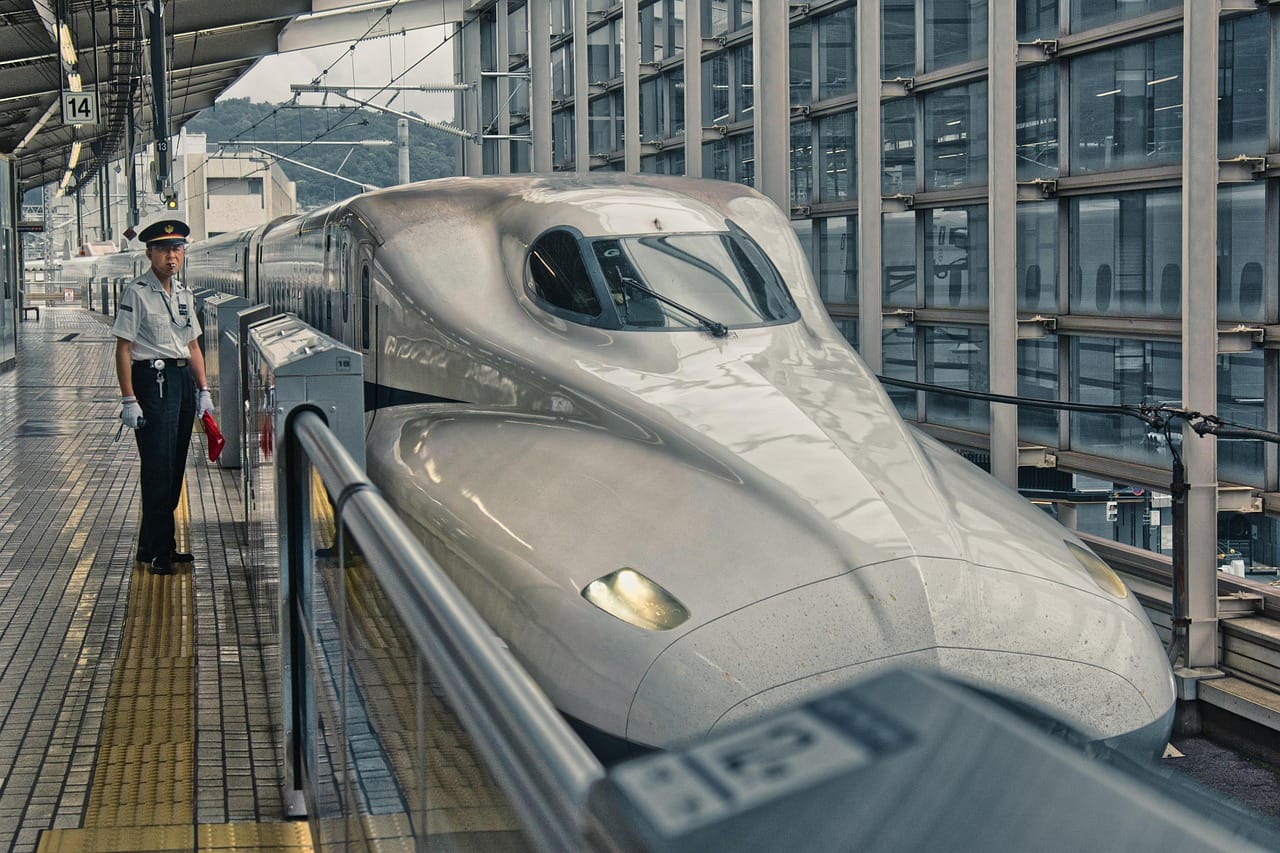
The Shinkansen is world-renowned for its punctuality, comfort, and speed. Operated by the Japan Railways (JR) Group, these bullet trains connect major cities across Honshu, Kyushu, and Hokkaido (partially). Traveling on a Shinkansen is an experience in itself, offering scenic views and ample legroom. You can typically carry generous luggage without extra fees, and stations are often centrally located, minimizing transfer times to city centres. For mid-range distances, such as Tokyo to Kyoto or Osaka, the Shinkansen is almost always the preferred choice. However, Shinkansen tickets can be expensive, and while the Japan Rail Pass offers unlimited travel, its cost-effectiveness depends entirely on your overall itinerary and how extensively you use it. For single, very long journeys, purchasing individual Shinkansen tickets can quickly become prohibitive.
Domestic flights, on the other hand, cover a wider geographical spread, connecting the main islands and numerous smaller ones, including the distant Okinawa archipelago, which the Shinkansen does not reach. Japan boasts several full-service carriers like Japan Airlines (JAL) and All Nippon Airways (ANA), alongside a vibrant low-cost carrier (LCC) market including Peach Aviation, Jetstar Japan, and Spring Japan. These LCCs frequently offer highly competitive fares, especially when booked in advance, making air travel surprisingly affordable for budget-conscious travelers. The trade-off often involves stricter baggage allowances, a la carte services (like seat selection or meals), and the added time and cost of airport transfers, as airports are typically located further from city centres than Shinkansen stations.
The "Long Hop" Definition: When Distance Matters Most
So, what exactly constitutes a "long hop" where flying truly shines? Generally, we're talking about journeys that take more than 4-5 hours by Shinkansen. The routes where this becomes most evident are those connecting Tokyo to the furthest reaches of the main islands, or to entirely separate island chains. The prime examples include:
- Tokyo to Sapporo (Hokkaido): This is a classic long-haul route. While the Shinkansen does extend to Hakodate on Hokkaido, reaching Sapporo from Tokyo by train involves a Shinkansen journey to Shin-Hakodate-Hokuto, followed by a conventional limited express train to Sapporo. This entire journey clocks in at around 8-9 hours, often requiring a transfer. Flying, even with airport transfers, typically takes 3.5-4.5 hours total.
- Tokyo to Fukuoka (Kyushu): Traveling from Tokyo to Fukuoka by Shinkansen is a direct, albeit lengthy, journey on the Tokaido-Sanyo Shinkansen lines. It takes approximately 5-6 hours. While a comfortable ride, budget airlines can often cut down on both travel time and cost, especially for those who prioritize arriving quickly.
- Tokyo to Okinawa (Naha): This is perhaps the clearest case where flying is the only practical option. Okinawa is a separate island prefecture, far to the south, and entirely inaccessible by Shinkansen. A flight is mandatory, making it an undisputed win for air travel.
For these routes, the combination of Shinkansen ticket prices and the extended travel time often tips the scales decisively in favour of domestic flights. When planning your itinerary from India or Bangladesh, it's crucial to identify these specific long-haul segments where a flight could significantly enhance your travel experience and budget.
Cost Comparison: Tokyo to Sapporo, Fukuoka, and Okinawa
Let's delve into the numbers. We'll compare typical Shinkansen fares with average LCC flight prices for these key long-hop routes, converting costs to Indian Rupees (₹) using an approximate exchange rate of ₹0.56 per ¥1. Please remember that flight prices are highly dynamic and depend heavily on how far in advance you book, the time of year, and specific promotions. The prices below are illustrative estimates for mid-2026.
Tokyo to Sapporo (New Chitose Airport - CTS)
Shinkansen (Tokyo to Sapporo via Shin-Hakodate-Hokuto):
- Shinkansen (Tokyo to Shin-Hakodate-Hokuto): Approximately ¥23,000 - ¥25,000 (unreserved/reserved seat).
- Limited Express (Shin-Hakodate-Hokuto to Sapporo): Approximately ¥9,000 - ¥10,000.
- Total Shinkansen/Train Cost: ¥32,000 - ¥35,000 (approx. ₹17,920 - ₹19,600).
- Total Travel Time: 8-9 hours, including transfer time.
Domestic Flight (Tokyo Narita/Haneda to New Chitose - CTS):
- LCCs (Peach, Jetstar Japan, Spring Japan): Fares can range from ¥5,000 to ¥15,000 (approx. ₹2,800 - ₹8,400) for a one-way ticket when booked well in advance.
- Full-service (JAL/ANA): Fares typically range from ¥15,000 to ¥25,000 (approx. ₹8,400 - ₹14,000), but special "foreigner fares" or early booking discounts can bring these down.
- Average LCC Flight Cost (estimate): ¥8,000 - ¥12,000 (approx. ₹4,480 - ₹6,720), excluding baggage.
- Flight Time: Approx. 1 hour 45 minutes - 2 hours.
Tokyo to Fukuoka (Fukuoka Airport - FUK)
Shinkansen (Tokyo to Hakata/Fukuoka):
- Shinkansen (Nozomi/Hikari): Approximately ¥23,000 - ¥24,000 (unreserved/reserved seat).
- Total Shinkansen Cost: ¥23,000 - ¥24,000 (approx. ₹12,880 - ₹13,440).
- Total Travel Time: 5-6 hours.
Domestic Flight (Tokyo Narita/Haneda to Fukuoka - FUK):
- LCCs (Peach, Jetstar Japan, Spring Japan): Fares can range from ¥6,000 to ¥16,000 (approx. ₹3,360 - ₹8,960) when booked early.
- Full-service (JAL/ANA): Fares typically range from ¥16,000 to ¥26,000 (approx. ₹8,960 - ₹14,560).
- Average LCC Flight Cost (estimate): ¥9,000 - ¥13,000 (approx. ₹5,040 - ₹7,280), excluding baggage.
- Flight Time: Approx. 1 hour 45 minutes - 2 hours.
Tokyo to Okinawa (Naha Airport - OKA)
- Shinkansen: Not applicable. Okinawa is not connected by Shinkansen.
- Domestic Flight (Tokyo Narita/Haneda to Naha - OKA):
- LCCs (Peach, Jetstar Japan, Spring Japan): Fares can range from ¥7,000 to ¥18,000 (approx. ₹3,920 - ₹10,080) when booked early.
- Full-service (JAL/ANA): Fares typically range from ¥18,000 to ¥30,000 (approx. ₹10,080 - ₹16,800).
- Average LCC Flight Cost (estimate): ¥10,000 - ¥15,000 (approx. ₹5,600 - ₹8,400), excluding baggage.
- Flight Time: Approx. 2 hours 30 minutes - 3 hours.
Here’s a summary table for easy comparison:
| Route | Shinkansen Cost (¥ / approx. ₹) | Shinkansen Time (incl. transfer) | LCC Flight Cost (¥ / approx. ₹, excluding baggage) | Flight Time (pure flight) |
|---|---|---|---|---|
| Tokyo – Sapporo | ¥32,000 - ¥35,000 / ₹17,920 - ₹19,600 | 8-9 hours | ¥8,000 - ¥12,000 / ₹4,480 - ₹6,720 | 1h 45m - 2h |
| Tokyo – Fukuoka | ¥23,000 - ¥24,000 / ₹12,880 - ₹13,440 | 5-6 hours | ¥9,000 - ¥13,000 / ₹5,040 - ₹7,280 | 1h 45m - 2h |
| Tokyo – Okinawa | N/A (Not available) | N/A | ¥10,000 - ¥15,000 / ₹5,600 - ₹8,400 | 2h 30m - 3h |
Note: The actual total travel time for flights will include airport transfers, check-in, and security, which we will discuss in a later section. These flight costs are for the airfare only.
Rail Pass Interactions
For many travelers, especially from India and Bangladesh, the Japan Rail Pass (JR Pass) is a significant consideration. It offers unlimited travel on JR trains, including most Shinkansen lines (excluding the fastest Nozomi and Mizuho services on the Tokaido/Sanyo lines, though alternatives are available). If you plan an extensive itinerary covering multiple regions by Shinkansen, the JR Pass can offer substantial savings.
However, for a single "long hop" like Tokyo-Sapporo or Tokyo-Fukuoka, buying a JR Pass solely for that journey is rarely cost-effective. For instance, a 7-day Ordinary JR Pass costs around ¥30,000 (approx. ₹16,800). If your only long Shinkansen trip is Tokyo-Fukuoka (which costs approx. ¥23,000-¥24,000), the Pass isn't worth it on its own. For Tokyo-Sapporo, the Pass would cover the Shinkansen portion, but you'd still need to pay extra for the limited express to Sapporo from Shin-Hakodate-Hokuto if the Pass doesn't cover it (always check current Pass validity). Even then, the time saving and potentially lower overall cost (including airport transfers for flights) often make flying a more attractive option. Always do the math based on your entire itinerary before committing to a JR Pass.
The Low-Cost Carrier (LCC) Advantage and Baggage Limits
Japan's domestic LCC market has matured significantly, offering budget-friendly options that were once unimaginable. Companies like Peach Aviation (an ANA subsidiary), Jetstar Japan (a JAL subsidiary), and Spring Japan (another JAL affiliate) operate extensive networks, primarily from Tokyo's Narita (NRT) and Osaka's Kansai (KIX) airports to destinations across Japan.
Booking Your LCC Flight
Booking an LCC flight in Japan is straightforward and largely similar to booking domestic flights in India or Bangladesh.
- Directly on Airline Websites: This is often the best way to secure the lowest fares and manage your booking directly. Peach Aviation (flypeach.com), Jetstar Japan (jetstar.com/jp/en), and Spring Japan (springairlines.com/jp/en) all have user-friendly English websites.
- Online Travel Agencies (OTAs): Sites like Skyscanner, Kayak, or Expedia (similar to MakeMyTrip or Goibibo in India) can aggregate flights and help you compare prices across different carriers.
- When to Book: As with most LCCs globally, the golden rule is: book as early as possible. Fares tend to be lowest when released (often 3-6 months in advance) and steadily increase closer to the departure date. Last-minute LCC flights can be as expensive, if not more, than full-service carriers.
- Payment: Major international credit and debit cards are widely accepted.
Baggage Limits: A Crucial Consideration
For travelers from India and Bangladesh, who often carry a bit more luggage, LCC baggage policies are a critical point. Unlike the Shinkansen, which has generous (though unstated) baggage allowances (you can generally bring what you can reasonably carry, within size limits for overhead racks and behind seats), LCCs charge for checked luggage.
- Carry-on: Typically, LCCs allow one main carry-on bag (e.g., a small trolley bag) and a personal item (backpack, handbag) with a combined weight limit, often around 7-10 kg. Always check the exact dimensions and weight on the airline's website.
- Checked Baggage: This is where the costs add up. Checked baggage fees are almost always extra and vary based on weight and the number of bags. For example, a 15-20 kg checked bag might cost an additional ¥2,000 - ¥4,000 (approx. ₹1,120 - ₹2,240) per bag, per flight segment. If you're flying return and checking a bag, that's already ¥4,000 - ¥8,000 in additional costs.
- Recommendation: Pre-purchase your checked baggage allowance online during booking. It is almost always significantly cheaper than paying at the airport counter, which can incur hefty last-minute fees. Consider packing lighter or consolidating luggage if you plan multiple LCC flights. If you're traveling with substantial luggage, weigh the added baggage fees against the Shinkansen's inclusive policy.
Airport Transfer Overheads: The Hidden Costs and Time
The real "hidden" element in the flight vs. Shinkansen debate is the journey to and from the airports. While Shinkansen stations are often right in the heart of cities, airports are typically on the outskirts, requiring additional time and money for transfers. This is particularly true for Tokyo's two major airports.
Tokyo Airports: Narita (NRT) and Haneda (HND)
Narita International Airport (NRT): Located quite far east of central Tokyo.
- Narita Express (N'EX): Connects Narita directly to major Tokyo stations like Tokyo, Shinagawa, Shinjuku, and Shibuya.
- Time: Approx. 50-80 minutes to Tokyo Station.
- Cost: Approx. ¥3,070 - ¥3,250 (approx. ₹1,720 - ₹1,820) one-way. The N'EX Tokyo Round Trip Ticket offers better value for return journeys.
- Keisei Skyliner: Faster to Ueno and Nippori stations.
- Time: Approx. 40 minutes to Ueno.
- Cost: Approx. ¥2,570 (approx. ₹1,440) one-way.
- Limousine Buses: Connect to various hotels and city areas. Generally slower but convenient if your hotel is a direct stop.
- Time: 60-90+ minutes.
- Cost: Approx. ¥3,000 - ¥4,000 (approx. ₹1,680 - ₹2,240).
- LCCs often fly out of Narita.
- Narita Express (N'EX): Connects Narita directly to major Tokyo stations like Tokyo, Shinagawa, Shinjuku, and Shibuya.
Haneda Airport (HND): Much closer to central Tokyo and often preferred for domestic flights.
- Keikyu Line: Connects Haneda directly to Shinagawa Station (then JR lines) and through to Yokohama.
- Time: Approx. 15-20 minutes to Shinagawa.
- Cost: Approx. ¥300 - ¥500 (approx. ₹168 - ₹280) one-way.
- Tokyo Monorail: Connects Haneda to Hamamatsucho Station (then JR Yamanote Line).
- Time: Approx. 15-20 minutes to Hamamatsucho.
- Cost: Approx. ¥500 (approx. ₹280) one-way.
- Limousine Buses: Available to various parts of Tokyo.
- Time: 30-60+ minutes.
- Cost: Approx. ¥1,000 - ¥1,500 (approx. ₹560 - ₹840).
- Both LCCs and full-service carriers use Haneda for domestic flights.
- Keikyu Line: Connects Haneda directly to Shinagawa Station (then JR lines) and through to Yokohama.
Other Major Airports
- New Chitose Airport (CTS) - Sapporo:
- JR Rapid Airport Express: Connects directly to Sapporo Station.
- Time: Approx. 37 minutes.
- Cost: Approx. ¥1,150 (approx. ₹644) one-way.
- JR Rapid Airport Express: Connects directly to Sapporo Station.
- Fukuoka Airport (FUK): Exceptionally convenient, with a subway station directly connected to the domestic terminal.
- Fukuoka City Subway: Connects to Hakata Station (main Shinkansen/JR hub) and Tenjin (city centre).
- Time: Approx. 5-10 minutes to Hakata, 11-15 minutes to Tenjin.
- Cost: Approx. ¥260 (approx. ₹146) to Hakata, ¥310 (approx. ₹174) to Tenjin.
- Fukuoka City Subway: Connects to Hakata Station (main Shinkansen/JR hub) and Tenjin (city centre).
- Naha Airport (OKA) - Okinawa:
- Yui Rail (Monorail): Connects to Naha city centre (e.g., Kencho-mae, Asahibashi).
- Time: Approx. 15-20 minutes to city centre.
- Cost: Approx. ¥270 - ¥330 (approx. ₹151 - ₹185) one-way.
- Yui Rail (Monorail): Connects to Naha city centre (e.g., Kencho-mae, Asahibashi).
Here’s a summary of typical airport transfer times and costs to the nearest major city station:
| Airport | City Served | Transfer Mode | Avg. Time | Avg. Cost (¥ / approx. ₹) |
|---|---|---|---|---|
| Narita (NRT) | Tokyo | Narita Express/Skyliner | 40-80 minutes | ¥2,570 - ¥3,250 / ₹1,440 - ₹1,820 |
| Haneda (HND) | Tokyo | Keikyu/Monorail | 15-20 minutes | ¥300 - ¥500 / ₹168 - ₹280 |
| New Chitose (CTS) | Sapporo | JR Rapid Airport Exp. | 37 minutes | ¥1,150 / ₹644 |
| Fukuoka (FUK) | Fukuoka | Subway | 5-10 minutes | ¥260 / ₹146 |
| Naha (OKA) | Naha (Okinawa) | Yui Rail (Monorail) | 15-20 minutes | ¥270 - ¥330 / ₹151 - ₹185 |
When factoring in airport transfers, the overall travel time for flights increases. For example, a Tokyo-Sapporo flight (2 hours) plus 1.5 hours on each end for transfers/check-in makes it around 5 hours total. While still faster than the 8-9 hour Shinkansen journey, it's important to account for this "overhead."
Vegetarian and Halal Food Considerations on Flights
Food is a significant concern for many travelers from India and Bangladesh, particularly those seeking vegetarian or halal options. This is an area where LCCs and full-service carriers differ, and where a bit of planning goes a long way.
- Low-Cost Carriers (LCCs): Generally, LCCs like Peach, Jetstar Japan, and Spring Japan offer a limited menu of snacks and light meals for purchase on board. These are typically pre-packaged items like sandwiches, instant noodles, or small snacks. Special meal requests (vegetarian, halal) are almost never available on LCCs. Your best bet is to eat a substantial meal before your flight at the airport terminal, or to carry your own vegetarian/halal-friendly snacks and light food items (ensure they comply with airport security liquid restrictions). Many Japanese convenience stores ("konbini") at airports offer a range of vegetarian-friendly items like onigiri (rice balls, check fillings carefully), bread, and salads, but strictly halal options are rare.
- Full-Service Carriers (JAL, ANA): These airlines, for their domestic flights, may offer a wider selection of food for purchase or, on longer routes, complimentary light refreshments. More importantly, they might offer special meal requests if you book well in advance (typically 24-48 hours before departure). However, even on domestic routes, this isn't guaranteed, so it's crucial to verify directly with the airline after booking. If available, specify "vegetarian Hindu meal" or "Muslim meal" when booking. If not, follow the LCC advice: eat before, or bring your own.
Compared to Shinkansen travel, where you can easily pick up a bento box (lunch box) from a station kiosk before boarding – with many stations offering excellent vegetarian options (look for labels or ask staff, though English might be limited) and sometimes even halal-certified ones in major hubs like Tokyo Station – LCC flights require more foresight regarding food. When in doubt, carrying some non-perishable snacks from home (like khakhra or dry fruits) can be a good backup.
Booking Your Domestic Flight: A Step-by-Step Guide
Securing the best deals on Japanese domestic flights, especially with LCCs, requires a systematic approach. Think of it similarly to booking a train on IRCTC or a domestic flight within India – early planning and attention to detail are key.
- Identify Your Route and Dates: Clearly define your origin, destination, and exact travel dates. Flexibility with dates (e.g., flying midweek instead of weekends) can yield significant savings.
- Choose Your Airport: For Tokyo, decide between Narita (NRT) and Haneda (HND). Haneda is often more convenient for central Tokyo departures/arrivals due to shorter transfer times, but Narita often hosts more LCC flights and can be cheaper.
- Research Airlines:
- LCCs: Peach Aviation, Jetstar Japan, Spring Japan are your primary budget options.
- Full-Service: JAL and ANA often have competitive "foreigner fares" or "Japan Explorer Pass" options that can be cheaper than standard fares, especially when booked from outside Japan. Search for these specific passes on their international websites.
- Compare Prices:
- Start with aggregators like Google Flights, Skyscanner, or Kayak to get an overview of prices across different airlines for your dates.
- Then, crucially, visit the official websites of the individual airlines. Often, the best deals or specific baggage options are only available directly.
- Pay Attention to the Fare Details (Especially with LCCs):
- Baggage: This is the most important add-on. Select and pay for your checked baggage allowance during the booking process. Estimating 15-20 kg per person is a good starting point for most travelers from India/Bangladesh. Remember, paying at the airport is much more expensive.
- Seat Selection: LCCs charge for seat selection. If you don't mind where you sit, skip this to save money. If you need to sit together as a family, factor in this small additional cost.
- Meals: As discussed, LCCs rarely offer special meals. If you want a snack on board, pre-order it or plan to buy it at the airport.
- Flexibility: Basic LCC fares are usually non-refundable and non-changeable without significant fees. If your plans might change, consider a slightly more expensive flexible fare or travel insurance.
- Enter Passenger Details: Ensure names match passports exactly.
- Payment: Use a credit/debit card. Keep a record of your booking confirmation and e-ticket.
- Pre-Departure Check: A day or two before your flight, reconfirm your flight status and terminal information on the airline's website. Japanese airports are highly efficient, but knowing your way around helps.