
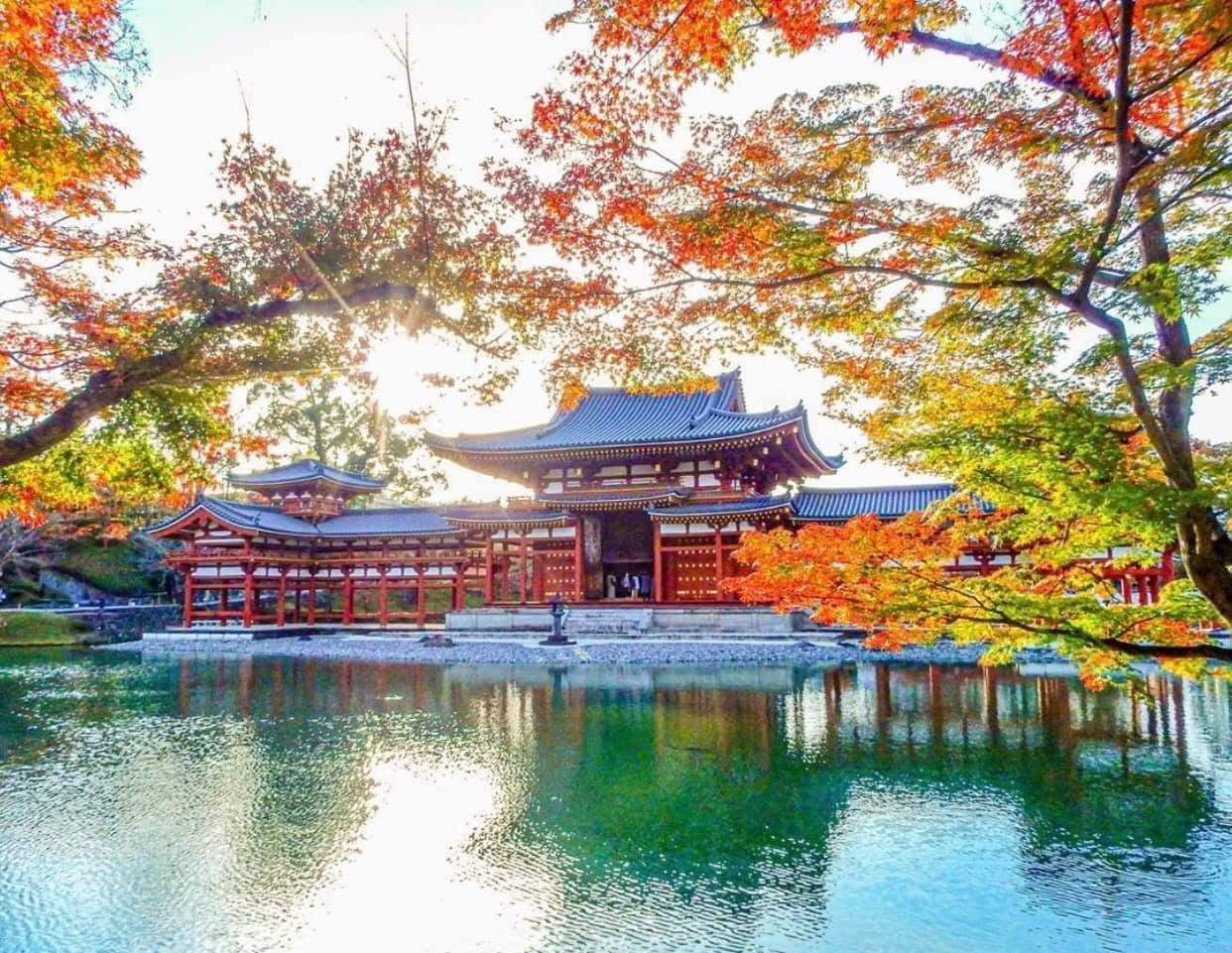
Kyoto in Autumn on a Plate: From Matsutake to Steaming-Hot Yudofu
From fragrant dobin mushi with matsutake mushrooms to chestnut sweets and grilled skewers at Nishiki Market—where to eat, what to budget, and the best time for a late-autumn trip to Japan’s ancient capital.
Aug 12, 2026·✍️ olablog·⏱ 15 min read
From fragrant dobin mushi with matsutake mushrooms to chestnut sweets and grilled skewers at Nishiki Market—where to eat, what to budget, and the best time for a late-autumn trip to Japan’s ancient capital.
Tap a region to browse articles
I used to think a fall trip to Kyoto was mainly about admiring the red leaves, taking a few photos at Kiyomizu-dera, and heading home. That changed one November afternoon when I was standing in Nishiki Market and caught the aroma of charcoal-grilled matsutake mushrooms drifting from a small stall—a sharp, woody sweetness unlike any mushroom I had ever tasted in Vietnam. The vendor sliced off a tiny piece, drizzled it with a few drops of soy sauce, and suddenly I understood: autumn in Kyoto isn’t just in the treetops; it’s on the dining table.
Kyoto was Japan’s former capital and the birthplace of court cuisine, so “eating seasonally” (shun) here isn’t a marketing trend but a tradition stretching back a thousand years. Autumn is when that tradition is at its most impressive: matsutake are in season, chestnuts are ripe, fatty Pacific saury is abundant, and kaiseki restaurants switch over to their fall menus. If you’ve read guides to matcha or sake in Kyoto—things available year-round—this is different: these are dishes that appear only from around late September to early December. Once the season ends, they’re gone, and you have to wait until next year.
In this guide, I’ll take you through each dish: where to eat matsutake without “breaking the bank,” how to choose an autumn kaiseki restaurant, steaming-hot yudofu beside Nanzenji Temple, chestnut wagashi, the unusual momiji tempura made with whole maple leaves, and a round of grilled snacks at Nishiki Market. I’ve included typical prices so you can plan your budget accordingly.
Why “eat autumn” in Kyoto instead of somewhere else
The Japanese have a concept called shun—the time of year when an ingredient is at its best. You can still find seasonal food in Tokyo or Osaka, but Kyoto is where the idea has been elevated into an art form. Kyoto cuisine (kyo-ryori) developed around the imperial court and Zen temples, where chefs did not have easy access to fresh seafood from the coast. Instead, they learned to celebrate local vegetables (kyo-yasai), tofu, and ingredients from the mountains and forests—and autumn is precisely the season when those mountain ingredients shine.
There’s also a practical reason: autumn is Kyoto’s peak travel season, and restaurants roll out limited-time menus. The same kaiseki restaurant will serve a completely different menu in November than in May—perhaps matsutake dobin mushi, chestnut rice, or yuan-grilled fish. You’re paying for an experience that comes only once a year, and in my opinion, it’s worth every yen.
Matsutake mushrooms—the “king of mushrooms” and how to eat them without breaking the bank
Matsutake, known in Vietnamese as nấm tùng nhung, grow wild beneath red pine trees and have never been successfully cultivated on an industrial scale, which makes them among the most expensive mushrooms in the world. Beautiful domestic Japanese specimens can cost several tens of thousands of yen per kilogram; imports from China and South Korea are much cheaper, though connoisseurs say they lack the same fragrance. Matsutake season runs roughly from late September to mid-November.
The interesting thing is that you don’t need an entire plate of matsutake to appreciate them. In Japan, matsutake are eaten to savor their aroma: just a few thin slices can transform an entire dish. These are the three most popular ways to enjoy them:
Dobin mushi—mushroom soup steamed in a teapot
This is the first dish I recommend trying. Clear dashi broth is steamed in a small earthenware pot (dobin) with a few slices of matsutake, shrimp, fish, and ginkgo nuts. You pour the broth into a small cup as if serving tea, squeeze in a piece of sudachi (a Japanese citrus fruit), sip it slowly, and only then open the lid to eat the ingredients. Many kaiseki restaurants and traditional Japanese eateries in Kyoto add dobin mushi to their autumn menus as an extra dish, at around 1.500–3.000 yen per pot—the most economical way to “sample” matsutake.
Matsutake gohan—mushroom rice
White rice cooked with sliced matsutake, a little sake, and light soy sauce. It’s surprisingly simple yet intensely fragrant. Some rice shops and set-meal restaurants (teishoku) in Kyoto offer autumn matsutake gohan sets for around 2.000–4.000 yen, depending on how much mushroom is included.
Charcoal-grilled matsutake
The most luxurious way to eat them, usually found only at high-end kaiseki restaurants or sumibi grilling restaurants specializing in seasonal ingredients. The mushrooms are torn lengthwise, lightly grilled over charcoal, and served with salt or citrus soy sauce. If you order this dish on its own, be prepared to pay around 3.000–8.000 yen or more, depending on the size and origin of the mushrooms.
A small tip: during autumn, Nishiki Market and major supermarkets—including the food basements of department stores around Kyoto Station—put fresh matsutake on display. If you’re staying in an Airbnb with a kitchen, buying an imported matsutake for around 1.000–3.000 yen and grilling it yourself can be a very worthwhile experience.
Autumn kaiseki—a meal that tells the story of time
Kaiseki is the pinnacle of Japanese cuisine: a series of small dishes served in a carefully arranged progression, with each one highlighting an ingredient at its seasonal best and presented like a work of art. Autumn is considered the finest season for kaiseki because the ingredients are at their most abundant: matsutake, chestnuts, persimmons, Pacific saury (sanma), amberjack, and Kyoto vegetables.
A typical autumn kaiseki meal might include an appetizer arranged on a real maple leaf, matsutake dobin mushi, seasonal fish sashimi, grilled and steamed dishes, chestnut or mushroom rice, and dessert made with persimmon or chestnut. Many restaurants even carve carrots and daikon into momiji leaf shapes—Kyoto’s way of celebrating autumn down to the smallest detail.
As for prices and choosing a restaurant:
- Lunch kaiseki: this is a favorite trick among frequent Japan travelers. Many well-known kaiseki restaurants in Gion, Pontocho, and Higashiyama offer lunch sets for around 4.000–8.000 yen—about one-third the price of dinner, without cutting many corners on quality.
- Dinner kaiseki: mid-range meals cost around 10.000–15.000 yen per person, while Michelin-starred restaurants generally start at 20.000 yen or more.
- Reservations: autumn is Kyoto’s busiest season, and the best kaiseki restaurants often fill up a full month in advance. Book through the restaurant’s website, your hotel, or a Japanese restaurant reservation platform. Some traditional establishments do not accept walk-in guests.
If your budget is tighter, look for obanzai restaurants—Kyoto-style home cooking served according to the season. A meal costs around 2.000–4.000 yen, allowing you to enjoy local autumn ingredients without the financial pain.
Yudofu in Nanzenji—a hot tofu pot for crisp autumn days
If I had to choose one “very Kyoto” experience for a chilly autumn lunch, it would be yudofu in the Nanzenji area. Yudofu is tofu simmered in a delicate kombu broth and served with ponzu dipping sauce, scallions, and ginger. It sounds almost too simple to justify entire restaurants devoted to it—but Kyoto tofu is made with famously soft, sweet underground water, giving it a character completely different from ordinary tofu.
The dish is associated with Zen temples and monks’ vegetarian cuisine, and the area around Nanzenji Temple at the foot of the Higashiyama mountains is yudofu country. Several restaurants there have been operating for centuries, with Okutan and Junsei among the best known. You sit in a tatami room overlooking a Japanese garden, vivid red maple leaves outside the window, with a steaming pot of tofu in front of you—the scenery becomes part of the meal in the truest sense.
A full yudofu set, including vegetable tempura, rice, and tofu-based side dishes such as sesame tofu and fried tofu, costs around 3.000–6.000 yen per person, depending on the restaurant. That may not be cheap for a meal consisting mostly of tofu, but you’re paying for the setting and craftsmanship too. Note that during peak foliage season, from mid- to late November, these restaurants can have long lines. Go early, before lunch, or check the official website to see whether reservations are accepted. Nanzenji is also one of Kyoto’s finest foliage-viewing spots, so combining the two is a very sensible use of your time.
The Arashiyama area in the west of the city also has excellent yudofu restaurants, particularly around Tenryuji Temple, if your itinerary takes you in that direction.
Chestnut (kuri) wagashi—the sweet taste of autumn
Japanese people love chestnuts in autumn the way Vietnamese people love cốm. From around September, walk into almost any wagashi shop—a traditional Japanese sweets store—in Kyoto and you’ll see the character 栗 (kuri) everywhere. Here are a few treats worth trying:
- Kuri kinton: mashed chestnuts mixed with sugar and shaped into smooth, golden morsels that melt in your mouth. This is one of autumn’s top wagashi, often served with matcha during tea ceremonies. Expect to pay around 400–700 yen per piece at a good shop.
- Kuri mochi and kuri daifuku: mochi filled with red bean paste and wrapped around a whole chestnut. Prices are around 300–500 yen.
- Japanese-style Mont Blanc: Kyoto cafés and patisseries compete each autumn to launch chestnut Mont Blancs, with some piping the chestnut cream directly at the table. One serving costs around 1.500–2.500 yen with tea.
Where to buy them: long-established wagashi shops cluster around Gion, Teramachi Street, and the major temples and shrines. Many have seating areas where you can enjoy the sweets with tea. If you don’t have time to search for a specific shop, the food basements (depachika) of department stores around Kyoto Station and in the Shijo area carry a wide selection of seasonal kuri sweets, making them convenient for takeaway. Fresh wagashi usually keep for only 1–2 days, so don’t stock up—buy them when you’re ready to eat them.
One experience I especially enjoy is buying a kuri kinton, finding a tea shop with a garden, and ordering a bowl of matcha. The chestnut’s mellow sweetness paired with the clean bitterness of green tea is a classic Kyoto autumn combination.
Momiji tempura—yes, they really fry whole maple leaves
When people hear about it for the first time, they assume it’s a joke: the Japanese really do fry maple leaves and eat them. Momiji tempura is made by salting and pickling yellow maple leaves—some places cure them for an entire year—then dipping them in a lightly sweet sesame batter and deep-frying them. They’re crisp like snack crackers, mildly sweet, and fragrant with sesame oil. In reality, you’re mainly eating the batter; the leaf provides the “soul” and the shape.
To be fair, this dish originated at Minoo Falls (Minoh) north of Osaka, not in Kyoto. Still, in autumn you can find momiji tempura at snack stalls in Kyoto tourist areas such as Arashiyama and along the road to Kiyomizu-dera, sold in bags for around 300–500 yen. If you have half a day to spare, though, I wholeheartedly recommend a trip to Minoo: it’s only about 30 minutes by Hankyu train from central Osaka, followed by a roughly 40-minute walk along a stream shaded by red leaves to the waterfall. Along the way, shops fry momiji tempura fresh to order. It’s one of the Kansai region’s best combinations of foliage viewing and snacking, and it fits easily into a Kyoto–Osaka itinerary.
Nishiki Market in autumn—a paradise of grilled food and snacks
Nishiki Market, known as “Kyoto’s kitchen,” is a covered market street about 400 meters long with more than a hundred stalls. It sits right in the city center, just a few minutes’ walk from Shijo Station. The market is open year-round, but autumn is when it’s at its best: stalls fill with seasonal ingredients and steaming grilled foods that are perfect for the crisp weather.
Things to seek out in autumn:
- Grilled seafood skewers: baby octopus stuffed with quail eggs (tako tamago), butter-grilled scallop skewers, and grilled eel. Each skewer costs around 300–800 yen.
- Roasted chestnuts (yaki-guri): the aroma of roasting chestnuts fills entire corners of the market. A bag costs around 500–1.000 yen, and peeling them as you walk is peak autumn mood.
- Seasonal grilled fish: autumn is Pacific saury season, and some stalls sell grilled fish and seasonal fish rice balls.
- Matsutake and Kyoto vegetables: produce stalls display fresh matsutake, taro (ebimo), shishito peppers, and crisp persimmons. They’re beautiful to look at and a good place to shop if you have access to a kitchen.
- Tofu and soy products: hot soy milk and tofu donuts are perfect as the weather grows colder.
A few tips for eating at Nishiki: the market is busiest from around midday to early afternoon, so go before 11 if you want to browse at a relaxed pace. Many stalls close in the late afternoon, and the market starts quieting down around 17–18, so don’t save Nishiki for the evening. The most important rule is not to eat while walking through the crowd—stand and eat at the stall or in the designated seating area, and dispose of your trash where the vendors indicate. With a budget of around 2.000–3.000 yen, you can enjoy a satisfying snack crawl.
A perfect one-day autumn food itinerary
If you have just one day to fit in everything above, here’s an itinerary I’ve tried and found nicely balanced:
- Morning: stroll through Nishiki Market soon after it opens, enjoy a few grilled skewers, and buy a bag of roasted chestnuts to carry with you.
- Lunch: head toward Nanzenji, have a yudofu set, then admire the foliage around the temple grounds and walk along the nearby Philosopher’s Path.
- Late afternoon: stop at a wagashi shop or tea house and enjoy kuri kinton with matcha.
- Evening: have a pre-booked autumn kaiseki dinner in Gion or Pontocho—make sure to choose a menu featuring matsutake dobin mushi.
The total budget for this day is around 15.000–25.000 yen per person with kaiseki dinner, or around 8.000–10.000 yen if you replace dinner kaiseki with lunch kaiseki and eat casual obanzai in the evening.
A few final tips from an experienced traveler
- Best timing: from around mid-October to late November, all the dishes in this guide are most likely to be available. Matsutake are at their peak in October; the red leaves and the perfect weather for hot pots and warming dishes are at their best from mid- to late November.
- Reservations are everything: Kyoto is unbelievably crowded in autumn. Book kaiseki and famous yudofu restaurants in advance whenever possible, and always check opening hours on the official website, as many traditional restaurants take irregular weekdays off.
- Menu keywords: if you see 松茸 (matsutake), 栗 (kuri), 秋 (aki—autumn), or 季節限定 (kisetsu gentei—seasonal limited edition), go ahead and point to it confidently.
- Carry cash: many Nishiki stalls and small wagashi shops accept only cash or IC cards, so don’t rely solely on a credit card.
- Don’t overdo it: every dish in this guide is worth trying, but your stomach has limits. Choose the 3–4 experiences you’re most excited about, eat slowly, and savor them—that’s the spirit of Kyoto cuisine.
Frequently asked questions
How long does matsutake season last in Kyoto? Matsutake season usually begins around late September, peaks in October, and continues until around mid-November, depending on that year’s weather. After that, many restaurants may still offer mushroom dishes, but they could be using frozen or imported mushrooms, which are noticeably less fragrant. For the freshest, most aromatic matsutake, plan your trip for October.
I can’t eat raw food. Is it still okay to go for kaiseki? Yes, but tell the restaurant before making your reservation. Kaiseki often includes sashimi, but most restaurants are happy to substitute other dishes if you note your dietary requirements when booking. Many reservation platforms include a field for special requests. Vegetarians should also ask in advance about shojin ryori—Zen Buddhist vegetarian cuisine, one of Kyoto’s distinctive specialties.
Will yudofu be filling enough, or is it just a “check-in” dish? A full yudofu set at restaurants around Nanzenji usually comes with rice, vegetable tempura, and several tofu-based side dishes, so it’s filling enough for lunch. If you have a big appetite, you can always grab a grilled skewer at Nishiki in the afternoon—it’s part of the “mission” in this guide anyway.
Should I eat momiji tempura in Kyoto, or do I need to go to Minoo? You can still buy momiji tempura in Kyoto during autumn, especially at snack stalls in Arashiyama and along the road to Kiyomizu-dera. But the original version, freshly fried along the road to Minoo Falls north of Osaka, is the real deal. If Osaka is already on your itinerary, it’s well worth spending half a day there for the foliage and snacks.
What time is best for visiting Nishiki Market? Around 10–11 in the morning is ideal: most stalls are open, but the crowds haven’t peaked yet. From midday to early afternoon, the market can be packed with tourists, while many stalls begin closing in the late afternoon. Opening hours vary from stall to stall, so if you have a particular shop in mind, check the market’s official website before you go.
How much should I budget for a day of autumn food in Kyoto? Budget option: around 5.000–8.000 yen for Nishiki snacks, obanzai, and wagashi, while skipping kaiseki. Mid-range: around 10.000–15.000 yen, including yudofu and lunch kaiseki. For a splurge with an evening kaiseki meal featuring grilled matsutake: from 20.000 yen and up. These figures are only estimates—prices vary by restaurant and change from year to year, so check the menu on the official website before booking.
More from this region — Kyoto, Nara & Kansai
View all →
Nighttime Autumn Leaves in Kyoto: Tickets, Hours, and Queueing Strategies
16 min · tips
Kyoto in the Fall Foliage: Take the Train Instead of the Bus to Avoid Getting Stuck in the Crowds
17 min · tips
Kyoto Gion Festival 2026 Complete Guide — July 1-31: The 1100-Year-Old Yamahoko Processions and Yoiyama
4 min · events
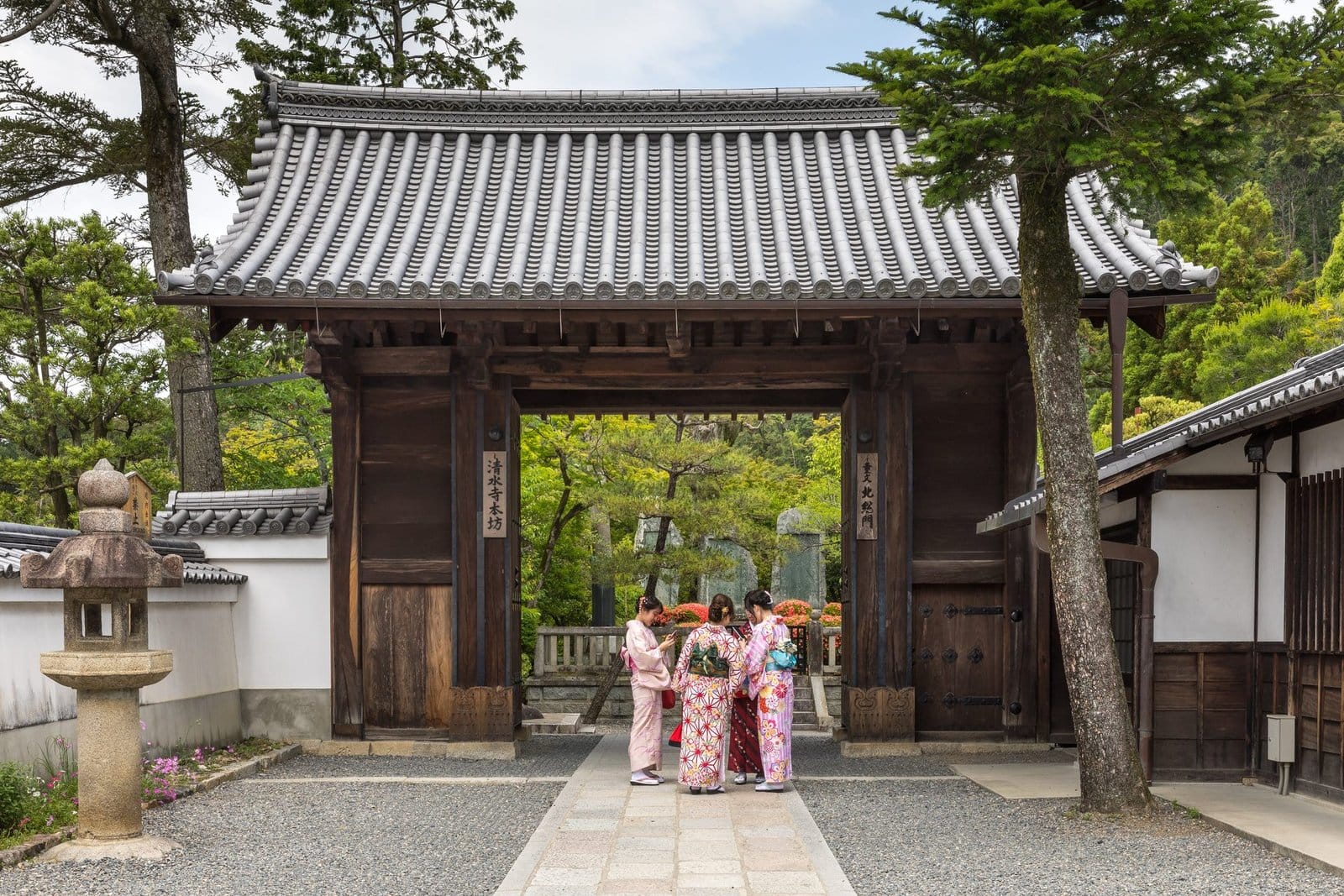
Kyoto — The Ultimate Guide to Japan's Ancient Imperial Capital
3 min · destinations