
Kyoto Hanatouro in Kimono: Lantern-Lit Evenings in Higashiyama and Arashiyama, and What Replaced the Festival
Kyoto's Hanatouro lantern festival has ended, but the lanes still light up each spring and autumn. A lantern-lit kimono evening in Higashiyama and Arashiyama.
Sep 14, 2026·✍️ olablog·⏱ 6 min read
Kyoto's Hanatouro lantern festival has ended, but the lanes still light up each spring and autumn. A lantern-lit kimono evening in Higashiyama and Arashiyama.
Tap a region to browse articles
For twenty years, Kyoto Hanatouro (京都・花灯路) was the city's lantern festival: 2,500 bamboo-and-washi lanterns lining a 5-kilometre walk through Higashiyama every March, and a December edition along the Togetsukyo bridge and bamboo grove in Arashiyama. If you are searching for it, you should know first that the organising council held the final Arashiyama edition in December 2021 and the final Higashiyama edition in March 2022, and the branded festival has not returned. Plenty of older articles still list it as annual; they are wrong.
The good news is that the evenings the festival was built around never went away. The temples along the Higashiyama route run their own spring and autumn night openings with lanterns and illuminated gardens, Arashiyama's bridge and riverside are lit in the evenings, and the lanes between them are, if anything, calmer without the festival crowds. This guide is the kimono version of that evening.
What still happens, and when
| Place | Evening event (annual) | Season |
|---|---|---|
| Kiyomizu-dera (清水寺) | Night special opening: the stage and pagoda lit, a blue beam over the city | Around mid-to-late March, mid-to-late August, mid-November to early December |
| Kōdai-ji (高台寺) | Night illumination of the ponds and bamboo grove, projection on the raked sand garden | Mid-March to early May, late October to early December |
| Entoku-in (圓徳院), across from Kōdai-ji | Small, atmospheric lit garden | Same periods as Kōdai-ji |
| Shōren-in (青蓮院) | Blue-lit moss garden, one of the most photographed night gardens in Kyoto | Spring (late March to early May) and autumn (late October to early December) |
| Yasaka Shrine (八坂神社) | Lanterns on the main hall are lit every evening, all year | Year-round |
| Arashiyama, Togetsukyo (渡月橋) | The bridge and Mount Arashiyama are lit most evenings; the Arashiyama Station "Kimono Forest" pillars are lit nightly | Year-round |
Dates move slightly each year; check the temple websites for the exact windows. What matters for planning is that late March and mid-November to early December give you several night openings on the same walk.
The Higashiyama evening in kimono
The old festival route ran from Shōren-in south to Kiyomizu-dera. Walked from OlaChill's Kyoto Kiyomizu shop, it runs the other way and ends at the temple with the biggest illumination, which is the right order.
- Shop, 15:30. Dress with the hair set (¥1,500); an evening walk needs a style that survives four hours. Add next-day return (+¥1,100) when booking, because the shop closes at 18:00 and the night openings run to about 21:00 or 21:30.
- Sannenzaka and Ninenzaka, 16:30. Day crowds are thinning, the shops light their lanterns, and the stone steps take on the colour the festival made famous.
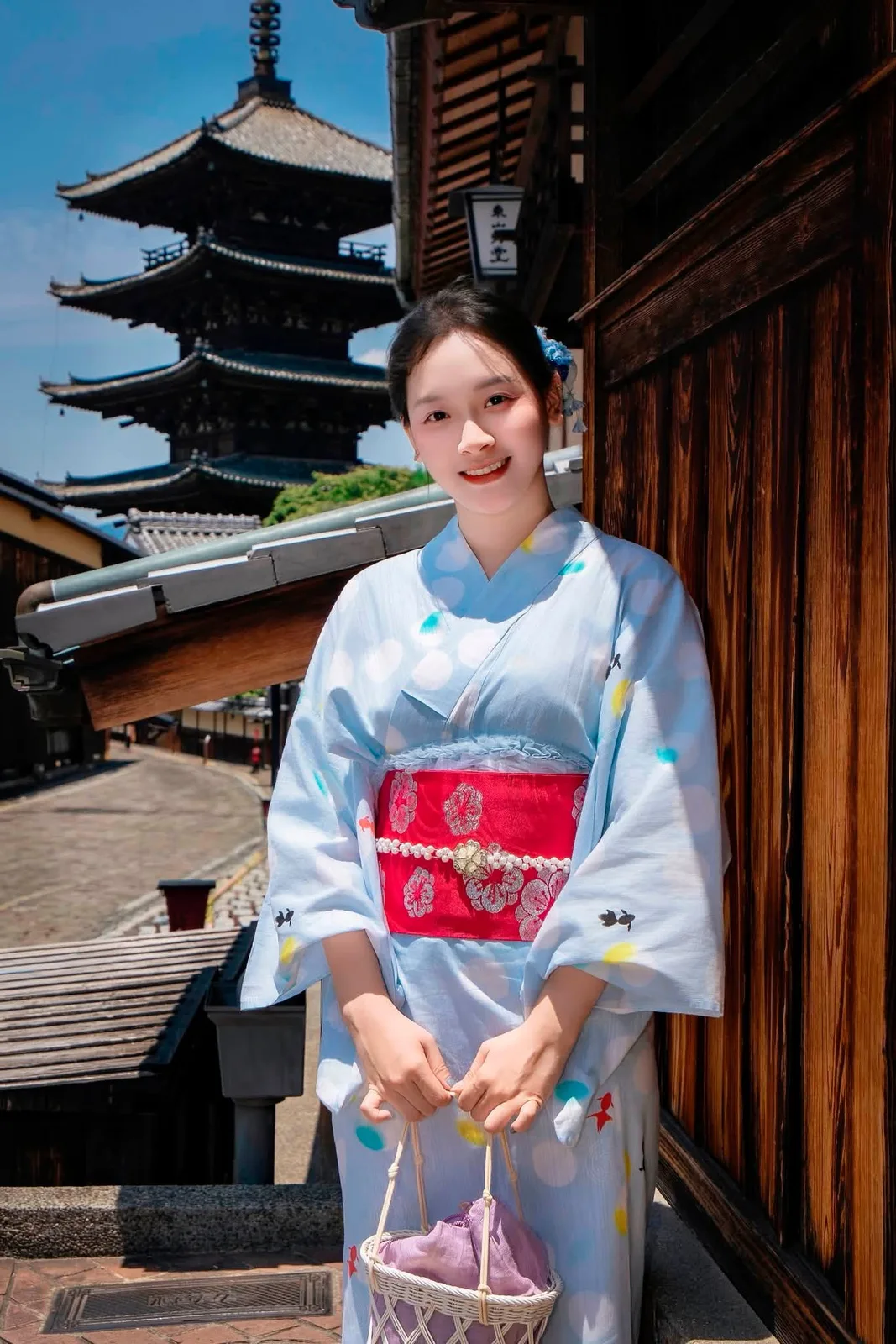
- Yasaka Pagoda (Hōkan-ji), 17:15. The five-storey pagoda at dusk, from Yasaka-dori looking up the lane.
- Nene-no-michi and Kōdai-ji, 17:45. The temple opens for its night viewing around sunset; the bamboo grove and the mirror pond are the reason to pay the admission.
- Maruyama Park and Yasaka Shrine, 19:00. The shrine's lanterns are lit every night; the park's weeping cherry is lit in spring.
- Shōren-in, 19:45, if it is a night-opening period, for the blue moss garden.
- Back south to Kiyomizu-dera, 20:30, if its night opening is on; the last entry is usually 21:00. From the stage, the city lights spread below you.
Distance: about 4 km with stops, over four to five hours. Sit down at Maruyama Park.
Two practical notes on the night openings. First, the temple gates usually close for an hour between the day and night sessions (around 17:00 to 17:30), so if you arrive at Kōdai-ji at 17:10 you wait outside; use that time for the pagoda shot. Second, night admissions are separate from day admissions, so a temple you visited in the morning charges again after dark. Budget for two or three night entries, not five; the lanes between them are free and are half the pleasure.
The Arashiyama evening
Arashiyama is a 45- to 60-minute trip from Kiyomizu by train or 30 to 40 minutes by car (the Arashiyama in kimono guide has the transport details). For an evening: arrive by 16:00, walk the bamboo grove in the last daylight (it is not lit at night outside special events, and after dark it closes to a dark path), then Togetsukyo at dusk with the mountain lit behind it, dinner by the river, and the Kimono Forest pillars at Randen Arashiyama Station on the way out. Take next-day return; you will not be back in Kiyomizu by 18:00.
Kimono choices for an evening
Evenings in late March are 5 to 10°C, in late November 6 to 12°C. Choose a lined kimono in a light colour: cream, pale blue, soft pink or white kimono catch the lantern light and read in photographs, where a dark kimono disappears against a dark lane. OlaChill's Komongi (¥5,500) in a pale tone or the Kimono Ren (¥7,000) with a large bright pattern both work; men look good in the men's traditional kimono (¥5,000) with a dark haori. Take the shawl or haori the shop offers on cold days and thick tabi.
Checklist
- Next-day return or hotel return booked (+¥1,100)
- Thermal layer under the kimono, hand warmers in the sleeves
- Phone or camera that handles low light; lanterns are dimmer than they look
- Cash for temple night admissions (each is a few hundred yen to about ¥1,000)
- A small flashlight for Ninenzaka's uneven steps after the shops close
FAQ
So Hanatouro is definitely over? The festival as an organised event ended after the March 2022 Higashiyama edition. If a revival is announced, it will be through Kyoto City's tourism channels; until then, plan around the temple night openings above.
Which is better in kimono, the Higashiyama evening or Arashiyama? Higashiyama, because it starts at our shop door and has more lit stops per kilometre. Arashiyama is worth it if you are already there for the day.
Are the lanes safe at night in kimono? Yes; Higashiyama is busy until 21:00 during night openings and well lit. The hazards are steps and cold, not people.
Can I do the evening walk in summer? Kiyomizu-dera has an August night opening, and a yukata (¥4,500) is right for it. Kōdai-ji and Shōren-in are spring and autumn only.
What about the daytime version of this route? Our Kyoto kimono photo route covers the same lanes in daylight, and the Kyoto photo-spot map adds the rest of the city.
Book an evening kimono in Kyoto
Reserve an afternoon slot at the Kyoto Kiyomizu shop with next-day return, in late March or late November for the most night openings on one walk. Prices and styles are on the kimono rental page.
More from this region — Kyoto, Nara & Kansai
View all →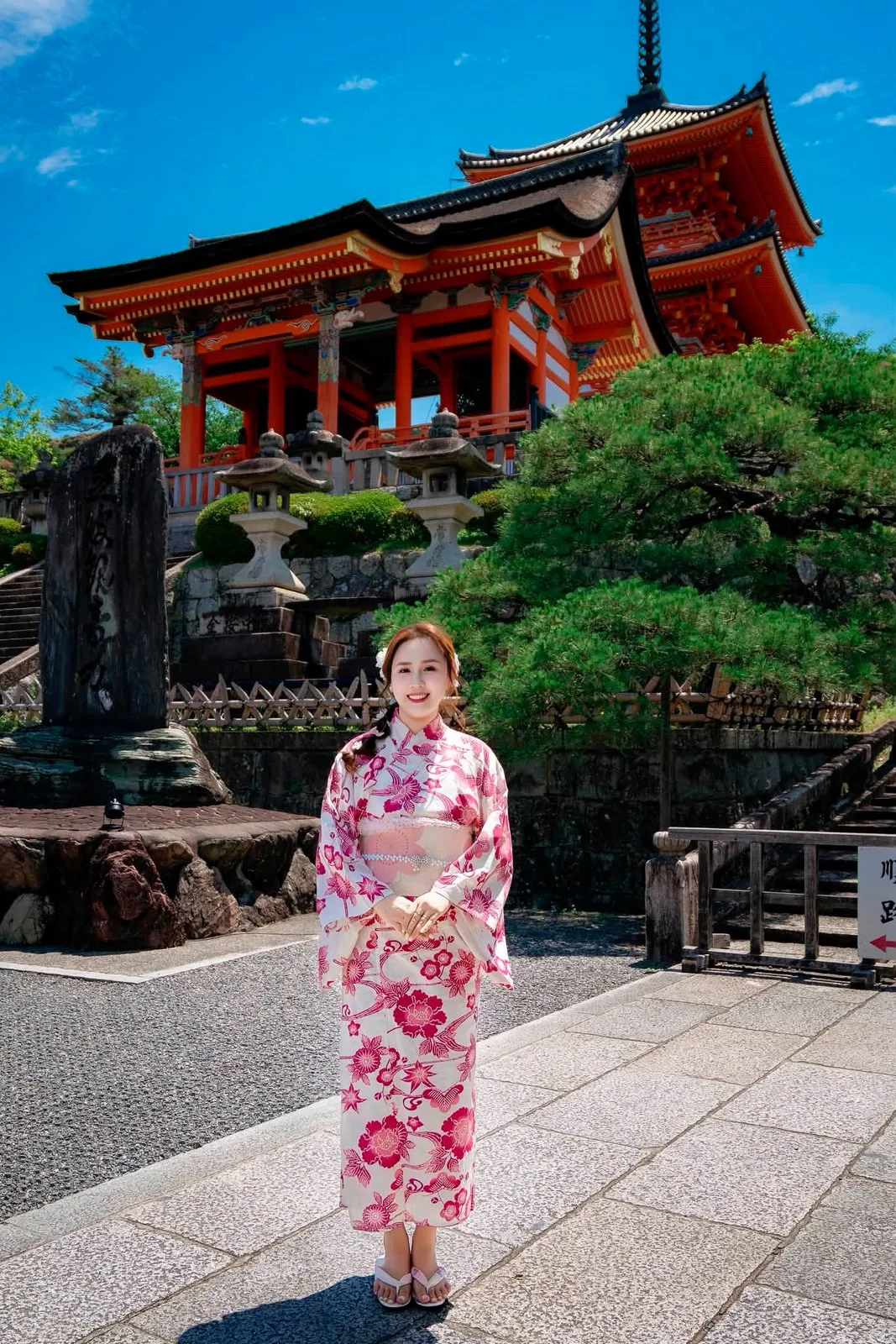
Kyoto Kimono Photoshoot Route: Kiyomizu-dera, Sannenzaka, Yasaka Pagoda and Gion
7 min · culture
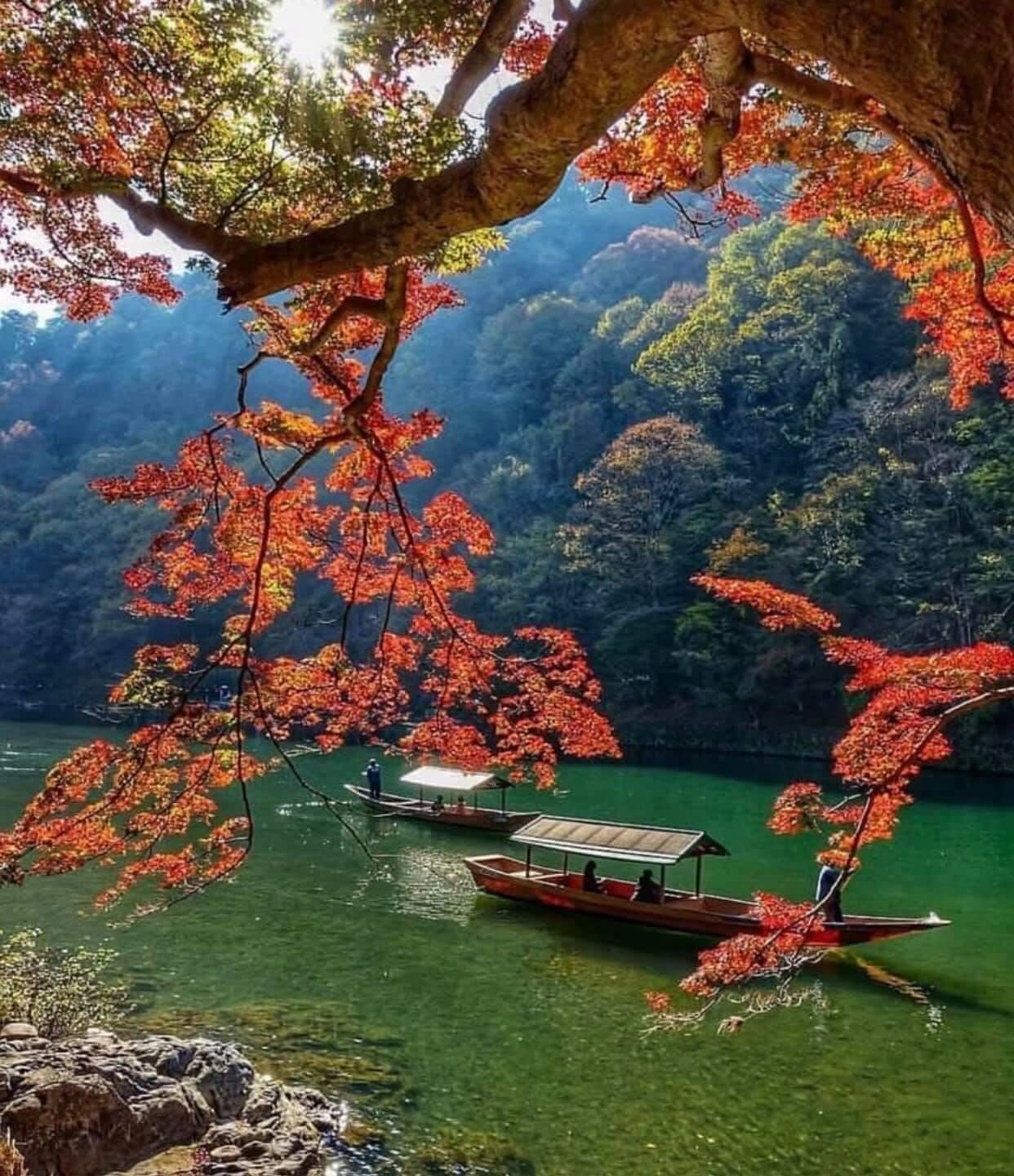
Kyoto’s Autumn Colors Beyond the City: Ohara, Kurama–Kibune, and Takao
17 min · tips
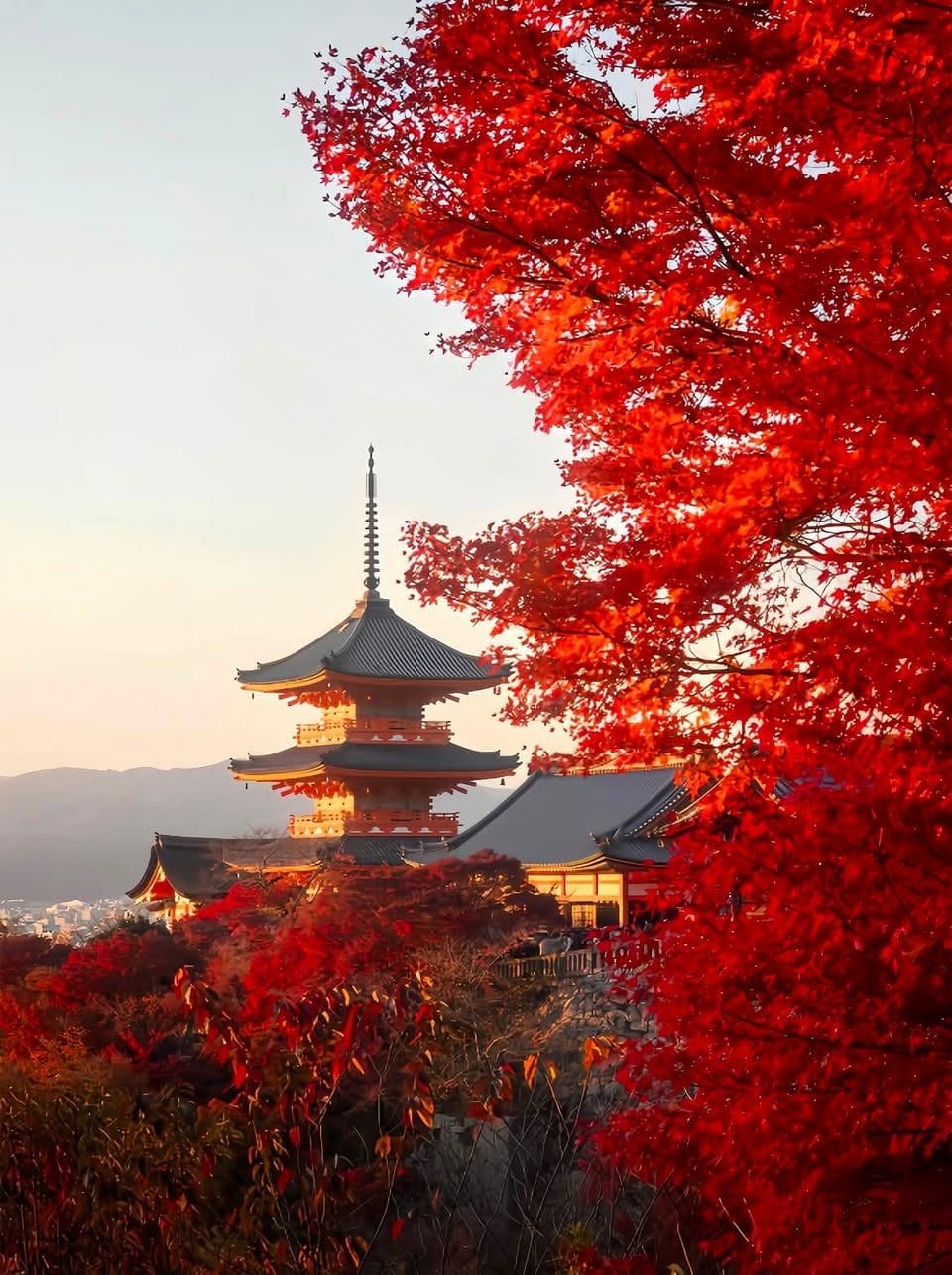
Kyoto’s Autumn Foliage Calendar: Changing Colors Week by Week
16 min · tips
A Day of Chasing Kyoto’s Autumn Colors, Hour by Hour
16 min · tips