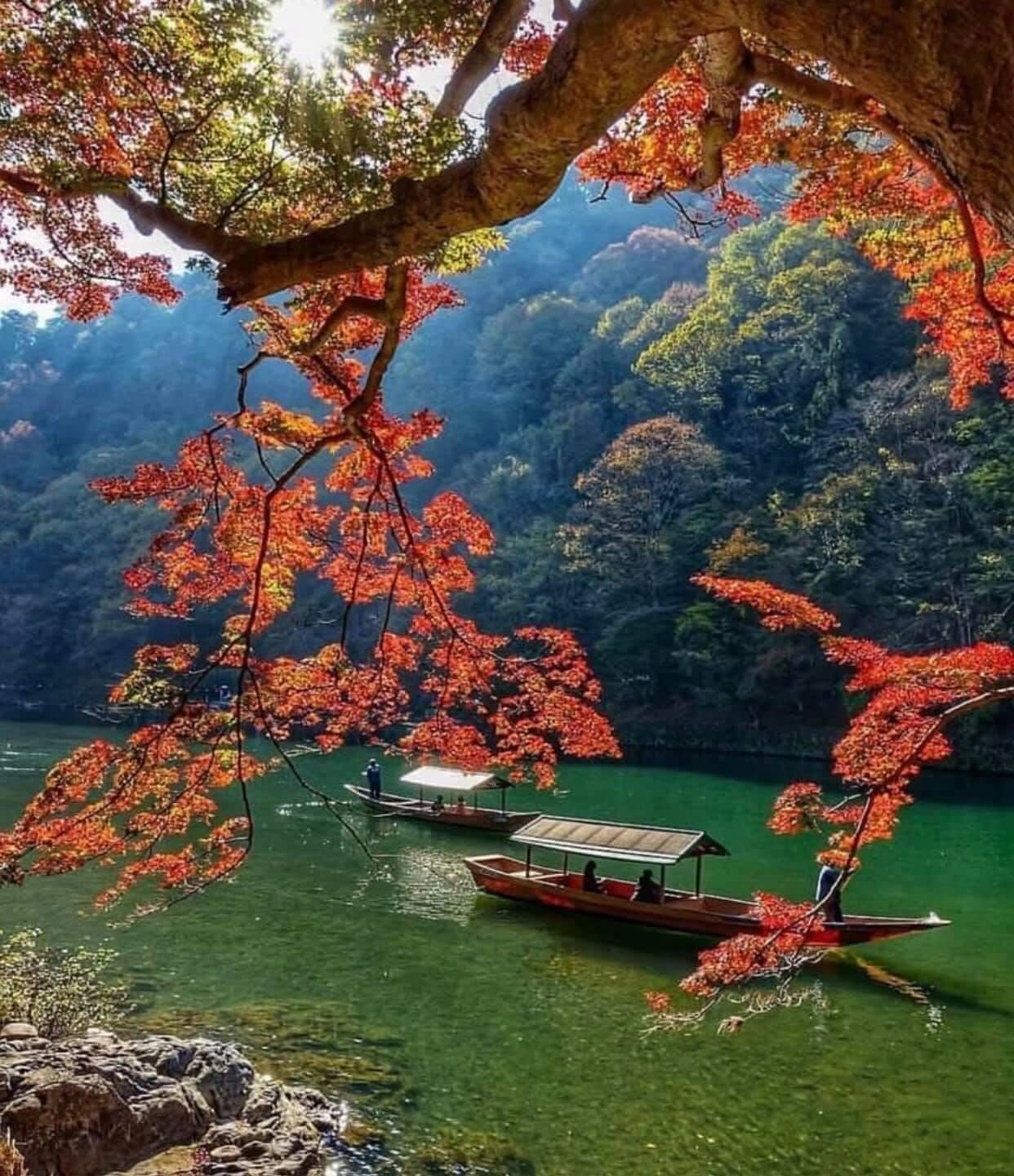
Kyoto’s Autumn Colors Beyond the City: Ohara, Kurama–Kibune, and Takao
Three foliage-viewing routes few Vietnamese travelers know about—the moss garden at Sanzen-in, the mountain trail from Kurama to Kibune, and Jingoji, where the leaves change color earliest—plus ways to combine them into half-day or full-day trips from central Kyoto.
Aug 12, 2026·✍️ olablog·⏱ 17 min read
Three foliage-viewing routes few Vietnamese travelers know about—the moss garden at Sanzen-in, the mountain trail from Kurama to Kibune, and Jingoji, where the leaves change color earliest—plus ways to combine them into half-day or full-day trips from central Kyoto.
Tap a region to browse articles
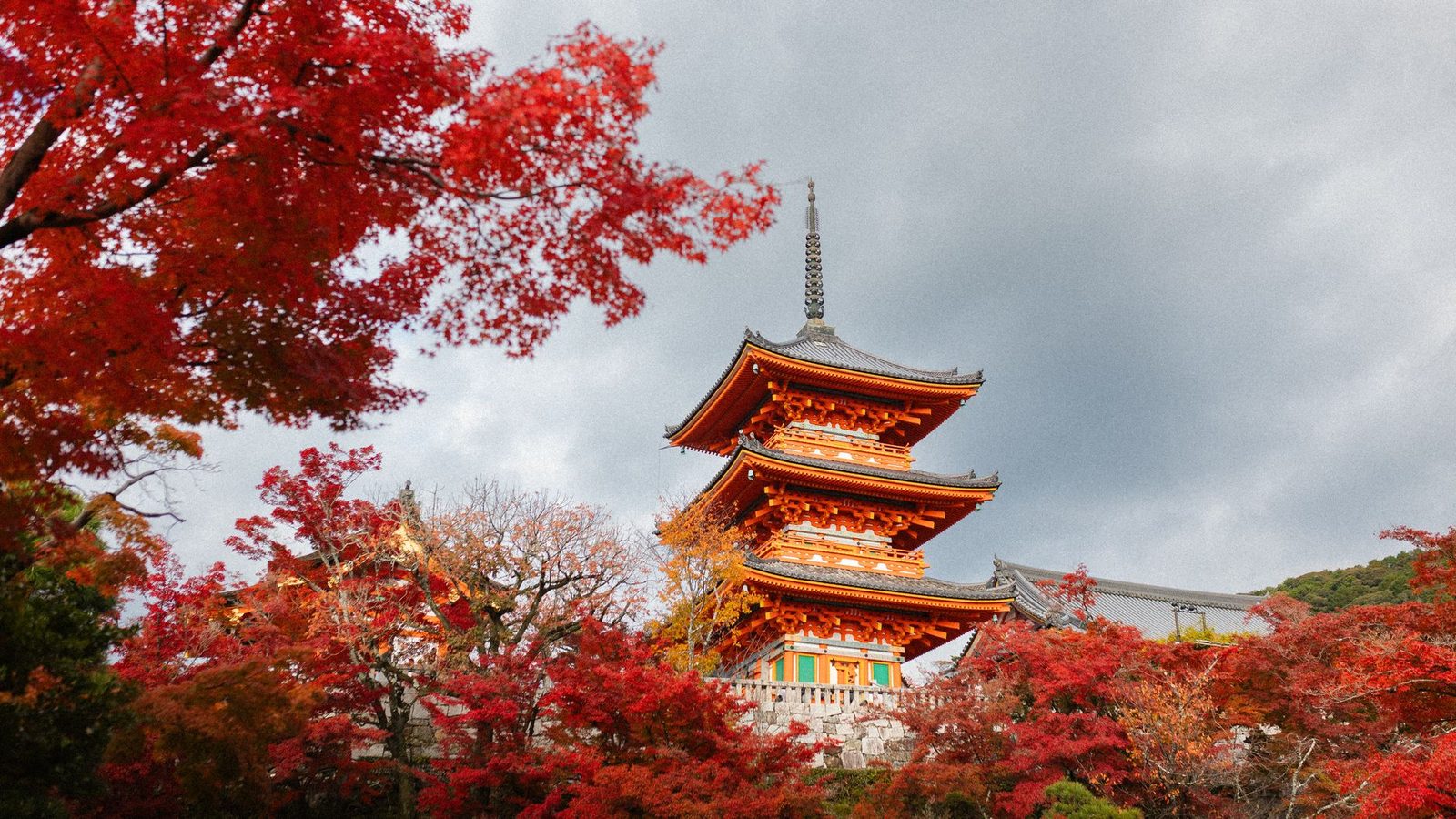
If you have ever visited Kyoto in mid-November, you probably remember the feeling: lining up outside Kiyomizu-dera at 7 a.m., being packed onto Togetsukyo Bridge in Arashiyama so tightly you could barely lift your camera, and wanting nothing more than to collapse in your hotel by afternoon—not because your feet hurt, but because the crowds had exhausted you. I experienced exactly that kind of autumn-leaf season on my first trip to Kyoto, and promised myself I would do things differently next time.
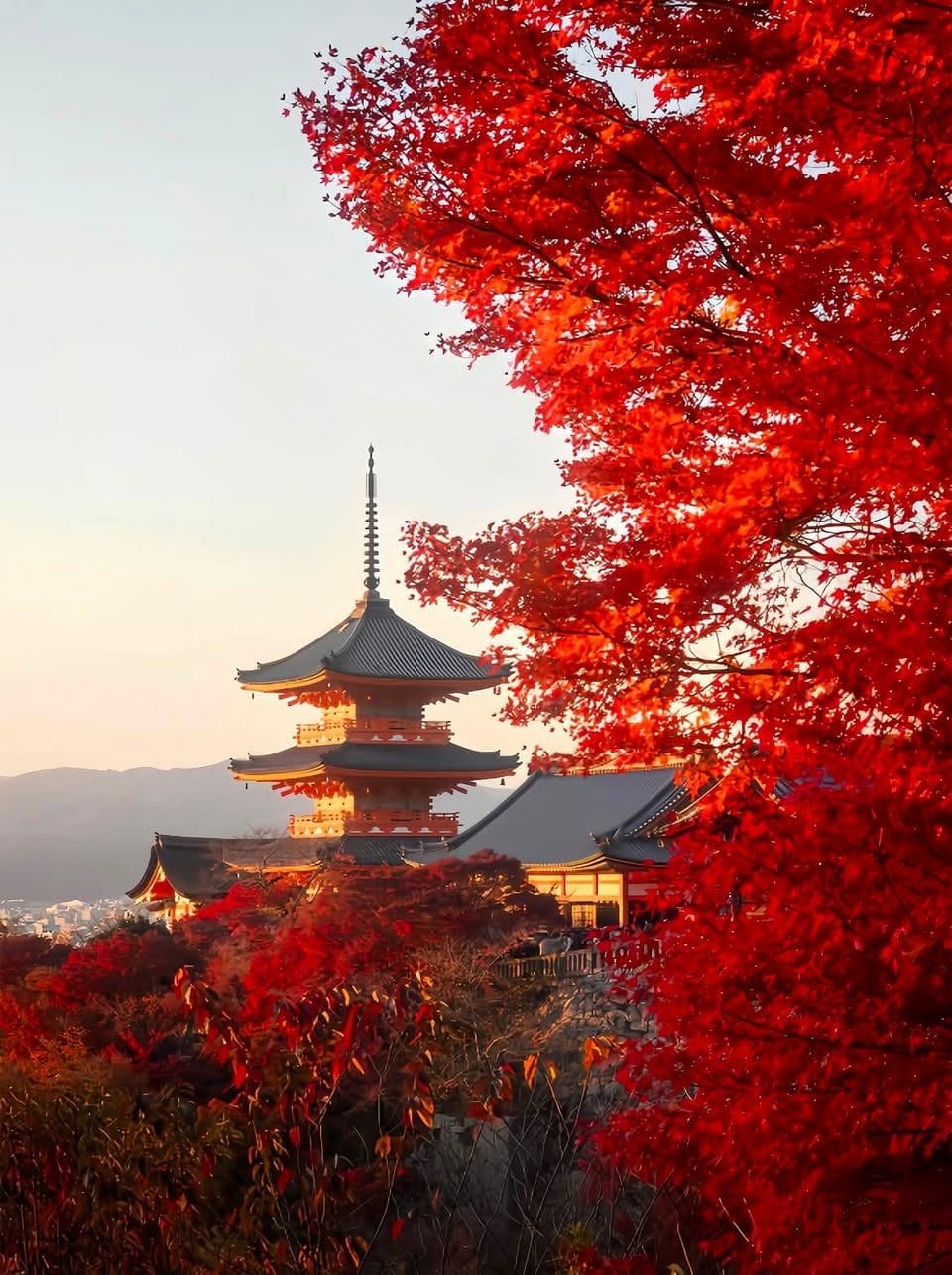
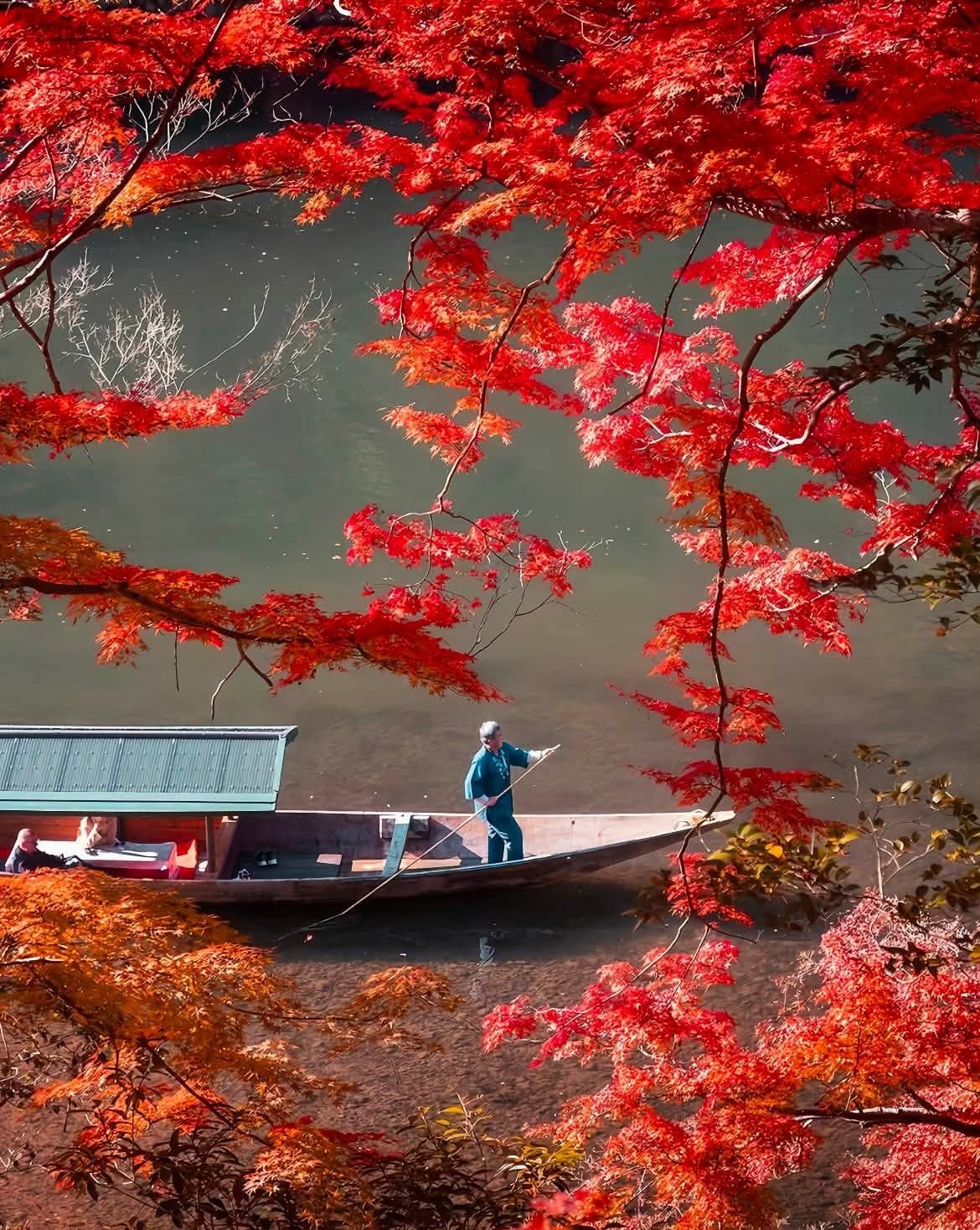
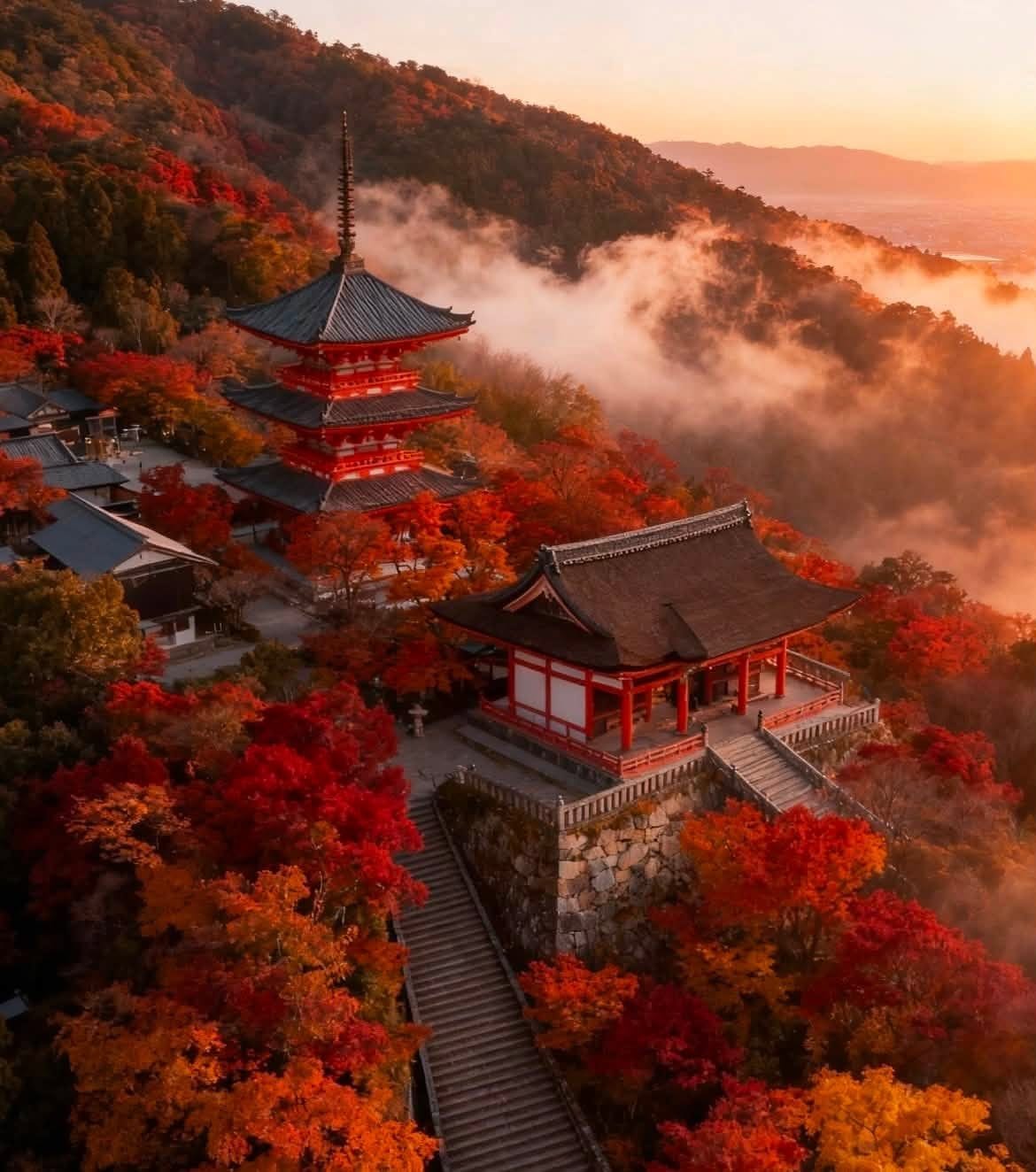
When that next trip came, I left the city center behind and headed for the outskirts. It turned out that northern Kyoto has an entire “autumn-color belt” that most Vietnamese visitors have yet to discover: Ohara, with the ink-wash-painting beauty of Sanzen-in’s moss garden; the mountain trail from Kurama to Kibune; and the Takao Valley, where Kyoto’s leaves change color earliest. All three are only about an hour from central Kyoto, yet the atmosphere feels worlds apart. On some stretches, I walked for fifteen minutes without seeing another person, hearing only the stream and the sound of falling leaves.
This is not another generic “top 10 autumn foliage spots in Kansai” article. I’ll take an in-depth look at each route: how to get there, what the walking is like, how long it takes, how to combine it into a half-day or full-day trip from central Kyoto, and the small traps you only learn about after going yourself.
Why you should “leave the city for the mountains” during autumn foliage season
There are three very practical reasons. First, the crowds: at famous spots in the city such as Kiyomizu, Tofukuji, and Arashiyama, the peak period in late November can be so busy that viewing the leaves turns into an experience of... looking at other people’s backs. The three northern suburban routes still attract Japanese visitors, but the crowds are much more manageable, especially on weekdays.
Second is elevation. Ohara, Kurama, Kibune, and Takao are all in the low mountains north of Kyoto, several hundred meters higher than the city center. The lower temperatures mean the leaves change color roughly one to two weeks earlier. If you visit Kyoto in early or mid-November and the leaves in town are still green, don’t be disappointed—head into the mountains and you may find autumn already at its peak.
Third, all three routes involve walking, and the best scenery lies along the trail itself, not just at the destination. For anyone who enjoys light exercise, this is the perfect “two birds with one stone” kind of travel: you get to hike, admire the foliage, and visit thousand-year-old temples at the same time.
One note before we get into the details: the timing of peak foliage varies from year to year, so the figures I give are only general averages. Before you go, check the koyo (紅葉) forecasts on Japanese websites—search for “紅葉情報” together with the place name and you’ll find what you need.
Route 1: Ohara — Sanzen-in and the village at the foot of the mountains
Ohara is a small agricultural valley in northeastern Kyoto, a quintessential Japanese countryside scene of vegetable fields, wooden houses, and early-morning mist drifting across the mountains. In the past, aristocrats and religious practitioners came here to live in seclusion, so although the village is small, it is packed with temples—many of them centuries old.
Sanzen-in — moss gardens and tiny Jizo statues
Ohara’s star attraction is Sanzen-in, a major temple of the Tendai school. Its biggest draw is the Yusei-en garden: a lush carpet of moss beneath cedar and maple trees. In autumn, red leaves scatter across the moss, creating such a striking contrast that you understand why people line up just to sit on the wooden veranda and look out over the garden. Be sure to look for the tiny Jizo statues nestled in the moss, their faces wearing gentle smiles—almost everyone who comes here takes at least one photo of them.
The road from the Ohara bus stop up to Sanzen-in is a stone-paved incline that takes about ten minutes on foot. Small shops along both sides sell pickled vegetables (tsukemono is an Ohara specialty), grilled mochi, and tea. The slope itself is well worth walking slowly in autumn.
Don’t just visit Sanzen-in
A common mistake is to visit Ohara, go to Sanzen-in, and then leave. Meanwhile:
- Hosen-in, right near Sanzen-in, is famous for its “living painting”: you sit in the tea room, where the wooden window frame serves as a picture frame and the “painting” is an old pine tree and autumn foliage in the garden. Admission usually includes tea and sweets—spending half an hour here was one of the most quintessentially Kyoto moments I’ve ever had.
- Jakko-in lies on the other side of the valley, about a twenty- to thirty-minute walk through the village. This small, quiet temple is associated with the tragic story of Kenreimon-in from The Tale of the Heike. It is peaceful and tinged with melancholy, ideal for anyone who enjoys a more contemplative atmosphere. The village road to Jakko-in, passing vegetable fields and stone fences, was actually my favorite part of Ohara.
How to fit Ohara into your itinerary
From central Kyoto, take a bus (the Kyoto Bus service to Ohara, departing from Kyoto Station or, more conveniently, from Demachiyanagi Station/Kokusaikaikan area)—the ride takes around an hour, give or take, depending on where you board. Traffic can be heavy during peak season, so if possible, take the Karasuma subway line to its final stop at Kokusaikaikan and transfer to a bus from there. This cuts out much of the most congestion-prone part of the journey.
- Half-day option: Set out early, arrive in Ohara before 9 a.m., visit Sanzen-in and Hosen-in, have a light lunch in the village, and return to central Kyoto in the early afternoon. You’ll still have energy for a city-center stop afterward, such as Shimogamo or a stroll along the Kamogawa.
- Full-day option: Add Jakko-in and walk around the village, then have a proper lunch (Ohara has several very good soba and tofu restaurants). On the way back, stop at Yase or Hiei if you still have time. This is a relaxed pace, ideal for anyone who wants to spend a day “living slowly.”
Route 2: Kurama–Kibune — Kyoto’s classic autumn hiking route
This is the route I would prioritize if you can choose only one. It has everything: a foliage-viewing train ride, a legendary mountain temple, a forest trail, and a finish at a riverside shrine lined with red lanterns.
The Eizan train — an unmissable opening act
From Demachiyanagi Station, a northern Kyoto hub connected to the Keihan Line, take the Eizan Railway to Kurama. The ride takes about thirty minutes. Near the end, the train passes through a “maple tunnel”—two rows of maple trees planted close to the tracks, glowing red in autumn. The train slows down so passengers can take in the view, and on some evenings the lights inside the cars are turned off while the foliage outside is illuminated. The train ride alone is worth the fare.
From Kurama-dera across the mountains to Kibune
When you arrive at Kurama Station, you’ll immediately see a statue of a long-nosed tengu, the symbol of the area. According to local legend, Mount Kurama was where the tengu taught the young military commander Minamoto no Yoshitsune swordsmanship. From the gate of Kurama-dera, you have two choices: take the short cable car section or walk the entire way. I recommend walking, because the route passes Yuki-jinja and its enormous cedar trees, which are well worth seeing.
Once you reach the main hall of Kurama-dera, the temple grounds open onto a view of the valley below. In autumn, the opposite mountainside is splashed with red and gold. This is the best rest stop and photo spot on the route.
Beyond the main hall, the trail begins descending toward Kibune. It passes through cedar forest and crosses Kinone-michi, where tangled tree roots push up through the ground—a somewhat surreal sight. The entire route from Kurama Station to Kibune village takes about one and a half to two hours on foot, depending on your pace. There are some inclines, but it is not especially difficult; grippy athletic shoes are enough, and professional hiking gear is unnecessary. The only real cautions are that the trail has stone steps and exposed roots, it becomes slippery when wet, and autumn days get dark quickly, so don’t start the climb after three in the afternoon.
Kibune — the reward at the end of the trail
When you descend into Kibune, you’ll find a small road running alongside the stream, lined with ryokan and restaurants. Kifune-jinja, dedicated to the god of water and also famous as a place to pray for romance, stands atop stone steps flanked by two rows of red lanterns, with maple leaves overhead. It is one of Kyoto’s most photographed autumn scenes, yet it is even more beautiful in person.
Dining in Kibune can be expensive because it is a small tourist village, but if you want to treat yourself, a light kaiseki lunch overlooking the stream is worth the price. For a more affordable option, eat in Kurama before starting the hike, or bring an onigiri to eat along the way (remember to take your trash with you).
How to fit Kurama–Kibune into your itinerary
- Half-day option (compact): Take the Eizan train to Kurama in the morning, hike across to Kibune, have lunch, then walk downhill from Kibune to Kibuneguchi Station (about half an hour on foot, or you can take a connecting bus) and catch the Eizan train back. The whole outing takes around five to six hours, including transportation.
- Full-day option: Follow the same route at a more leisurely pace, spending extra time at Kifune-jinja and a café by the stream. On the way back to Demachiyanagi, you can stop at Shimogamo Shrine and Tadasu-no-mori Forest—also a beautiful late-season golden-leaf spot—to complete the loop.
- Direction tip: Many people hike in the opposite direction, from Kibune to Kurama. That works, but the Kibune side is steeper. Going from Kurama to Kibune as described here is easier on your legs and ends where the good food is—in terms of motivation, it puts the reward in exactly the right place.
Route 3: Takao — Jingoji, where autumn arrives earliest in Kyoto
Takao is the least familiar of the three routes to Vietnamese travelers, and it is also the trump card for anyone visiting Kyoto early, from around late October to early November, when the leaves in the city are still green. The Takao Valley lies in northwestern Kyoto and is considerably deeper and cooler, so the maples here usually turn red a week before those in the city center, and in some years even earlier.
Jingoji and 400 worthwhile steps
The heart of Takao is Jingoji, an ancient Shingon Buddhist temple associated with the great master Kukai (Kobo Daishi). To reach it, you descend to the bottom of the valley, cross the red bridge over the Kiyotaki River, and then climb about four hundred stone steps. It sounds tiring—and it is—but this stairway, shaded by red maple leaves and lined with an old tea house halfway up, is the most beautiful part. At the top, the temple grounds are spacious and quiet, completely unlike the crowded temples in the city.
Don’t miss kawarake-nage: buy small unglazed clay plates and throw them into the Kinunkei Valley from the edge of the temple grounds to “cast away bad luck.” From the throwing area, the entire autumn valley spreads out below you—one of Kyoto’s most expansive views.
Go farther: Saimyoji, Kozanji, and the Kiyotaki riverside trail
Takao is actually a cluster of three temples: Jingoji, Saimyoji (a charming little temple beside the red bridge and highly photogenic), and Kozanji—a World Heritage Site that preserves Choju-giga, a picture scroll of mischievous rabbits and frogs considered the “ancestor of manga.” The three temples are connected by an easy riverside walk totaling around thirty to forty minutes.
If you are more enthusiastic about hiking, a trail follows the Kiyotaki River from Takao down to Kiyotaki village. It takes about one and a half hours, and from there you can continue toward Arashiyama. In theory, this means you can start your morning at one of Kyoto’s quietest temples and finish the afternoon at its most famous destination—a fascinating day of “from stillness to movement.” The trail has few English signs, so download an offline map before you go.
How to fit Takao into your itinerary
The main way to reach Takao is by JR Bus from Kyoto Station (toward Takao/Toganoo), which takes about fifty minutes to one hour. There are also city buses from the Shijo area. Services are not especially frequent, so take a photo of the return timetable as soon as you get off the bus—this is advice learned the hard way.
- Half-day option: Take an early bus from Kyoto Station, climb to Jingoji, visit Saimyoji, and return to central Kyoto after lunch. In the afternoon, combine it with Kinkakuji or Ryoanji; this works particularly well because they are also in the northwest, and the bus back passes through that area.
- Full-day option: Visit all three temples and hike the Kiyotaki trail, or take the “ultimate” option of hiking from Takao to Arashiyama as described above—only on a clear day and only if you are accustomed to long walks.
How to combine the three routes wisely on a Kyoto trip
If you have three or four days in Kyoto during autumn, here is what I suggest:
- Early in the season (late October – early November): Prioritize Takao, as it is the only place that is certain to have beautiful foliage at that time. Put Kurama–Kibune second.
- Midseason (mid-November): This is the golden window—all three routes should be beautiful. Schedule Kurama–Kibune for the clearest day in the forecast, since this route is the most weather-dependent.
- Late season (late November – early December): The leaves in the mountains may already have fallen considerably. At that point, Ohara can still be beautiful in its own way, thanks to the leaves scattered across the moss, while you should shift your attention to city-center spots, which tend to change color later.
One general rule: stick to one suburban route per day. The three routes lie in three different directions (northeast, due north, and northwest), and the connections between them are circuitous. Trying to squeeze two routes into one day is almost certain to end badly. Spend the remaining half-day at a city-center attraction in the same direction.
A few tips from someone who has been there
- Go on a weekday if possible. The difference in crowd levels between Tuesday and Sunday at these places is enormous.
- Start early, not only to avoid the crowds but also because the mountain gets dark quickly; after four in the afternoon, the light is already poor for photography.
- Cash: Many small shops and restaurants in Ohara, Kibune, and Takao still do not accept cards. Bring enough small bills and coins.
- Clothing: The mountains are noticeably colder than central Kyoto, so dress in layers—climbing uphill will make you hot, while standing around enjoying the view can leave you cold.
- Transport passes: If you are visiting Ohara or taking the Kurama–Kibune route, look into one-day Kyoto Bus/Eizan passes for the area. They are often cheaper than paying for each ride separately, but the pass types and coverage change from year to year, so check the official website beforehand.
- Check each temple’s opening hours before you go, especially during peak season, when there may be separate evening illumination schedules. I have deliberately not included specific hours here because the temples adjust them seasonally.
What I want to leave you with is this: Kyoto in autumn is not about how many famous places you manage to check off. It is about moments like sitting on the wooden veranda at Hosen-in and watching leaves fall through the window frame, or standing alone among the cedar trees on the trail to Kibune. These three routes give you exactly those moments—for the modest price of getting up a little earlier and climbing a few hundred steps.
Frequently asked questions
I’m not used to long walks. Can I manage the Kurama–Kibune route?
Yes, as long as you can handle a few flights of stairs without becoming completely exhausted. This is a light hike rather than mountaineering: there are stone steps for much of the route, a cable car can help with the initial section from the Kurama side, and the total walking time is only about one and a half to two hours. Healthy older adults should be able to manage it comfortably. If you are genuinely worried, you can visit only Kurama-dera, return to the station, and visit Kibune separately by train and bus.
Which of the three routes is best for families with young children?
Ohara is the safest choice: the paths are relatively flat, distances are short, and there are plenty of places to rest and eat. Takao involves a lot of stairs, while Kurama–Kibune requires children to be old enough to walk for two hours on mountain trails. For active children from around seven or eight years old, however, Kurama–Kibune is often their favorite route because of the sense of adventure.
When are the autumn leaves usually at their best at these three places?
Based on the average over many years, Takao is the earliest, usually looking its best from around late October to mid-November. Kurama–Kibune and Ohara generally peak from early to mid/late November. But the timing can shift by as much as a week depending on the weather each year, so check koyo forecasts on Japanese information websites close to your trip and finalize your schedule accordingly—this is the most important step, so don’t skip it.
Can I visit two routes in one day?
In theory, you could combine Kurama–Kibune in the morning with Ohara in the afternoon because both are north of the city and there are regional bus connections. I would not recommend it, though: you’ll be racing against the bus schedules, arrive at Ohara just as the temples are about to close, and enjoy neither place properly. Choose one route per day and spend the remaining half-day at a city-center attraction that lies along your route back.
Can I use an IC card, or do I need to buy separate tickets?
The Eizan Railway, subway, and most buses around Kyoto accept IC cards (Suica, ICOCA, Pasmo...). Some mountain buses and smaller routes may be exceptions, so it is still wise to carry backup cash. If you will be taking several rides in one day, check the regional one-day passes on the official website—they can often save you a fair amount.
If I arrive in Kyoto in late November, will I have missed the foliage?
The mountain season may already be past its peak, but that does not necessarily mean the scenery is over. Ohara’s Sanzen-in has a distinctive “late-season” beauty when fallen leaves cover the moss, while city spots such as Tofukuji and Eikando are often at their most brilliant around this time. A sensible strategy is to spend one outing in the suburbs enjoying the mountain atmosphere, then focus your main foliage hunting in the city center.