
Kumano Kodo
Your complete guide to walking the Kumano Kodo in Wakayama and Mie – best seasons to visit, how to get there, unmissable viewpoints, and practical tips for first-timers.
Feb 2, 2026·✍️ olablog·⏱ 5 min read
Your complete guide to walking the Kumano Kodo in Wakayama and Mie – best seasons to visit, how to get there, unmissable viewpoints, and practical tips for first-timers.
Japan spoils nature lovers in ways few countries can match – and the Kumano Kodo pilgrimage network in Wakayama and Mie prefectures is one of its most breathtaking gifts. Walking these ancient stone-paved trails isn't just a hike; it's a full-on immersion into a landscape so quietly magnificent that you'll find yourself stopping every few minutes just to take it all in.
1. What Makes Kumano Kodo So Special
The Kumano Kodo is one of only two pilgrimage routes in the world recognized as a UNESCO World Heritage Site (the other is Spain's Camino de Santiago – and yes, there's an official dual-stamp program if you've done both). The landscape across Wakayama and Mie unfolds like a living painting: cedar-draped mountains, rushing rivers, and moss-covered stone steps that pilgrims have trodden for over a thousand years.
Light here is cinematic. Dawn breaks gold over the ridge lines; dusk bleeds violet and pink through the forest canopy. Every hour looks different, and no two visits are quite the same.
The approach roads themselves are part of the experience. Whether you're winding through mountain passes, skirting rice paddies, or hugging a rugged coastline, the journey to the trailheads is genuinely scenic. Travelers consistently say that getting there is half the fun.
2. Must-Visit Spots Along the Way
The Kumano Kodo area and the wider Wakayama / Mie region are packed with viewpoints – from well-known landmarks to secret corners that locals guard jealously. Here are the highlights:
The main observation deck: A sweeping 180-degree panorama over the trail corridor. Sunrise and sunset here are widely considered the best in the region – set an alarm.
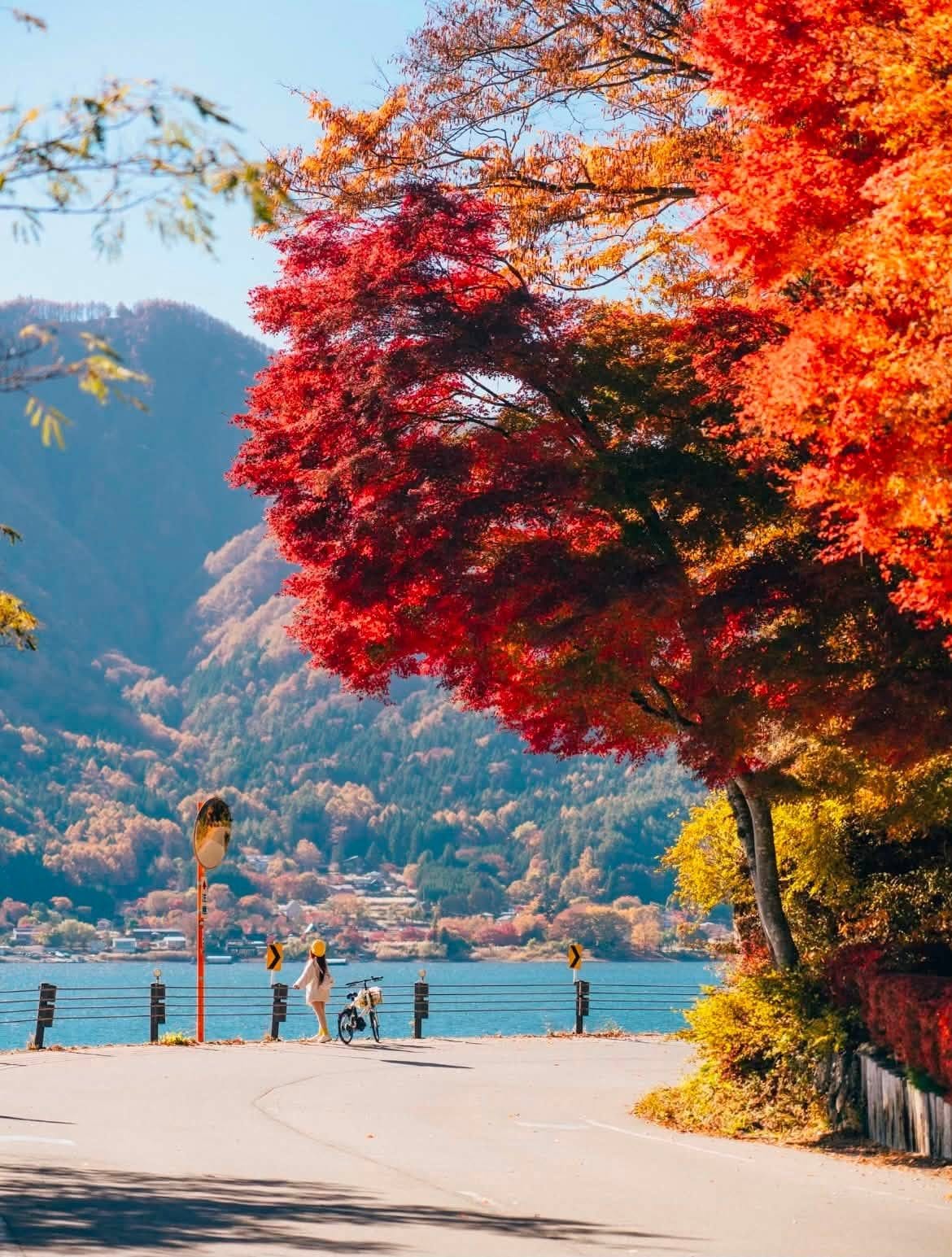
The ancient cedar avenue: Centuries-old trees form a cathedral-like green tunnel along the trail. Particularly stunning in spring (fresh green) and autumn (fiery reds and golds).
The mirror-surface water reflection: A nearby lake or river acts as a giant natural mirror, creating perfectly symmetrical reflection shots that will absolutely wreck your camera roll (in the best way).
The ridgeline summit viewpoint: Climb to the highest accessible point for a full panoramic sweep across Wakayama and Mie. Worth every step.
3. Best Time to Visit
Every season brings something different to Kumano Kodo, but the sweet spots are May and October. Here's why:
- Weather is at its most stable – comfortable for hiking and driving with minimal rain risk
- Scenery peaks seasonally: fresh spring green in May, blazing autumn color in October
- Natural light is ideal for photography between 6–9 a.m. and 4–6 p.m.
- Crowds are manageable – busy enough to feel alive, quiet enough to enjoy the trail
Winter brings a fairytale blanket of snow to the higher sections – genuinely spectacular, but mountain roads can ice over, so check conditions before you go. Spring cherry blossoms and autumn foliage are both excellent runner-ups.
4. Best Way to Explore – Drive It Yourself
The most rewarding way to experience Kumano Kodo and the surrounding Wakayama / Mie region is by rental car. Public transit reaches the main trailheads, but the freedom to pull over whenever a view catches your eye – and to explore the narrow back lanes that buses will never touch – is genuinely priceless out here.
Roads throughout the area are well-maintained and clearly signed. Mountain and coastal stretches have adequate lane widths, and well-spaced rest areas (道の駅, Michi-no-Eki) give you plenty of excuses to stop, stretch, and grab a local snack.
✨ Pro tip: Rent a car through OlaChill and explore Kumano Kodo entirely on your own schedule – with or without a driver.
5. Sample 1–2 Day Itinerary
Day 1
- 6:00 a.m. – Head to the main observation deck for sunrise over the trail; golden-hour light is unreal
- 8:00 a.m. – Breakfast at a local restaurant; look for mehari-zushi (rice balls wrapped in pickled mustard leaf) – a regional Wakayama specialty
- 9:30 a.m. – Drive the main scenic route, stopping freely at viewpoints along the way
- 12:00 p.m. – Lunch at a roadside restaurant or a well-stocked Michi-no-Eki rest stop
- 2:00 p.m. – Side trips: a historic village, a waterfall, or a nearby reservoir
- 5:00 p.m. – Check in to your hotel or, ideally, a traditional ryokan
- 6:30 p.m. – Soak in the onsen (hot spring bath), then sit down to a multi-course kaiseki dinner
Day 2
- 7:00 a.m. – Early breakfast and an early start to beat the crowds
- 8:30 a.m. – Secondary trail section or a less-visited viewpoint
- 11:00 a.m. – Shoot the lake or river reflection spot (midmorning light works well here)
- 1:00 p.m. – Lunch and a leisurely break
- 3:00 p.m. – Continue to your next destination or start the drive back
6. Practical Tips
- 📷 Golden hour is non-negotiable: The 30 minutes before and after sunrise/sunset produce the best light – plan your position in advance
- 🚗 Book your rental car early: During peak season (May, October), availability goes fast – reserve at least 1–2 weeks ahead
- ⛽ Fill up the tank whenever you can: Gas stations can be sparse in rural Wakayama and Mie; don't wait for the low-fuel light
- 📱 Download offline maps: Save the Wakayama / Mie area to Google Maps before you leave the city – cell service gets patchy on mountain stretches
- 🍙 Stock up at convenience stores: A 7-Eleven or FamilyMart onigiri is genuinely one of Japan's greatest road-trip fuels – grab a stash before hitting the trail
- ☁️ Check the forecast: Especially critical in winter or during Japan's rainy season (June); mountain weather can shift quickly
More from this region — Kyoto, Nara & Kansai
View all →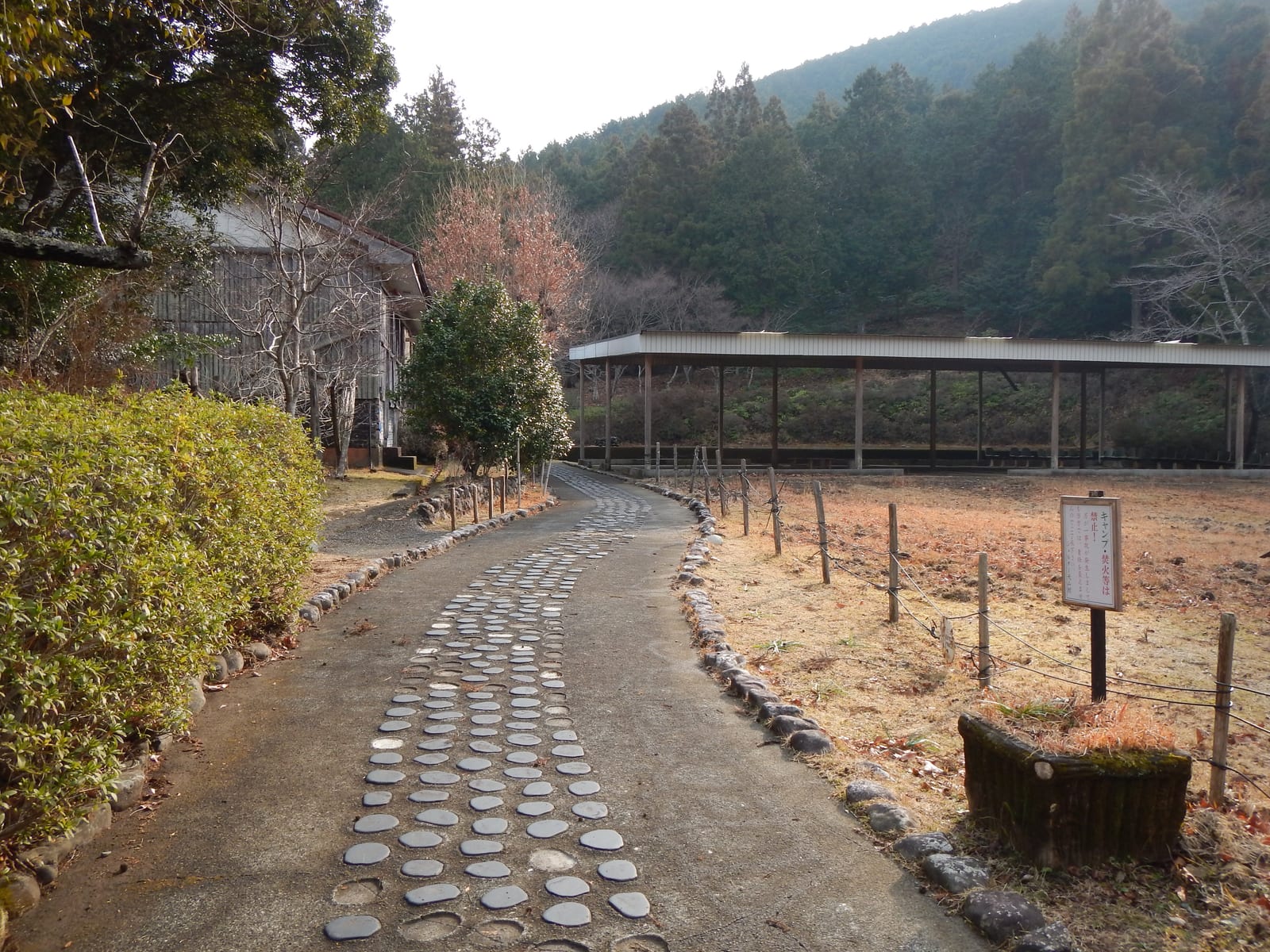
The Ultimate Kumano Kodo Hiking Guide: Nakahechi, Kohechi, and 3-Night/4-Day Model Routes
21 min · ハイキング
Kyoto in Autumn Colors: 2 Days, 1 Night, and the Accommodation Dilemma
16 min · tips
Kyoto in Autumn on a Plate: From Matsutake to Steaming-Hot Yudofu
15 min · tips
Nighttime Autumn Leaves in Kyoto: Tickets, Hours, and Queueing Strategies
16 min · tips