
The Ultimate Kumano Kodo Hiking Guide: Nakahechi, Kohechi, and 3-Night/4-Day Model Routes
A deep dive into the appeal of the Kumano Kodo, a UNESCO World Heritage Site. We take an in-depth look at access, highlights, and model routes for the Nakahechi and Kohechi trails, with options for everyone from beginners to experienced hikers.
Apr 24, 2026·✍️ olablog·⏱ 21 min read
A deep dive into the appeal of the Kumano Kodo, a UNESCO World Heritage Site. We take an in-depth look at access, highlights, and model routes for the Nakahechi and Kohechi trails, with options for everyone from beginners to experienced hikers.
With the fresh greenery of 2026 at its most vivid, why not take a trip to the Kumano Kodo, where nature and history live side by side? Part of the “Sacred Sites and Pilgrimage Routes in the Kii Mountain Range,” which is registered as a UNESCO World Heritage Site, the Kumano Kodo is a pilgrimage route rooted in centuries of religious tradition that continues to draw visitors from around the world. In recent years, it has attracted renewed attention not only from international visitors but also from travelers within Japan, with spring and autumn being especially ideal seasons for hiking. In this article, the OlaChill editorial team takes an in-depth look at the particularly popular Nakahechi and Kohechi routes, covering access, highlights, and model itineraries ranging from 3 nights/4 days to 2 nights/3 days.
What Is the Kumano Kodo? The Appeal of the World Heritage Site “Sacred Sites and Pilgrimage Routes in the Kii Mountain Range”
The Kumano Kodo is a collective name for the pilgrimage routes leading to the sacred Kumano Sanzan—Kumano Hongu Taisha, Kumano Hayatama Taisha, and Kumano Nachi Taisha—across Wakayama, Nara, and Mie prefectures. Its history stretches back centuries. During the Heian period, aristocrats traveled these routes in such great numbers that their pilgrimages were likened to “ants on a pilgrimage to Kumano,” using the journey as a way to reflect on their inner selves through religious practice along the way. In 2004, the Kumano Kodo was registered as part of the UNESCO World Heritage Site “Sacred Sites and Pilgrimage Routes in the Kii Mountain Range,” earning international recognition for its cultural value. The main Kumano Kodo routes include Nakahechi, Ohechi, Kohechi, and Iseji. Of these, this article focuses on Nakahechi, which is relatively well developed and has long been used by many pilgrims, and Kohechi, where hikers can fully enjoy the deep mountain wilderness. The distinctive landscapes and historic heritage found along each route continue to captivate visitors.
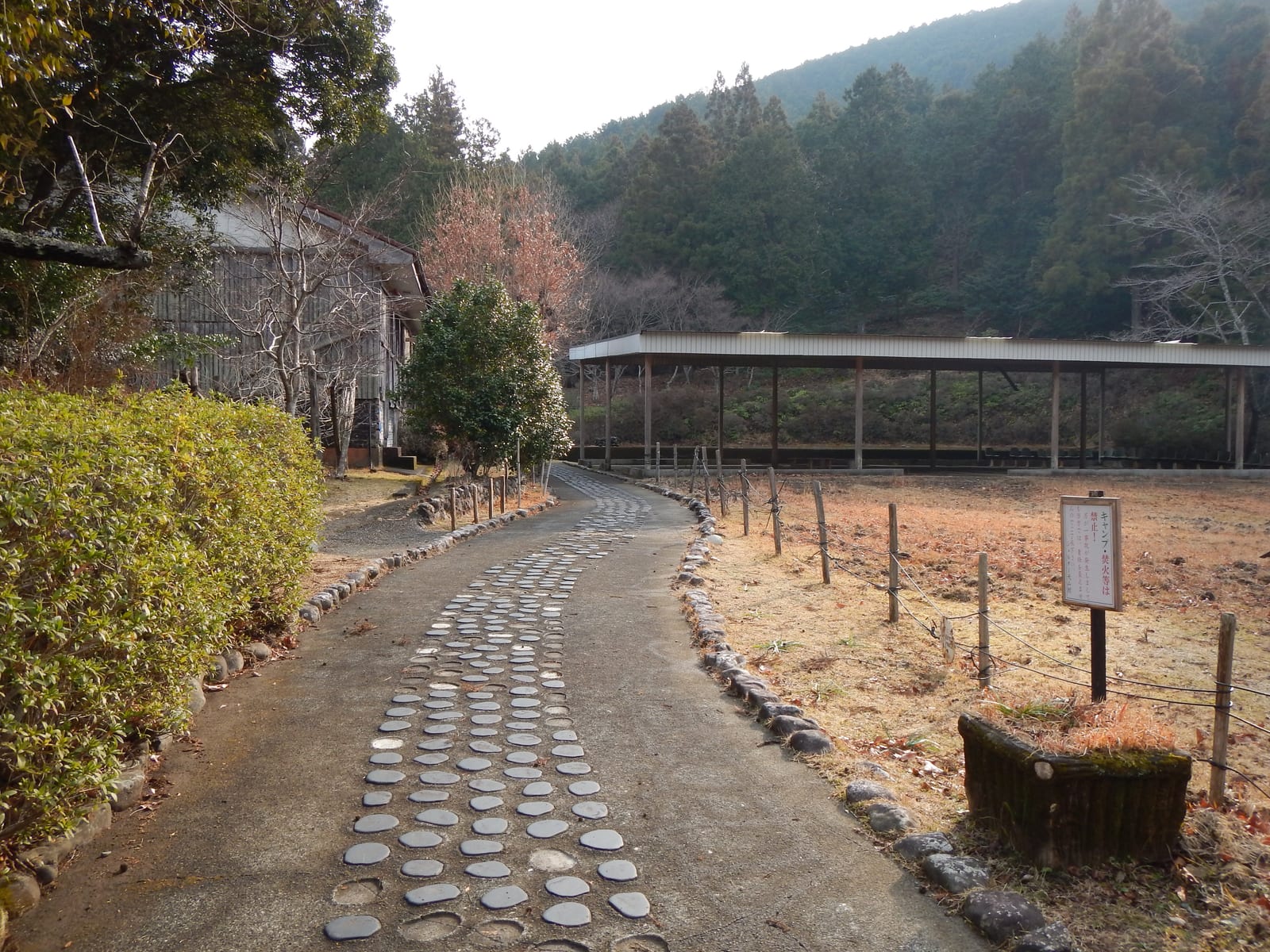
Hiking the Kumano Kodo is different from ordinary mountain climbing. By following the paths once walked by pilgrims of the past, you can experience Japanese spiritual culture and traditional views of nature firsthand. Moss-covered stone pavements, deep forests, clear rivers, and small shrines dedicated to various deities and Buddhist figures dot the trails, making every step feel connected to the weight of history.
An In-Depth Look at the Nakahechi Route: The Classic Course Recommended for Beginners and Intermediate Hikers
Nakahechi is the main route used by the greatest number of pilgrims and remains the most popular section of the Kumano Kodo today. The approximately 70km route from Tanabe City to Kumano Hongu Taisha is packed with sights and has been developed to accommodate everyone from beginners to intermediate hikers.
Features: The trail has plenty of ascents and descents overall, but it is relatively easy to walk with confidence thanks to its generous width and well-maintained trail markers. There are also plenty of accommodations and rest areas, allowing you to divide the route into sections according to your fitness level. Historic villages and atmospheric former teahouse sites add to the route’s appeal.
Access:
- JR Kii-Tanabe Station is the main gateway to the Nakahechi route.
- The JR Limited Express Kuroshio takes approximately 2 hours 30 minutes from Shin-Osaka Station and approximately 2 hours 10 minutes from Tennoji Station.
- Buses operated by Ryujin Bus and Meiko Bus run from Kii-Tanabe Station toward Kumano Hongu Taisha, providing access to trailheads such as Takijiri-oji, Chikatsuyu-oji, and Hosshinmon-oji.
- Example: Approximately 40 minutes by bus from Kii-Tanabe Station to Takijiri-oji (approximately 980 yen one way, as of 2026).
Opening Hours/Fees: There is no admission fee for the Kumano Kodo itself, but you will need to pay for certain facilities, such as the Kumano Hongu Taisha Treasure House, as well as bus fares, accommodation, and food.
Seasonal Highlights/Best Times to Visit:
- Spring (April–May): The fresh greenery is beautiful, and the mild weather is ideal for hiking. There are also several excellent spots for viewing cherry blossoms.
- Autumn (October–November): The autumn foliage is stunning, making this the most popular season of the year.
- Summer (July–August): Conditions are relatively hot and there are many insects, but with adjustments such as starting early in the morning, you can still enjoy a comfortable hike.
- Winter (December–March): The trails are relatively quiet, but proper equipment and advance information gathering are essential because of the possibility of snow and icy conditions.
Recommended Local Food and Accommodations:
- Food: Local specialties of the Kumano region include mehari-zushi and sanma-zushi. You can also enjoy dishes made with river fish and locally grown vegetables. These are available at roadside stations and restaurants in local villages.
- Accommodations: Minshuku inns, ryokan, and guesthouses can be found around Takijiri-oji, Chikatsuyu, and Nonaka along the Nakahechi route. Chikatsuyu and Nonaka are especially popular as major lodging areas, and there are also hot spring inns. Advance reservations are essential.
Tips, Precautions, and Trail Etiquette:
- Footwear and clothing: Although the route is well maintained, it is still a mountain trail, so trekking shoes are essential. Be sure to bring rainwear and warm layers as well.
- Water and food: Many sections have no vending machines or shops, so bring plenty of water and trail snacks.
- Take your trash with you: The Kumano Kodo is a World Heritage Site protected with the cooperation of local residents. Always carry out all your trash.
- Check the trail markers: The markers are well maintained, but check them regularly and take care not to stray from the route.
- Kumano Kodo guides: If you want to learn more about the region’s history and culture, hiring a local guide is highly recommended (advance reservations required).
Model Routes (Half Day/1 Day):
- Half-Day Route (Hosshinmon-oji–Kumano Hongu Taisha):
- Time Required: Approximately 3 hours 30 minutes (including breaks)
- Distance: Approximately 7km
- Access: Take a bus from Kumano Hongu Taisha to Hosshinmon-oji (approximately 15 minutes, approximately 370 yen one way, as of 2026).
- Route Overview: The route from Hosshinmon-oji to Kumano Hongu Taisha consists mostly of relatively gentle descents through beautiful cedar forests. It is ideal for those who want an easy introduction to the atmosphere of the ancient pilgrimage route or who are not confident in their fitness. After arriving at Kumano Hongu Taisha, be sure to visit Oyunohara, home to the enormous torii gate.
- 1-Day Route (Takijiri-oji–Chikatsuyu-oji):
- Time Required: Approximately 6–8 hours (including breaks)
- Distance: Approximately 15km
- Access: Approximately 40 minutes by bus from JR Kii-Tanabe Station to Takijiri-oji. From Chikatsuyu-oji, take a bus toward Kumano Hongu Taisha.
- Route Overview: Takijiri-oji is considered the starting point of the Nakahechi route, and the serious mountain trail begins here. Steep climbs continue through the early part of the route, but highlights such as Takahara Kumano Shrine and the Gyuba-doji statue are scattered along the way. There are many accommodations around Chikatsuyu-oji, making it a convenient place to prepare for hikes on the following days.
An In-Depth Look at the Kohechi Route: Through the Kumano Kodo’s Remote Wilderness for Experienced Hikers
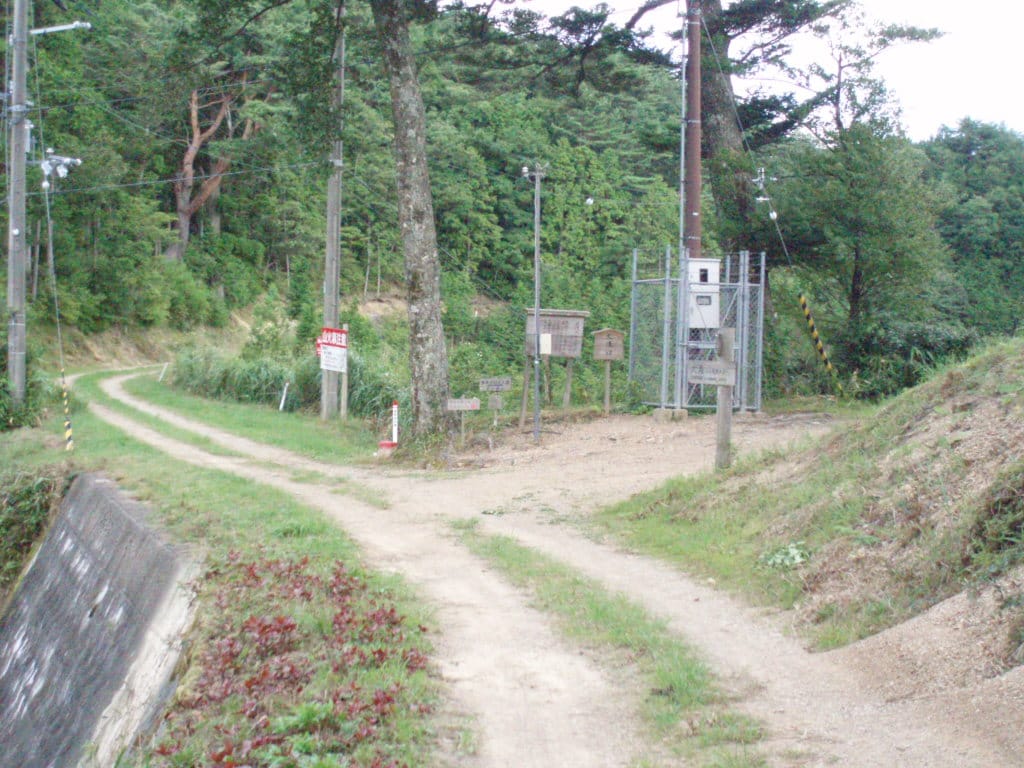
Kohechi is an approximately 70km route connecting Mount Koya with Kumano Hongu Taisha. In contrast to Nakahechi, it is a more demanding mountain trail that crosses three passes reaching elevations of around 1000m. It is known as one of the most nature-rich routes on the Kumano Kodo, with its quiet forests and strong sense of remoteness being its greatest attractions.
Features: The trail is narrow and has steep ascents and descents, so a high level of fitness and previous mountain-hiking experience are necessary. Since there are few accommodations and shops, careful preparation and planning are essential. In return, hikers can fully appreciate untouched nature and an atmosphere of profound tranquility.
Access:
- From the Mount Koya area: From Nankai Koya Line Gokurakubashi Station, take a bus to Koyasan Okunoin-mae, then transfer to a bus for Omatā (transfers required).
- From the Kumano Hongu Taisha area: Take a Nara Kotsu bus from Kumano Hongu Taisha toward Totsukawa Village to access the various trailheads.
- Example: Approximately 30 minutes by bus from Kumano Hongu Taisha toward the Hatenashi Settlement area, the trailhead for the Hatenashi Pass (approximately 600 yen one way, as of 2026).
Opening Hours/Fees: There is no admission fee for the Kumano Kodo itself. You will need to pay for bus fares, accommodation, and food supplies.
Seasonal Highlights/Best Times to Visit:
- Spring (May–June): The fresh greenery is beautiful, and the relatively cool temperatures make for comfortable hiking.
- Autumn (October): The autumn foliage is especially beautiful and attracts many hikers.
- Summer (July–September): Temperatures are high and there are many insects, making this season suitable for experienced hikers. Take thorough precautions against heatstroke.
- Winter (Late November–Early April): The risk of snow and icy conditions is extremely high, so hiking should be avoided. Some sections may also be closed.
Recommended Local Food and Accommodations:
- Food: There are very few shops along the Kohechi route, so the basic rule is to purchase food supplies in advance. In villages in Totsukawa and Nosegawa, some accommodations serve simple dishes made with local ingredients.
- Accommodations: A few minshuku inns and ryokan can be found in the Totsukawa Onsen area of Totsukawa Village and in villages in Nosegawa. Totsukawa Onsen is particularly appealing for its free-flowing hot spring water and is an ideal place to soothe tired muscles after hiking. Make reservations well in advance.
Tips, Precautions, and Trail Etiquette:
- Experience and fitness: This route is intended for experienced hikers. If you have limited mountain-hiking experience, it is recommended that you start with Nakahechi.
- Equipment: Hiking boots, rainwear, warm layers, a headlamp, a map, a compass (or GPS), plenty of water and food, and emergency rations are essential. You should also carry a portable toilet.
- Accommodation reservations: There are few places to stay, so be sure to make reservations in advance. It is difficult to find accommodation without a reservation.
- Gather information: Weather and trail conditions can change quickly, so always check the latest information before setting out. Snow and ice require particular caution in winter.
- Risks of hiking alone: Avoid hiking alone; traveling in a group is recommended. In case of emergency, remember to submit a hiking registration form and inform family or friends of your plans.
Model Route (1 Day):
- 1-Day Route (Hatenashi Pass Highlights):
- Time Required: Approximately 8–10 hours (including breaks)
- Distance: Approximately 15km
- Access: Take a bus from Kumano Hongu Taisha toward the Hatenashi Settlement area. It is also possible to access the area by bus from Totsukawa Onsen.
- Route Overview: This route follows the Hatenashi Pass, considered one of the most beautiful sections of Kohechi. Starting from the Hatenashi Settlement, where Japan’s traditional rural landscape remains intact, you will cross the 1114m-high Hatenashi Pass. Along the way, groups of stone statues known as the Thirty-Three Kannon, representing the region’s Kannon faith, can be found throughout the route, evoking the weight of history. The views from Hatenashi Pass are particularly spectacular, making the challenging hike highly rewarding.
Preparing for a Kumano Kodo Hike: Packing, Clothing, and Equipment Checklist
Thorough preparation is essential for enjoying a safe and comfortable hike on the Kumano Kodo. Since Nakahechi and Kohechi differ significantly in difficulty, you need to prepare according to the route you plan to take.
Essential Items:
- Map and compass (or GPS app): Some sections have no smartphone reception, so bring a paper map as well.
- Water bottle (2 liters or more recommended): Kohechi has few water refill points, so bring plenty.
- Trail snacks and emergency food: Chocolate, nuts, energy jelly drinks, and other foods that provide a quick energy boost.
- Rainwear (a two-piece rain suit): Weather conditions can change suddenly. Choose clothing with excellent waterproof and breathable properties.
- Headlamp: Be prepared for tunnels, nighttime conditions, and unexpected delays.
- First-aid kit: Include adhesive bandages, disinfectant, painkillers, insect-bite medication, and similar supplies.
- Mobile phone (spare battery): Keep it available as an emergency means of communication. Reception varies depending on the location.
- Bear bell: The Kumano Kodo is also home to wild animals.
- Trash bags: Always carry your trash out with you.
- Cash: Small shops and buses may accept cash only.
Clothing (Layering Is Key):
- Base layer: Prevents chilling from sweat by using moisture-wicking, quick-drying materials. Avoid cotton.
- Mid layer: An insulating fleece or lightweight down jacket.
- Outer layer: A windproof, waterproof, and breathable jacket.
- Pants: Stretchy, quick-drying trekking pants. Jeans are unsuitable because they restrict movement and dry slowly.
- Socks: Thick trekking socks.
- Hat: For protection from the sun and rain.
Equipment:
- Trekking shoes: Waterproof shoes with good ankle support are ideal. Break them in before your trip.
- Backpack: For 1 night/2 days, a capacity of approximately 20–30 liters is a good guideline; for trips lasting several days, approximately 30–40 liters is recommended.
- Trekking poles: Help reduce strain on the knees and maintain balance.
Other Items:
- Copy of your health insurance card: As a precaution in case of emergency.
- Sunscreen and sunglasses: For sun protection.
- Insect repellent: Essential, especially in summer.
- Change of clothes: Necessary when staying overnight.
- Towel: A quick-drying towel is convenient.
3-Night/4-Day Kumano Kodo Model Route (Centered on Nakahechi)
This 3-night/4-day model itinerary allows you to walk the main sections of Nakahechi at a relaxed pace while experiencing the highlights of the Kumano Sanzan. Even those who are less confident in their fitness can enjoy the route comfortably by combining hiking with bus travel.
- Day 1: Arrive in Kii-Tanabe–Takijiri-oji–Tsugizakura-oji–Stay in Chikatsuyu
- Morning: Arrive at JR Kii-Tanabe Station. After gathering information at the Kumano Kodo Nakahechi Road Station, take a bus to Takijiri-oji (approximately 40 minutes).
- Afternoon: Begin the main hike from Takijiri-oji. After a steep climb, pass Takahara Kumano Shrine and the Gyuba-doji statue before continuing to Tsugizakura-oji. Walk through beautiful villages to arrive at Chikatsuyu-oji.
- Accommodation: Stay at a minshuku or ryokan in Chikatsuyu.
- Walking Distance: Approximately 15km
- Time Required: Approximately 6–8 hours
- Day 2: Chikatsuyu–Nonaka–Stay at Yunomine Onsen
- Morning: Set out from Chikatsuyu and continue through the village of Nonaka. Cross Mikoshi Pass and take a break at Roadside Station Oku-Kumano Kodo Hongu.
- Afternoon: Head toward Yunomine Onsen. Stay at Yunomine Onsen, known as a World Heritage hot spring. The public bath Tsuboyu is the only World Heritage site in the world where you can actually bathe (numbered ticket required, bathing fee 780 yen, as of 2026).
- Accommodation: Stay at a ryokan in Yunomine Onsen.
- Walking Distance: Approximately 17km
- Time Required: Approximately 7–9 hours
- Day 3: Yunomine Onsen–Hosshinmon-oji–Kumano Hongu Taisha–Stay at Kawayu Onsen
- Morning: Depart from Yunomine Onsen and head toward Hongu Town. Take a bus to Hosshinmon-oji (approximately 15 minutes, approximately 370 yen one way).
- Afternoon: Walk from Hosshinmon-oji to Kumano Hongu Taisha, enjoying the atmosphere of the ancient trail along the way (approximately 3.5 hours). After visiting Kumano Hongu Taisha, continue to Oyunohara.
- Accommodation: Stay at a ryokan in Kawayu Onsen. The Senninburo, a famous open-air bath created by digging into the riverbank, is available only in winter (early December–late February, free, as of 2026).
- Walking Distance: Approximately 7km (Hosshinmon-oji–Kumano Hongu Taisha)
- Time Required: Approximately 3–4 hours
- Day 4: Visit Kumano Hayatama Taisha and Kumano Nachi Taisha–Return Journey
- Morning: Take a bus to Shingu and visit Kumano Hayatama Taisha. Then take a bus to Nachisan to visit Kumano Nachi Taisha, Nachi Falls, and Seiganto-ji Temple.
- Afternoon: Take the Limited Express Kuroshio from either JR Kii-Katsuura Station or JR Shingu Station for your return journey.
- Transportation: Buses, trains
2-Night/3-Day Kumano Kodo Model Route (Kohechi Highlights)
This 2-night/3-day model itinerary condenses the highlights of Kohechi into a challenging route for fit hikers. Centered on the Hatenashi Pass, it lets you experience the remote atmosphere of Totsukawa Village.
- Day 1: Arrive at Mount Koya–Omatā–Stay at Miura-guchi
- Morning: Arrive at Nankai Koya Line Gokurakubashi Station. After visiting Koyasan Okunoin, take a bus to Omatā (transfers required, approximately 1 hour 30 minutes total).
- Afternoon: Begin the Kohechi hike from Omatā and head toward Mount Obako. Stay at a minshuku near Miura-guchi that evening.
- Accommodation: Stay at a minshuku in Miura-guchi.
- Walking Distance: Approximately 10km
- Time Required: Approximately 5–6 hours
- Day 2: Miura-guchi–Hatenashi Pass–Stay at Totsukawa Onsen
- Morning: Depart from Miura-guchi and take on Kohechi’s most challenging section, the Hatenashi Pass. Enjoy the spectacular views from the pass.
- Afternoon: Walk through the Hatenashi Settlement and arrive at Totsukawa Onsen. Relax and soothe your tired muscles in the hot springs.
- Accommodation: Stay at a ryokan in the Totsukawa Onsen area.
- Walking Distance: Approximately 15km
- Time Required: Approximately 8–10 hours
- Day 3: Totsukawa Onsen–Visit Kumano Hongu Taisha–Return Journey
- Morning: Take a bus from Totsukawa Onsen to Kumano Hongu Taisha (approximately 1 hour). Visit Kumano Hongu Taisha and continue to Oyunohara.
- Afternoon: Take a bus from the Kumano Hongu Taisha-mae bus stop to JR Kii-Tanabe Station or JR Shingu Station, then take the Limited Express Kuroshio for your return journey.
- Transportation: Buses, trains
Guide to Local Food and Accommodations: A Chance to Recharge After Your Hike
The area around the Kumano Kodo is rich in historic hot spring towns and delicious food made with local ingredients. Be sure to stop by and refresh yourself after hiking while adding to the memories of your trip.
Hot Spring Destinations:
- Yunomine Onsen: Famous for Tsuboyu, which is registered as a World Heritage Site. Its sulfur springs are said to help relieve fatigue and benefit the skin. There are many atmospheric hot spring inns, and day-use bathing is also available.
- Kawayu Onsen: A unique hot spring destination where visitors can dig into the riverbank to create their own open-air bath. The winter-only Senninburo is impressively spacious and offers a bathing experience surrounded by nature.
- Watarase Onsen: Famous for Watarase Onsen, a family-friendly hot spring facility set on expansive grounds. It also offers rooms with open-air baths and private rental baths, making it ideal for those who want to relax.
- Totsukawa Onsen Area (Totsukawa Onsen, Kamiyu Onsen, Subaru-no-Sato Onsen): Located near Kohechi, this hot spring area is committed to using free-flowing spring water. Its simple atmosphere is part of its charm, while Kamiyu Onsen in particular has a secluded, hidden-hot-spring feel.
Food:
- Mehari-zushi: A local dish from the Kumano region consisting of rice balls wrapped in pickled mustard greens. Easy to eat, it is perfect as a trail snack.
- Sanma-zushi: A local sushi specialty popular in Shingu and Kumano. This pressed sushi combines vinegared rice with vinegared Pacific saury, and the seasoning varies by region.
- Kumano beef: A premium branded beef from Wakayama Prefecture, known for its high-quality meat raised amid abundant natural surroundings. It can be enjoyed as steak, yakiniku, sukiyaki, and more.
- River fish dishes: Dishes made with ayu and amago caught in the Kumano River and its tributaries are also highly recommended. They are often served grilled with salt or fried.
- Game cuisine: Restaurants in places such as Totsukawa Village also serve game meats such as venison and wild boar.
Accommodations: Minshuku inns, ryokan, and guesthouses can be found around Chikatsuyu, Nonaka, and Hongu along the Nakahechi route. Along Kohechi, accommodations are available in the Totsukawa Onsen area and Nosegawa Village. Since these areas become crowded during peak seasons, early reservations are essential. In recent years, more atmospheric guesthouses housed in renovated traditional homes have also opened.
Precautions and Etiquette for a Trouble-Free Hike
The Kumano Kodo is a World Heritage Site and a sacred place carefully protected by local communities over many generations. To ensure that everyone can enjoy the area, keep the following points in mind and observe proper etiquette while hiking.
- Take care of your health: Avoid overly ambitious plans, and if you are not feeling well, have the courage to decide not to continue. Get plenty of sleep the night before.
- Gather information in advance: Always check the latest weather forecasts, trail conditions, bus timetables, and accommodation availability before setting out. Kohechi is particularly challenging, so more detailed preparation is necessary.
- Always carry out your trash: There are very few trash bins along the routes. Take everything you bring with you back out.
- Respect plants and animals: The flora and fauna along the ancient trails are carefully protected. Do not pick or damage anything. If you encounter wildlife, do not provoke it; quietly leave the area.
- Walk quietly: The Kumano Kodo is a sacred pilgrimage route. Avoid shouting or making excessive noise, and make an effort to walk quietly.
- Follow the trail markers: The markers are well maintained, but take care not to miss them and do not leave the route without permission.
- Greet others and show appreciation: Exchange a friendly greeting when passing local residents or other hikers. Remember to show appreciation to those who maintain and manage the ancient trails.
- No open flames: Fires are strictly prohibited because they can cause forest fires.
- Use a portable toilet: Some sections have no restrooms. Bring a portable toilet and help protect the environment.
- Protect the stone pavements: The historic stone pavements are extremely valuable. Do not run recklessly or move the stones.
By observing these guidelines and showing respect for the nature and history of the Kumano Kodo, you can enjoy a deeper and more moving journey.
Summary: Key Points to Keep in Mind
Here are 5 especially important points to remember when planning a hike on the Kumano Kodo.
- Choose your route and prepare carefully: Nakahechi, with its well-developed trails, is recommended for beginners, while experienced hikers may prefer the remote atmosphere of Kohechi. Both routes require advance fitness training and adequate equipment.
- Book transportation and accommodation early: Public transportation, especially buses, runs infrequently, and accommodations fill up quickly during popular seasons. Make your plans early and complete your reservations in advance.
- Layer your clothing and prepare for rain: Mountain weather can change quickly. The basic approach is to combine a moisture-wicking, quick-drying base layer with an insulating mid layer and a waterproof, breathable shell. Always bring rainwear.
- Water, food, and a map are essential: Many sections have no shops or vending machines, so bring plenty of water, trail snacks, and emergency food. Reception can be unreliable in some areas, so do not forget a paper map and compass (or GPS).
- Respect nature and history while observing proper etiquette: The Kumano Kodo is both a World Heritage Site and a sacred pilgrimage route. Carry out your trash, respect plants and animals, and walk quietly.
Frequently Asked Questions (FAQ)
Q. Can I hike the Kumano Kodo alone? A. The main sections of Nakahechi, such as Hosshinmon-oji–Kumano Hongu Taisha, are relatively well maintained and popular with other hikers, making them suitable for solo hiking. However, it is important to tell family or friends about your plans, carry a spare battery for your mobile phone, and gather sufficient information in advance in case of an emergency. Kohechi is considerably more challenging, and hiking alone is not recommended.
Q. When is the best season for hiking the Kumano Kodo? A. Spring (late April–May), when the weather is mild and the fresh greenery is beautiful, and autumn (late October–November), when you can enjoy the fall foliage, are the most highly recommended seasons. Summer is hot, while winter may bring snow and icy conditions, so appropriate preparation and caution are required in each season.
Q. Do I need to reserve accommodation in advance? A. Yes. Accommodations around the Kumano Kodo often become fully booked, especially during the high season, so advance reservations are strongly recommended. Finding a room without a reservation is often difficult.
Q. What should I do with my luggage? Are there coin lockers? A. Coin lockers are available at major bus stops and stations, including JR Kii-Tanabe Station and Kumano Hongu Taisha. There is also a luggage transport service along the Kumano Kodo that delivers your bags to your accommodation (paid service, advance reservations recommended, as of 2026). By using these services, you can enjoy hiking with a lighter load.
Q. Are there places to eat during the hike? A. Restaurants and shops are few along the trails, and many sections have no shops or vending machines at all. The usual approach is to order a boxed lunch (bento) from your accommodation in advance (ask when you book) and to carry plenty of water and trail snacks. On Nakahechi, the Chikatsuyu area has a small grocery store where you can stock up.
More from this region — Kyoto, Nara & Kansai
View all →
Kyoto in Autumn Colors: 2 Days, 1 Night, and the Accommodation Dilemma
16 min · tips
Kyoto in Autumn on a Plate: From Matsutake to Steaming-Hot Yudofu
15 min · tips
Nighttime Autumn Leaves in Kyoto: Tickets, Hours, and Queueing Strategies
16 min · tips
Kyoto in the Fall Foliage: Take the Train Instead of the Bus to Avoid Getting Stuck in the Crowds
17 min · tips