
Kimono Rental with Kids: Yukata and Kimono Plans for Boys and Girls
What the children's plans cost, from what age they work, how long dressing takes, how far small feet can walk — and how to shape a family kimono morning that nobody ends up crying through.
Sep 14, 2026·✍️ olablog·⏱ 9 min read
What the children's plans cost, from what age they work, how long dressing takes, how far small feet can walk — and how to shape a family kimono morning that nobody ends up crying through.
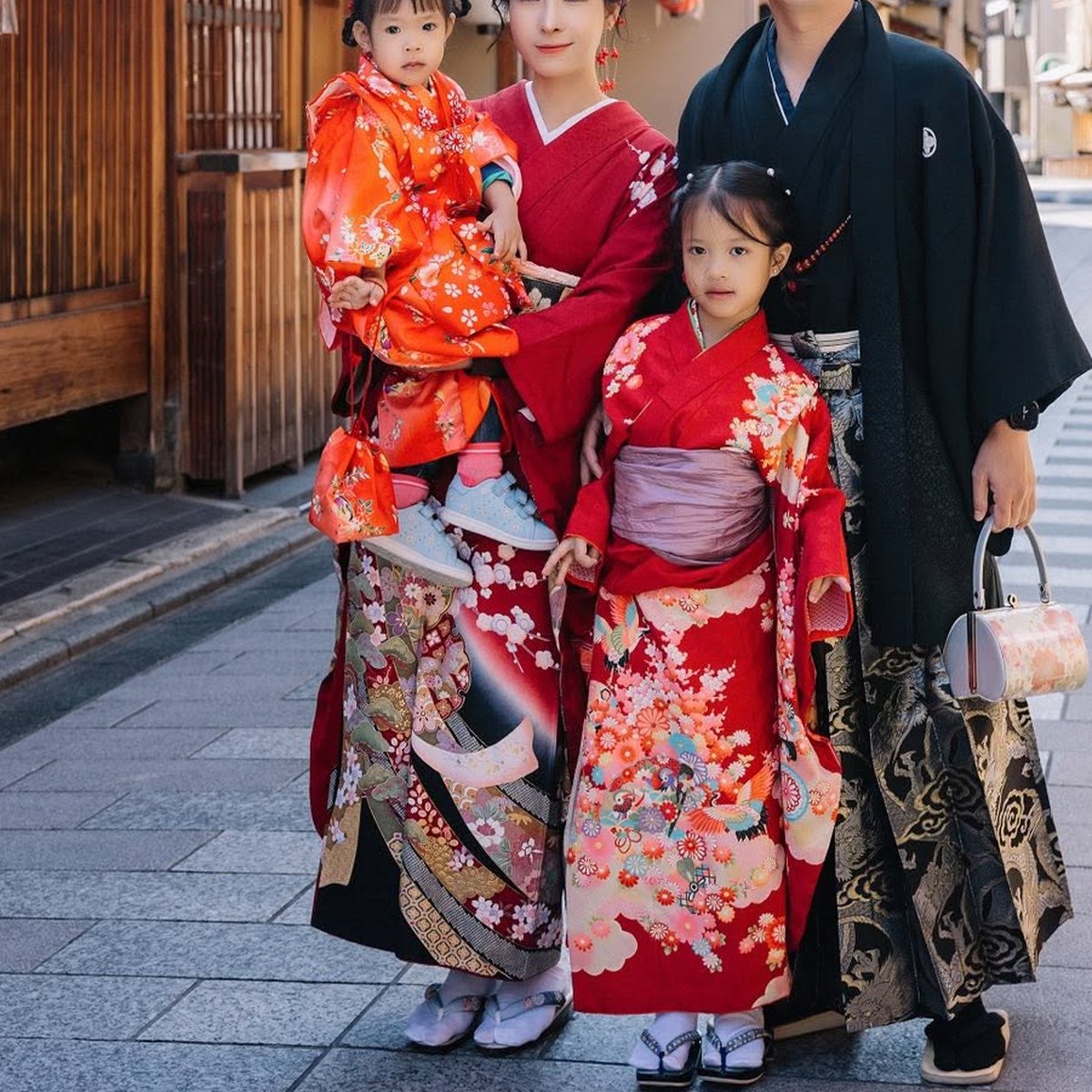
A family in kimono in front of a temple gate is one of the photographs people fly to Japan for, and it is also the one most likely to go wrong for boring reasons: a four-year-old who was patient for exactly nineteen minutes, a slope that was fine for adults and endless for short legs, a lunch that came an hour too late. None of that is a reason not to do it. It is a reason to plan the morning around the children rather than around the photo, and to know what the children's plans actually include before you arrive. This guide covers the four plans for kids at OlaChill, what the dressing is like for a child, and a half-day shape that has worked for families in both Tokyo and Kyoto.
The four children's plans
All four are available at both shops — OlaChill Tokyo Asakusa and OlaChill Kyoto Kiyomizu — at the same price, tax included, with the full child-size accessory set (obi, footwear, bag). An adult who accompanies the child but is not renting pays nothing to come into the shop and wait.
| Plan | Season | Price |
|---|---|---|
| Yukata (Boy) | Summer (June–September) | ¥3,000 |
| Yukata (Girl) | Summer (June–September) | ¥4,000 |
| Boy's Kimono | Year-round | ¥8,000 |
| Girl's Kimono | Year-round | ¥8,000 |
The yukata plans are the cheapest way to put a child in traditional dress, and in hot weather they are also the kindest: a single layer of cotton, tied simply, easy to loosen for a toilet stop. The kimono plans are the fuller outfit — lined, with a proper obi, a haori jacket for boys and hair ornaments for girls — and are what you want for a spring or autumn portrait.
From what age does it work?
There is no fixed minimum, but experience gives a practical answer: from about three years old, when a child can stand still for a few minutes and walk a few hundred metres without being carried. Between three and five the outfit is treated as a costume and the walk is kept very short. From six or seven, children generally enjoy the whole thing — the geta, the pouch, the fortune slip — and can manage the same route as the adults at a slower pace. Teenagers rent the adult plans; a girl of fourteen who is 150 cm tall fits the women's Komongi or Yukata better than a child's set.
Tell the shop the child's height and age in the booking notes so the right size is set aside. Children's kimono are adjusted at the shoulder and waist with tucks, so a garment fits a range of heights, but having it ready saves the child from waiting.
How long dressing takes, and the order that works
An adult takes about 30 minutes. A child takes 10–15 minutes, less for a yukata. The order matters more than the timing:
- Dress the children last. Dress the adults first while the children are still in their own clothes and can sit, eat a snack and watch. A child dressed first has to stand around for half an hour in an unfamiliar outfit while the grown-ups are wrapped, and that is where the patience runs out.
- Socks first, on everyone. Tabi go on before the garment because bending is hard afterwards. For toddlers, the staff will often use soft-soled footwear rather than wooden geta.
- Skip make-up for children; keep hair simple. A girl's kimono plan comes with hair ornaments; a quick half-up style with a flower clip takes five minutes and looks right. Full hair styling (¥1,500) is an adult add-on and is unnecessary for kids.
- One toilet trip before dressing. Obvious, and the single most effective thing on this list.
Shaping the morning: what a family half-day looks like
The rule is simple: the walk is about half what adults would do alone, and it starts and ends at the shop.
In Tokyo Asakusa
Book 09:30. Dressed by 10:15. Walk to Kaminarimon (five minutes), take the gate photograph while the crowd is still light, then go slowly up Nakamise — the stalls are half the appeal for children — to the temple courtyard for the pagoda photo. That is about 45 minutes of walking, all flat. Draw fortunes, waft the incense, buy a ningyō-yaki cake, and turn back down the side streets to the shop. You are back by 11:45, everyone changed by noon, and lunch is on time. The Asakusa step-by-step guide has the full adult route if the children are older.
In Kyoto Kiyomizu
The shop is at the foot of the Kiyomizu area, which means the walk up to the temple is uphill and the lanes of Sannenzaka and Ninenzaka are stepped. With small children, do the shorter version: walk up as far as the Yasaka Pagoda for the classic photograph (ten to fifteen minutes at a child's pace), then back down. Save Kiyomizu-dera's main hall for older children or for a second visit in ordinary shoes. Our Kyoto A-to-Z guide explains the lanes in detail.
Whatever the city
- Book the earliest slot you can. Crowds and heat both build after eleven.
- Carry a small snack and water in the adult's kinchaku pouch. The child's pouch will hold a toy and a fortune slip and not much else.
- Have the professional photographer for the first 30 minutes, not the last. Children are at their best straight after dressing. The add-on is from ¥15,000 and covers 30-plus minutes with 30 retouched images; for a family it is the add-on that pays for itself most obviously, because someone else is directing the poses while you hold a hand.
- Plan the return before the meltdown, not after it. If the outing is going well at the 90-minute mark, that is the moment to head back.
Matching the family's outfits
There is no need to colour-match everyone, but a little coordination makes the group photograph read as a group:
- Mother in Houmongi (¥12,000) or Komongi (¥5,500); Tomesode (¥12,000) if you want the formal black-and-gold portrait look.
- Father in Men's Traditional Kimono (¥5,000) for a relaxed day or Montsuki (¥10,000) for the formal picture.
- Children in Boy's or Girl's Kimono (¥8,000) — children's kimono are traditionally bright, so let them be the colour in the picture and keep the adults in calmer tones.
In summer, everybody in yukata is the coherent choice and the cheapest: two adults and two children can be dressed for under ¥16,000.
Shichi-Go-San and other occasions
If your trip falls in November you will see Japanese families at shrines celebrating Shichi-Go-San — the rite for children aged three, five and seven — with the children in formal kimono and hakama. A visiting family can rent the same style of outfit and take a shrine photograph on the same day; the shrine grounds are public. Our article on weddings and Shichi-Go-San explains what the outfits mean and how the ceremony runs.
What's included, price, where, how to book
- Included in the children's plans: the yukata or kimono, obi, footwear, bag and the child-size accessory set; dressing by staff; free locker. Tax included. Accompanying adults who are not renting pay nothing.
- Price: Yukata (Boy) ¥3,000 · Yukata (Girl) ¥4,000 · Boy's Kimono ¥8,000 · Girl's Kimono ¥8,000. Adult plans from ¥4,000. Online payment is 10% off.
- Add-ons worth considering for families: professional photographer from ¥15,000; next-day return ¥1,100 if an evening walk is on the plan.
- Where: OlaChill Tokyo Asakusa (Taito-ku, Kaminarimon 2-3-7, 4F) or OlaChill Kyoto Kiyomizu (Higashiyama-ku, Kiyomizu 4-190-3, B1F). Both open 09:00–18:00.
- How to book: each person is booked as their own plan at the same time slot — book the adults, then add the children's plans on the same page. Free cancellation up to two days before.
Book the family slot: OlaChill Tokyo Asakusa · OlaChill Kyoto Kiyomizu. Note each child's height and age in the booking notes.
Frequently asked questions
Is there a discount for families or groups? Each person is priced individually by plan; the children's plans are already the lowest prices on the list. Online payment takes 10% off every plan booked.
Can a baby or toddler under three take part? A child who cannot yet stand and walk steadily is better carried in ordinary clothes while the rest of the family is dressed. From about three the plans work well.
Do children have to wear the wooden geta? No. For young children the staff use soft-soled sandals when that is safer, and a child can also walk in their own shoes if you prefer — the outfit still photographs correctly from the knee up.
What if a child spills something on the kimono? Light marks are normal and cleaned after every rental at no charge. Heavy staining — sauce, ink — may carry a cleaning fee, so keep snacks dry and simple while dressed.
Can we take the children on the train or to another district? You can, but the family half-days above deliberately stay within walking distance of the shop. If you do travel, add next-day return so nobody is watching the clock.
Will the staff dress my child if the child is shy? Yes, and having a parent dressed first, standing beside the child, is the thing that makes it work. The staff dress children every day.
Is a pushchair a problem? No. The shop can hold it while you walk if the child is old enough to walk, or you can take it; the routes above are flat in Asakusa and stepped in Kiyomizu, so in Kyoto a carrier is easier than a pushchair on the lanes.
More from this region — Other
View all →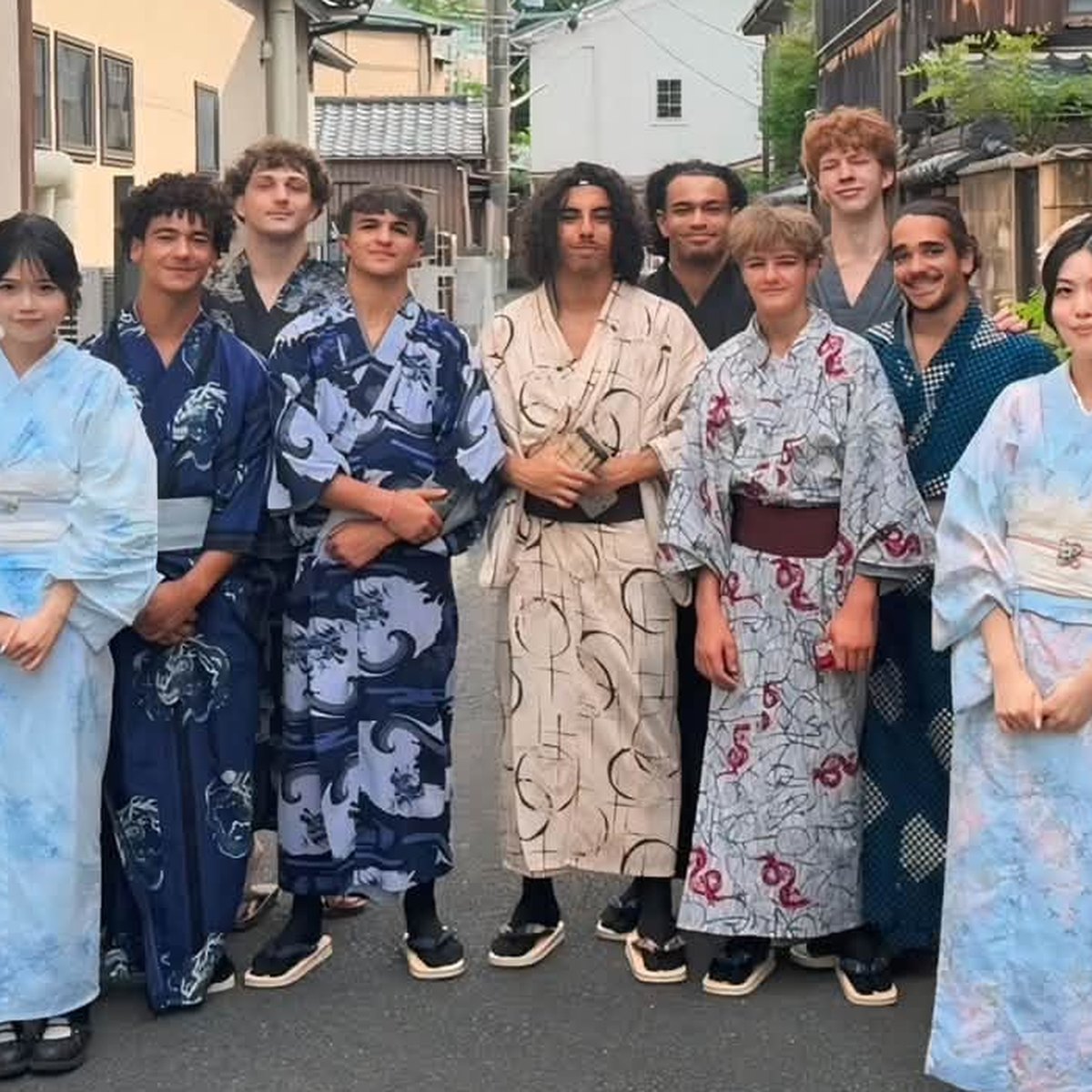
Renting Kimono as a Group: Timing, Matching Styles and Keeping Everyone Moving
6 min · culture
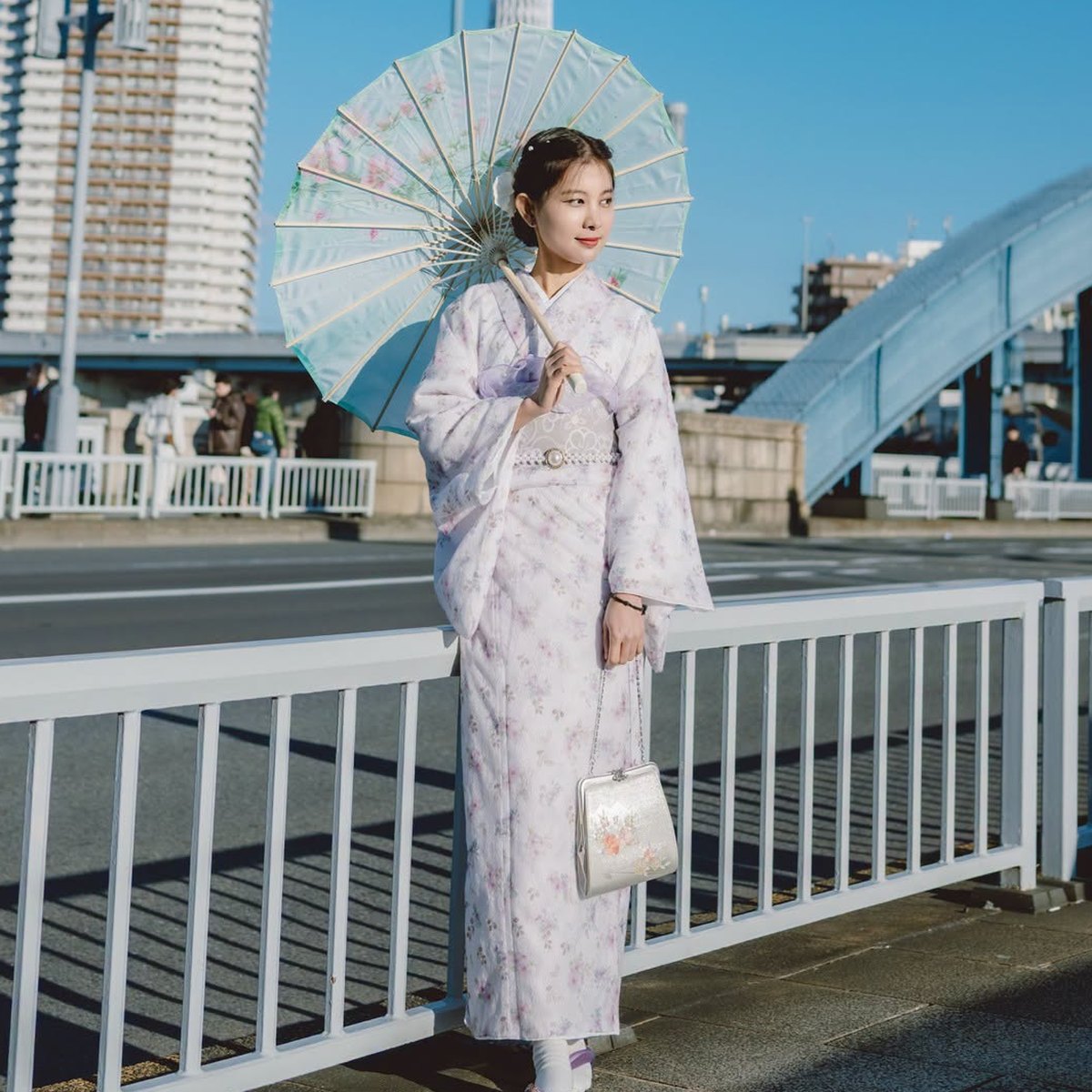
Kimono on a Rainy Day: Umbrellas, Hem Protection and Indoor Photo Ideas
6 min · culture
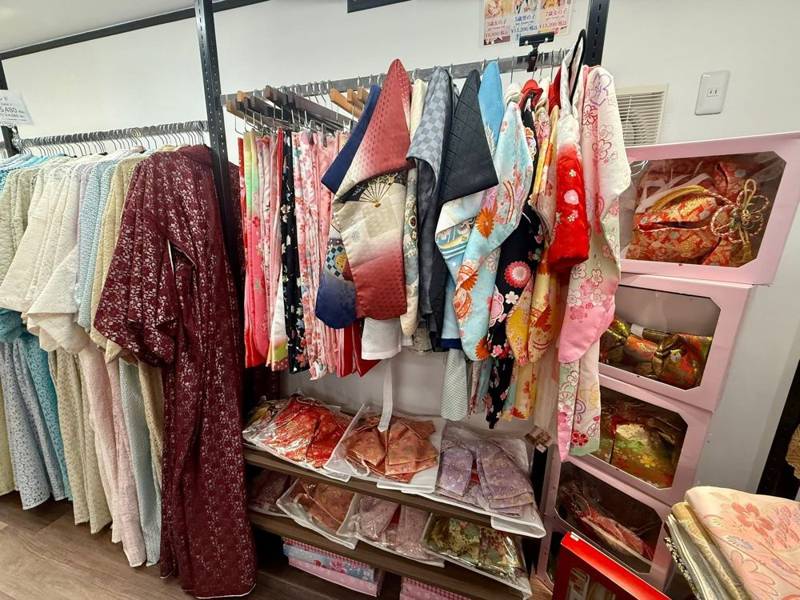
Kimono Sizes for Tall, Petite and Plus-Size Visitors: What Rental Shops Can Fit
6 min · culture
Kimono Return Times: Same-Day Deadlines, Next-Day Return and Hotel Return Explained
6 min · culture