
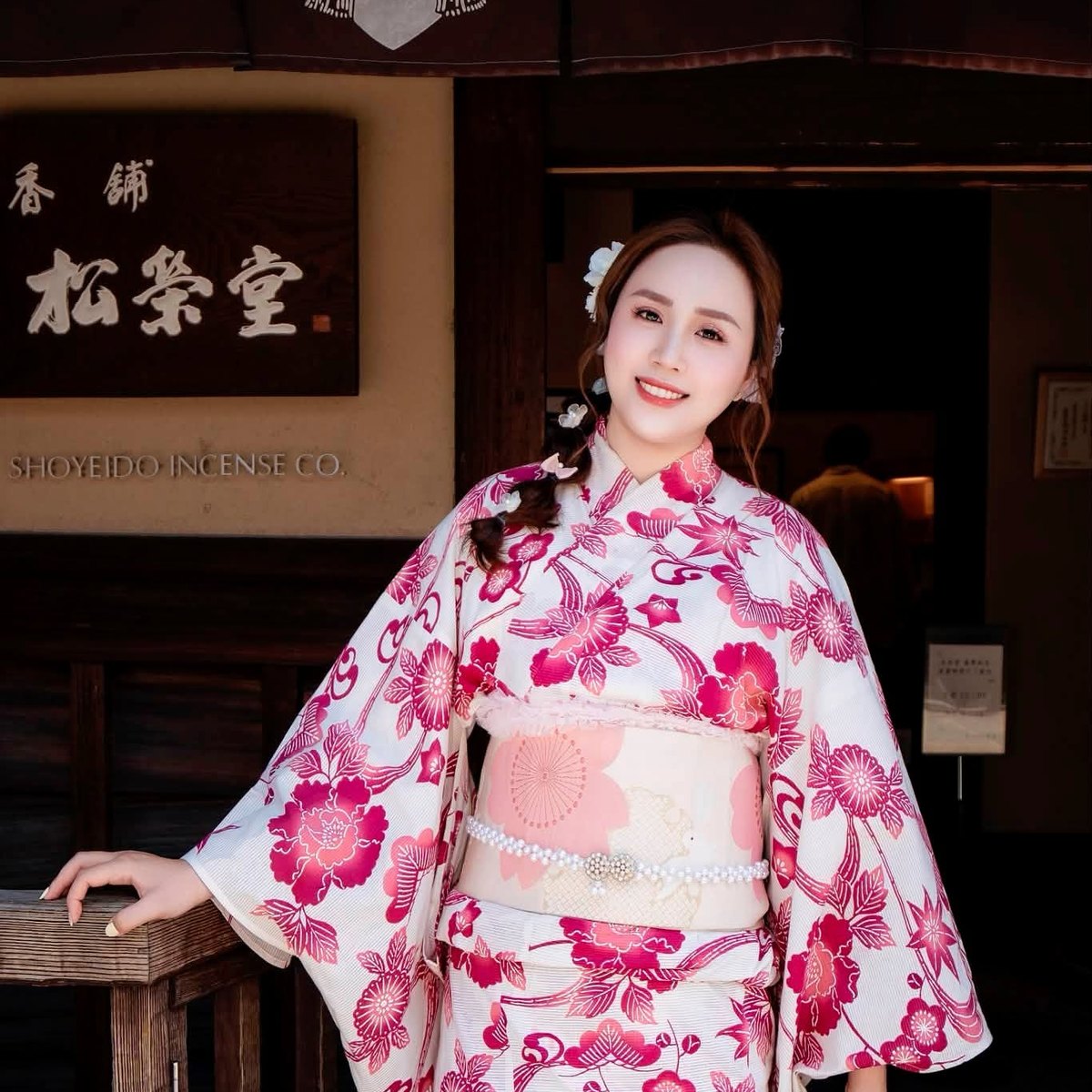
Kimono Rental in Kyoto: A Complete A-to-Z Guide for First-Time Visitors
A detailed guide to renting a kimono in Kyoto: the rental, dressing, and return process; how to choose a shop near Gion and Kiyomizu; typical prices; hairstyling packages; and included accessories.
Aug 8, 2026·✍️ olablog·⏱ 7 min read
A detailed guide to renting a kimono in Kyoto: the rental, dressing, and return process; how to choose a shop near Gion and Kiyomizu; typical prices; hairstyling packages; and included accessories.
Tap a region to browse articles
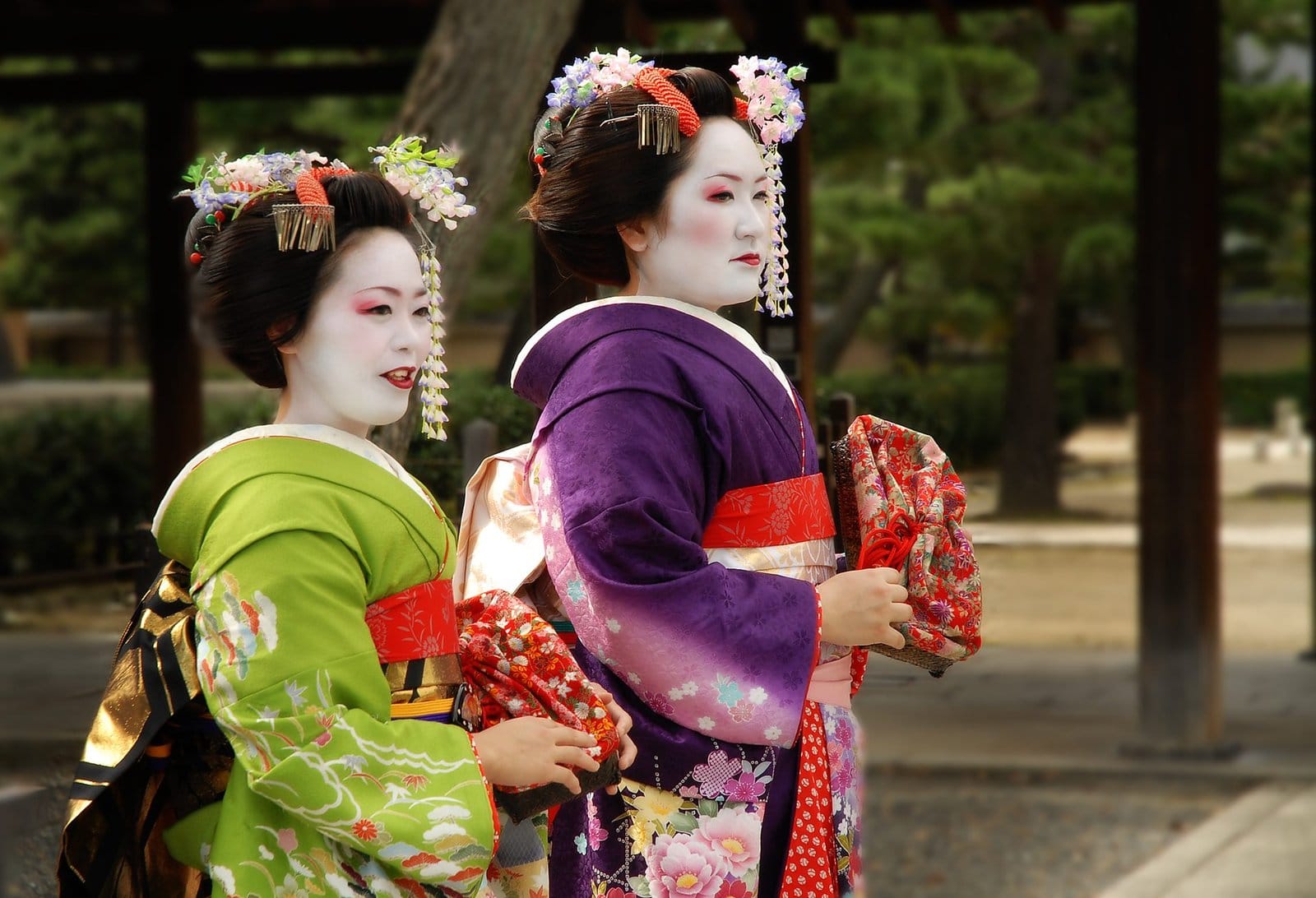
If there’s one experience that almost everyone visiting Kyoto wants to try at least once, it’s putting on a kimono and strolling through the city’s old stone-paved streets. Surrounded by serene temples and centuries-old machiya townhouses, a kimono is more than just clothing—it’s also a “ticket” to immersing yourself in the rhythm of Japan’s ancient capital. The good news is that you don’t need to buy one: kimono rental services in Kyoto are professional, reasonably priced, and welcoming to international visitors. This guide takes you through the entire process, from booking a shop and choosing your kimono to getting your hair done and returning everything, along with tips to make the experience as smooth as possible.
Why rent a kimono instead of buying one?
A complete kimono outfit consists of many layers: an undergarment, the main robe, an obi sash, additional cords, a handbag, traditional sandals, and socks. Buying a new one can cost tens of thousands of yen, and unless you’ve learned how to put one on, dressing yourself properly is nearly impossible. Rental shops, on the other hand, take care of everything: they help you choose the right size, coordinate the colors, dress you layer by layer, and lend you all the necessary accessories. Many shops are located right in the main sightseeing areas, so once you’re dressed, you can step straight onto the streets for photos. OlaChill's own shop in the Kiyomizu quarter — OlaChill Kyoto Kiyomizu, Higashiyama-ku, Kiyomizu 4-190-3, B1F, open 09:00–18:00 — lets you choose the plan, the date and the time slot online, with 10% off for online payment.
What is the rental, dressing, and return process like?
Most shops in Kyoto follow a fairly similar process, and preparation usually takes about 45 minutes to 1 hour in total:
- Book in advance (highly recommended): During the cherry blossom and autumn foliage seasons, attractive morning time slots fill up quickly; online bookings also often come with better prices than walk-ins.
- Choose your kimono: Shops have hundreds of designs arranged by color palette. You choose the main robe first, and the staff will recommend a matching obi and accessories. Finding colors that suit your complexion matters more than following the latest “hot trend.”
- Get dressed: Staff will help you put on each layer, tie the obi, and adjust the collar. This takes about 15–20 minutes.
- Have your hair styled (if included in your package): A simple updo with a flower hairpiece takes an additional 15–30 minutes.
- Store your personal belongings: Shops will usually hold your clothes and luggage free of charge for the day, so you only need to carry the small Japanese-style bag provided with the rental.
- Return the outfit: Come back before closing time (usually 17:00–18:30). Many shops offer next-day returns or hotel returns if you’d like to keep wearing the kimono into the evening.
Where should you choose a shop: Gion or Kiyomizu?
The shop’s location has a major impact on your experience, since you’ll be walking in wooden sandals and won’t want to travel too far. The two most popular areas are:
Kiyomizu–Higashiyama: This is the choice for most visitors. Shops are concentrated around Ninenzaka, Sannenzaka, and the road leading up to Kiyomizu-dera. The main advantage is that you can step straight into Kyoto’s most beautiful traditional streets as soon as you’re dressed, making for especially photogenic scenery. The downside is that the area can be crowded, and the stone slopes may leave your feet a little tired in wooden sandals.
Gion–Yasaka: This area is ideal if you prefer a quieter atmosphere, with the lanes around Hanamikoji, Yasaka Shrine, and the willow-lined Shirakawa Canal. Late afternoon along Shirakawa is especially atmospheric in photos, with soft golden light and far fewer people than around Kiyomizu.
A small tip: choose a shop located between these two areas, near Yasaka Shrine, so you can walk in both directions on the same day without needing to take a vehicle.
Typical rental prices and popular packages
At OlaChill Kyoto Kiyomizu the price list has fourteen plans, all including tax and the full accessory set (obi, footwear, bag, under-robe, tabi socks). The ones most visitors choose:
- Komongi — ¥5,500: the everyday women's kimono with a small repeating pattern; the plan for a long walk and good photos.
- Kimono Ren — ¥7,000: modern fabrics with bold, large motifs; casual to wear, striking in pictures.
- Houmongi or Tomesode — ¥12,000: semi-formal and formal women's kimono for an elegant portrait.
- Furisode — ¥19,000 (Design Furisode ¥25,000): the long-sleeved showpiece for a dedicated photo session.
- Men's Traditional Kimono — ¥5,000; Montsuki (crested haori and hakama) — ¥10,000.
- Yukata — ¥4,000 (men), ¥4,500 (women) for June to September; children's plans from ¥3,000.
Hair styling is a ¥1,500 add-on and make-up ¥5,000; a next-day return or a hotel return is ¥1,100 each. Prices are the same in every season — what changes in cherry-blossom and autumn-leaf weeks is availability, so book those earlier. Our guide to the kimono types explains the differences in detail.
Hairstyling packages, accessories, and details that elevate your photos
Many people hesitate to pay extra for hairstyling, but it’s one of the most worthwhile upgrades: a neat updo shows off the back of the collar—the most elegant feature of a kimono—and keeps its shape throughout the day. When choosing a flower hairpiece (kanzashi), coordinate it with your kimono: small pastel flowers work well in spring, while deep reds and oranges suit autumn.
As for accessories, don’t overlook these small but impactful details: a decorative lace collar, an obijime cord tied across the obi to create an accent, and a drawstring kinchaku bag for your phone and small wallet. In winter, shops often offer fur stoles for extra warmth, which also look lovely in photos taken around temples and shrines.
Tips for a smooth experience
- Start early: Pick up your kimono at 9:00–9:30 so you can take photos in Ninenzaka while the streets are still quiet and the light is beautiful.
- Wear neat, low-cut underwear: Since a kimono is worn in multiple layers, streamlined undergarments will keep you more comfortable; a wide neckline helps prevent the edges from showing beneath the kimono.
- Take short steps: Wooden sandals and the narrow hem of the robe require you to walk with small steps—just consider it part of the experience, and your movements will naturally look more graceful.
- Drink in moderation: Using the restroom while wearing a kimono can be somewhat inconvenient, so plan accordingly before setting out.
- Check the return time: Set an alarm for 45 minutes before your appointment so you won’t have to rush through crowded streets.
In conclusion: a day as a “Kyoto local”
Renting a kimono in Kyoto is the kind of experience where the cost is small compared with what you get in return: a truly slow-paced day, picture-perfect photos, and the feeling of connecting closely with Japanese culture. As long as you book ahead, start a little early, and relax into the experience, you’ll create one of the most memorable moments of your trip. If you’d like ideas for an itinerary combining Kyoto’s various attractions, see our ten Kyoto kimono spots, or take a look at the other articles on OlaChill’s Japan travel blog to plan a more complete trip.
More from this region — Kyoto, Nara & Kansai
View all →
Tokyo to Kyoto by Charter Bus: Route Time, Stops and When It Makes Sense
9 min · tips
Uji – Japan’s Matcha Mecca Just 20 Minutes by Train from Kyoto
5 min · food
Nachi Falls – Japan's Tallest Waterfall Hidden in Sacred Forest
5 min · tips
Where to Rent a Kimono in Kyoto — Which Area, What It Costs, How It Works
8 min · destinations