Akihabara: The Ultimate Guide to Tokyo’s Anime Mecca
An essential Akihabara guide for anime fans: multi-story Animate and Mandarake shops, gachapon, maid cafes, electronics, and tips for scoring figure deals in Tokyo.
Aug 8, 2026·✍️ olablog·⏱ 6 min read
An essential Akihabara guide for anime fans: multi-story Animate and Mandarake shops, gachapon, maid cafes, electronics, and tips for scoring figure deals in Tokyo.
Tap a region to browse articles
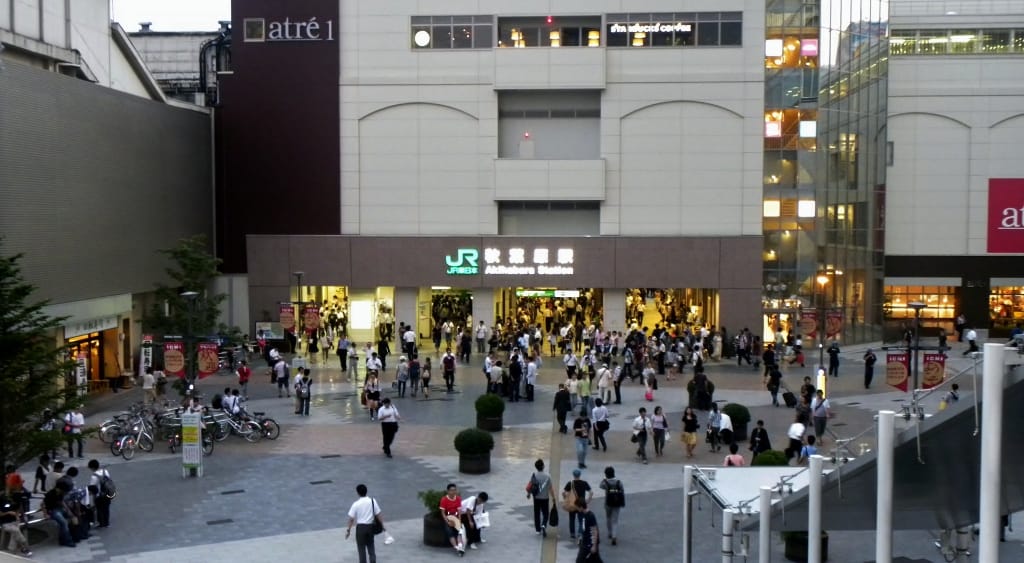
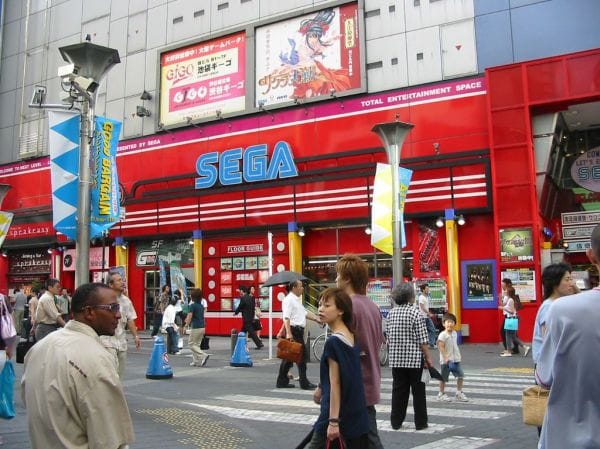
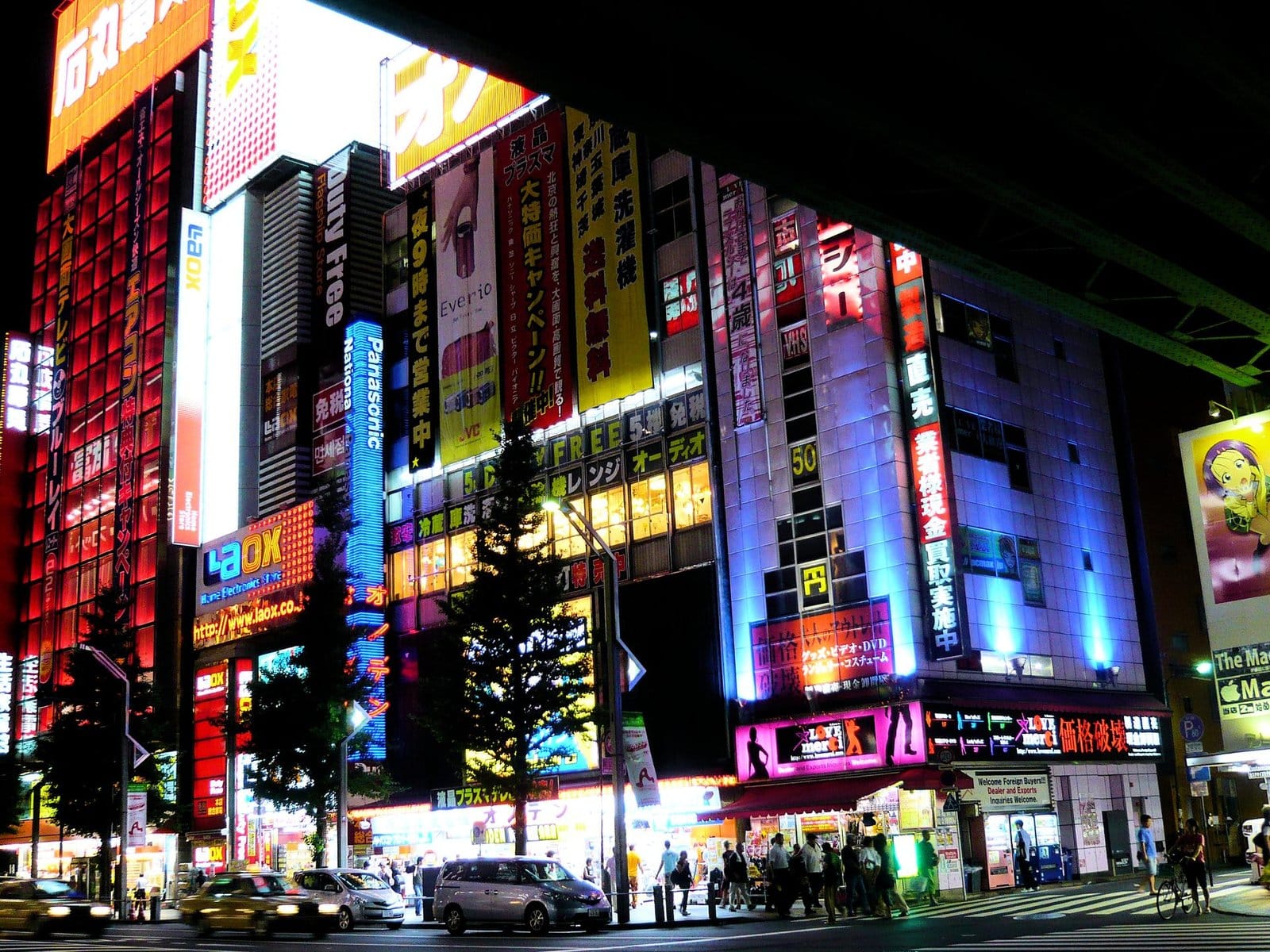
Stepping out of 秋葉原駅(Akihabara Station)—easily accessible with your JR Pass or Suica IC card—you instantly realize why this district is crowned the undisputed "mecca" for anime fans worldwide. Towering buildings plastered with giant character posters, theme songs blasting from multi-level arcades, and streams of shoppers carrying bags stuffed with collectible figures create an electric atmosphere found nowhere else on Earth. If you have any appreciation for modern Japanese pop culture, 秋葉原(Akihabara) in 東京(Tokyo) easily deserves a full day on your itinerary. This practical guide will help you navigate the best spots, shop smart, and avoid common tourist mistakes.
Multi-Story Landmarks: Animate and Mandarake
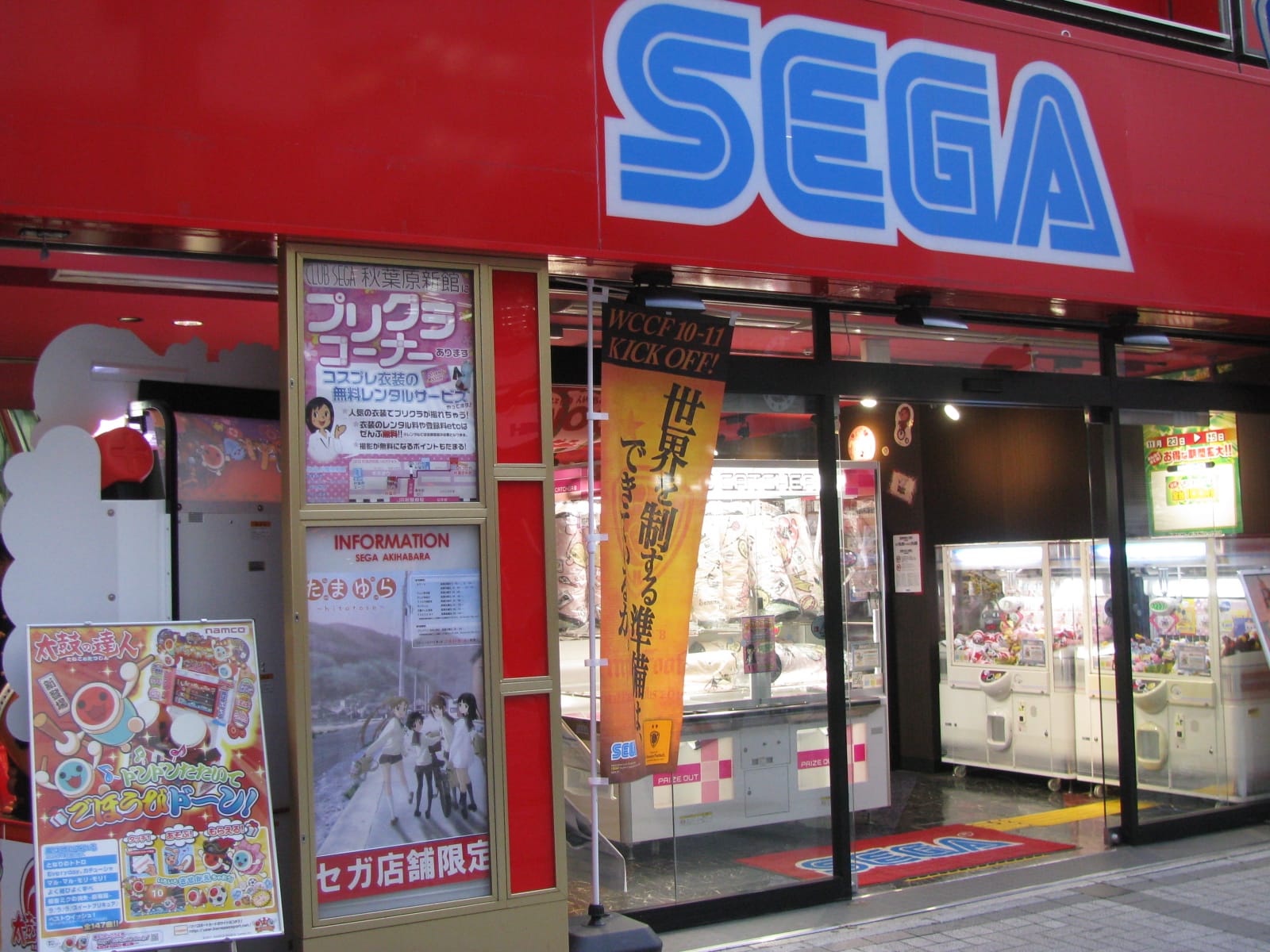
A defining feature of 秋葉原(Akihabara) is its vertical specialty department stores: each floor caters to a specific niche, meaning you can easily lose half a day inside a single building.
アニメイト秋葉原(Animate Akihabara) should be the first stop on your itinerary. As Japan's largest official anime retailer, its floors are organized by newly released manga, soundtrack CDs, character goods, and rotating event spaces tailored to currently trending series. Everything at Animate is brand new and sold at standard retail prices, making it the ideal spot for guaranteed authentic merchandise and gifts.
まんだらけコンプレックス(Mandarake Complex) offers a completely different experience across its eight sprawling floors dedicated to pre-owned vintage goods. Here, you will find retro manga from the 1970s and 80s, original animation cels from classic anime, and rare, out-of-production figures. Items are meticulously inspected by expert staff with exact conditions noted on price tags, giving you total peace of mind. For serious collectors, Mandarake is the ultimate spot for hard-to-find grail items that money cannot easily buy elsewhere.
Beyond these two giants, be sure to visit 秋葉原ラジオ会館(Akihabara Radio Kaikan)—a massive building right outside the station's Electric Town exit packed with dozens of independent figure vendors, trading card shops, and hobby stores under one roof.
Gachapon: Addictive Capsule Toys for Just a Few Hundred Yen
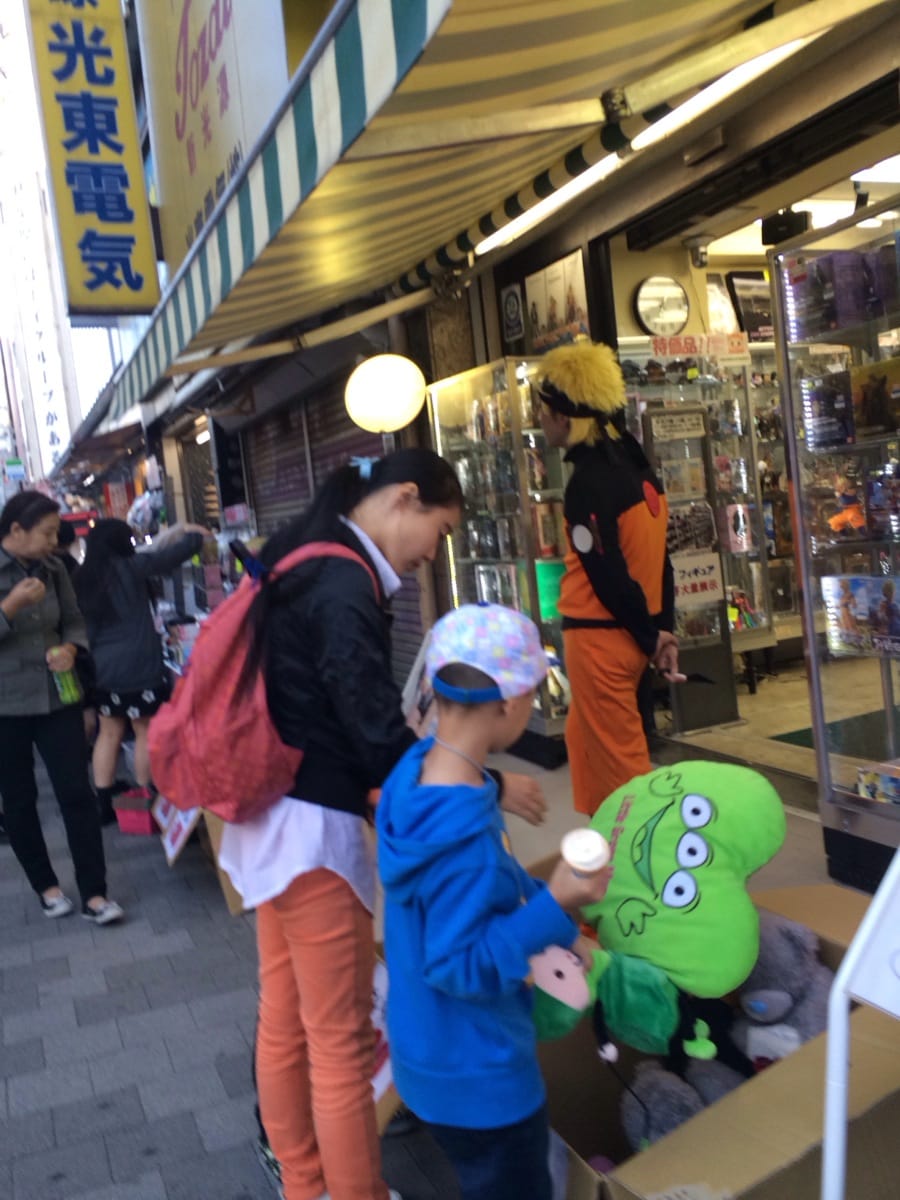
Gachapon are mechanical capsule toy vending machines: insert your coins, turn the crank with a satisfying click, and receive a random collectible toy. It sounds simple, but it is easily one of the most addictive activities in 秋葉原(Akihabara). Dedicated "gachapon halls" house hundreds of machines lined up wall-to-wall, featuring everything from popular anime characters and cute animals to delightfully weird Japanese novelties like mini traffic signs or tiny home appliances.
Each turn typically costs between 300 and 500 JPY (approx. $2 to $3.50 USD). A practical tip: keep plenty of 100 JPY coins ready, as not all machines accept paper currency (though larger venues have bill-changer machines). Gachapon toys also make compact, budget-friendly, and uniquely Japanese souvenirs to bring back home.
What is a Maid Cafe and Should You Try One?
A maid cafe is a themed venue where waitstaff dressed in maid outfits welcome guests as "masters returning home." This is less about standard dining and more about interactive pop-culture entertainment: staff chat with you, play lighthearted mini-games, draw ketchup art on your omurice (rice omelet), and perform lively song-and-dance numbers on stage.
A few essential rules before entering: most cafes charge an hourly table fee plus a mandatory drink or food item, bringing total costs to around 1,500–3,000 JPY ($10–$20 USD) per person. Taking photos of staff requires an extra fee, and unauthorized photography is strictly forbidden. The atmosphere is dialed up to maximum "kawaii" (cute), which can feel slightly awkward at first, but viewing it as a unique pop-culture performance makes it worth experiencing at least once. Stick to major well-known chains with clear pricing posted at the door rather than following street touts handing out flyers.
Electronics Haven — The Historic Roots of Akihabara
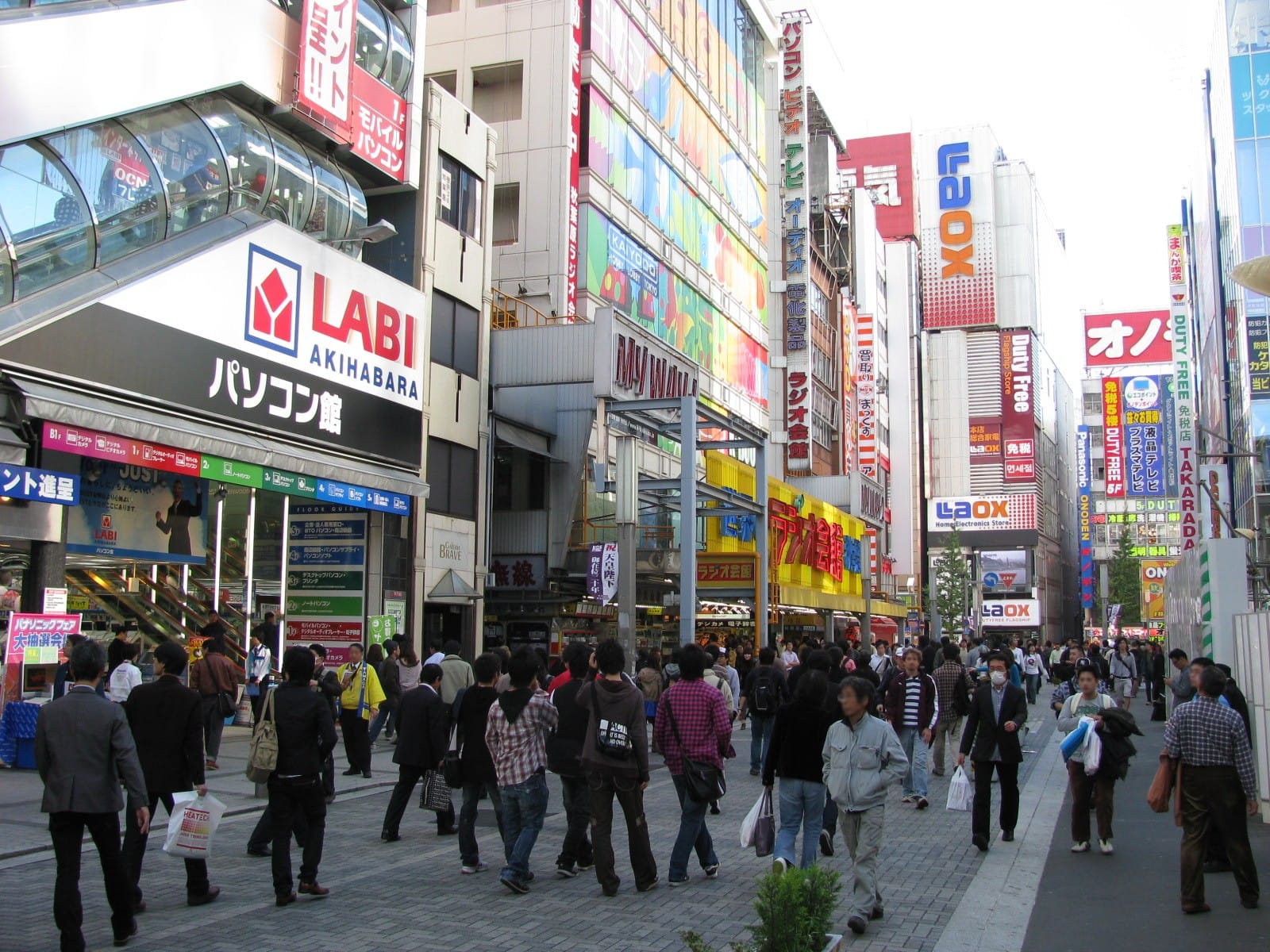
Long before becoming an anime haven, 秋葉原(Akihabara) was known as "Electric Town" (電気街)—a thriving post-war marketplace for radio parts and electronics. That legacy remains strong today: megastores like ヨドバシカメラ(Yodobashi Camera) sell cameras, audio gear, video game consoles, and high-tech appliances, while narrow back-alley stalls tucked beneath the elevated railway tracks still stock circuit boards, cables, and DIY parts for tech enthusiasts.
If you plan to purchase electronics, keep two things in mind: verify voltage compatibility (Japan uses 100V) and plug types, and take advantage of tax-free shopping for tourists when your total reaches the minimum threshold (usually 5,000 JPY / ~$33 USD)—just remember to bring your physical passport. Japanese-market gaming consoles and retro accessories are also popular pickups for visiting gamers.
Insider Tips for Buying Figures Without Getting Ripped Off
Figures are the easiest item to overspend on in 秋葉原(Akihabara), so keep these shopping rules in mind to get the best value:
- Compare prices before buying. The exact same figure model can vary significantly in price between shops located just a few doors apart. Take a quick loop through 秋葉原ラジオ会館(Akihabara Radio Kaikan), まんだらけコンプレックス(Mandarake Complex), and nearby secondhand shops before committing.
- Don't ignore secondhand goods. Pre-owned items in Japan are maintained in immaculate condition; many "used" figures are practically untouched with opened outer boxes, yet sold at substantial discounts.
- Spot authentic items. Genuine items bear manufacturer authenticity seals (Good Smile Company, Bandai, Kotobukiya, etc.), smooth paint details, and sturdy joints. Established stores in 秋葉原(Akihabara) rarely stock counterfeits, but exercise caution with unusually cheap unbranded street kiosks.
- Check clearance sections. Many multi-story shops feature dedicated bargain corners or clearance basements with heavily discounted inventory.
- Shop on weekday mornings. Weekends get extremely crowded, and rare collectibles are often snatched up before you even arrive.
Conclusion: Planning Your Ultimate Otaku Day Trip
An ideal day in 秋葉原(Akihabara) begins with a morning walk through multi-story figure shops before peak crowds arrive, followed by a quick bowl of ramen in a quiet side alley. Spend your afternoon diving deep into Mandarake's vintage floors and spinning capsule toys in a gachapon hall, then wrap up your evening with a maid cafe visit or arcade games as neon lights illuminate the streets. Keep your passport handy for tax-free savings, bring a roomy backpack, and set a firm spending limit—because 秋葉原(Akihabara) is famous for making travel budgets disappear faster than anywhere else in 東京(Tokyo).
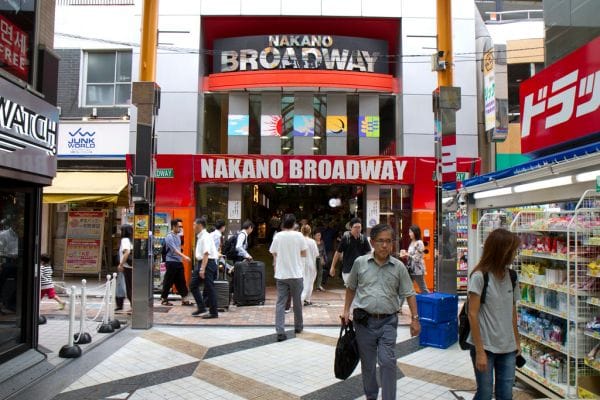
If you want to seamlessly integrate 秋葉原(Akihabara) into a fully guided 東京(Tokyo) itinerary, check out our Japan tours on OlaChill. To explore other legendary otaku hubs like 中野ブロードウェイ(Nakano Broadway) or 池袋(Ikebukuro), be sure to read our detailed travel articles on our blog.