The Ultimate Hakone Onsen Day-Trip Guide from Tokyo: Romancecar, Odawara Transfers, and Popular Ryokan
The complete guide to enjoying Hakone’s hot springs on a day trip from Tokyo. The OlaChill editorial team covers everything you need for a smooth trip, including access by Romancecar, transfers at Odawara, popular day-use hot spring facilities, local cuisine, sightseeing spots, and recommended accommodations.
Jan 31, 2026·✍️ olablog·⏱ 20 min read
The complete guide to enjoying Hakone’s hot springs on a day trip from Tokyo. The OlaChill editorial team covers everything you need for a smooth trip, including access by Romancecar, transfers at Odawara, popular day-use hot spring facilities, local cuisine, sightseeing spots, and recommended accommodations.
Tap a region to browse articles
Hakone remains one of the most popular hot spring destinations for an easy escape from Tokyo. The upcoming season of fresh greenery and the autumn foliage season are especially ideal times to visit, when you can enjoy rich nature and centuries-old hot spring culture just about 1.5 hours from central Tokyo. In this article, the OlaChill editorial team presents everything you need to plan a stress-free Hakone day trip based on the latest information available as of 2026—from smooth access using the Romancecar or a transfer at Odawara, to popular hot spring facilities that are perfect for day trips, Hakone specialties, and recommended accommodations to consider if you have extra time.
Getting from Tokyo to Hakone: A Complete Access Guide (Romancecar and Odawara Transfers)
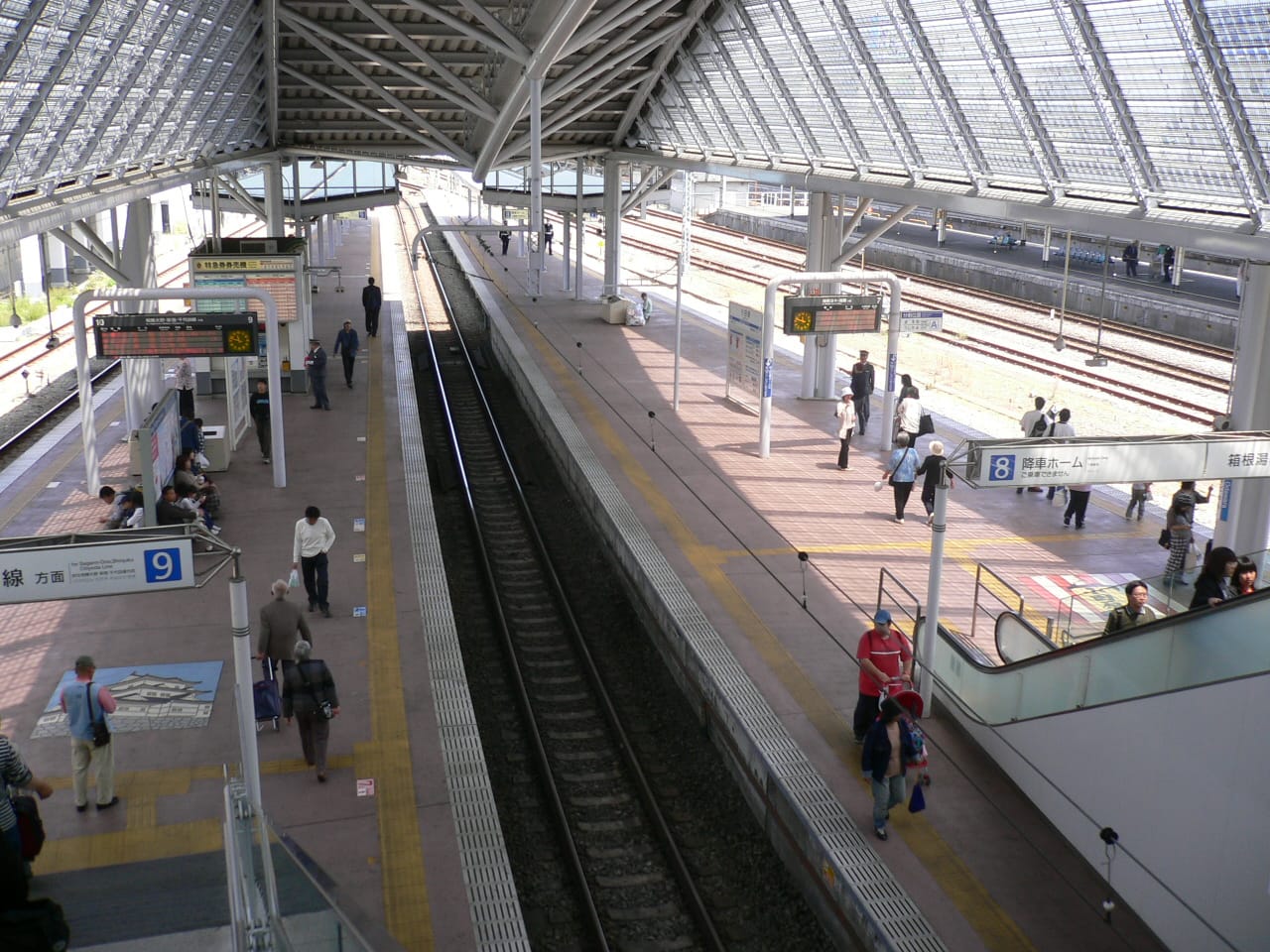
There are two main ways to travel from Tokyo to Hakone: taking the Odakyu Romancecar, or traveling to Odawara on the JR Tokaido Main Line and transferring to the Hakone Tozan Railway. Both routes are comfortable, but the best option depends on your travel style and departure point.
A Direct, Comfortable Journey from Shinjuku by Romancecar
The Odakyu Romancecar takes you directly from Shinjuku Station to Hakone-Yumoto Station without transfers, making it an excellent choice for a day trip. Although you pay a limited express surcharge, the biggest advantage is that you are guaranteed a seat and can relax while enjoying the scenery outside the window. The journey takes approximately 85 minutes, and the limited express surcharge is 1,270円 one way for adults (in addition to the regular fare) (as of 2026). We recommend checking the latest timetables and limited express surcharges on the official Odakyu Electric Railway website. Some Romancecar trains feature appealing options such as observation seats, so booking early is essential. Trains often sell out on weekends and public holidays, so arrange your tickets as soon as reservations open 1 month in advance.
Efficient Transfers at Odawara via JR and the Hakone Tozan Railway
If you are departing from the Tokyo Station area or want to keep transportation costs down, another convenient option is to take the JR Tokaido Main Line to Odawara Station and transfer to the Hakone Tozan Railway. The trip from Tokyo Station to Odawara Station takes approximately 70~90 minutes on the JR Tokaido Main Line (as little as approximately 60 minutes using the Rapid Acty), and the fare is 1,520円 (as of 2026). From Odawara Station, transfer to the Hakone Tozan Railway for the approximately 15-minute ride to Hakone-Yumoto Station, with a fare of 320円. The advantages of this route include being able to use transportation IC cards such as Suica and PASMO on the JR section, as well as having more travel options than the Odakyu Romancecar. Transfers at Odawara Station are straightforward, and you are unlikely to get lost if you follow the signs.
Make Good Use of the Hakone Free Pass
If you plan to explore a wide area of Hakone, we strongly recommend purchasing the “Hakone Freepass.” This great-value ticket includes a round-trip ticket from the Odakyu Line and unlimited rides on 8 types of transportation within the Hakone area, including trains, cable cars, ropeways, the sightseeing pirate ship, and buses. The 2-day pass costs 6,100円 for adults departing from Shinjuku and 5,000円 for adults departing from Odawara (as of 2026). Even on a day trip, you may save money if you plan to use several types of transportation to tour the area. It is particularly useful for anyone planning the classic Golden Route from Hakone-Yumoto to Gora, Sounzan, Owakudani, and Lake Ashi.
Enjoy Hakone-Yumoto’s Hot Spring Town and Day-Use Baths
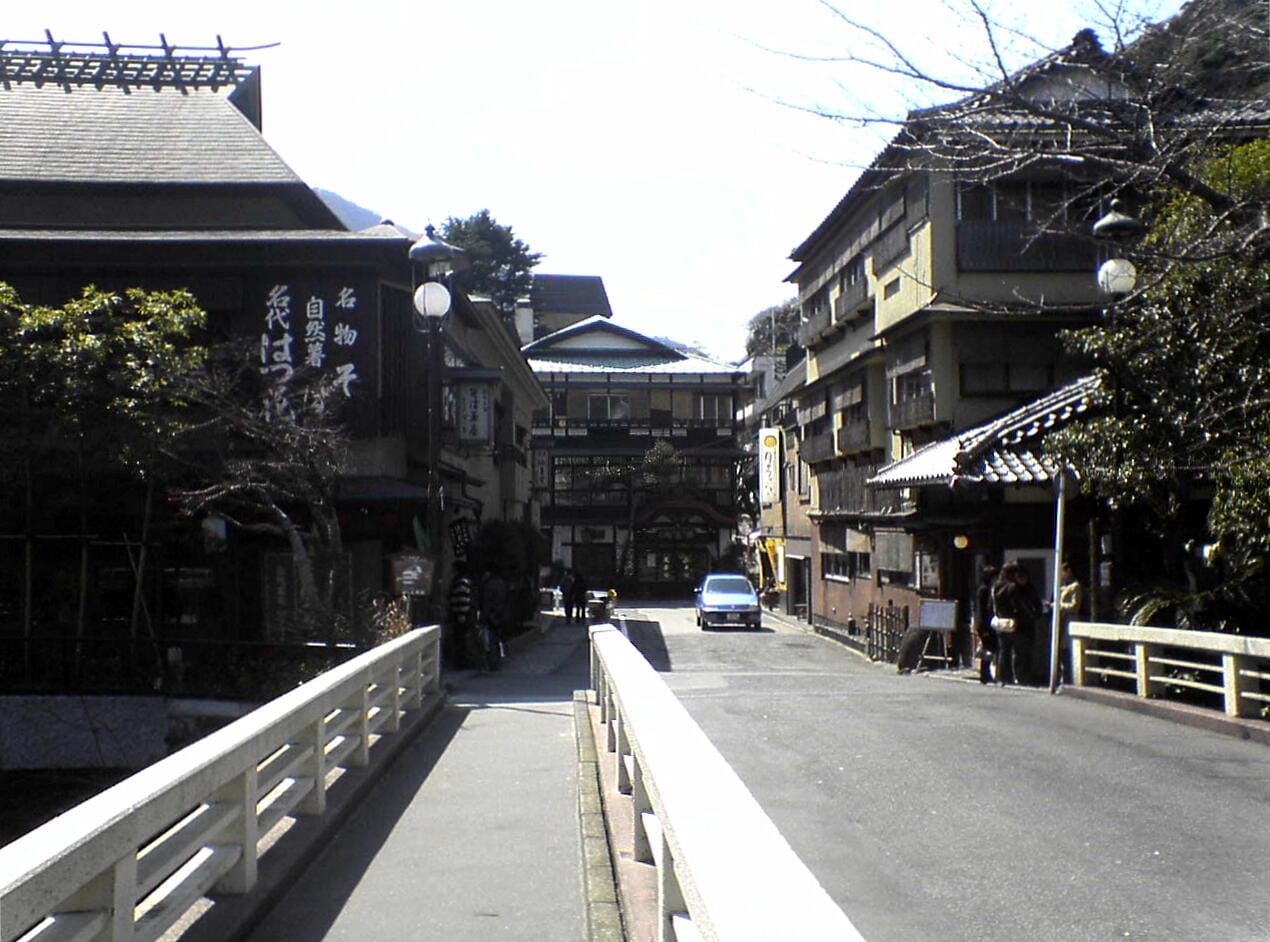
Hakone-Yumoto, the gateway to Hakone, has flourished as a historic hot spring town. It is lined with facilities offering easy day-use bathing, souvenir shops that are fun to browse, and restaurants. Once you arrive, leave your luggage somewhere and immerse yourself in the atmospheric charm of the hot spring town.
Day-Use Hot Springs: From Classic Choices to Hidden Gems
Hakone-Yumoto offers a wide range of options, from day-use bathing plans at hotels and ryokan to dedicated day-use hot spring facilities.
- Hakone Yuryo: This atmospheric day-use hot spring facility is about 3 minutes from Hakone-Yumoto Station by free shuttle bus. Its charming buildings evoke traditional houses relocated from a rural mountain village, and it offers plenty of private open-air baths, making it popular with couples and families. Admission to the large public baths is 2,500円 for adults on weekdays and 2,900円 on weekends and public holidays (as of 2026). Hours are 10:00~21:00 (last admission 20:00). Surrounded by abundant nature, the open-air baths are the perfect place to relax and soak to your heart’s content.
- Tenseien: Located about a 12-minute walk from Hakone-Yumoto Station, this large ryokan also welcomes day visitors. It is famous for its rooftop garden open-air baths, where you can enjoy Hakone’s natural surroundings in a wonderfully open setting. Admission is 2,530円 for adults (including towels, as of 2026), and because it is open 24 hours, you can visit without worrying about the time. However, additional charges may apply for late-night use, so check the official website.
- Hakone no Yu: About a 25-minute walk or 5-minute bus ride from Hakone-Yumoto Station, this lesser-known day-use hot spring is also beloved by local residents. It offers an authentic hot spring experience in a simple setting at a relatively reasonable price. Admission is 1,100円 for adults (as of 2026), and hours are 10:00~21:00.
Many other hot spring facilities also offer day-use bathing. Before visiting, we recommend checking each facility’s official website for the latest opening hours, prices, and closure days.
Strolling and Eating in the Hot Spring Town
The area around Hakone-Yumoto Station is packed with food perfect for snacking as you walk, including long-established wagashi shops, freshly fried kamaboko, and onsen manju.
- Chimoto’s Yu Mochi: These famous Hakone sweets consist of soft, fluffy mochi filled with yokan. They make excellent souvenirs, but be sure to try one fresh from the shop as well.
- Suzuhiro Kamaboko Village: Although it is a little farther from Hakone-Yumoto Station, this kamaboko-themed park is within walking distance. You can sample a variety of kamaboko and enjoy hands-on workshops. There is also a restaurant, making it a great place for lunch.
- Seasonal sweets: Enjoy limited-edition sweets that change with the seasons, such as sakura mochi in spring, chilled treats in summer, and chestnut-based confections in autumn.
The area around Hakone-Yumoto Station also has plenty of soba and udon restaurants, cafés, and more. Looking into lunch options in advance will make your day go more smoothly.
Tips, Things to Watch For, and Etiquette
- Bringing a towel is recommended: Towels are often available for an additional rental fee at day-use hot spring facilities, so bringing your own can help you save money.
- Follow bathing etiquette: Rinse yourself thoroughly before entering the bath and wash your body before getting into the tub. For a pleasant experience, follow basic etiquette such as keeping towels out of the bathwater and avoiding loud conversations.
- Keep your belongings compact: On a day trip, leave large bags in a coin locker or at your accommodation so you can sightsee comfortably.
Lake Ashi and the Hakone Open-Air Museum: Classic Hakone Attractions
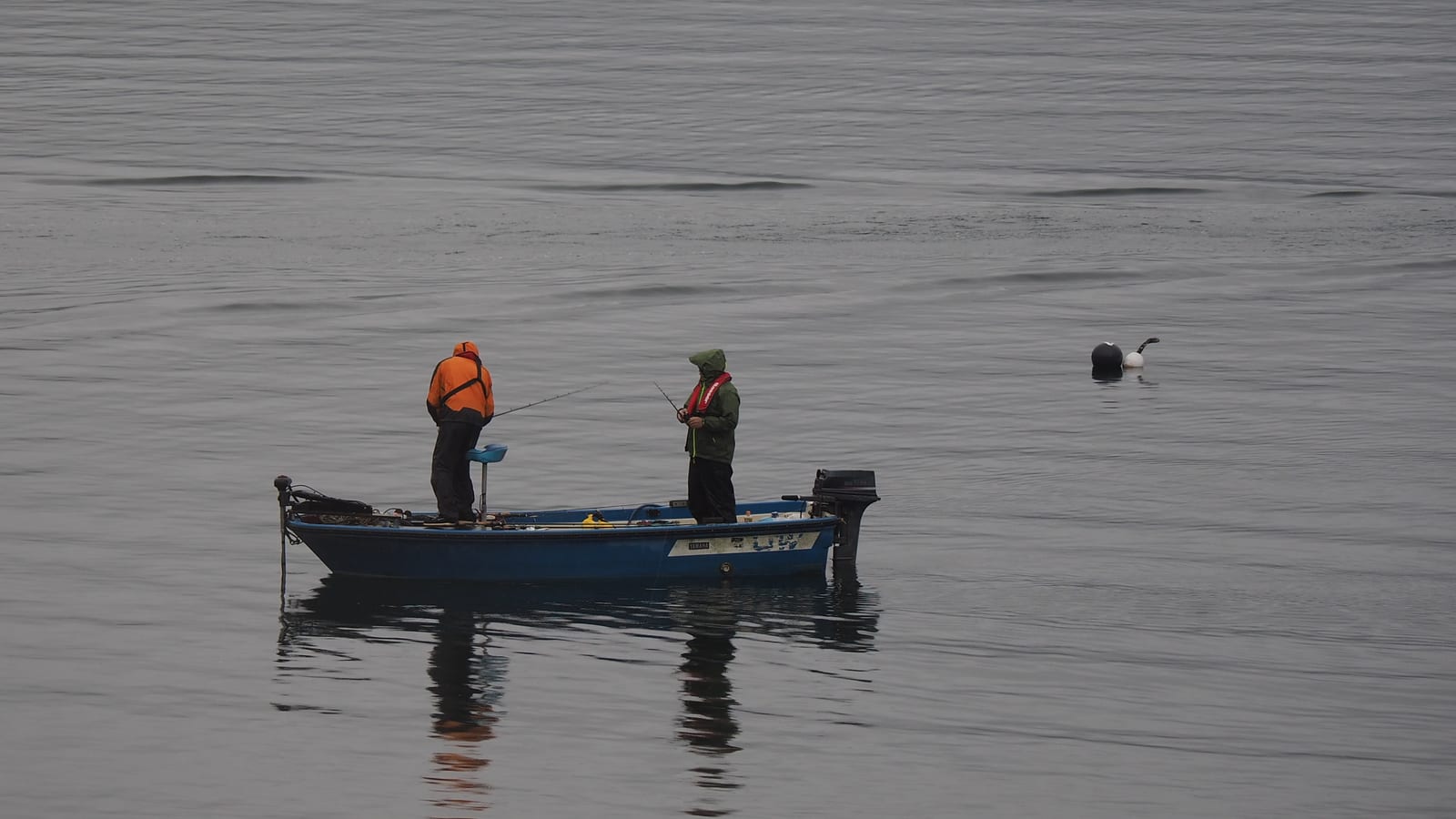
After enjoying the hot springs in Hakone-Yumoto, continue to Lake Ashi, one of Hakone’s highlights, or to the Hakone Open-Air Museum, where nature and art come together. Having a Hakone Freepass makes getting to these attractions much easier.
Lake Ashi: Spectacular Nature and a Pirate Ship Cruise
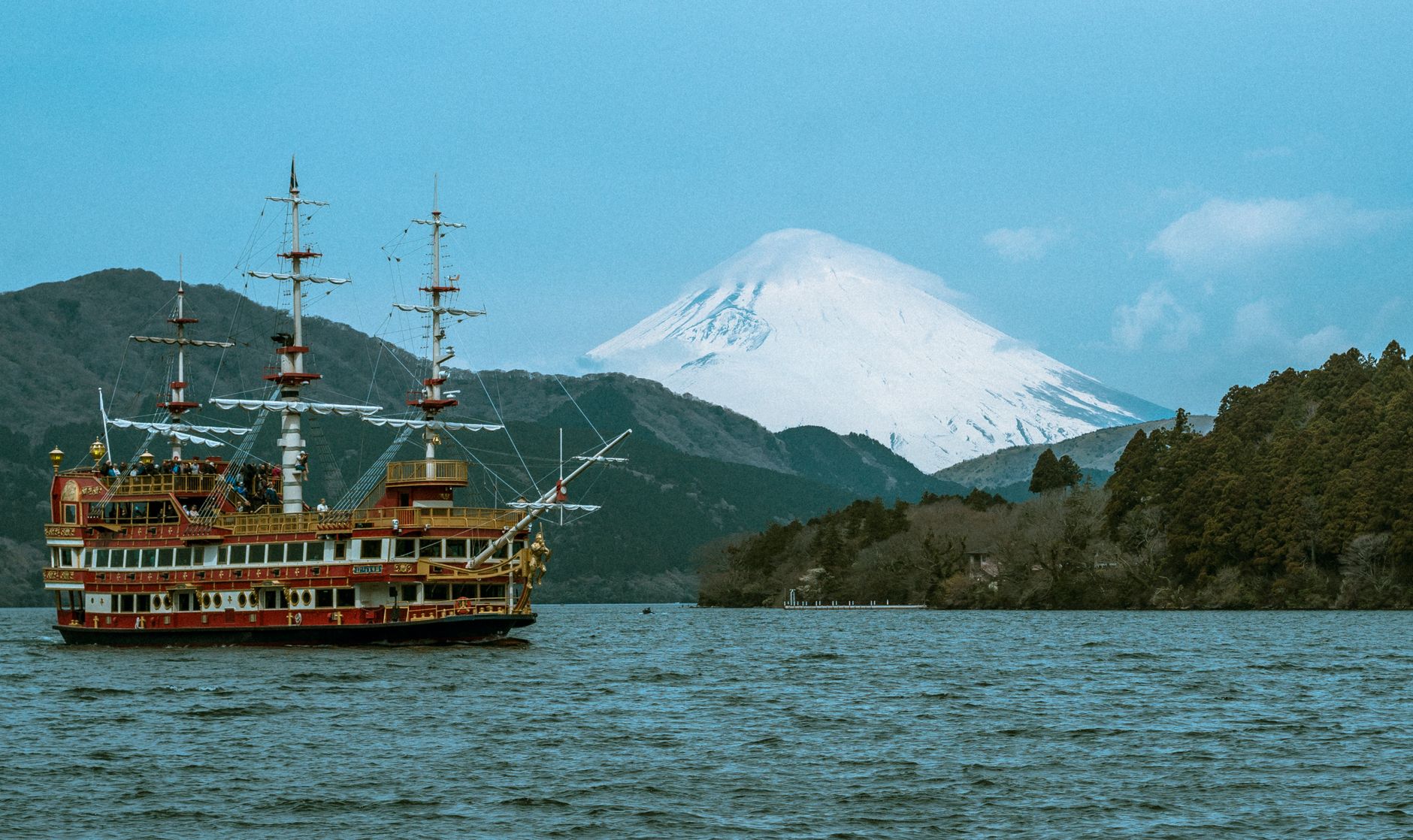
Lake Ashi, one of Hakone’s defining symbols, is a popular destination where you can enjoy beautiful scenery throughout the year. A ride on the Hakone Sightseeing Cruise’s pirate ship offers views of Hakone Shrine rising along the lakeshore and, on clear days, spectacular Mount Fuji.
- Hakone Sightseeing Pirate Ship: The ship connects the three ports of Moto-Hakone, Hakone-machi, and Togendai, with one-way services taking approximately 30 minutes. With a Hakone Freepass, you can ride freely. The regular one-way fare is 1,200円 for adults (as of 2026). To take in the lakeside scenery at a leisurely pace, head out onto the deck and enjoy the breeze.
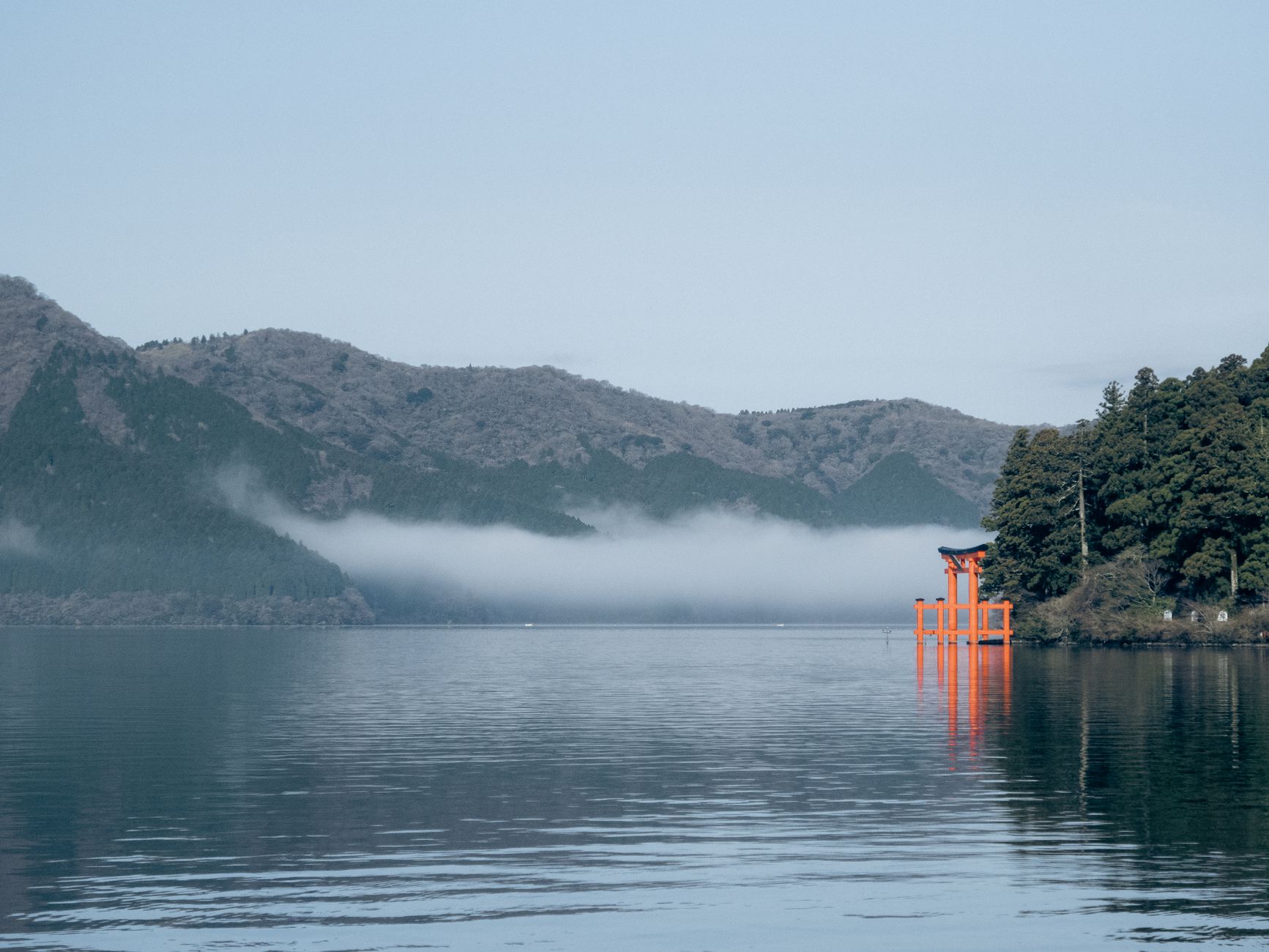
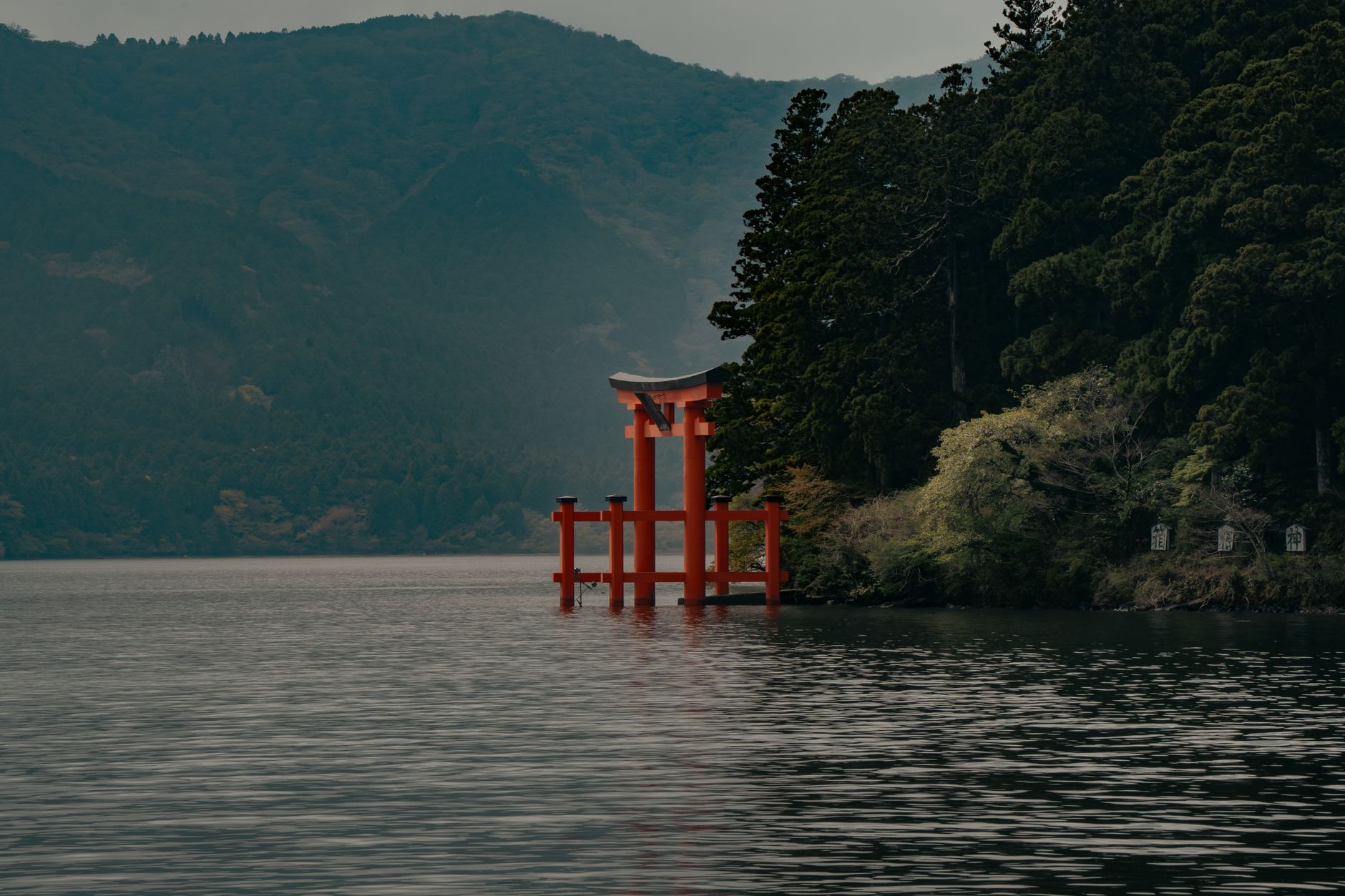
- Hakone Shrine: Located about a 10-minute walk from Moto-Hakone Port, Hakone Shrine is revered as a place of worship for the gods of good fortune and protection from misfortune. The Peace Torii standing in the lake is also famous as a photo spot.
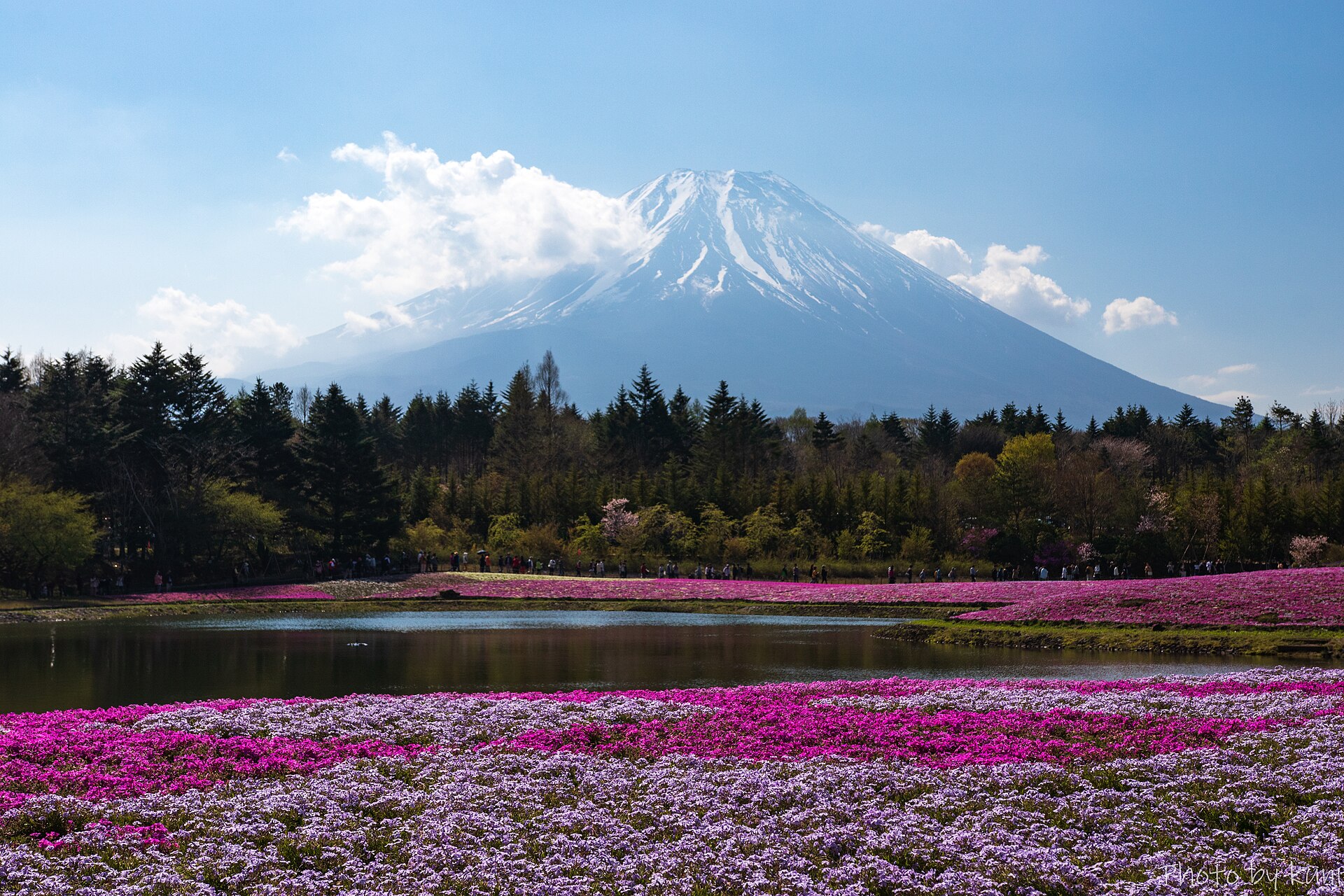
- Best times to visit: Lake Ashi is especially beautiful from spring through early summer, when the fresh greenery is at its best, and in autumn, when the foliage is reflected on the lake. On clear winter days, the crisp air offers particularly beautiful views of Mount Fuji.
Hakone Open-Air Museum: Where Nature Meets Art
The Hakone Open-Air Museum, Japan’s first open-air art museum, displays a wide variety of modern sculptures across its expansive grounds, including the Picasso Pavilion. Visitors can stroll through nature while experiencing art.
- Hours / Admission: Hours are 9:00~17:00 (last admission 30 minutes before closing), and there are no regular closure days (temporary closures may occur). Admission is 1,600円 for adults (as of 2026). Discounts are available upon presentation of a Hakone Freepass.
- Access: From Gora Station, take the Hakone Tozan Railway one stop to Chokoku no Mori Station, then walk 2 minutes. From Hakone-Yumoto, take the Hakone Tozan Railway approximately 40 minutes to Gora Station, then continue one more stop.
- Highlights: Works ranging from Rodin sculptures to contemporary art are scattered throughout the expansive grounds. There are also many interactive installations, including the “Woods of Net” and “Symphonic Sculpture,” which are especially popular with children. Take your time exploring the beautiful gardens as you appreciate the works.
Recommended Food and Accommodations Nearby
- Around Lake Ashi: Restaurants serving wakasagi dishes and soba can be found around the lakeshore. Fukuwakaya Soba is particularly popular for its soba made with local ingredients.
- Around the Hakone Open-Air Museum: The museum has cafés and restaurants where you can enjoy light meals and lunch. There are also several restaurants around Gora Station.
- Accommodation: If you are considering staying overnight rather than taking a day trip, the areas around Lake Ashi and Gora offer many attractive accommodations, including hotels known for their views and ryokan with guest rooms featuring open-air baths. Gora Onsen is particularly well known for its quality waters and variety of ryokan.
Tips and Etiquette for a Successful Hakone Day Trip
A little advance preparation and consideration will help you make the most of your Hakone trip. Here are some useful tips and etiquette to keep in mind for a smooth day trip.
Prepare in Advance for a Smooth Journey
- Reserve your transportation: If you plan to use the Romancecar, reservations open 1 month before the travel date. Weekends and holiday periods fill up quickly, so booking early is essential.
- Consider the Hakone Freepass: If you plan to tour the area using several types of transportation, consider purchasing a Hakone Freepass. It can also be purchased on the day, but checking the details on the website in advance will give you peace of mind.
- Gather information: Check the official websites of the facilities and shops you want to visit for opening hours, prices, and closure days. Day-use hot spring facilities in particular may close unexpectedly for cleaning or maintenance.
- Clothing and what to bring: Because Hakone is mountainous, temperatures may be lower than in central Tokyo. Take extra precautions against the cold, especially in winter. Even in summer, mornings and evenings can be chilly, so it is a good idea to bring an extra layer. If you plan to use a hot spring, remember to bring a change of underwear, towels, skincare products, and other essentials.
Things to Watch For and Etiquette While Sightseeing
- Manage your time carefully: Time is limited on a day trip. Build a realistic schedule that accounts for transportation time. Since getting around Hakone involves several connecting modes of transport, be careful not to miss your connections.
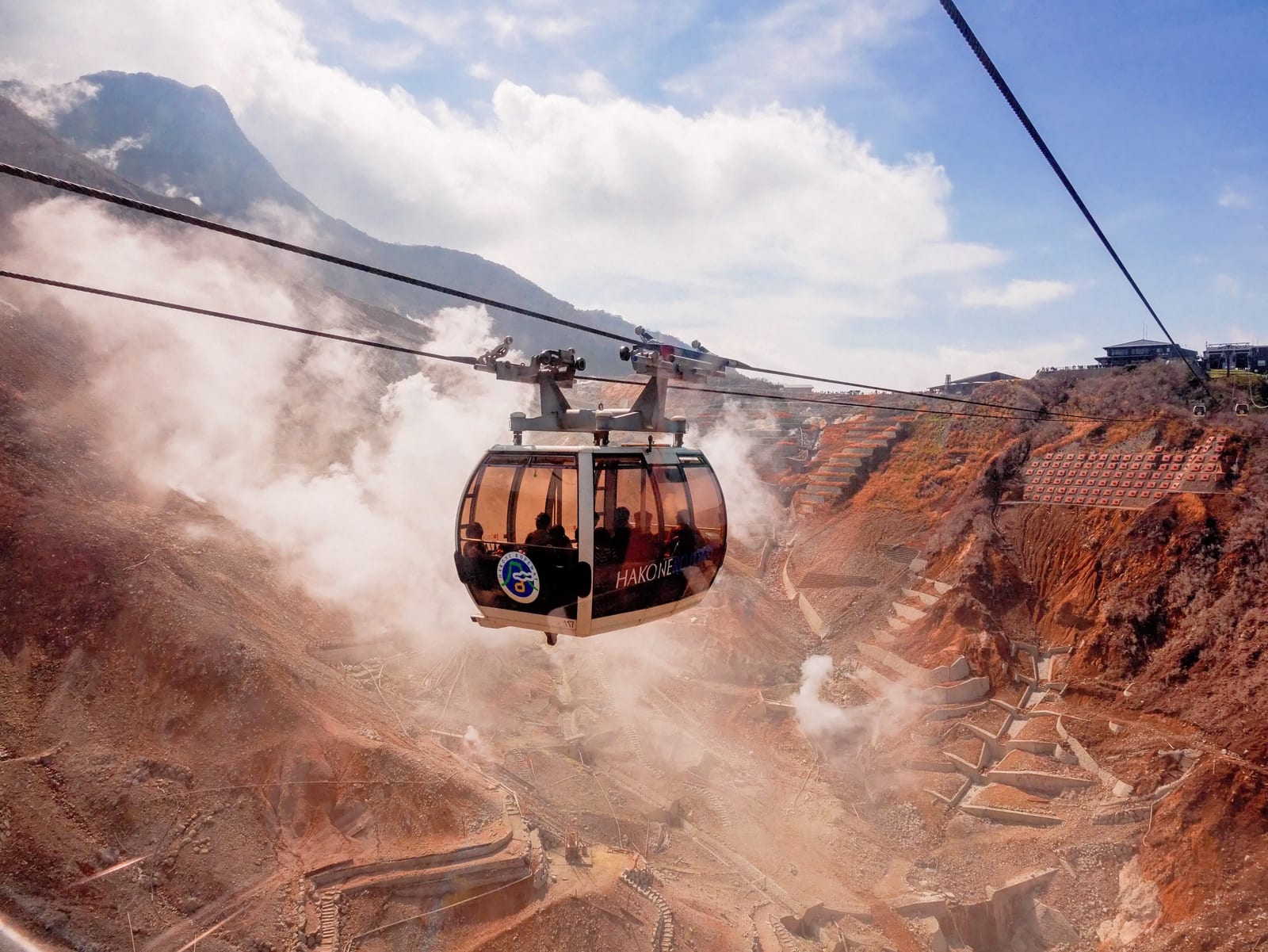
- Important information about Owakudani: Owakudani is an area of active volcanic activity, and access may be restricted. Before visiting, check the latest information on the official website of the Hakone Tourist Association or other reliable sources. Anyone sensitive to volcanic gases should wear a mask, and if you feel unwell, evacuate immediately and act responsibly for your own safety.
- Public transportation etiquette: Hakone’s public transportation is also essential for local residents. Be considerate of others, such as offering your seat during busy periods.
- Hot spring etiquette: As noted above, follow basic rules such as rinsing before bathing, washing your body, keeping towels out of the bathwater, and avoiding loud conversations. Policies regarding tattoos vary by facility, so check in advance.
Seasonal Highlights and the Best Times to Visit
- Spring (3月~5月): This is the season for beautiful cherry blossoms, azaleas, and fresh greenery. Enjoy the cherry blossoms at Hakone Gora Park and the emerging silver grass in Sengokuhara.
- Summer (6月~8月): Hakone becomes a lively highland resort for visitors seeking cooler weather. The Hydrangea Train and water activities on Lake Ashi are popular.
- Autumn (9月~11月): Enjoy the spectacular silver grass fields of Sengokuhara and Hakone’s mountains covered in autumn colors. The best viewing period is especially from late October through late November.
- Winter (12月~2月): With its clear air, winter is the season when Mount Fuji is often at its most beautiful. Soaking in a hot spring while looking out at snowy scenery is an exceptional experience. However, watch out for icy roads and snowfall.
Sample Hakone Day-Trip Itineraries (Half Day / Full Day)
We suggest sample half-day and full-day itineraries to suit different travel styles. Each route is designed to help you enjoy Hakone’s highlights efficiently.
Half-Day Course: Relax with Hot Springs and Local Food (Hakone-Yumoto)
This easy itinerary lets you leave Tokyo in the morning and return to the city in the afternoon.
【Morning】Depart Shinjuku~Arrive at Hakone-Yumoto
- 9:00 Depart Shinjuku Station: Board the Odakyu Romancecar for Hakone-Yumoto.
- 10:30 Arrive at Hakone-Yumoto Station: Leave your luggage in a station coin locker and start exploring hands-free.
- 10:45 Explore the hot spring town: Browse for souvenirs such as Yu Mochi and enjoy snacking as you walk.
- 11:30 Day-use hot spring bath: Relax at Hakone Yuryo or Tenseien. (Bathing time: approximately 1.5 hours)
【Afternoon】Depart Hakone-Yumoto~Arrive in Shinjuku
- 13:00 Late lunch: Enjoy soba or dishes made with local ingredients around Hakone-Yumoto Station.
- 14:30 Buy souvenirs: If you have any last-minute shopping to do, make a final stop at the station building or nearby shops.
- 15:00 Depart Hakone-Yumoto Station: Take the Romancecar back to Shinjuku.
- 16:30 Arrive at Shinjuku Station: Your Hakone day trip comes to an end.
Full-Day Course: Enjoy Hakone’s Golden Route
This full-day itinerary starts early and covers Hakone’s main sightseeing attractions. We strongly recommend purchasing a Hakone Freepass.
【Morning】Depart Shinjuku~Sightseeing around Lake Ashi
- 8:00 Depart Shinjuku Station: Board the Odakyu Romancecar for Hakone-Yumoto.
- 9:30 Arrive at Hakone-Yumoto Station: Transfer to the Hakone Tozan Railway toward Gora.
- 10:00 Hakone Open-Air Museum: Enjoy art in a natural setting. (Time at the museum: approximately 2 hours)
- 12:00 Lunch around Gora Station: Have lunch at a restaurant near Gora Station.
【Afternoon】Owakudani~Lake Ashi Cruise
- 13:00 Depart Gora Station: Take the Hakone Tozan Cable Car to Sounzan Station.
- 13:15 Depart Sounzan Station: Take the Hakone Ropeway to Owakudani.
- 13:30 Explore Owakudani: See the volcanic steam vents and try the area’s famous black eggs. (Time at the site: approximately 1 hour)
- 14:30 Depart Owakudani: Take the Hakone Ropeway to Togendai Station.
- 15:00 Depart Togendai Port: Board the Hakone Sightseeing Pirate Ship and enjoy a cruise on Lake Ashi. Disembark at Moto-Hakone Port or Hakone-machi Port. (Cruising time: approximately 30 minutes)
- 15:45 Visit Hakone Shrine or stroll along the lakeshore: Take commemorative photos at the Peace Torii and enjoy the surroundings.
【Evening】Return to Hakone-Yumoto and Travel Back to Tokyo
- 16:30 Depart Moto-Hakone Port (or Hakone-machi Port): Take the Hakone Tozan Bus to Hakone-Yumoto Station.
- 17:30 Arrive at Hakone-Yumoto Station: If you have time, do some souvenir shopping.
- 18:00 Depart Hakone-Yumoto Station: Take the Romancecar to Shinjuku.
- 19:30 Arrive at Shinjuku Station: Your full day of Hakone sightseeing comes to an end.
This itinerary is only one example. Adjust the amount of time you spend at museums and other attractions according to your interests.
Exceptional Hakone Cuisine and Recommended Accommodations
Hakone is appealing not only for its hot springs but also for cuisine made with ingredients nurtured by its rich natural surroundings and atmospheric accommodations. Even on a day trip, you can sample some of these attractions over lunch or dinner. If you decide to stay overnight, you will be able to experience Hakone’s charms in greater depth.
Unique Hakone Food Experiences
- Wakasagi dishes: Wakasagi caught in Lake Ashi are a local Hakone specialty. They are served in many ways, including fried, tempura-style, and simmered in a sweet soy-based sauce. You can enjoy them at restaurants around Lake Ashi.
- Hakone soba: Hakone is also known for its many excellent soba restaurants. Around Hakone-Yumoto and Sengokuhara, you will find restaurants serving flavorful handmade soba.
- Black eggs: Owakudani’s famous “black eggs” are boiled eggs infused with a sulfurous aroma by geothermal heat and volcanic gases. Legend has it that eating 1 egg adds 7 years to your life. Be sure to try them when visiting Owakudani. They cost 500円 for 5 eggs (as of 2026).
- Local beer and sake: Hakone has craft beer breweries and shops specializing in local sake. You can buy drinks as souvenirs or enjoy them with a meal.
- Sweets: In addition to onsen manju, Hakone has seen an increase in stylish cafés and pâtisseries. We recommend stopping for a break around Hakone-Yumoto Station or in the Gora area.
Recommended Places to Stay and Unwind (For Those Considering an Overnight Stay)
Staying at a hot spring ryokan offers a deeper experience of Hakone than a day trip can provide.
- Guest rooms with open-air baths: Ryokan with private open-air baths are ideal for those who want to enjoy hot springs in a private setting. Attractive accommodations can be found in areas including Hakone-Yumoto, Gora, and Sengokuhara.
- Accommodations with spectacular views: Hotels and ryokan overlooking Lake Ashi or the mountains of Hakone are perfect for experiencing a sense of escape. Lakeside accommodations are especially appealing, offering special experiences such as breakfast while gazing over the lake in the early morning.
- Unique concepts: Hakone has many distinctive accommodations, including hotels with attached art museums and properties housed in renovated historic buildings. Choosing a place that matches the theme of your trip can be part of the fun.
- Accommodations known for their food: Many properties take pride in their cuisine, from kaiseki meals featuring abundant seasonal local ingredients to creative French cuisine. Enjoying delicious food alongside the hot springs is one of the great pleasures of traveling.
When considering an overnight stay, take your travel dates, budget, and the preferences of your companions into account, and book early. Popular accommodations often fill up several months in advance.
Summary: Key Points to Remember
Here are 5 key points to keep in mind when planning a day trip to Hakone.
- Choose the right access route: The Romancecar is convenient when departing from Shinjuku, while the JR Tokaido Main Line and a transfer to the Hakone Tozan Railway are practical when traveling from the Tokyo Station area. Choose according to your preferred level of comfort and budget.
- Make use of the Hakone Freepass: If you plan to tour the Hakone area using several types of transportation, the Hakone Freepass is essential. It can significantly reduce your transportation costs.
- Research and reserve in advance: Check official websites for the latest information on securing Romancecar seats, day-use hot spring hours, and attraction closure days, and make reservations early when necessary.
- Allow plenty of time and keep your plans realistic: Time is limited on a day trip. Build a comfortable schedule that includes travel time, and avoid trying to do too much.
- Include uniquely Hakone experiences: In addition to bathing in the hot springs, make time for experiences unique to Hakone, such as a pirate ship cruise on Lake Ashi, black eggs at Owakudani, and art at the Hakone Open-Air Museum.
Frequently Asked Questions (FAQ)
Q. Should I reserve a seat on the Romancecar for a day trip to Hakone?
A. Yes. All seats on the Odakyu Romancecar are reserved, so you need to book a seat in advance. Trains are particularly busy on weekends and during sightseeing seasons, so we recommend arranging your ticket as soon as reservations open 1 month before your travel date. Tickets can be purchased online or at station ticket counters.
Q. Can I get my money’s worth from the Hakone Freepass on a day trip?
A. Even on a day trip, you are very likely to save money if you plan to tour from Hakone-Yumoto to Gora, Owakudani, and Lake Ashi using several forms of transportation (train, cable car, ropeway, pirate ship, and bus). Since it is often cheaper than paying individual fares, we recommend calculating and comparing the route and fares in advance.
Q. Are towels and amenities provided at Hakone’s day-use hot spring facilities?
A. Many day-use hot spring facilities offer towel and bath towel rentals (usually for an additional fee), as well as amenities such as shampoo, conditioner, and body soap. However, if you prefer to use your own products or want to keep costs down, we recommend bringing your own. It is a good idea to check each facility’s official website in advance.
Q. I am concerned about volcanic gases when visiting Owakudani. Is it safe?
A. Owakudani is an area of active volcanic activity, so volcanic gases are present. Conditions are usually safe, but people who are feeling unwell, those with respiratory conditions, infants, and pregnant people should take extra care. Access may be restricted if the volcanic gas alert level rises. Be sure to check the latest information on the official Hakone Town website or another official source before visiting.
Q. When is the best season to visit Hakone?
A. Hakone has something to offer in every season and is enjoyable year-round. However, the most popular periods are spring through early summer (around 4月~6月), when the fresh greenery is beautiful, and autumn (around late October to late November), when the foliage is at its most vivid. Winter brings clear air and beautiful views of Mount Fuji, but be careful of icy roads and snow. Summer is a popular season for escaping the heat. Choose the time that best suits your preferences.