
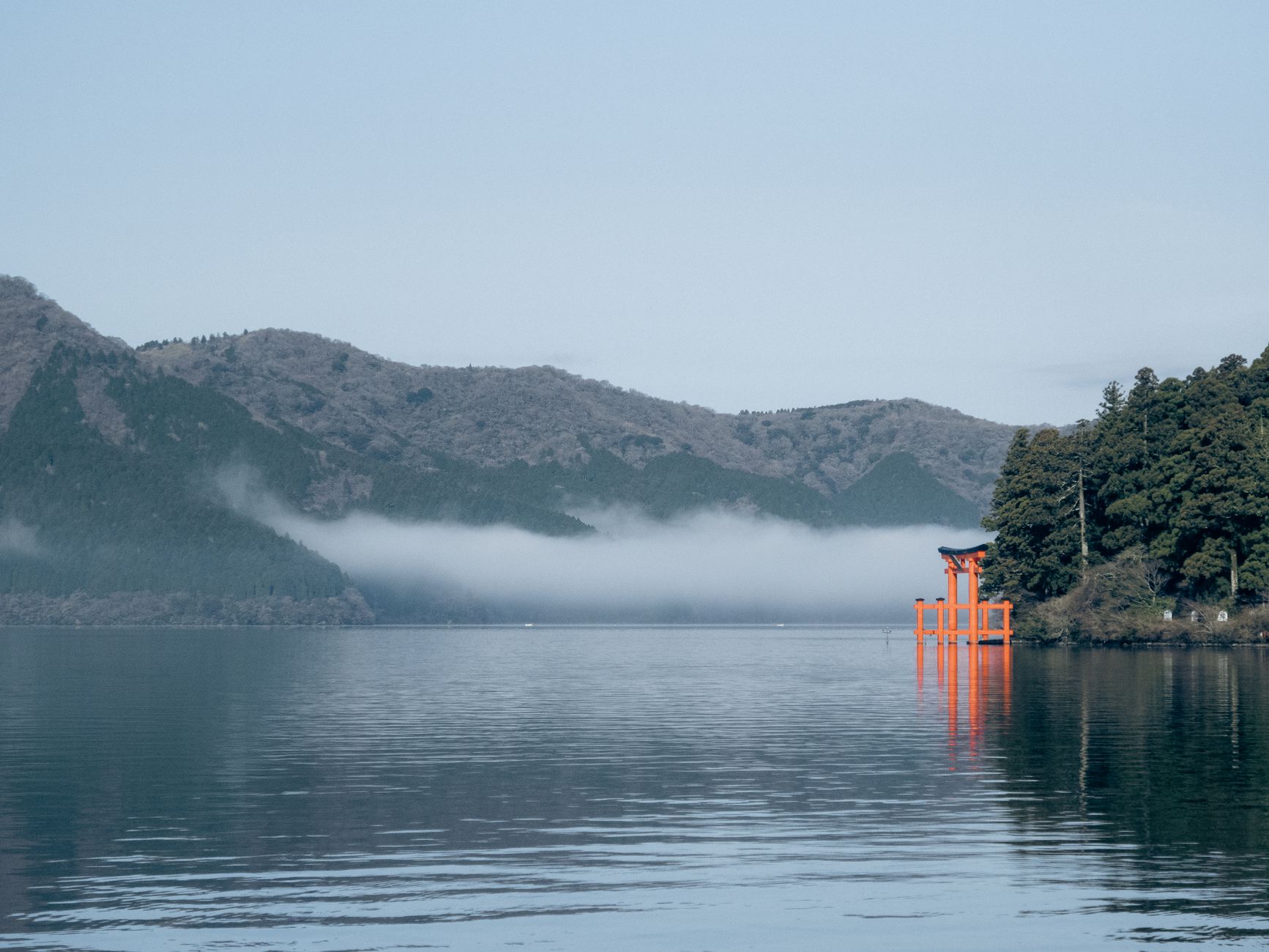
Hakone Skyline
Your complete guide to the Hakone Skyline in Kanagawa — best times to visit, how to get there, top photo stops, and a ready-to-use 1–2 day itinerary.
Mar 13, 2026·✍️ olablog·⏱ 5 min read
Your complete guide to the Hakone Skyline in Kanagawa — best times to visit, how to get there, top photo stops, and a ready-to-use 1–2 day itinerary.
Tap a region to browse articles
Japan punches well above its weight when it comes to scenic drives — and Hakone Skyline in Kanagawa Prefecture is one of the country's greatest hits. This isn't just a road you pass through on the way somewhere else; it's a destination in its own right, where every pull-off delivers a jaw-dropping frame of Lake Ashi, ancient cedar forests, and — on a clear day — the unmistakable cone of Mount Fuji looming over everything.
1. What Makes Hakone Skyline Special
Think of Hakone Skyline as the Pacific Coast Highway of Japan, minus the beach traffic and plus a dormant volcano. The light shifts dramatically throughout the day — golden at dawn, flat and crisp at midday, then saturated pink and purple as the sun drops behind Fuji. No two visits look the same, which is exactly why photographers come back season after season.
The drive itself is half the appeal. The road winds through forested ridgelines, opens onto wide lake panoramas, and occasionally narrows into tunnel-like canopies of cedar. Travelers consistently say this feels less like ticking off a sightseeing stop and more like a proper adventure — one that starts the moment you leave the city behind.
2. Top Photo Stops You Shouldn't Skip
The Hakone area is packed with viewpoints, from the famous to the genuinely off-the-beaten-path. Here are the ones worth building your itinerary around:
Main Observation Deck: Sweeping 180-degree views across the Hakone caldera and Lake Ashi. Sunrise and sunset here are routinely described as the best in the region — set an alarm.
Old Cedar Avenue (杉並木): Centuries-old cedar trees form a natural tunnel over the road. It's photogenic year-round, but especially dramatic in spring (fresh green), autumn (russet and gold), and winter (bare branches and frost).
Lake Ashi Reflection Point: On calm mornings, the lake's surface acts like a massive mirror, doubling the scenery for perfectly symmetrical shots. Arrive early before wind breaks up the reflection.
Summit Viewpoint: Hike or drive to the highest accessible point in the area for a full panorama of Kanagawa Prefecture — a wide-angle view that puts everything in perspective.
3. Best Time to Visit
Every season brings something different to Hakone Skyline, but the sweet spots are April, November, and January. Here's why:
- Weather is most cooperative for driving and sightseeing
- Seasonal scenery peaks — cherry blossoms in spring, fall foliage in November, snow-dusted ridgelines in January
- Natural light is ideal for photography between 6–9 a.m. and 4–6 p.m.
- Crowds are manageable — busy enough to feel lively, not so packed that parking becomes a nightmare
A winter visit earns you potentially snow-covered peaks and crisp, Fuji-revealing skies — stunning, but check road conditions before heading up, as some passes can ice over. Spring and autumn remain crowd favorites for good reason.
4. The Best Way to Explore — Rent a Car
Public transit will get you to Hakone, but it won't get you through Hakone the way it deserves. A rental car is the move. You set the pace, stop wherever the view demands it, and reach tucked-away spots that no bus route ever visits.
The roads around Hakone Skyline are well-maintained by Japanese standards (read: immaculate), with clear signage in romaji. Mountain stretches are comfortably wide with regular rest areas — far less white-knuckle than, say, driving in the Scottish Highlands or the Rocky Mountains. If you're comfortable driving on the left, this is a very manageable road trip.
✨ Pro tip: Book a private car through OlaChill to explore Hakone Skyline entirely on your own schedule — chauffeured or self-drive options available.
5. Sample 1–2 Day Itinerary
Day 1
- 6:00 a.m. — Arrive at the main observation deck for sunrise; catch Hakone Skyline bathed in early golden light
- 8:00 a.m. — Breakfast at a local restaurant — look for regional specialties like kuro tamago (black eggs from the Owakudani hot springs) or a bowl of ramen
- 9:30 a.m. — Drive the main scenic route, stopping freely at viewpoints along the way
- 12:00 p.m. — Lunch at a roadside rest area or one of the small restaurants along the lake
- 2:00 p.m. — Detour to secondary attractions: historic post towns, a waterfall hike, or a lakeside shrine
- 5:00 p.m. — Check into a local hotel or a traditional ryokan
- 6:30 p.m. — Soak in an onsen (hot spring bath), then sit down for a multi-course kaiseki dinner
Day 2
- 7:00 a.m. — Early breakfast and an early start to beat the day-trippers up from Tokyo
- 8:30 a.m. — Explore a quieter back road or a lesser-known viewpoint the crowds haven't found yet
- 11:00 a.m. — Head to the Lake Ashi reflection point for mid-morning photos
- 1:00 p.m. — Relaxed lunch, no agenda
- 3:00 p.m. — Continue to your next destination or head back to Tokyo (about 90 minutes by expressway)
6. Practical Tips
- 📷 Golden hour is non-negotiable: The 30 minutes either side of sunrise and sunset deliver the best light — plan your drives around them
- 🚗 Book your rental car early: Demand spikes in April, November, and January; reserve at least 1–2 weeks ahead
- ⛽ Fill up before you head into the hills: Gas stations thin out on mountain roads — top off your tank in Odawara or Gotemba before ascending
- 📱 Download offline maps: Save the Kanagawa/Hakone area to Google Maps before you leave your hotel; cell signal gets patchy on the upper roads
- 🍙 Stock up at a convenience store: 7-Eleven and FamilyMart are your best friends on a Japanese road trip — onigiri, hot coffee, sandwiches, the works
- ☁️ Check the weather forecast: This matters most in winter and during the June rainy season — a cloudy day means no Fuji, full stop
More from this region — Mt. Fuji
View all →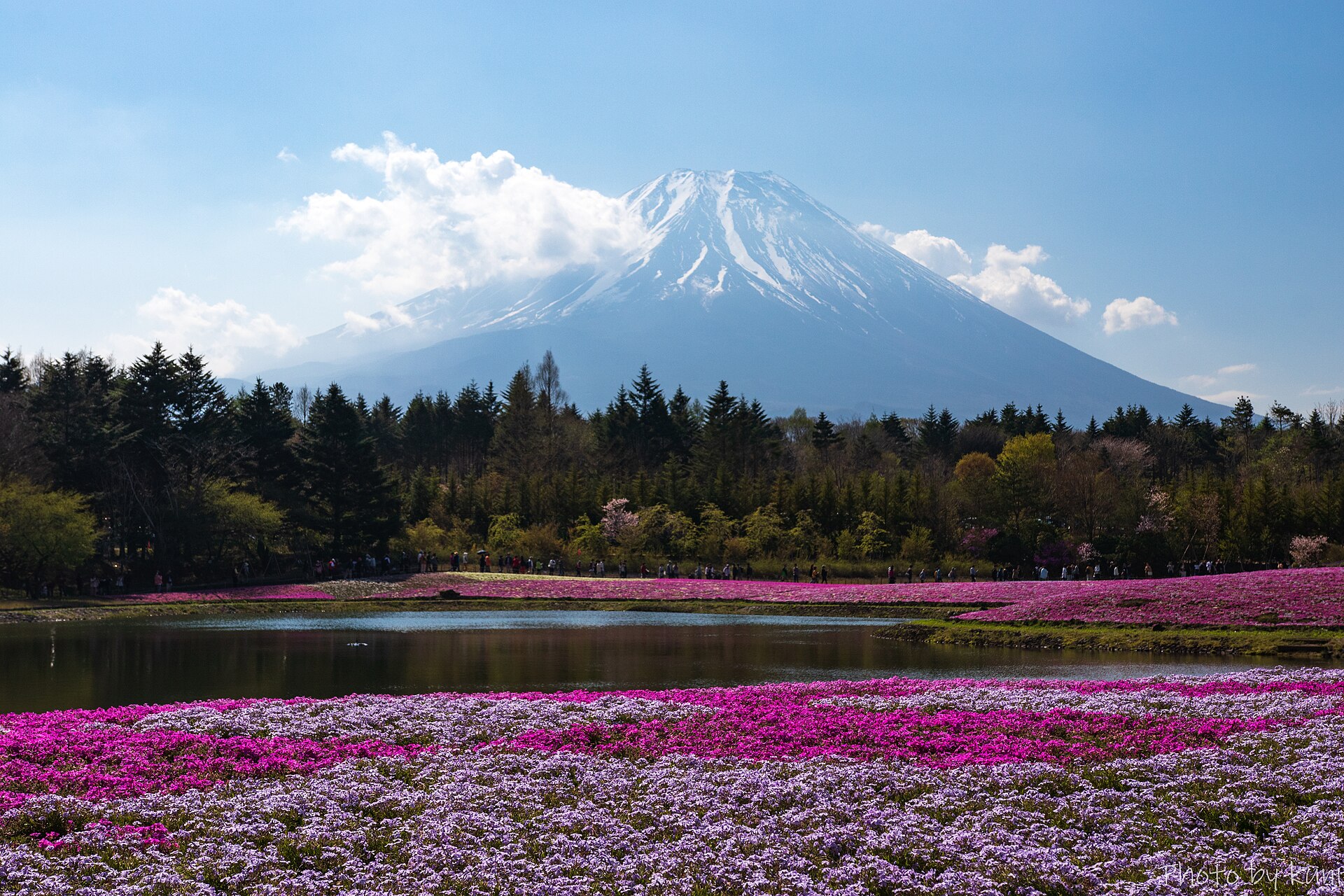
HiAce 10-Seater for Big Families: Tokyo, Fuji and Hakone Made Easy
8 min · tips
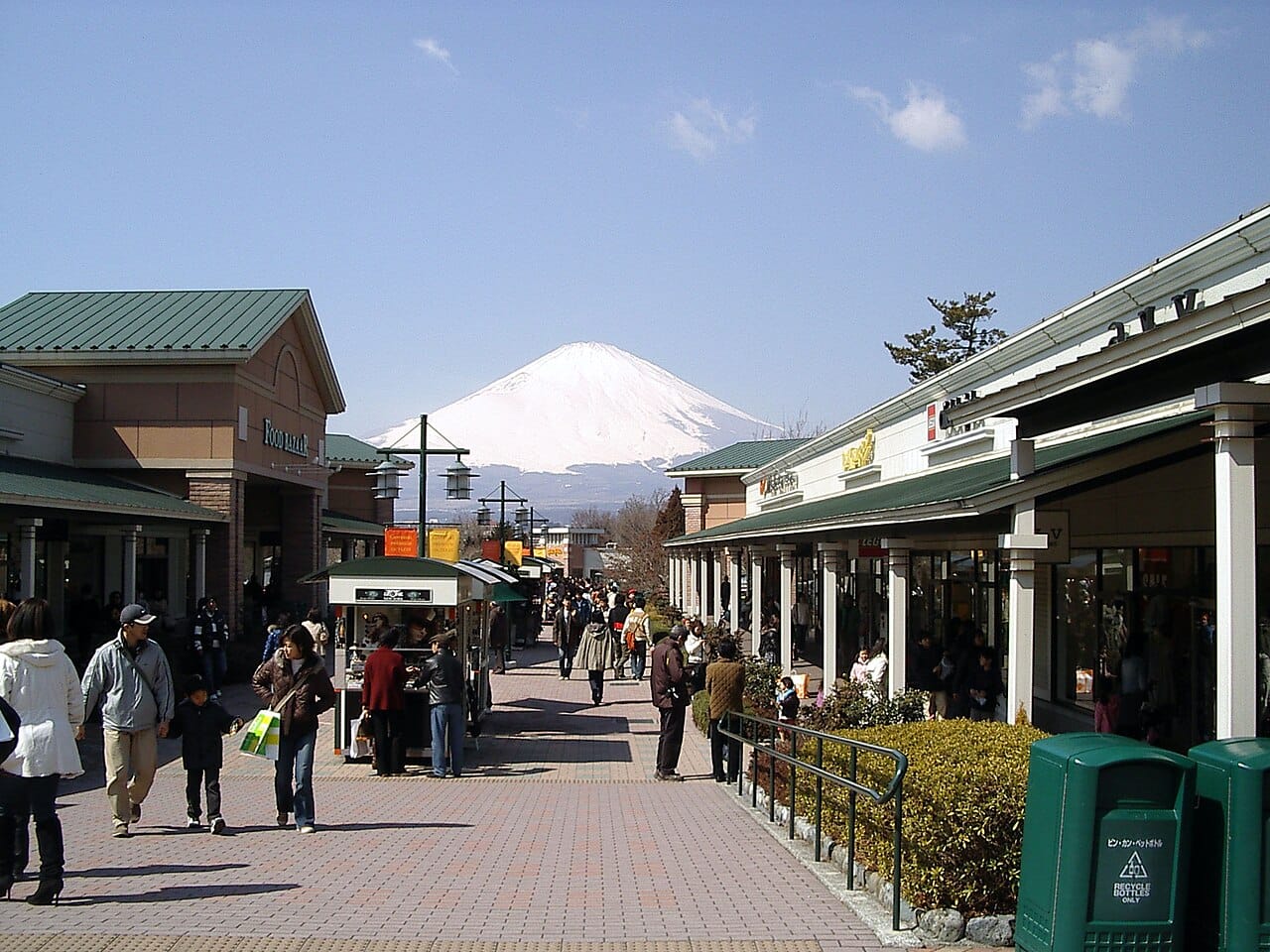
Comparing Outlets Near Tokyo: Gotemba, Kisarazu, and Iruma
8 min · tips
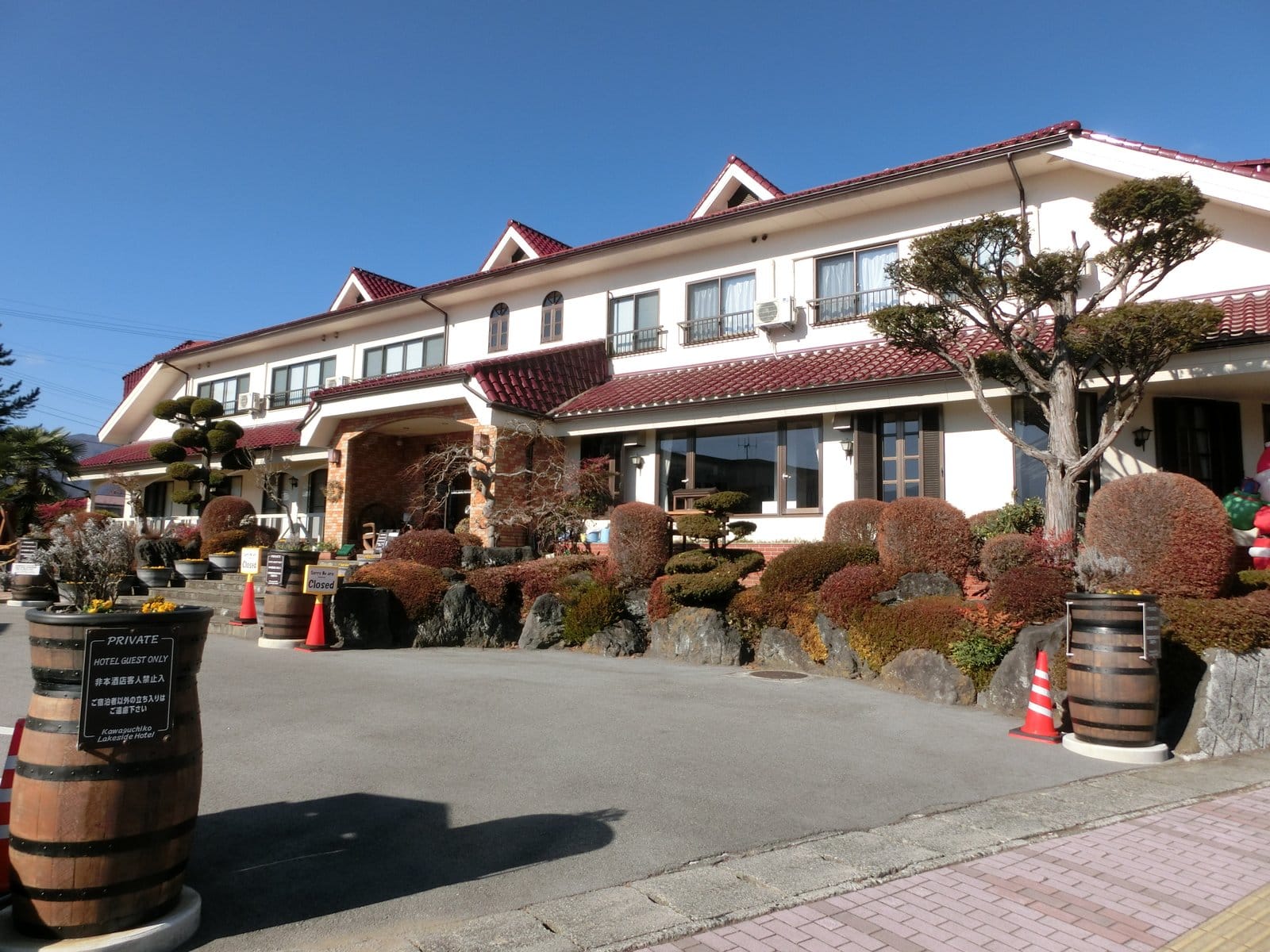
When Is Kawaguchiko at Its Most Beautiful? The Lake That Perfectly Mirrors Mount Fuji
5 min · destinations
Kawaguchiko — 7 Best Spots to See Mount Fuji (+ How to Get There from Tokyo)
9 min · destinations