
When Is Kawaguchiko at Its Most Beautiful? The Lake That Perfectly Mirrors Mount Fuji
When Is Kawaguchiko at Its Most Beautiful? The Lake That Perfectly Mirrors Mount Fuji – Your complete guide to Lake Kawaguchiko, Yamanashi: best seasons, how to get there, top photo spots, and sample itineraries.
Apr 7, 2026·✍️ olablog·⏱ 5 min read
When Is Kawaguchiko at Its Most Beautiful? The Lake That Perfectly Mirrors Mount Fuji – Your complete guide to Lake Kawaguchiko, Yamanashi: best seasons, how to get there, top photo spots, and sample itineraries.
Tap a region to browse articles
Japan has long topped the bucket lists of travelers who live for dramatic scenery — and Lake Kawaguchiko in Yamanashi Prefecture is one of the country's undisputed showstoppers. A visit here isn't just a day trip; it's full sensory immersion into some of the most jaw-dropping landscapes on the planet, where every angle feels like it was art-directed specifically for your camera roll.
1. What Makes Lake Kawaguchiko Special
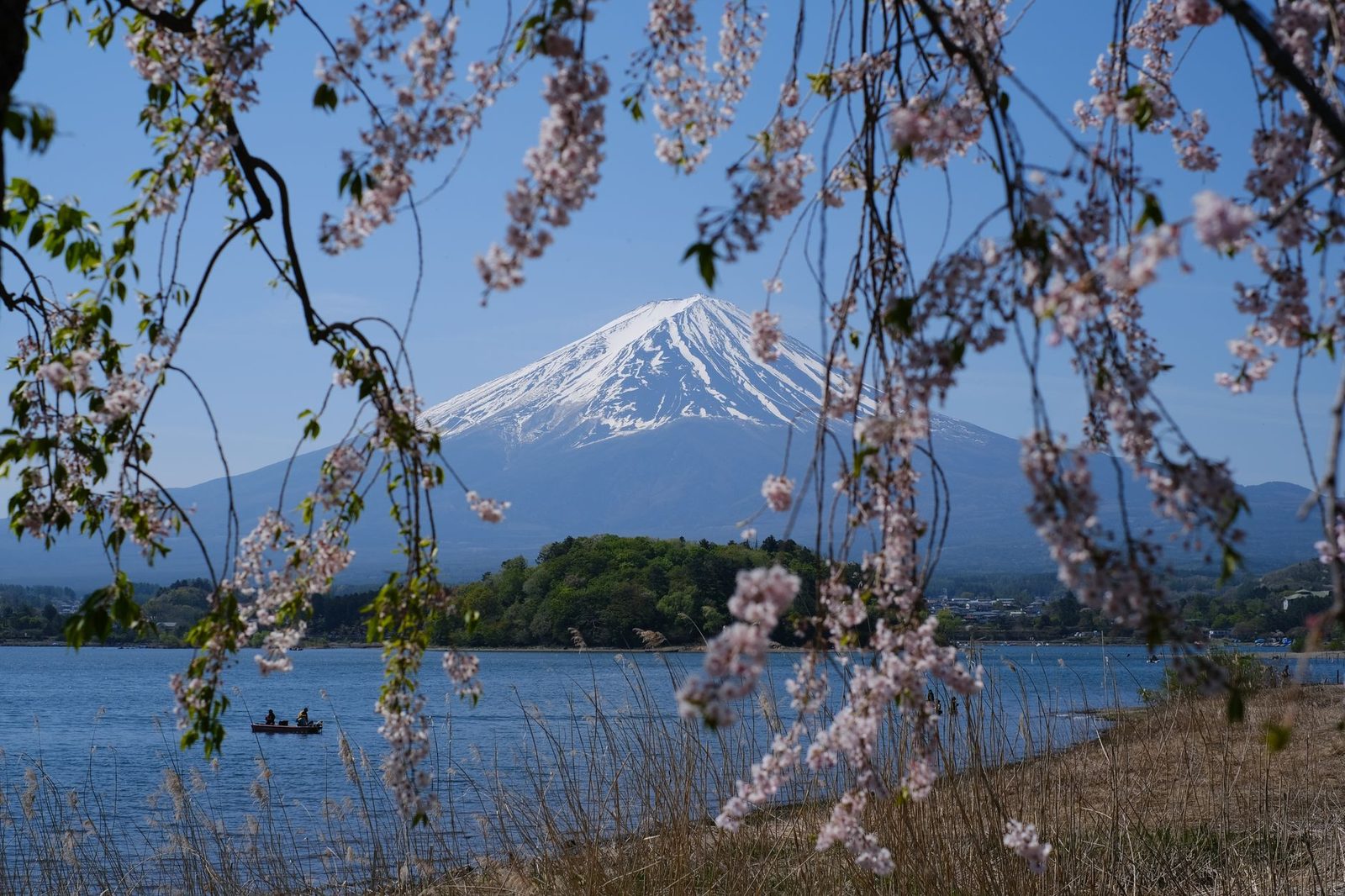
Lake Kawaguchiko earns its reputation the honest way: with scenery that simply stops you in your tracks. Yamanashi unfolds like an oil painting too grand for any gallery wall — the kind of place that reminds you why you flew 14 hours in the first place. Light shifts dramatically throughout the day, from the warm gold of sunrise to the dusty rose of a mountain sunset, and no two moments look the same.
The drive in is half the experience. Roads wind through forested ridgelines, open up across highland meadows, and hug the lakeshore in a way that makes even the journey feel intentional. Travelers consistently say the road to Kawaguchiko isn't just a means to an end — it's a road trip worth savoring.
2. Top Photo Spots You Can't Miss
The Kawaguchiko area is packed with viewpoints, from the famous to the ones only locals know about. Here are the must-visit spots:
Main Observation Deck: A sweeping 180-degree panorama of the lake and Mount Fuji (富士山). Sunrise and sunset here are consistently rated the best in the region.
The Old Tree-Lined Path: Centuries-old trees form a natural tunnel overhead — especially stunning in spring (cherry blossoms), autumn (fiery foliage), and winter (bare branches dusted with snow).
Lakeside Reflection Point: The still surface of the lake acts like a giant mirror, doubling the scenery and producing perfectly symmetrical shots that look almost too good to be real.
Summit Viewpoint: Hike or drive to the highest accessible point in the area for a full panoramic sweep across Yamanashi — the kind of view that earns its own postcard.
3. The Best Time to Visit
Every season brings a different personality to Kawaguchiko, but the sweet spots are April and November. Here's why:
- Most stable weather of the year — ideal for driving and long days outdoors
- Peak seasonal scenery — spring blossoms in April, peak foliage in November
- Perfect natural light for photography between 6–9 AM and 4–6 PM
- Crowds are manageable — busy enough to feel alive, not so packed it's a slog
Winter visits reward the patient traveler with snow-dusted mountain vistas that look straight out of a Studio Ghibli film — but mountain roads can get icy, so check conditions before heading out. Spring and fall are both excellent alternatives that rarely disappoint.
4. The Best Way to Explore — Hit the Road Yourself
The single best way to experience Kawaguchiko and the wider Yamanashi region is by car. Freedom from fixed bus and train schedules means you can pull over whenever the view demands it, linger at a viewpoint until the light is just right, and venture down backroads that public transport simply doesn't reach.
Roads around the lake are well-maintained and clearly signed — this isn't a white-knuckle adventure. Many lakeside and mountain routes are wide enough for comfortable driving, with rest areas spaced sensibly for those who want to stretch their legs or grab a coffee.
✨ Pro tip: Book a private car through OlaChill and explore Lake Kawaguchiko entirely on your own schedule — chauffeur-driven or self-drive, your call.
5. Sample 1–2 Day Itinerary
Day 1:
- 6:00 AM — Head straight to the main observation deck for sunrise; Fuji reflecting in the lake at golden hour is worth the early alarm
- 8:00 AM — Breakfast at a local restaurant — look for Hōtō (ほうとう), Yamanashi's hearty miso noodle stew, a regional staple worth trying
- 9:30 AM — Scenic lakeside drive, stopping at viewpoints along the way
- 12:00 PM — Lunch at a lakeside restaurant or a roadside rest area
- 2:00 PM — Explore side attractions: a nearby historic village, waterfall, or smaller lake
- 5:00 PM — Check in to your hotel or traditional ryokan (旅館)
- 6:30 PM — Soak in the onsen (温泉) if your accommodation has one, then settle in for a multi-course kaiseki (懐石) dinner
Day 2:
- 7:00 AM — Early breakfast and an early start to beat the crowds
- 8:30 AM — Take the quieter back roads or hunt down a lesser-known photo spot
- 11:00 AM — Spend time at the lake reflection point; mid-morning light is excellent here
- 1:00 PM — Leisurely lunch and some downtime
- 3:00 PM — Head to your next destination or begin the journey back
6. Practical Tips for the Trip
- 📷 Golden hour is non-negotiable: Shoot in the 30 minutes before and after sunrise or sunset for the best light — it's the difference between a great photo and a forgettable one
- 🚗 Book your car early: Especially during peak seasons (April, November) — reserve at least 1–2 weeks ahead to avoid missing out
- ⛽ Fill up before you go: Gas stations in rural Yamanashi can be spread far apart; top off your tank before leaving town
- 📱 Download offline maps: Save Google Maps for the Yamanashi area before you leave — cell coverage gets patchy in the mountains
- 🍙 Stock up at a convenience store: 7-Eleven and FamilyMart are your best friends on a road trip — reliable food, good coffee, and they're everywhere along the main routes
- ☁️ Check the weather forecast: Non-negotiable in winter or during rainy season — mountain weather changes fast
More from this region — Mt. Fuji
View all →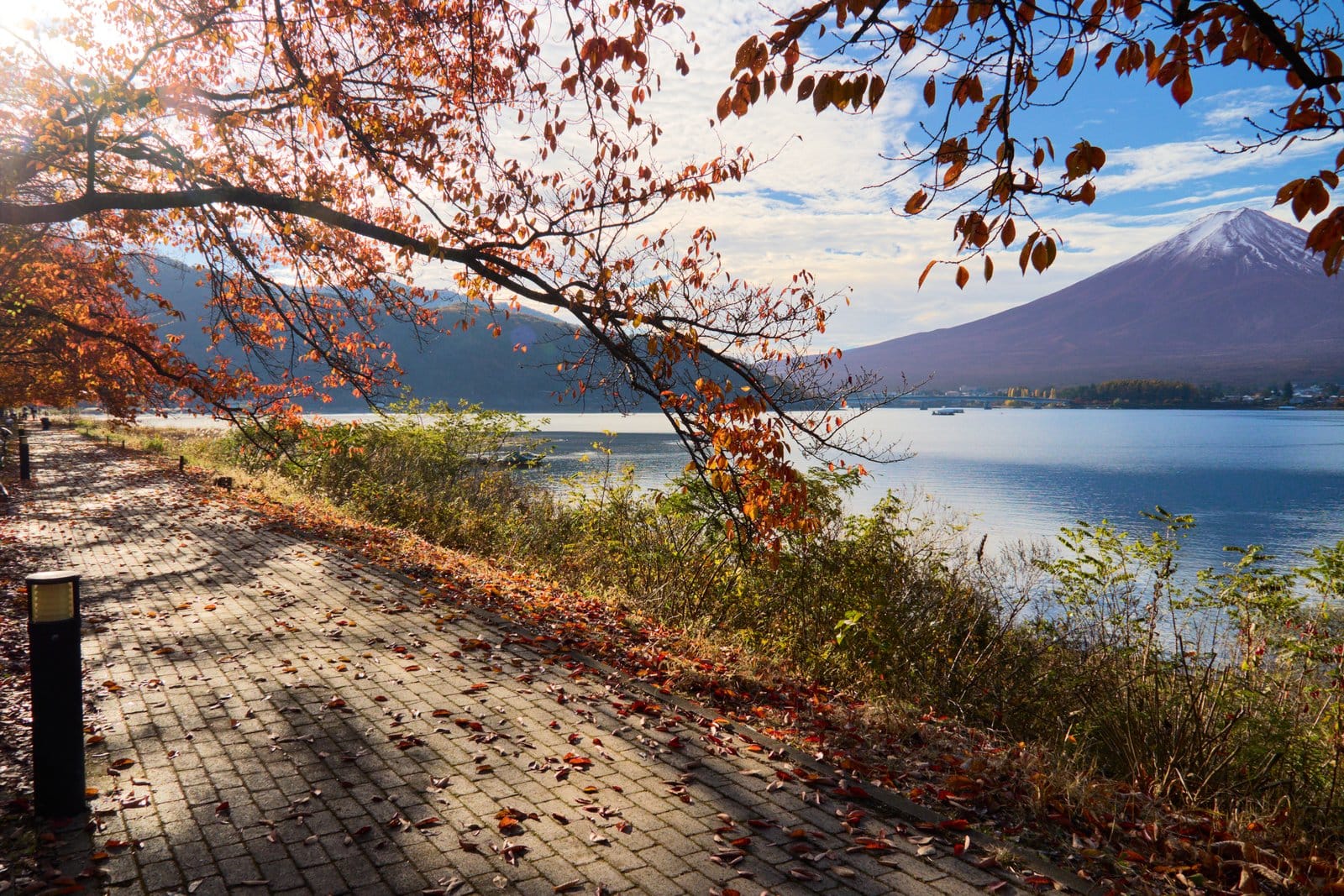
Kawaguchiko — 7 Best Spots to See Mount Fuji (+ How to Get There from Tokyo)
9 min · destinations
5 Best Day Trips from Tokyo: Kamakura, Nikko, Hakone, Kawaguchi, Yokohama
8 min · itineraries
10-Day Japan Golden Route: Tokyo – Hakone – Kyoto – Osaka for First-Timers
8 min · itineraries
Mount Fuji in Cherry Blossom Season – Sakura Reflected on the Lake
5 min · seasonal