
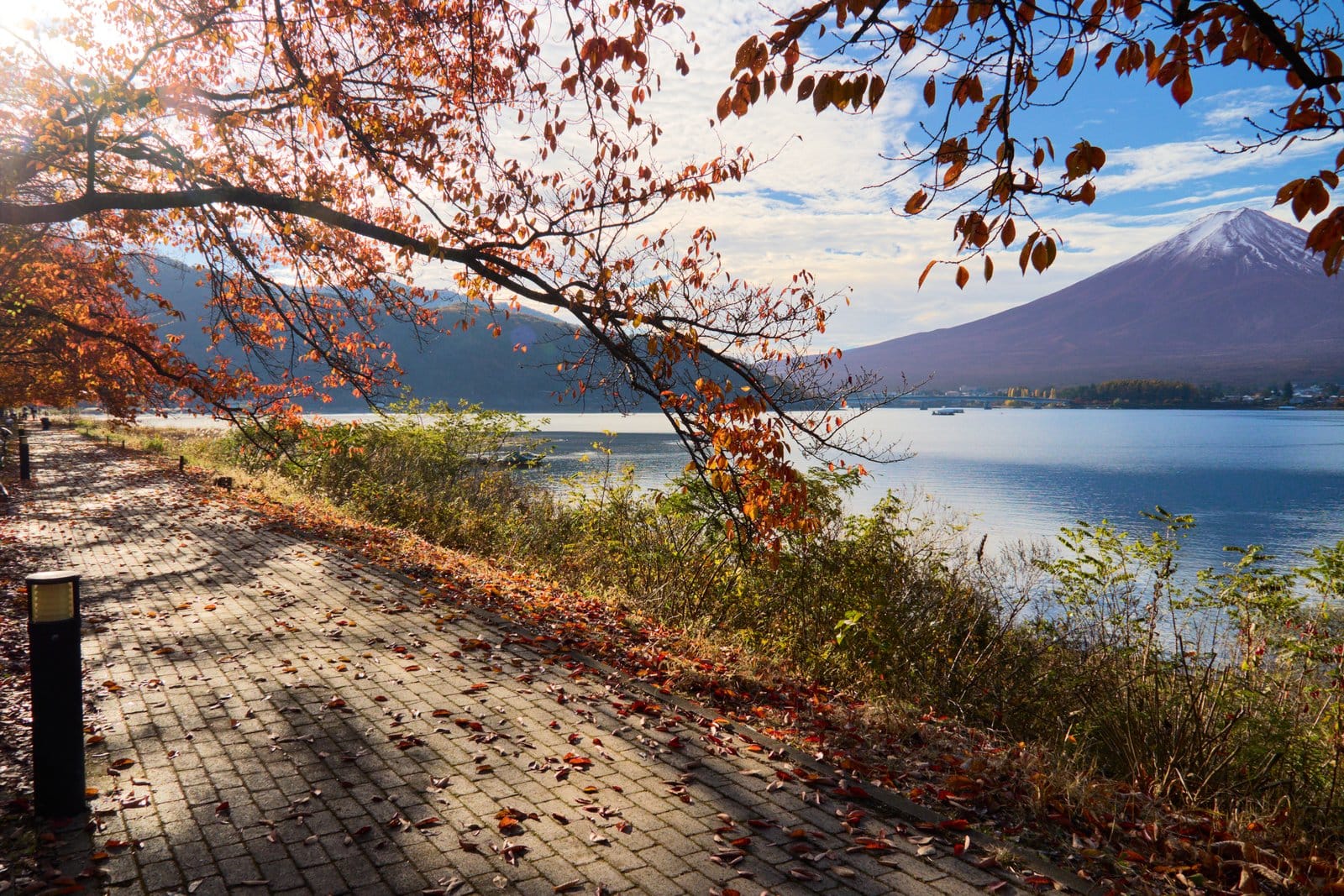
Kawaguchiko — 7 Best Spots to See Mount Fuji (+ How to Get There from Tokyo)
Planning a day trip from Tokyo to Kawaguchiko? Here are 7 specific viewpoints, the best times to catch Fuji in the clear, and everything you need to know about getting there and back — or staying overnight.
Mar 22, 2026·✍️ olablog·⏱ 9 min read
Planning a day trip from Tokyo to Kawaguchiko? Here are 7 specific viewpoints, the best times to catch Fuji in the clear, and everything you need to know about getting there and back — or staying overnight.
Tap a region to browse articles
Mount Fuji: What Are Your Odds of Actually Seeing It?
At 12,388 feet, Fuji is hard to miss — except when it's hiding behind clouds, which is roughly 70% of the year. Here's how the odds break down by season:
- November–February: 70–80% (cold, dry air = crystal-clear views)
- March & October: 50–60%
- April–June: 30–40% (spring rain and low cloud cover)
- July–September: 20–30% (peak cloud season + typhoon risk)
Best window: winter mornings, 5:30–8:30 a.m. Low humidity, golden light, and Fuji fully visible. Roll up after 10 a.m. and there's a good chance the mountain has pulled on its cloud coat for the day.
Two tools worth bookmarking:
- FujiGoko.tv — live cameras at 10 locations around the lake
- Weathernews.jp/go/fuji — hourly visibility forecasts for the summit
Why Kawaguchiko?
Kawaguchiko (河口湖) is one of the Fuji Five Lakes — and easily the most popular. Here's why it wins:
- Closest to Tokyo (roughly 2 hours by direct bus, 2.5 by train)
- Best-developed tourist infrastructure of the five lakes
- Classic "inverted Fuji" reflection on the still lake surface — the shot that fills every Japan travel calendar
The other four lakes — Yamanakako (largest), Saiko (bordering the Aokigahara forest), and the quieter Shojiko and Motosuko — are all beautiful, but far less crowded and harder to reach independently.
Getting from Tokyo to Kawaguchiko
Option 1: Direct Highway Bus (Easiest & Cheapest)
- Shinjuku Expressway Bus Terminal (Busta Shinjuku) → Kawaguchiko Station
- ~$15 (¥2,200) one-way | ~2 hours
- Main operators: Fujikyu Express, Keio Bus
- Book online at highway-buses.jp (English available)
- Best departure: the 7:45 a.m. bus — you'll arrive by 9:45 a.m. with Fuji still clear
- Heads-up: weekend traffic can add 30–60 minutes
Option 2: Train (Faster, Pricier, More Transfers)
- Tokyo/Shinjuku → Otsuki (JR Chūō Line, Ltd. Express Azusa): ~$25 (¥3,720), ~70 min
- Otsuki → Kawaguchiko (Fujikyu Railway): ~$8 (¥1,170), ~55 min — not covered by JR Pass
- Total: ~$33 (¥4,890), ~2 hrs 25 min
- If you have a JR Pass, it covers the Tokyo–Otsuki leg (saving ~$17) — you'll pay the Fujikyu leg separately
Option 3: Fuji Excursion Limited Express (Most Comfortable)
- Direct Shinjuku → Kawaguchiko, no transfers
- ~$28 (¥4,130) | 2 hours | 2 trains per day
- JR Pass holders: pass covers Tokyo–Otsuki; pay ~$8 for the Fujikyu section
Option 4: Rent a Car
- ~62 miles from central Tokyo; 1.5 hours via expressway
- Tolls: ~$17 (¥2,500) each way
- Best for groups of 3 or more. Book a rental car through OlaChill
- You'll need an International Driving Permit (IDP)
7 Best Spots to See Mount Fuji from Kawaguchiko
1. Chureito Pagoda — Arakurayama Sengen Park
Nearest station: Shimoyoshida (Fujikyu Line) — 20-minute walk + 400 steps up
This is the most iconic photograph in Japan — the five-story vermilion pagoda framed against Fuji's snow-capped peak. If you've seen it on a travel magazine cover, a guidebook, or someone's Instagram, it was shot from here.
- Golden hour: 6:00–7:30 a.m. (soft light, thinner crowds, clearest views)
- Cherry blossom peak: around April 10–18 (about a week behind Tokyo's bloom)
- Fall foliage peak: November 5–15
- Admission: Free
2. Oishi Park (North Shore of the Lake)
- Lavender fields in July, scarlet kochia grass in October, shibazakura moss phlox in April
- The classic Fuji reflection shot, with flower beds in the foreground
- Free to enter; gift shop and café on site
25 minutes by bus from Kawaguchiko Station ($3 / ¥450) — or charter a bus for group trips
3. Kachi Kachi Ropeway (Mt. Tenjo)
- 3-minute cable car to the summit of Mt. Tenjo (3,527 ft)
- Round-trip ticket: ~$7 (¥1,000)
- Sweeping views of Fuji and the full expanse of Lake Kawaguchiko below
- Observation deck café at the top
- In winter: snow-dusted Fuji over a perfectly still, glassy lake — genuinely stunning
4. Kawaguchiko Ohashi Bridge
- A 4,100-foot bridge spanning the lake
- Walk out to the midpoint and Fuji fills the frame head-on
- Free; great for solo shots with the mountain as your backdrop
5. Fujiyoshida Honcho Street (The Locals' Secret)
- Instead of climbing to the top of Arakurayama park, explore the streets below
- Walking through the old Fujiyoshida townscape, you'll find Fuji looming at the end of straight temple-lined lanes
- Search "Fujiyoshida Honcho Street" on Google Maps — several quiet vantage points shooting toward the summit from street level
- Almost no other tourists here — a rare find in this region
6. Fuji-Q Highland
- An amusement park with Fuji as its literal backdrop
- Full-day ticket: ~$52 (¥7,800); park entry only (no rides): ~$13 (¥2,000)
- Home to Takabisha — a roller coaster with a 121° beyond-vertical drop (a former world record)
- Best option if you're traveling with older kids or thrill-seekers
7. Lake Saiko & Iyashi no Sato Village
- 30 minutes from Kawaguchiko by bus
- Iyashi no Sato is an open-air heritage village with 20 traditional thatched-roof farmhouses (kayabuki) set against a Fuji backdrop
- Far quieter than the main lake shore
- Village entry: ~$3 (¥500)
Day Trip vs. Overnight: Which Should You Do?
Day Trip from Tokyo
Suggested itinerary:
- 6:15 — Leave your Shinjuku hotel
- 6:45–8:45 — Fuji Excursion or highway bus
- 9:00–10:30 — Chureito Pagoda (Fuji clearest, fewest people)
- 11:00–12:30 — Kawaguchiko lakefront + Kachi Kachi Ropeway
- 12:30–14:00 — Oishi Park + lunch (try hōtō — more on that below)
- 14:30–16:00 — Lake Saiko / Iyashi no Sato (if energy allows)
- 16:30 — Bus back to Tokyo
- 18:30 — Arrive Shinjuku
The honest downside: It's a long, tiring day. You'll only hit 3–4 spots, and there's no buffer if anywhere gets crowded.
Two Days, One Night (Recommended)
If your schedule allows it, stay overnight in a ryokan — ideally one of the lakefront properties. Waking up at 5:30 a.m. to photograph Fuji at sunrise over a still, mist-covered lake, from the window of a room with a private onsen bath, is genuinely one of the best travel experiences Japan offers. No exaggeration.
Accommodation options:
- Kozantei Ubuya — the best Fuji view of any property; kaiseki dinners; from ~$170/night per person
- Kagelow Mt. Fuji Hostel — dorm beds from ~$30 (¥4,500); lake views; great for solo travelers
- Fuji Lake Hotel — solid mid-range resort; from ~$100 (¥15,000/night for two)
What to Eat in Kawaguchiko
- Hōtō (ほうとう) — the regional specialty of Yamanashi Prefecture: thick flat noodles in a rich miso broth with kabocha squash, pork, and root vegetables. Think of it as Japan's answer to a hearty Midwestern stew — deeply warming after a cold morning of hiking. Hōtō Fudou is the most famous chain; ~$8 (¥1,200) per bowl.
- Grilled river fish (yamame, iwana) — delicate, subtly sweet, served whole on skewers. ~$7–10 (¥1,000–1,500).
- Mount Fuji soft serve — matcha and vanilla swirled into a Fuji-shaped cone. ~$3 (¥400) at the Oishi Park shop.
- Yamanashi peaches (July–August) — some of the best stone fruit you'll ever taste, full stop.
Pre-Trip Checklist
- Book your bus at least a week ahead during peak periods (early April, November, Golden Week)
- Check FujiGoko.tv the night before — if the cameras show solid cloud cover, consider postponing or switching to a Hakone day trip instead
- Pack layers — Kawaguchiko sits at 2,700 feet elevation; it's typically about 9°F colder than central Tokyo
- Wear proper walking shoes — Chureito involves 400 steps
- Bring snacks and a water bottle — food and drink at viewpoints is overpriced
- Carry a portable charger and spare camera battery
- IC card (Suica/Pasmo) works on Fujikyu buses, but a ¥1,500 (~$10) day pass for unlimited rides is better value if you're visiting multiple spots
FAQ
Q: What month is best for seeing Fuji clearly? A: December through February — visibility rates of 70–80%. July through September are the worst months (20–30%), especially with typhoon season in the mix.
Q: How crowded is it during cherry blossom season? A: Extremely. During Chureito's peak bloom (roughly April 10–18), the queue just to get a photo from the top platform can run an hour long. Getting there before 7 a.m. is your only real defense.
Q: Can you climb Mount Fuji? A: Yes — but only during the official season, July 1 through September 10. A round-trip from the 5th Station (7,546 ft) takes 10–12 hours and requires a reasonable level of fitness. Not a casual add-on to a day trip.
Q: Bus or train? A: Bus wins on price and simplicity (~$15 vs. ~$33, no transfers). The train is about 20 minutes faster. If you have a JR Pass, the Fuji Excursion train is the smart choice — cover the JR portion with your pass and pay the Fujikyu leg separately.
Q: Is it worth staying overnight? A: Absolutely, if your budget stretches to it. Sunrise over the lake from an onsen window is one of those travel moments that makes the whole trip.
Q: What's the internet situation like? A: Hotels are fine. But at the bus terminal, outdoor viewpoints, and on local transit, you'll want your own connection. Pick up an eSIM or pocket Wi-Fi before you head out. See our guide to Japan eSIMs.
The Bottom Line
Kawaguchiko is one of the best day trips you can do from Tokyo — but it is entirely at the mercy of the weather. Check the live cameras the night before, have a backup plan (Hakone and Kamakura both work well), and if the clouds cooperate, show up early. Get the timing right and you'll understand why Hokusai painted 36 views of this mountain and still didn't feel like he was done.
Fitting Kawaguchiko into a longer Japan itinerary? Check out our Tokyo 3-day guide — Day 3 slots in perfectly.
More from this region — Mt. Fuji
View all →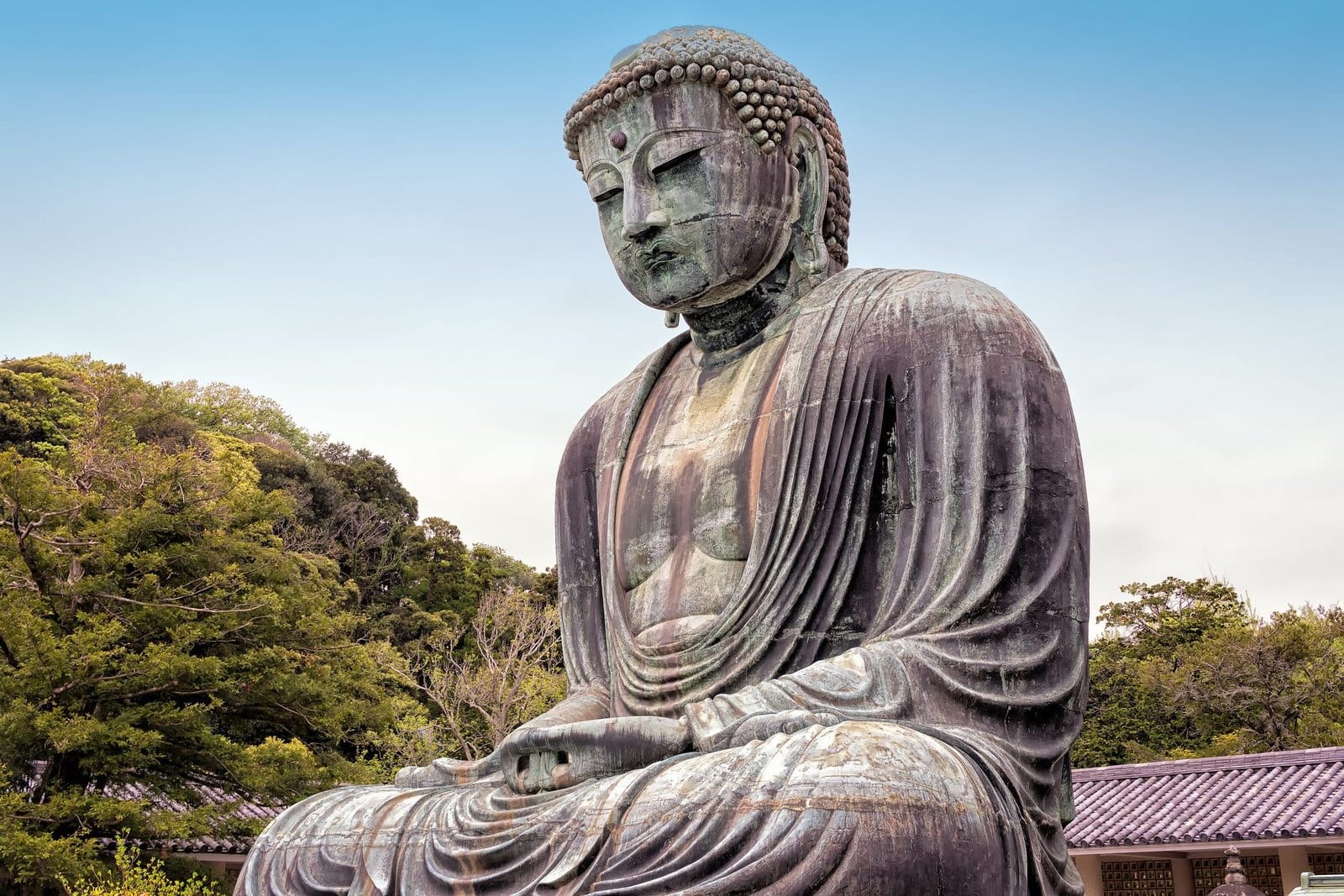
5 Best Day Trips from Tokyo: Kamakura, Nikko, Hakone, Kawaguchi, Yokohama
8 min · itineraries
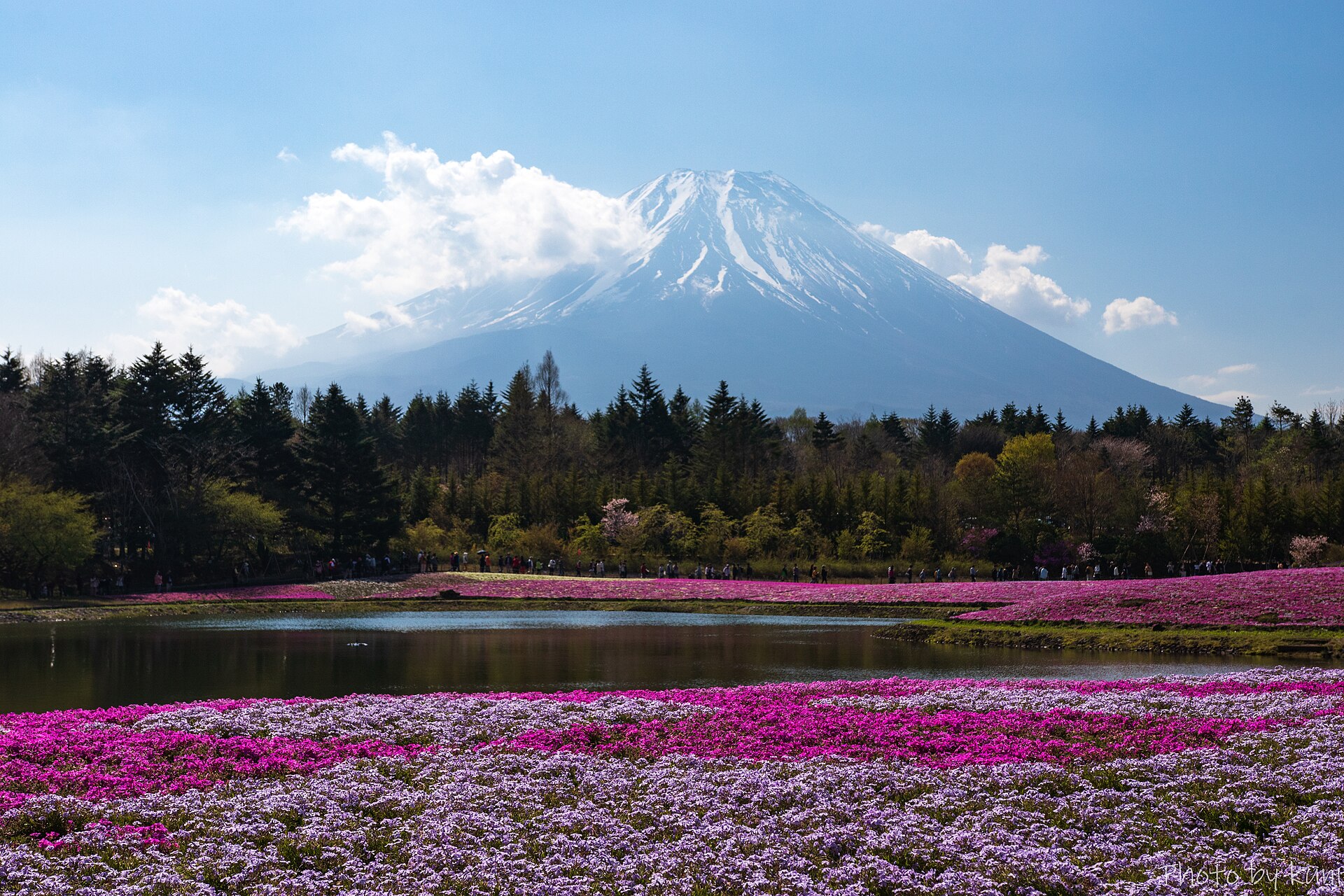
10-Day Japan Golden Route: Tokyo – Hakone – Kyoto – Osaka for First-Timers
8 min · itineraries
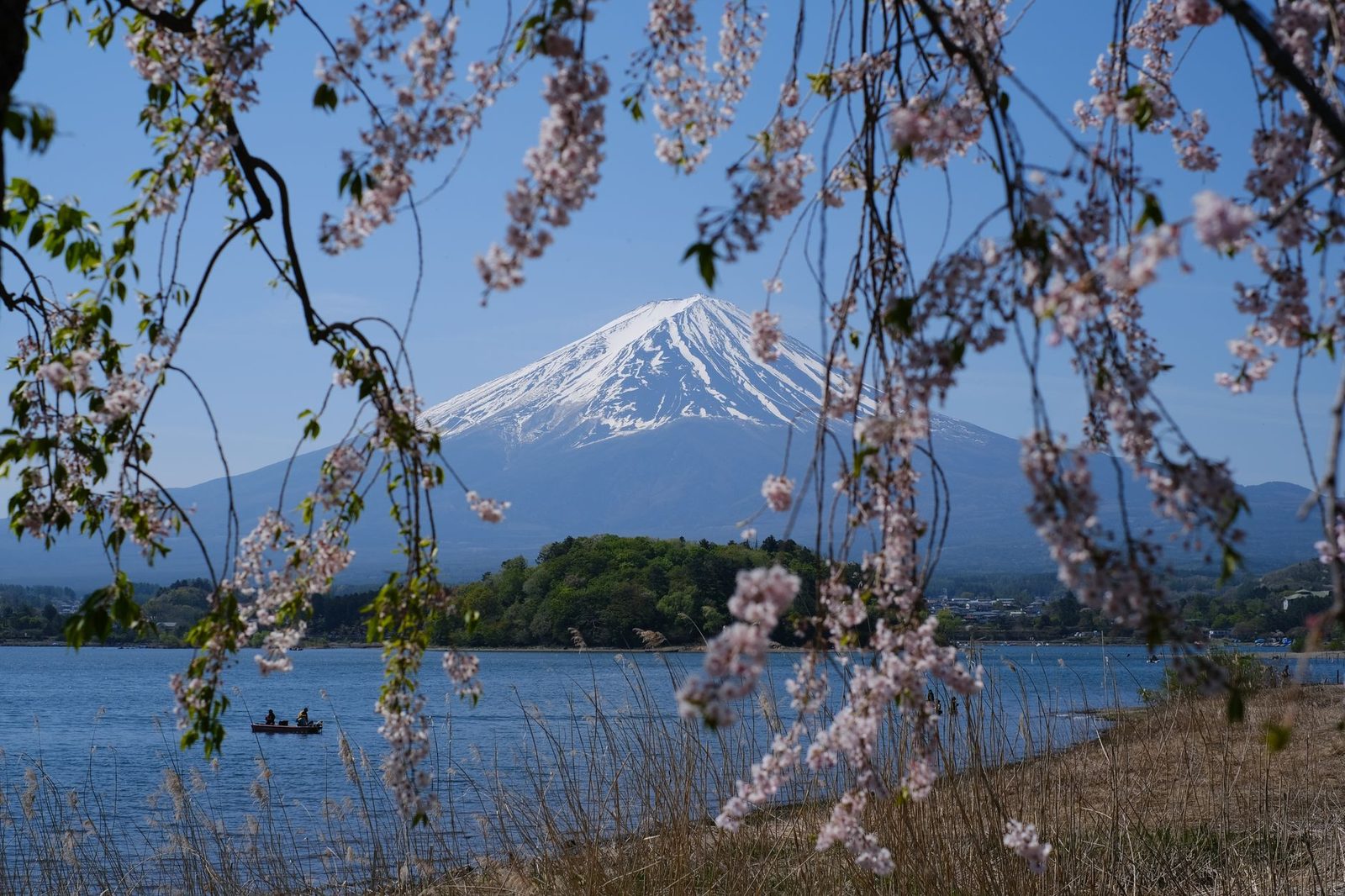
Mount Fuji in Cherry Blossom Season – Sakura Reflected on the Lake
5 min · seasonal
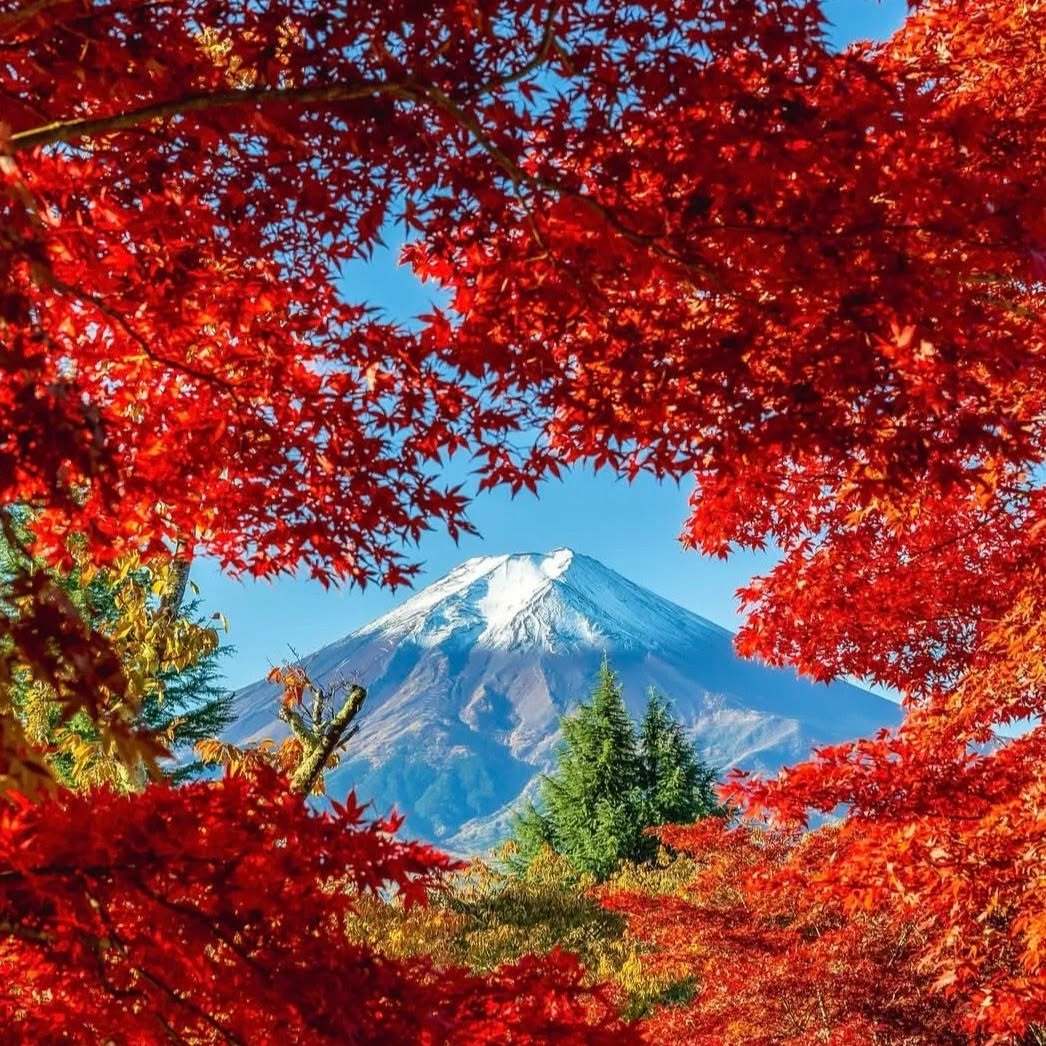
Mount Fuji in Fall – Koyo Season and the Blazing Colors Around Japan's Sacred Peak
6 min · seasonal