
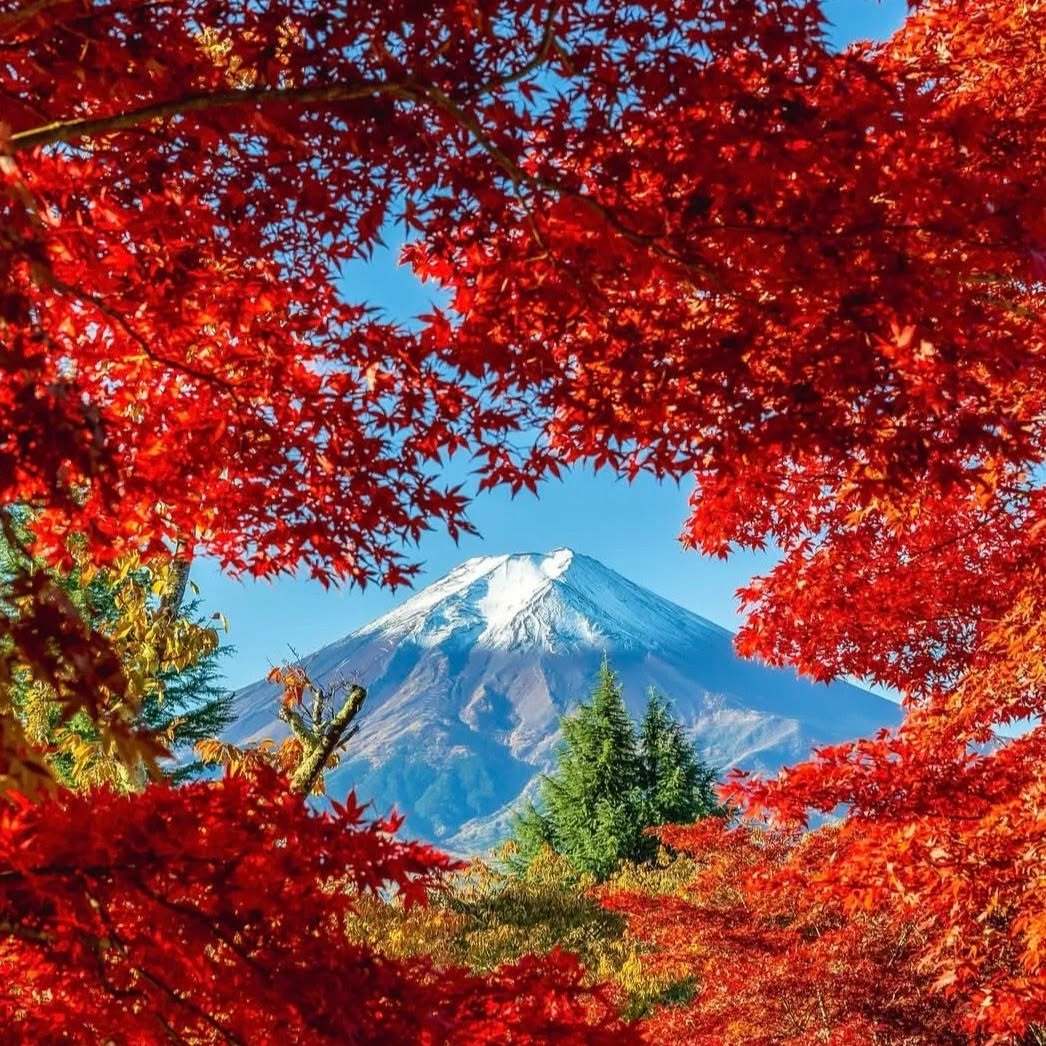
Mount Fuji in Fall – Koyo Season and the Blazing Colors Around Japan's Sacred Peak
Your complete guide to experiencing autumn koyo at Mount Fuji in Yamanashi and Shizuoka prefectures — peak timing, how to get there, the best photo spots, and practical travel tips.
Feb 9, 2026·✍️ olablog·⏱ 6 min read
Your complete guide to experiencing autumn koyo at Mount Fuji in Yamanashi and Shizuoka prefectures — peak timing, how to get there, the best photo spots, and practical travel tips.
Tap a region to browse articles
Japan is one of those rare destinations that genuinely earns its hype — and Mount Fuji in autumn, straddling Yamanashi and Shizuoka prefectures, is the country at its most cinematic. This isn't just a day trip to tick off a bucket list; it's full immersion into a landscape so absurdly beautiful it makes you stop mid-stride and forget what you were doing. The kind of place that appears on your camera roll and makes your friends back home deeply, unreasonably jealous.
1. What Makes Mount Fuji in Autumn So Special
The views here operate on a different level. Yamanashi and Shizuoka unfold like a living oil painting — and unlike a painting, the light here actually changes. Golden at dawn, sharp and clear through the morning, then dissolving into pink and violet as the sun drops behind the peak. No two hours look the same.
The journey to Fuji is part of the experience too. Roads wind through forested mountain slopes, skirt glassy lakes, and open suddenly onto jaw-dropping panoramas. Travelers consistently say it feels less like getting somewhere and more like being somewhere — the whole drive qualifies as the destination.
2. Top Photo Spots You Can't Skip
The Fuji Five Lakes region and the surrounding Yamanashi / Shizuoka countryside are packed with viewpoints — some iconic, some known only to locals. Here are the ones worth building your itinerary around:
The main observatory deck: 180-degree views of Fuji with nothing in the way. Sunrise and sunset here are routinely described as the best in the region — arrive early, bring a layer.
The old-growth tree avenue: Century-old trees form a natural tunnel overhead. In peak koyo season, the canopy turns amber and crimson — one of those scenes that looks fake in photos but is somehow even better in person.
The lake reflection shot: The still surface of nearby lakes (Kawaguchiko is the classic) mirrors Fuji perfectly on calm mornings — the symmetrical shot that fills every Japan travel magazine. Get there before 8 a.m. before the wind picks up.
The high-ground panorama point: Hike or drive to the area's highest accessible viewpoint for a sweeping panorama across both prefectures. Worth every minute of effort.
3. Best Time to Visit
Every season brings something different to Fuji, but October and November is the sweet spot for autumn foliage — and arguably the best time of year, full stop. Here's why:
- Weather is stable and clear — ideal for driving, hiking, and photography
- Koyo (紅葉) peaks across the lower slopes, with reds, oranges, and yellows in full effect
- Golden-hour light is exceptional: aim for 6–9 a.m. and 4–6 p.m.
- Crowds are manageable — busy, but not the shoulder-to-shoulder chaos of cherry blossom season
Winter visits deliver an almost supernatural snow-dusted Fuji, but mountain roads can ice over — check conditions before you go. Spring (sakura + Fuji) and summer (summit climbing season, closes around mid-September) are great alternatives depending on your priorities.
4. The Best Way to Explore — Drive It Yourself
Honestly? The Fuji Five Lakes area and the broader Yamanashi / Shizuoka region reward independent travelers who have their own wheels. Public transport — including the Fujikyu Railway and highway buses from Shinjuku — will get you to the main spots, but the magic here is in the in-between: the roadside viewpoints, the quiet forest detours, the mountain passes where you'll want to pull over every five minutes.
Roads around Fuji are well-maintained with clear signage, and rest areas (道の駅, michi-no-eki) are spaced helpfully along major routes — good for a coffee, local produce, and a leg stretch.
✨ Pro tip: Rent a car through OlaChill and set your own pace around Mount Fuji. Self-drive and chauffeured options both available.
5. Sample 1–2 Day Itinerary
Day 1:
- 6:00 a.m. – Reach the main observatory for sunrise. Fuji in early morning light with autumn colors in the foreground is the shot.
- 8:00 a.m. – Breakfast at a local spot in Fujikawaguchiko — try hōtō nabe, the regional thick-noodle hot pot that's basically the Yamanashi answer to a full English on a cold morning.
- 9:30 a.m. – Drive the scenic lakeside loop, stopping at viewpoints along the north shore of Kawaguchiko.
- 12:00 p.m. – Lunch at a roadside restaurant or a michi-no-eki rest stop.
- 2:00 p.m. – Explore secondary spots: a historic village, a waterfall, or one of the quieter lakes (Saiko and Shojiko are far less crowded than Kawaguchi).
- 5:00 p.m. – Check into your ryokan or hotel.
- 6:30 p.m. – Onsen soak if your accommodation has one (most ryokan do), followed by a multi-course kaiseki dinner. This is not the night for a convenience store meal.
Day 2:
- 7:00 a.m. – Early breakfast and an early start — beat the tour buses.
- 8:30 a.m. – Take a less-traveled back road or a viewpoint that didn't make the guidebooks.
- 11:00 a.m. – Lake reflection photography session while the surface is still calm.
- 1:00 p.m. – Lunch and a slower afternoon — or push on to Hakone if you're extending the trip.
- 3:00 p.m. – Head to your next destination or back toward Tokyo.
6. Practical Tips for the Trip
- 📷 Shoot in the golden hour: The 30 minutes either side of sunrise and sunset are when Fuji looks genuinely otherworldly. Set an alarm.
- 🚗 Book your rental car early: Peak koyo weekends in October and November fill up fast — lock in your car at least 1–2 weeks ahead.
- ⛽ Fill up before you head into the mountains: Gas stations thin out in rural Yamanashi and Shizuoka. Don't gamble on finding one at the top of a mountain pass.
- 📱 Download offline maps: Google Maps offline works well for this region — cell service drops out on some mountain roads and you don't want to be guessing at a fork in the road.
- 🍙 Stock up at a convenience store: 7-Eleven and FamilyMart are your best friends on a road trip. Japanese convenience store onigiri and hot drinks are genuinely good — this is not a compromise.
- ☁️ Check the weather the morning of: Cloud cover can completely obscure Fuji — it's worth refreshing the forecast before you drive two hours for a view of grey nothing.
More from this region — Mt. Fuji
View all →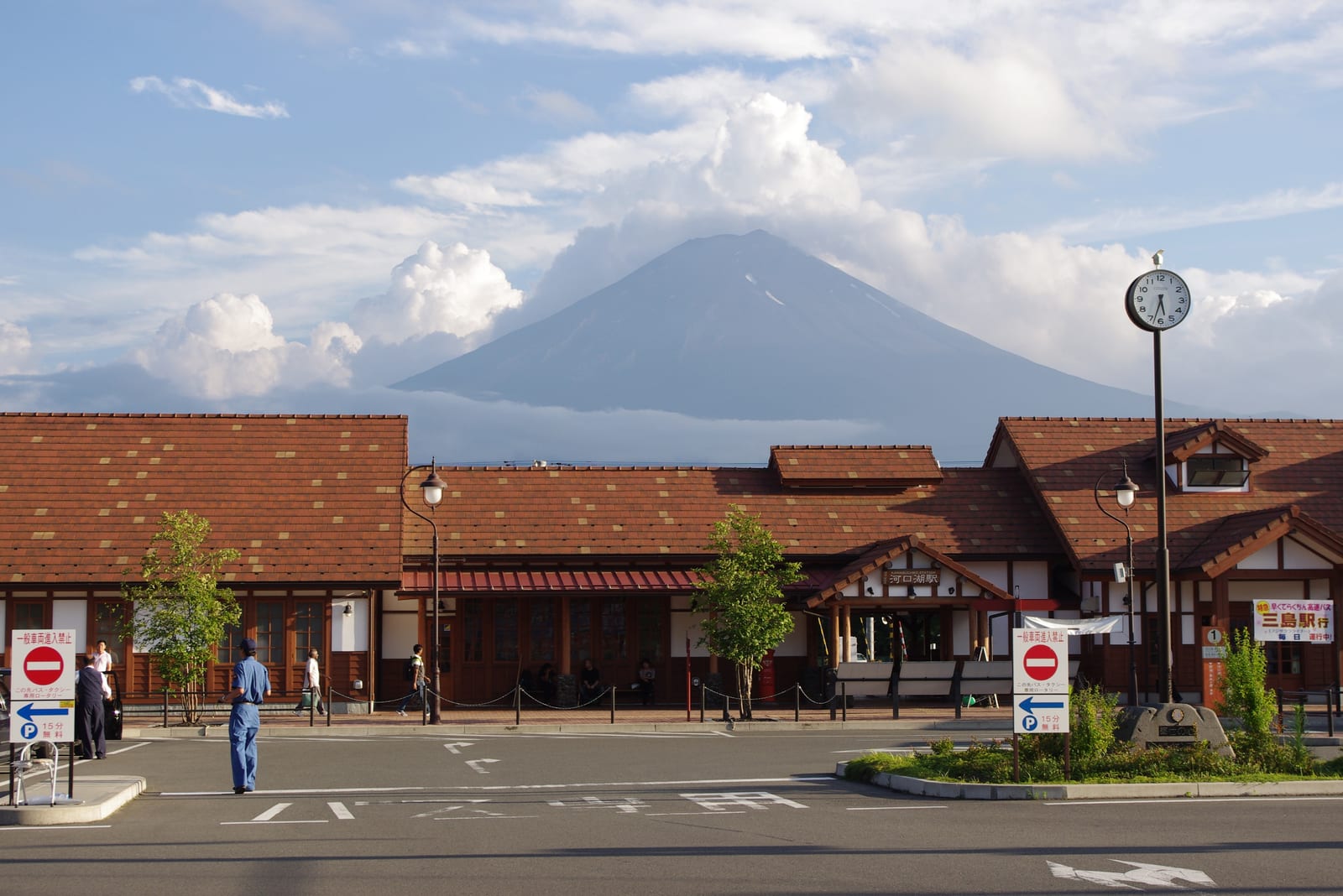
Seeing Mount Fuji Properly: Kawaguchiko, Hakone or Enoshima?
14 min · destinations
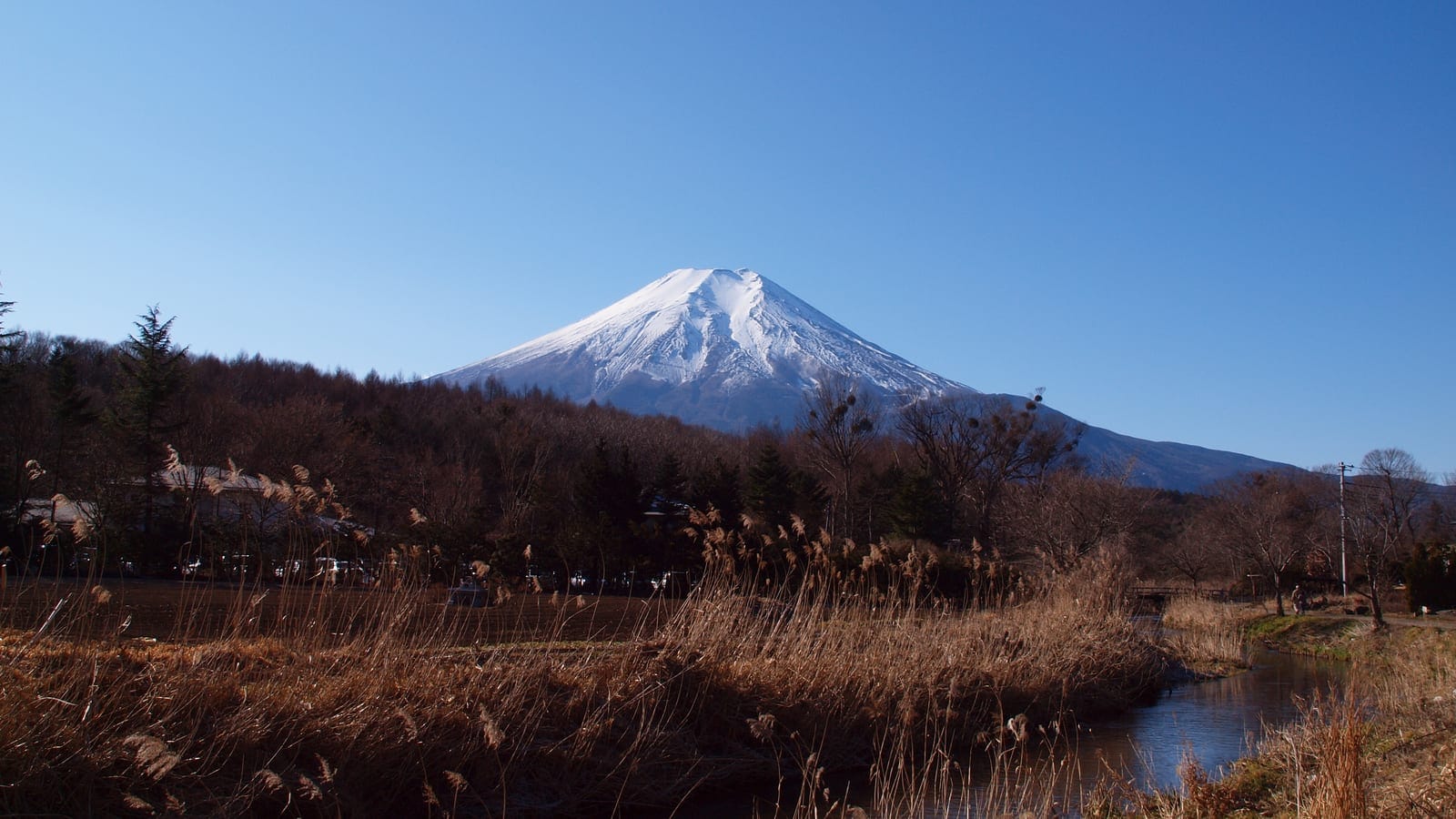
Mount Fuji in Winter – Snow-Capped Perfection Under Crystal-Clear Skies
5 min · seasonal
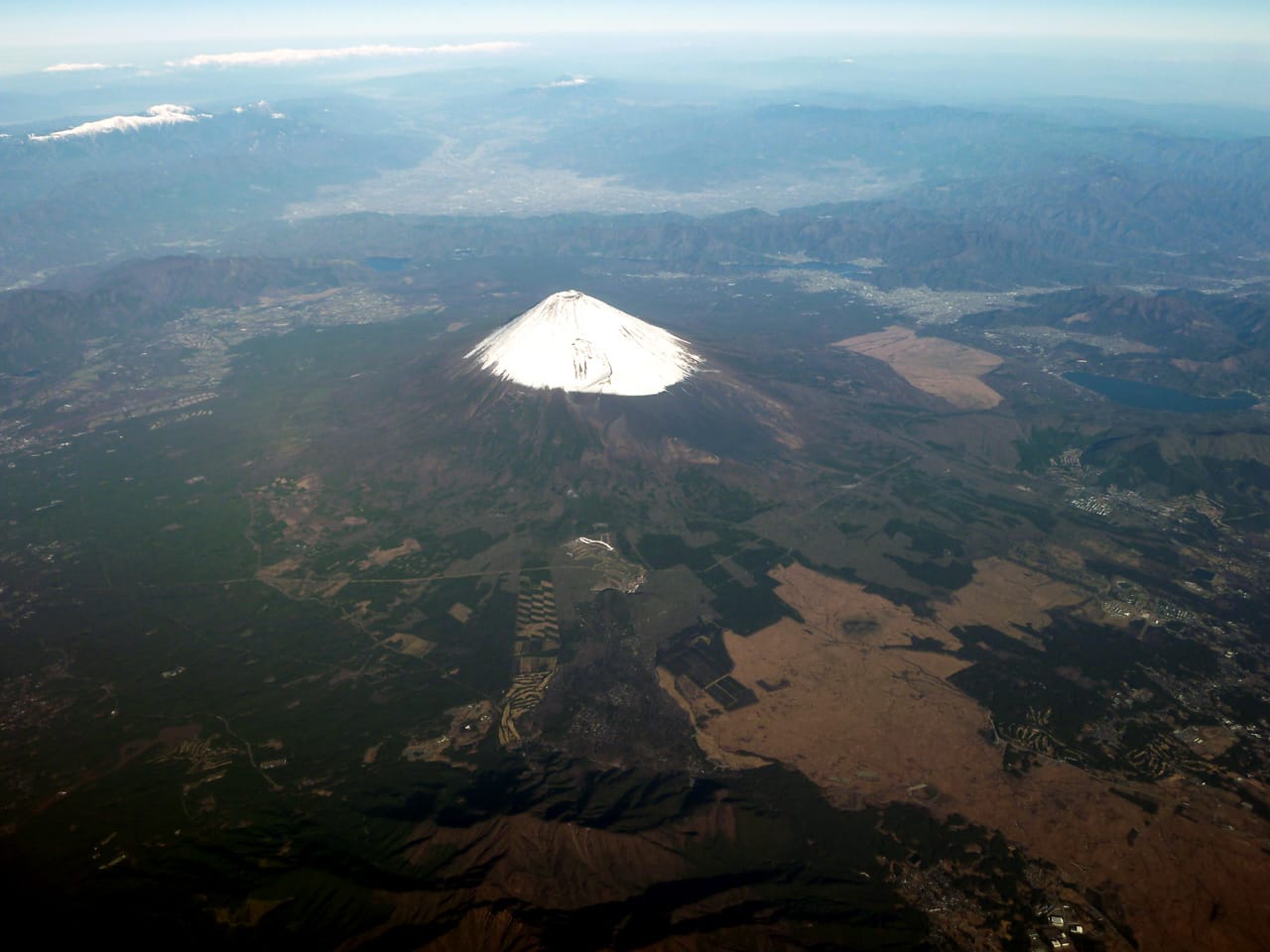
Mt. Fuji From Above – Aerial Views and Surrounding Summit Perspectives
5 min · destinations
Mt Fuji Day Trip by Private Van: Lakes, Views and the Fifth Station
8 min · tips