
Seeing Mount Fuji Properly: Kawaguchiko, Hakone or Enoshima?
Planning your Japan trip from India or Bangladesh? This guide compares Kawaguchiko, Hakone, and Enoshima for the best Mount Fuji views, with seasonal odds, costs, and food tips.
Jul 10, 2026·✍️ olablog·⏱ 14 min read
Planning your Japan trip from India or Bangladesh? This guide compares Kawaguchiko, Hakone, and Enoshima for the best Mount Fuji views, with seasonal odds, costs, and food tips.
Tap a region to browse articles
Japan's iconic Mount Fuji beckons first-time visitors, promising breathtaking views that grace postcards and travel brochures. But for many travellers from India and Bangladesh, the question isn't just if they'll see Fuji, but how and where to get that perfect, unobstructed view without breaking the bank or wasting precious travel time. With choices like the popular Kawaguchiko, the scenic Hakone, or the coastal Enoshima, deciding can be daunting. This in-depth guide will help you navigate the options, convert costs to Indian Rupees (and mention Bangladeshi Taka where relevant), and prepare for a truly memorable encounter with Fuji-san, even accounting for those inevitable cloudy days. Expect to spend around ¥15,000 (approx. ₹8,400) or more for a dedicated day trip to Kawaguchiko, covering transport and key attractions.
The Quest for Fuji: Understanding Your Options
Mount Fuji, Japan's tallest peak, is a sight to behold. However, its shy nature means clear views are never guaranteed, often playing hide-and-seek behind clouds. Your choice of viewing location significantly impacts the experience, the view's proximity, and the ease of access from Tokyo. For travellers from India and Bangladesh, who might be familiar with long train journeys or intricate public transport networks back home, Japan's system is efficient but requires planning. Think of navigating the Tokyo Metro compared to the Delhi Metro – both extensive, but with different nuances. The three primary locations we'll explore are Kawaguchiko, Hakone, and Enoshima, each offering a distinct perspective and travel experience.
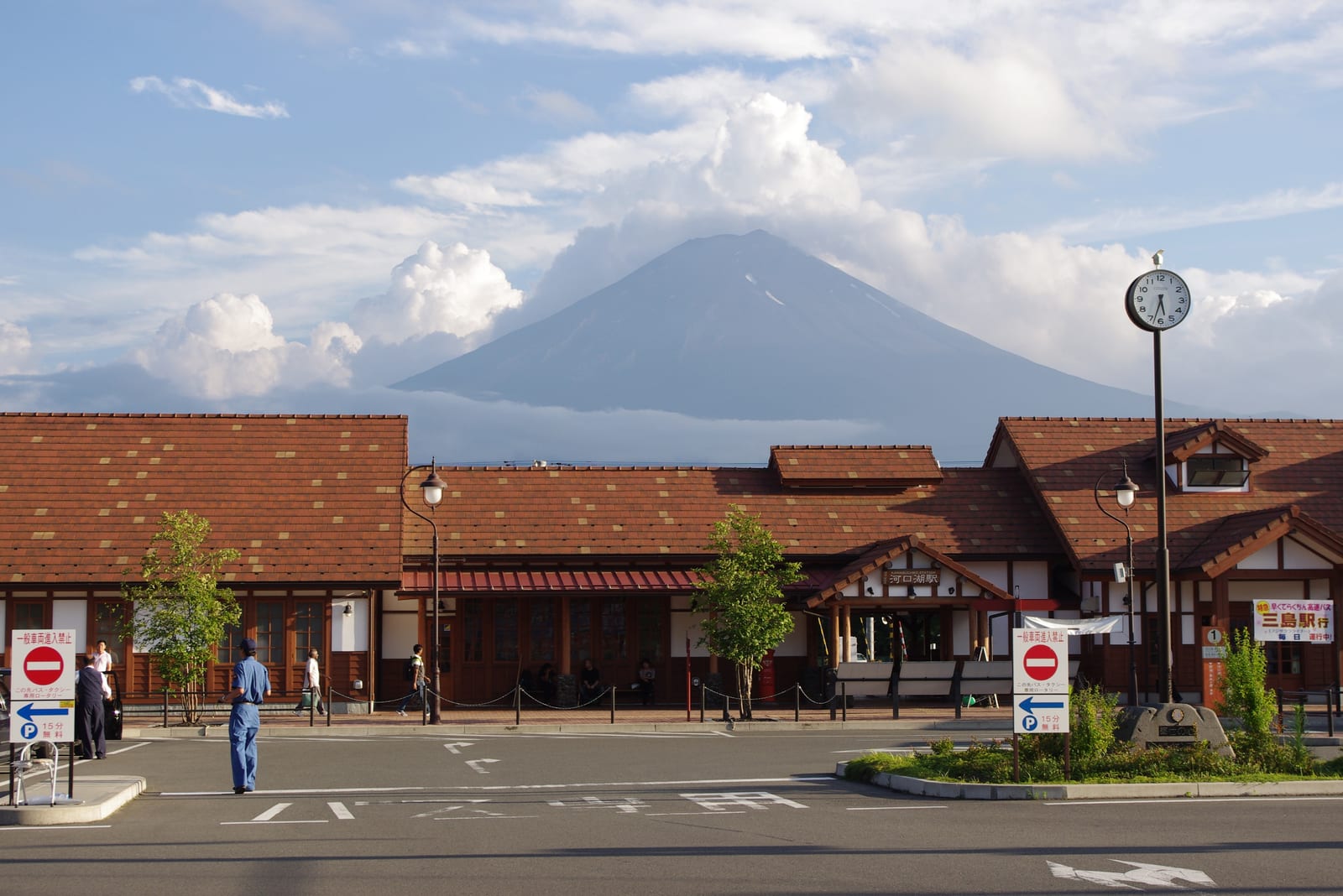
Kawaguchiko, part of the Fuji Five Lakes region, is arguably the most famous and offers the most direct, close-up views. It’s ideal for those seeking the classic, picture-postcard scenery, often including the reflection of Fuji on the lake. Hakone presents a more distant, yet still impressive, view of Fuji, often framed by other natural beauty and a rich cultural experience, including hot springs (onsen). Enoshima, a small island off the coast, provides the most remote view – a distant silhouette on a clear day, best combined with a seaside escape and a visit to historic Kamakura. Your decision will hinge on your priorities: proximity to Fuji, budget, the overall travel experience you desire, and your tolerance for uncertainty given Fuji's unpredictable visibility.
Kawaguchiko: The Classic Postcard View
Kawaguchiko is synonymous with iconic Mount Fuji views, particularly for those seeking that perfect shot. Located in Yamanashi Prefecture, it's one of the Fuji Five Lakes and offers some of the closest and most unobstructed perspectives of the mountain. This is often the first choice for first-timers from India and Bangladesh, and for good reason.
Getting There and Around
Kawaguchiko is accessible primarily by highway bus or train from Tokyo. By Highway Bus: This is generally the most economical and often the most direct method. Buses depart frequently from Shinjuku Expressway Bus Terminal (Busta Shinjuku) to Kawaguchiko Station. The journey takes approximately 1.5 to 2 hours. A one-way ticket costs around ¥2,000 to ¥2,200 (approx. ₹1,120 to ₹1,232). Booking in advance, especially for weekends or peak seasons, is highly recommended. You can book online via sites like Japan Bus Online or at the bus terminal. By Train: The train journey is a bit more complex and usually involves transfers. From Shinjuku Station, take the JR Chuo Line (Limited Express Azusa or Kaiji) to Otsuki Station (approx. 1 hour, ¥2,500-¥3,500 / ₹1,400-₹1,960). From Otsuki, transfer to the Fujikyu Railway Line to Kawaguchiko Station (approx. 1 hour, ¥1,170 / ₹655). If you have a JR Pass, the JR Chuo Line portion is covered, but the Fujikyu Railway is a private line and requires a separate ticket. The total cost without a JR Pass can be around ¥3,670 to ¥4,670 (approx. ₹2,055 to ₹2,615) one way. For those familiar with IRCTC bookings, imagine booking one leg on a national railway and another on a private regional line.
Once at Kawaguchiko Station, local retro buses (Red, Green, Blue lines) serve the main attractions around the lake. A 2-day pass costs ¥1,700 (approx. ₹952) and is usually a good value if you plan to explore multiple spots. Individual rides are also possible.
Key Viewing Spots and Activities
- Chureito Pagoda: This is the quintessential "Fuji with pagoda and cherry blossoms" shot. Located at Arakurayama Sengen Park, it requires a short train ride from Kawaguchiko Station to Shimo-Yoshida Station, followed by a steep climb of about 400 steps. The view, particularly in spring with cherry blossoms or autumn with fall foliage, is truly iconic. Even without blossoms, the pagoda and Fuji are stunning.
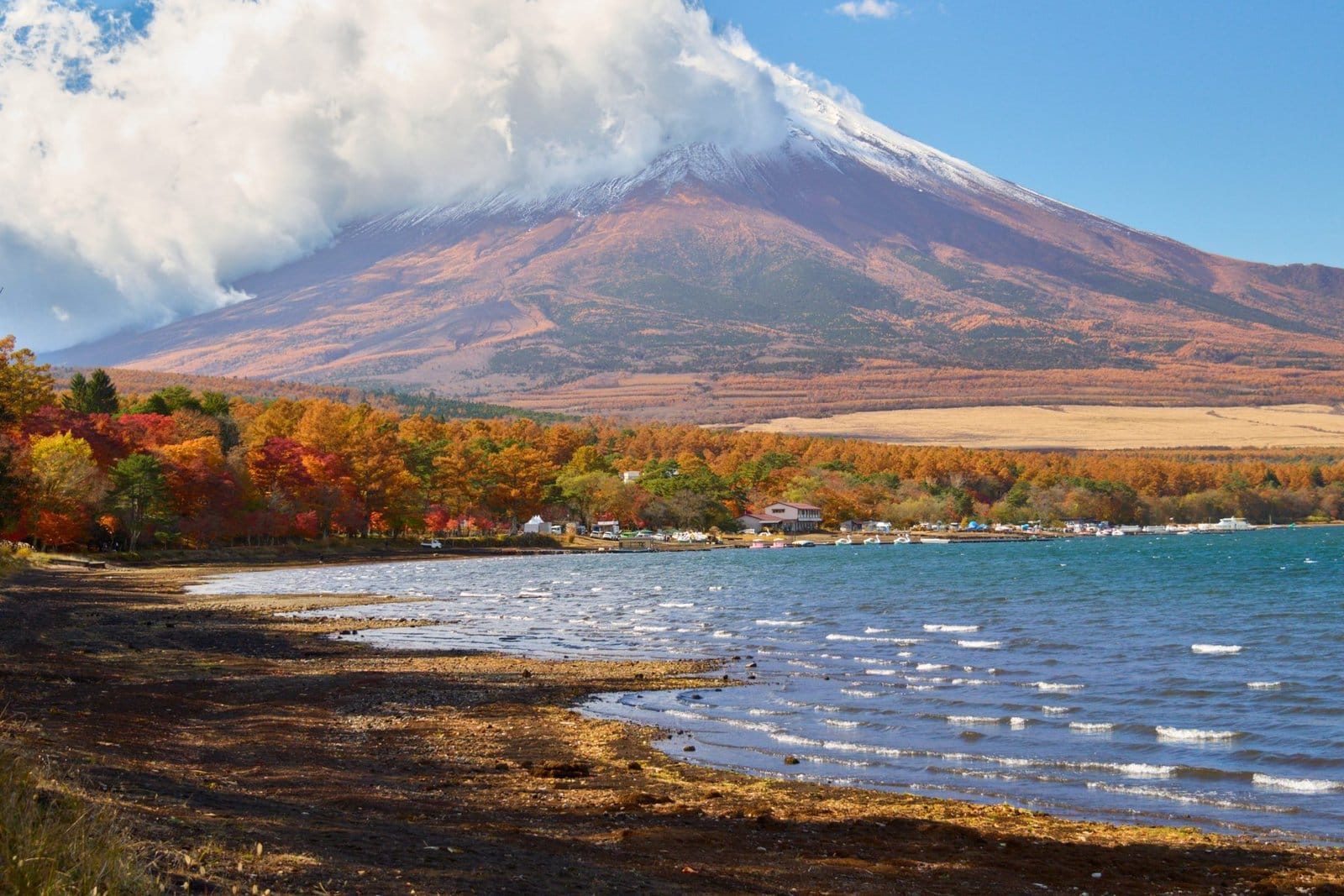
- Lake Kawaguchiko Northern Shore (Ubuyagasaki and Oishi Park): These areas offer fantastic views, especially for "reverse Fuji" (Fuji's reflection on the lake) on calm days. Oishi Park is known for its seasonal flowers that frame Fuji.
- Kachi-Kachi Ropeway: Ascends to an observation deck offering panoramic views of Lake Kawaguchiko and Mount Fuji. A round-trip ticket costs ¥900 (approx. ₹504).
- Lake Kawaguchiko Excursion Boat: A leisurely cruise on the lake provides unique perspectives of Fuji. A 20-minute ride costs ¥1,000 (approx. ₹560).
- Itchiku Kubota Art Museum: Features exquisite kimonos and beautiful Japanese gardens, offering a cultural respite if Fuji is hidden. Entrance is ¥1,300 (approx. ₹728).
Day Trip vs. Overnight Stay
While a day trip is feasible, especially via direct bus, an overnight stay offers several advantages. Firstly, it increases your chances of seeing Fuji. Early mornings often provide the clearest views before clouds roll in. Secondly, it allows for a more relaxed pace, letting you enjoy the area's onsen ryokans (traditional inns with hot springs) or lakeside hotels. Accommodation costs can range from ¥8,000 (approx. ₹4,480) for a budget guesthouse to ¥25,000+ (approx. ₹14,000+) for a mid-range ryokan with a Fuji view and dinner. For Indian and Bangladeshi travellers, balancing cost with the desire for a unique Japanese experience is key. Many ryokans offer vegetarian meal options if requested in advance, but explicitly confirm when booking.
Food Considerations
Kawaguchiko has a decent range of eateries. For vegetarian and halal options, look for:
- Udon/Soba Noodles: Many noodle shops can prepare vegetarian broths (ask for 'shojin dashi' or 'kombu dashi' – kelp-based broth) and toppings without meat or fish. Always specify "niku-nashi" (no meat) and "katsuo-bushi nashi" (no bonito flakes).
- Curry Rice: Indian restaurants are popping up even in smaller tourist towns in Japan, offering familiar flavours. Seek them out using Google Maps with keywords like "Indian restaurant Kawaguchiko" or "halal food Kawaguchiko".
- Convenience Stores: Seven-Eleven, FamilyMart, and Lawson are ubiquitous and offer rice balls (onigiri), sandwiches, and sometimes even vegetarian instant noodles. Check ingredients carefully.
- Local Produce: Many cafes offer dishes featuring local vegetables.
Sample Kawaguchiko Day Trip Itinerary
- 7:00 AM: Depart Shinjuku Expressway Bus Terminal for Kawaguchiko Station (book tickets online in advance).
- 9:00 AM: Arrive at Kawaguchiko Station. Purchase retro bus pass.
- 9:30 AM: Take the retro bus to Shimo-Yoshida Station area. Climb to Chureito Pagoda for iconic photos.
- 11:30 AM: Return to Kawaguchiko Station area. Explore the northern shore (Oishi Park) for lake views.
- 1:00 PM: Lunch at a local eatery, perhaps a vegetarian-friendly udon shop or a Japanese curry spot.
- 2:30 PM: Take the Kachi-Kachi Ropeway for panoramic views.
- 4:00 PM: Enjoy a leisurely walk along the lake or visit a souvenir shop.
- 5:30 PM: Depart Kawaguchiko Station by bus back to Shinjuku.
- 7:30 PM: Arrive back in Tokyo.
This itinerary is packed, costing approximately ¥5,000-¥7,000 (approx. ₹2,800-₹3,920) for transport and attractions, plus food.
Hakone: Onsen, Art, and Distant Fuji Glimpses
Hakone, located in Kanagawa Prefecture, is a popular hot spring resort town known for its natural beauty, museums, and often, distant views of Mount Fuji. It offers a more diverse experience than Kawaguchiko, combining culture, relaxation, and scenic transport. The Fuji views here are generally from afar, often across Lake Ashi, but no less beautiful when clear.
Getting There and Around
Hakone is easily accessed from Tokyo, typically via Odakyu Railways from Shinjuku Station. Odakyu Romancecar: This limited express train offers a comfortable and direct ride to Hakone-Yumoto Station (approx. 85 minutes). A one-way ticket costs around ¥2,330 (approx. ₹1,305). Booking online or at Shinjuku Station is recommended. Hakone Free Pass: This is highly recommended for exploring Hakone. It covers round-trip transport from Shinjuku to Hakone and unlimited use of various local transport (Hakone Tozan train, cable car, ropeway, pirate ship, buses) for 2 or 3 days. A 2-day pass costs ¥6,100 (approx. ₹3,416) from Shinjuku, or ¥5,000 (approx. ₹2,800) if purchased from Odawara (the gateway city to Hakone) for those with a JR Pass travelling to Odawara first. For Indian and Bangladeshi travellers, this pass is like a curated travel package, simplifying logistics and often saving money, much like a combined metro-bus pass in a major city.
The "Hakone Round Course"
The classic way to experience Hakone is the "Hakone Round Course," which uses a variety of transport modes:
- Hakone Tozan Railway: A charming mountain train from Hakone-Yumoto to Gora.
- Hakone Tozan Cable Car: From Gora to Sounzan.
- Hakone Ropeway: From Sounzan over Owakudani (a volcanic valley with hot springs and vents) to Togendai. This segment often offers some of the best Fuji views if weather permits.
- Hakone Sightseeing Cruise (Pirate Ship): On Lake Ashi, from Togendai to Hakone-machi or Motohakone. Fuji often appears majestically behind the iconic torii gate of Hakone Shrine on the lake.
Key Viewing Spots and Activities
- Lake Ashi: Views of Fuji across the lake, especially from the pirate ship or specific viewpoints like the Motohakone pier, are classic Hakone.
- Owakudani: A volcanic valley famous for its "black eggs" (kuro-tamago), which are boiled in the sulphuric hot springs and are said to prolong life by seven years. The area also offers panoramic views, often including Fuji.
- Hakone Open-Air Museum: An excellent outdoor sculpture park set against the backdrop of the mountains. Entrance is ¥1,600 (approx. ₹896). A great backup if Fuji is hidden.
- Hakone Shrine: A beautiful shrine with its iconic torii gate standing in Lake Ashi.
- Onsen: Hakone is renowned for its hot springs. Many hotels and ryokans offer public baths (sento) or private baths (kashikiri). Day-use onsen facilities are also available.
Day Trip vs. Overnight Stay
Hakone can be done as a long day trip from Tokyo, especially using the Hakone Free Pass. However, an overnight stay allows for a more relaxed pace, particularly if you wish to fully enjoy an onsen experience. Waking up in Hakone and hoping for an early morning clear view of Fuji can be rewarding. Accommodation ranges from budget guesthouses starting around ¥7,000 (approx. ₹3,920) to luxury ryokans with private onsen for ¥30,000+ (approx. ₹16,800+).
Food Considerations
Hakone offers a range of dining options.
- Soba/Udon: Similar to Kawaguchiko, these noodle dishes can often be made vegetarian.
- Tofu Dishes: Being near a mountainous region, tofu is often fresh and delicious. Look for restaurants specializing in 'yuba' (tofu skin).
- "Kuro-tamago" (Black Eggs): These are a must-try at Owakudani, though note they are boiled eggs and thus ovo-vegetarian.
- Convenience Stores: For quick bites, these are reliable.
- Indian/Halal: While less common than in Kawaguchiko, some larger towns within Hakone (like Odawara or Hakone-Yumoto) might have options. Always use online search tools.
Sample Hakone Day Trip Itinerary (using Hakone Free Pass)
- 8:00 AM: Depart Shinjuku by Odakyu Romancecar to Hakone-Yumoto.
- 9:30 AM: Arrive Hakone-Yumoto, begin the Hakone Round Course. Take Hakone Tozan Railway to Gora.
- 10:30 AM: Cable Car to Sounzan, then Ropeway to Owakudani. Explore Owakudani, try a black egg.
- 12:30 PM: Continue Ropeway to Togendai.
- 1:00 PM: Lunch at Togendai or on the pirate ship.
- 2:00 PM: Take the pirate ship across Lake Ashi to Motohakone. Enjoy Fuji views if visible.
- 2:45 PM: Walk to Hakone Shrine and its torii gate.
- 4:00 PM: Take a bus from Motohakone to Hakone-Yumoto.
- 5:30 PM: Depart Hakone-Yumoto by Romancecar back to Shinjuku.
- 7:00 PM: Arrive back in Tokyo.
This itinerary costs approximately ¥6,100 (approx. ₹3,416) for the Hakone Free Pass, plus food and any additional museum entries.
Enoshima: Coastal Charm and Distant Fuji
Enoshima, a small island near Kamakura in Kanagawa Prefecture, offers a different kind of Fuji experience. Here, Mount Fuji is a distant, majestic backdrop to the Pacific Ocean and the island's unique attractions. This is not the place for close-up shots, but rather for a serene coastal view on a very clear day. It's often combined with a visit to the historic city of Kamakura, famous for its Great Buddha and numerous temples.
Getting There and Around
Enoshima is easily accessible from Tokyo. By Odakyu Line: From Shinjuku Station to Katase-Enoshima Station (approx. 65-75 minutes) directly. A one-way ticket costs ¥670 (approx. ₹375). By JR Line: From Tokyo Station to Fujisawa Station (JR Tokaido Line, approx. 45-50 minutes). From Fujisawa, transfer to the Odakyu Enoshima Line to Katase-Enoshima Station (approx. 7 minutes) or the Enoden Line to Enoshima Station (approx. 10 minutes). The JR portion is covered by the JR Pass. The Odakyu or Enoden portion costs extra.
Once on Enoshima, you can explore on foot or use the Enoshima Escar (escalators) to ascend the hill, costing ¥360 (approx. ₹201) for a one-way trip or ¥800 (approx. ₹448) for a round trip covering all sections.
Key Viewing Spots and Activities
- Enoshima Sea Candle: The island's observation lighthouse offers panoramic views. On exceptionally clear days, Fuji can be seen to the west. Entrance to the Sea Candle observation deck is ¥500 (approx. ₹280). Combined tickets with the botanical garden are also available.
- Iwaya Caves: Sea caves carved by erosion. Admission is ¥500 (approx. ₹280).
- Enoshima Shrine: A series of shrines dedicated to Benten, a goddess of fortune, music, and knowledge.
- Enoshima Samuel Cocking Garden: A botanical garden with a mix of Japanese and tropical plants. Entrance is ¥200 (approx. ₹112).
- Kamakura: Just a short train ride away on the Enoden Line, Kamakura offers significant historical and cultural sites like the Great Buddha (Kotoku-in Temple, ¥300 / ₹168 entry) and Hasedera Temple (¥400 / ₹224 entry), making for an excellent day of exploration even if Fuji remains hidden.
Day Trip Considerations
Enoshima is almost exclusively a day trip destination. Its primary appeal is its relaxed coastal vibe and the combination with Kamakura. While there are a few ryokans, most visitors stay in Tokyo. The focus here is less on Fuji itself and more on the overall experience.
Food Considerations
Enoshima and Kamakura are known for seafood, particularly 'shirasu' (whitebait). However, vegetarian and halal options are available:
- Curry Rice: Several Indian restaurants can be found in Kamakura and Fujisawa.
- Vegetarian Cafes: Kamakura, being a popular tourist spot, has a growing number of cafes with vegetarian-friendly menus.
- Convenience Stores: Always a reliable backup.
- "Shojin Ryori": For a truly authentic vegetarian experience, some temple restaurants in Kamakura offer 'shojin ryori' (Buddhist vegetarian cuisine), but these are often higher-end and require advance booking.
Sample Enoshima & Kamakura Day Trip Itinerary
- 8:30 AM: Depart Shinjuku by Odakyu Line to Katase-Enoshima Station.
- 9:45 AM: Arrive Katase-Enoshima. Cross the bridge to Enoshima Island.
- 10:15 AM: Explore Enoshima Shrine, use the Escar to ascend, visit Samuel Cocking Garden and Enoshima Sea Candle for potential distant Fuji views.
- 1:00 PM: Lunch on Enoshima or head to Kamakura.
- 2:00 PM: Take the Enoden Line from Enoshima Station to Hase Station. Visit the Great Buddha at Kotoku-in Temple and Hasedera Temple.
- 4:30 PM: Take the Enoden Line to Kamakura Station. Explore Komachi-dori shopping street.
- 6:00 PM: Depart Kamakura Station (via Fujisawa) back to Tokyo.
- 7:30 PM: Arrive back in Tokyo.
This day trip can cost around ¥2,000-¥3,000 (approx. ₹1,120-₹1,680) for transport and attractions, plus food.
Seasonal Visibility Odds and Clear-Day Probability by Month
Mount Fuji's visibility is highly dependent on weather conditions, which can change rapidly. The mountain is often shrouded in clouds, especially during warmer months. Understanding the seasonal patterns is crucial for planning your trip from India or Bangladesh, where you might be more familiar with distinct monsoon seasons. Japan has its own rainy season, known as 'tsuyu', which behaves similarly to a monsoon.
More from this region — Mt. Fuji
View all →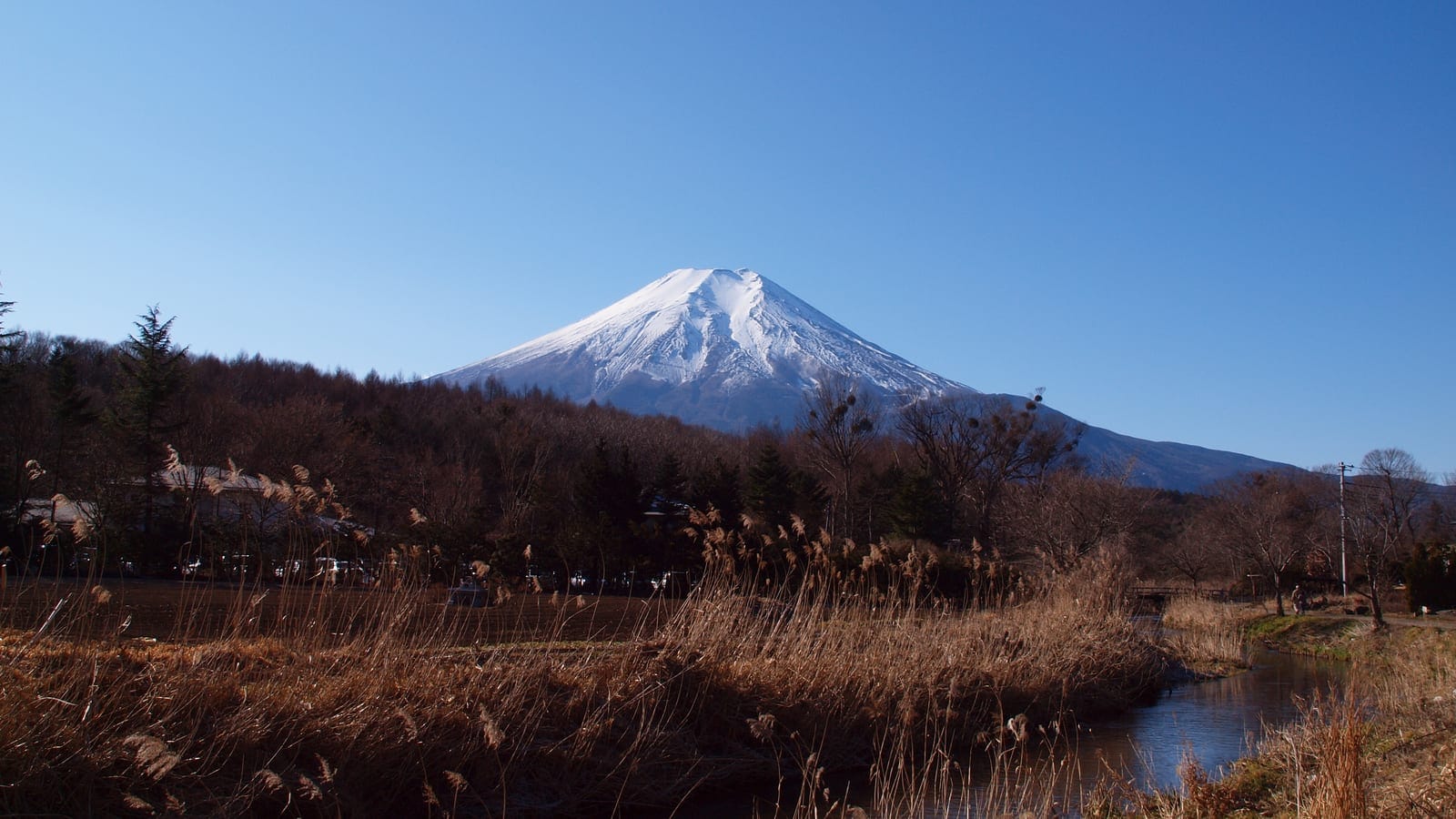
Mount Fuji in Winter – Snow-Capped Perfection Under Crystal-Clear Skies
5 min · seasonal
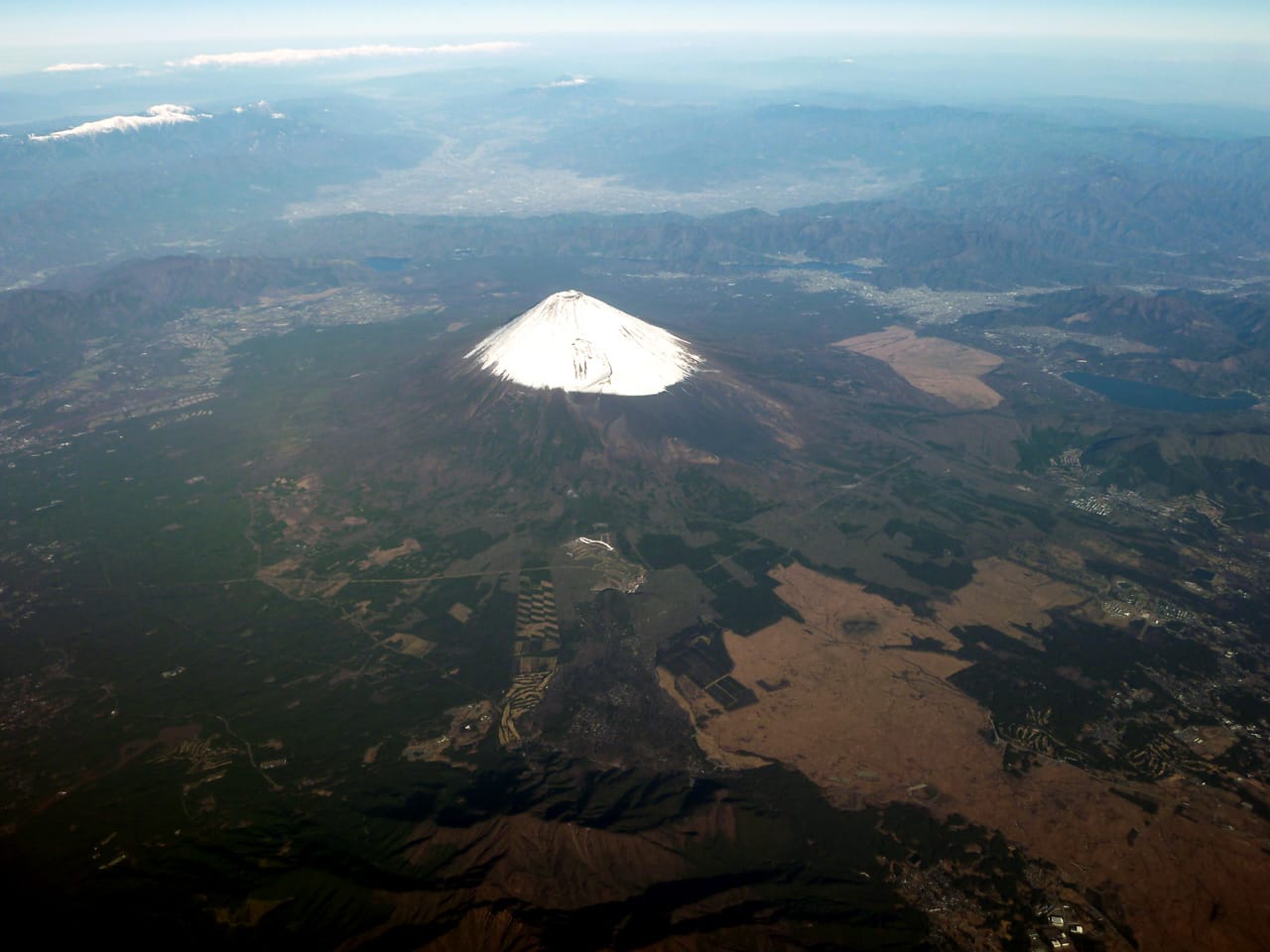
Mt. Fuji From Above – Aerial Views and Surrounding Summit Perspectives
5 min · destinations
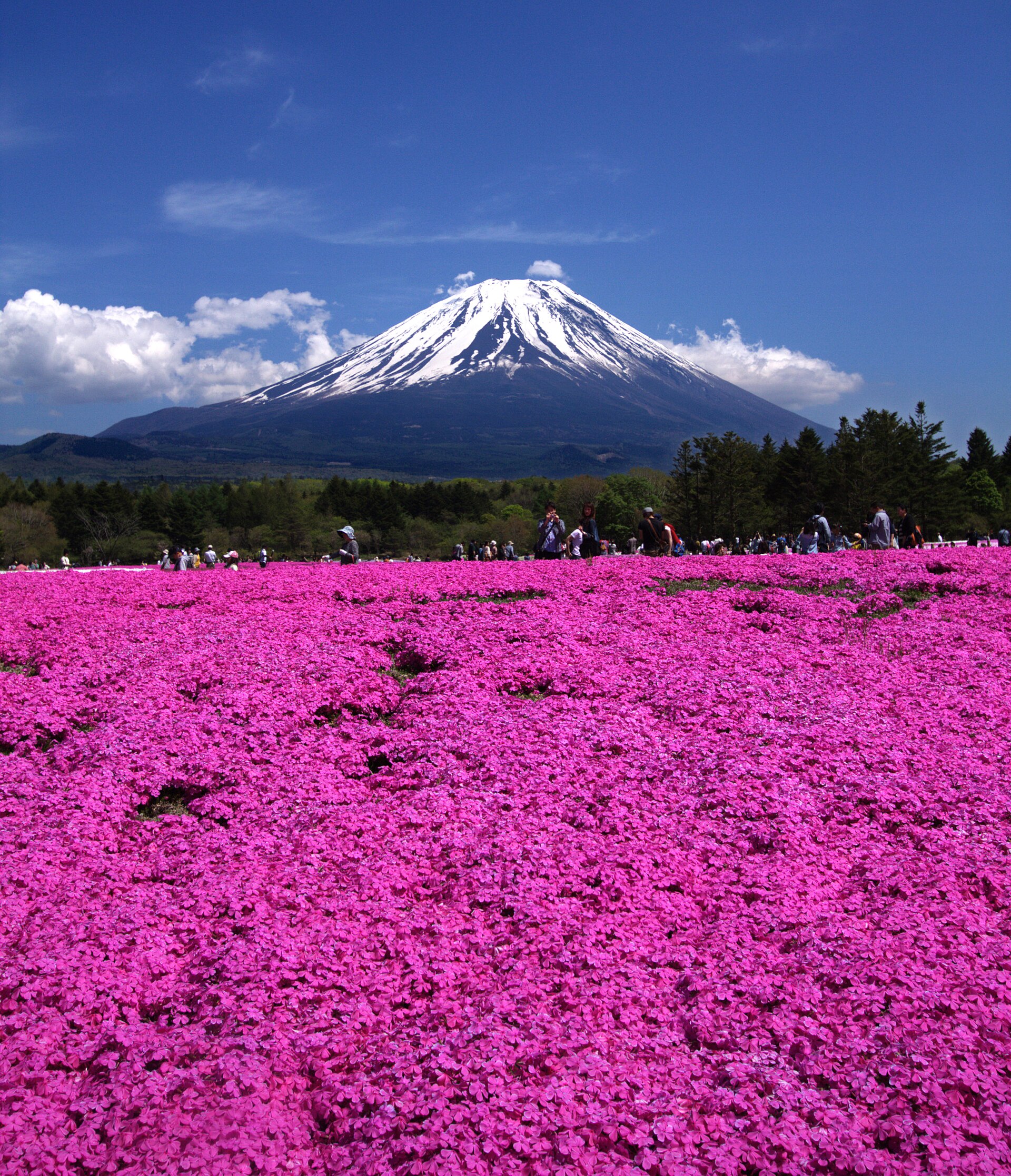
Mt Fuji Day Trip by Private Van: Lakes, Views and the Fifth Station
8 min · tips
Autumn Foliage Around Mount Fuji: Momiji Corridor and Fuji Five Lakes
7 min · seasonal